Categories
Conduct Research Present & Publish Findings

Seeking Originality — in Writing Sem and Beyond

Be original.

Professors never fail to offer this piece of advice. As R3 deadlines approach, Writing Seminar professors are undoubtedly pushing students to shoot for originality in their writing. And who can blame them? No one wants to read a worn-out argument or encounter unsurprising research findings. But originality is not only your professor’s concern.

Throughout my research experiences, I have infallibly found that I benefit the most from original projects. In my writing seminar, The Politics of Intimacy, a creative purpose continuously drove my work. I began my research with the intention of writing about depictions of sexuality in films and their influence on movie ratings and reviews. I intended to use the film Blue Valentine (2010) as my primary evidence because extensive pop-culture articles and scholarly discussion have addressed the implications of its rating. The Motion Picture Association of America rated Blue Valentine NC-17 (their harshest rating) because they deemed certain sexual acts inappropriate to watch. This rating prompted significant controversy and feminist analyses of the MPAA’s policy that I found to be incredibly intriguing.
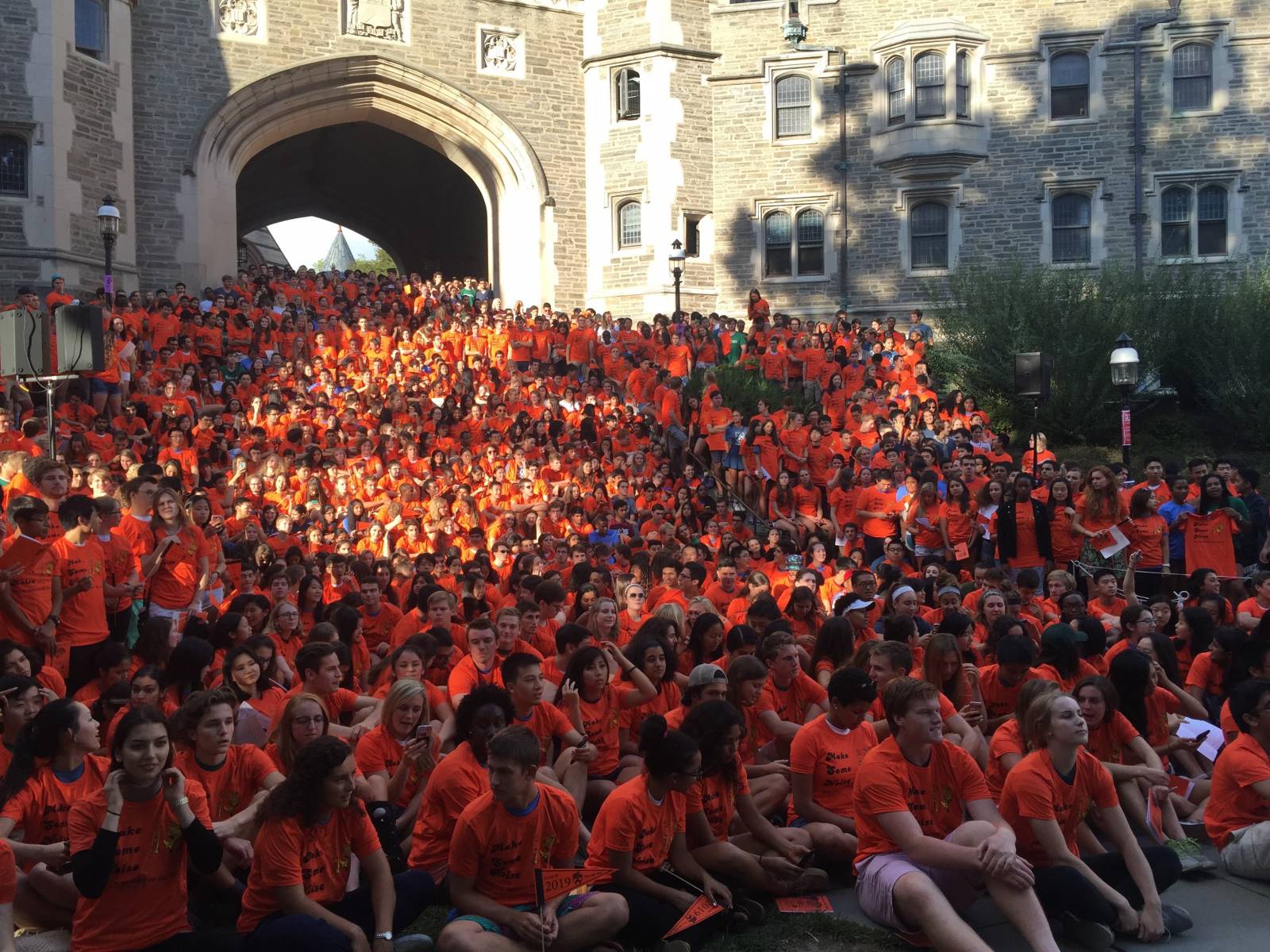
In a sea of Princeton students doing exceptional research, how can you push yourself to stand out from the crowd?
Categories
Present & Publish Findings

The Project That Made Me a Researcher… Sort Of

Over the course of the semester, PCURs will explain how they found their place in research. We present these to you as a series called The Project that Made Me a Researcher. As any undergraduate knows, the transition from ‘doing a research project’ to thinking of yourself as a researcher is an exciting and highly individualized phenomenon. Here, Dylan shares his story.

~~~~~~

The Project That Made Me a Researcher. Hmm. It’s a loaded topic for me because it makes a big assumption: Am I a researcher? It feels awkward to ascribe the word to myself, like a shirt that doesn’t quite fit right.

I definitely do research. And I definitely love doing it. But a researcher? Something about it seems so … prestigious, perhaps? Important? World-changing? Where do I fit in all this?

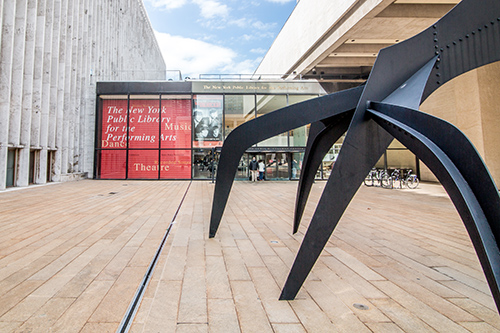
Located in Lincoln Center in New York City, the NYPL for the Performing Arts is an excellent resource for anyone researching theater, dance, or other forms of live performance.

The project that comes to mind is my freshman writing sem paper. I looked at how La Cage Aux Folles — the first Broadway musical to portray a gay couple at its center — tamed its queerness for a commercial 1983 audience. It was the first time I’d discovered that my niche interests could be considered academic, and I felt compelled to go out of my way to learn more than I might otherwise have. My ambition pushed me out of Princeton — twice — to the New York Public Library for the Performing Arts, where an extensive archive of video recordings of theatre is maintained. There, wedged into a small cubicle with an archaic looking TV screen, I watched the original 1983 production and, on a second trip, the 2004 revival. Sitting there, surrounded by a smorgasbord of theater junkies fixated on their own little screens, I had an epiphany: research is fun.

Categories
Conduct Research

Pondering Paterson: Personal Curiosity as Academic Research

Paterson
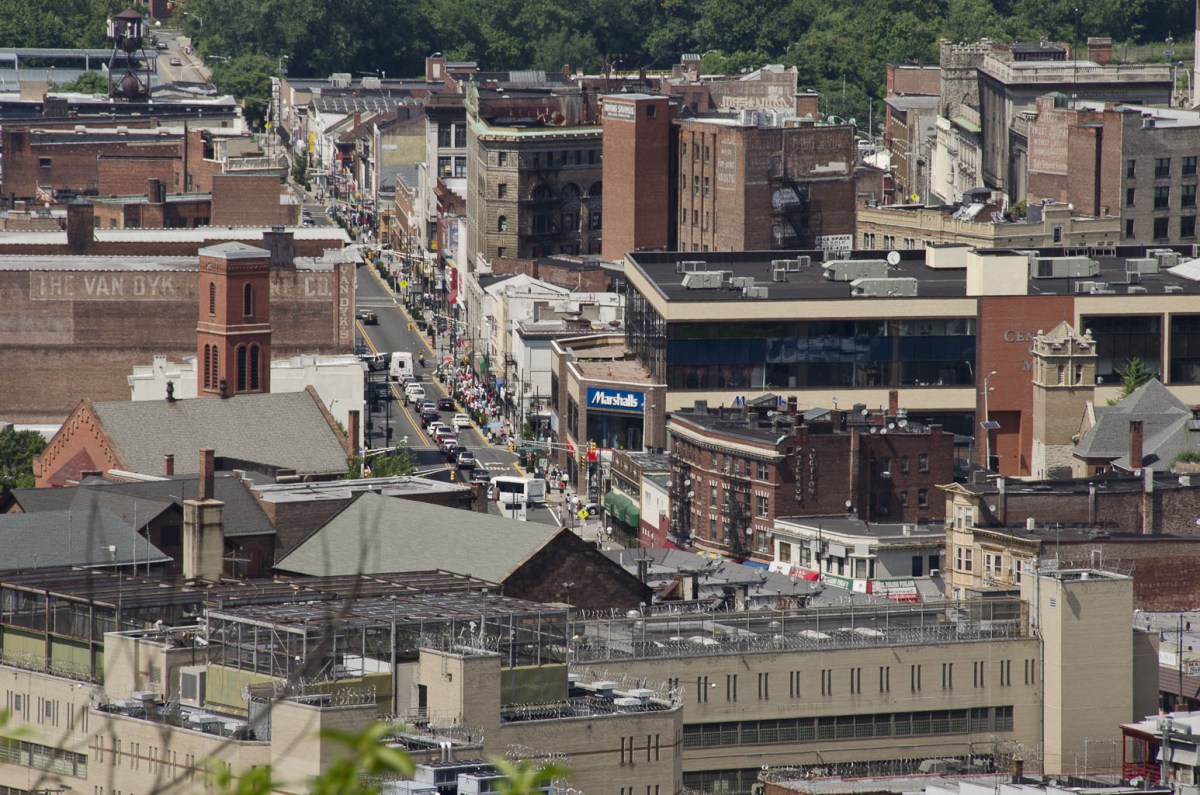
The view from Garrett mountain of Paterson today. Image copyright 2012 ALPHA PML LLC Pablo & Millie Lopez, from Alpha PML Visual Information Service (http://alphapml.com/2012/09/02/garret-mountain-reservation-view-of-downtown-paterson-nj/pml_2681_6831/)

Twice daily for seven years, I traversed the suburbs of Northern New Jersey on NJ Transit’s Main Line on my way to and from school. My journey began across from my home in the wetlands area of Secaucus and ended in the preened suburb of Ridgewood. I grew to memorize the sequence of towns I would pass in the voice of the train’s automaton announcer: Kingsland, Delawanna, Passaic, Clifton, Paterson, Hawthorne, Glen Rock, Ridgewood. I was fascinated by the changes in landscape from city to city, the most drastic of which occurred while passing through Paterson. Suddenly, the town station no longer overlooked comfortable suburban streets but rather looming factory remnants, blue rows of abandoned silk mills, and a bustling downtown area shadowed by mountains. The cultural makeup of the train shifted from a crowd of mostly-white businessmen to a multicultural diaspora of African-Americans, Peruvians, Arabs, and Latinos of all ages. Paterson was a sharp contrast to its upper class Bergen county neighbors, but I never understood why.

When I took my writing seminar on tragedy, I approached my final research project thinking about interpersonal relationships and wanting to write about something that was personally meaningful. I turned to public transportation, one of my favorite topics. I reread my blog about conversations with colorful commuters on New Jersey trains. Because I was already thinking about places of disconnect, my personal curiosity about Paterson spiked. How did it change from America’s wealthiest town to one of its poorest? What did residents experience, nestled in an otherwise pristine area of New Jersey? As in most research motivated by personal curiosity, I knew a bit of luck was key. I did not know whether literature on Paterson and theories I could apply to it even existed.