Over the last few weeks of the semester, I needed to make two posters. In preparation, I attended a poster workshop that made me think more intentionally about how to make an effective poster. I’ve outlined some of my key takeaways below that I hope can offer guidance to anyone preparing a poster of their own.
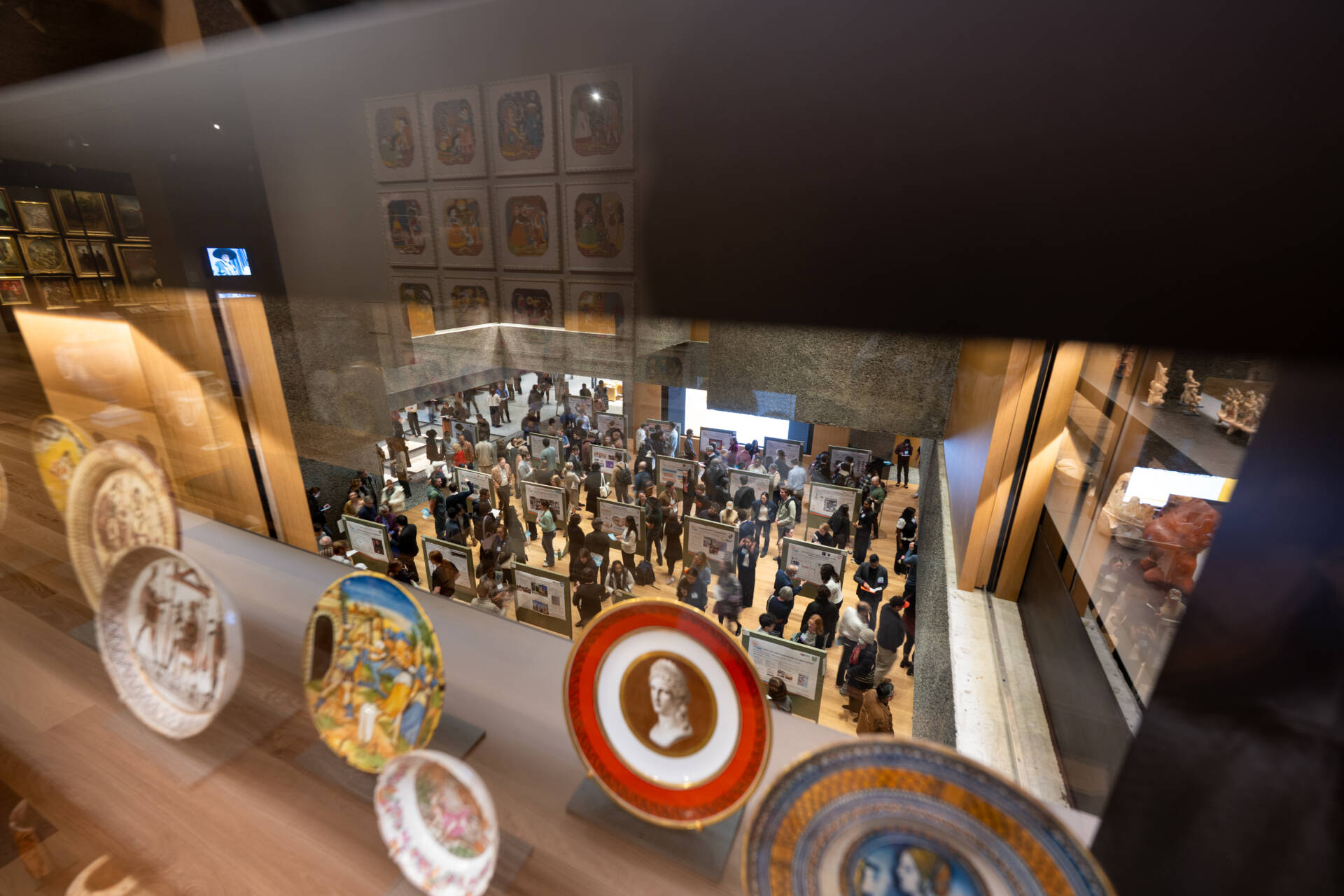
Princeton Research Day in the Princeton University Art Museum. Photo credit: Sameer Khan / Fotobuddy.
Just this year, I had the opportunity to travel through Princeton twice: once over winter break for my senior thesis and PIIRS Undergraduate Fellowship fieldwork in Taiwan, and again over spring break through ART 481: Alaskan Art, Spirit, and Being: Healing Histories of Dispossession, when I traveled to Alaska for class. As a senior in my final spring semester, spending both my last winter and spring breaks traveling for academic purposes has been more than fulfilling. It has been one of the most meaningful parts of my Princeton experience.
Both trips reminded me that academic travel is about much more than going somewhere new. Traveling with purpose changes what you notice, who you meet, and what you are able to learn. It opens up conversations, relationships, and opportunities for insight that you likely would not have had otherwise.
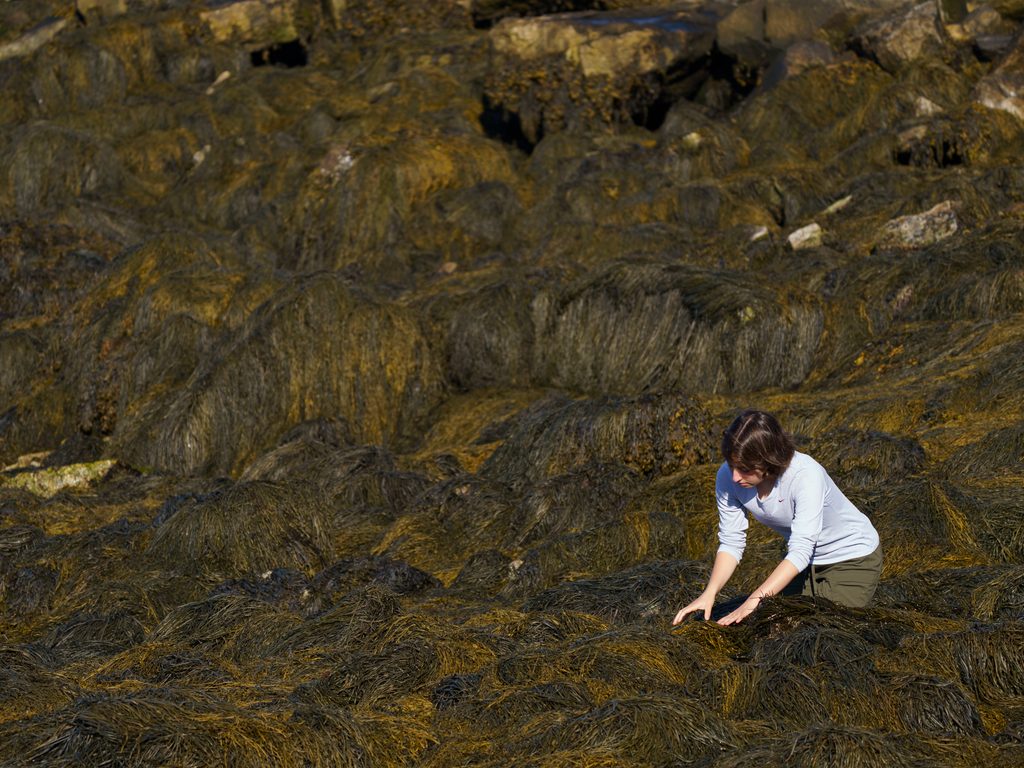
Local fishers on shore against a backdrop of oyster aquaculture and the Yunlin Offshore Wind Farm.
Rishika at the American Physical Society Division of Plasma Physics 2025 Conference. Funding acknowledgement: Received a student travel grant and outstanding student presenter award from the American Physical Society. Picture taken by Rishika Porandla.
At Princeton, research does not always look the way people imagine. It is not always telescopes pointed toward the sky or chalkboards filled with equations. Sometimes, it happens in quiet laboratories where the goal is to understand things you cannot even see, like streams of charged particles moving through space.
For Rishika Porandla, a member of the Class of 2028 majoring in astrophysics, this is exactly where her work lives. Her research sits at the intersection of space, plasma, and the instruments that allow scientists to study both.
When Erika Yeung arrived at Princeton, she knew she was drawn to the intersection of hardware and intelligence, the idea that physical systems like chips and sensors could not only compute, meaning process information, but also perceive the world, learn from data, and adapt over time. As a sophomore in the Electrical and Computer Engineering department, she took a bold step into that space through independent research with Professor Hossein Valavi. Her work focused on how neural networks, which are computer models inspired by the way the human brain processes information, can be redesigned to run efficiently on edge devices. These are small, local devices such as phones, sensors, or embedded systems that operate without relying on distant cloud servers.
At the heart of Erika’s work was quantization, a technique that reduces the numerical precision of neural network weights, which are the internal values that determine how the model makes decisions. Instead of using highly precise numbers, quantization simplifies them into smaller, more compact representations. This allows the model to take up less memory and run faster while still maintaining strong performance. This idea is central to fields like Edge AI and TinyML, which aim to move machine learning out of large data centers and into everyday devices, from wearable health monitors to autonomous systems operating far from the cloud. Running AI locally means the models must be not only accurate, but also lightweight, fast, and energy efficient. Quantization offers one of the most promising ways to make that possible.
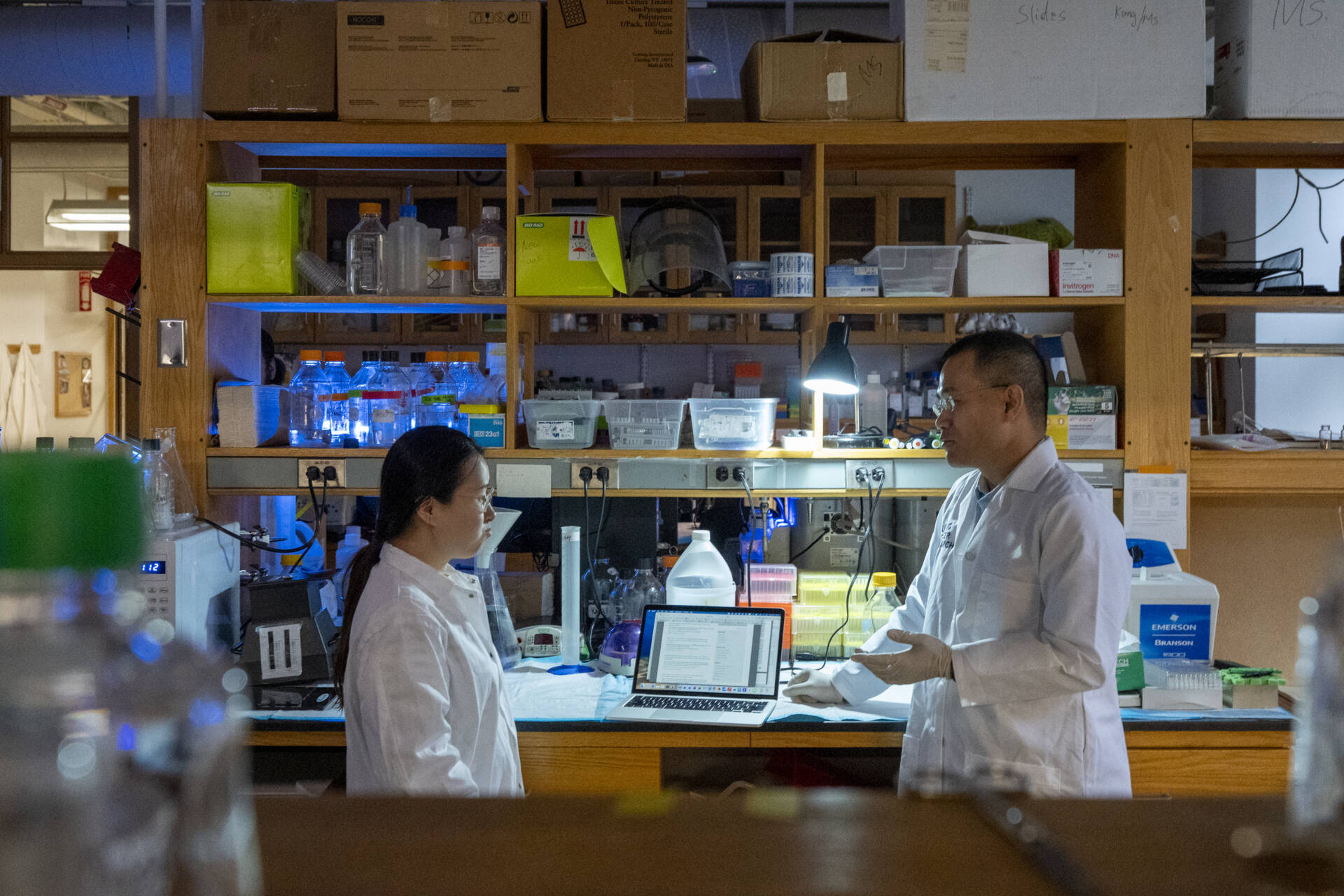
Lab members being lab members (Kang Lab). Photo credit: Matt Raspanti, Office of Communications.
Everyone knows the old mantras: “don’t be too harsh on yourself” and “everyone makes mistakes.” When I joined a lab, though, not only were those mantras pushed to the back of my head, but they also collected dust and withered. In a lab setting, when you are aware of the money and effort other people have put into the research, and when you sometimes feel less skilled as an undergrad, your mistakes can feel like grave failures.
New South, where many first-year writing seminars and sophomore research seminars take place.
First-year writing seminars are a rite of passage for all Princeton students, introducing you to the research and writing skills you need to craft an independent research paper. But what comes next? For many undergraduates, sophomore year is a year-long pause before you actually get to apply those independent research skills in your JP. The Princeton Writing Program’s sophomore research seminars offer an alternative.
After the first meeting of the semester with my adviser, whom I’ve been working with since my first-year spring, I looked at the list of papers I had to read for my junior independent work but chose to open the small birthday card my adviser gave me on behalf of the lab. Seeing everyone’s “Happy Birthday” made me feel, more than ever before, like I belonged.
And I was growing up.
I was energized, ready to take on a new responsibility. Since the conversation I had with my PI over the summer, I had been excited to get started. Coming into Princeton interested in memory and potential ways to manipulate unwanted or negative ones, getting to use eye trackers to exert top-down control over what people look at and induce forgetting by weakening the activation of the related pathways based on the eye gaze pattern seemed like a sci-fi movie coming to life. I couldn’t wait to feel ownership over my own project and contribute to the kind of work my lab cares so much about.
After two years, I started to feel like I was equipped to excel on all fronts at Princeton.
A student working in Firestone Library. Photo credit: Denise Applewhite, Princeton Department of Communications
If someone asked me to describe my experiences with research in a word, I’d probably end up at a loss. My research experiences have been exciting, tiring, and fulfilling all at once. Research is endlessly multifaceted, with each experience being unique. Still, a few constants remain, and deadlines are certainly one of them. No matter the methods, no matter the discipline, every project eventually comes to an end. As that moment creeps closer, it often feels more and more inconveniently insurmountable.
Despite this, deadlines are important. They not only help with the goal-setting process, but also force us to abandon the appeal of endless revisions in the pursuit of perfection. Deadlines ensure that, at some point, there will be a final product. Meeting those deadlines, however, is a different story and one that can present real challenges.
One of the greatest benefits of being a Princeton student is the unparalleled access to international opportunities. Whether it’s traveling for classes and clubs, completing an IIP (International Internship Program), doing fieldwork through HMEI (High Meadows Environmental Institute), taking a Global Seminar course through PIIRS (Princeton Institute for International and Regional Studies), or participating in Princeton’s many language programs abroad, many students find ways to leave the Orange Bubble—literally. To become better-informed global citizens, it is important not only to study the world from Princeton, but also to spend time in the world beyond Princeton.
One powerful way to do this is by conducting research abroad. When I was a junior preparing for my senior thesis, I knew I wanted to incorporate an international dimension into my work and, if possible, travel over winter break of senior year. Although I had been fortunate to travel domestically through Princeton, I hadn’t yet taken advantage of any study or research opportunities abroad. Winter break of senior year is one of the last, and most popular, chances to do so. Princeton has a wide range of thesis funding sources, which makes it very possible to take your research to an international site.
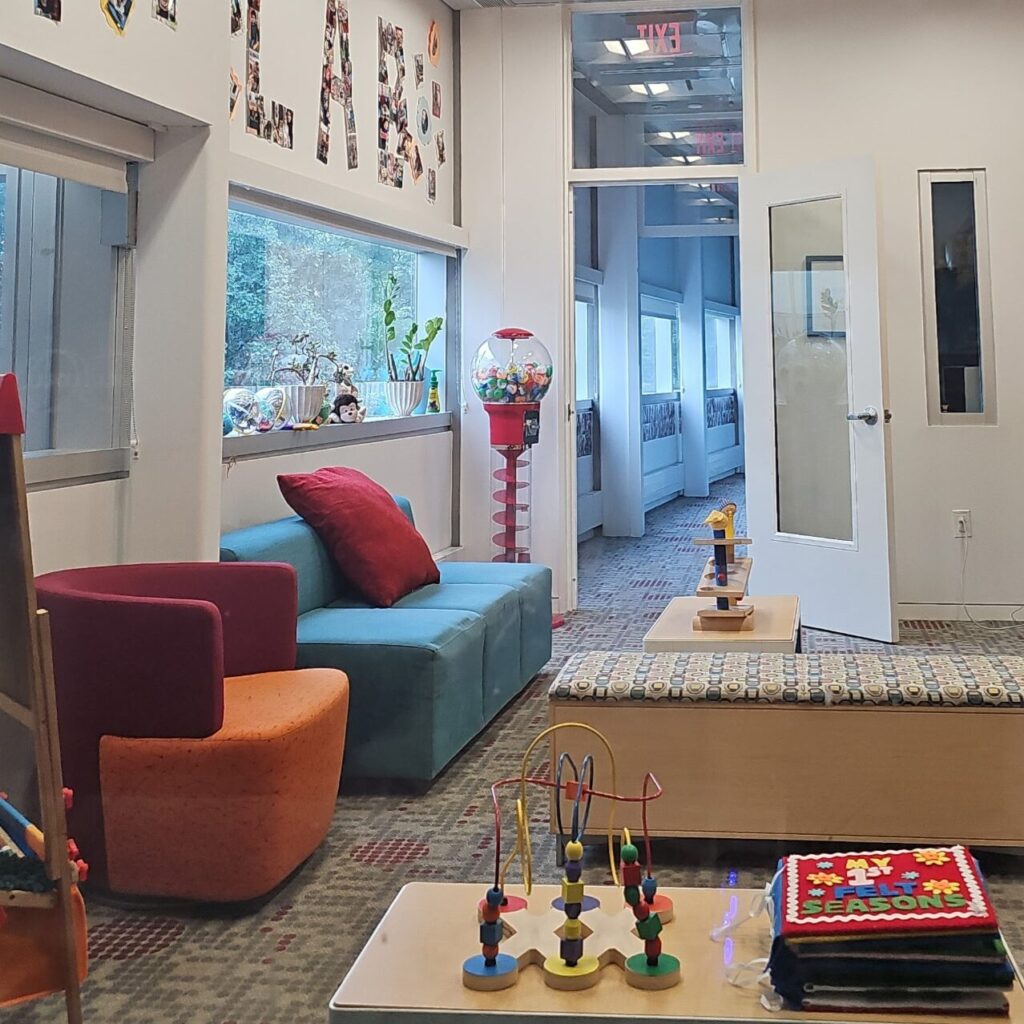
Professor Casey Lew-Williams at the Princeton Baby Lab. Photo Credit: Princeton Office of Communications.
What does it take to become a researcher?
The Making of a Researcher is a new mini-series exploring the paths scientists take to reach where they are today, highlighting their growth from beginners to experts.
Through interviews with faculty members in various fields, we’ll explore the necessary steps to becoming a researcher and how Princeton professors play a part in that process.
In this first feature, Professor Casey Lew-Williams, Chair of the Psychology Department and Director of the Princeton Baby Lab, reflects on his journey in developmental psychology and his role as a mentor to aspiring students in the field.