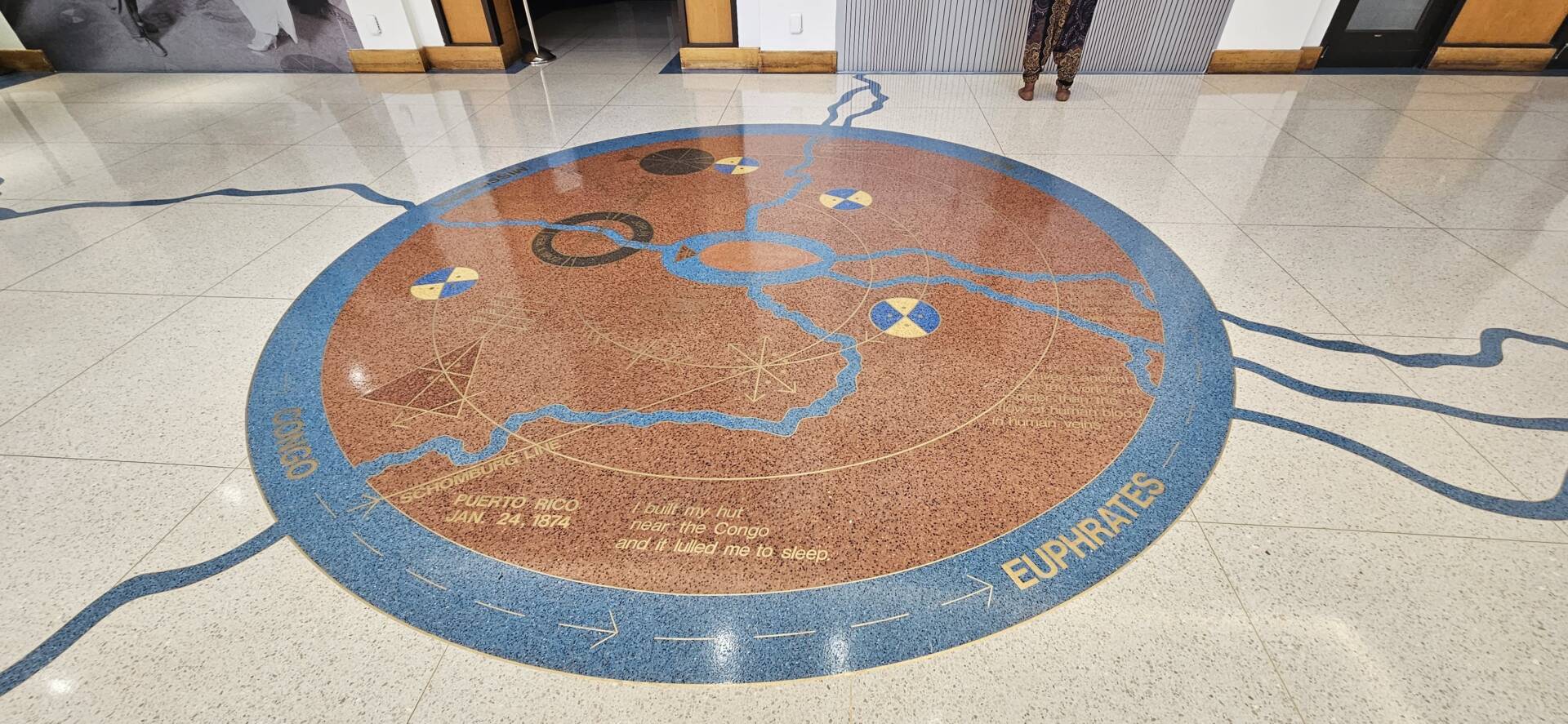
This cosmogram, “Rivers,” is in the Schomburg Center’s lobby, and contains the poet Langston Hughes’ ashes.Photo credit: Candace Wegner.
This summer, I had the opportunity to do a fellowship at the Schomburg Center for Research in Black Culture in Harlem. The Schomburg is one of the largest archives of Black History in the world, and as part of my fellowship, I got to use their collections to craft an independent research project. Coming into the program, I had a very specific idea of what I wanted to find in the collections. I had found a disagreement in the scholarly literature about the historical relationship between two church denominations. Some scholars argued that the two denominations were historically one, while others argued that they had always been separate organizations. In the Schomburg’s research catalogue, I saw that there was a collection of personal papers belonging to one of the denominations’ founders, which I saw as an opportunity to add a new perspective to this debate.
The summer is always a great time to get involved in research, whether on campus or off campus. One common challenge, however, is figuring out how to actually become a part of those research opportunities. At the end of this summer, I was fortunate enough to be able to return to the research team I worked with last year. While it was exciting to once again be working on the study (an investigation into the effectiveness of peer coaching on high blood pressure) it was a different experience the second time around. Jumping back into any project can introduce new challenges, and research is no different.
The main building of the Children’s Hospital of Philadelphia, Philadelphia, PA.
The nine-year-old patient sat in his bed, nose buried in a book, his peach-fuzz hair just visible over the book he held close to his face. As my mentor quietly began explaining the next steps of his treatment to his family, I crouched next to the bedside to ask him about his book, which I had loved dearly in elementary school. Neither the patient’s beeping machines nor his swollen body slowed him down as he began excitedly chattering to me about the story. A few minutes later, we thanked the family and moved onto the next room.* This child was just one of many leukemia patients whose story and data I had pored over in my clinical research experience this summer.
On April 14, 2025, Blue Origin launched its 11th human spaceflight, NS-31, marking the first all-women commercial spaceflight crew. Aboard the New Shepard capsule were Aisha Bowe, Amanda Nguyen, Gayle King, Katy Perry, Kerianne Flynn, and Lauren Sanchez. While the flight made headlines as a symbolic milestone, it also marked a change in how we think about access to space and accountability in a warming world.
In 2021, I worked alongside the U.S. Space Force at the Air Force Research Laboratory during the year Virgin Galactic launched its first fully crewed spaceflight. A few days after the flight, I visited Spaceport America to see the launch site in person, an early glimpse into the operational reality of commercial space. When Blue Origin’s NS-31 mission made headlines this year, I was genuinely excited. It brought back the sense of possibility I felt standing at Spaceport America years earlier. Commercial spaceflight had taken another step forward, and I wanted to understand what that meant. What does this flight reveal about the technical maturity of suborbital travel? And how might it shape the future of spaceflight design, regulation, and environmental impact? In this article of Now & Next, I take a closer look at what NS-31 tells us about the state of commercial space, and where it’s headed.
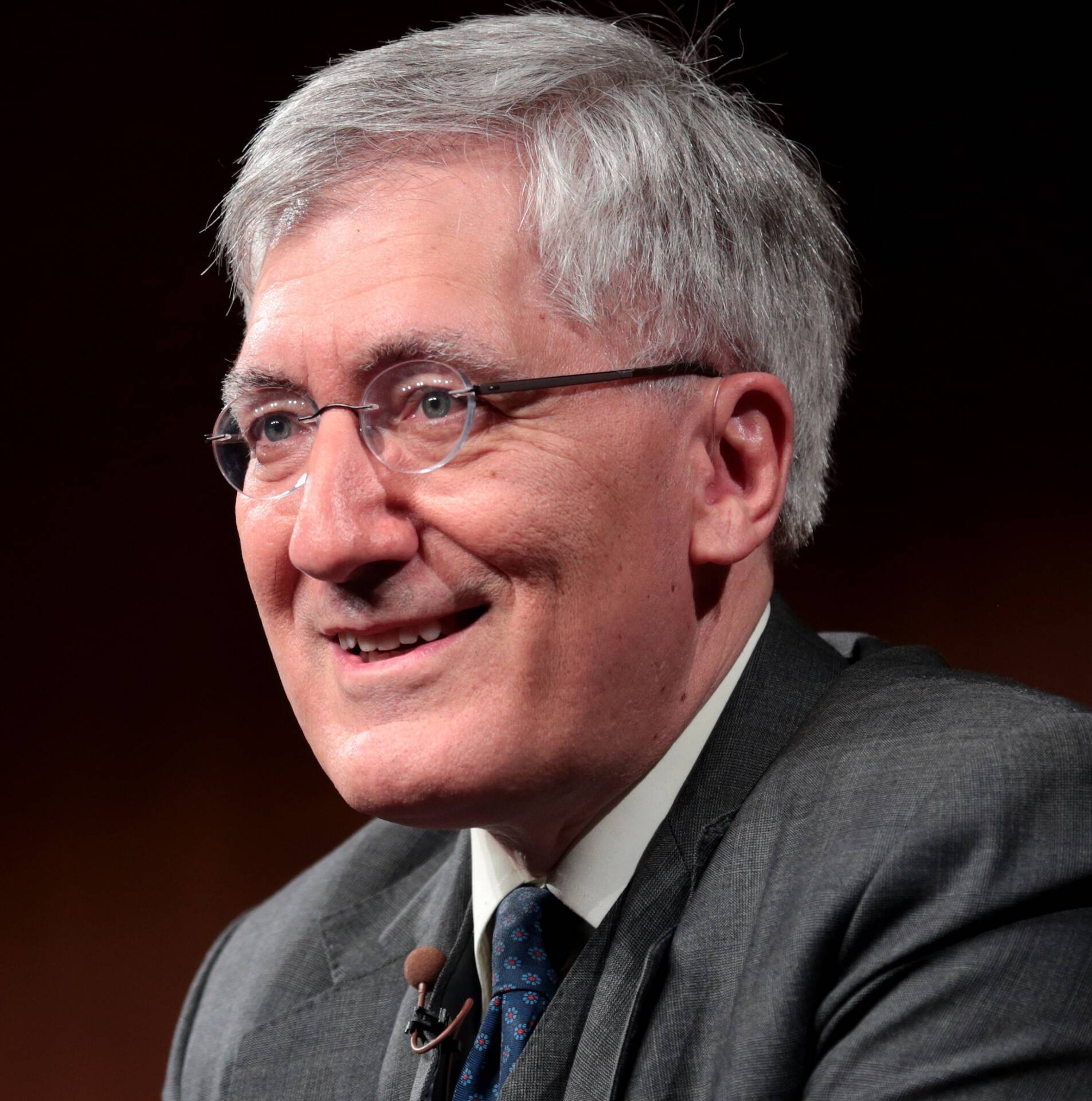
Professor George speaking at an event in Tempe, Arizona. Photograph by Gage Skidmore.
Robert P. George is McCormick Professor of Jurisprudence and the founder and director of the James Madison Program in American Ideals and Institutions. His courses, Civil Liberties and Constitutional Interpretation, have long been famed, loved, and sometimes feared by students for their intellectual rigor and exact grading. Over the course of his 40 years of teaching at Princeton, he has mentored and inspired scores of students. For our seasonal series on mentorship, I asked Professor George about his experience both as a mentor and a mentee.
Research is always top of mind here. Princeton is a research university. Princeton faculty are engaged in research. Princeton students complete independent research to graduate. These are just some of the ways that we collectively understand what research is as Princeton. Yet, the images that can come to mind when thinking about “research” are quite limited. The idea of research conjures up images of bubbling chemicals and expensive technical equipment. That picture of grueling lab work is illustrative of some disciplines, but it’s largely immaterial to the work of many researchers. This can lead to a misunderstanding of what skills are necessary to succeed in research environments. Getting involved with research is daunting enough without confusion about the skill set required. This past summer, when I worked in public health research, I identified core skills that are critical, no matter what your research experience looks like.
PCUR is back! We hope everyone had a great summer and is excited for the upcoming year. Posts are starting back this week on Wednesday, October 9, written by both returning and new correspondents, so check your email on Wednesday and get excited!
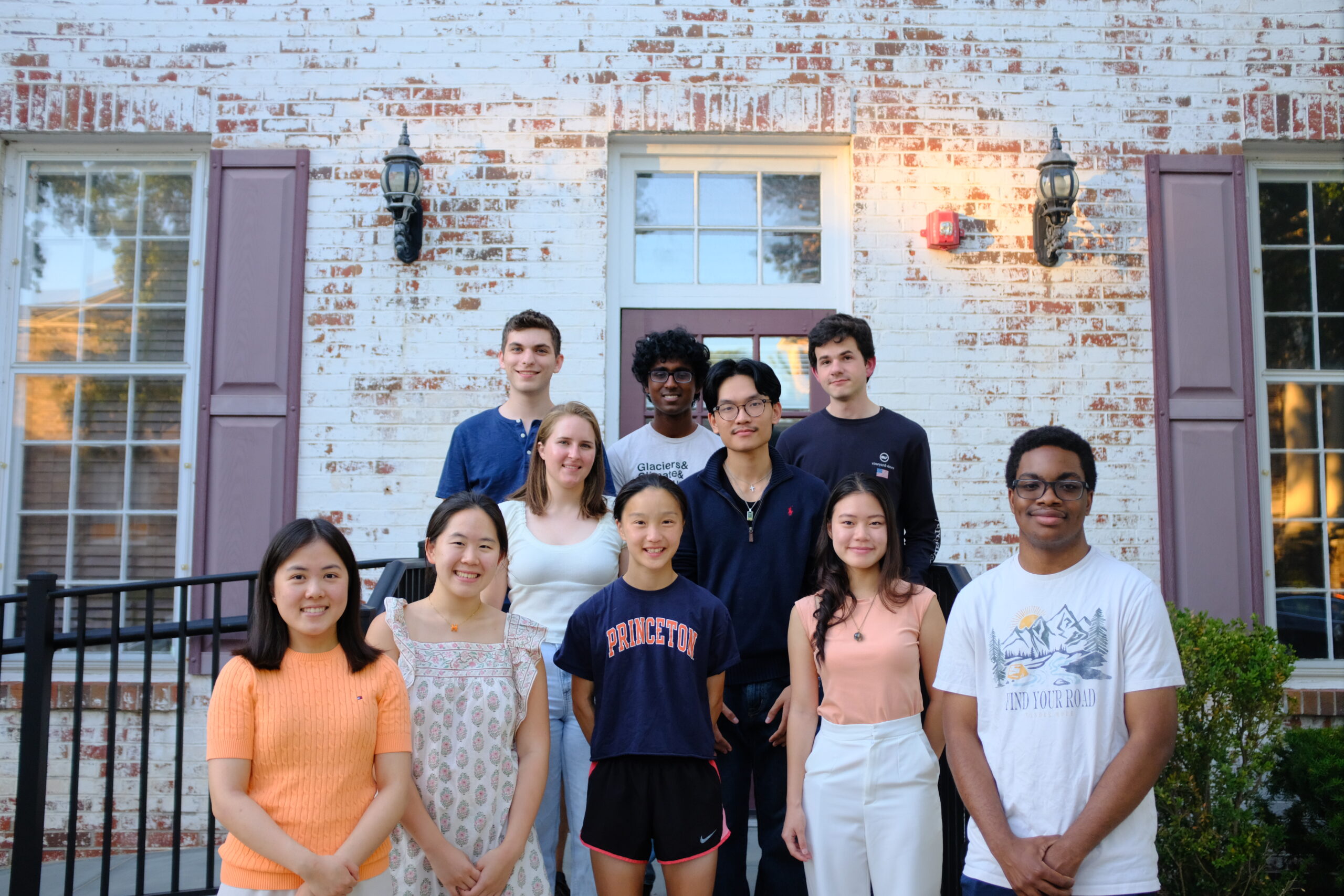
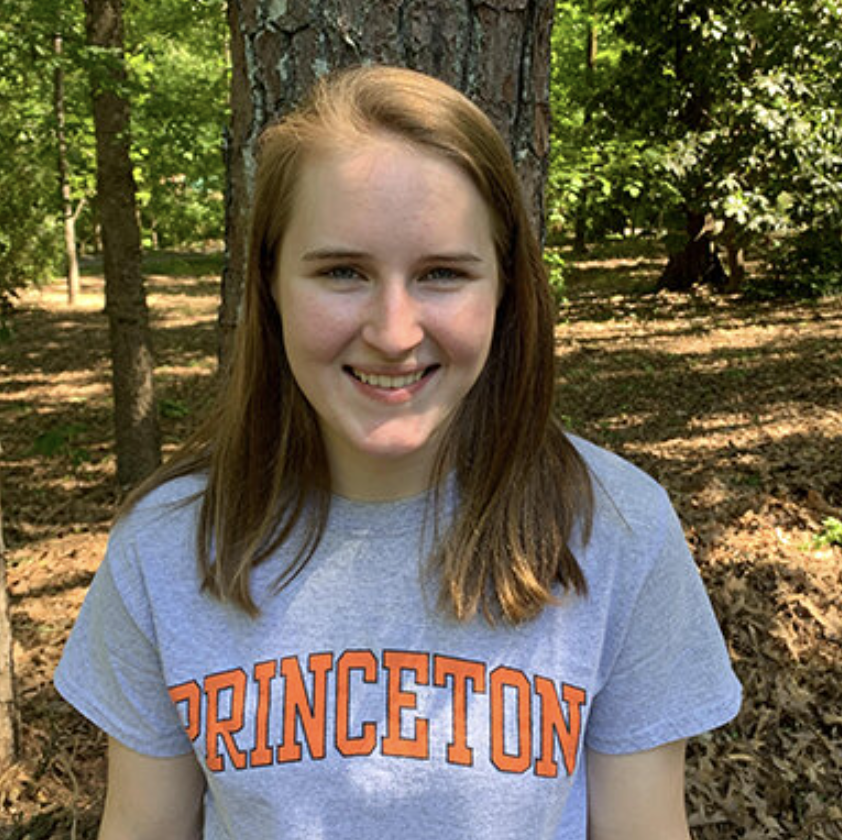
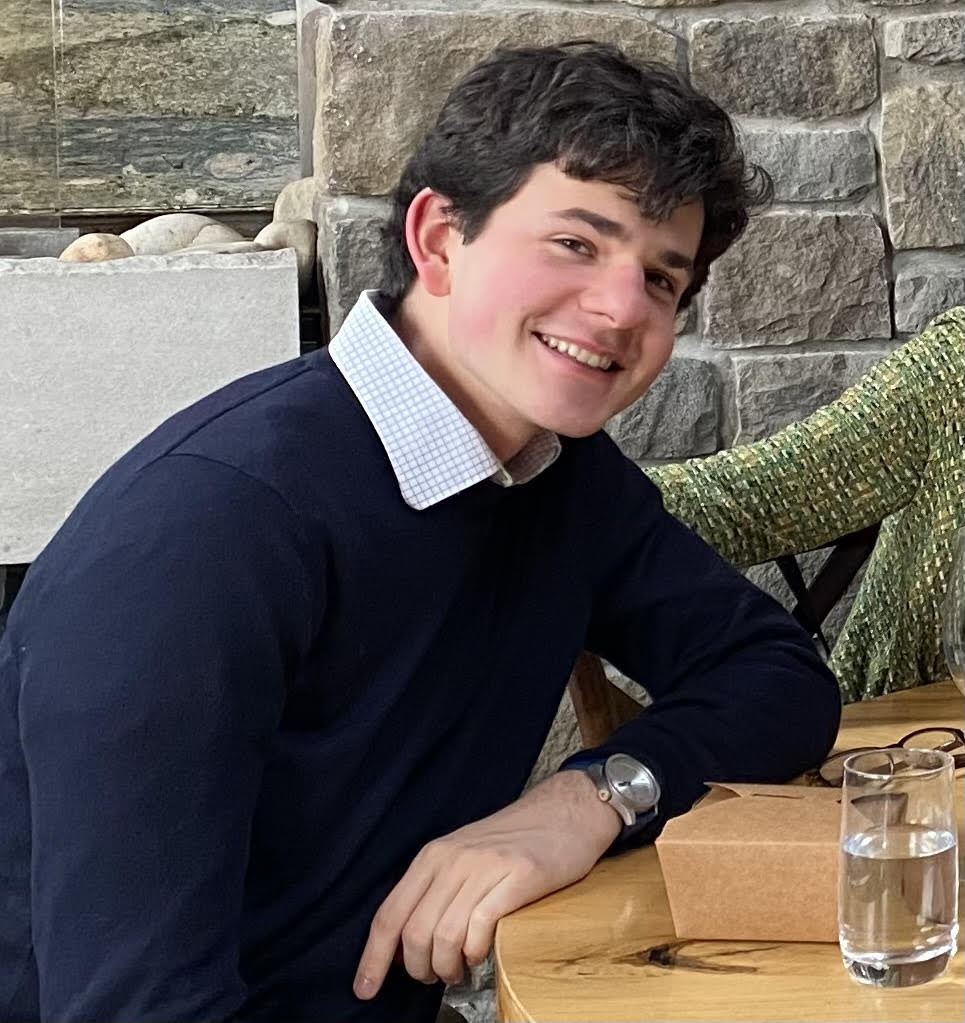
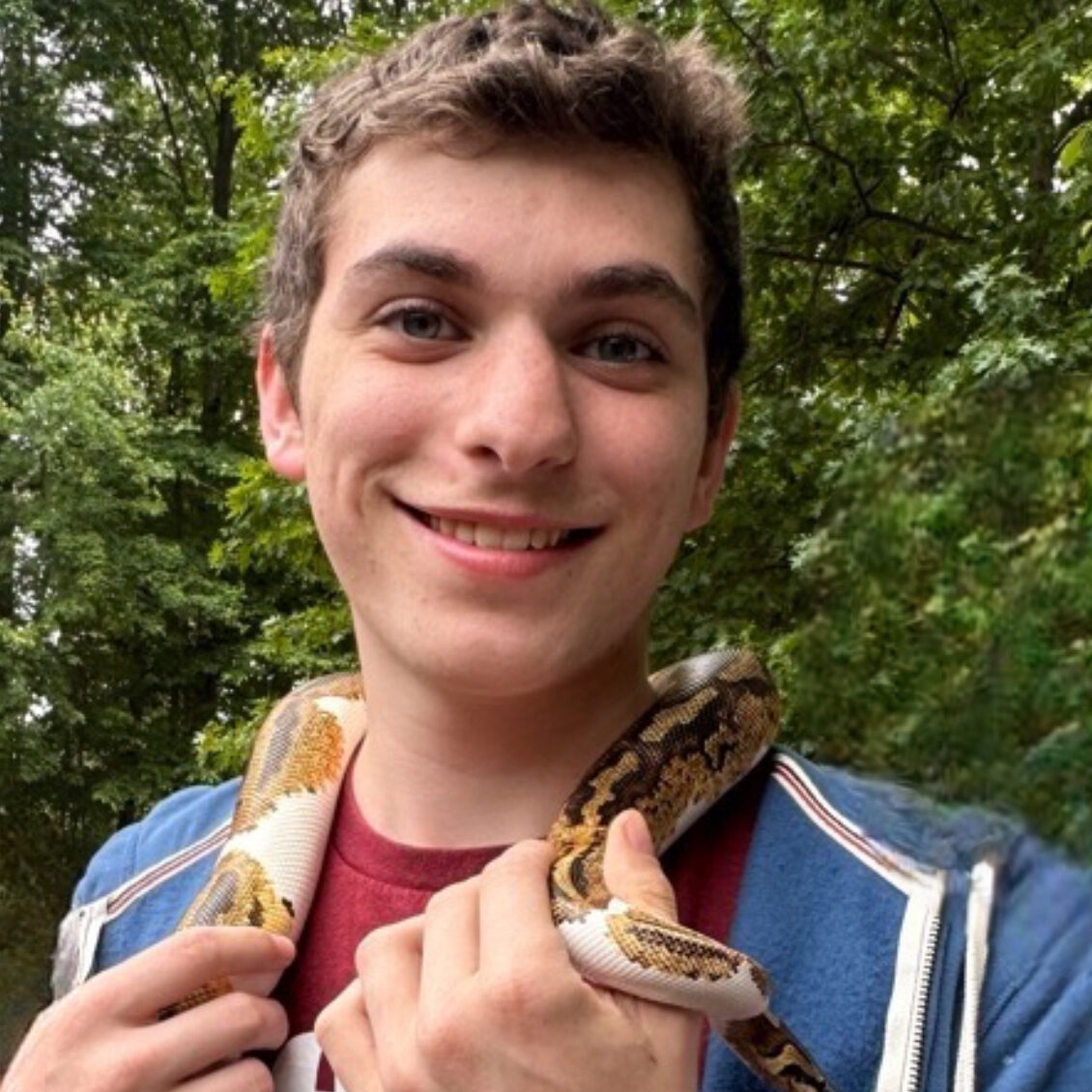
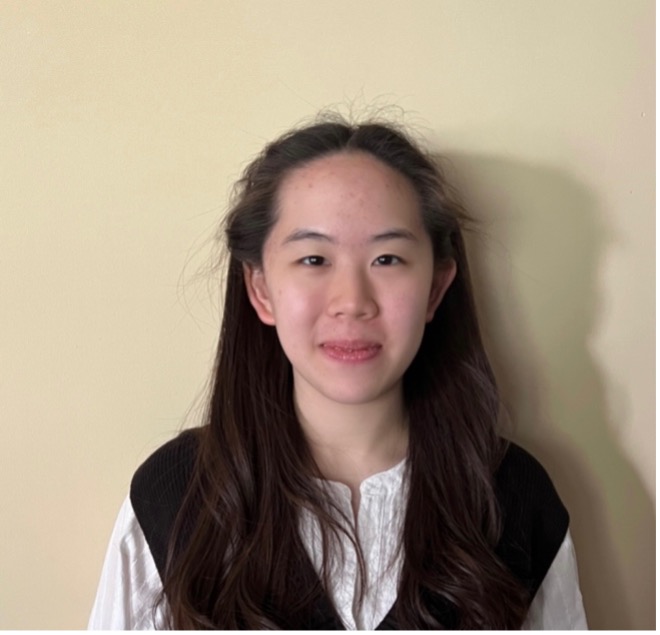
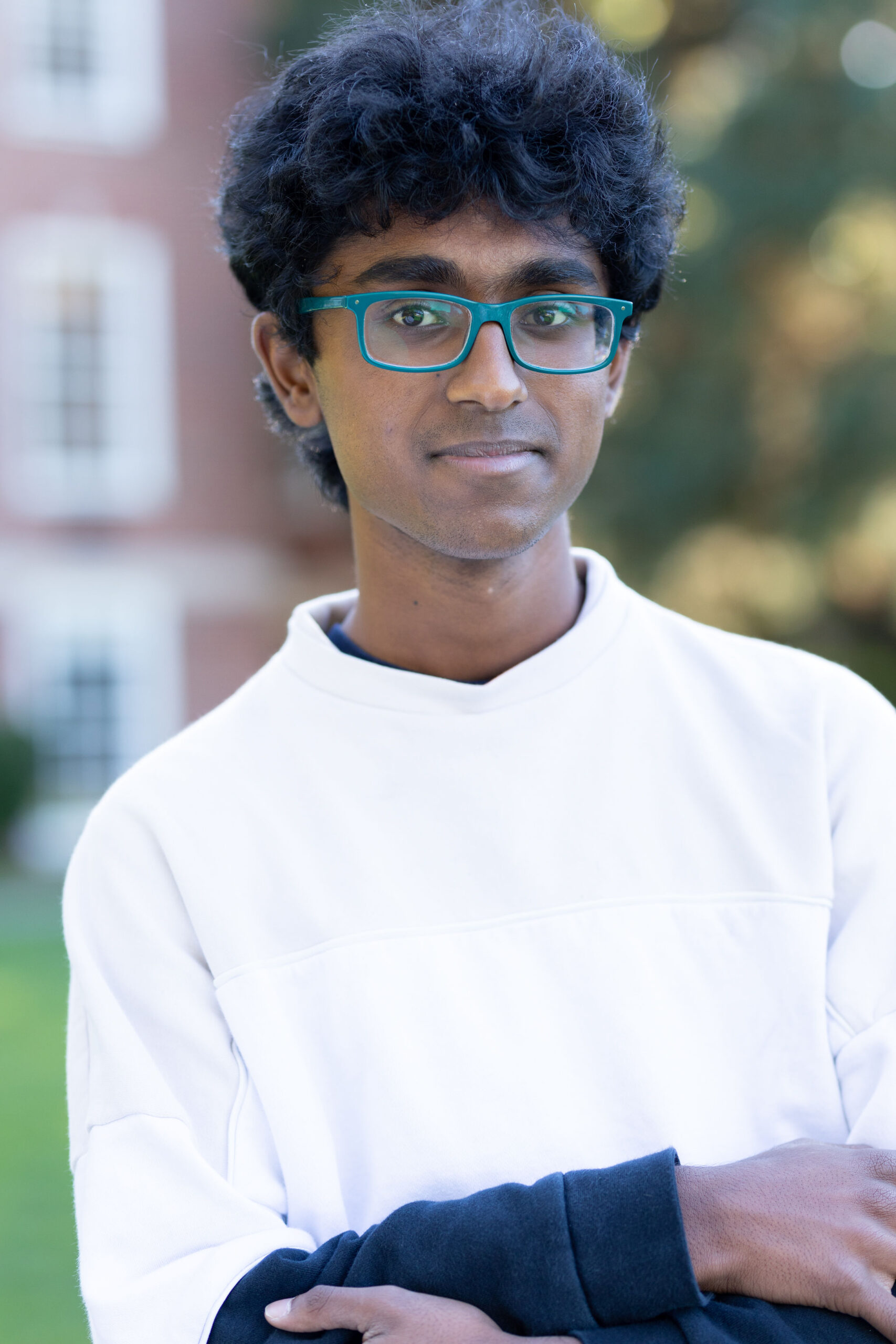
Bottom row (left to right): Alexis Wu, Rebecca Cho, Yubi Mamiya, Angel Toasakul, Stanley Stoutamire. Middle row: Virginia Cobbs, Nathan Nguyen. Top row: Gabriel Ascoli, Advik Eswaran, Ignacio Arias Philippi. Not pictured: our most recently joined correspondent, Haya Elamir.Photo credit: Nicole Tacconi.
Welcome back to our returning PCURs, Alexis Wu ’25, Rebecca Cho ’26, and Yubi Mamiya ’27! In addition, Virginia Cobbs ’25 is returning as Chief Correspondent. We are excited to welcome our new correspondents Angel Toasakul ’27, Stanley Stoutamire ’27, Nathan Nguyen ’27, Advik Eswaran ’27, and Ignacio Arias Philippi ’25. Take a look below to find out more about each of our correspondents, their experiences, and what they bring to PCUR.
Virginia Cobbs ’25
Chief Correspondent
Concentration: African American Studies
Degree: A.B.
Research Interests: Racism in healthcare, Tech mediated bias in criminal justice, bumble bee social behavior, Parkinson’s Disease
Bio: My name is Virginia and I am a senior in the African American Studies department. I grew up in Birmingham, AL (roll tide!) and as someone pursuing a career in healthcare, my research interests are often at the intersection of race and medicine. I spent a gap year before Princeton studying Parkinson’s Disease, and a summer after freshman year researching bumble bees. I also worked with with Prof. Fuentes studying racial bias in medical algorithms, and Prof. Benjamin’s Just Data Lab studying how technology mediates bias and racism in the criminal justice system. When not in the lab, you can find me either competitively sailing or volunteering as an EMT with the Princeton First Aid and Rescue Squad.
Certificate Programs: Medieval Studies, Roman Language and Culture
Degree Program: A.B.
Research Interests: Legal history, German language and culture, Polyliteracy, Paleography
Bio: My name is Ignacio Arias and I am a senior from Puerto Rico. My research in the History department has focused on legal history of various kinds, especially canon law, from Late Antiquity to Early Modern times. Other interests include Austrian history and classical music. Outside of academic research, I am also involved with the Aquinas Institute, the Princeton Tower Club, and Sinfonia.
Posts by Ignacio Arias Philippi coming soon
Gabriel Ascoli ’27
Humanities Correspondent
Concentration: Classics, Molecular Biology
Degree Program: A.B.
Research Interests: Ancient Greek and Roman Literature, History, Philosophy, Oncology, Microbiology, Biomedical Sciences
Bio: My name is Gabriel, and I’m a sophomore from Northern Virginia. As a pre-health student studying classics and biology, I’m interested in ancient Greek and Roman literature and philosophy, particularly when it comes to treating the sick, their ideology towards the values of other lives, and other humanistic and philosophical questions (think famous physicians such as Hippocrates or Galen, as well as philosophers and poets!). I’m currently a part of the Kang lab at Princeton, investigating how we can harness the human immune system and bolster it to attack early-stage breast tumors before they metastasize to other parts of the body. I’ve also conducted research in microbiology (developing a solution to antibiotic-resistant bacteria), and classics (exploring the connection between ancient Roman history and literature and modern-day white supremacy). At Princeton, you’ll find me taking excessively long walks, or taking advantage of free coffee somewhere.
Posts by Gabriel Ascoli coming soon
Rebecca Cho ’26
Natural Sciences Correspondent
Concentration: Geosciences
Degree Program: A.B.
Certificate Programs: Environmental Studies
Research Interests: Biogeochemistry, Climate Science, Reconstruction Modeling, Environmental Science
Bio: I am a sophomore from Long Island, NY, looking to concentrate in Geosciences! My research interests include the exploration of past climate-tectonic interactions and the past marine environment to understand how different aspects of the physical planet are responding to rapid climate change. I am also interested in the influence of these physical changes on public health and society. Outside of research, I love listening to music and reading. On campus, you can find me dancing or performing the cello and piano.
Research Interests: Cellular function and microbiology
Bio: My name is Haya, and I am a part of the Class of 2027. I’m from Buffalo, NY with an unfortunate dislike for the winter. I’m majoring in molecular biology because the intricacy of cells and the details you find in this subject are fascinating to me. My research has always been geared towards immunology, whether cancer or the disease of the gut microbiome. Knowing I can contribute in some small way to the health of others means a lot to me. When I’m not in the lab, I’m usually in and out of coffee shops (my favorite places to study!) or hanging out with my friends.
Posts by Haya Elamir coming soon
Advik Eswaran ’27
Natural Sciences Correspondent
Concentration: Geosciences
Degree Program: A.B.
Research Interests: Glaciology, Paleoclimate, Climate Science, Machine Learning, Earth History
Bio: My name is Advik, and I’m a sophomore from the Seattle area. I’m interested in researching how Earth’s climate has changed in the past, so that we can better understand how it might change in the future. Currently, I’m part of the Maloof Research Group, where I work on developing machine learning methods to reconstruct ancient fossils; I’ve also been involved with research at the University of Washington on reconstructing Antarctic snowfall trends since the onset of anthropogenic climate change. Outside of research, you can find me competitively sailing, wandering around the outdoors, or reading.
Posts by Advik Eswaran coming soon
Yubi Mamiya ’26
Engineering Correspondent
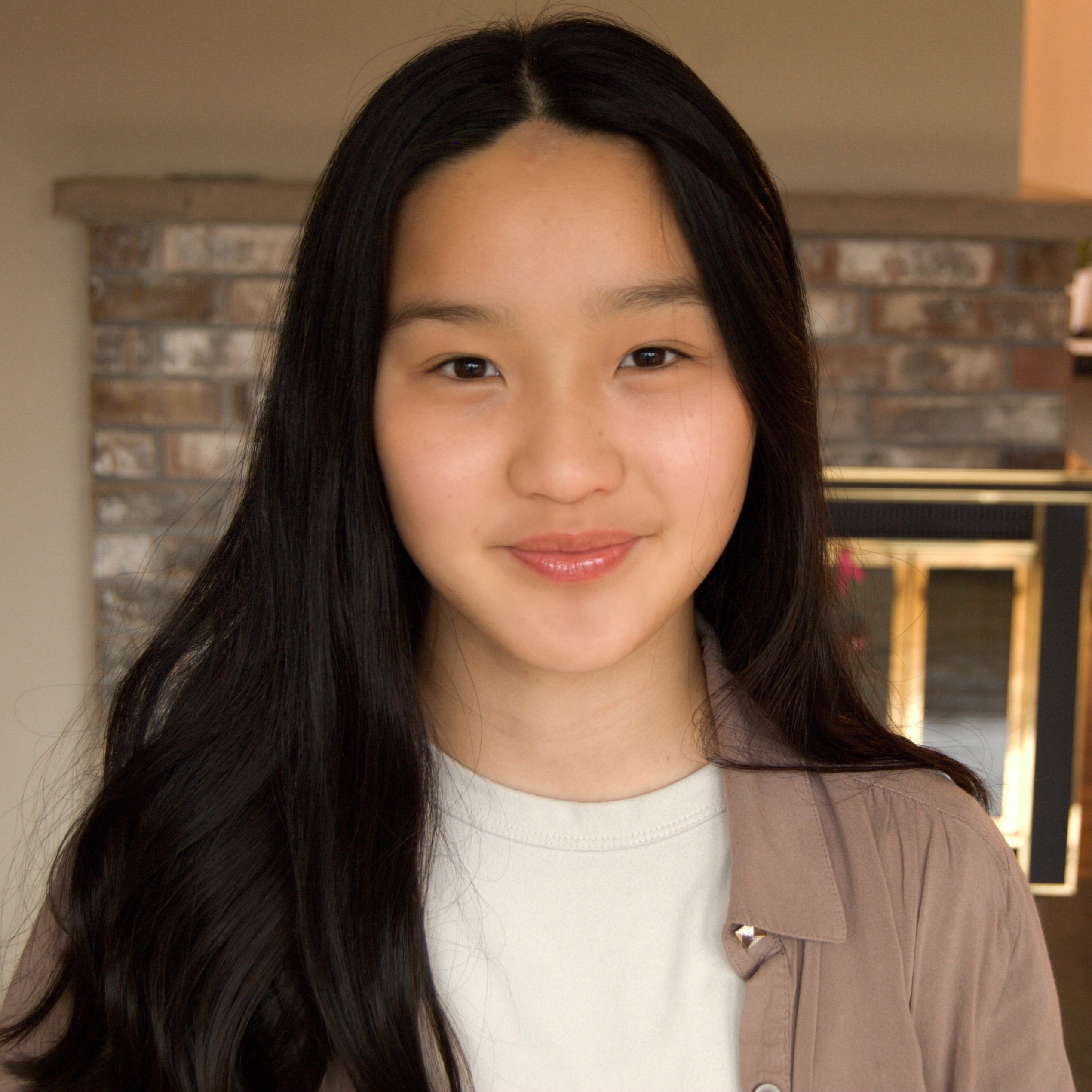
Concentration: Computer Science
Certificate Program/Minor: Engineering Biology, Global Health and Health Policy
Degree Program: B.S.E.
Research interests: Artificial Intelligence, Neurotechnology, Disease and Disorders, Mental Health, Reproductive Justice, Healthcare, Educational Equity, Sustainability, Music and Art in Social Movements
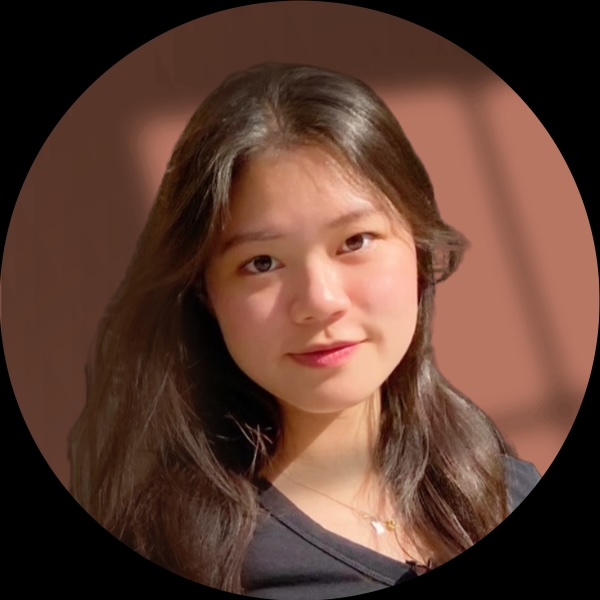
Bio: I’m Yubi and I’m a sophomore from Shoreline, WA interested in computer science. I hope to develop artificial intelligence-based software that improves the effectiveness and accessibility of healthcare for underserved communities. Outside of research, I love singing at Saturday Morning Arts, running with Princeton Running Club, and reading.
Research Interests: Bioengineering, Biomolecular Engineering, Chemical Reaction Engineering, Renewable Energy, Machine Learning and AI
Bio: Hi everyone! I’m Nathan, and I hail all the way from Hanoi, Vietnam. Before Princeton, though, I lived in the sunshine city of Brisbane, Australia. I am most interested in topics related to sustainability and renewable energy. In my free time, I sing Baritone for Princeton’s FRESHEST low-voice acapella group, the Princeton Footnotes, upcycle and thrift clothes, and hike with friends.
Posts by Nathan Nguyen coming soon
Stanley Stoutamire ’27
Social Sciences Correspondent
Concentration: TBD
Degree Program: A.B.
Certificate Programs: TBD
Research Interests: Rural Medicine; Healthcare Equity; Neglected American History; Social Implications of Meteorology; Narrative Fantasy
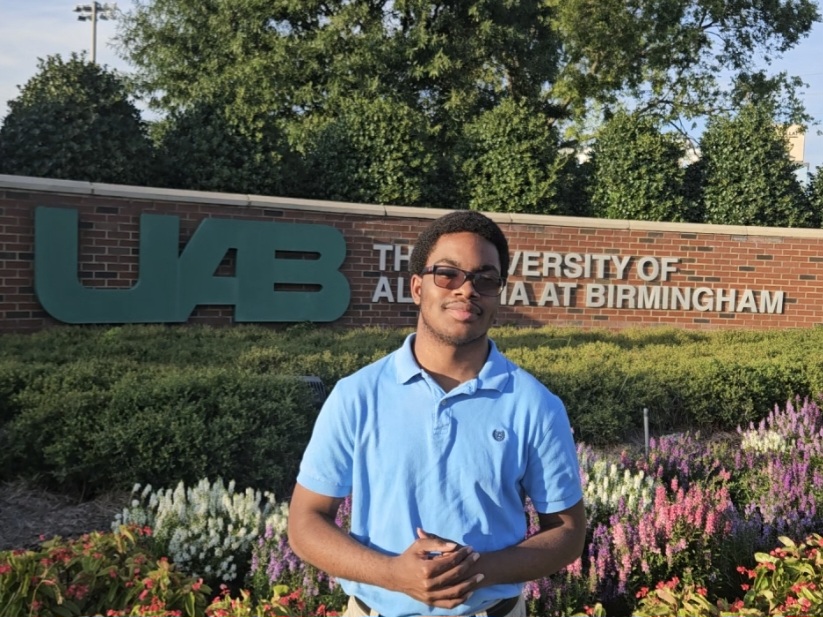
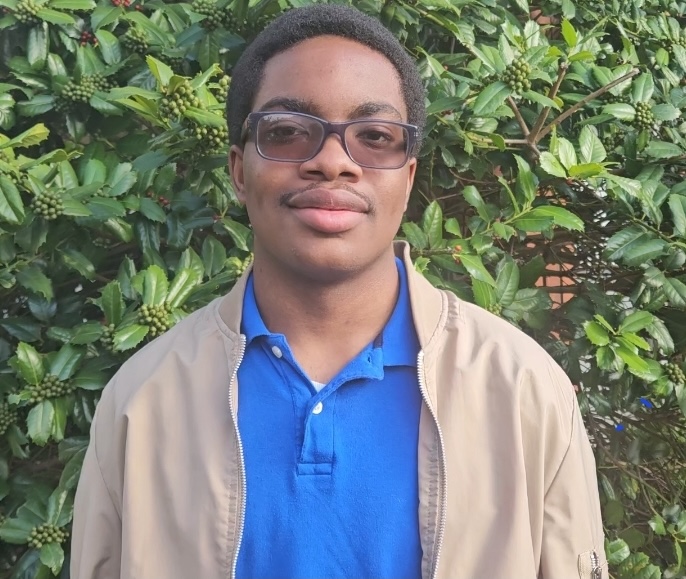
Bio: My name is Stanley and I am a sophomore from the Birmingham, Alabama area. My most recent research has been focused on eliminating inequalities in health outcomes, but I have a variety of interests that I am always glad to talk about! When I’m not working on academics you can find me singing with the Glee club, spending time with the Trenton Youth Orchestra, or enjoying a good book.
Posts by Stanley Stoutamirecoming soon
Angel Toasakul ’27
Natural Sciences Correspondent
Concentration: Neuroscience
Degree Program: A.B.
Certificate Programs: Planets and Life, Cognitive Science
Research Interests: Neuroscience, Memory, Cognitive Science, Neurochemistry, Neurobiology, Healthcare
Bio: My name is Angel, and I’m a member of the Class of 2027 from Bangkok, Thailand. As a neuroscience major with aspirations in healthcare, I am passionate about the brain and its functions, particularly in relation to memory and cognition. In high school, I conducted a behavioral and psychological study on how recalling positive memories influences creativity, sparking my interest in research. Currently, I am part of the Norman Lab, where I work on utilizing fMRI neurofeedback to understand memory pathways and induce unwanted memory suppression in PTSD patients. Outside of research, I spend my time volunteering both on and off campus and serving as an International Center Leader, organizing International Orientation for incoming students and coordinating cultural activities on campus throughout the year. In my free time, I love getting lost in a good book and discovering new favorite reading spots around campus.
Posts by Angel Toasakulcoming soon
Alexis Wu ’25
Engineering Correspondent
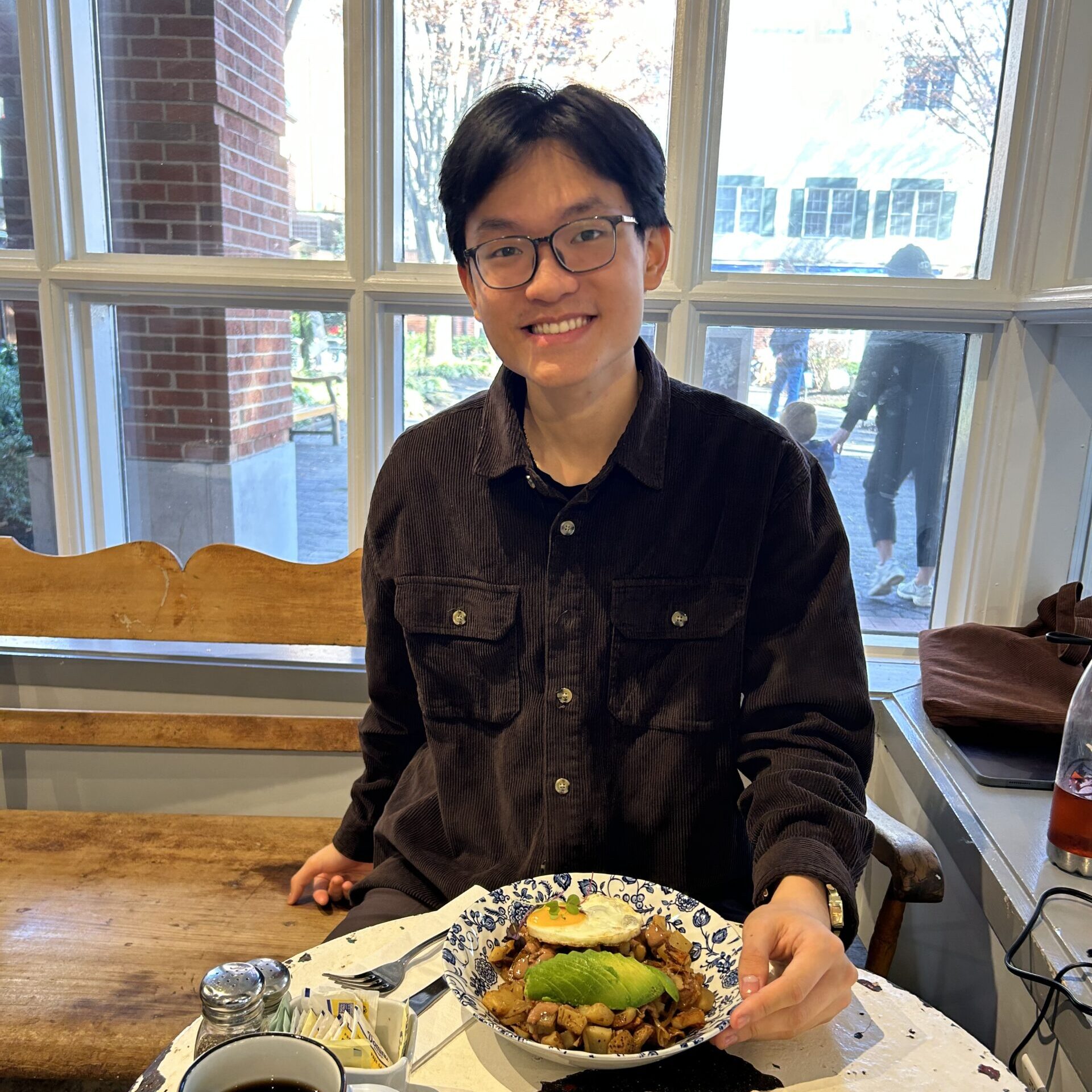
Concentration: Computer Science
Degree Program: B.S.E.
Research Interests: Applications of Computing, Machine Learning, Computer Systems, Public Policy, Game Theory, Ethics, Art History
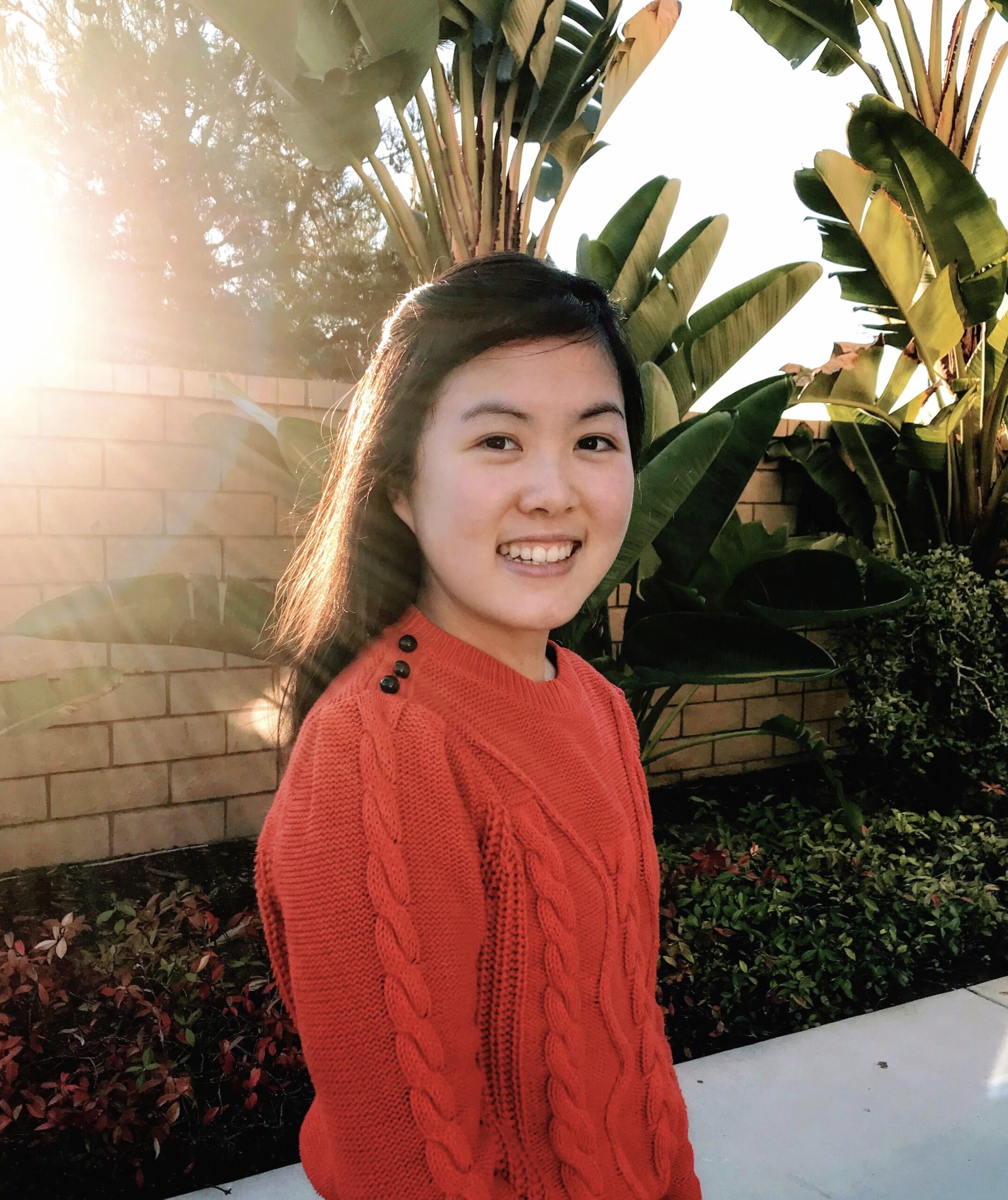
Bio: My name is Alexis and I am a senior from San Diego, California. I am passionate about integrating my interests in technology and policy to tackle critical issues such as algorithmic fairness and the ethical development of technologies. This is my third year with PCUR, and the articles I’ve written over these years capture the evolution of my academic and research interests. I hope there is an article that excites you, and I would love to hear from our readers about topics they would like to see more of. On campus, I am currently the Undergraduate President of Colonial Club and a student tour guide for the Princeton University Art Museum.
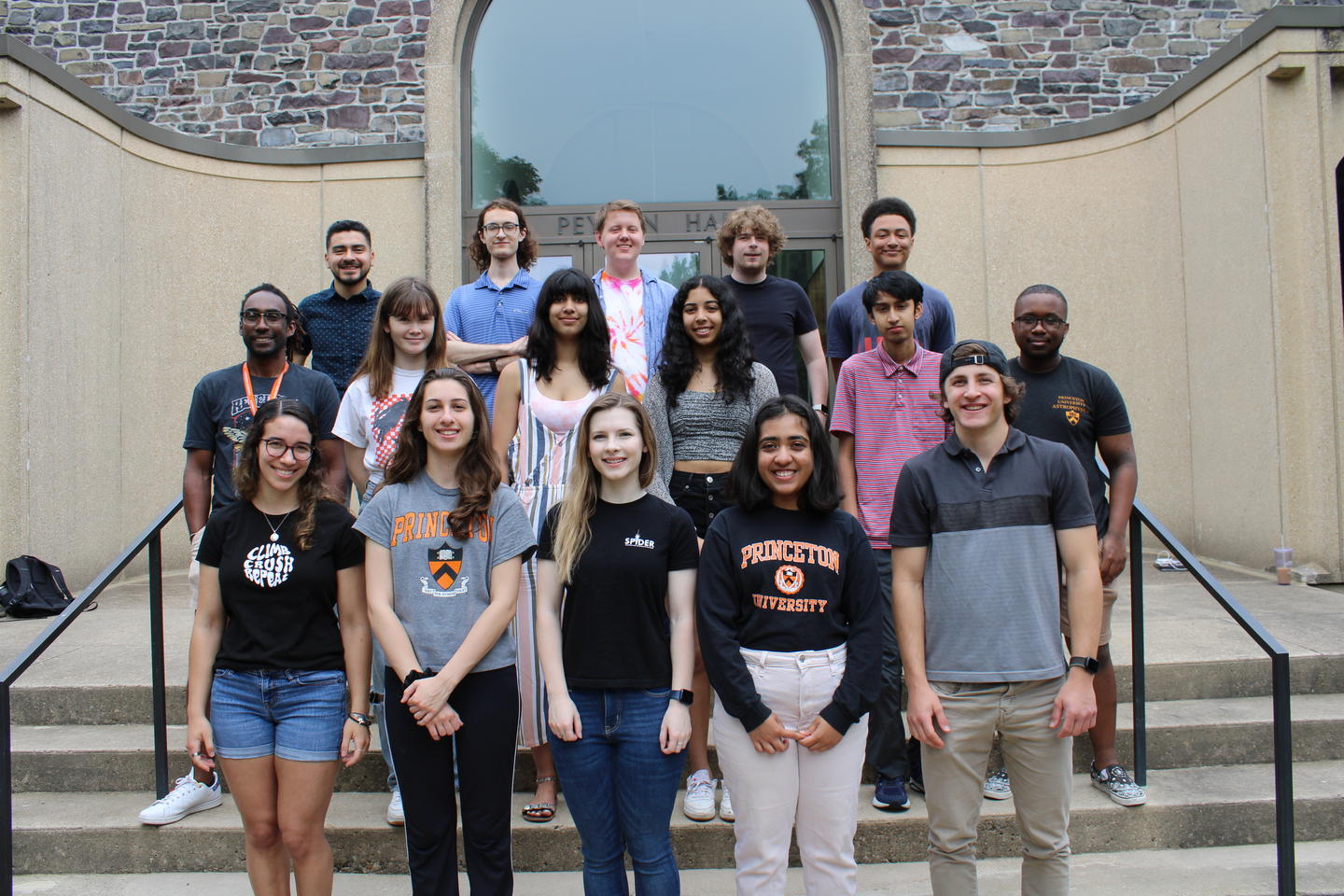
2023 Astrophysics USRP Students Group Photo. Photo Credits: Stephanie N. Reif (2023)
My first summer research experience convinced me to declare my major as Astrophysics and solidified my plan to pursue research as a career after graduation. In 10 weeks, our Astrophysics department taught me how to start and complete a research project culminating in a presentation and paper write-up, with no prior research experience required! It was a particularly good experience to get to focus on research full-time without having to juggle courses, extracurriculars, and more, and it made me feel prepared and hungry to do even more research in the future.
Before you get to the research itself, let’s talk applications! (Photo Credit, Danielle Alio)
We know, we know, it’s winter (well, for the Northern hemisphere at least)! Even though there may be snow outside your window, applications for summer research internships are coming due soon. Before you can dive into an archive, travel into the field, interview your participants, suit up for the lab, or more, you’ll want to think about how you can get a full-time, funded summer research internship. Let’s take a look back at what PCURs over the years have advised!
As I mentioned in my last post, this summer, I assisted in research by Dr. Kalhor at the Princeton’s Center for Policy Research on Energy and the Environment (C-PREE) in examining the effect of anomalous weather on economic activity as part of an internship funded by the High Meadows Environmental Institute (HMEI) at Princeton University. While my previous post focused on my insights in preparing for internships to maximize your experience, in this post, I want to focus on one of the technical challenges that I faced during the internship: (a) handling big data; and (b) one of the powerful tools that we have as students at Princeton students to handle large amounts of data – Princeton’s large computing clusters.