
As I mentioned in my last post, this summer, I assisted in research by Dr. Kalhor at the Princeton’s Center for Policy Research on Energy and the Environment (C-PREE) in examining the effect of anomalous weather on economic activity as part of an internship funded by the High Meadows Environmental Institute (HMEI) at Princeton University. While my previous post focused on my insights in preparing for internships to maximize your experience, in this post, I want to focus on one of the technical challenges that I faced during the internship: (a) handling big data; and (b) one of the powerful tools that we have as students at Princeton students to handle large amounts of data – Princeton’s large computing clusters.
Category: Uncategorized
As I mentioned in a previous post, this last summer, I assisted in the research by Dr. Elmira Kalhor at the Center for Policy Research on Energy and the Environment (C-PREE) in examining the effect of anomalous weather on economic activity, as part of an internship funded by the High Meadows Environmental Institute (HMEI) at Princeton University. Under Dr. Kalhor’s guidance, it became a fulfilling experience as I had the opportunity to formulate a model of how business activity is affected by extreme weather and thus apply many of the economic tools and theories that I learned to a practical space.
Now that it has been about three weeks since I gave my final presentation of my work to HMEI, I wanted to take the opportunity to reflect on my time there. While the internship was very enjoyable, it also presented me with many challenges – technical ones related to the statistical analysis and the research itself and practical/logistical issues in terms of having a valuable and fulfilling internship. In this post, I hope to discuss some of the more practical issues and guidelines that you could use to help maximize the efficiency of your internship experience, especially if you are working on a research-intensive project.
Perhaps one of the more difficult aspects of being a college student is looking for summer internship opportunities. Furthermore, as I discovered this year in my own search for something to do this summer, there can often be unique challenges for students who are primarily interested in public policy. As a (prospective) economics major, it often felt like no matter how hard I searched on Handshake, nearly every internship that I found was in finance or investment banking. While these were undoubtedly interesting opportunities, this was a little disappointing to me as I was hoping that I would be able to use the summer to explore policy and economics research, and maybe even get a better understanding of possible career paths.
My initially discouraging internship search notwithstanding, be assured that these kinds of internships do exist. I myself was fortunate enough to find and eventually participate in such an opportunity– but only after I began to approach my search in a different way.
Categories
Kicking Off The New Academic Year
Welcome back to the 2020-2021 academic year, which will be unlike any school year that we’ve had before. While it has been and remains a tumultuous time, I personally hope that going to classes (even remotely) will help bring a sense of normalcy back into our lives. What will hopefully aid in the process is PCUR, which will be up and running as always! Our correspondents from across grade levels and academic disciplines will reflect on what it is like to be a remote college student, and share tips and advice that they learn throughout the year.
This year, we have three new correspondents: Abhimanyu, Austin, and Ryan! We are excited for them to join the current crew of correspondents, which include Kamron, Alex, and Saira.
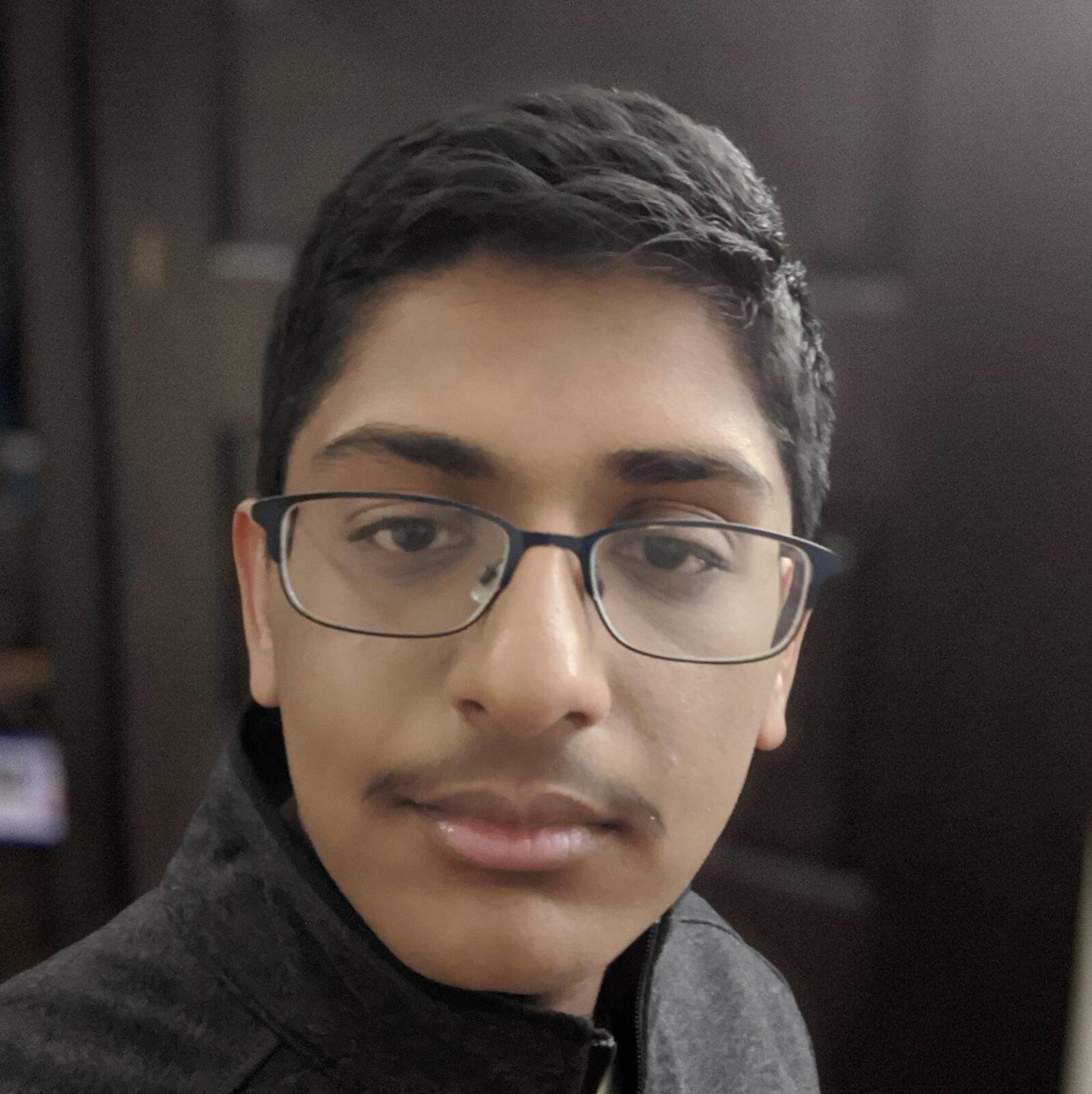
Abhimanyu Banerjee ’23 – Social Sciences Correspondent
Concentration: Economics
Degree Program: A.B.
Research Interests: Monetary policy, fiscal policy, income inequality, financial bubbles, sustainability
Bio: I am a sophomore from Gainesville, Florida. I am interested in economic policy, particularly how it can be used to tackle such issues as alleviating recessions, reducing inequality, and promoting sustainability. I am also a researcher for the Policy Punchline podcast here on campus. In my free time, I am an avid chess player and have played competitively for over a decade.
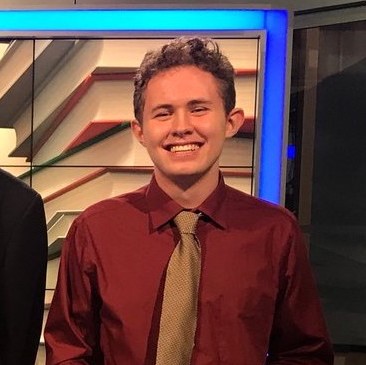
Austin Davis ’23 – Humanities Correspondent
Concentration: Undecided
Degree Program: A.B.
Research Interests: History, historical memory, urban studies, post-1900 United States, social stratification and structures, and post-1400 Europe.
Bio: I am a sophomore from Pittsburgh, PA. Even though I am undecided, I plan on concentrating in History most likely. One of my interests that has especially emerged at Princeton is the intersection of urban studies and historical memory. Outside of school and research, I am the USG Historian, a Peer Academic Advisor for Forbes College, and a PAI Community Ambassador.
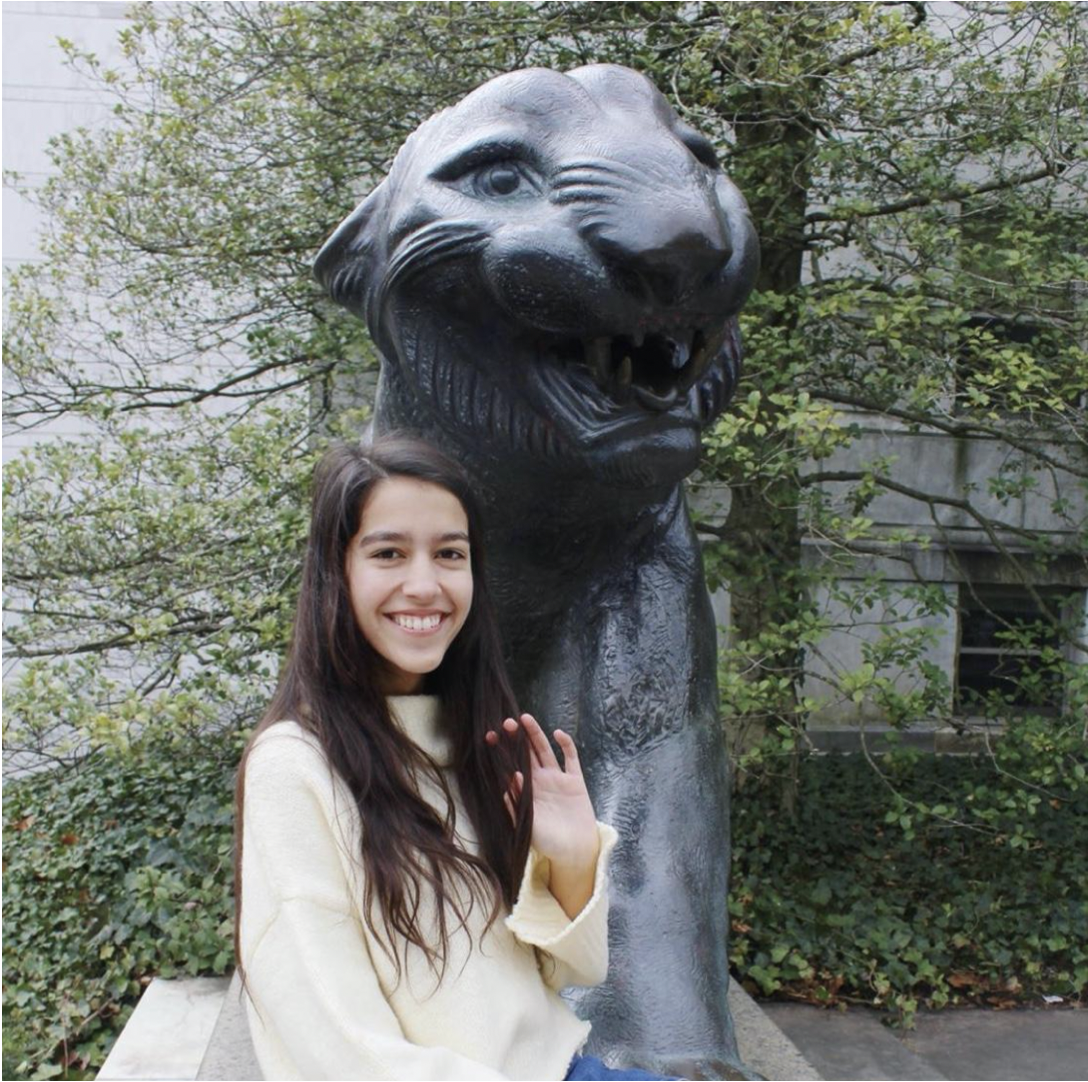
Ryan Champeau ’23 – Social Sciences Correspondent
Concentration: Princeton School of Public Policy and International Affairs
Degree Program: A.B.
Certificate Programs: Program in French Language and Culture, Cognitive Science, Creative Writing
Research Interests: Psychology, Social Media, Public Policy, History
Bio: I’m a sophomore from New Jersey who likes dogs, writing, and photography! I’m interested in exploring how I can use research to have a positive impact on the Princeton community and beyond. On campus, I’m a big sister for the Big Brothers Big Sisters program, player and social chair for the club ultimate frisbee team, member of the Whitman College Council, and Community Action leader. I’m also really enthusiastic and love to rap!
We’re looking forward to a great year, even with everything that is going on. Please stay safe, and if you have any specific questions or topics that you would like to see us write about, submit them here!
⎯ Nanako Shirai, Chief Correspondent
Categories
How Poetry Has Shaped My Writing

After taking a lot of research and critical writing-based classes, I wanted to try doing something more relaxing and creative this semester. Since I wrote poetry in high school but never had the opportunity to take a formal poetry class, I decided to apply for CWR 202: Creative Writing – Poetry. However, unlike critical essays or research papers, poetry (and art in general) can deal with highly personal topics, and thus the thought of sharing my poems and having them openly critiqued by others felt quite nerve-wracking. However, I’ve been really enjoying this opportunity to reenter that creative space and have realized how relevant poetry can be to other genres of writing:
It’s officially November here at Princeton: the leaves have changed, midterms are over, and fall break is but a blissful memory. If you’re anything like me, this means that you’ve finally settled into the rhythm of the semester. However, it also means that the question you’ve likely been avoiding since the beginning of the year–what will I do this summer?–is becoming harder and harder to ignore, as deadlines that once seemed distant are now imminent.
As a first-year, I remember that this pressure seemed terrifyingly intense. I was surrounded by sophomores, juniors, and seniors who were anxiously applying to dozens of positions, interviewing, and accepting offers–while I was still busy trying to make friends and adjust to the demands of Princeton’s fast-paced schedule. How could I know what I wanted to do with my summer when I wasn’t even confident in my extracurriculars or my concentration?
If you relate to this sentiment at all, don’t fret. The answer to your woes? Spend a summer doing research! Princeton provides an incredible number of summer research opportunities that span a wide range of fields. If you’re uncertain of your major (like I was!) or don’t know what you want to do with your life, I’d argue that a summer spent doing research can be beneficial for a wide variety of reasons.
Categories
How to Take Summer Classes
As summer approaches, it is time for us to begin finalizing summer plans. An important summer option that many Princeton students forget to consider is taking courses at other institutions over the summer. This option allows you to take prerequisites and certain AB distributional requirements outside of Princeton and free your schedule to take other interesting electives during your time here. In this post, I will outline the process of getting approval for summer courses and suggest possible funding opportunities to cover course tuition.
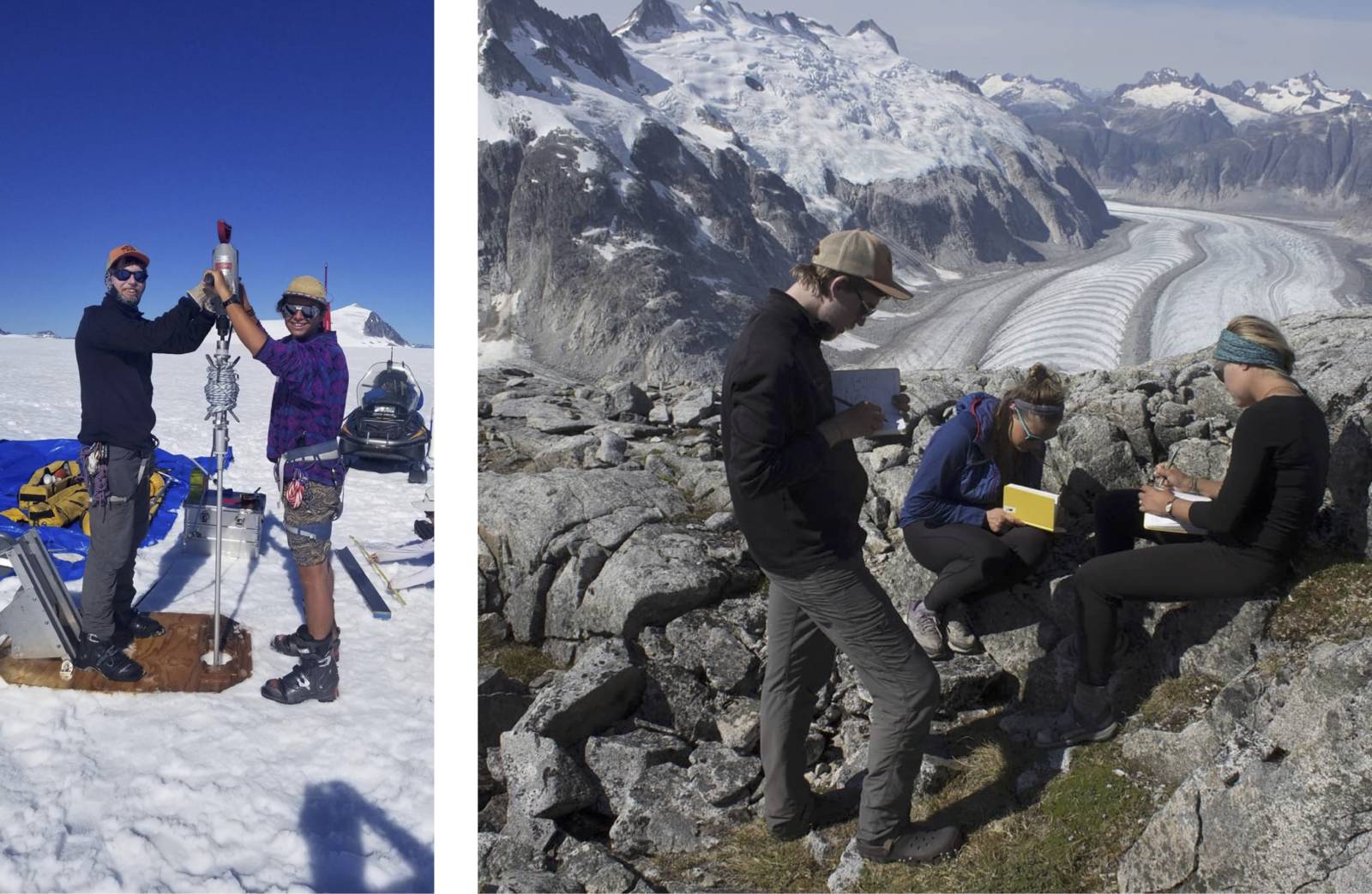
For over 70 years the Juneau Icefield Research Program (JIRP) has run an eight-week field research expedition on the glaciers spanning Juneau, Alaska and Atlin, British Columbia. JIRP is the longest continuous glacial monitoring program in North America. But what truly sets the program apart is its commitment to active student participation and mentorship: all of the summer research is carried out by students, ranging from high schoolers to Ph.D. candidates, and mentored by field staff and faculty from around the world.
Active participation and mentorship are vital aspects of all student research. In my experience, I learn way more from engaging with research in the real world than from reading, listening to lectures, or completing recipe-type lab exercises. So, when I got the opportunity to join JIRP this summer, I jumped at the chance.
Reilly Bova ’20 is a Bachelor of Science and Engineering (B.S.E) Computer Science (COS) major with a strong interest in Physics. He spent this past summer conducting research in Princeton’s Physics department. His work included the visualization of deep universe galaxy clusters.
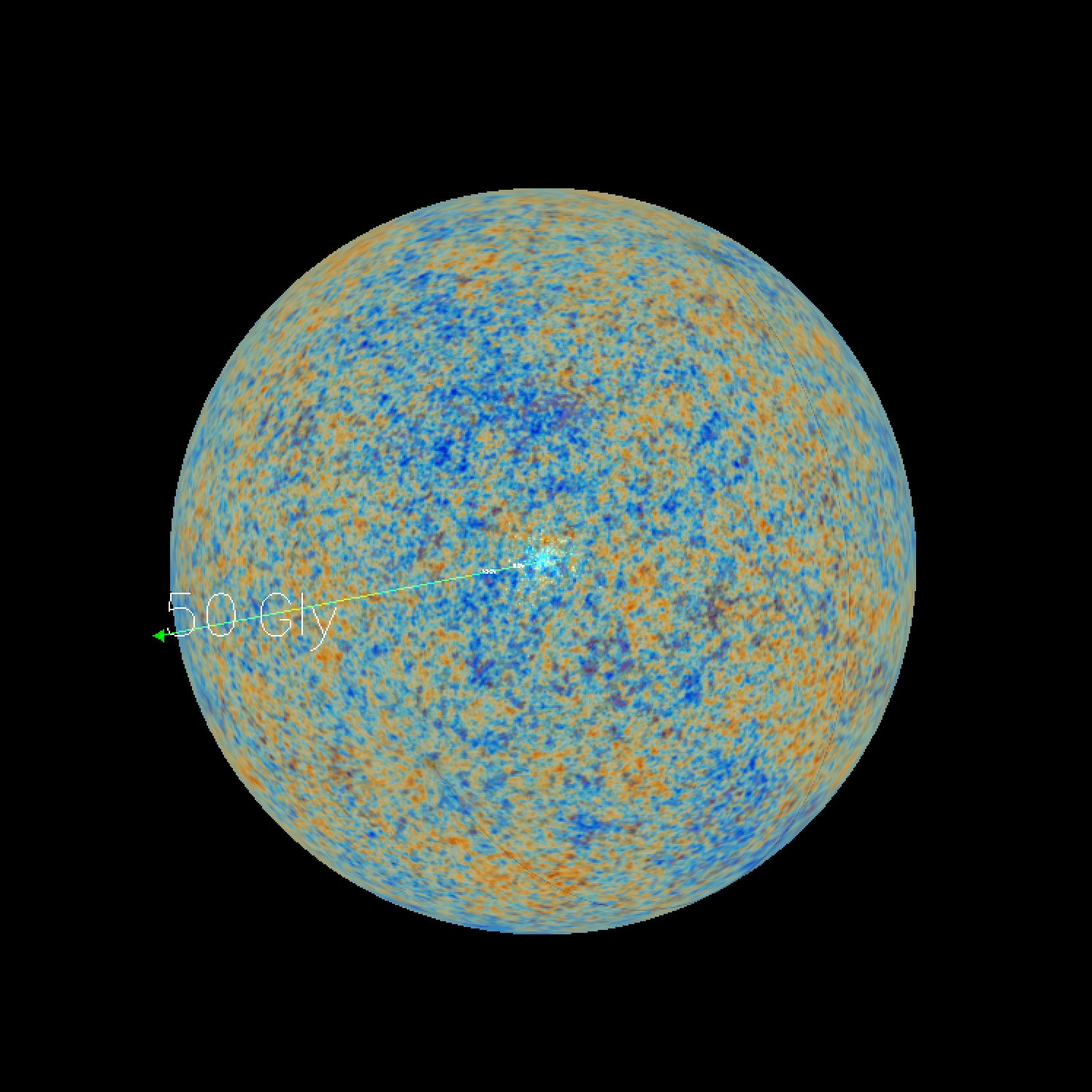
Reilly took data on some of the oldest and farthest discovered galaxies (several billion light-years away) and mapped them onto a computational model of the observable universe. He also added to the visualization extremely precise maps of the Cosmic Microwave Background (CMB), which is radiation from about 380,000 years after the Big Bang. Right after the Big Bang, the universe was so hot that nothing—not even photons—could travel unimpeded, which rendered the universe opaque. Around year 380,000, the universe had cooled enough that neutral atoms could form, rendering it transparent (i.e., photons could now travel through it) and releasing an enormous amount of energy which we now call the CMB. This Cosmic Microwave Background has been traveling through the universe for billions of years. As the universe expands, the wavelength of the CMB radiation lengthens (i.e., “redshifts”). We can generate a map of what the universe looked like very early in its life by measuring these redshifts.
I recently had the exciting opportunity to interview Reilly and find out more about his research experience.
At the start of this school year, in a frenzy of self-improvement, I deleted all of my dating apps.
To be honest, I didn’t think I would write about my relationship quandaries on this blog. But weirdly enough, they’ve actually started to help me understand my research experiences. Just keep reading…
By the end of Week 1, I had downloaded all of the apps again and even organized them into a folder on my phone automatically titled “Social.” For all of the (very real) criticisms of this industry, there really is something so satisfying about getting that match notification on your lock screen. We all have days when rejection and loneliness cloud our vision, and it can feel weirdly reassuring to know that a stranger is interested in getting to know you.