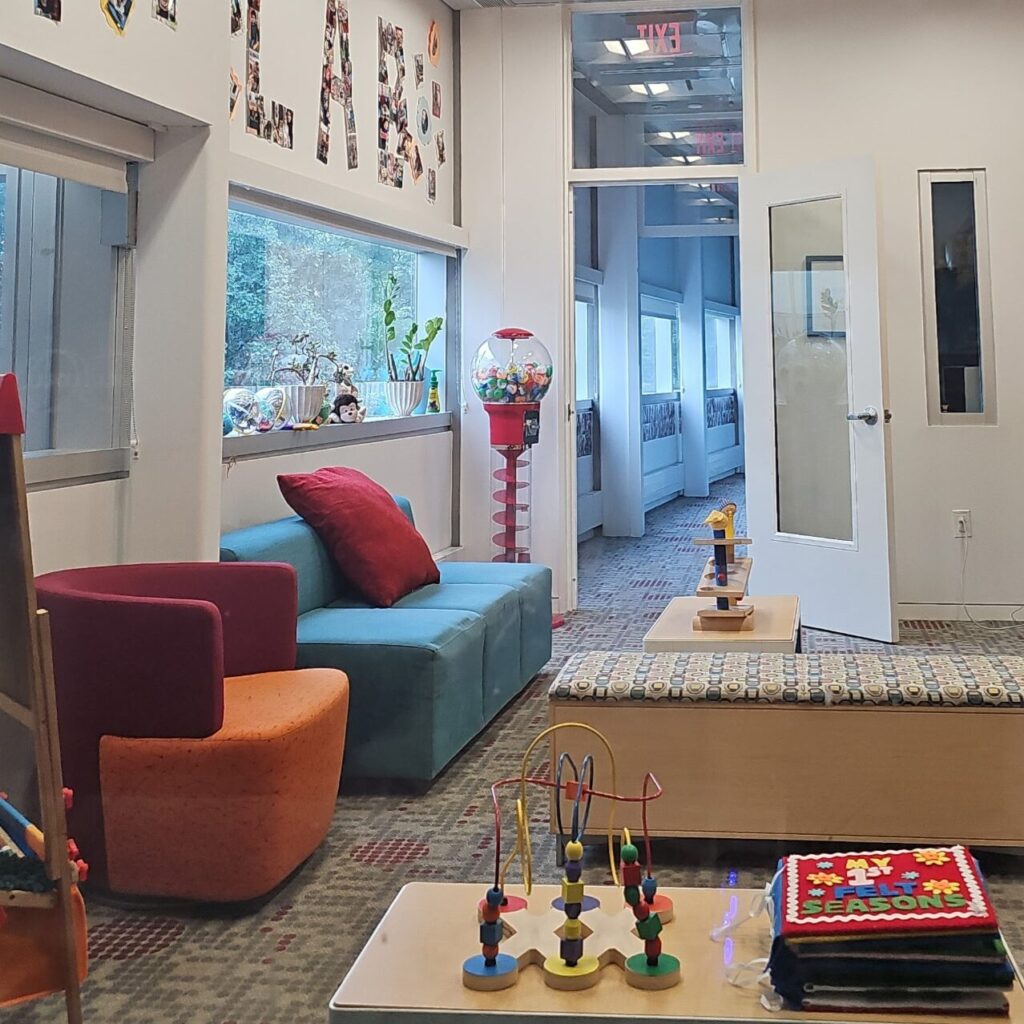
Princeton Baby Lab, Princeton’s developmental psychology lab, located in Princeton Neuroscience Institute (PNI). Photo Credit: Jamilah Araf
Often, when we picture research, we think of beakers or microscopes. However, the study of humans looks very different. I hope to shine light on social science research, specifically psychology research, at Princeton using my experience at the Princeton Baby Lab.
This summer, I worked alongside five other research assistants in the Princeton Baby Lab, Princeton’s developmental psychology lab. All of the projects in the Baby Lab work towards understanding how we learn language during development. However, the projects used a variety of methods to approach this question.
Fieldwork in the Intertidal. Photo Credit: Marshall Mumford.
It’s okay to fail. No, really, it is. You may feel that the achievements that brought you here have put you on a pedestal, destined to keep rising higher and higher, but someday that pedestal will break or crumble, and you must figure out how to keep going.
This is true especially in research. Having been involved in scientific research from the early days of doing science fair, to analyzing my data for my senior thesis, I feel like I have rather good authority to speak on failure. These are my four tips for coping with failure as you embark on your research journey.
I spent this past summer in the lab on campus, and while that may not be a glamorous Eurosummer, it gave me the opportunity to get to know my lab members better as well as my own research. The supportive community I found not just changed my summer, but also how I view research as a career.
Corrado Giaquinto (1703–1765), Medea Rejuvenating Aeson (1760). A scene from Ovid’s Metamorphoses, Medea attempts to “cure” her love Jason’s father of his old age
As I begin to plan for my senior year, the quintessential Princeton trial looms over me: the senior thesis. For such a large and talked-about project, I felt the familiar feeling of “Where do I even start?”
As I embark upon my thesis journey, I’m hoping to take a self-reflective and forward-planning approach. In doing so, I hope to harness a productive and proactive energy that will help me treat this project as a series of small, feasible, and exciting tasks, and to help others who may be struggling.
Over the last few weeks of the semester, I needed to make two posters. In preparation, I attended a poster workshop that made me think more intentionally about how to make an effective poster. I’ve outlined some of my key takeaways below that I hope can offer guidance to anyone preparing a poster of their own.
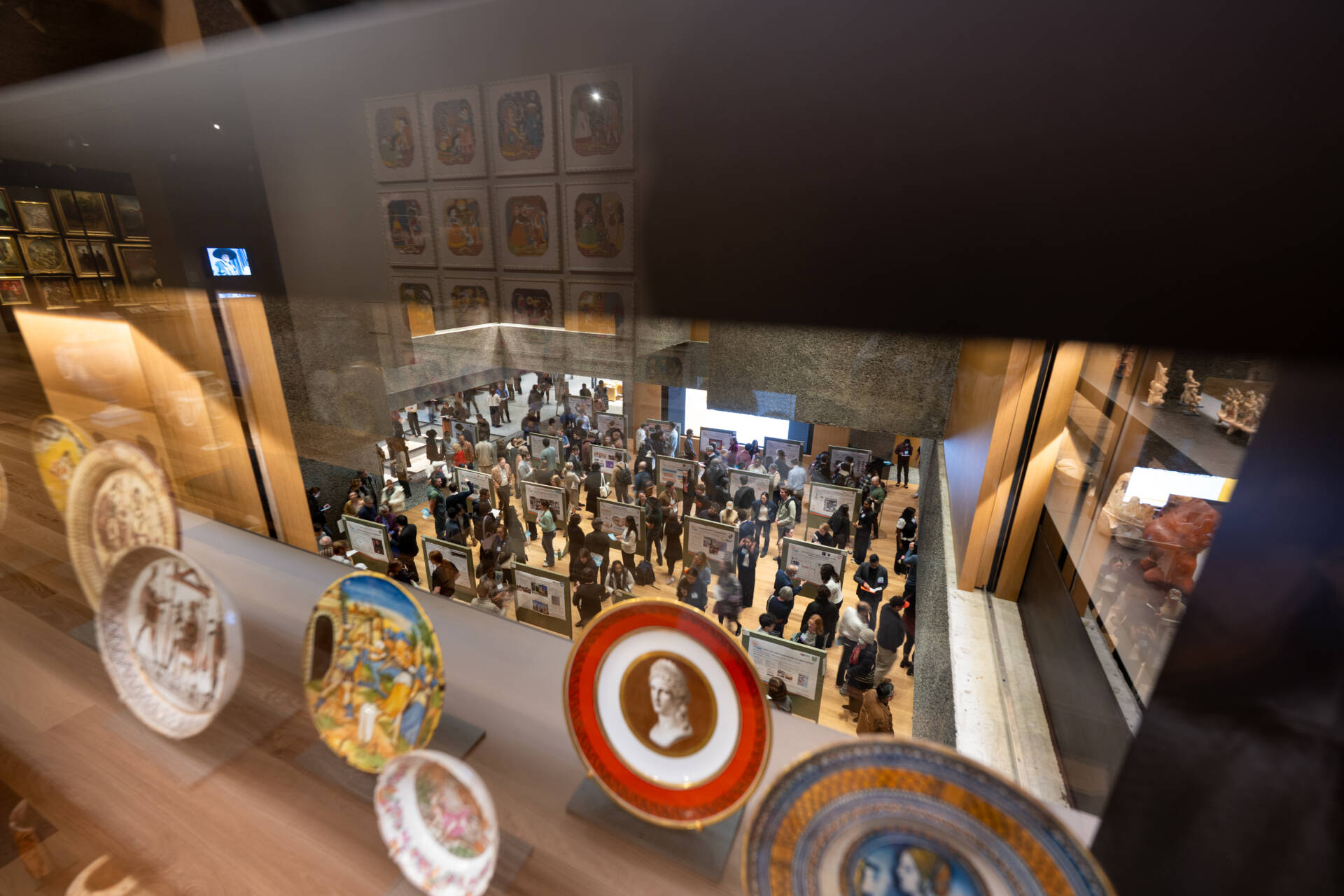
Princeton Research Day in the Princeton University Art Museum. Photo credit: Sameer Khan / Fotobuddy.
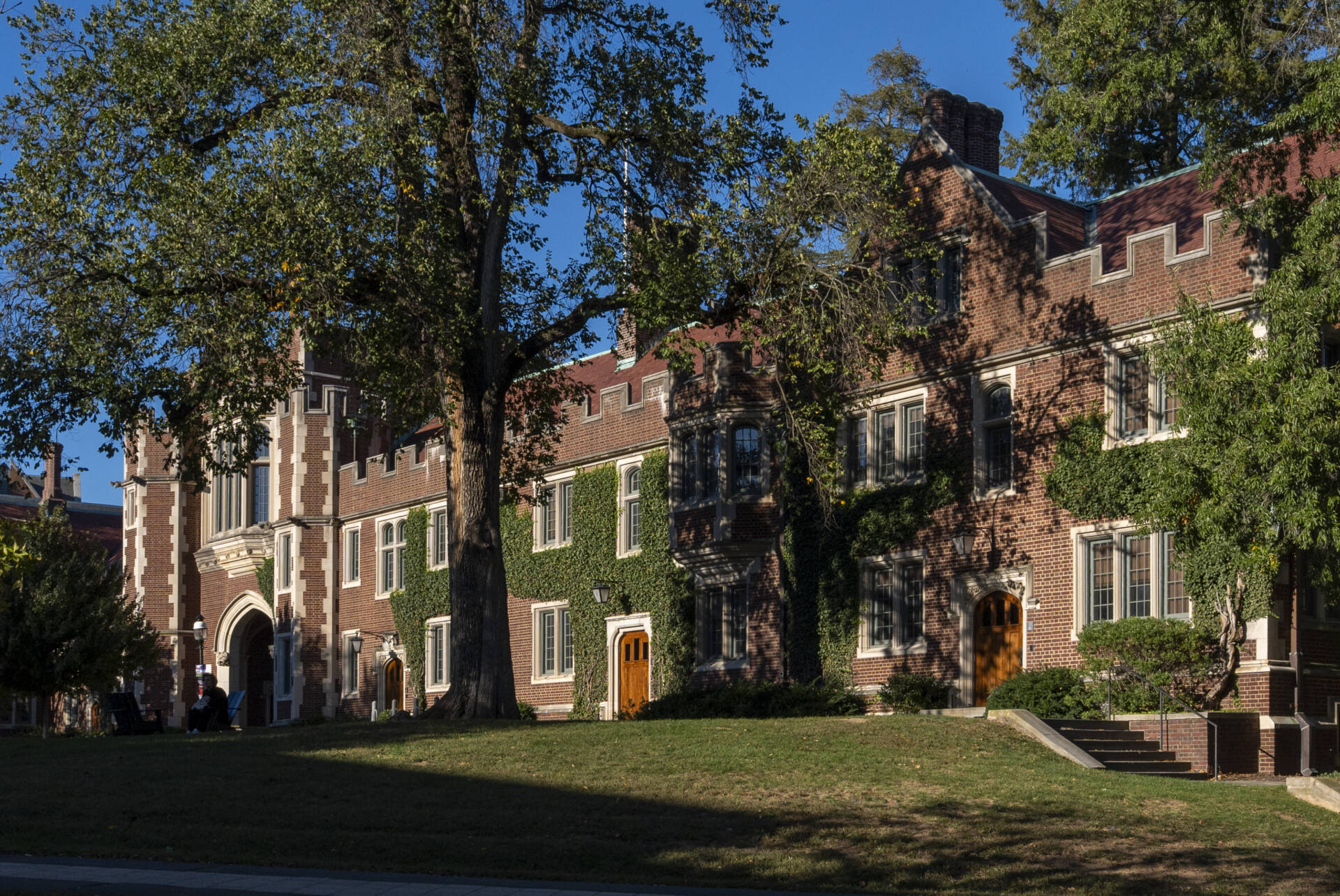
Beautiful summer view at Princeton. Photo Credit: Denise Applewhite.
For those planning to spend their summer researching whether it’s your first foray or your senior thesis, there are a few things that I have taken into consideration this year with my own planning that I think will be useful for others.
As someone with interdisciplinary interests, major selection was challenging. I could have easily seen myself fitting into multiple different departments, so I struggled to choose just one. One way that I stayed connected with multiple departments was by declaring minors.
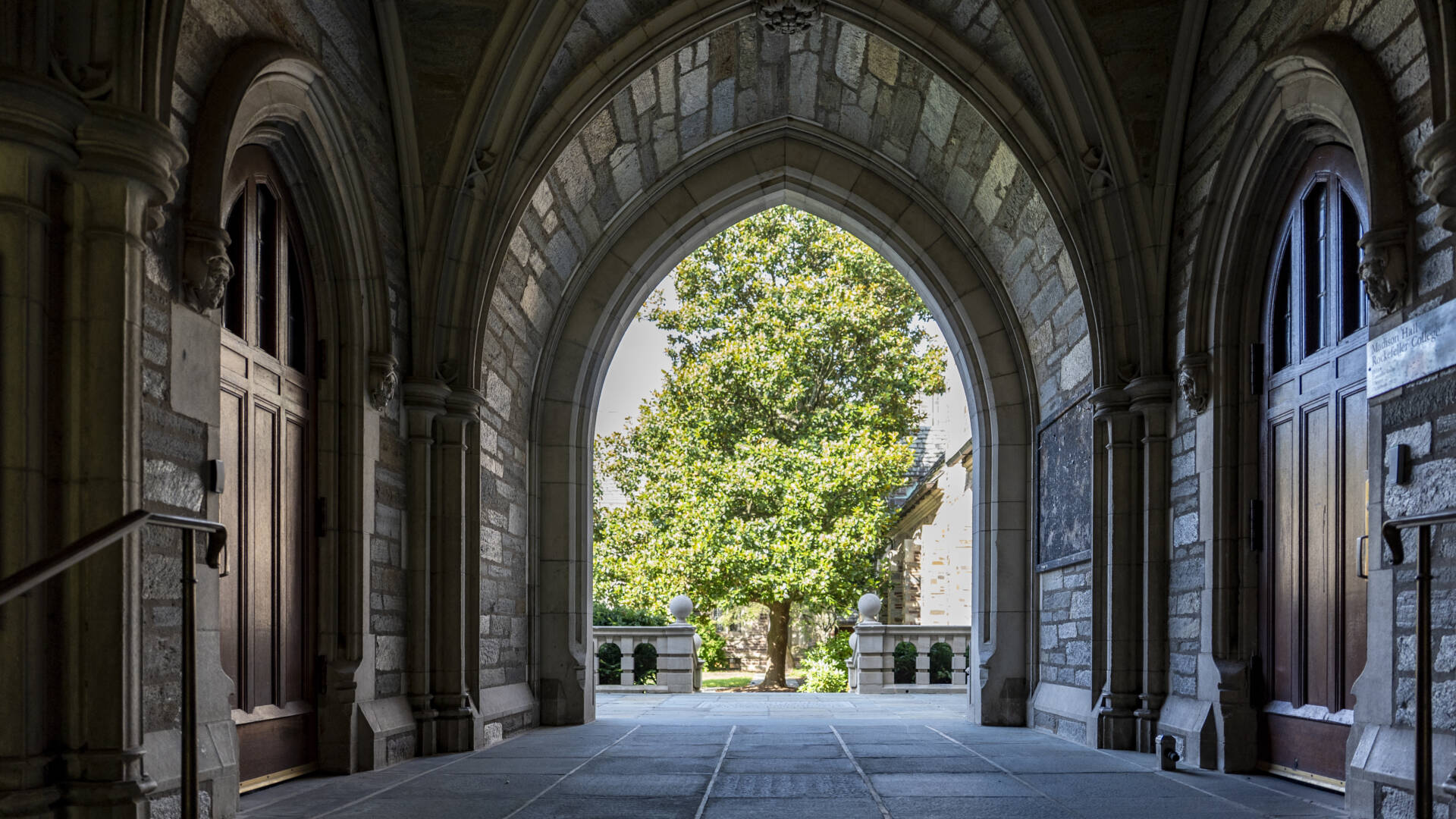
One of my minors was in Religion, which is housed here in 1879 Hall.Photo credit: Denise Applewhite.
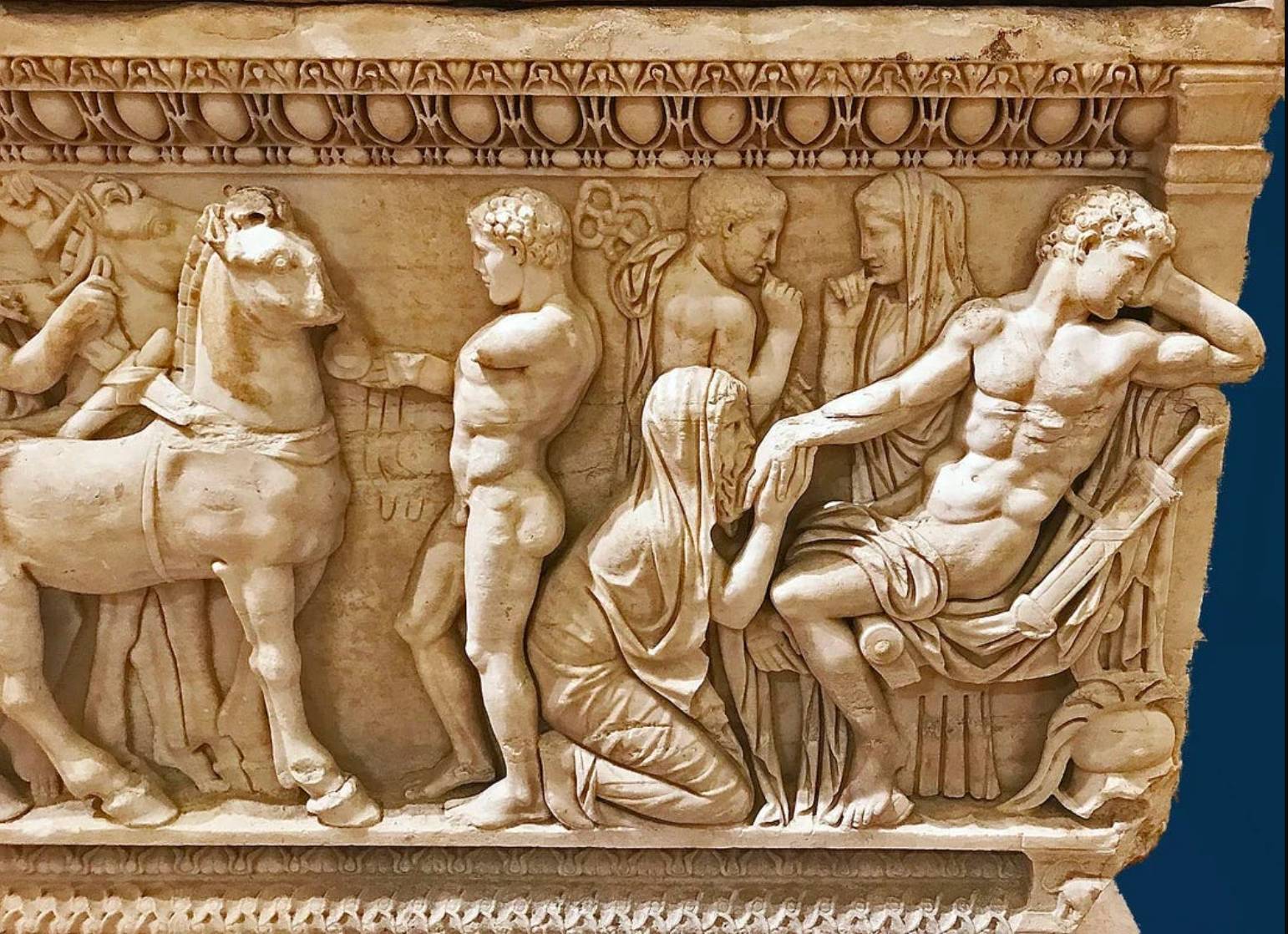
Sarcophagus depicting king Priam imploring Achilles for the return of the body of his son, Tyre, 2nd cent AD. Photo Credit: National Museum of Beirut.
I am a Classics major on the pre-medical track, which means I spend roughly equal parts of my intellectual life in ancient texts and clinical/STEM spaces. Most people, when I tell them this, assume I’m describing a contradiction – humanities on one side, medicine on the other, and me shuttling awkwardly between them. How can my work with Ancient Greek and Latin texts possibly inform my time with patients who live in a modern world and are treated with modern medicine? How can all the time I’ve spent thinking about literature, philosophy, and art from different time periods be relevant to my day-to-day life, or my future career as a physician?
At Princeton, research does not always look the way people imagine. It is not always telescopes pointed toward the sky or chalkboards filled with equations. Sometimes, it happens in quiet laboratories where the goal is to understand things you cannot even see, like streams of charged particles moving through space.
For Rishika Porandla, a member of the Class of 2028 majoring in astrophysics, this is exactly where her work lives. Her research sits at the intersection of space, plasma, and the instruments that allow scientists to study both.
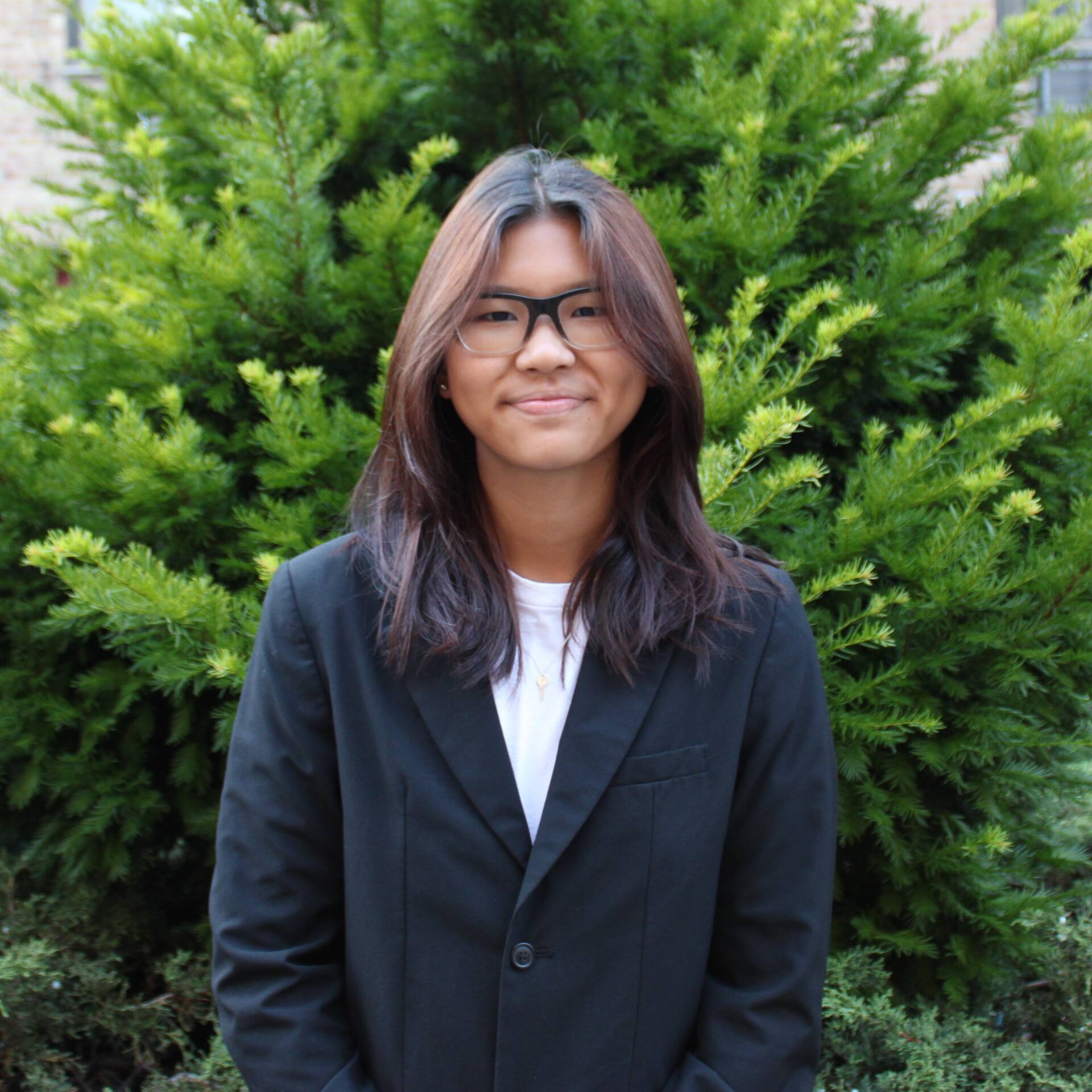
When Erika Yeung arrived at Princeton, she knew she was drawn to the intersection of hardware and intelligence, the idea that physical systems like chips and sensors could not only compute, meaning process information, but also perceive the world, learn from data, and adapt over time. As a sophomore in the Electrical and Computer Engineering department, she took a bold step into that space through independent research with Professor Hossein Valavi. Her work focused on how neural networks, which are computer models inspired by the way the human brain processes information, can be redesigned to run efficiently on edge devices. These are small, local devices such as phones, sensors, or embedded systems that operate without relying on distant cloud servers.
At the heart of Erika’s work was quantization, a technique that reduces the numerical precision of neural network weights, which are the internal values that determine how the model makes decisions. Instead of using highly precise numbers, quantization simplifies them into smaller, more compact representations. This allows the model to take up less memory and run faster while still maintaining strong performance. This idea is central to fields like Edge AI and TinyML, which aim to move machine learning out of large data centers and into everyday devices, from wearable health monitors to autonomous systems operating far from the cloud. Running AI locally means the models must be not only accurate, but also lightweight, fast, and energy efficient. Quantization offers one of the most promising ways to make that possible.