Corrado Giaquinto (1703–1765), Medea Rejuvenating Aeson (1760). A scene from Ovid’s Metamorphoses, Medea attempts to “cure” her love Jason’s father of his old age
As I begin to plan for my senior year, the quintessential Princeton trial looms over me: the senior thesis. For such a large and talked-about project, I felt the familiar feeling of “Where do I even start?”
As I embark upon my thesis journey, I’m hoping to take a self-reflective and forward-planning approach. In doing so, I hope to harness a productive and proactive energy that will help me treat this project as a series of small, feasible, and exciting tasks, and to help others who may be struggling.
Last semester, as a sophomore in the Electrical and Computer Engineering Department, I completed my first independent research project as part of the Sophomore Independent Work (ECE 298) with Swan Labs, a lab that works on next-generation wireless systems by combining electromagnetics, signal processing, and system-level design to build fast, intelligent, secure, and adaptable wireless technologies. While I had done research in high school before, this was my first time engaging in research within a truly structured academic setting. The experience felt fundamentally different from anything I had done previously, and it reshaped how I understand what research really means.
This summer, Princeton sophomore Kyaw Naing returned to his hometown of New York City for a 12-week internship with Amazon’s Grocery Subscription team, an opportunity made possible through the Amazon Future Engineer (AFE) program. AFE is a highly competitive national initiative that aims to support students from underrepresented and underserved communities in STEM, offering college scholarships, mentorship, and paid internships at Amazon. Kyaw was one of only 400 students selected for the program. As an Electrical and Computer Engineering student from Queens, Kyaw saw the internship as a chance to push himself beyond the classroom. During his time with the Grocery Subscription team, he tackled real-world technical challenges at massive scales while working on services that millions of customers rely on every day.
The team owns the whole lifecycle of Grocery Subscription and focuses on building the Amazon Grocery Subscription, enabling customers to subscribe and order groceries. Work on the team involves significant research into sophisticated cloud infrastructure and pipelines and for Kyaw, this was the perfect environment to connect what he learned in his COS classes with real-world practice and research.
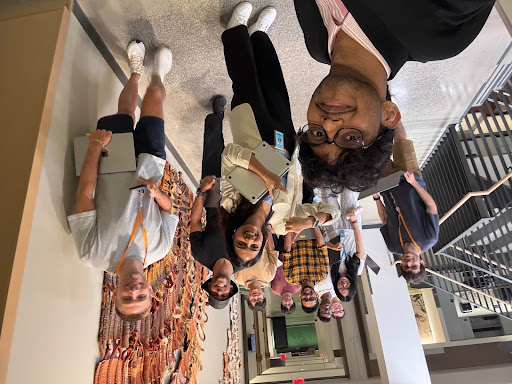
Kyaw (front, pink shirt) with his co-workers at Amazon. Photo credit: Kyaw Naing.
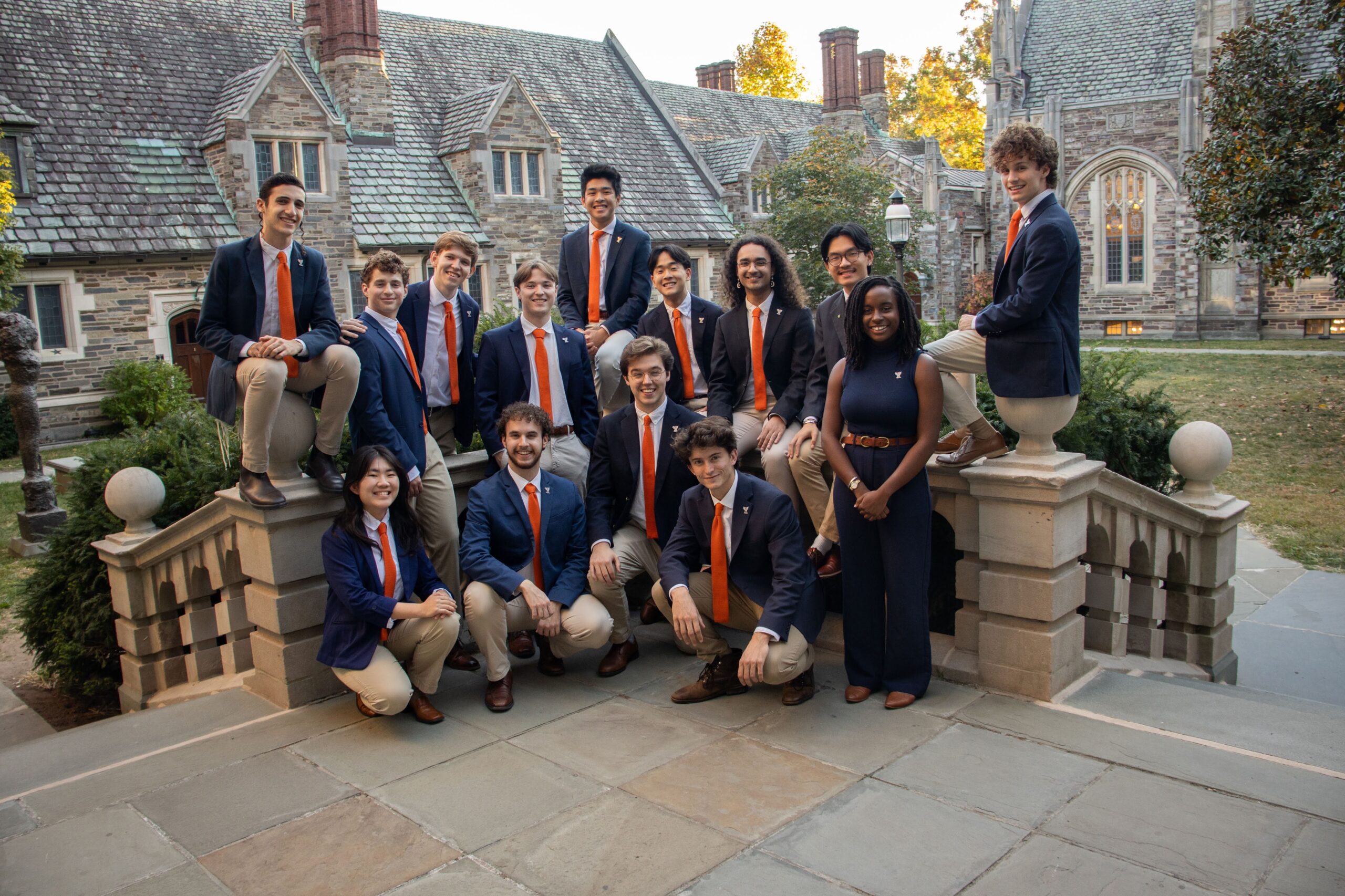
Photo of the Footnotes, Princeton’s fresh low-voice a cappella group founded in 1959
Imagine standing in front of a big audience, heart racing, ready to blend your voice with others and hit the notes of an intricate a cappella arrangement. Every beat, every breath, is crucial. Every time I stand on stage or under an arch with my a cappella group, the Princeton Footnotes, I think of how similar singing and music feels to what I do in the lab. You might be thinking that singing in an a cappella group and doing research are worlds apart. However, these two passions have formed a bond in ways that I never believed possible. In fact, the creativity, collaboration, and discipline I have channeled in being a part of the Footnotes have made me a better researcher—and vice versa.
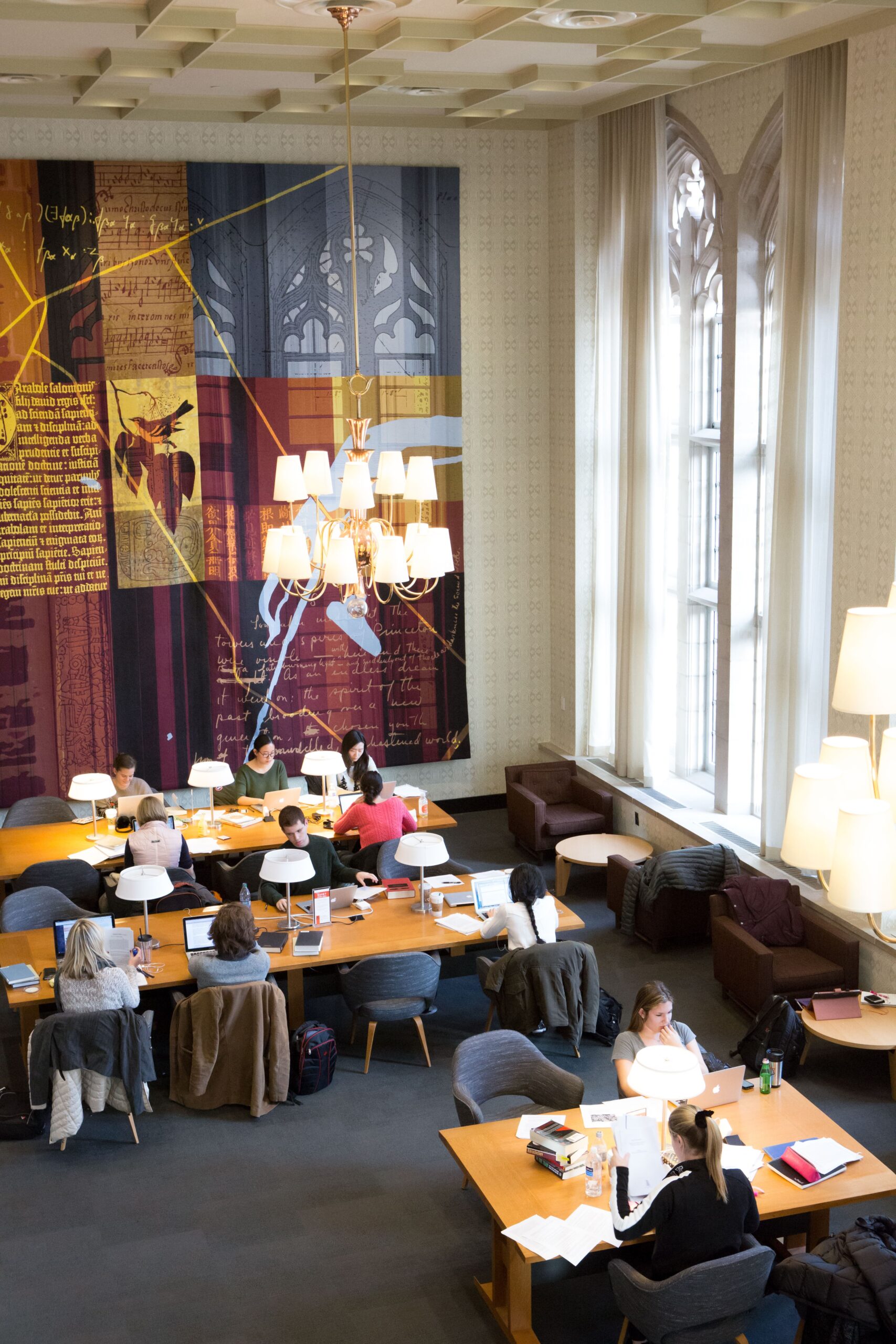
Students working in Firestone Library, perhaps sending an email to an adviser!
In a world where instant responses to messages are possible, it can be especially frustrating when, after several days, you’re still waiting for a response on a time-sensitive issue. Many of us have experienced this before: asking an adviser a question, checking with a teammate if they’ve completed their tasks, and so on. Yet even with conventional wisdom on how to receive a response (crafting a compelling subject line, personalizing a message, or keeping an email short and sweet), responses can be elusive.
The truth is, the people we work with as students, researchers, or employees often have busy schedules. They may have several responsibilities vying for their attention, and sometimes an email just falls lower on their list of priorities. We want to resolve our questions and continue making progress as quickly as possible, yet help does not always come that quickly. In this article, I share key tips I’ve learned through discussions with my managers, colleagues, and advisers over the course of my time as a student and working in industry.
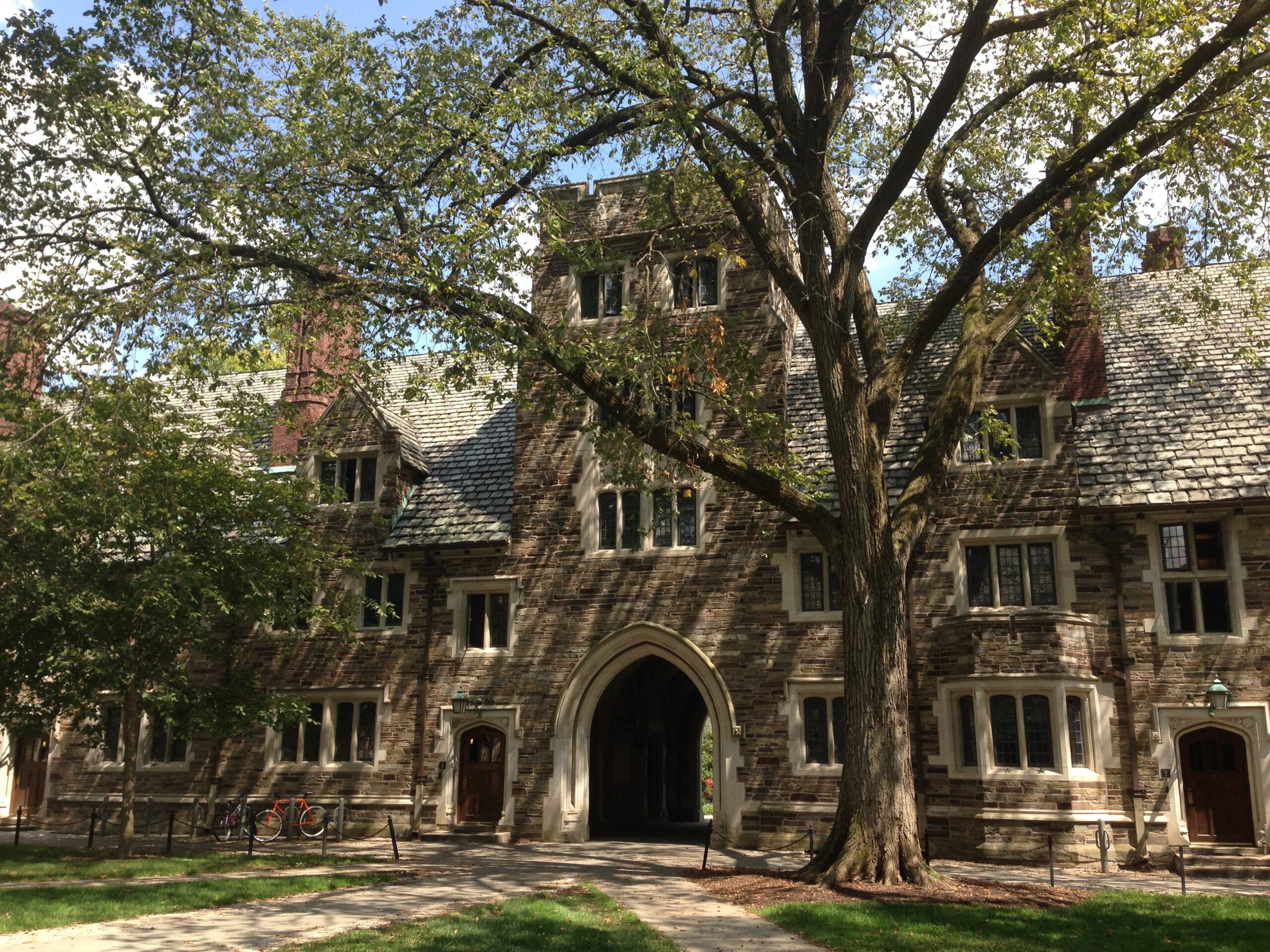
Rockefeller College in the summer.Photo Credits: Daniel A. Day (2014)
So you’ve been brave, reached out to that professor whose research you’ve always admired, and just confirmed a summer on campus doing the research of your dreams. Whether you’re a part of an on-campus research cohort (like ReMatch or HMEI) or starting up your own independent work, summer on-campus is a special, if not bewildering, experience. If you are anything like me, the first few weeks may be a little confusing as you figure out what is expected of you and what exactly you want for yourself. Even though you’re doing research full-time, you’ll likely find that you’re substantially less busy than you were during the school year. This raises some important questions about how you choose to spend your free time. Who are you outside of research? How do you navigate the campus when you’re no longer a full-time student? Beyond time-management, what else should you know about being on-campus in the summer? Below I’ve compiled a short list of advice I’ve found most helpful during my summers on campus.
In this post, I share my experience of requesting resources from Princeton’s Seeley G. Mudd Manuscript Library for a research paper in ART102/ARC102: An Introduction to the History of Architecture. I took the Spring 2022 iteration of the course, taught by Professor Basile Baudez and Professor Samuel Holzman. The course provided an overview of architectural history from ancient Egypt to the modern-day through key monuments and architectural movements.
One of my favorite parts of ART102 was our semester-long research project. Students have the opportunity to delve deeper into the history of any building in the Princeton community. My peers covered a wide range of buildings, including Firestone Library, the Graduate College, and the University Chapel. Inspired by my involvement with the Princeton University Art Museum as a student tour guide, I chose to research Bainbridge House (now repurposed as Art@Bainbridge, one of the Museum’s gallery spaces on Nassau Street).
This semester, I am doing junior independent work in the Arnold lab group at Princeton, which is based in the MAE department but also focuses on materials science, which is what I am interested in. My project investigates creating graphene aerogels from protein precursors, which basically means that I get to select different proteins of interest, freeze-dry them, pyrolyze them, and then see if they create graphene by examining them under a scanning electron microscope (SEM). These graphene aerogels are interesting materials because of their high porosity and conductivity, making them promising for applications to energy storage, which is why we are interested in researching them.
I thought it might be interesting to highlight a week in my life (well, actually two weeks) to give some insight on what lab-based independent work can look like during the school year. I want to note that this is only my experience as a CBE major, and independent work can look very different for other majors. If you’re an underclassman interested in doing junior independent work or just curious about what that could entail, I hope that this post can provide some insight.
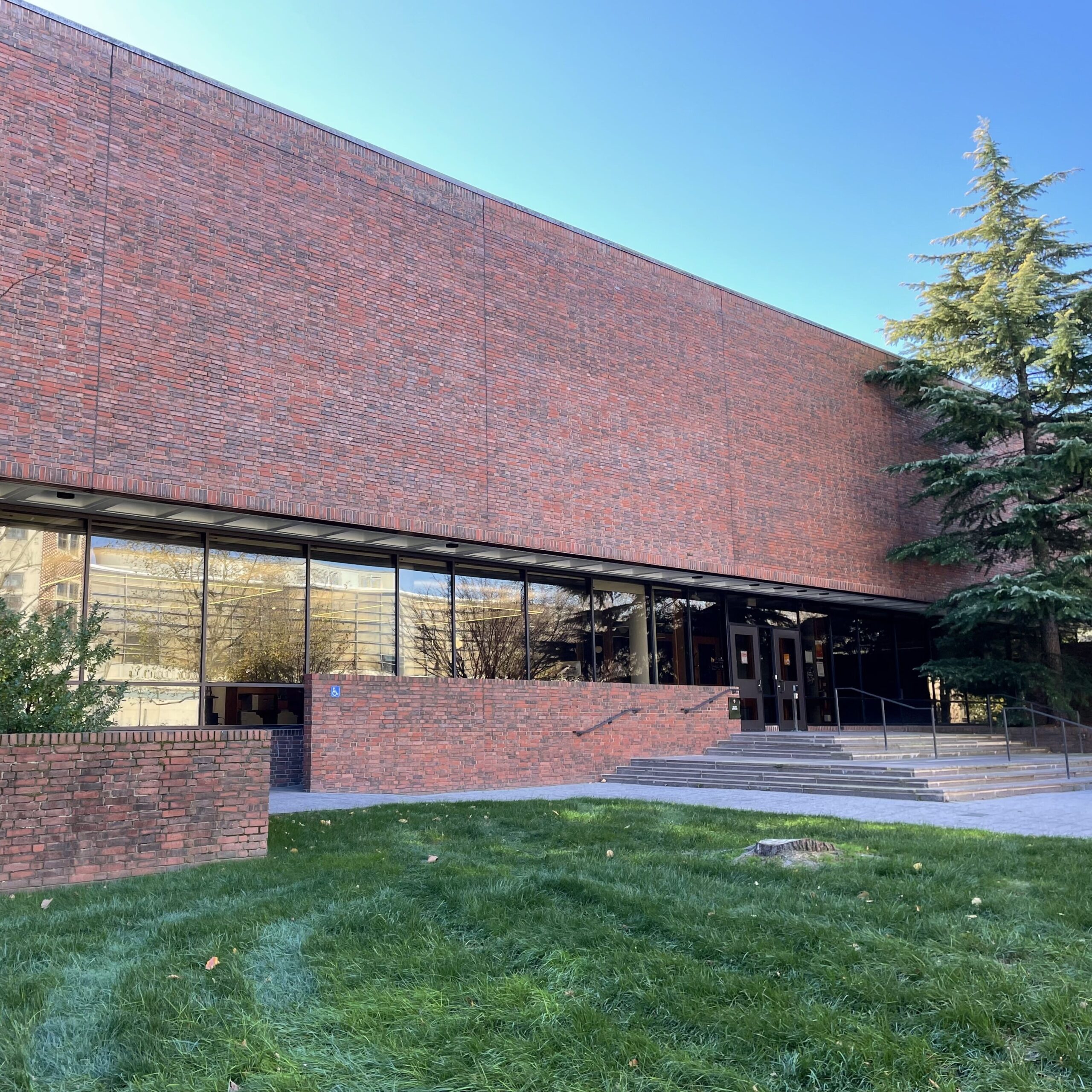
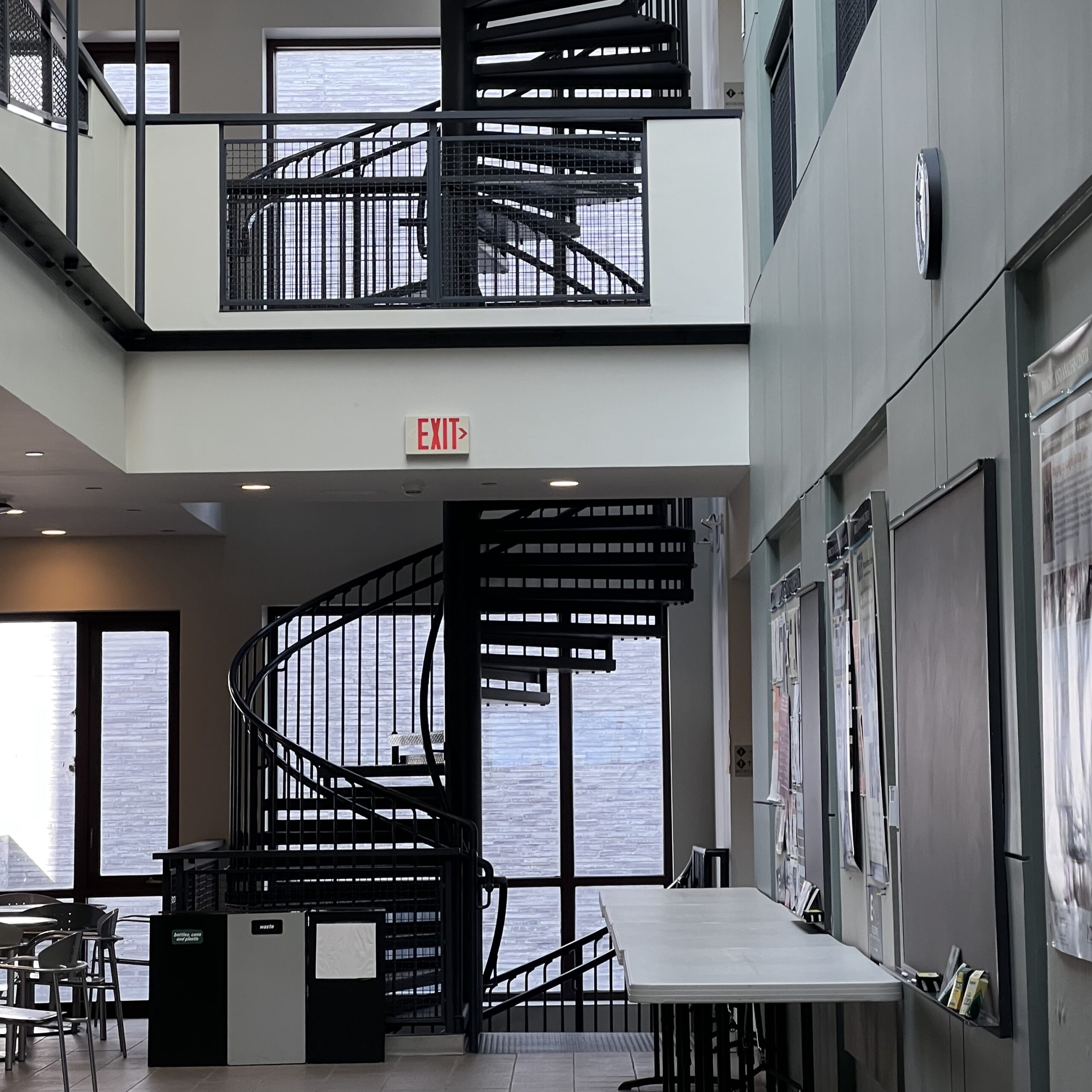
The inside of Bowen Hall, the hub of the Princeton Institute of Materials and where my research lab is.
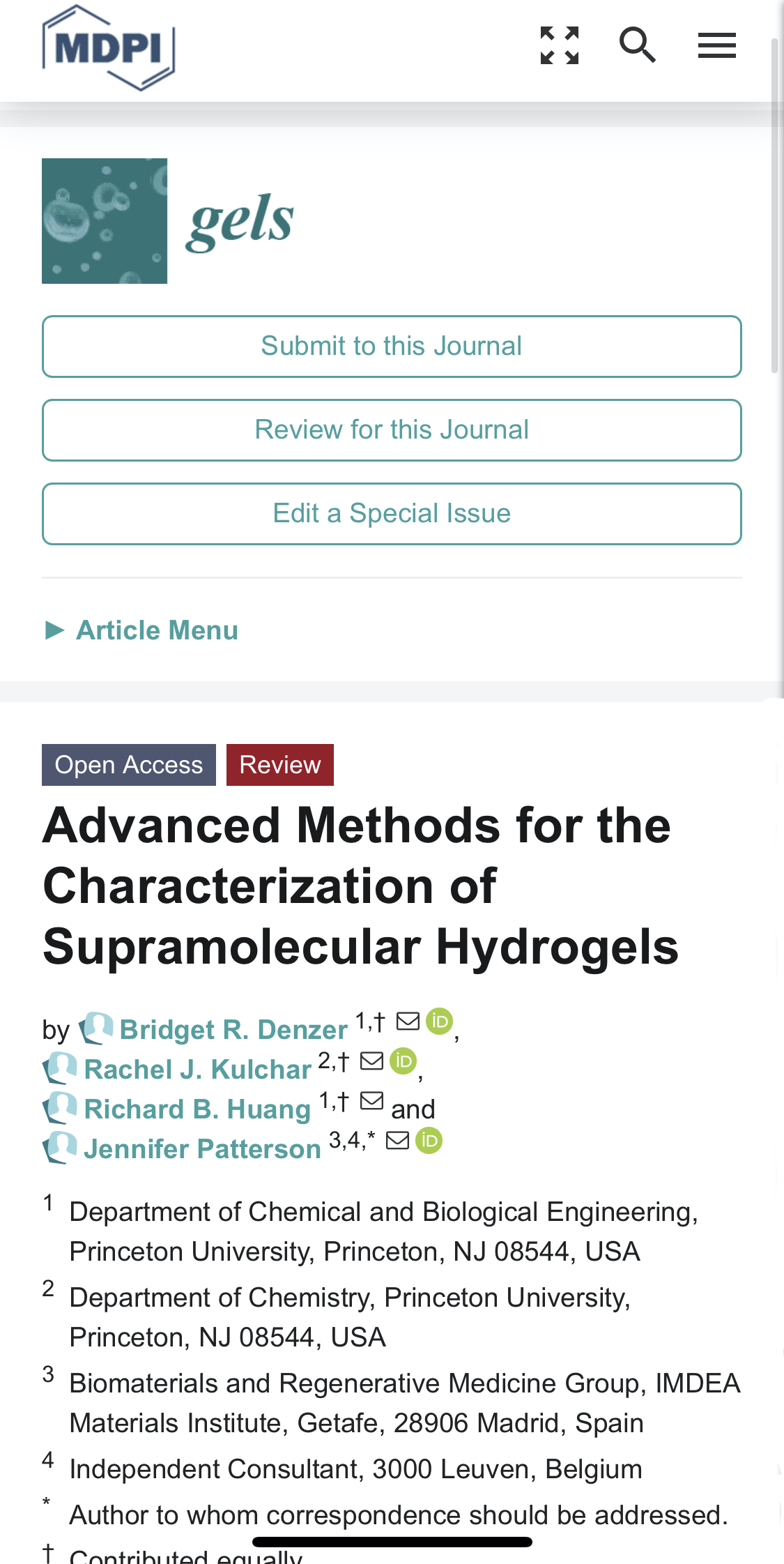
An important part of research is writing and publishing papers in peer-reviewed academic journals. Through a Princeton-alumni sponsored internship last summer, I was fortunate enough to co-author and publish two materials science review papers, one in a journal called Gels and the other in the International Journal of Molecular Sciences, both a part of the Multidisciplinary Digital Publishing Institute, or MDPI. Since the publishing process was entirely new to me, I thought it would be helpful to give some insight into what publishing looks like, which is helpful especially if you are interested in pursuing research in graduate school. I will note that although having published papers is helpful for admission to graduate school, it is by no means required.
One of the review papers that I co-authored and published through my summer internship
Have you ever come across something in class that you wish you could get a better Have you ever been wondering more about how proteins are made in the body? Or have you ever been looking for a specific type of lab experiment protocol for your independent work? If yes, then look no further than the National Center for Biotechnology Information (NCBI) website! It contains dozens of resources, some of which I have found to be very handy in my own research and school experiences. The site is tailored for students in the life-sciences field, but there is a lot of breadth in the resources available—you’ll be able to find useful tools regardless of whether you’re a MOL or CHM major, or if you’re interests lie in researching chemically synthesis mental health, or neurodegenerative diseases.
The NCBI Logo, as it appears on the website
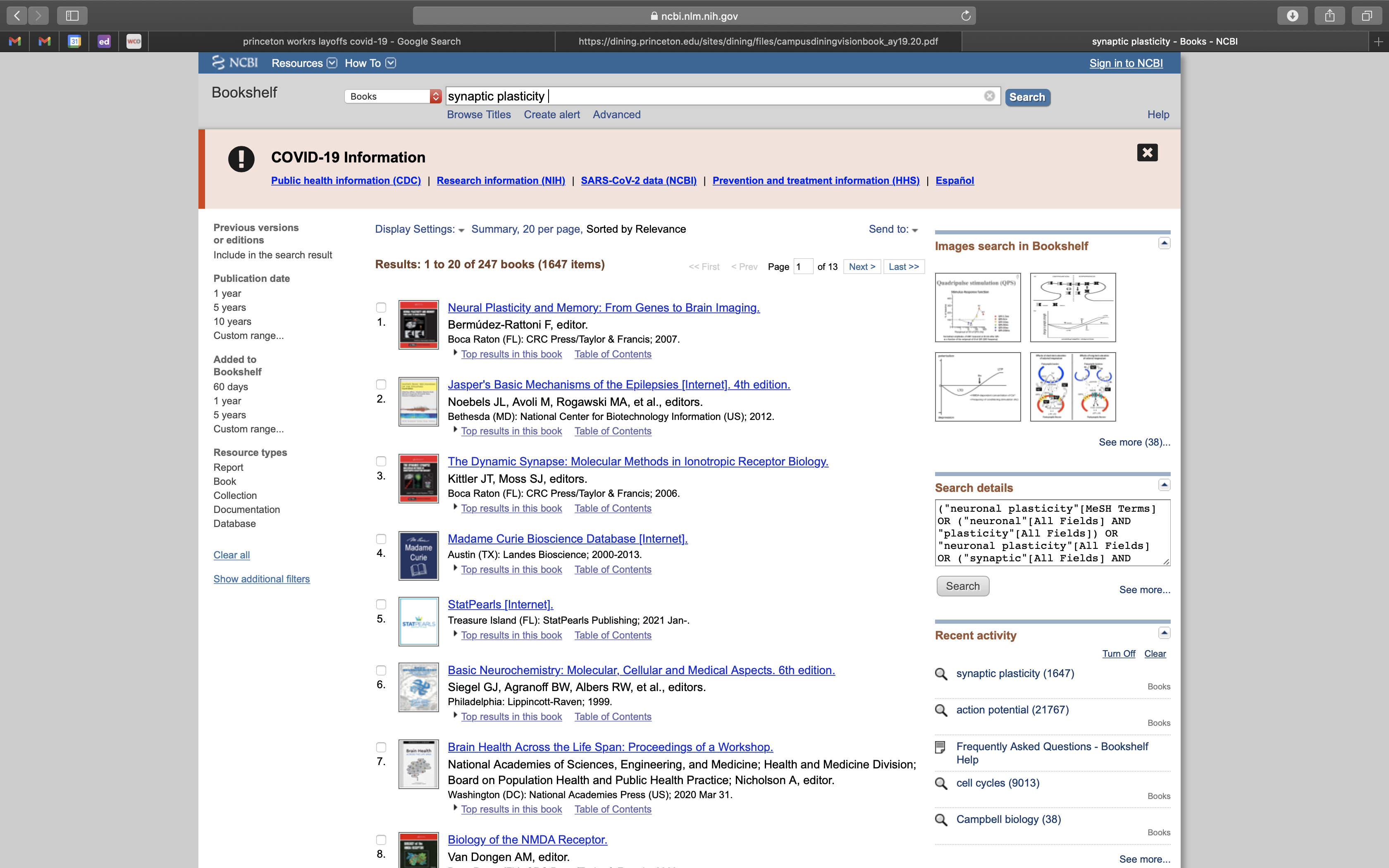
A very useful tool on the NCBI website is Bookshelf. There is a search bar at the top of the website where you can input some topic, book title, or field name, and the program will return a variety of different reference materials relating to the query, including full scientific textbooks, book chapters, studies. On the side, there are often figures and graphs that may relate to your search.
Some sample search results within Bookshelf if I look up “synaptic plasticity”