I spent this past summer in the lab on campus, and while that may not be a glamorous Eurosummer, it gave me the opportunity to get to know my lab members better as well as my own research. The supportive community I found not just changed my summer, but also how I view research as a career.
With senior year well underway, it’s still pretty hard to wrap my head around the fact I’m actually working on my senior thesis. What isn’t hard to wrap my head around is the fact it means I’ll be producing yet another literature review. Whether it was my R2 during writing sem (an assignment from a now ancient version of the course) or what is shaping up to be the largest thing I’ve ever done, there’s always a lit review. This makes plenty of sense, given that literature reviews allow you to perform a necessary survey of the scholarly landscape, and can be used to teach necessary skills related to analyzing and synthesizing a broad range of perspectives and narratives. Despite this ubiquity, not every literature review is cut from the same cloth, and after writing my fair share of them, I’ve come to understand the practices that allow a quality literature review to stand a cut above.
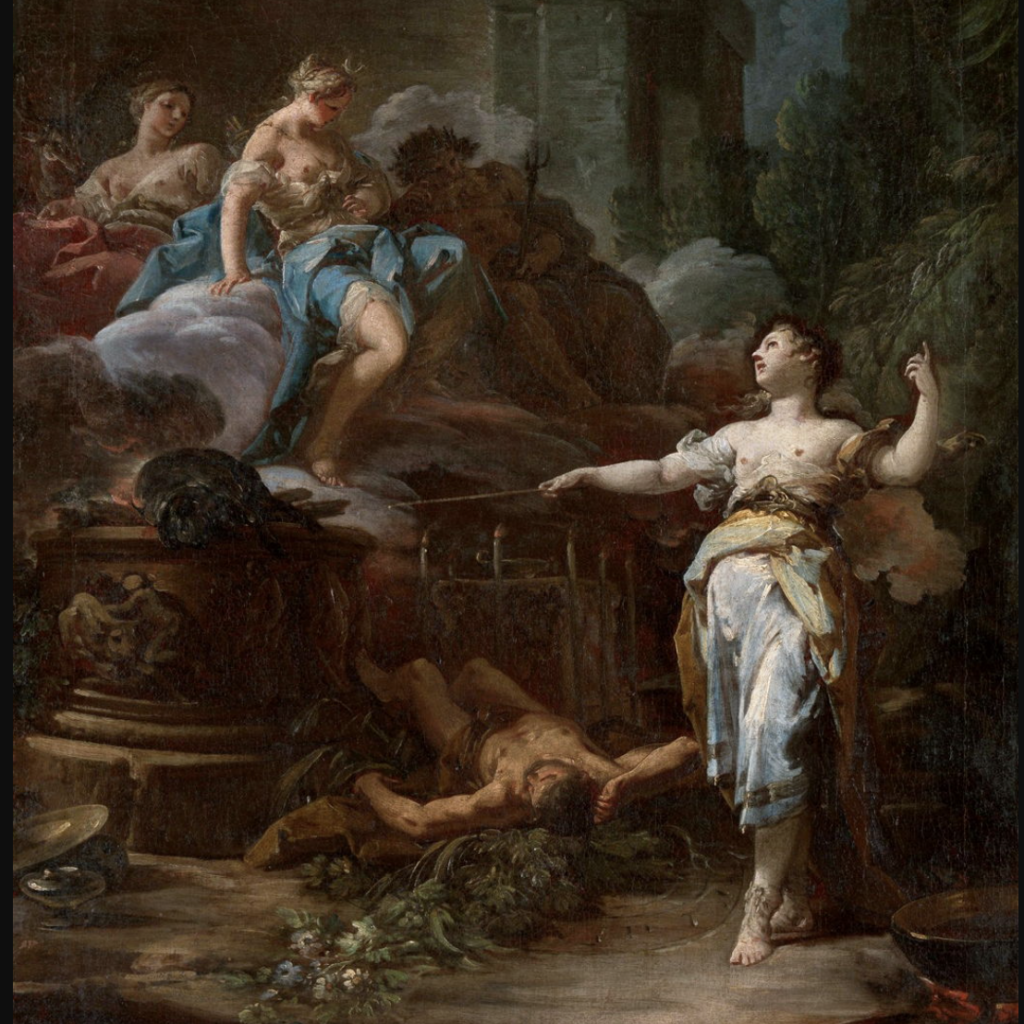
Corrado Giaquinto (1703–1765), Medea Rejuvenating Aeson (1760). A scene from Ovid’s Metamorphoses, Medea attempts to “cure” her love Jason’s father of his old age
As I begin to plan for my senior year, the quintessential Princeton trial looms over me: the senior thesis. For such a large and talked-about project, I felt the familiar feeling of “Where do I even start?”
As I embark upon my thesis journey, I’m hoping to take a self-reflective and forward-planning approach. In doing so, I hope to harness a productive and proactive energy that will help me treat this project as a series of small, feasible, and exciting tasks, and to help others who may be struggling.
Over the last few weeks of the semester, I needed to make two posters. In preparation, I attended a poster workshop that made me think more intentionally about how to make an effective poster. I’ve outlined some of my key takeaways below that I hope can offer guidance to anyone preparing a poster of their own.
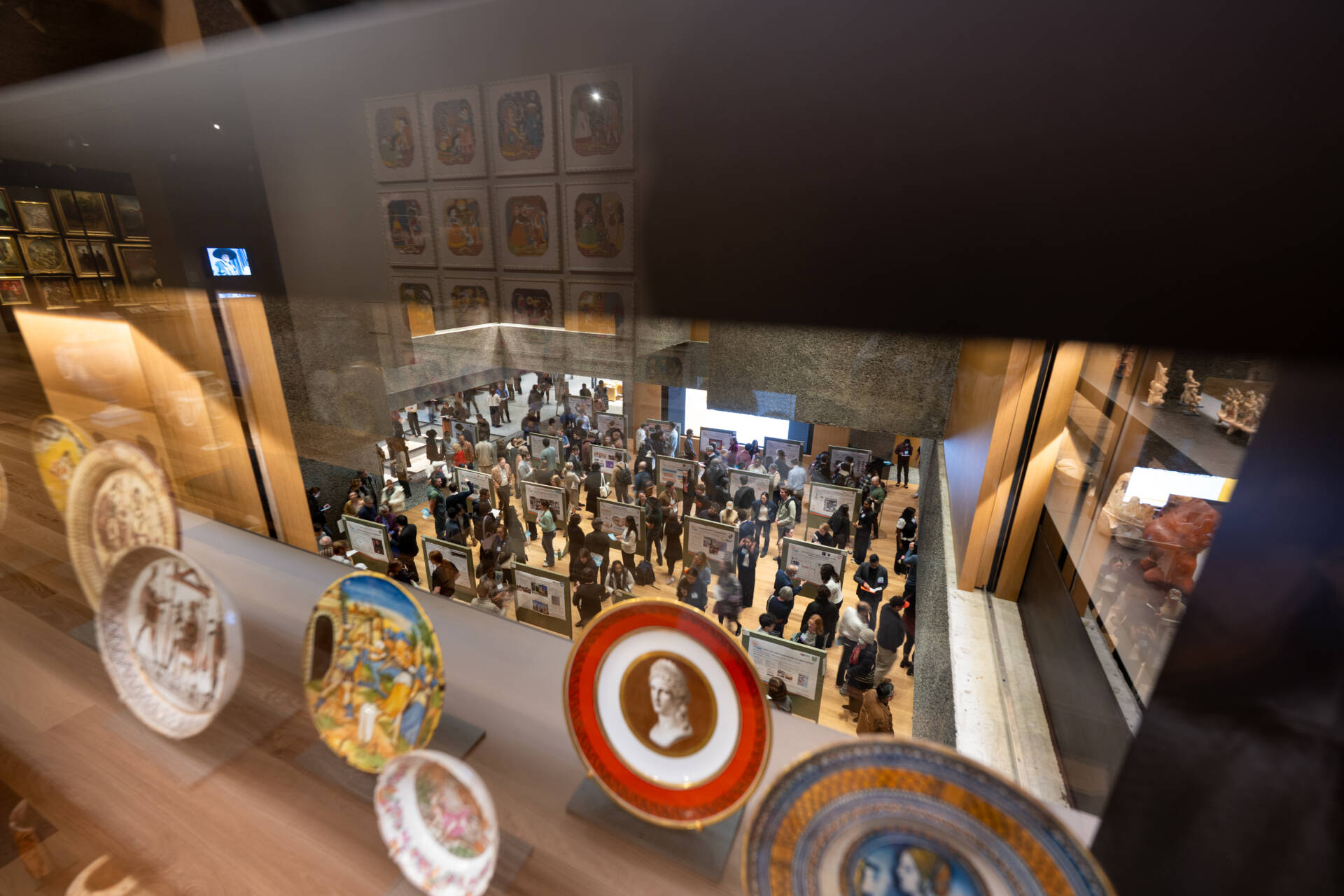
Princeton Research Day in the Princeton University Art Museum. Photo credit: Sameer Khan / Fotobuddy.
An ink quill and parchment. Photo credit: Mushki Brichta.
With two junior papers under my belt now, I’ve been taking some time to reflect on my writing strategies as I gear up to tackle my senior thesis next year. I’ve accumulated a list of what I think I would have benefited most from hearing, and I intend to take these lessons with me for my next year of work.
Just this year, I had the opportunity to travel through Princeton twice: once over winter break for my senior thesis and PIIRS Undergraduate Fellowship fieldwork in Taiwan, and again over spring break through ART 481: Alaskan Art, Spirit, and Being: Healing Histories of Dispossession, when I traveled to Alaska for class. As a senior in my final spring semester, spending both my last winter and spring breaks traveling for academic purposes has been more than fulfilling. It has been one of the most meaningful parts of my Princeton experience.
Both trips reminded me that academic travel is about much more than going somewhere new. Traveling with purpose changes what you notice, who you meet, and what you are able to learn. It opens up conversations, relationships, and opportunities for insight that you likely would not have had otherwise.
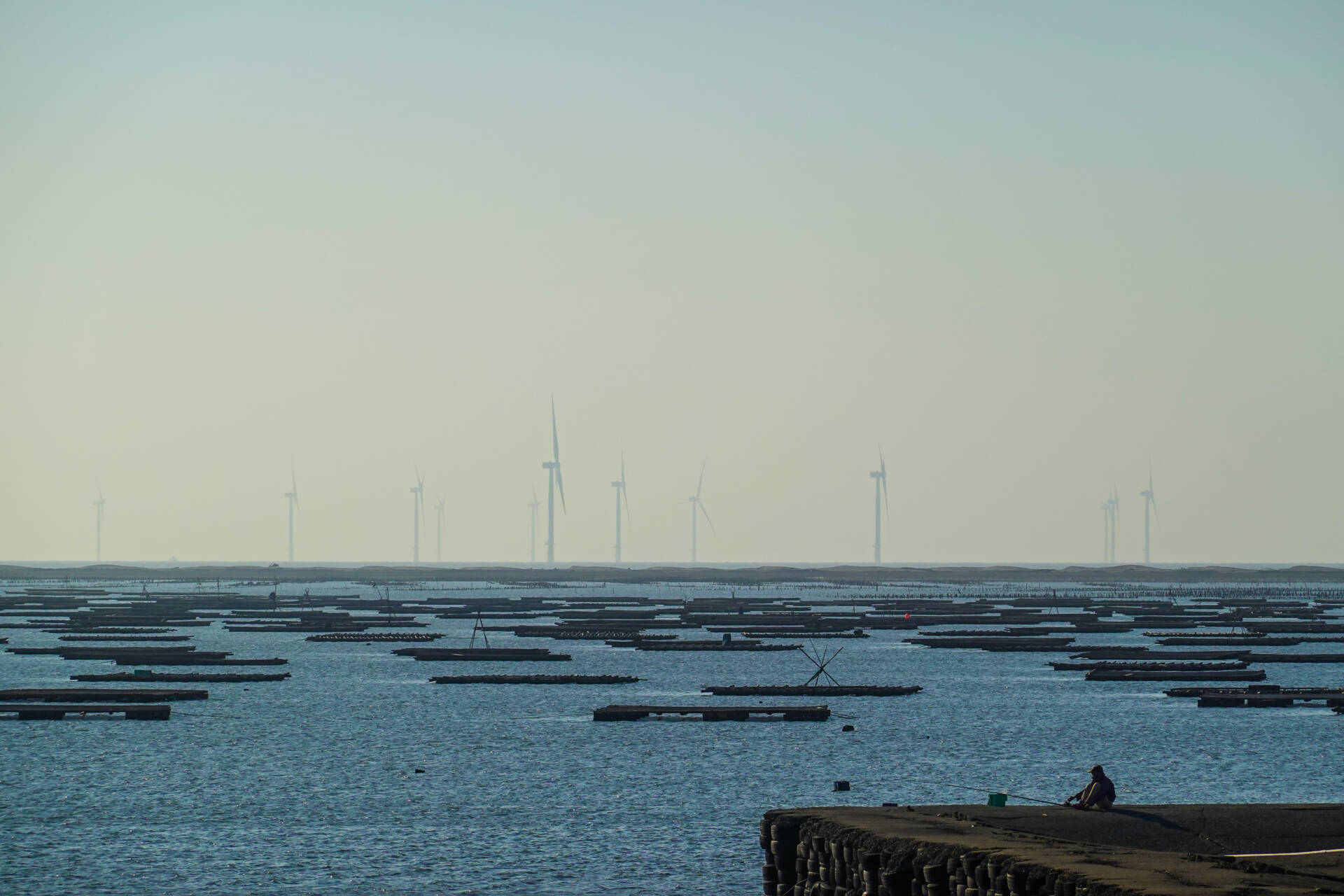
Local fishers on shore against a backdrop of oyster aquaculture and the Yunlin Offshore Wind Farm.
Thinking in Cannon Green (probably about a JP!). Photo Credit: Matt Raspanti.
It’s that time of year: I am writing a Junior Proposal as a molecular biology major. There are a few things I found about this experience that have humbled me very deeply. I obviously did not expect a cakewalk. I think it’s a good time for me to let juniors know; it’s not necessarily a difficult experience, but it’s strangely timed. The deadlines (at least for my major) are right in the middle of a somewhat hectic time between exams and the long stretch of spring semester post-spring break. Many of my peers (including myself) have been doing experiments for a while now, and working on the paper feels like coming up for air from a very deep lair at the bottom of the ocean. It can be very disorienting. The issue is that it requires a different way of thinking than when you’re in the midst of experimentation.
Historiographies are historical analyses of the historical scholarship written about a given subject. Rather than just identifying gaps in a scholarly conversation, historiographies analyze how that historical literature has been produced and how it has changed over time. Writing a historiography gives you the chance to make a historical argument about how the knowledge in your field has developed and evolved. However, approaching a whole new field of literature as an undergraduate researcher can be overwhelming. Here are some strategies I’ve used to parse historical literature and write historiographies for my independent work.
I start my historiographies in Firestone looking for a wide range of literature.Photo credit: Denise Applewhite.
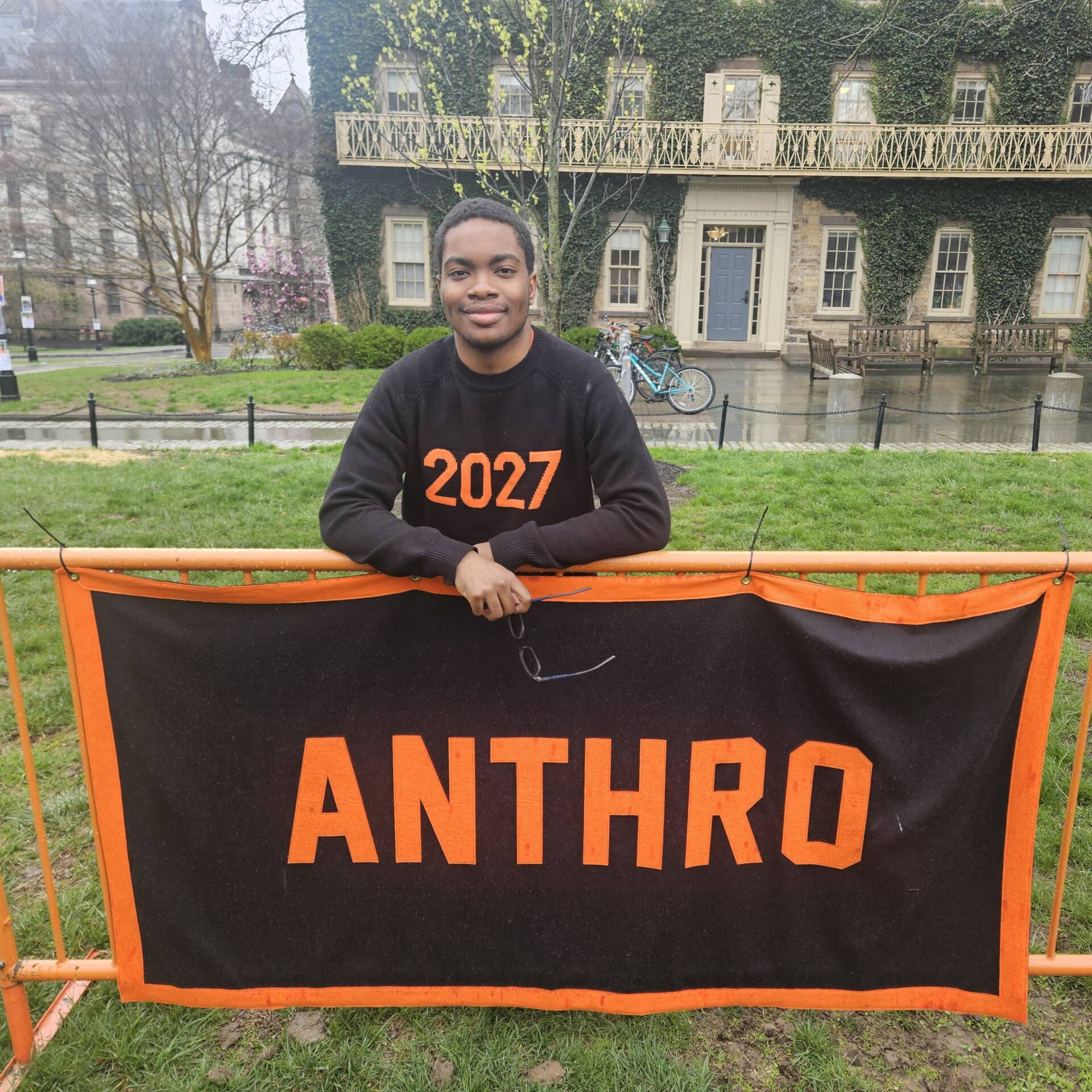
Princeton and research go together so well they can almost feel synonymous. From the first-year writing seminar to the Junior Paper two years later, core milestones in the Princeton experience are research experiences. Every step of the academic journey undergraduates undergo feels as though it’s building up to the ever-looming thesis. However, nestled between Writing Sem and the JP is sophomore year, when students pursuing AB degrees declare their major. It’s a time to explore diverse courses and meet new faculty, an opportunity to engage with Princeton as the liberal arts institution it is. Often in the process it can be easy to forget about the role research plays in the experience of a major. As someone who needed until Declaration Day to decide his major, considering potential future experiences with research was crucial in my decision to declare Anthropology on the Medical track. With Dec. Day on the horizon again, I wanted to share some of the thinking that was useful for my decision-making process.
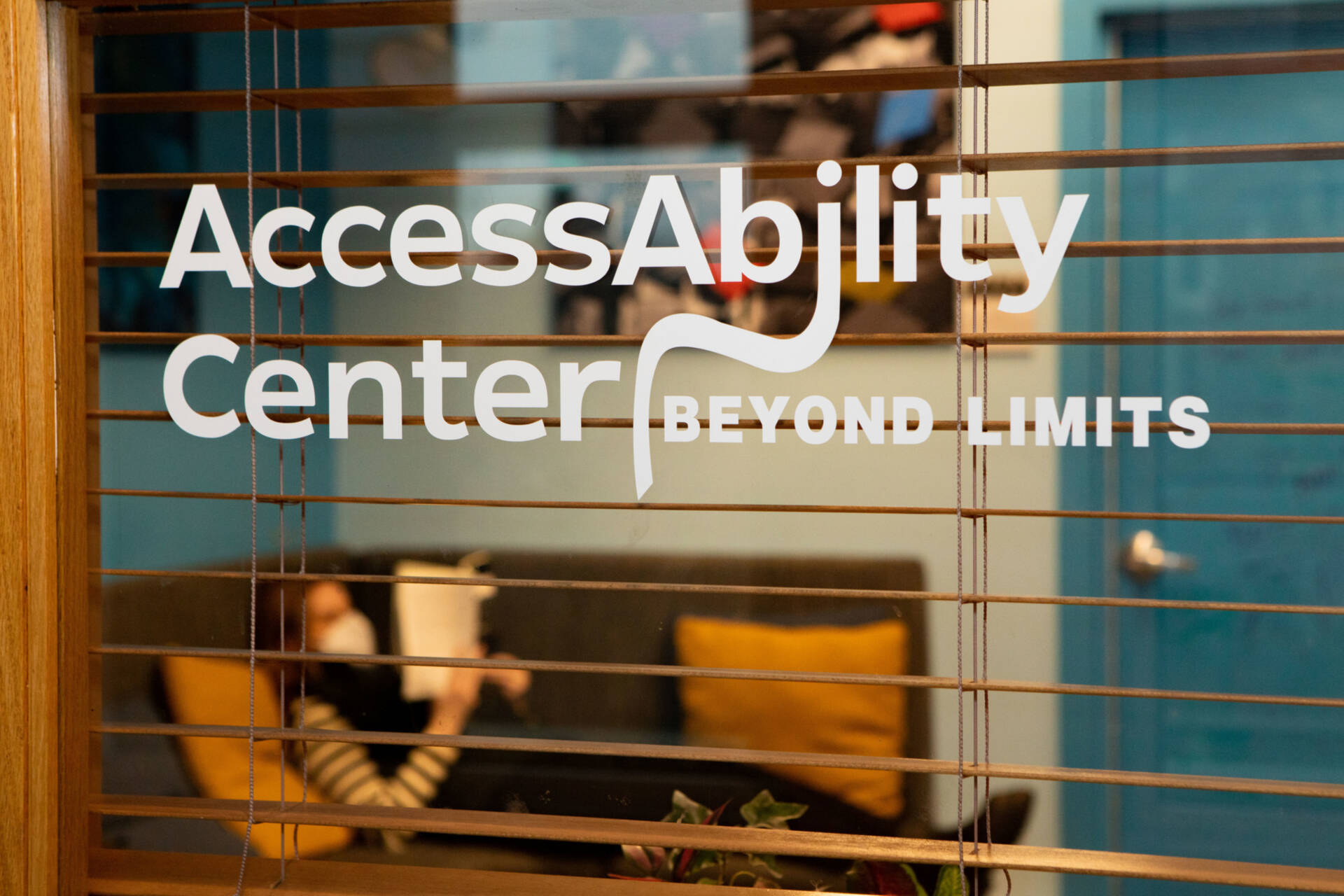
The Office of Disability Services’ AccessAbility Center in Frist Campus Center. Photo Credit: Denise Applewhite.
I have a physical disability, and when I entered Princeton, independent research was something that really daunted me. I have been surprised to find that independent research has been very accessible to me because of the flexibility and control it has given me over my work. Two years ago, I started an archival research project right after a surgery, which put increased limits on my ability. Since the project was self-managed, I was able to schedule archival research appointments around physical therapy appointments. I also received simple accommodations in the archive, like archivists moving boxes for me to support my limitations post-surgery.
That said, disability is diverse, as are research methodologies. Accommodations and approaches to research look different based on the kind of disability you have and the kinds of questions you want to answer. I spoke with Asha Nambiar, the director of Princeton’s Office of Disability Services (ODS), to gather advice on getting involved with research as a student with a disability.