I spent this past summer in the lab on campus, and while that may not be a glamorous Eurosummer, it gave me the opportunity to get to know my lab members better as well as my own research. The supportive community I found not just changed my summer, but also how I view research as a career.
Beautiful summer view at Princeton. Photo Credit: Denise Applewhite.
For those planning to spend their summer researching whether it’s your first foray or your senior thesis, there are a few things that I have taken into consideration this year with my own planning that I think will be useful for others.
Thinking in Cannon Green (probably about a JP!). Photo Credit: Matt Raspanti.
It’s that time of year: I am writing a Junior Proposal as a molecular biology major. There are a few things I found about this experience that have humbled me very deeply. I obviously did not expect a cakewalk. I think it’s a good time for me to let juniors know; it’s not necessarily a difficult experience, but it’s strangely timed. The deadlines (at least for my major) are right in the middle of a somewhat hectic time between exams and the long stretch of spring semester post-spring break. Many of my peers (including myself) have been doing experiments for a while now, and working on the paper feels like coming up for air from a very deep lair at the bottom of the ocean. It can be very disorienting. The issue is that it requires a different way of thinking than when you’re in the midst of experimentation.
Lab members being lab members (Kang Lab). Photo credit: Matt Raspanti, Office of Communications.
Everyone knows the old mantras: “don’t be too harsh on yourself” and “everyone makes mistakes.” When I joined a lab, though, not only were those mantras pushed to the back of my head, but they also collected dust and withered. In a lab setting, when you are aware of the money and effort other people have put into the research, and when you sometimes feel less skilled as an undergrad, your mistakes can feel like grave failures.
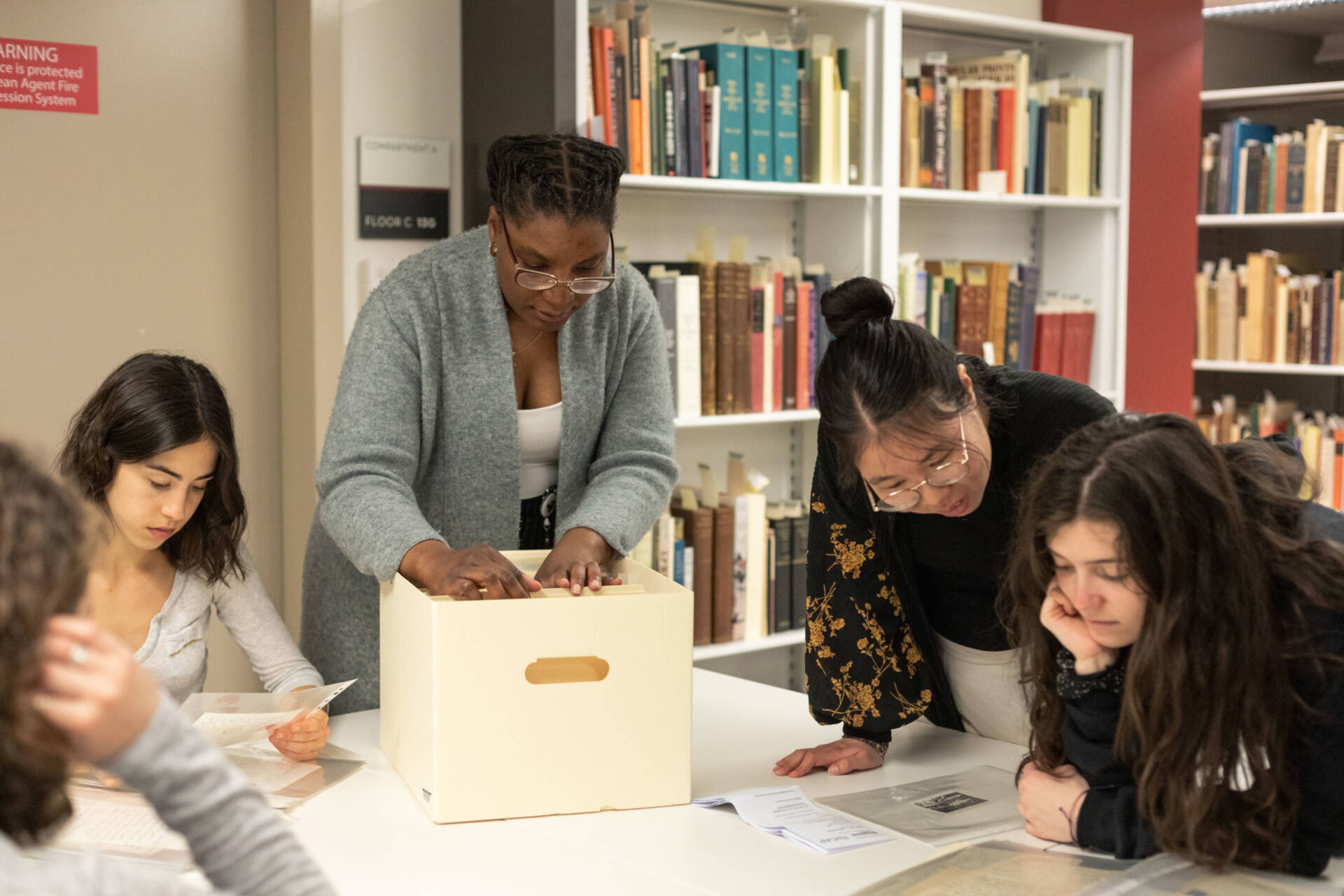
A classroom of students reading at Princeton (not core lab). Photo credit: Ryan Halbe.
Many STEM majors here have the same rite of passage: core lab. For non-lab majors, core lab is a class that is purely to teach you about lab techniques and critical thinking skills that are useful for writing our theses. They usually involve a bit of a simulated lab experience where you discover new findings while the teachers guide you through the motions of a lab research experience.
Molecular biology’s core lab meets twice a week for 3 hours and then a small 50 minute lecture/precept on Fridays for half the semester. Other majors have similar constraints. However, while at first it may seem a bit overwhelming and even redundant if you’ve already done these procedures in a lab or are in a lab that definitely will not be using any procedures you learn, core lab goes beyond just teaching you technical skills.
I too was confused as to why I was here and why this mattered, but over time, I began to internalize one of the real skills this class is meant to teach you, something that pipetting will never give you: asking the right questions.
screenshot of the beginning of most internship rejection emails
Spring is a bit of a bittersweet time for me every year. When the sun comes out, so does any brain cell willing to do work. Summer is right around the corner, and things just seem to drag–even in the quick Princeton semesters. However, that ‘summer right around the corner’ thought is not always an exciting one. With summer comes the prospect of internships, and perhaps more pressing: the lack of thereof. In a previous post, I discussed tips for applying to internships, but by now, you may have already heard back. If you have heard back and the email made your heart sink to your stomach, this post is for you. I’m here to remind you that internship rejections are not the end of the world.
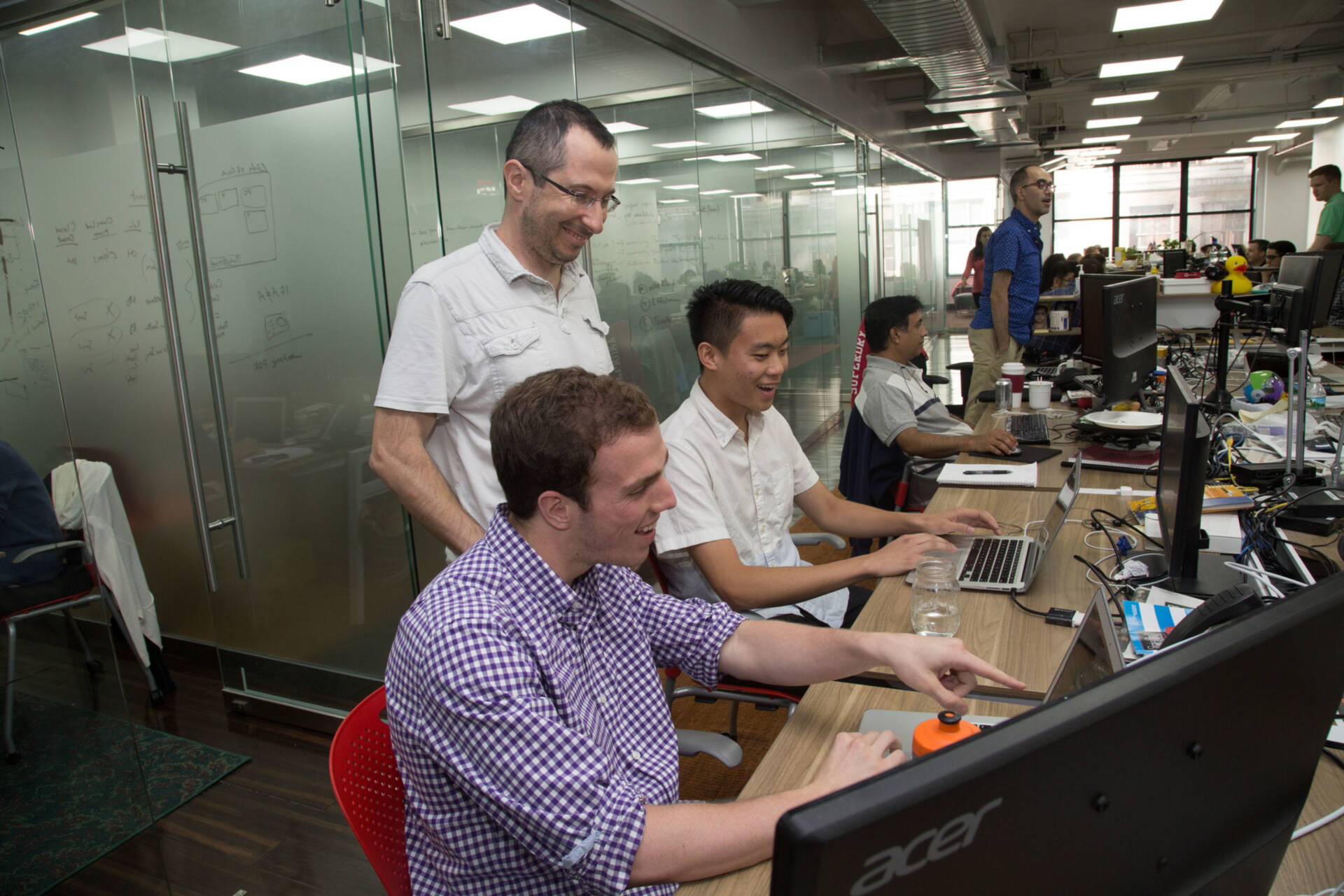
A mentor guiding two students on a startup project. Photo Credit: Danielle Alio.
I think mentorship can be highly overlooked in the undergraduate community. This is mostly because we feel that professors and Ph.D. students can be so far in their own fields, and so we’re just intruding in on their time. They’re so impressive that it is almost intimidating. However, in hindsight, you start to realize how important their mentorship becomes in your life. I think a lot of undergraduates value mentorship in the sense that they’re being given an opportunity in the current moment to do research or work on a project. This is the perspective I had on mentorship when I entered research. Luckily, for me, mentorship turned out to be so much more; it’s the gift that keeps on giving.
A lot of my previous posts are mostly concentrated on research and science, and that’s because those are the things I love. However, taking a psychology class this semester that had a more social sciences approach made me think about my story in STEM. In particular, a part of the lecture that stuck with me was the “stereotype threat”. The stereotype threat is the fear of proving a stereotype right. I’m not good at math, and I’ve always thought that would just be the way life goes, but last year, I took MAT103, and I did quite well (it’s one of the easier math classes of course, but the bar is low for me). In fact, it was my easiest class. This really changed my perspective on my math skills. When I reflected on my experience with math, I realized that this mindset I have about it was cultivated by my gender.
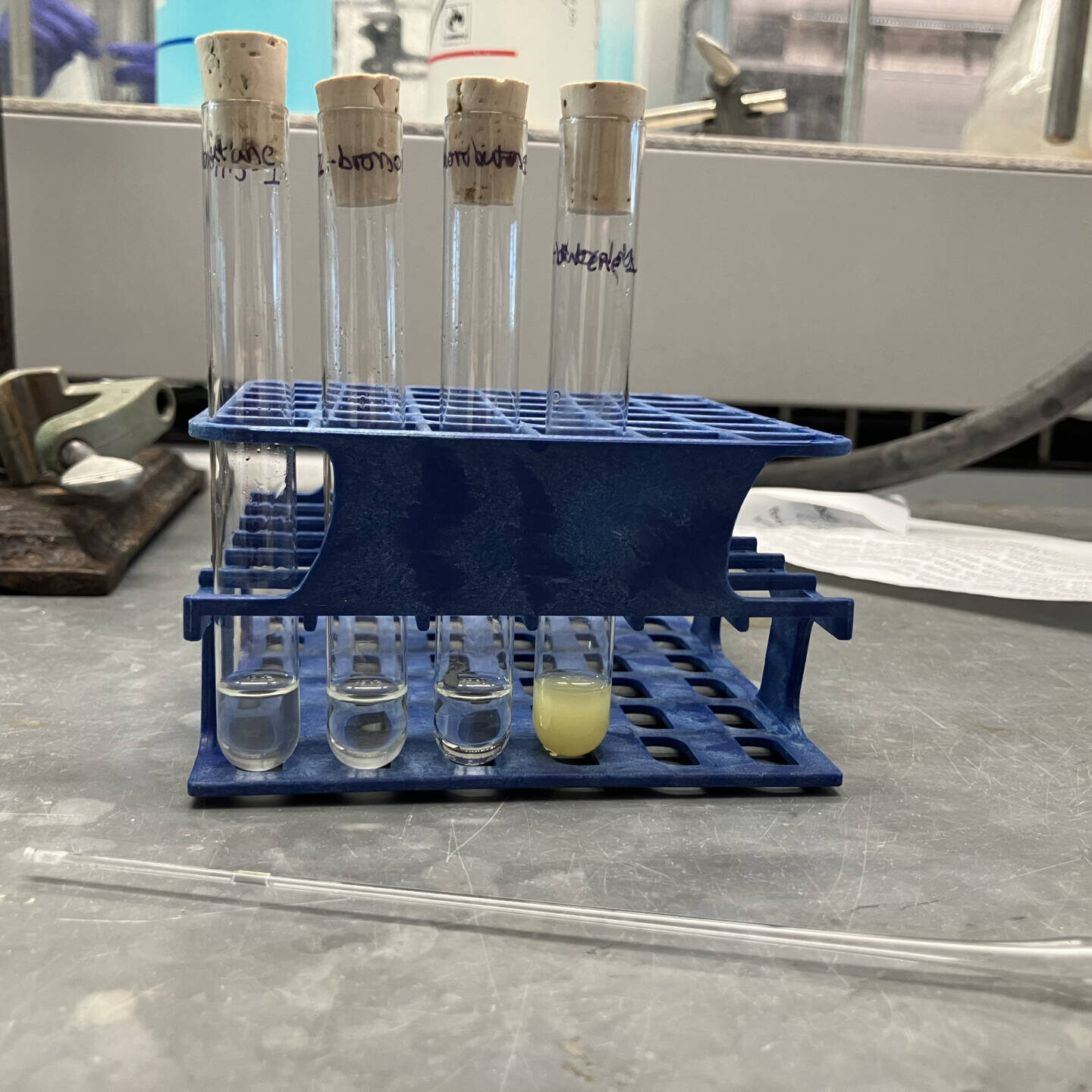
Organic Chemistry Lab Procedure in Frick, taken by Haya Elamir
For STEM majors, lab components of classes can be cumbersome. They can add stress to the classroom experience–not to mention the long hours. Unlike research in a lab as part of a thesis or independent work, these labs may not allow for self-direction, and can feel very methodical. Sure, they apply what we are taught in class, but for me personally, the rates at which lab and lecture move can be quite different, and I do not fee the benefits of the lab experience until later on in the semester when it finally clicks for me.
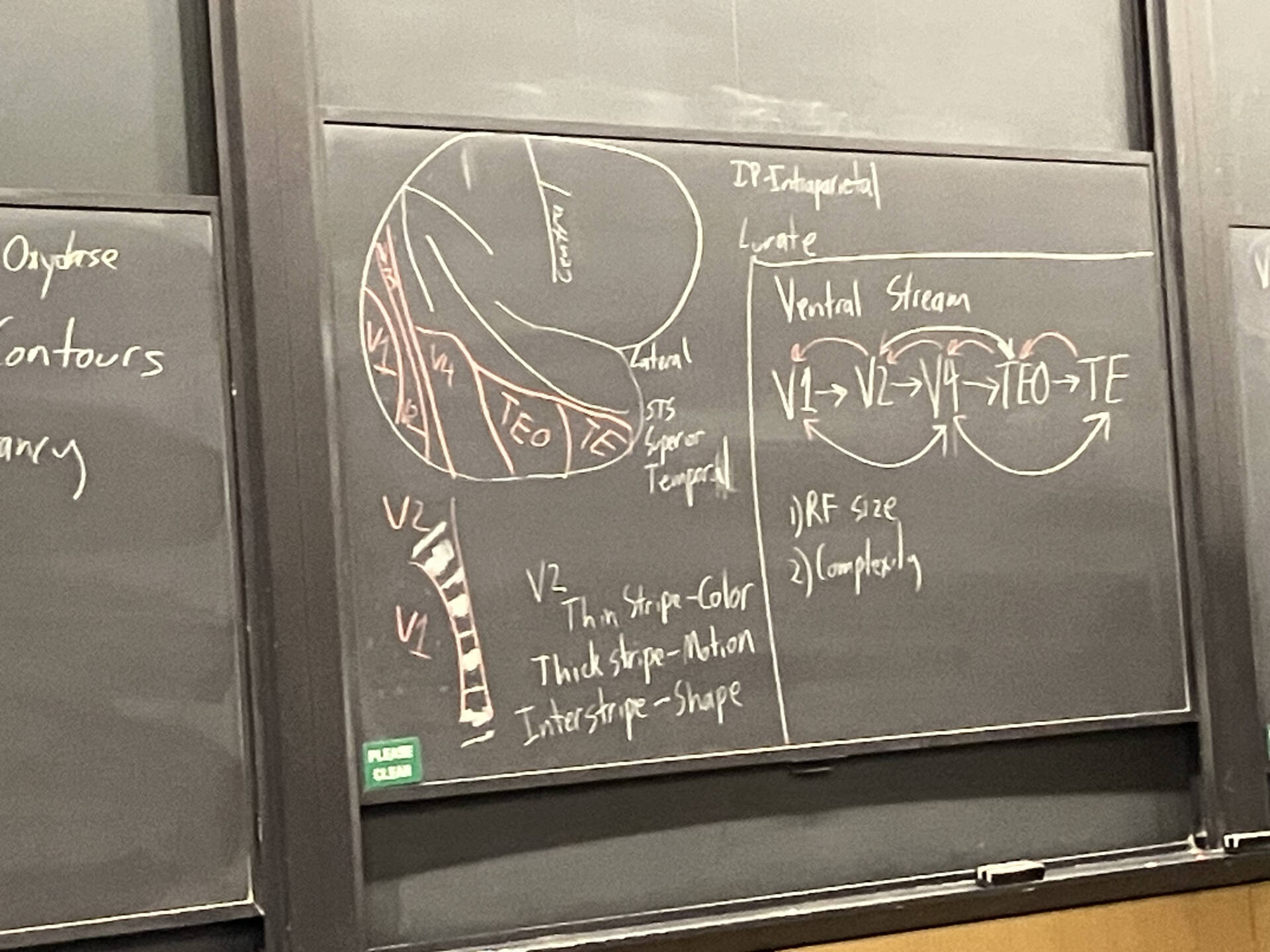
Blackboard featuring some neuroscience concepts from a neuro class taken at Princeton
We all have to do it: read research papers. They can be jargon-y, long, confusing, and all in all an upsetting experience, but there’s no way around it.
First of all, let’s start by approaching this with a more positive mindset. Reading research papers can give us access to a bucketload of information that no other resource can provide. It is the most updated source on your favorite scientific topics, a Vogue magazine for the scientific world if you will. As such, reading them can be fun–but only if you know how. Now that we are a bit more optimistic about reading them, we can start with the first few steps.