
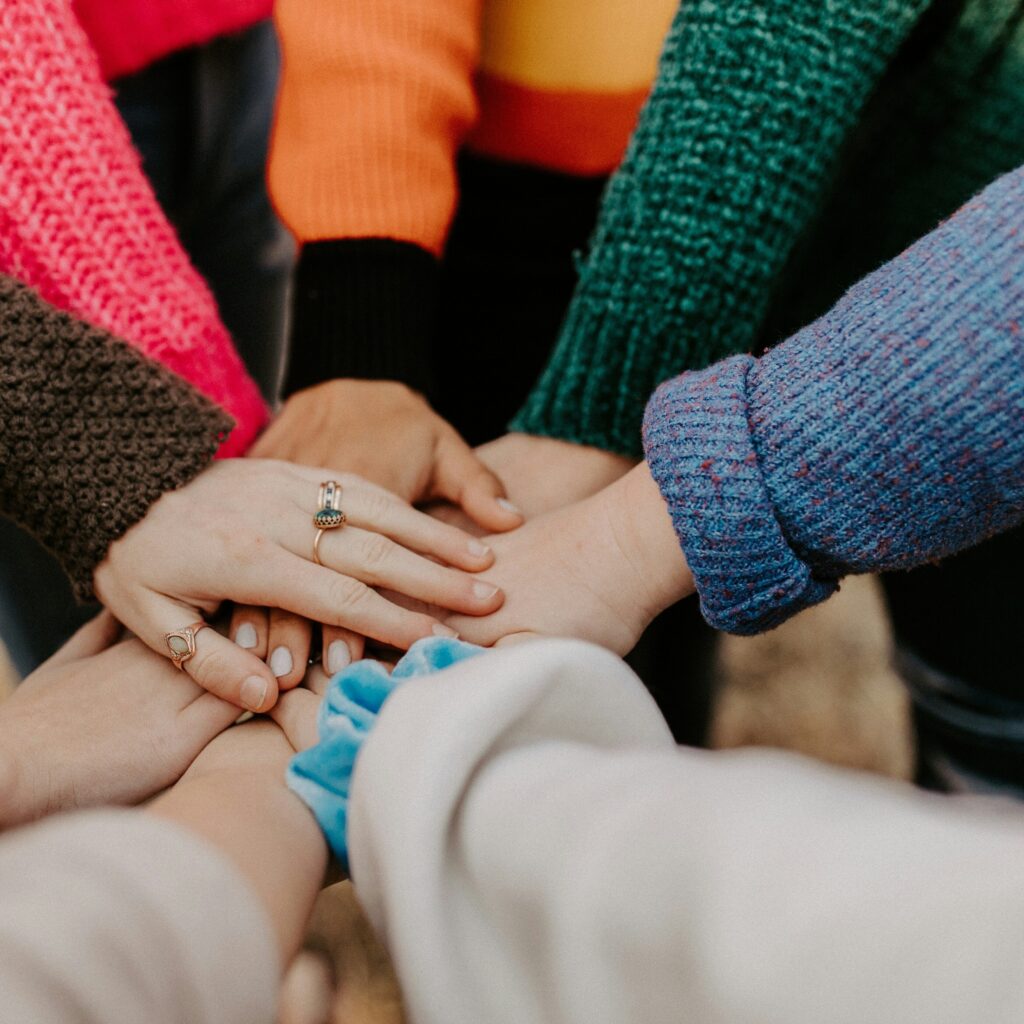
I spent this past summer in the lab on campus, and while that may not be a glamorous Eurosummer, it gave me the opportunity to get to know my lab members better as well as my own research. The supportive community I found not just changed my summer, but also how I view research as a career.
We went on a Six Flags trip as one of our many outings, which was new to me because the lab has always felt more like a credit class where I do independent research, rather than a community I am a part of. Of course, during the school year, trips like this are not really possible, but in the summer, I got to see the ‘less scientific’ aspect of the lab.
Making sure you have a lab community you can click with is not just for fun and games. I learn so much from them now because I am more comfortable asking questions, and they’re more capable of helping me because they know me better. It can be difficult as an undergraduate to be yourself when you feel that most of your lab experience centers around just asking questions. Growing as a group in different contexts (even if it’s just a Six Flags trip) gave me the opportunity to show the type of person I am. Even beyond just a career standpoint, it’s always wonderful to be yourself in a place you spend a lot of time.
It even changed my perspective on what I think a research career is like as a Ph.D. student. The lab, I realized, would become your community and your friends, not just your workplace, making it all the more important to choose a mentor and school based on more than just science. It’s important to go in with a curiosity not just for research but for your lab members too. Hearing about their days and their goals in life while waiting for a step in the procedure has led to so many interesting conversations. I have found that everyone’s path to research is so unique, rather than cookie-cutter achievements that pushed them to grad school. The path to research is truly shaped by simply being curious rather than being perfect, and hearing all the different journeys people have taken to still end up in the same lab as me exemplifies that. It’s also fascinating because I usually get to meet people at different stages of their research career, whether an MD/Ph.D. student, a 5th-year graduate student, a 2nd-year graduate student, or a rotating first-year student. These diverse stages and experiences all have some wisdom to share, and I’ve been lucky enough to hear it.
Connecting more with other lab members has also humanized my supervisors and mentors because I realized they are also finding mistakes in their research and have to backtrack. They’ve motivated me to always try to troubleshoot my research when something goes wrong rather than panic. I’ve realized that beyond just a higher level of knowledge, their titles and education level indicate an unwillingness to give up or be pessimistic when things go wrong. They’ve built this skill up over the years, and it’s only more admirable because that skill (in the face of a lot of pipetting and nonsensical data) is a lot easier said than done.
So yes, this blog does indicate that I spent my summer in the lab, but it was more than just science, and I had so much fun because of the people I got to see and speak with every day. I believe that they made the experience even more impactful for me. Even if you aren’t in a lab, seeking the people around you and learning from them is one of the best ways to make community. You’ll find the communities you’re in are rife with knowledge they want to share.
— Haya Elamir, Natural Sciences Correspondent