Categories
Conduct Research Get Started with Research

The Making of a Researcher: Mentor First, Scientist Second

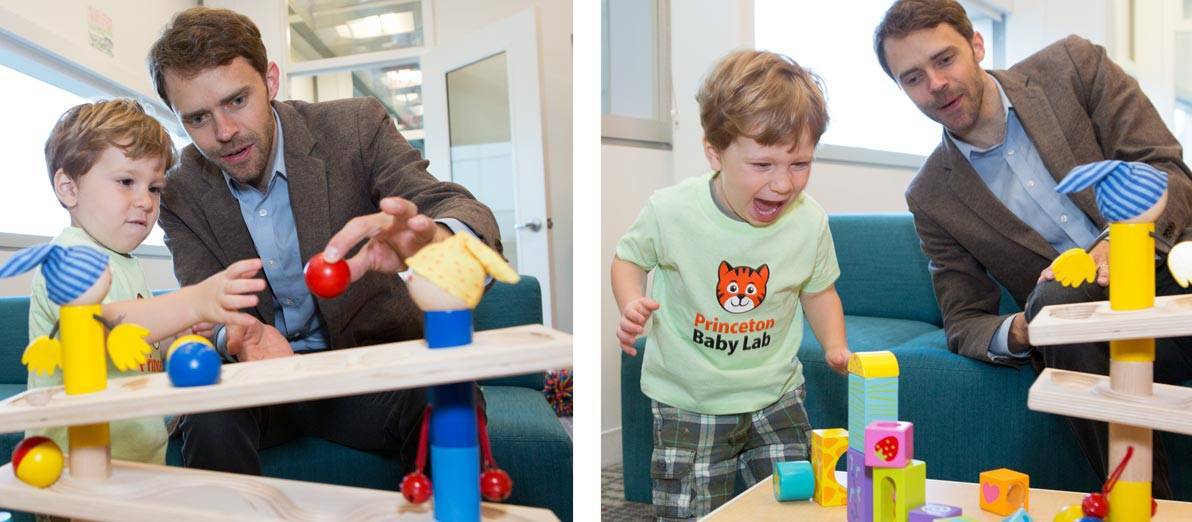
Professor Casey Lew-Williams playing with a toddler visiting the Baby lab.
Professor Casey Lew-Williams at the Princeton Baby Lab. Photo Credit: Princeton Office of Communications.

What does it take to become a researcher?

The Making of a Researcher is a new mini-series exploring the paths scientists take to reach where they are today, highlighting their growth from beginners to experts. 

Through interviews with faculty members in various fields, we’ll explore the necessary steps to becoming a researcher and how Princeton professors play a part in that process.

In this first feature, Professor Casey Lew-Williams, Chair of the Psychology Department and Director of the Princeton Baby Lab, reflects on his journey in developmental psychology and his role as a mentor to aspiring students in the field.

Categories
Get Started with Research Research Life

Encounters with Mentorship

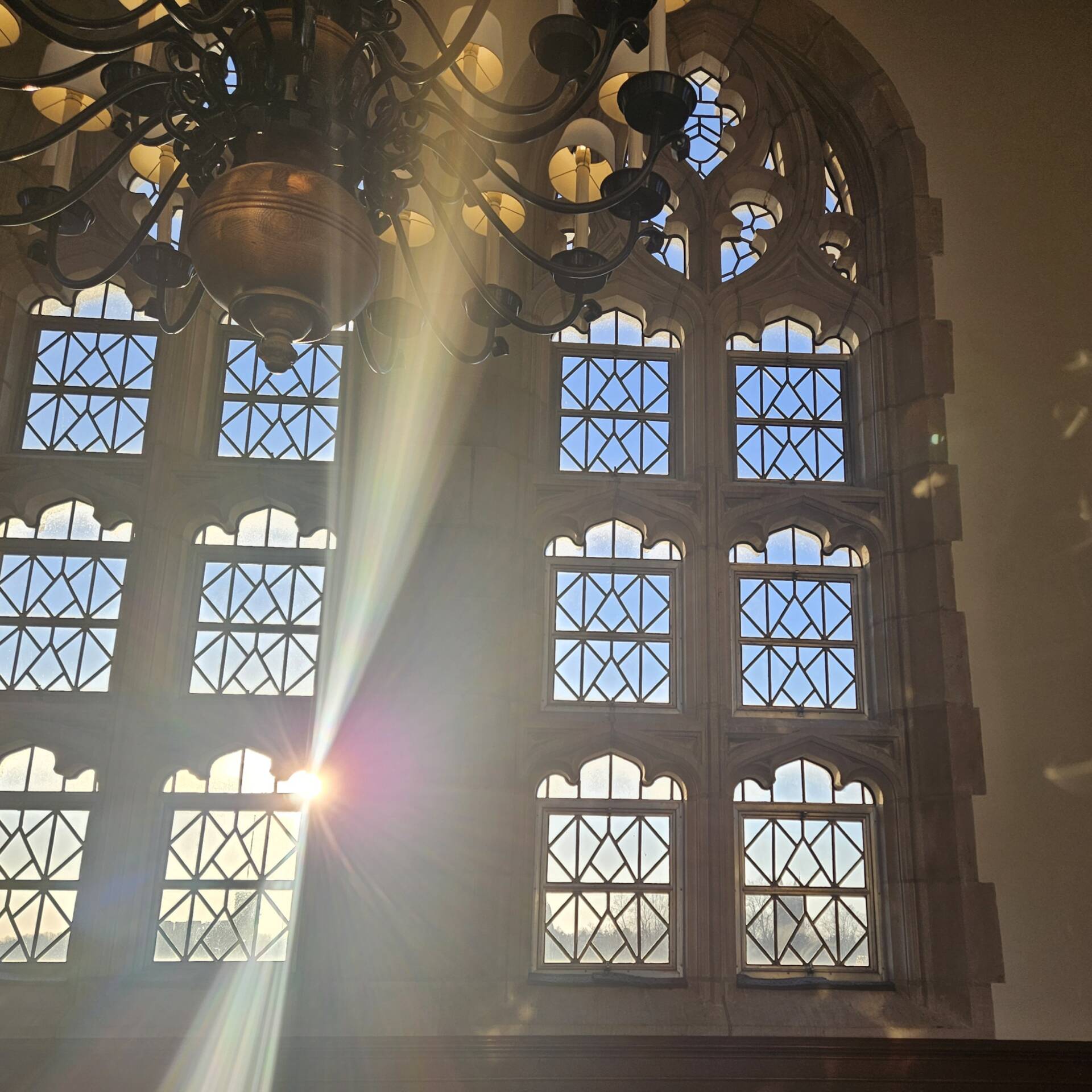
Sunlight narrowly streams in an ornate window of the highest floor of Firestone Library in the afternoon.
Firestone Library in the afternoon

As I was graduating high school, everyone – whether it was friends, teachers, or family – told me I had to find a good mentor. I didn’t really know what this meant in the context of college. I had experienced instructive relationships with coaches and teachers before, but I didn’t really know how that would translate into a research-driven environment. 

Now as a sophomore, I understand that especially before declaring a major, it can be challenging to forge mentorship connections. Still, during the first two years of my undergraduate experience, I have encountered mentorship in a variety of ways that I would have never expected. Whether it was through my lab-based courses, an internship, or even a recent serendipitous moment, quality mentorship has been a defining part of my Princeton experience.

Categories
Conduct Research Get Started with Research Research Life

The Beauty of Mentorship

the purpose is to represent the main idea of the post: mentorship
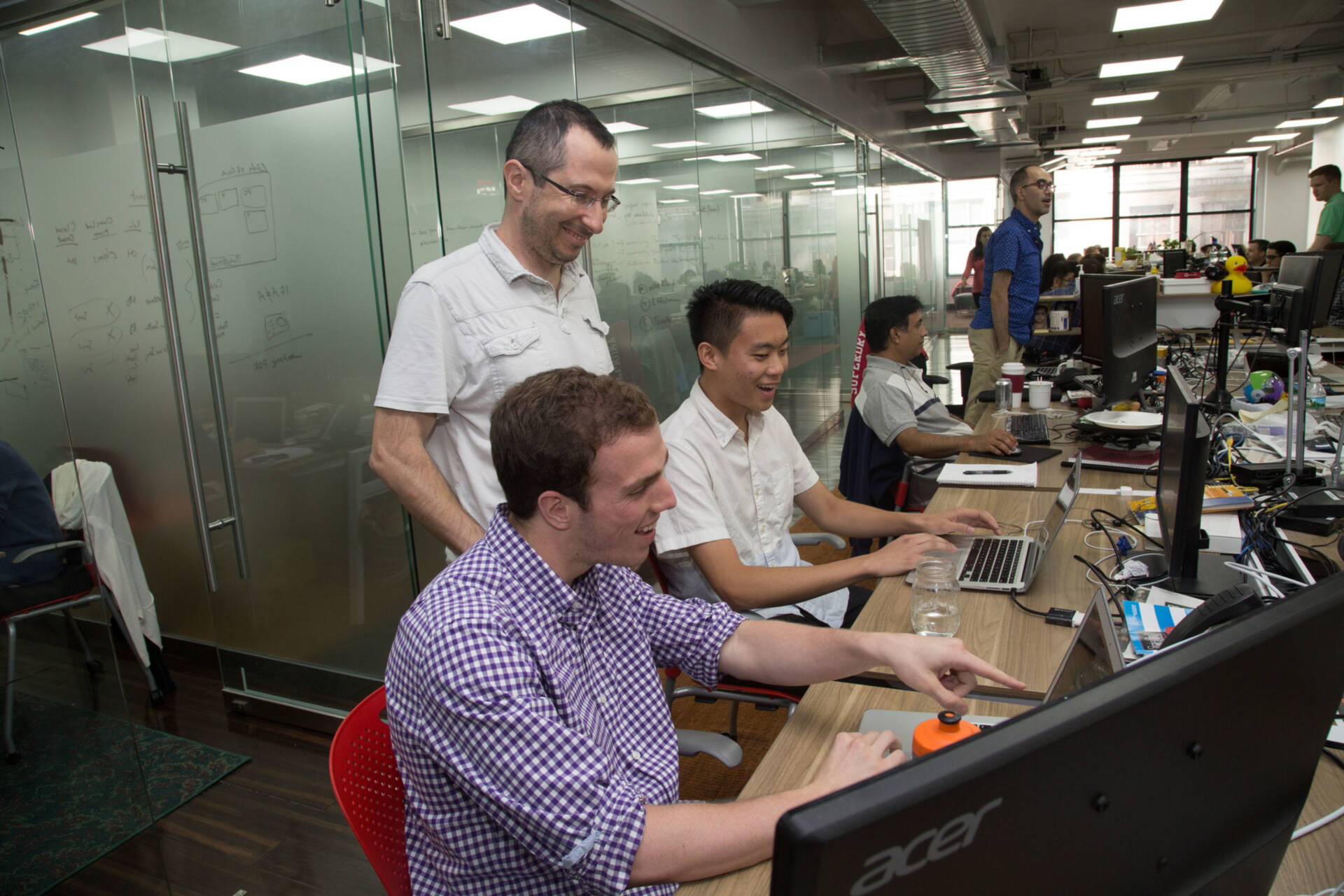
A mentor guiding two students on a startup project. Photo Credit: Danielle Alio.

I think mentorship can be highly overlooked in the undergraduate community. This is mostly because we feel that professors and Ph.D. students can be so far in their own fields, and so we’re just intruding in on their time. They’re so impressive that it is almost intimidating. However, in hindsight, you start to realize how important their mentorship becomes in your life. I think a lot of undergraduates value mentorship in the sense that they’re being given an opportunity in the current moment to do research or work on a project. This is the perspective I had on mentorship when I entered research. Luckily, for me, mentorship turned out to be so much more; it’s the gift that keeps on giving. 

Categories
Conduct Research Get Started with Research

Cracking Cold Emails: Reaching Out to Professors in a Way that Works

Screenshot of the Princeton Computational Memory Lab that shows the main faculty, staff, and post-docs in the group.
“People” page of Princeton Computational Memory Lab

Cold-emailing a professor can feel like yelling into the void. You’ve pinpointed your field of interest, done the research on the lab and professor you want to work with, and yet—there’s so much uncertainty. You don’t know what the response will be, or if you’ll even get one at all. You don’t know if the void will yell back, or if your voice will simply disappear.

But that doesn’t mean you can’t maximize your chances. After crafting and sending a few emails, I started to see what actually makes a difference—and it’s not just about hitting “send.”

Categories
Conduct Research Get Started with Research Present & Publish Findings

Proven Tips on How to Read Scientific Literature

A printed article with yellow highlighting under a blue pen with the hands of the person reading and annotating.
A person reads and annotates an article printout. Photo Credit: Y.Arcurs/iStockphoto

In our undergraduate years, as we get involved with research and science, it can be incredibly overwhelming to read scientific literature. It’s easy to drown in hundreds of thousands of articles with fancy-sounding titles, pages and pages of complex writings, and dozens of figures that you have no idea what they mean. However, reading scientific literature is a necessary skill to have, and you must be able to understand what scientists know, and what they don’t. 

Therefore, I’ve created a list of tips and advice to tackle scientific literature as an undergraduate. Follow my advice, and you’re on your way to impress your supervisors with your knowledge, and create a nuanced understanding of where your research lies within the body of knowledge that scientists have been cultivating!

Categories
Get Started with Research Research Life

The Alumni Advantage: Tapping into Princeton’s Network

Princeton alum, many in Orange and Black, participate in the 2013 P-rade.
Princeton alumni P-rade, 2013. Photo credit: Daniel Day.

As Princeton students in 2024, we’ve all heard other students throwing around the terms “connections” and “networking.”  Although I myself was eager to take advantage of Princeton’s vast resources, I didn’t quite know where to start, or how to start. To those of you who are facing a similar dilemma, let me introduce you to an incredible, vastly underutilized resource: our alumni network.

Categories
Get Started with Research Independent Work Research Life

Enhance your Research with Princeton’s Coin Collection

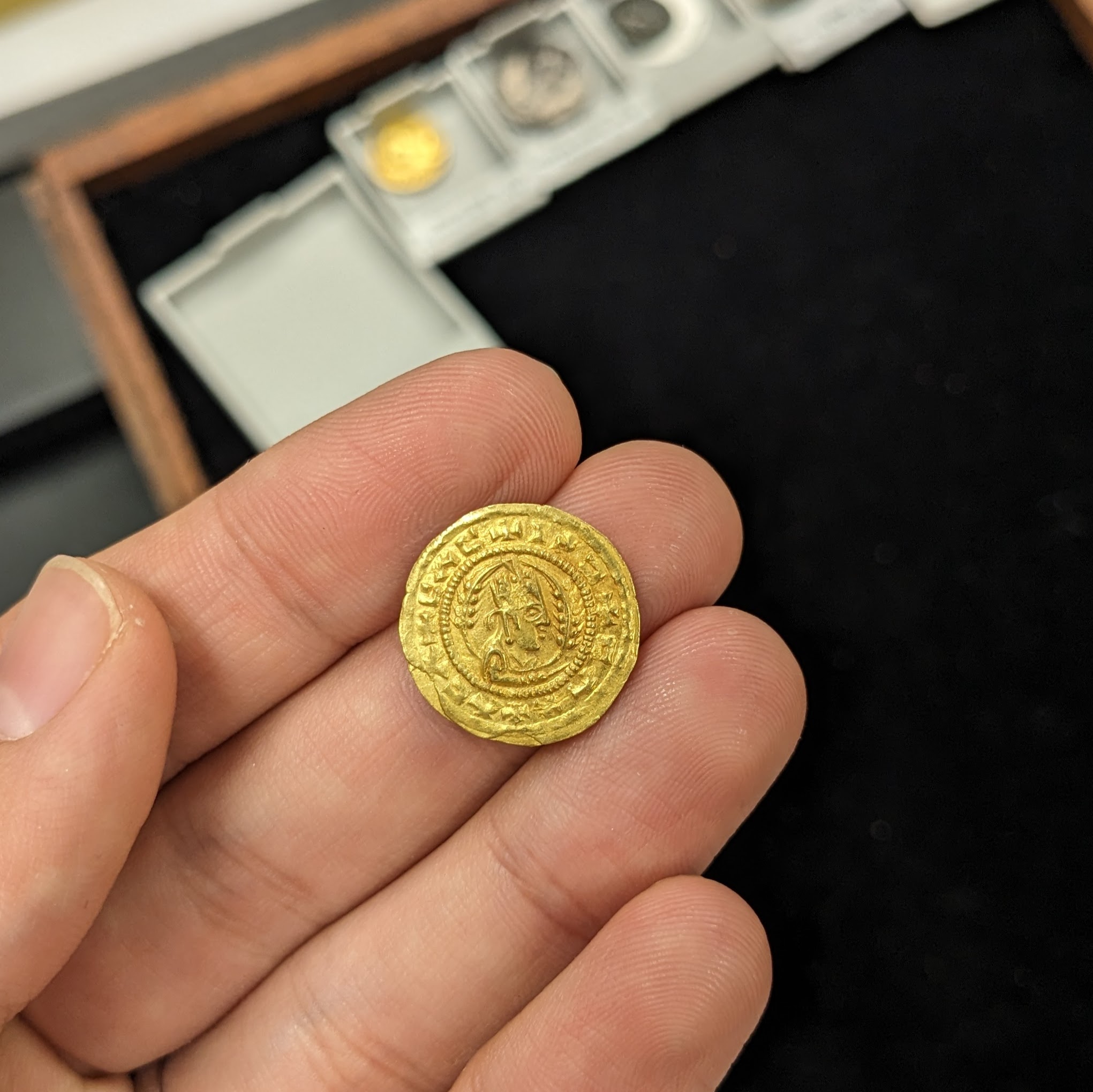
Students at Princeton are fortunate to have access to one of the largest collections of coins anywhere in the United States. Made up of roughly 115,000 items, the collection includes coins, paper money, medals, and other tokens covering almost the entire history of human money— in fact, the university has coins minted in the 6th century BC by Croesus, who is credited with inventing the first system of gold and silver currency. The university’s collection serves many purposes. For example, you may have been in a class which has gone down to Firestone C Floor to look at coins from the time and place you were studying. The coins are also used for exhibitions and workshops. I’m writing here to explain to you how you can use these coins to do great research.

A small gold coin in the photographer's left hand.

Yours truly holding a 1500 year-old coin in Firestone Library

Categories
Conduct Research Get Started with Research Independent Work Present & Publish Findings

Researching in Princeton’s Special Collections

If you want to take your research in the humanities to the next level while here at Princeton, one of the best ways you can do that is by availing yourself of Princeton’s Special Collections. Home to vast stockpiles of manuscripts, rare books, coins, and other materials, Special Collections is a great place for students who want to pursue rigorous and impressive humanities research while making use of the excellent resources that Princeton has to offer. Many of these articles were donated by benefactors or acquired by the university specifically so that they could be researched by professors, students, and other researchers. In this article, I’ll present some reasons why you might consider checking out Special Collections, and then follow that up with a basic “how to” for when you visit.

Image shows an Ethiopic book, opened to pages featuring pictures of saints and text in Ge'ez (Classical Ethiopic)

A manuscript of an Ethiopic Synaxarion in Special Collections

Categories
Conduct Research Get Started with Research

How to Choose a Topic

After feeling inspired from reading my previous article about the reasons why you should pursue research, you might be stumped on what research topic you should investigate. Here’s some tips on how to find the right research field for you!

Image of summer laboratory research as an intern in the Department of Geosciences
This past summer, I had the incredible opportunity to be a research intern for the Sigman Research Laboratory in the Princeton Department of Geosciences. It was an incredible learning opportunity and a great experience of exposure to laboratory research in the field. Find out how you can discover the right field for you! Photo Credits: Mae-Yung Tang (High Meadows Environmental Institute Program Tech Support Specialist). 
Categories
Get Started with Research Resources

2024 ReMatch+ Program

Get excited for this hands-on research opportunity: incredible 2023 undergraduate projects and AY23-24 fall events

Undergraduate student wearing a lab coat and lab glasses observing a vial of neon green solution in a chemistry lab
First-year and second-year undergraduate students learn and participate in research experiments directly related to their fields of interest for their summer research project

ReMatch+ is an incredible summer research program for first-year and second-year undergraduate students at Princeton. Launched in 2014, the program connects undergraduate students with dedicated, knowledgeable Princeton graduate students and postdoctoral fellows working across a diverse range of disciplines. Each year, ReMatch provides fellowship funding for joint summer research projects and mentorship between undergraduates and graduate students/postdoctoral fellows. Sign-ups for interested students and fall events are currently open; I encourage you to join the interest list to learn more about this incredible opportunity here. Here is a sample of some of the 2023 summer projects conducted by students with various interests and experiences to help you gain a sense of the breadth of opportunities provided by ReMatch.