What is the point of studying abroad? Why would you want to leave the Princeton bubble? For me at least, studying abroad in Panamá through the Ecology and Evolutionary Biology (EEB) department was definitely my saving grace. I needed a break from the cold New Jersey winters and from the structured academic life here. So I guess, why should someone who wants to go into research study abroad? What if there aren’t any opportunities to do research abroad? Well, that just depends on the program you do! I was lucky that the EEB department offered a semester-long field research-based course (OIP link), but there are also other study abroad field-based programs out there, like the School for Field Studies! So, if you still aren’t sure if studying abroad is right for you, let me try and convince you further!
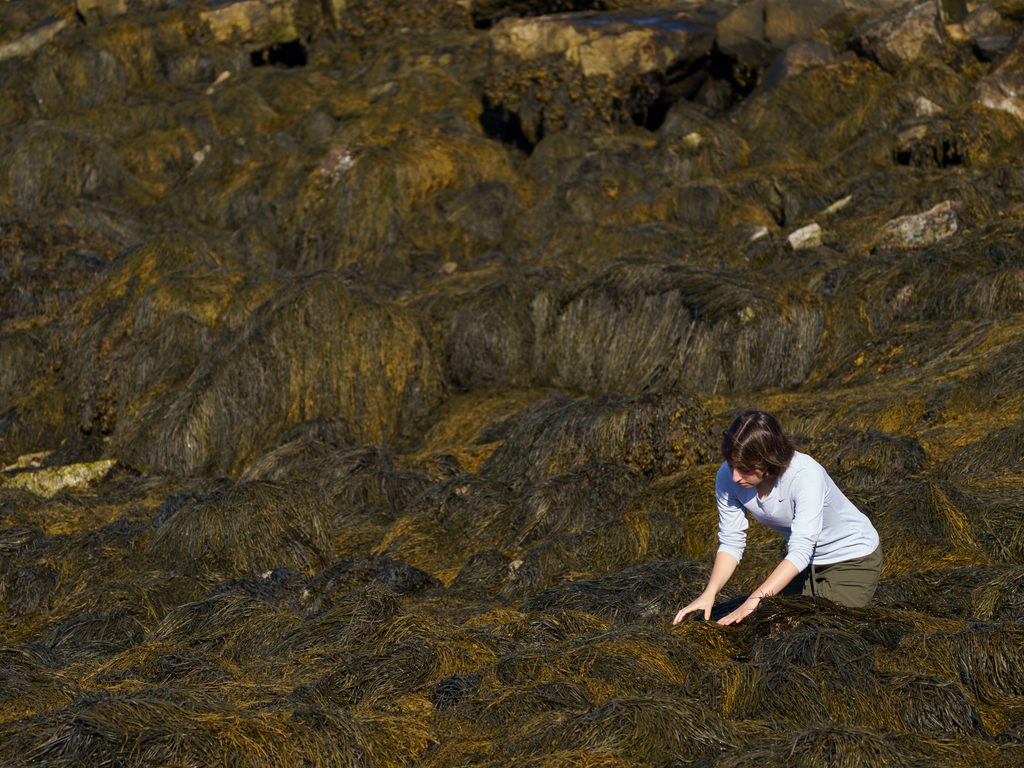
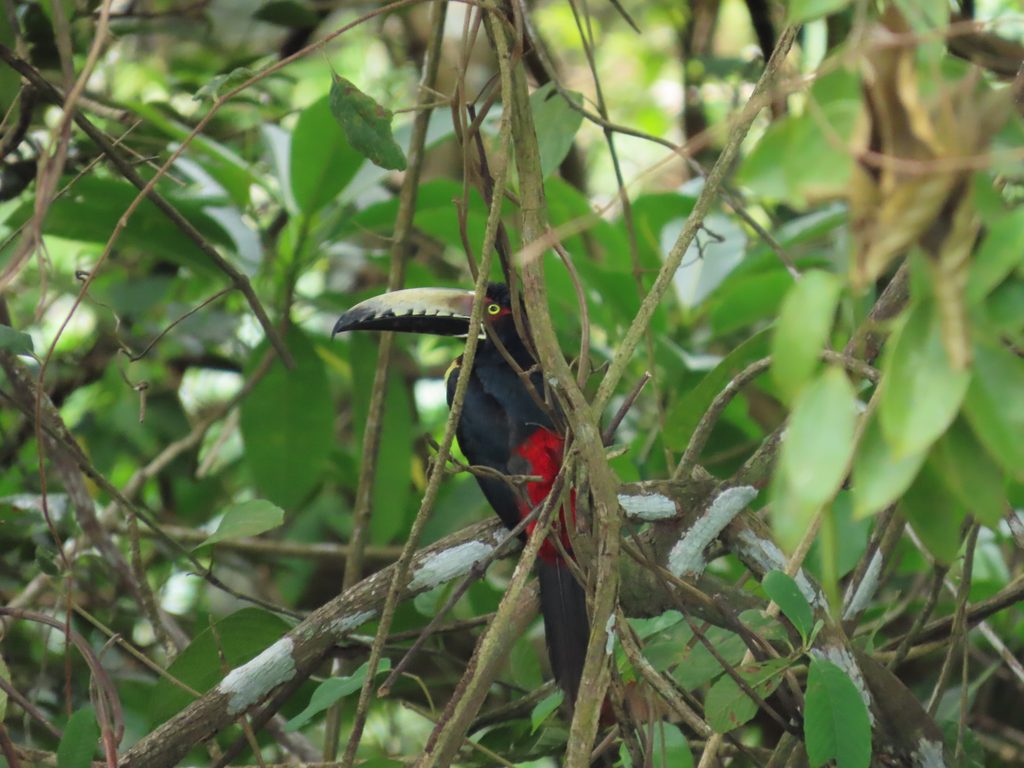
The first (and most obvious reason) I would suggest for someone to do field research abroad is that you can experience a different biome. Before I studied abroad, the only field work I had done was in temperate systems, so I had no experience in other fields. The Panamá field semester was in a tropical ecosystem, so I got to see and experience a wide variety of organisms and interactions I wouldn’t have otherwise seen. It is widely known that ecosystems near the equator experience a higher diversity of organisms, but learning about this in class didn’t really sink in as much as when we were actually there. Every day when I walked to class, I would always make sure to bring my camera, as there was always some animal hanging around the path. And staying in that area for an extended period of time allowed me to see and experience much more than if I only visited for a week or two. It’s always good to try new things, and as a field researcher, I would argue that the more experience, the better you are at discovering what you like/don’t like.