If you want to take your research in the humanities to the next level while here at Princeton, one of the best ways you can do that is by availing yourself of Princeton’s Special Collections. Home to vast stockpiles of manuscripts, rare books, coins, and other materials, Special Collections is a great place for students who want to pursue rigorous and impressive humanities research while making use of the excellent resources that Princeton has to offer. Many of these articles were donated by benefactors or acquired by the university specifically so that they could be researched by professors, students, and other researchers. In this article, I’ll present some reasons why you might consider checking out Special Collections, and then follow that up with a basic “how to” for when you visit.
A manuscript of an Ethiopic Synaxarion in Special Collections
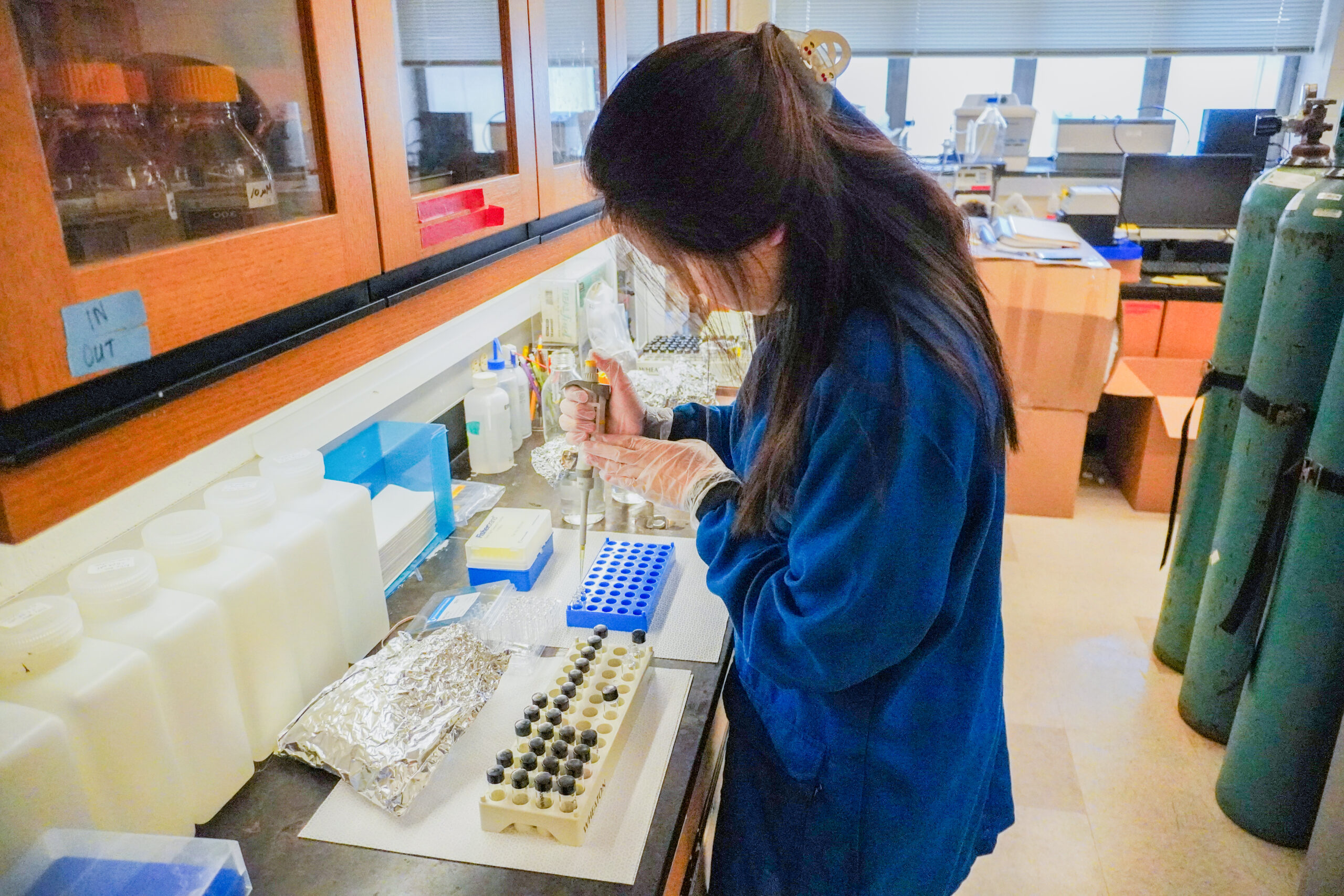
This past summer, I had the incredible opportunity to be a research intern for the Sigman Research Laboratory in the Princeton Department of Geosciences. It was an incredible learning opportunity and a great experience of exposure to laboratory research in the field. Find out how you can discover the right field for you! Photo Credits: Mae-Yung Tang (High Meadows Environmental Institute Program Tech Support Specialist).
Get excited for this hands-on research opportunity: incredible 2023 undergraduate projects and AY23-24 fall events
First-year and second-year undergraduate students learn and participate in research experiments directly related to their fields of interest for their summer research project
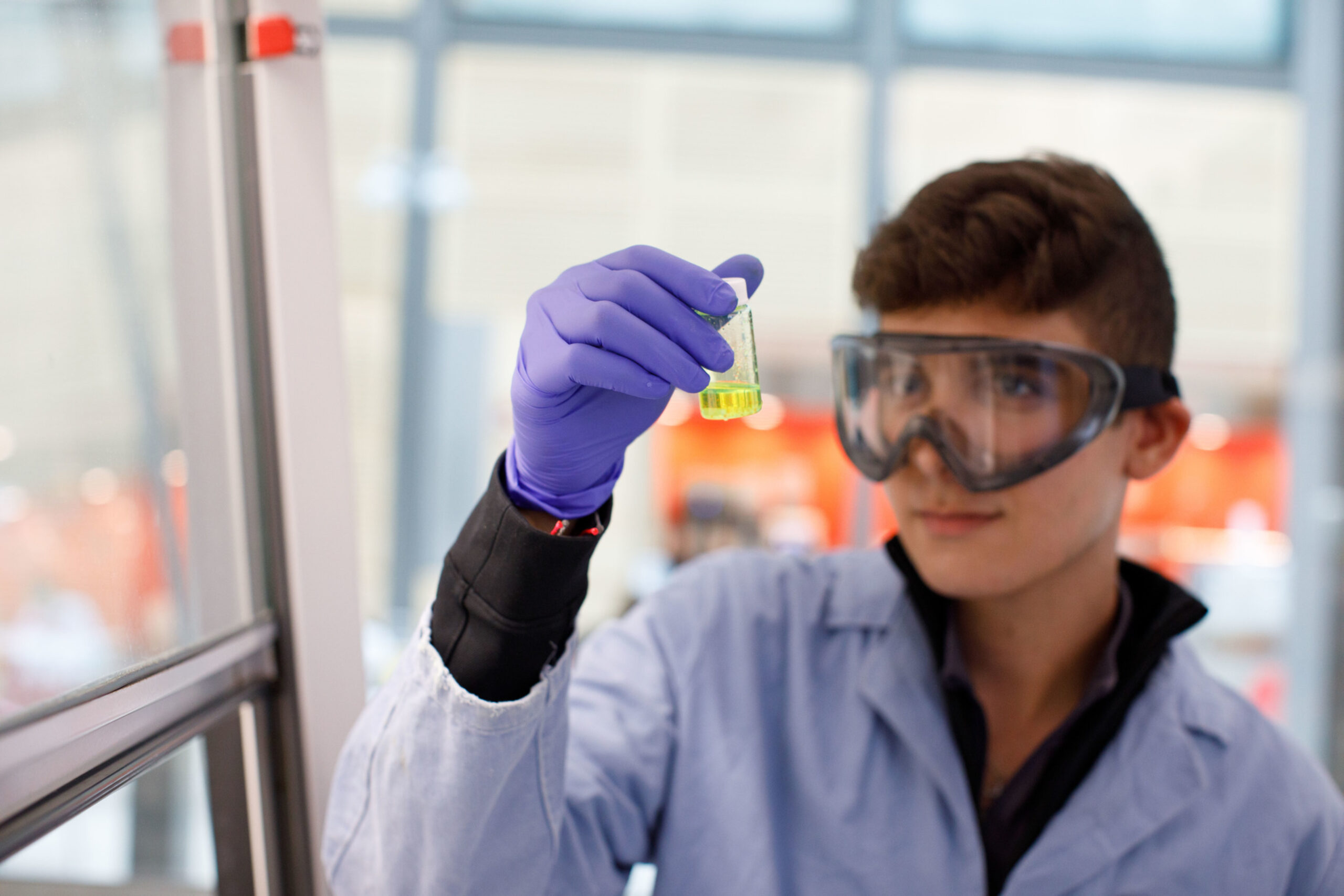
ReMatch+ is an incredible summer research program for first-year and second-year undergraduate students at Princeton. Launched in 2014, the program connects undergraduate students with dedicated, knowledgeable Princeton graduate students and postdoctoral fellows working across a diverse range of disciplines. Each year, ReMatch provides fellowship funding for joint summer research projects and mentorship between undergraduates and graduate students/postdoctoral fellows. Sign-ups for interested students and fall events are currently open; I encourage you to join the interest list to learn more about this incredible opportunity here. Here is a sample of some of the 2023 summer projects conducted by students with various interests and experiences to help you gain a sense of the breadth of opportunities provided by ReMatch.
Great conversations were happening at the Computer Science and Quantum Studies table at the October 13th ReMatch Meet and Greet
Princeton gives its farthest walks to its strongest academic weapons. Still, sometimes schlepping all the way to the Carl A. Fields (CAF) Center is just a bit too much. If you felt like this around 6:00pm on Tuesday October 4th or Thursday, October 13th, you just may have missed the first ReMatch dinner. No worries! I am here to fill you in on what you missed and hopefully convince you that the next one is worth the walk. First things first, ReMatch (developed and led by the Office of Undergraduate Research and the Graduate School) is a program that helps match first- and second-year undergraduates interested in research with graduate student and postdoc researcher mentors. Mentor and mentee pairs that develop potentially embark on a summer of research in Princeton fully funded by the university. At the dinners, students can eat catered food, mingle, and chat with researchers at tables.
My zees (Kyung and Jaehee) and I getting ready for Clash of the Colleges. Whales love research!!!!!
On campus, I am a Residential College Adviser in Whitman College. It is by far the most meaningful part of my Princeton experience and I am thankful every day to have such amazing advisees (zees). In the fall, I decided to interview some of my zees on the incredible research that they have done on campus and how they became involved in this research. My freshmen show that research does not always mean working in a lab or on a senior thesis like many often assume. There are so many different ways to become involved with research on campus, whether it’s through writing a paper or joining an academic club. My hope is that seeing the research that my zees did last semester will inspire you to do your own and also show you what research on campus can look like for first years. So, without further ado, here is the research conducted by the most legendary zees of all time:
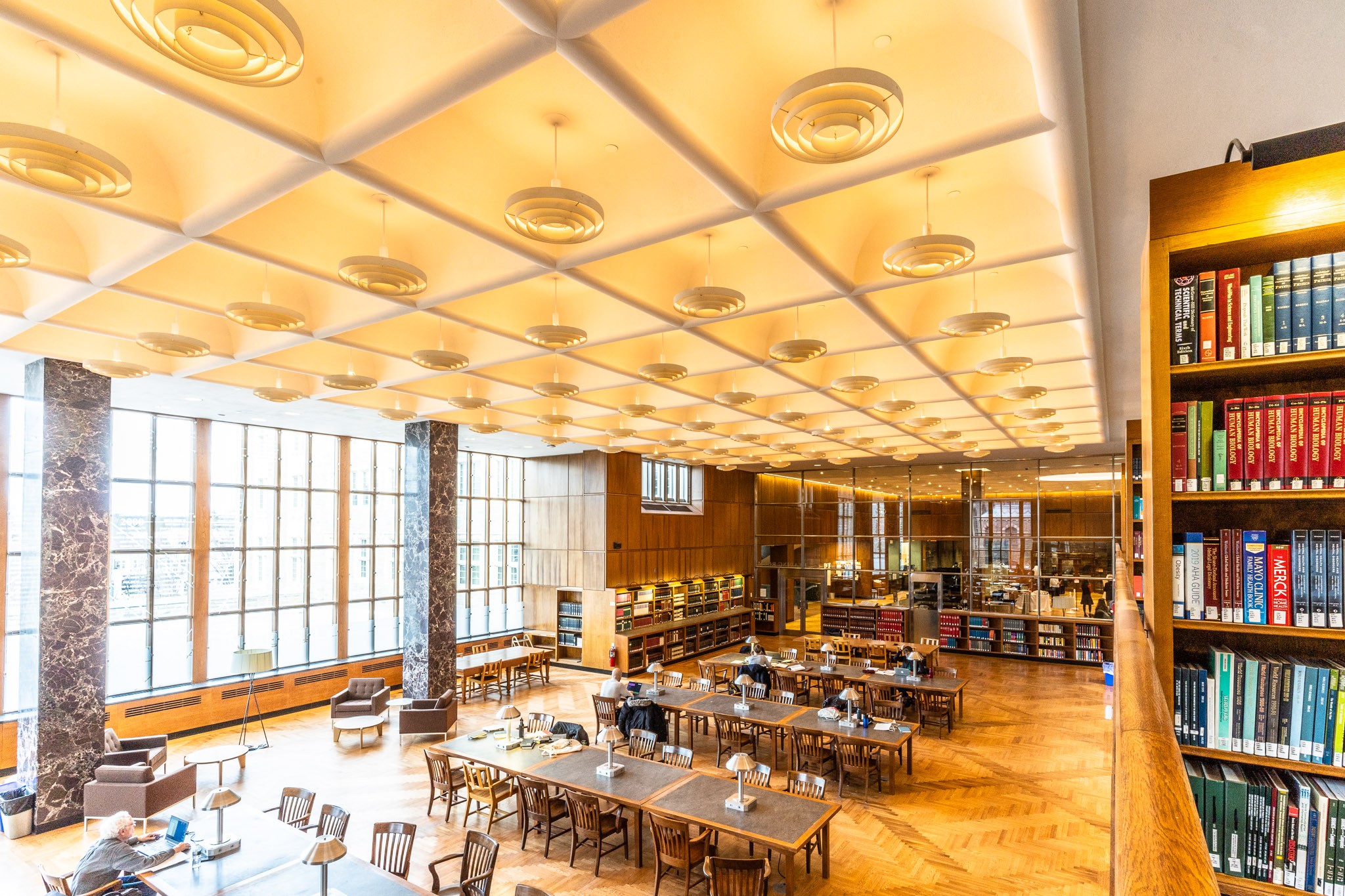
The Reading Room on the C-level of Firestone, where one can read and view items from Princeton’s Special Collections.
In the first article of this archival tour, I talked about the process of identifying the proper archives to further your research. But what happens next, once you have the archive, the collection, or the item you want? How do you proceed from there? For the purposes of this article, I will assume you are physically at the archive because we already have somegreatarticles about requesting items from archives that you cannot physically be in. Here, then, I’ll talk about navigating the spaces of the archive and their uses, as well as some facts about archive etiquette.
Instead of dallying around, let’s jump back into the archive!
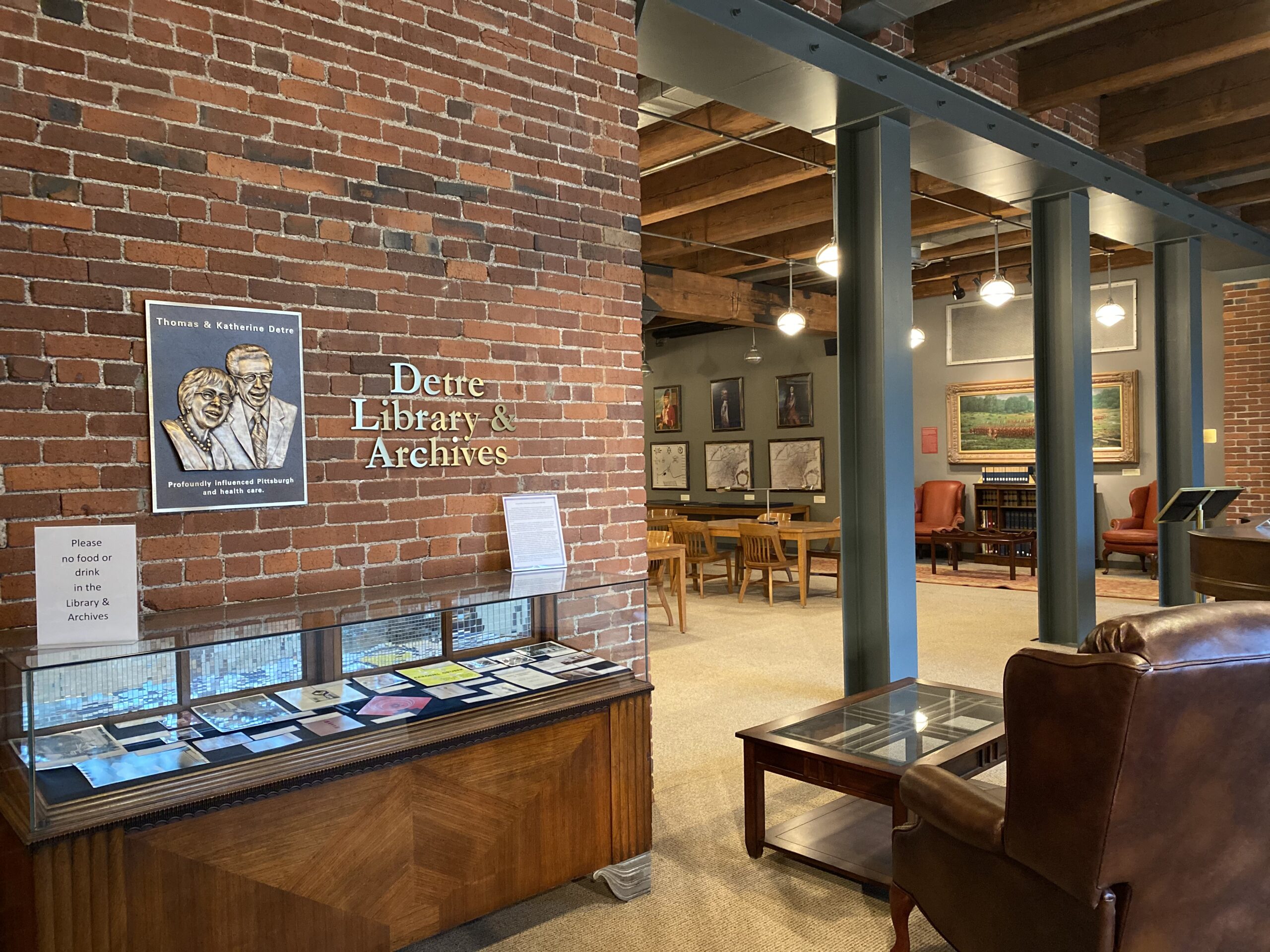
The reading room of the Detre Library and Archives, located on the sixth floor of the Senator John H. Heinz History Center.
Fall break – a time for rest and relaxation. While I certainly used the time to collect myself after the whirlwind of a more normal semester, I also had to make progress on my junior paper for the History department ahead of its first draft in November. Exploring a consumer’s perspective on post-war nylon riots (1945-46), I had toiled through various online newspaper archives to rack up an impressive number of sources; however, something was missing. I felt like I wasn’t going deep enough. I wanted to find someone’s thoughts on the riot outside of the newspaper databases I had used, which I knew would be a challenging (if not impossible) process that could only be achieved by looking at the archive.
An important tool in the historian’s kit is the archive, which is a trove of various historical documents, materials, and items that can transport you to another time. Given that the archive is a physical location, the pandemic had interrupted much of the on-the-ground work historians do in libraries across the country, much of which was overcome through technology. Thankfully, I was able to access wonderful archives in-person in my hometown of Pittsburgh, PA: the University of Pittsburgh Archives and Special Collections as well as the Senator John H. Heinz History Center Detre Library and Archives. Covering a vast array of local and regional history, I was set on taking advantage of these archives’ resources to further my research.
I wanted to use this space, then, to share a bit about (in-person) archival research and what I learned. Regardless of your academic studies or research, archives offer a window into the past that could helpfully contextualize your topic, explore an unknown tangent that can offer up a new perspective, or even just lose yourself in the archive looking at random things. In this article, I will specifically cover the process of identifying an archive and then finding items within that archive.
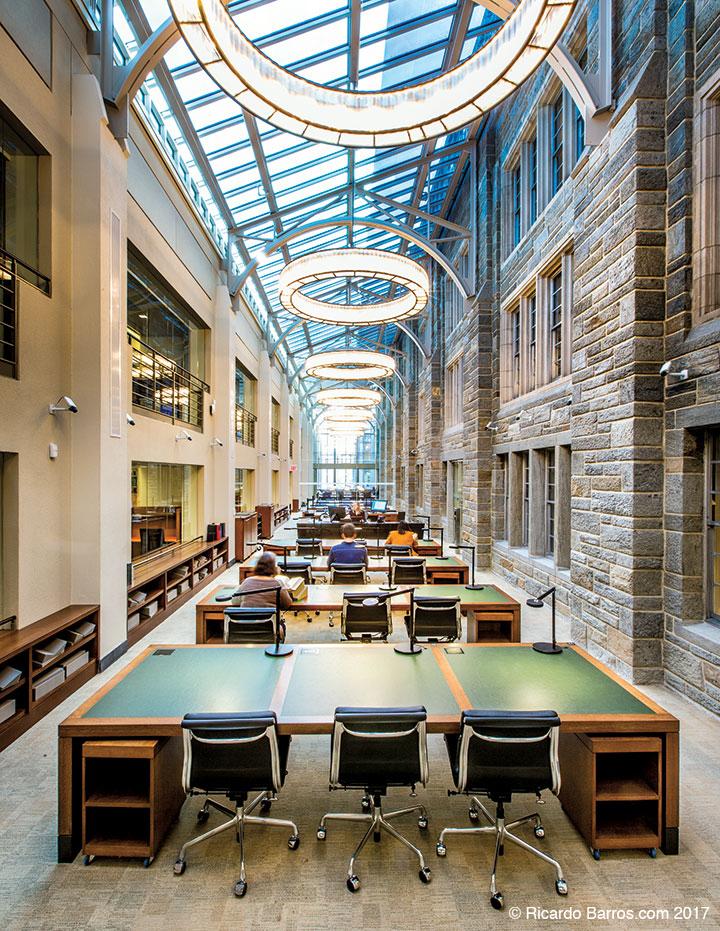
The Trustee Reading Room in Firestone Library, the hub of the entire Princeton University Library systemand one of the largest libraries in the world.
Beginning a research project is often a daunting task. Often, when I begin a project, I have the vaguest idea of what to research. Sometimes, I don’t know where to begin looking. Given that Firestone is one of the largest open stack libraries in existence, there are literally millions of books, journals, anthologies, and other pieces of literature to sift through. The process of identifying the literature that will propel a research topic is thus often the most tiring part, but thankfully, there is a solution: the wonderful Princeton librarians!
So, who are these librarians?
In fact, each undergraduate student at Princeton is assigned their own personal librarian. This librarian is supposed to act as your direct liaison between the library system and yourself. You can go to them to receive guidance on how to navigate the stacks, learn how to take advantage of different workshops and programs, or even just have a chat. My personal librarian, Ellen Ambrosone, almost always sends me an email every semester to remind me of her services. Often, she also includes a picture of her dog! Regardless, these librarians are meant to be friendly faces in a huge space, so do reach out to them with any inquiries about your research or the library system writ large!
The Princeton University Library system also hosts a large array of different subject librarians, each specializing in their own discipline. For example, Steven Knowlton is one of the subject librarians for both History and African American Studies. Thus, a student interested in a topic pertaining to History and/or African American Studies might want to reach out to him in order to identify literature that may be pertinent to your research topic.
The freshman seminars are one of the unique experiences at Princeton. While they may seem intimidating at first, they made me think of the process of research in my very first year in college. Not everyone might become a full-time researcher – I, for example, want to become a policy analyst – but many of our jobs will involve research, and the structure of the freshman seminar is very conducive to the research process. In the Economics of Immigration seminar that I took with Professor Leah Boustan during Fall 2019, we discussed aspects of the economic effects of immigration both on the receiving country and on the migrants themselves. Our final deliverable was a research policy memo – a document that describes a policy intervention by the government, by first arguing the need for it, then describing its advantages, and finally proposing a way by which it might be implemented. In order to write an effective memo, I had to research an issue that necessitated looking at it from diverse points of view. The process made me appreciate several principles of writing a policy memo.
This semester, I took my first
fiction workshop in Princeton’s Creative Writing Program. I had taken two
poetry courses in previous semesters and wanted to try something new. (Pro-tip:
if you haven’t yet taken a CWR course, definitely consider applying for one
before graduating).
Creative writing is, in many ways,
a break from academic writing. It does not center on data, analysis, or
argumentation. Instead, workshops focus on developing compelling images,
characters, stories. Creative writing also has access to a wider variety of
forms than academic writing, which tends to adhere to a narrow set of
relatively conservative styles.
My Creative Writing professor, Yiyun Li, leading a Fiction workshop.
However, some of my workshop instructor’s writing advice has translated well to my academic writing. After all, writing is writing, and many of the same challenges confront both creative and academic writers. Below I’ve collected five of her best pieces of writing advice: