Categories
Conduct Research Get Started with Research Research Life

Class Trip to Japan: Immersive Experiences, Changing Topics, and the Importance of Reflection

This year, I spent my spring break traveling around Japan with my art history seminar course, ART 429 Visual Japan: Past and Present. It was an absolutely transformative experience, both academically and personally. I’m here to share a little bit about how I learned to use experiences to inspire research and find answers through reflection.

Categories
Get Started with Research Independent Work Present & Publish Findings

Finding a JP Topic (On Your Own)

Personally examining the items around a book you’ve found is a great way to find related works on a given subject.

For many first year and sophomore students, fall break is a true respite from the academic demands of college life. For many juniors and seniors, however, it is a time of simultaneous relief and moderated despair as Princeton’s independent work requirements loom large. This is the position I find myself in. So gather round, friends, it’s time to talk independent work—specifically, how I found a general research area for my first JP. New to the JP game as I am, I feel rather unqualified to offer advice on how to “conquer” it or plan a totally coherent project right from the start. This will not be that kind of post. Rather, I’ll share some thoughts on beginning my own JP research process, which should illuminate some of the methods I used to cut down the uncertainty around my project and to find something like a workable topic. While I hope this is a useful guide for anyone facing the JP, I should note that it will probably be the most applicable to those in departments where fall independent work is not structured around a research seminar.

Categories
Conduct Research Get Started with Research

Flexibility of Research: What to Do When You Feel like You’ve Hit a Dead End

Research can be a truly thrilling experience–interesting data, new findings, surprising collections. However, research can also be incredibly frustrating, namely when you feel like your work isn’t going anywhere.

If you’ve ever been really excited about a topic, done a load of research, and still found that you aren’t making forward progress, this post is for you. I’m talking about hitting tough obstacles in your research–walls you can’t seem to get over–reaching what seems like a dead end.

I’ve been there before (oh more times than I would like to admit), and what I’ve found is that normally, this frustrating lack of a solution is not an indicator that your research is ‘wrong’ or isn’t worthwhile. In fact, it might actually mean that there is another question buried in your topic that needs to be addressed primarily.

Categories
Conduct Research Get Started with Research Present & Publish Findings

Finding a Faculty Mentor at Princeton

At Princeton, ‘finding your way’ can seem as daunting as escaping the Labyrinth. Even when things are going well, I find myself asking thinks like: What are the best courses to take next semester? What should I do next summer? What should I do with my life?

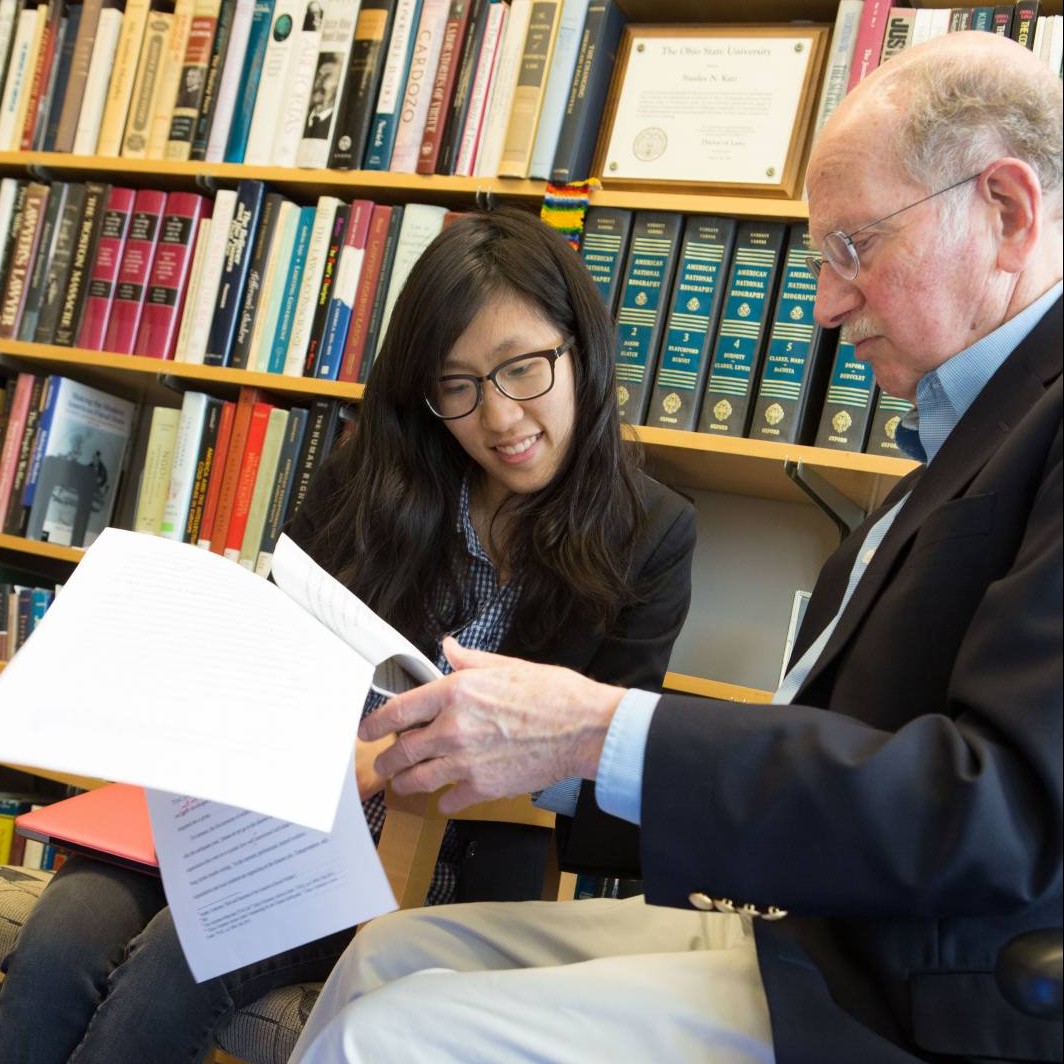
Developing a relationship with a mentor can be one of the most personally rewarding aspects of academic life at Princeton. 

Questions like these don’t have easy answers, and as best as I can tell, we shouldn’t expect to wake up one day with everything figured out. But chipping away at these questions is important, and I’ve found it much easier to do so with some guidance. Where do we get guidance, though?

Enter the mentor. The mentor is your wiser half, your sensei—the person who guides you through this mysterious world with sage advice and unflagging support.

Categories
Get Started with Research Independent Work Present & Publish Findings

How to Pick a Research Topic

Struggling to pick a research topic? We’ve all been there. Starting can be one of the hardest parts of research. There’s so much pressure to have a good topic that finding one becomes difficult. With that in mind, I’ve compiled some tips to ease this process.

1. Consider your personal interests. If this is a JP or thesis, you will be spending between a semester and an entire year delving into your topic. Make sure you like it! Finding something that genuinely piques your interest will help keep you engaged months down the road. I am lucky to have found Brazilian art therapy pioneer Nise da Silveira, whose work — after writing a JP about her and conducting my senior thesis research abroad on her — continues to keep me curious.

As I develop my thesis research, I hope that I continue to be interested in learning more. After all, just this summer, even before stepping foot in Firestone, I accrued this stack of books!
Crossing my fingers that my thesis topic continues to intrigue! After all, just this summer, even before stepping foot in Firestone, I accrued this stack of books!

2. Read a little about something that fascinates you. Interested in learning more about Mayan basket-weaving traditions? Find a few books or articles about it and start reading! Afterward, assess your feelings. Are you intrigued to learn more, or did you get bored halfway through? Read these signs — they can help you distinguish between topics that pique your interest at first, and those that will give you the stamina to keep reading months later.


3. Set up a meeting with your professors. I’ve written before about how helpful it can be to tap into what your professors might think. For my thesis, I knew that I was interested in a community project in Rio that used art to foster mental health, but wasn’t sure where to start. So I set up a meeting with a professor to talk about it. He suggested I look into Nise da Silveira, and I haven’t looked back since.