Categories
Independent Work Present & Publish Findings

“With Focus Comes Depth, and with Depth Comes Complexity”

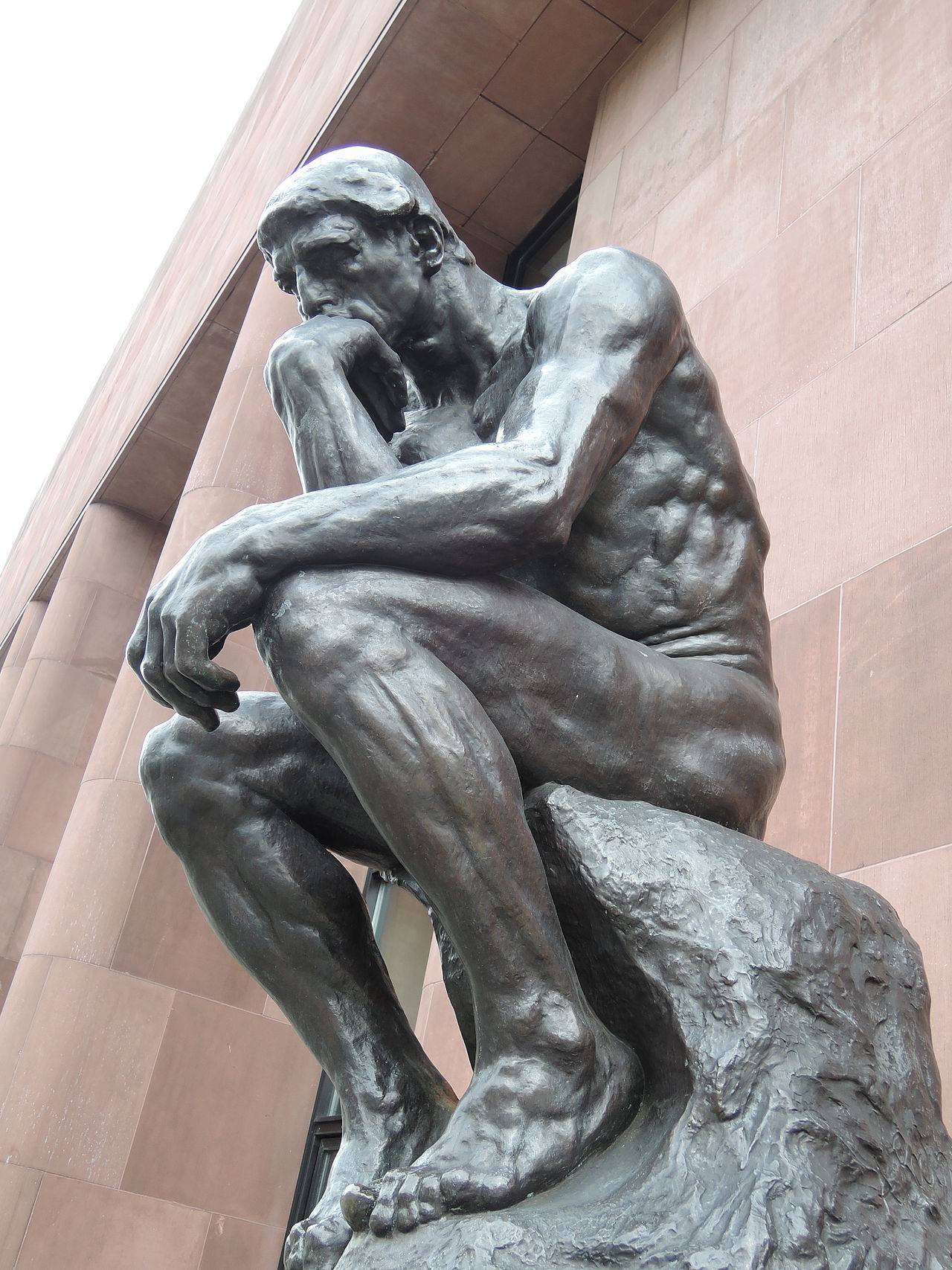
A statue of a man sitting on a rock, thinking
Le Penseur (The Thinker) Statue, by Auguste Rodin (1904)

As I wrapped up the first of my two independent junior research papers and began brainstorming for the second (and much larger) one, I hit a familiar wall: too much possibility, with no clear direction.

This next paper is supposed to be around 30 pages. The topic is broad. My notes are abundant and scattered. Every passage and source I consider seems to open a new direction I could take. In theory, this is a researcher’s dream – I have abundant evidence, rich material, and intellectual freedom. In practice though, it can feel paralyzing. What is even relevant? How do I start this? What am I actually trying to say?

My high school English teacher gave me the most useful writing advice I’ve ever heard: “With focus comes depth, and with depth comes complexity.” 

Categories
Independent Work Present & Publish Findings Research Life

Dealing with Feedback

Aaron Burr Hall Entrance
Entrance to Aaron Burr Hall, home to the anthropology department and my JP adviser. Photo credit: AccessAbleUSA

Whether it’s long hours alone in a lab or late nights in Firestone, research can feel like a uniquely isolating experience. The process of compiling existing knowledge and producing new knowledge invites us to dive deep into ongoing conversations that exist within our fields. These deep dives into the procedures, frameworks, and models that define research projects require a degree of focus that can narrow our view. One of the few moments in any research journey that disrupts this individual flow is the feedback process. That moment, when we are reminded that research is explicitly collaborative, is always critical and often dreaded. Having received my fair share of feedback over the years, I’ve learned just how important each step of the feedback process is. This goes beyond just receiving feedback, but instead really considering the importance of preparing for feedback too.

Categories
Conduct Research Independent Work

Of Mistakes and Bullies in the Lab

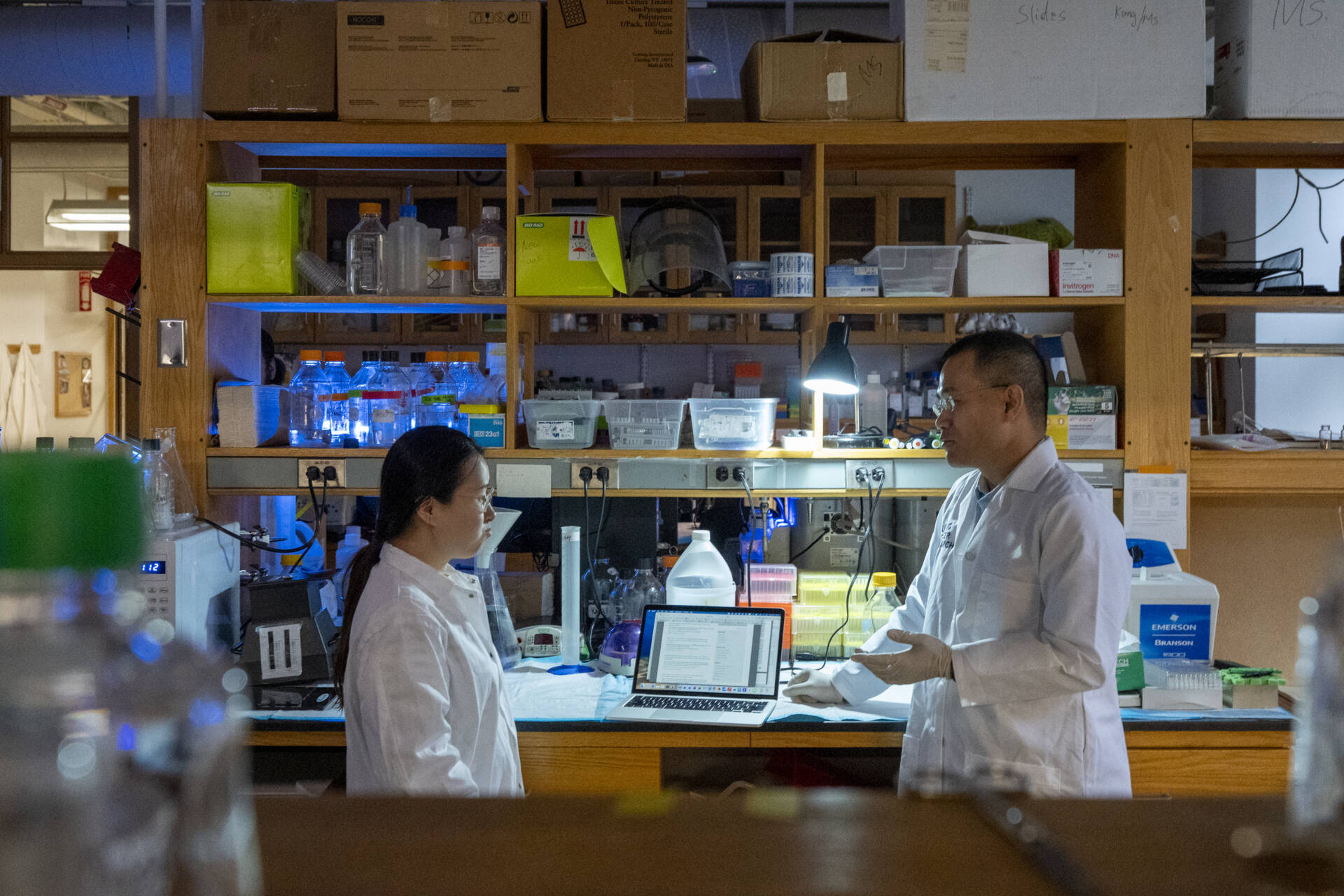
This is Dr Kang discussing something with an unidentified lab member. The ambience is meant to depict the kinds of conversations you have with supervisors about data and any mistakes you made during procedures.
Lab members being lab members (Kang Lab). Photo credit: Matt Raspanti, Office of Communications.

Everyone knows the old mantras: “don’t be too harsh on yourself” and “everyone makes mistakes.” When I joined a lab, though, not only were those mantras pushed to the back of my head, but they also collected dust and withered. In a lab setting, when you are aware of the money and effort other people have put into the research, and when you sometimes feel less skilled as an undergrad, your mistakes can feel like grave failures.

Categories
Conduct Research Independent Work Present & Publish Findings

Research in the Humanities and Social Sciences: Sophomore Research Seminars

The exterior of the New South Building with fall foliage.
New South, where many first-year writing seminars and sophomore research seminars take place.

First-year writing seminars are a rite of passage for all Princeton students, introducing you to the research and writing skills you need to craft an independent research paper. But what comes next? For many undergraduates, sophomore year is a year-long pause before you actually get to apply those independent research skills in your JP. The Princeton Writing Program’s sophomore research seminars offer an alternative.

Categories
Conduct Research Independent Work

Growing Up in the Same Lab

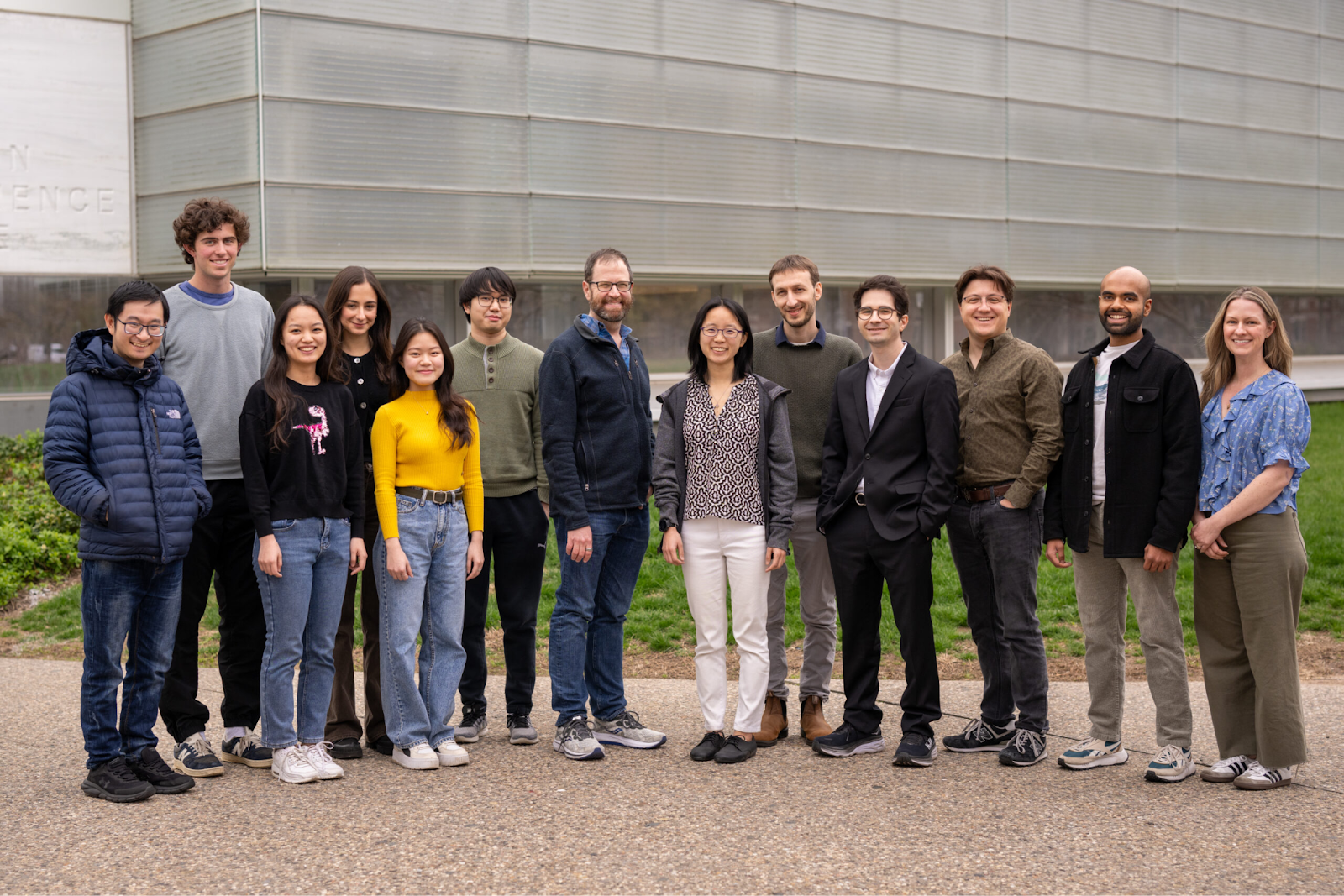
Members of the Norman Lab taking a group picture together
Norman Lab group picture

After the first meeting of the semester with my adviser, whom I’ve been working with since my first-year spring, I looked at the list of papers I had to read for my junior independent work but chose to open the small birthday card my adviser gave me on behalf of the lab. Seeing everyone’s “Happy Birthday” made me feel, more than ever before, like I belonged. 

And I was growing up.

I was energized, ready to take on a new responsibility. Since the conversation I had with my PI over the summer, I had been excited to get started. Coming into Princeton interested in memory and potential ways to manipulate unwanted or negative ones, getting to use eye trackers to exert top-down control over what people look at and induce forgetting by weakening the activation of the related pathways based on the eye gaze pattern seemed like a sci-fi movie coming to life. I couldn’t wait to feel ownership over my own project and contribute to the kind of work my lab cares so much about.

After two years, I started to feel like I was equipped to excel on all fronts at Princeton.

But reality… hit.

Categories
Independent Work Present & Publish Findings Research Life Resources

6 Tips to Prepare for Independent Work Over Break

Firestone Plaza at night
I’ll be checking out books from Firestone Library before heading home for winter break.

As another semester draws to a close and winter break looms, now is the perfect time to make a plan for independent work over break. The flexibility of break can give you the freedom to work on your own schedule, but it can also be challenging to keep making progress without the external structure of the semester. Here are a few things that I’m doing before leaving campus to help set me up for thesis writing over the break:

Categories
Conduct Research Independent Work Research Life Resources

Beyond the Orange Bubble: A Guide to Thesis Research Abroad

Traveling for research abroad
Leaving the Orange Bubble

One of the greatest benefits of being a Princeton student is the unparalleled access to international opportunities. Whether it’s traveling for classes and clubs, completing an IIP (International Internship Program), doing fieldwork through HMEI (High Meadows Environmental Institute), taking a Global Seminar course through PIIRS (Princeton Institute for International and Regional Studies), or participating in Princeton’s many language programs abroad, many students find ways to leave the Orange Bubble—literally. To become better-informed global citizens, it is important not only to study the world from Princeton, but also to spend time in the world beyond Princeton.

One powerful way to do this is by conducting research abroad. When I was a junior preparing for my senior thesis, I knew I wanted to incorporate an international dimension into my work and, if possible, travel over winter break of senior year. Although I had been fortunate to travel domestically through Princeton, I hadn’t yet taken advantage of any study or research opportunities abroad. Winter break of senior year is one of the last, and most popular, chances to do so. Princeton has a wide range of thesis funding sources, which makes it very possible to take your research to an international site.

Categories
Independent Work

Digital Mapping in the Humanities and Social Sciences

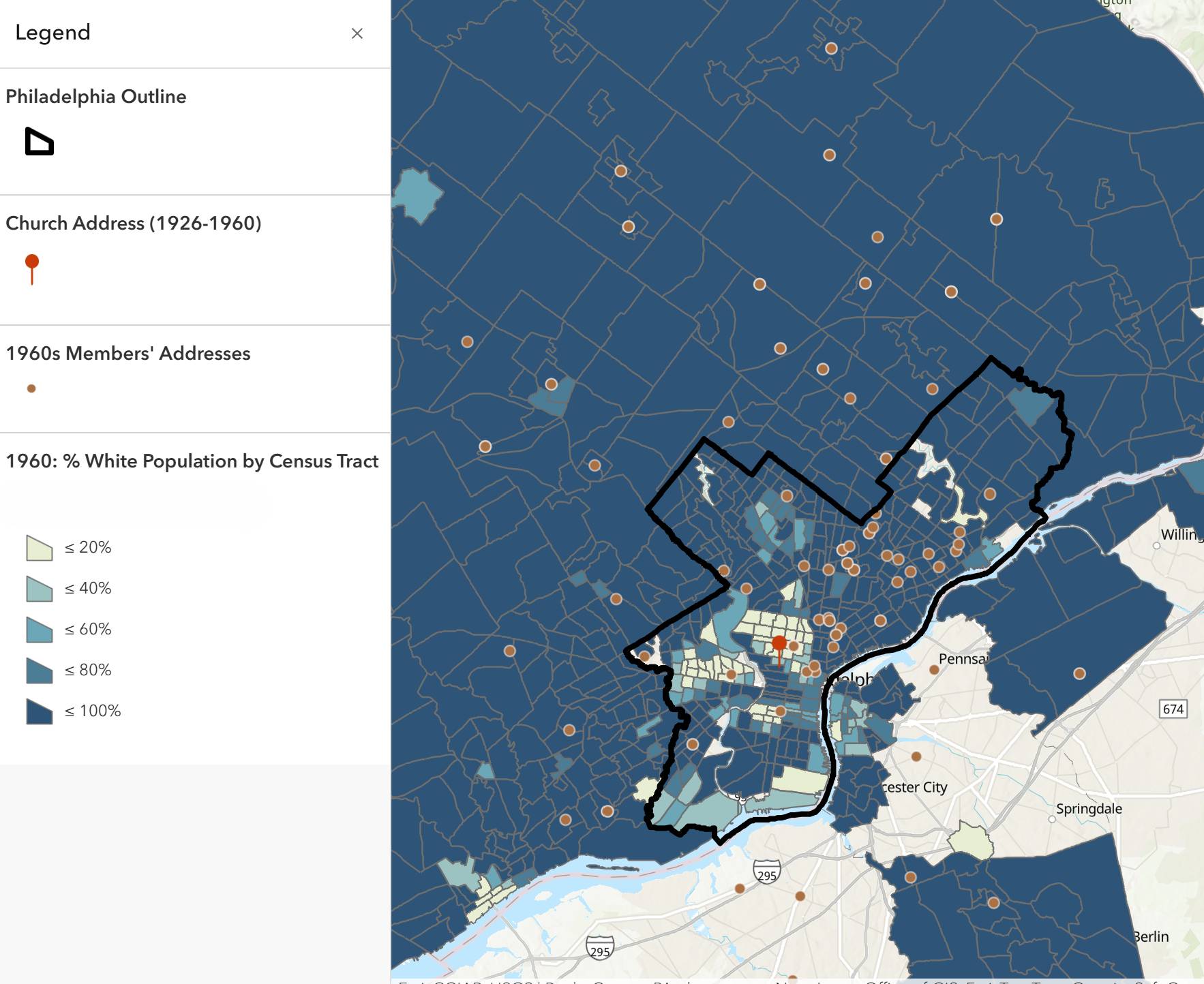
A map of church members' residential address, racial demographic data in each census tract, and an outline of Philadelphia in 1960
This is one of the maps I generated for my project. It demonstrates that, in the 1960s, most church members lived in predominantly white areas and many lived outside of the city of Philadelphia.

In my junior paper, I explored how the racial demographics of a Philadelphia church transformed from exclusively White to predominantly Black within a few short years. I started this project in the archive, looking for any documents that could point to when and how the church’s congregation began to transform. In minutes recorded of church meetings, I identified a period of white flight, where the neighborhood around the church became increasingly non-White, and, in response, many of the church’s White members relocated to the suburbs. I knew that I could describe this congregational migration in a written narrative, but I also wanted my readers to be able to visualize it, so I turned to digital mapping. 

Categories
Independent Work Present & Publish Findings

The Role of Struggle in Research

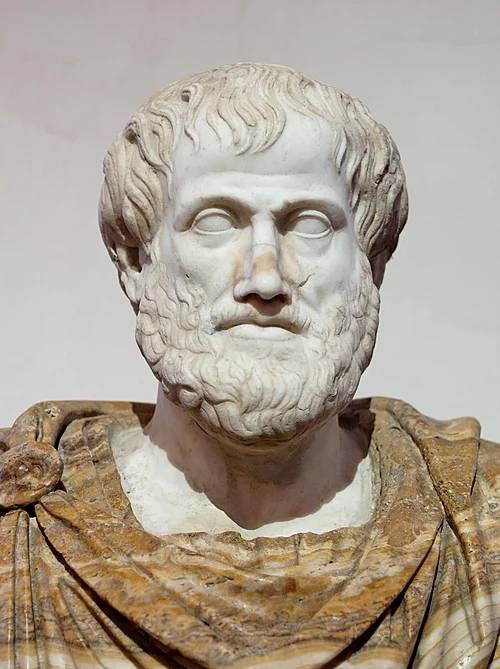
Roman copy of a Greek bronze bust of Aristotle by Lysippos (c. 330 BC).

Aristotle’s Metaphysics begin with an oft-quoted adage:  πάντες ἄνθρωποι τοῦ εἰδέναι ὀρέγονται φύσει (Aristotle, Metaphysics A.1 980a). “All humans, by their nature, strive to understand.”

With some spare time over fall break, I decided to brush up on my Greek philosophy. My upcoming junior independent work will focus on Lucretius’ philosophical poem De Rerum Natura, and he engages with so many ideas from ancient Greek thinkers – Epicurus, Democritus, Plato, and Aristotle, to name a few – I thought it prudent to be familiar with them. Given that the very purpose of their works is to explain their ideas, I didn’t expect to run into serious trouble as I began reading them. Instead, as I started making my way through Aristotle’s Metaphysics and Plato’s Timaeus, I found myself entangled with ideas of identity, causation, and substance. My overwhelming reaction was… “wait, what?” 

Categories
Conduct Research Independent Work Present & Publish Findings

Finding Your Focus: 5 Tips on How to Narrow Down Your Topic

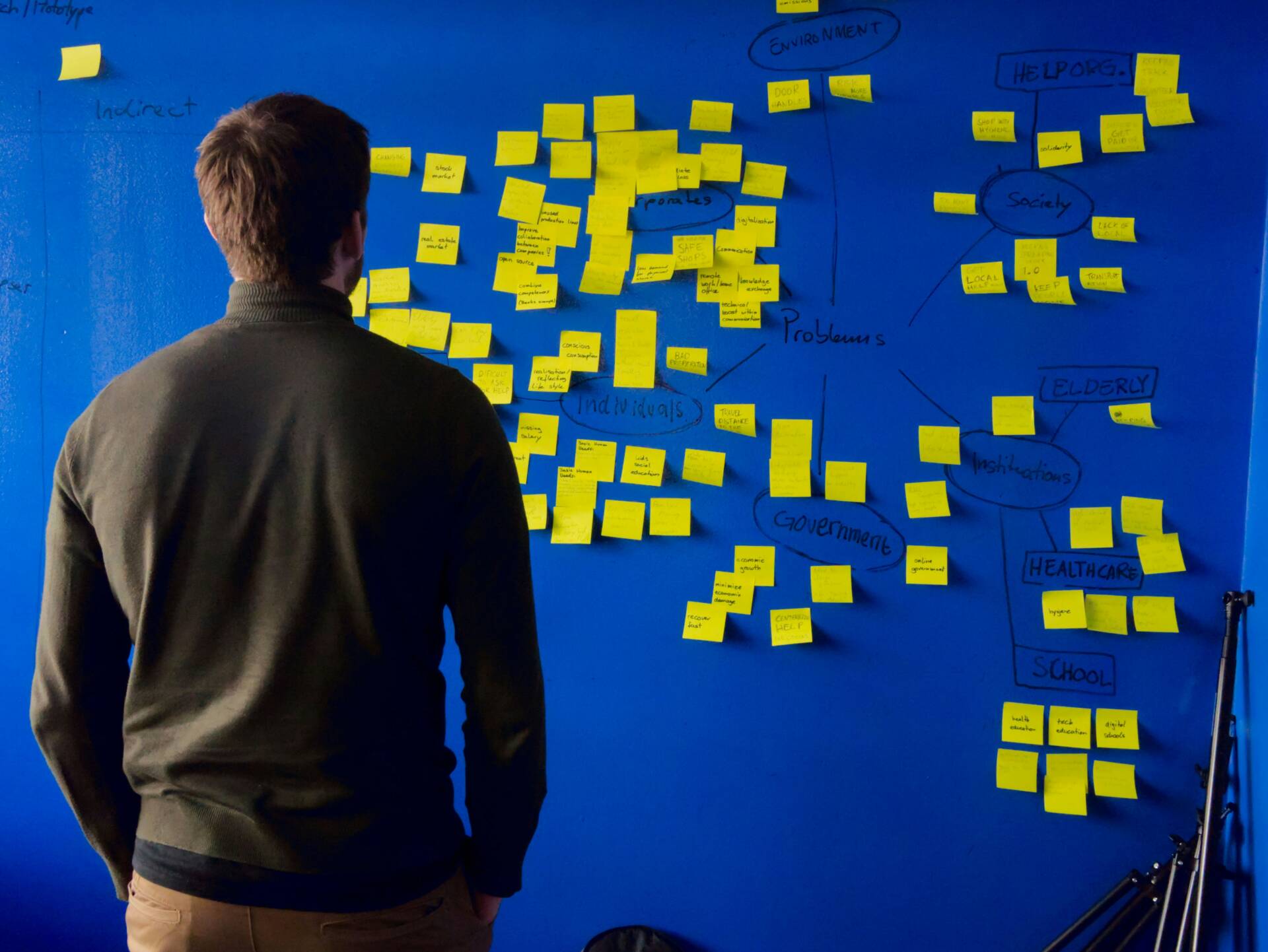
A brainstorming man looks at a wall covered with notes and ideas
Brainstorming Ideas. Photo Credit: Per Lööv

As someone in the social sciences and humanities, I had a broad idea of what I was interested in when going into my independent research. But once it came time to propose a specific topic, I was overwhelmed by how many possibilities there were. I was drawing on a massive archive of documents that dated back to the 1890s, so trying to decide on just one moment or figure to focus on made me feel like I was leaving a lot of important stories out. The best research projects are the ones that you’re genuinely excited about, but what do you do when you’re excited by a lot of different topics? Here are five tips that have helped me narrow down a broad research interest to a specific research topic.