Categories
Independent Work Present & Publish Findings Research Life

Dealing with Feedback

Aaron Burr Hall Entrance
Entrance to Aaron Burr Hall, home to the anthropology department and my JP adviser. Photo credit: AccessAbleUSA

Whether it’s long hours alone in a lab or late nights in Firestone, research can feel like a uniquely isolating experience. The process of compiling existing knowledge and producing new knowledge invites us to dive deep into ongoing conversations that exist within our fields. These deep dives into the procedures, frameworks, and models that define research projects require a degree of focus that can narrow our view. One of the few moments in any research journey that disrupts this individual flow is the feedback process. That moment, when we are reminded that research is explicitly collaborative, is always critical and often dreaded. Having received my fair share of feedback over the years, I’ve learned just how important each step of the feedback process is. This goes beyond just receiving feedback, but instead really considering the importance of preparing for feedback too.
Categories
Research Life

Returning to Roots: Sadat’s Summer at the Muslim Interscholastic Tournament

As a first-year, Sadat Ahmed—now a sophomore majoring in Electrical and Computer Engineering—returned to a community that had shaped some of his most defining high school experiences. For Sadat, the Muslim Interscholastic Tournament (MIST) had always been more than a competition. It was where he discovered leadership, formed lasting friendships, and learned to believe in his own potential. Coming back as a Software Engineering Intern gave him the chance to reconnect with the program in a new and meaningful way.

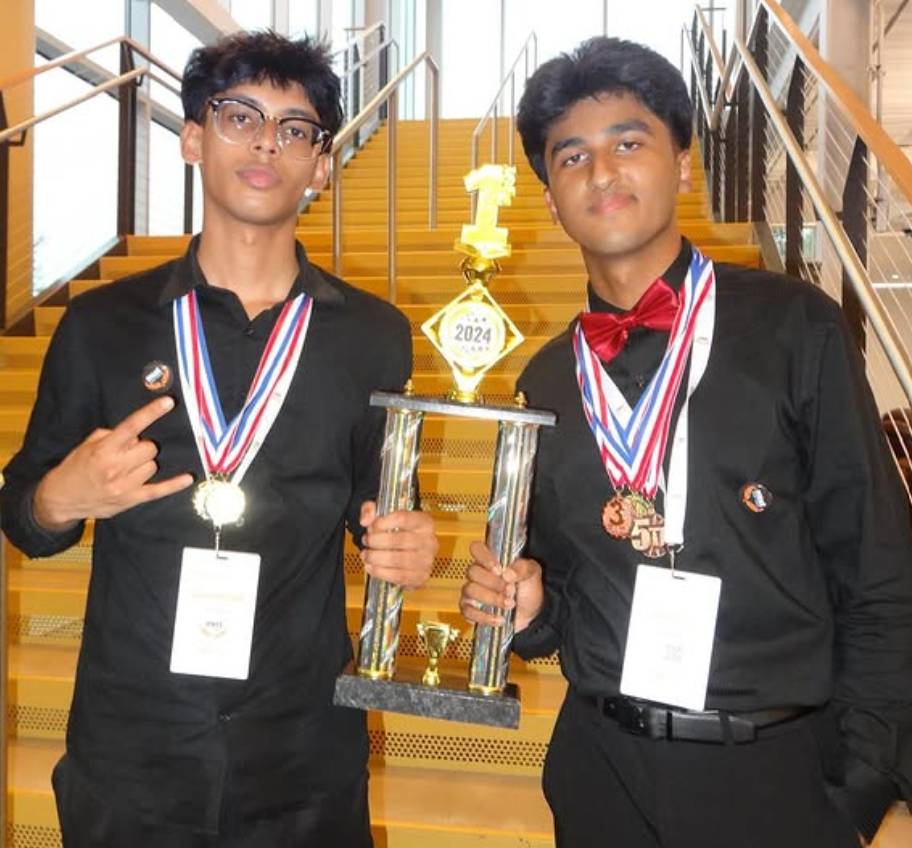
Sadat Ahmed holding MIST trophy.
Sadat (right) holding the winning MIST trophy. Photo credit: Sadat Ahmed. 
Categories
Independent Work Present & Publish Findings Research Life Resources

6 Tips to Prepare for Independent Work Over Break

Firestone Plaza at night
I’ll be checking out books from Firestone Library before heading home for winter break.

As another semester draws to a close and winter break looms, now is the perfect time to make a plan for independent work over break. The flexibility of break can give you the freedom to work on your own schedule, but it can also be challenging to keep making progress without the external structure of the semester. Here are a few things that I’m doing before leaving campus to help set me up for thesis writing over the break:

Categories
Conduct Research Independent Work Research Life Resources

Beyond the Orange Bubble: A Guide to Thesis Research Abroad

Traveling for research abroad
Leaving the Orange Bubble

One of the greatest benefits of being a Princeton student is the unparalleled access to international opportunities. Whether it’s traveling for classes and clubs, completing an IIP (International Internship Program), doing fieldwork through HMEI (High Meadows Environmental Institute), taking a Global Seminar course through PIIRS (Princeton Institute for International and Regional Studies), or participating in Princeton’s many language programs abroad, many students find ways to leave the Orange Bubble—literally. To become better-informed global citizens, it is important not only to study the world from Princeton, but also to spend time in the world beyond Princeton.

One powerful way to do this is by conducting research abroad. When I was a junior preparing for my senior thesis, I knew I wanted to incorporate an international dimension into my work and, if possible, travel over winter break of senior year. Although I had been fortunate to travel domestically through Princeton, I hadn’t yet taken advantage of any study or research opportunities abroad. Winter break of senior year is one of the last, and most popular, chances to do so. Princeton has a wide range of thesis funding sources, which makes it very possible to take your research to an international site.

Categories
Research Life

Scaling Solutions: Kyaw Naing’s Internship Journey at Amazon

This summer, Princeton sophomore Kyaw Naing returned to his hometown of New York City for a 12-week internship with Amazon’s Grocery Subscription team, an opportunity made possible through the Amazon Future Engineer (AFE) program. AFE is a highly competitive national initiative that aims to support students from underrepresented and underserved communities in STEM, offering college scholarships, mentorship, and paid internships at Amazon. Kyaw was one of only 400 students selected for the program. As an Electrical and Computer Engineering student from Queens, Kyaw saw the internship as a chance to push himself beyond the classroom. During his time with the Grocery Subscription team, he tackled real-world technical challenges at massive scales while working on services that millions of customers rely on every day.

The team owns the whole lifecycle of Grocery Subscription and focuses on building the Amazon Grocery Subscription, enabling customers to subscribe and order groceries. Work on the team involves significant research into sophisticated cloud infrastructure and pipelines and for Kyaw, this was the perfect environment to connect what he learned in his COS classes with real-world practice and research.

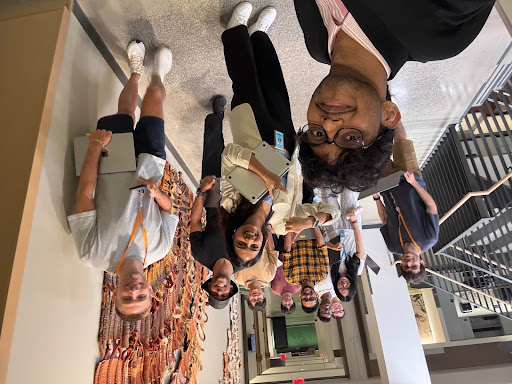
Kyaw (pink shirt) with his co-workers at Amazon
Kyaw (front, pink shirt) with his co-workers at Amazon. Photo credit: Kyaw Naing.
Categories
Plan Beyond Graduation Research Life

Recommendations for Rec Letters

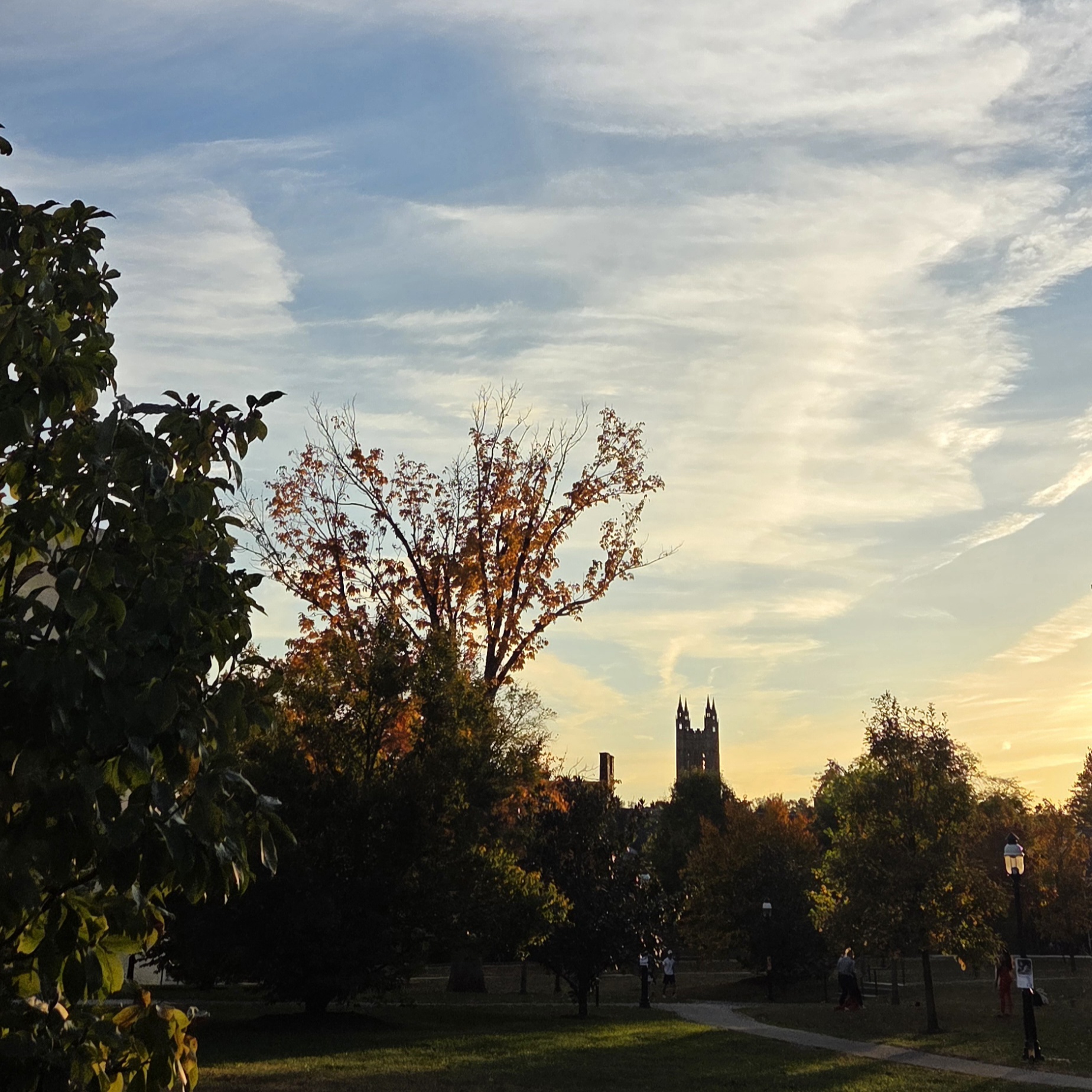
A fall evening at sunset with a view of the graduate college
A fall evening on campus

With my junior year well underway, I’ve started to do some thinking about everything that comes after you leave the “orange bubble”. As someone whose Princeton experience has been shaped by diverging interests, it’s exciting to imagine applying the unique skillsets I’m gaining to new contexts. Still, whether it’s internships, fellowships, or research projects, nearly every opportunity is guarded by an application process of some kind. While some applications can be relatively simple, many are decidedly complex. Of the many interlocking parts that make up any application process, letters of recommendation represent some of the most critical cogs in the machine. What makes letters of recommendation so important is that they can provide a new perspective on you as an applicant, affirm aspects of your application you’ve already shared, and more fully characterize you as a person. Still, asking for letters of recommendation can create uncertainty.

Categories
Conduct Research Research Life

Doha Diaries: Zara’s Internship at QCRI

This summer, Zara Hommez traveled from Princeton to Doha, Qatar, for an internship at the Qatar Computing Research Institute (QCRI), where she worked in the Humanitarian AI division. As a sophomore majoring in Operations Research and Financial Engineering (ORFE), she was drawn to the placement through Princeton’s International Internship Program (IIP) because it offered a rare blend of quantitative modeling, computer vision, and real-world impact, which is the exact intersection she hopes to pursue.

When browsing IIP opportunities, QCRI immediately stood out. Its mission to use data and AI to address global humanitarian challenges aligned perfectly with her academic interests in optimization, systems thinking, and applied machine learning. The chance to live in Doha, a rapidly growing, modern city at the heart of the Middle East, added an exciting cultural dimension she was eager to explore.

Zara on a sand buggie
Zara on a sand buggie! Photo credit: Zara Hommez.
Categories
Present & Publish Findings Research Life

Making the Most of Conferences

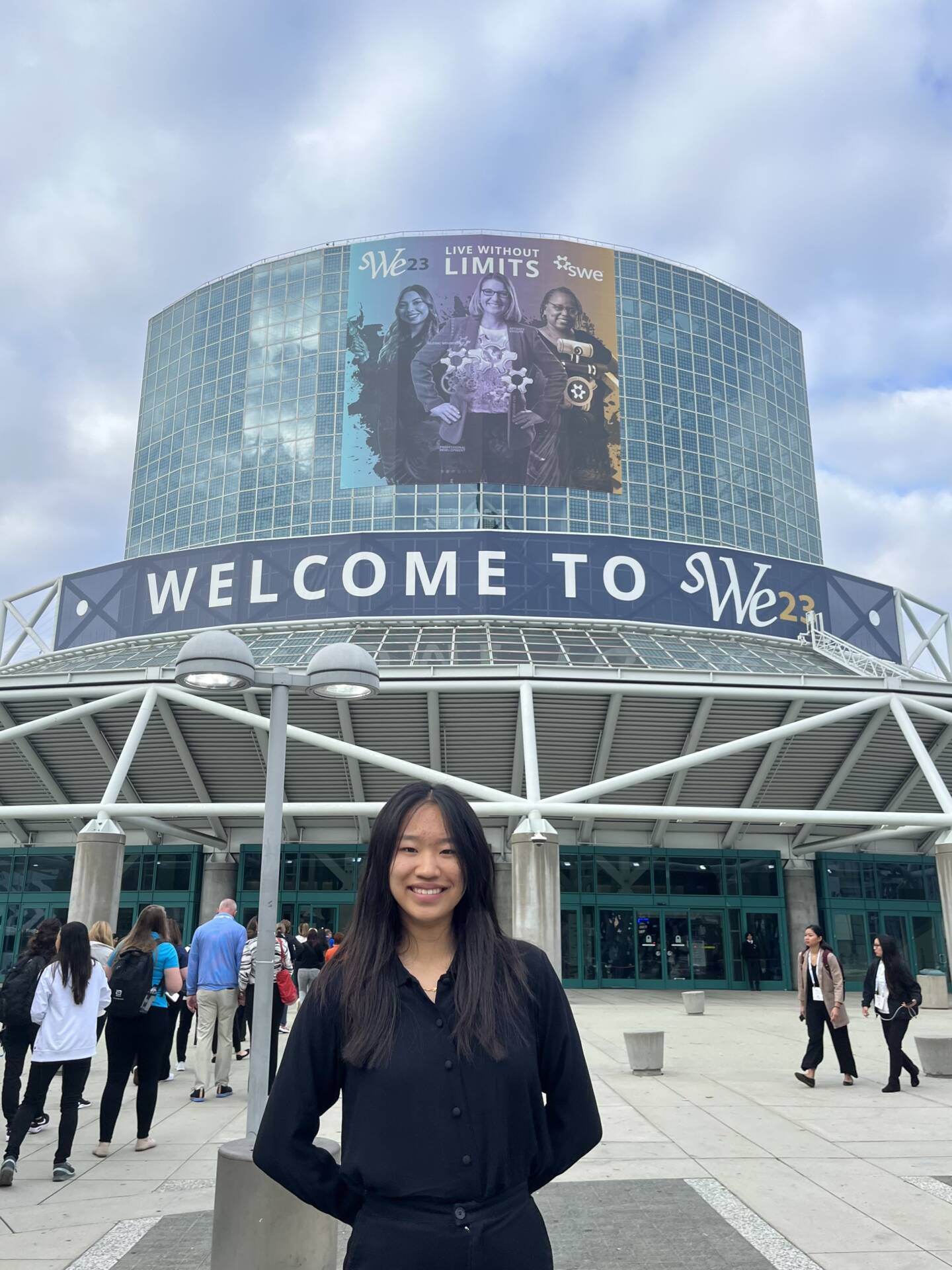
Showing a photo of the conference
“Welcome to SWE23” sign at the Annual Society of Women Engineers National Conference

When I attended my first conference, I was overwhelmed by the number of events—from keynote speakers and lightning talks, to career fairs and research presentations. Over time, through attending several conferences, I learned how to navigate these spaces strategically and make the most of the few days I had at each one. Conferences are an opportunity to connect your academic interests to real-world communities and open doors for future opportunities. From resume databases to poster sessions, conferences can open doors to new research and career opportunities. 

Categories
Research Life

Who Guides the Guardrails?

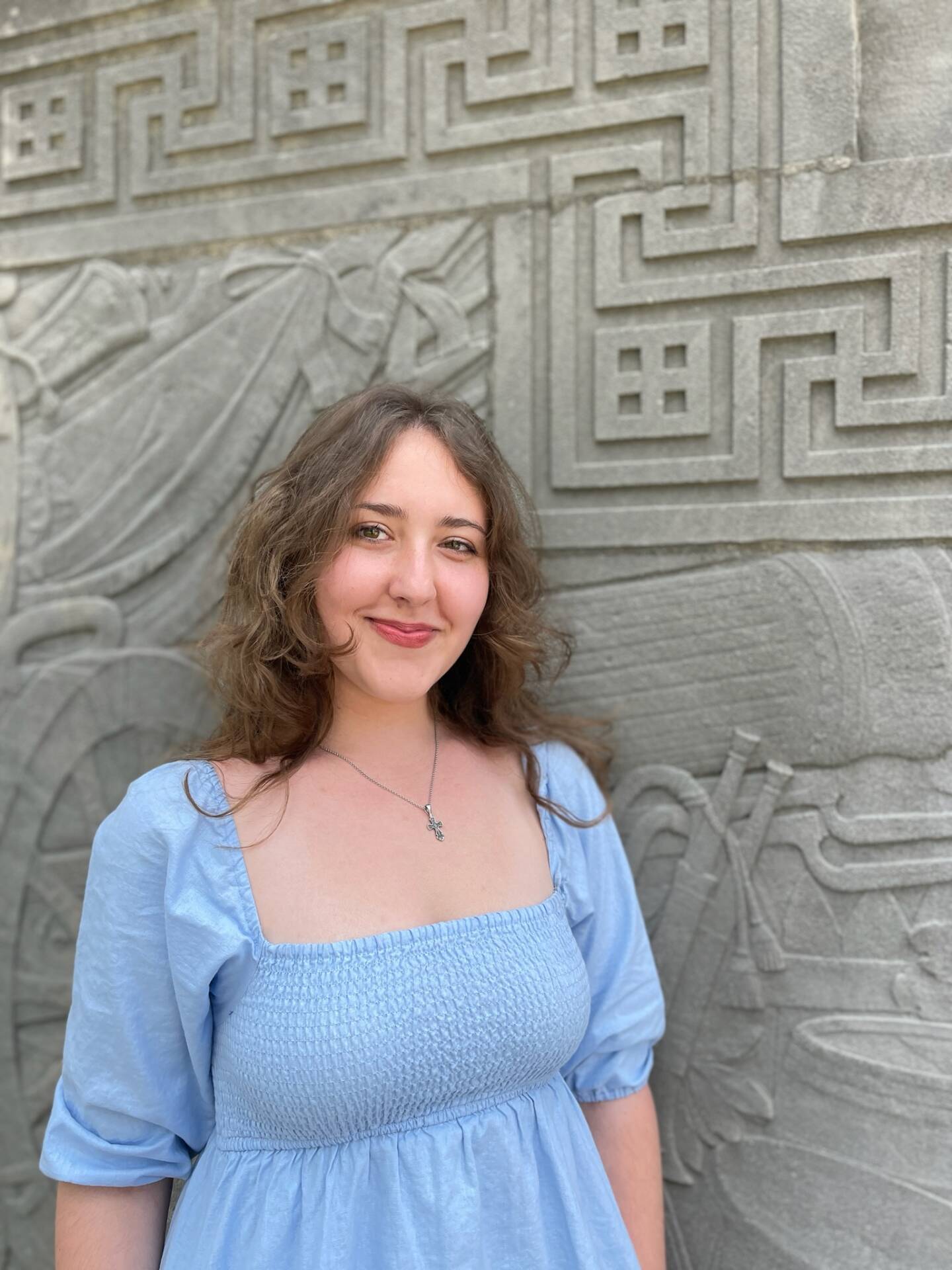
Image of interview subject, Katya Grygorenko in front a stone wall with artictic carvings.
ORFE major Katya Grygorenko (’27) over the summer. Photo credit; Katya Grygorenko.

There’s no doubt that the summer is one of the most promising times to experiment with your research interests, and the International Internship Program (IIP) can provide awesome opportunities for Princeton students to explore those curiosities. From creating theoretical frameworks to engaging with lab-based experimentation, there’s a wide range of ways to explore research through the summer program.

I had the pleasure of sitting down with Katya Grygorenko (‘27), who spent her summer doing research on artificial intelligence (AI) for the Center for the Study of Democracy (CSD), a public policy institute based in Sofia, Bulgaria. The rise of Large Language Learning Models (LLMs) like OpenAI’s ChatGPT and other AI systems has inspired uncertainty, and even fear. The idea of a “black box where people don’t really know what’s going on”, as Grygorenko put it, can feel daunting to think about. But the idea of tackling the ethical challenges of implementing these complex digital systems didn’t scare Grygorenko at all— it excited her.

Categories
Conduct Research Research Life

In Defense of Core Lab

this image is to represent the kind of group environment that core lab represents, even if this isn't an actual core lab class depicted
A classroom of students reading at Princeton (not core lab). Photo credit: Ryan Halbe.

Many STEM majors here have the same rite of passage: core lab. For non-lab majors, core lab is a class that is purely to teach you about lab techniques and critical thinking skills that are useful for writing our theses. They usually involve a bit of a simulated lab experience where you discover new findings while the teachers guide you through the motions of a lab research experience. 

Molecular biology’s core lab meets twice a week for 3 hours and then a small 50 minute lecture/precept on Fridays for half the semester. Other majors have similar constraints. However, while at first it may seem a bit overwhelming and even redundant if you’ve already done these procedures in a lab or are in a lab that definitely will not be using any procedures you learn, core lab goes beyond just teaching you technical skills. 

I too was confused as to why I was here and why this mattered, but over time, I began to internalize one of the real skills this class is meant to teach you, something that pipetting will never give you: asking the right questions.