Categories
Present & Publish Findings

Roaring for change: Presenting Your Research

The process of research might involve a complex mass of reading articles and crafting arguments, but the goal of research is simple: change. No one would devote time and energy to a concept if they didn’t expect their results to make a difference. Whether adding to a field, correcting a premise, or highlighting some new phenomenon, the surest way to encourage change is to frame research with a strong presentation.
IMG_1712
By the way, presenters get a t-shirt with the conference motto and cute, researching tigers. Wear it proudly.

Princeton’s writing seminar students can present their work to faculty and peers at the Quin Morton ’36 Freshman Research Conference. PCUR readers are welcome, so save the date: Friday, November 21 in the Writing Center.  At last year’s conference, I was selected to present my research on affirmative action. I felt first-hand the excitement of leading people to question beliefs they had firmly held just minutes before. Last Tuesday, I volunteered at a workshop on presenting research for this semester’s Quin Morton student presenters.  The conference’s motto “Research. Revise. Roar.” hints at one of the workshop’s biggest themes: finding your voice.

Presenting research involves a range of skills that are not necessarily included in the writing process, and chief among them is verbalization.
Categories
Conduct Research Independent Work Present & Publish Findings

Keeping Up is Hard to Do…

Keep working through the months! (Photo by Yuem Park)
Keep working through the months!

What did I never expect to be challenging about the senior thesis? Its relative lack of deadlines.

As Princeton students, we’re busy. On top of the vast quantities of course work that we have, many of us take on multiple extracurricular activities such as sports or dance, and each week becomes a battle to meet deadlines for problem sets or readings. And through the trials and tribulations of our first few semesters here, we get better each day at balancing our commitments and meeting deadlines until they become normal parts of our lives.

But your senior thesis will throw you a curve-ball. By this point we’ve been so thoroughly conditioned to work around deadlines that, at first, it can be a little confusing as to how to react to the unexpected freedom of independent work. It’s very tempting to throw down your pen triumphantly when you see that your first deadline is at the end of the semester, and forget about your thesis until one week before that date. But of course, it’s not that easy – after all, a senior thesis is expected to exhibit the cumulative work of an entire year (which cannot be achieved one week before the deadline!). 

Categories
Conduct Research Independent Work Present & Publish Findings

Tales of Adventures: Keeping Detailed Records of Your Work

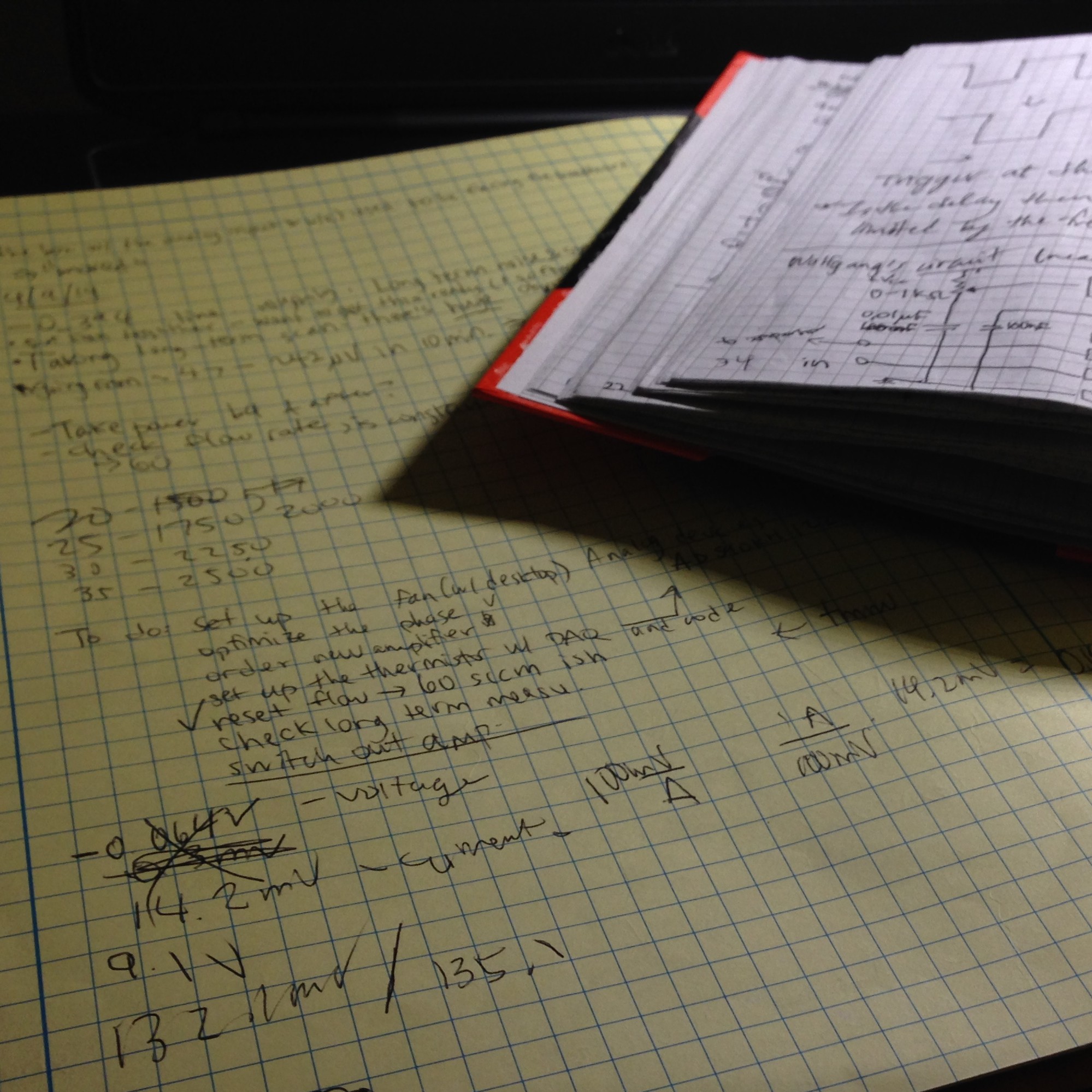
Notes can get messy very quickly. Photo by Stacey Huang)
Notes can get messy very quickly.

Whether you work in the sciences or humanities, it’s integral to keep track of your work. It sounds obvious – it did to me too – until I started flipping through some of my notes in my lab notebook, trying to figure out the tests and results for a few small tests last semester. I knew I had done the tests, but I just couldn’t figure out what exactly I had done. Eventually, I found a few numbers in my notebook but couldn’t decipher them. Maybe those notes made sense to me 5 months ago, but now they only look like random scrawls of numbers to me.

It isn’t always a lab notebook: it could be keeping track of papers you’ve read and researched, writing down ideas you’ve tossed around with classmates or your adviser, basically keeping a record of all the work you’ve done. Often it can get boring to record every little thing, and often it can feel unnecessary, but not keeping a detailed record or at least well-organized notes or data of your progress somewhere helps no one. It does your hard work no justice when you can’t look back on it in the future and save time by skipping what you’ve already done. It all saves you time in the future from looking at the same papers, doing the same tests.

Categories
Independent Work Present & Publish Findings

Reversing to the Start

For me personally, the hardest part of writing any paper is writing the first few paragraphs. I get caught up in trying to find a starting place—do I start with an anecdote that somehow displays the significance of my research topic? Do I jump right in to findings of the research, and work my way backwards to how I got there in the rest of the paper? Do I give general background information, and move forward from there? There are a million and one ways to begin a writing piece, which is why, for many, choosing one that is appropriate for any given topic can be difficult.

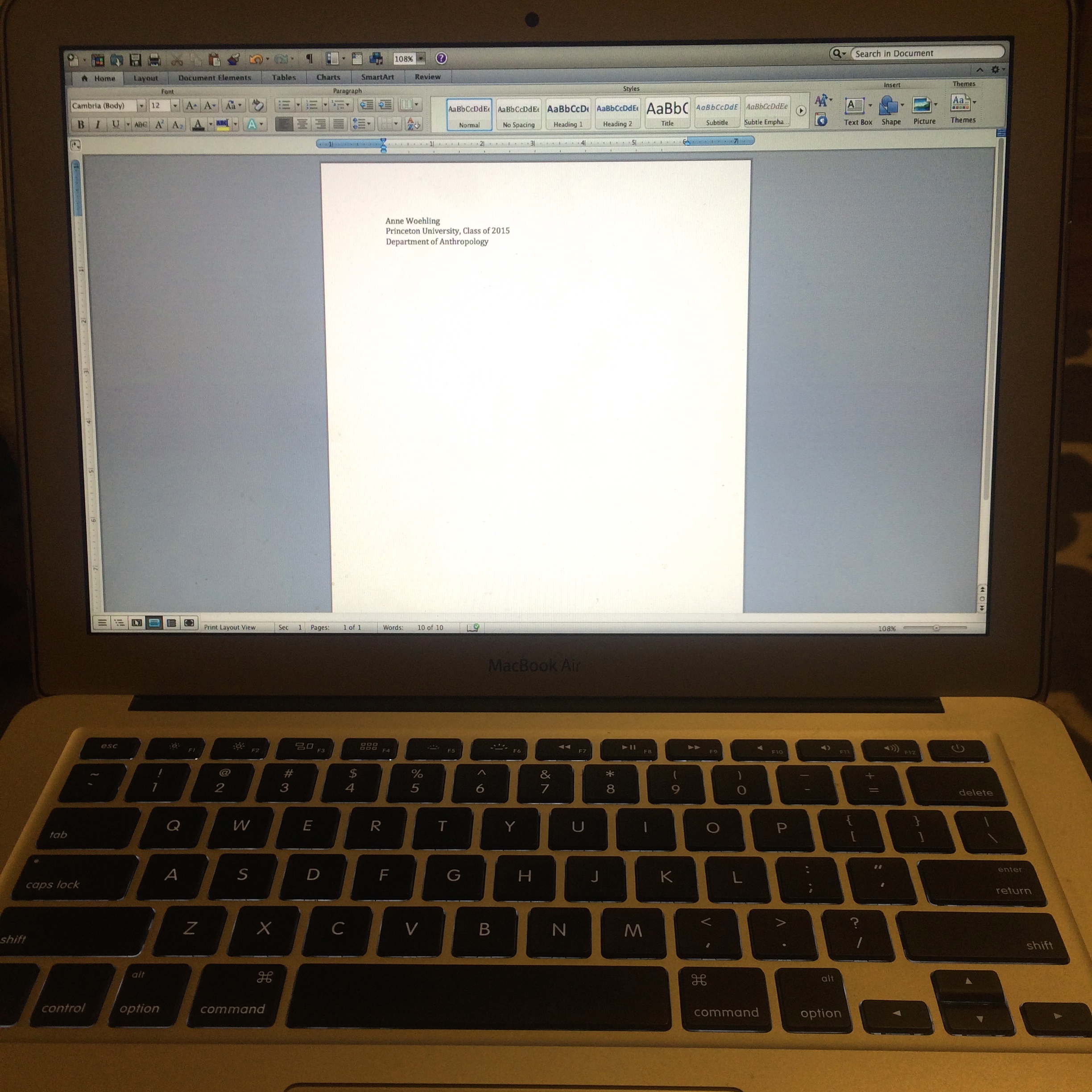
Finding the right way to start can be especially difficult for independent work. I sat in front of my Junior Paper staring at a blank document, with only a title page and the honor code written out for days before writing a single word.

Categories
Conduct Research Independent Work Present & Publish Findings Resources

Funding Proposals – A Salesperson’s Approach

2a
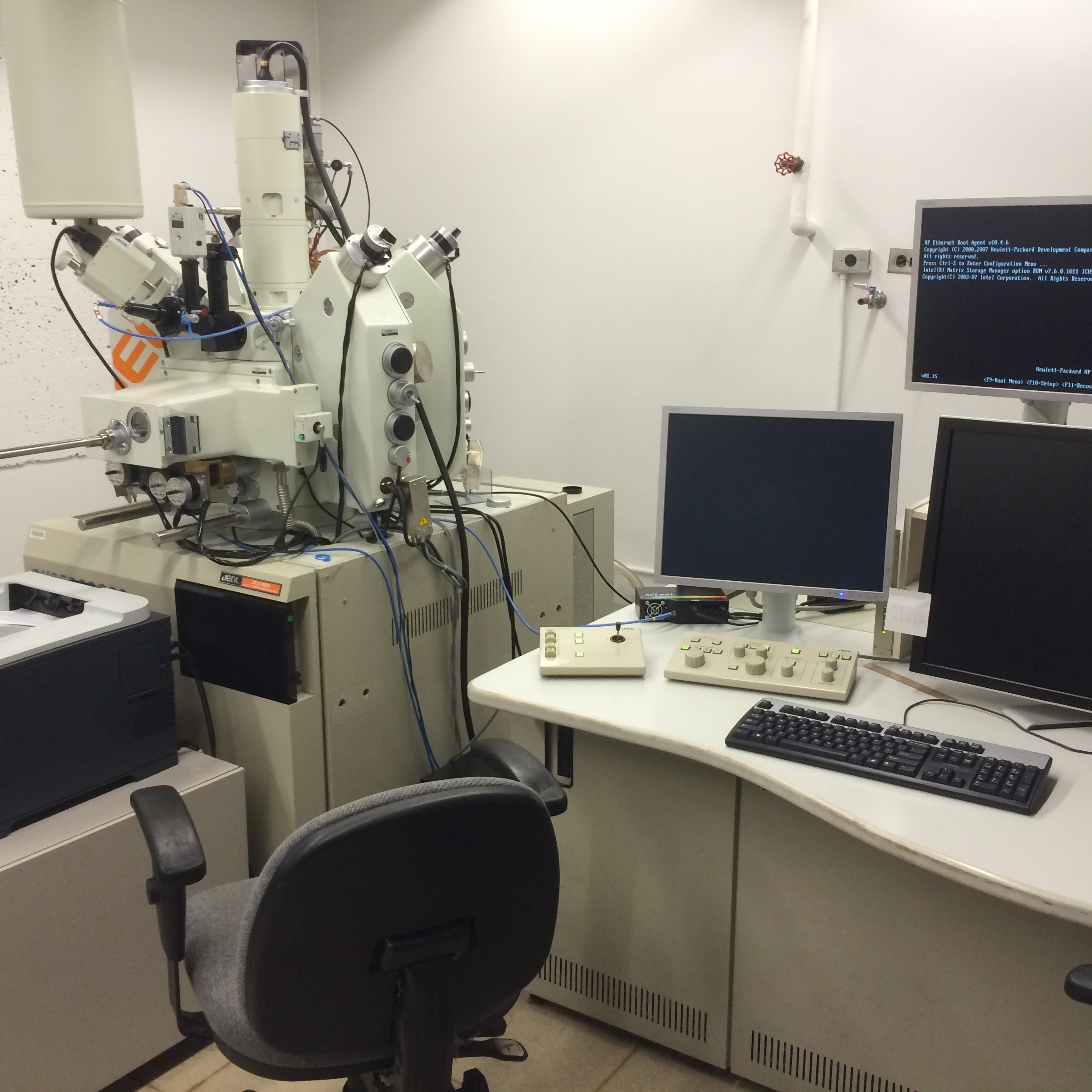
What I needed funding for last year – the electron microprobe at MIT.

As Benjamin Franklin once said, “An investment in knowledge pays the best interest.” And indeed, funding and supporting research projects is a priority for Princeton as well as many other institutions. But just because our society values research, it doesn’t mean that it’s a walk in the park to get a project funded. In fact, in many cases, it’s actually very difficult to get a project funded, even if it’s a highly worthwhile one.

However, this doesn’t mean that your chances of getting funding are beyond your control – the better your funding proposal, the better your chances are of getting your project fully funded. Of course that’s beyond obvious, but how exactly do you write a well-executed funding proposal? Below are a few tips that I’ve picked up:

Categories
Present & Publish Findings

The Thrill of the Last Minute

Photo by Annie Woehling

I will candidly admit that I was, for a long time, one motivated by fast approaching deadlines. In other words, I was known to occasionally procrastinate. Okay, I used to have a chronic procrastination problem. During my time at Princeton, I’ve had to abandon my favorite work-deferment method, which I’ve historically called “the thrill of the last minute,” because, after one (or six) too many all-nighters early on in my college career, I’ve come to realize I am just getting too old for that type of adrenaline rush on a semi-regular basis. My realization may have also had something to do with the infamous Princeton workload consisting of term papers, Dean’s date essays, and independent research that Princeton typically presents to students. I guess it doesn’t so much matter why I finally decided to change my habits, just that I did get there eventually? Better late than never, I suppose.

My new approach to handling large writing assignments still involves using deadlines as motivation to produce pages. These deadlines, however, are no longer the ones given to me by my professors and advisers, but ones I set for myself upon receiving my syllabi. For example, if I know I have three Dean’s Date papers, I set different personal due dates for each in the weeks leading up to their actual deadline.

Categories
Conduct Research Present & Publish Findings

Research lifeline: Phone a friend

It’s the first thing you have to do before you really start that research paper: nail down the thesis.  After reading a few articles and narrowing down your focus, you’ve come up with a general idea for your argument, which is an important first step. However, until that idea is packaged in a strong and shiny statement, your paper has likely reached an impasse.

Of course, the thesis results from first asking a research question, trying to explain some phenomenon you’ve observed.  The goal is to answer the question innovatively and assertively, advancing something both original and powerful enough to change the debate on an issue.

But who said questions have to be rhetorical?

When I’ve settled on a topic but haven’t advanced past the thesis-planning stage, I like to ask my question out loud — so I give my sisters a call.  Both are graduate students, one in library and information science and the other in education, so their responses are a good way to test my ideas. I know I’m ready to seriously start writing if they both recognize the goal of my argument.

IMG_1216
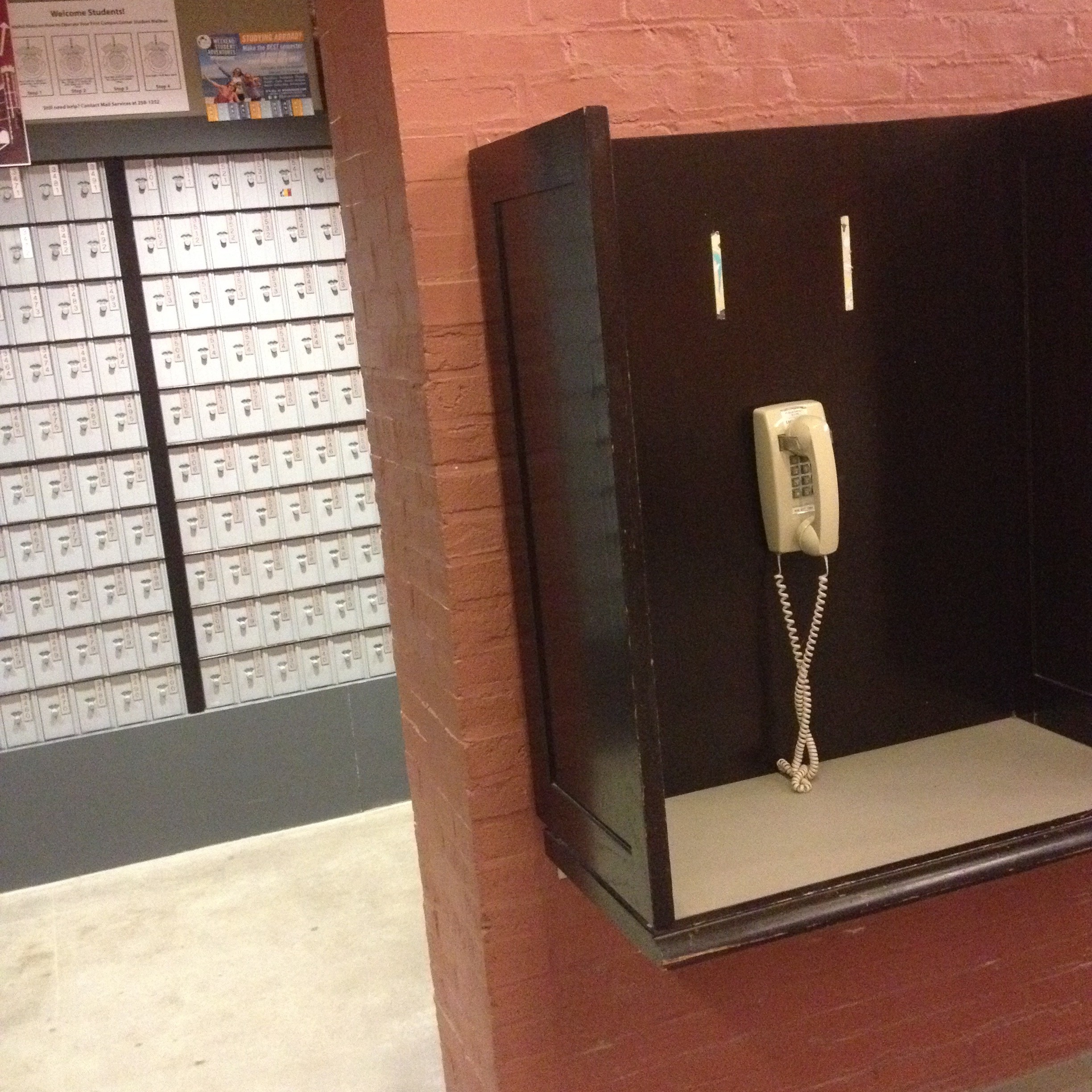
Frist has phones, which means you can assess your argument on the way to late meal…

That doesn’t mean I want my sisters to always agree with me. In fact, the opposite can be much more useful (and is, admittedly, much more common).  A classic example: asking my oldest sister “Would you accept that Jersey Shore represents a modern version of the American frontier myth?” made her question more than just my thesis.