I came to Princeton because I planned on being a research scientist, probably in academia. I knew what came next, and it was exciting: four years of undergrad, five years of PhD, and a two-year post-doc, so I could have a real job by the time I was 30. That meant I needed research experience, and boy oh boy did Princeton provide research experience.
Icahn, where my research journey at Princeton began
Research is about exploring the unknown, and from the beginning I did just that. As a student in the Integrated Sciences Curriculum (ISC), I had to learn MATLAB, LaTeX, ImageJ, JAVA, and countless other acronyms and jargon. And I had to learn them fast, using them to solve problems and write about them, in an ordeal I described as “drinking the nectar of Olympus—from a fire hose.”
For AB Princeton sophomores, April 19, 2016 was (and still is) a date engraved in our brains. It marked the deadline for declaring our concentration. By extension, it also symbolized a major transition in our academic careers. April 19 signaled the end of days, weeks and even months of uncertainty mixed with internal debates and (many) last-minute mind changes. Theoretically, the passing of April 19 should have put us sophomores at ease. No more doubt and anxiety …right?
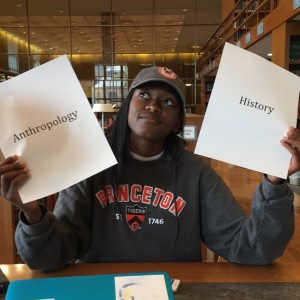
Still feel torn between two concentrations?
On the contrary, I personally have experienced some uncertainty since declaring my major (Woodrow Wilson School of Public and International Affairs, also known as “Woody Woo”). Given that many of my friends have had similar feelings, I’ve decided to address two questions that my fellow not-so-anxiety-free sophomores might have post-concentration declaration.
As thesis season draws to a close, the last group of seniors are proofreading their final drafts and preparing for the moment they become #PTL forever! Often, the very last thing seniors review is their very, very long bibliography. Bibliographic sources are primarily used in literature reviews, which summarize the relevant work and background in a field. While bibliographies may serve as the last page of theses and research papers, they can also prove to be a huge headache for the researcher who has neglected them. Among several other potential issues, missing in-text citations and/or incorrectly citing sources can negatively impact the credibility of a research paper. Keeping an organized bibliography throughout the whole research process can work wonders to prevent this kind of confusion.
Two summers ago, I learned this lesson firsthand when I spent hours trying to find and cite sources for the intro section of a chemistry research paper. My lab supervisor suggested I download an application called Mendeley Desktop, and it has probably ended up saving me hundreds of hours since then.
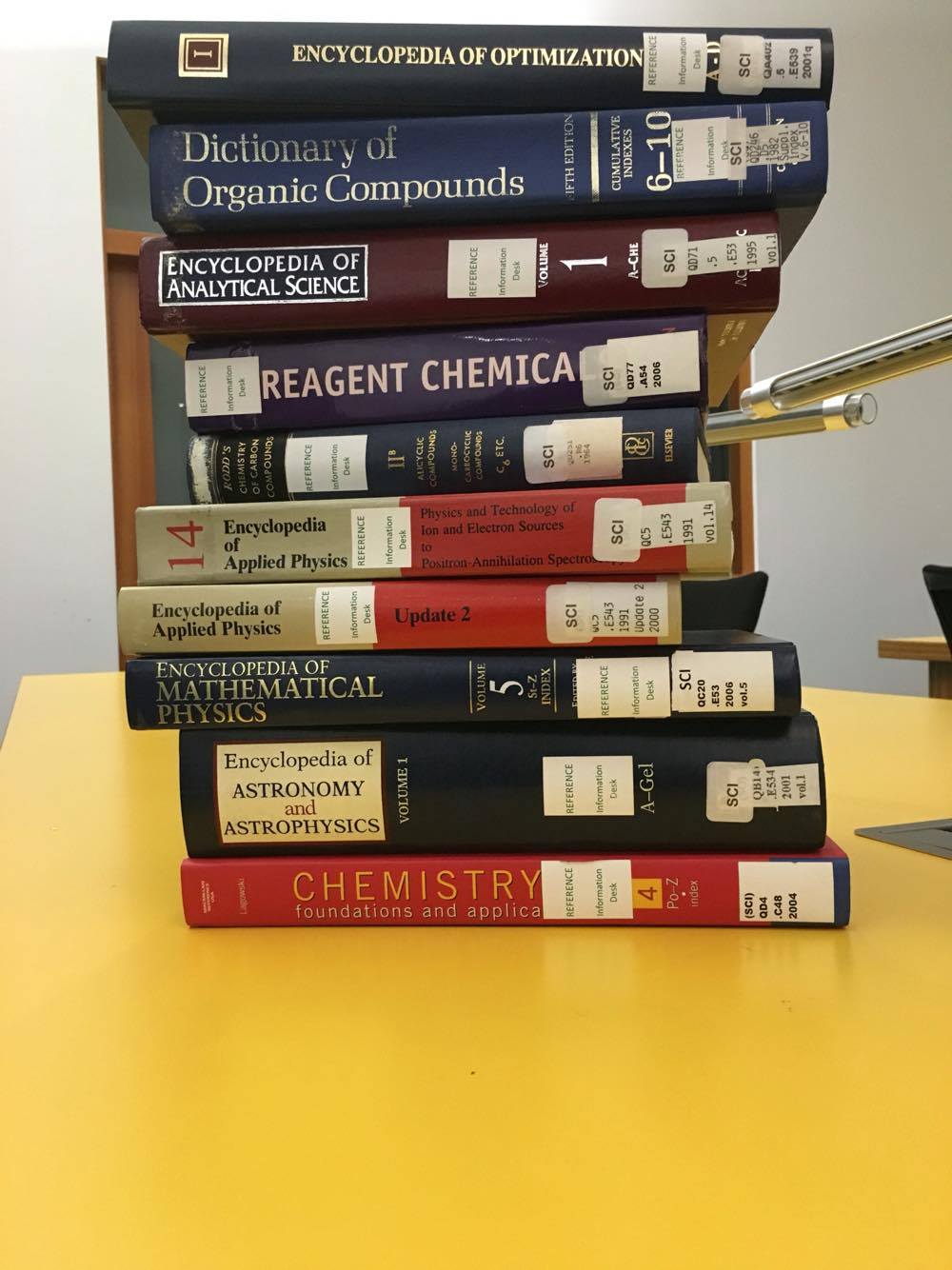
Imagine trying to cite all of these sources by hand! With the help of Mendeley, you won’t have to!
Mendeley is an online and desktop program that lets users upload research papers, publications, journals, etc. and manage them in an organized library. It is probably best known for its referencing features, which help users generate citations by simply uploading the relevant research papers. In high school, that’s what I primarily used Mendeley for; my research partners and I created our own account where we stored all of the relevant literature in one library. But just last week, I re-downloaded the latest version of Mendeley and was pleased to see some awesome new features. Below, I’ve detailed the top 5 features that I find most useful:
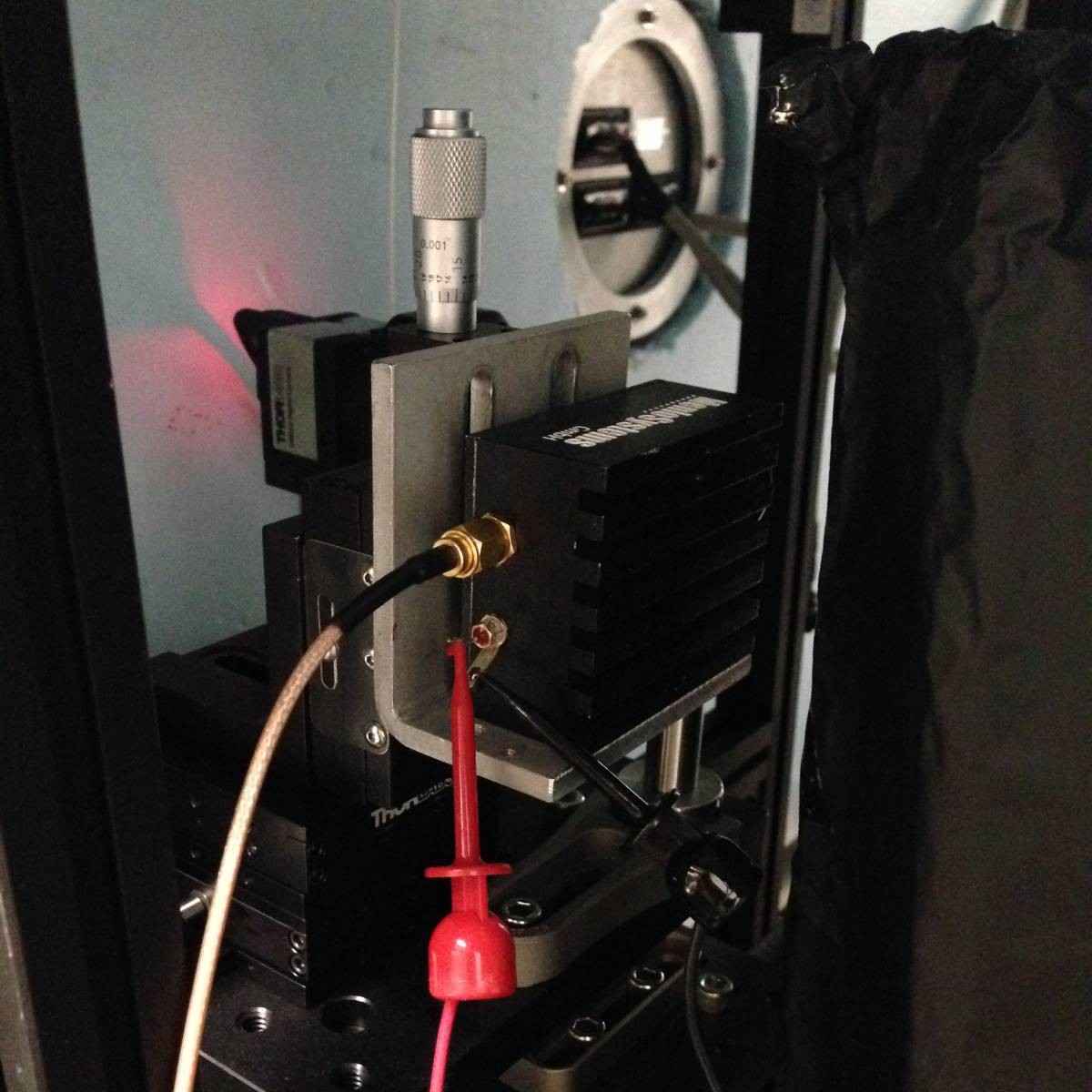
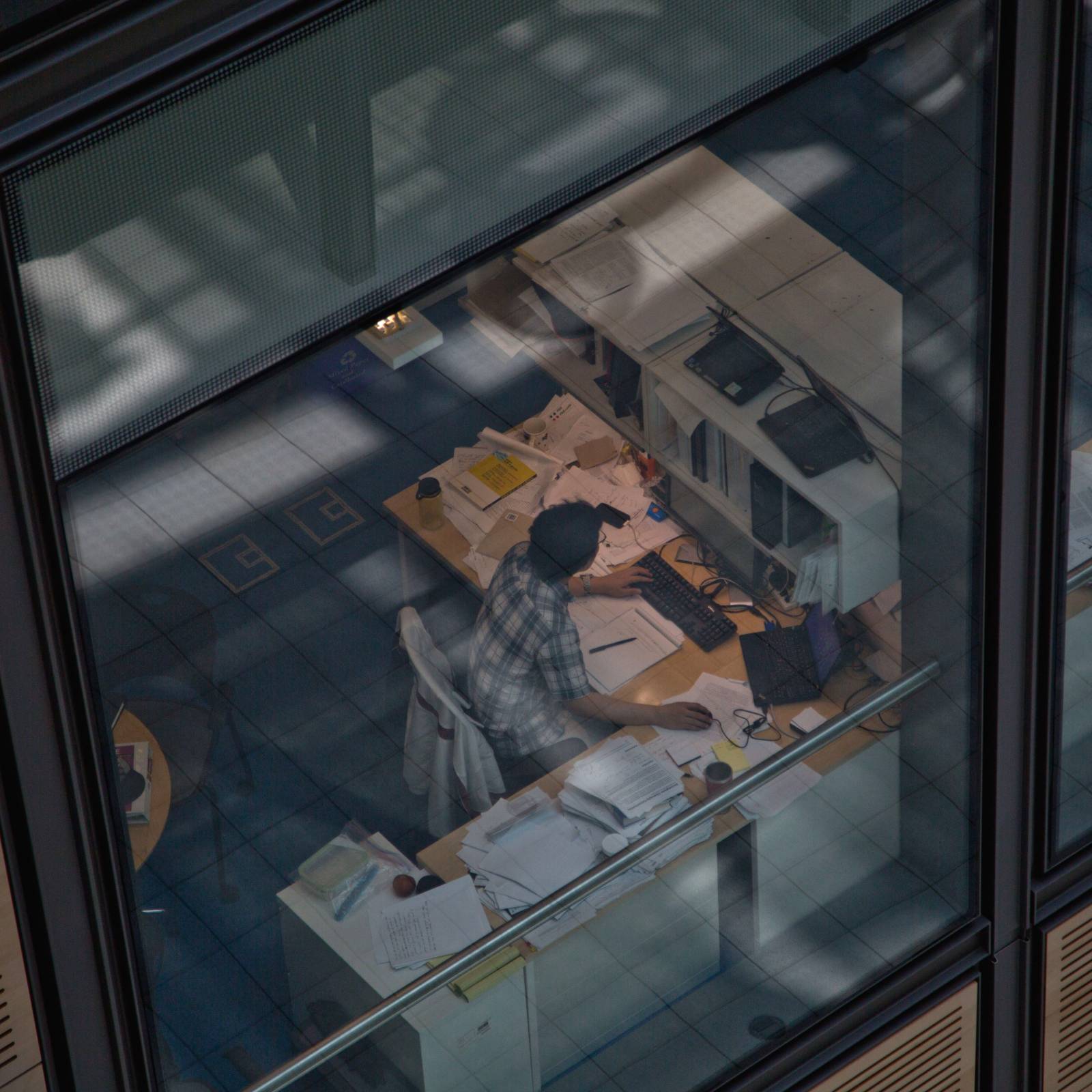
The lab is also very dark — because we don’t want any reflected light on our newly hooked-up detector!
On the surface, the products of engineering seem incredible. You can make iPhones, self-driving cars, and robots that swim inside your bloodstream. But what makes engineering incredible is also what makes it hard. You’re manipulating the very rules of nature to work in your favor, and nature doesn’t always want to do what you tell it to.
Still, sometimes the magic of the end product conceals the hours of drudgery in the lab. I used to think of it almost as a given: You spend long hours in the lab, and with enough time, something always pops out from the other end.
Unfortunately, that idea doesn’t take into account the endless frustrations of engineering. They’re a very real and very unavoidable part of lab research. With a week to go before my thesis deadline, everyday problems in the lab have become even more agonizing. Here are a few quotes I picked up in lab that sum up what’s going on this week.
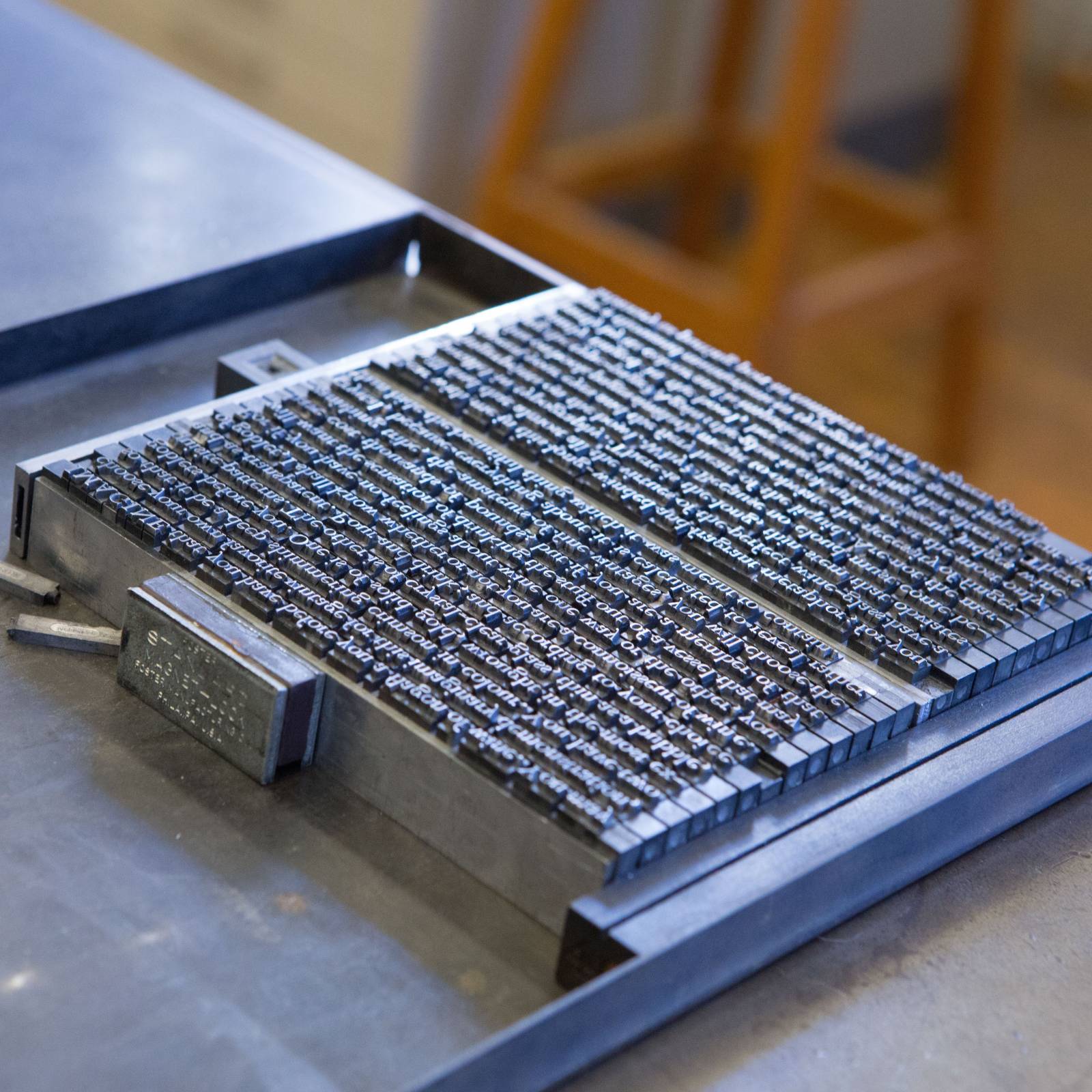
Unfortunately, writing isn’t just stamping words on paper like this printing press does. How do we get the words flowing in the first place?
Recently, I’ve been thinking a lot about writing.
I’m sure part of it is because I just turned in my thesis, the longest written work I’ve ever completed. Another part, I’m sure, is my recent decision to go to grad school for science writing. While I’ve always enjoyed writing, I still find it difficult enough that it’s strange and terrifying to think I may soon do it for a living.
But even if you’re not taking that crazy leap like me, writing is a necessary part of research (among many, many other things). And like every other skill, writing only gets better through practice. But how you practice matters, and so — while much of the advice below can be summed up as “just keep writing, all the time” — here are three particular strategies that have worked for me.
Write something
If you’re stuck, just keep writing. There’s a lot of advice out there about how to make sure you have the best outline (and writing really is easier when you’re fleshing out an outline instead of pushing ahead blindly without any guidance). But even an outline can sometimes feel like too big of a step when you’re faced with the blank page.
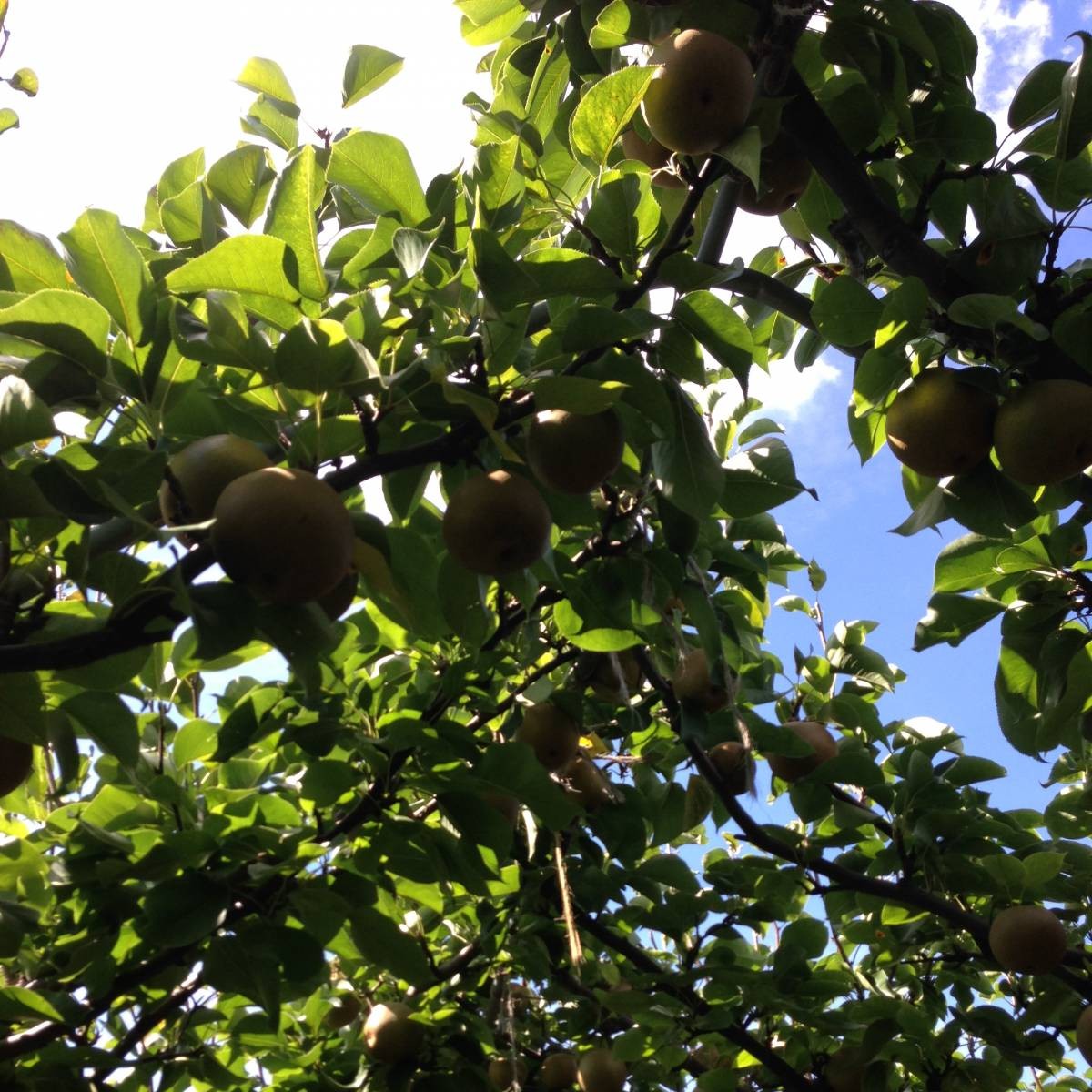
The canopy of a nearby orchard, where I went picking pears earlier this year.
There’s no denying it: It’s hard to escape the “Orange Bubble.” With so much to do on campus, it’s hard to think of reasons to leave our little insulated community. But the deeper I venture into my thesis (due May 2; the coveted Post Thesis Life doesn’t exist for ELE majors), the more I realize how easy it is to get lost in long days of endless work —and how important it is to leave the Orange Bubble once in a while.
Late nights in Frick – an all-to-familiar scene for me and many other thesis students.
This week, I tackle inner despair: How can you push forward when in your work you see no hope?
My thesis project holds no immediate promise of hope for the reefs, or of curing some plague, or of fantastic future technology. The motivation for basic biochemical research comes from its intrinsic beauty, and the hope of applications long in the future. I was incredibly excited about my thesis project at the beginning – I was asking fundamental questions about the origin of life; I had the potential to create something genuinely new. Inevitably, though, my project hit obstacles – both technical problems and scientific difficulties indicating misconceptions in my original idea.
So, the thesis I’m currently writing looks nothing like the thesis I imagined last spring.
I know it’s hard to believe, but it’s spring again, and we only have a month to go before finals. As summer approaches, many Princetonians are getting ready for jobs, internships, and — if they’re lucky — vacation. Others, like me, are prepping to do research.
This has been on my mind a lot recently. I am a PIIRS Undergraduate Fellow, which means I am receiving funding and guidance to conduct my thesis research abroad this summer. Recently, I submitted my final proposal. I hope to explore Brazilian psychoanalyst Nise da Silveira’s legacy outside of the realm of psychology. Known for using artistic expression as a means of treatment for schizophrenic patients, da Silveira’s teachings serve as a source of inspiration for some artists in Brazil. Finishing my proposal forced me to prepare for my time in Rio. Here, I thought I would share the five steps I found most helpful.
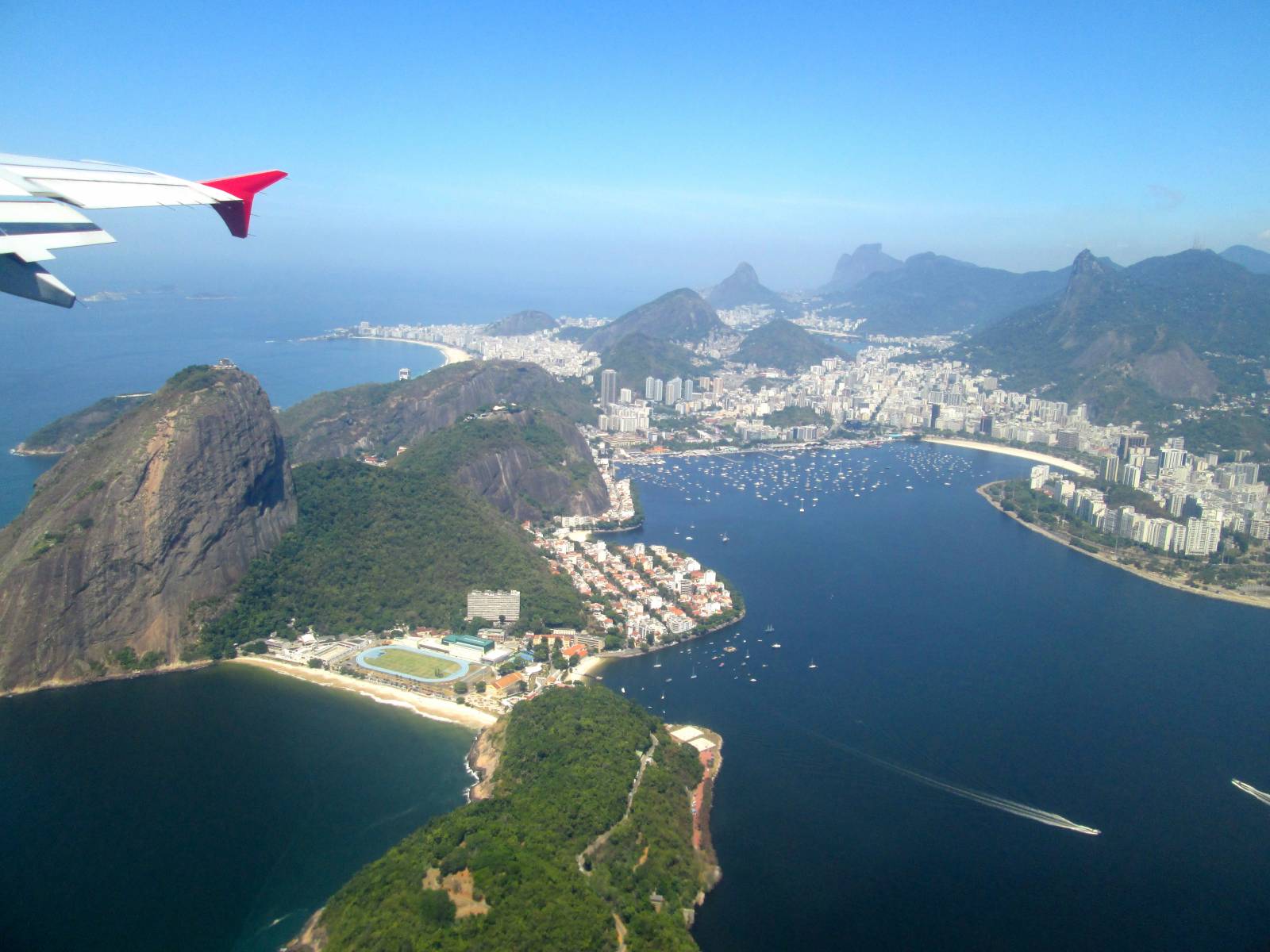
A plus about doing my summer research in Rio? Seeing this view from the plane!
1) Think about your personal goals and interests. Reflect a little. What do you want to get out of your independent work? For me, I know I want to become a better ethnographer, improve my fluency in Portuguese, and immerse myself in Rio’s art world. My project is designed to address these goals by placing me in constant contact with artists. Locating your areas of interest and desired growth is important if you haven’t picked a topic yet, too; find something that excites you! After all, independent work is more than a torturous graduation requirement—it’s your time to grow intellectually and hone in on something enthralling!
2) Talk to professors. I know this is something we write about a lot on PCUR, but that’s because professors are such valuable resources. Once I had my initial ideas to explore art and mental stigma, I spoke to two professors about the topic. I left these meetings not only with ten books to take out of the library and myriad themes to begin exploring, but also with the confidence that this project was a good one.
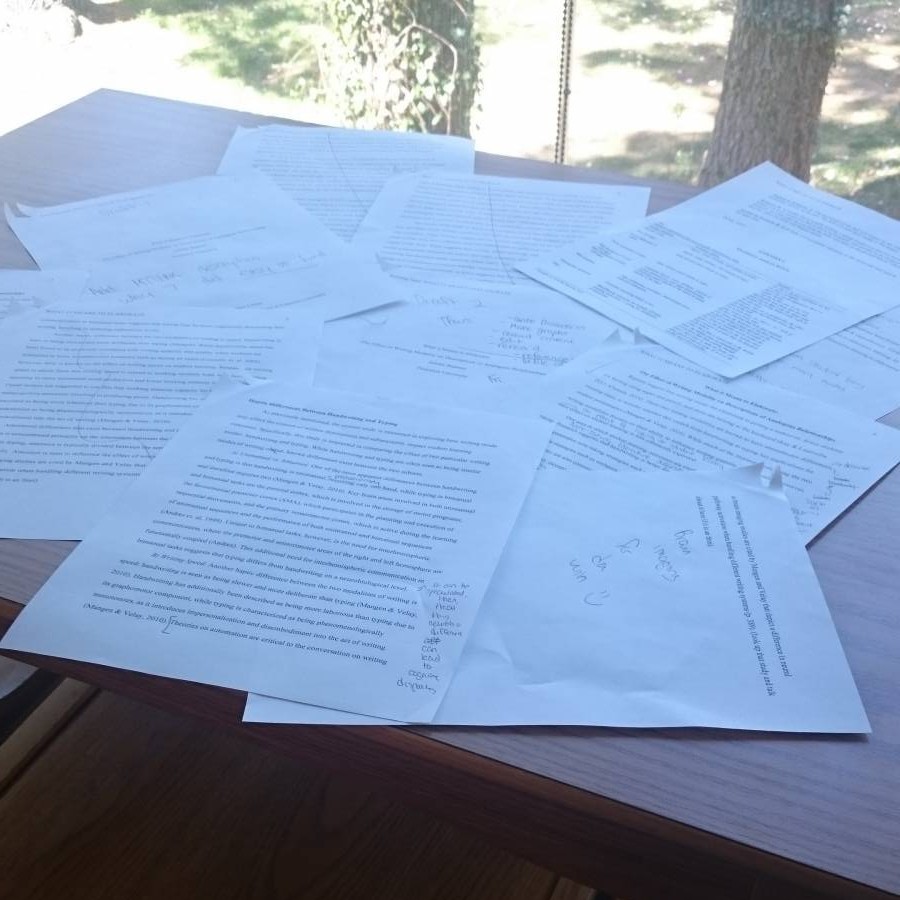
Many juniors and seniors will spend their sunny spring days inside revising!
With JP and thesis deadlines quickly approaching, many students have moved from the writing stage to what seems like a never-ending cycle of editing and revising. Editing and revising independent work (or any long paper) can be daunting, mainly because there’s a lot of content and there’s always some way to improve your writing. While there is no “perfection test” to let you know when your independent work is immaculate, here are some telltale signs that you should probably just hit submit:
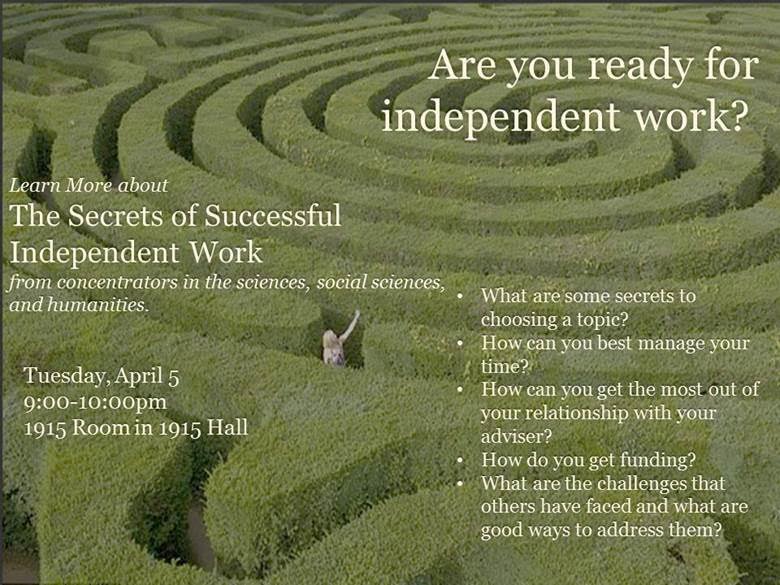
If you’ve never completed an independent work project, you probably have questions about how the process works. As usual, if you’ve got questions, PCUR has answers. Join me, Zoe, and others for an informal discussion about independent work tomorrow night (Tuesday, April 5) from 9-10pm in Butler College (1915 room). Check out the flyer below: