Categories
Independent Work Present & Publish Findings Research Life

A Guide to Independent Work Abroad

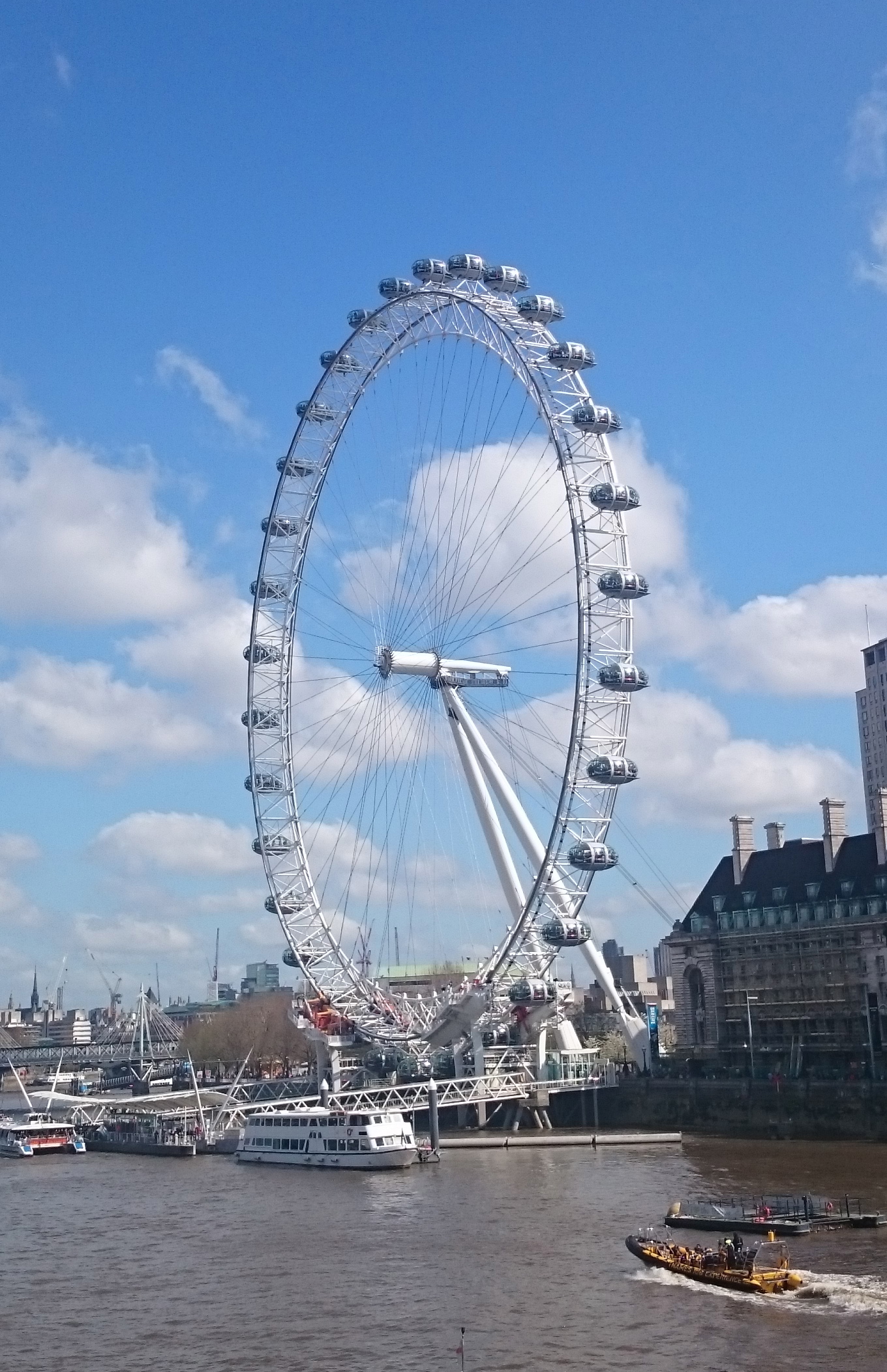
Studying abroad entails a lot more than just visiting famous landmarks like the London Eye (photo credit Jalisha Braxton)
Studying abroad entails a lot more than just visiting famous landmarks like the London Eye.

One of the biggest concerns students have when considering studying abroad junior year is how they will work on their independent work, specifically their Junior Paper (JP). While the experience of writing a JP abroad varies from person to person, I can say that I found writing the JP abroad to be a lot easier than I had initially expected! I did, however, intentionally seek out ways to facilitate the JP writing process. Here are a few things I did that can make JP writing a lot easier if you’re planning to go abroad:

First off, I found it extremely helpful to start thinking about my JP in advance, at least a month before leaving for study abroad. Although I wasn’t sure what I wanted to write about, I had a general area that I wanted to explore (cognition in the classroom). By deciding this early on, I was able to meet with my adviser and brainstorm potential JP topics. Together, my adviser and I also found professors at my university abroad who were involved in research related to the areas I was most interested in. I was then able to reach out to these professors via email to introduce myself and find out which classes they were teaching the following semester. I actually ended up taking a class based on the work done by a professor that I reached out to, and it really helped me narrow down my JP interests!

That leads to my next recommendation: design your coursework around potential JP topics.
Categories
Conduct Research Independent Work Present & Publish Findings

From Paper to Presentation: Completing the Research Journey

Moving from the paper to a presentation.

Most of us consider the submission of our bound theses to be the end of the Princeton road. While this is definitely a huge accomplishment and a major milestone along the path (congratulations!), we shouldn’t forget that many of us are still required to communicate our findings as a presentation to the wider community. In fact, this last step is arguably even more important than the bound thesis itself – what good is your hard-earned discovery if no one knows about it?

But the presentation brings with it some unique challenges – how do you communicate your findings to a general (or at least wider) audience? How do you condense one year’s worth of work into just 10 minutes?

Categories
Conduct Research Independent Work Present & Publish Findings Resources

Learning from What Isn’t

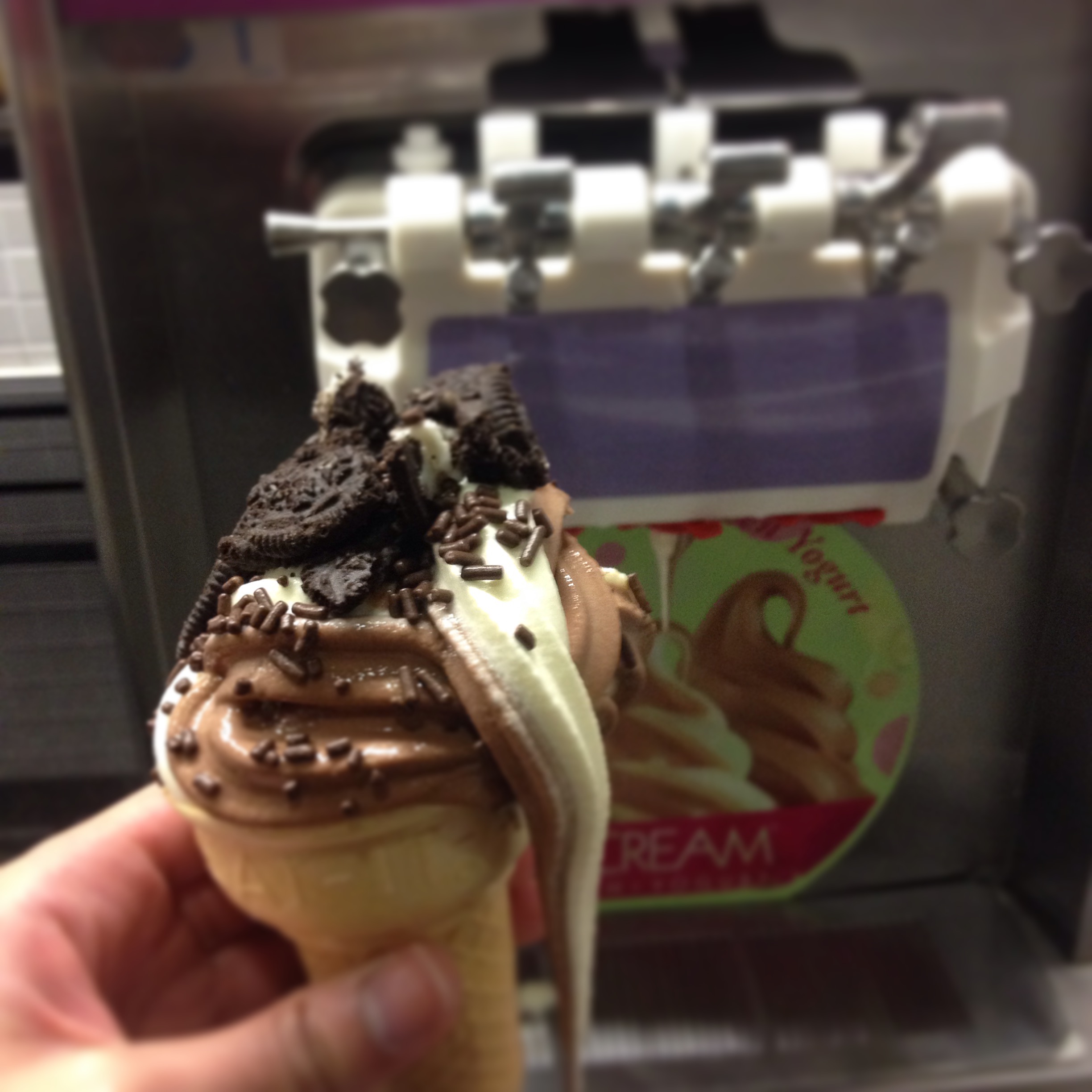
With May finally here, we’ve reached the home stretch of the 2014-15 school year. Make no mistake: This is an achievement. You deserve to celebrate. Grab an extra fro-yo cone next time you’re in the dining hall, and enjoy knowing the machine has more handles than there are weeks remaining in the semester.

IMG_3593
Here’s hoping your fro-yo cone turns out better than mine.

After that *debauchery*, ease back into the research world with a reflexive book – like Verlyn Klinkenborg’s Several Short Sentences About Writing, which was recommended in my African American Studies class last semester. As the title makes clear, it’s a series of short sentences about how to approach the writing process. Klinkenborg replaces oft-repeated mechanical suggestions with much more useful ideological ones. My favorite appears on page 29: “Every sentence could have been otherwise but isn’t.”

Following Klinkenborg’s words, every sentence in your research papers is a deliberate choice. Every argument could have reached a different conclusion, but did not. As you question, test, and analyze facts in your independent work, a crucial step is to recognize why you chose a particular arrangement of information. This goes beyond mere adherence to a thesis. Why did you pursue one research lead, and not another?  

Categories
Conduct Research Independent Work Present & Publish Findings

Moving Forward by Looking Back: Revisiting Old Posters, Papers, and Texts

2015-04-01 11.31.18
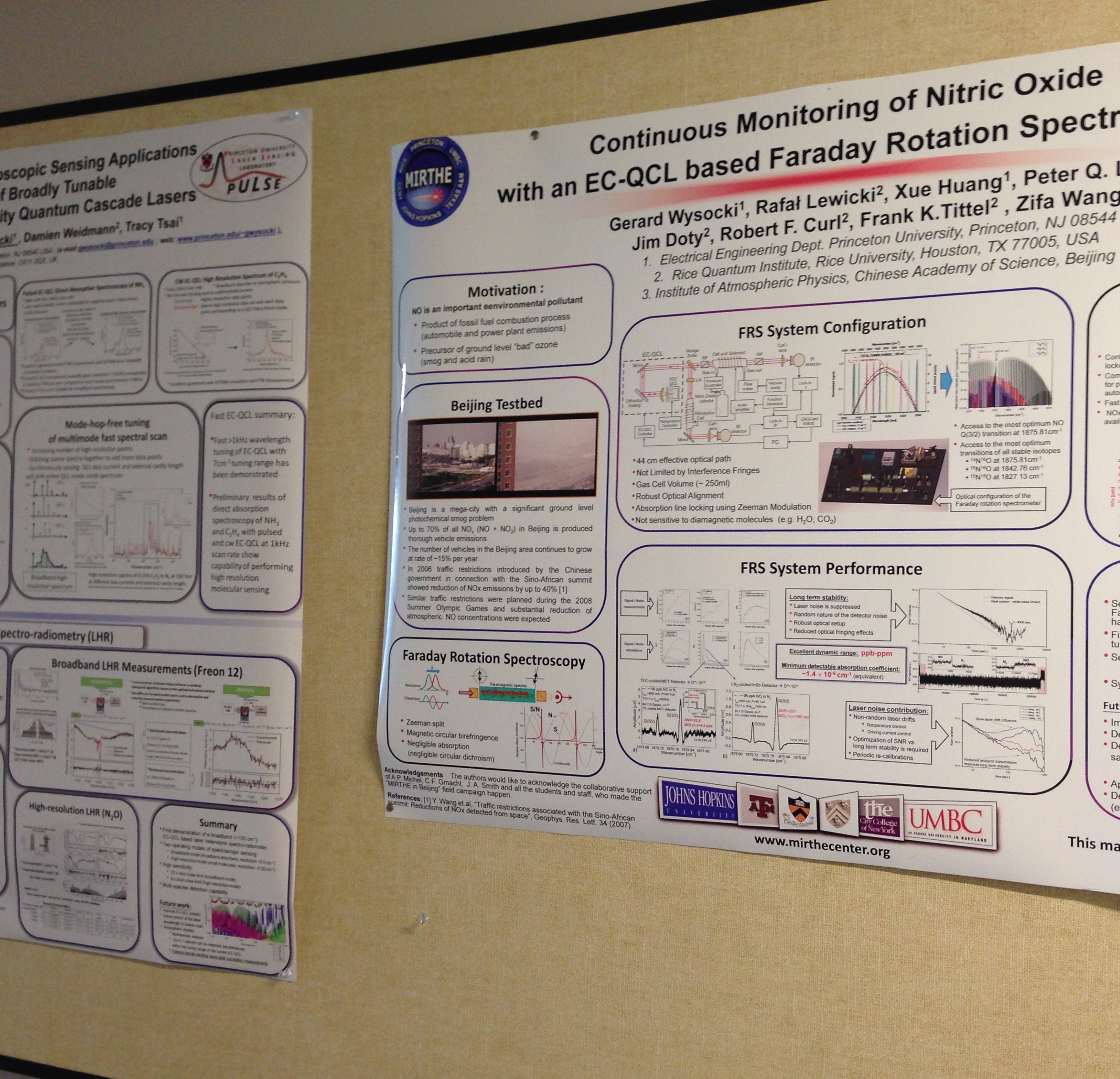
A couple of the posters that hang outside the lab.

Deep in the darkest depths of the E-quad, there is a lab I go to—a lab where I run all my optics experiments, run tests with the breath analyzer instrument I work with, and that I have come to know and love during the past year. The entrance to the lab actually includes a space for presentation posters, which show off the work of graduate students and past interns. Usually I’m in a rush to get in or out and don’t spare these posters a second glance. But last week, for some reason or another (perhaps because I was feeling less stressed than usual), I decided to take some time to  look at them.

When I did, I was surprised. What had seemed to me before like a mass of incomprehensible jargon and tangle of convoluted science was now something more tangible—here were key words I had encountered over and over again throughout the past year, concepts I had heard about many times in group meetings. Even within a mix of phrases that were still not so familiar to me, I could at least grasp what the projects were about and start to see what was so relevant and interesting about these projects. I even found the work that described the novel technology behind the breath analyzer instrument I currently work on, and I felt good being able to understand that poster in its entirety.

It’s kind of strange. Even though I had looked at these posters before, that was back when I had first joined the lab, more than a year ago.

Categories
Independent Work Present & Publish Findings

To those still in Thesis Life…

Those tanks can be flipped soon... (Photo by Yuem Park)
Those tanks can be flipped soon…

Congratulations to all seniors who have finally attained the legendary PTL! After four challenging (but hopefully rewarding) years, you deserve the relaxation that post-thesis life affords you.

But there are still many seniors who can only dream of such relaxation. And, as “#PTL” floods social media and the black tanks rapidly turn orange, it’s hard to not feel a twinge of jealously for our carefree friends.

Don’t let these friends distract you from the final push! These last few day are crucial for your thesis. As with all deadlines, the final approach is almost always the most work-intensive (even if you’ve been working diligently throughout the year).

In an attempt to keep you all motivated, here are a few words of advice:

Categories
Independent Work Present & Publish Findings

Some Quick Tips on Making Figures

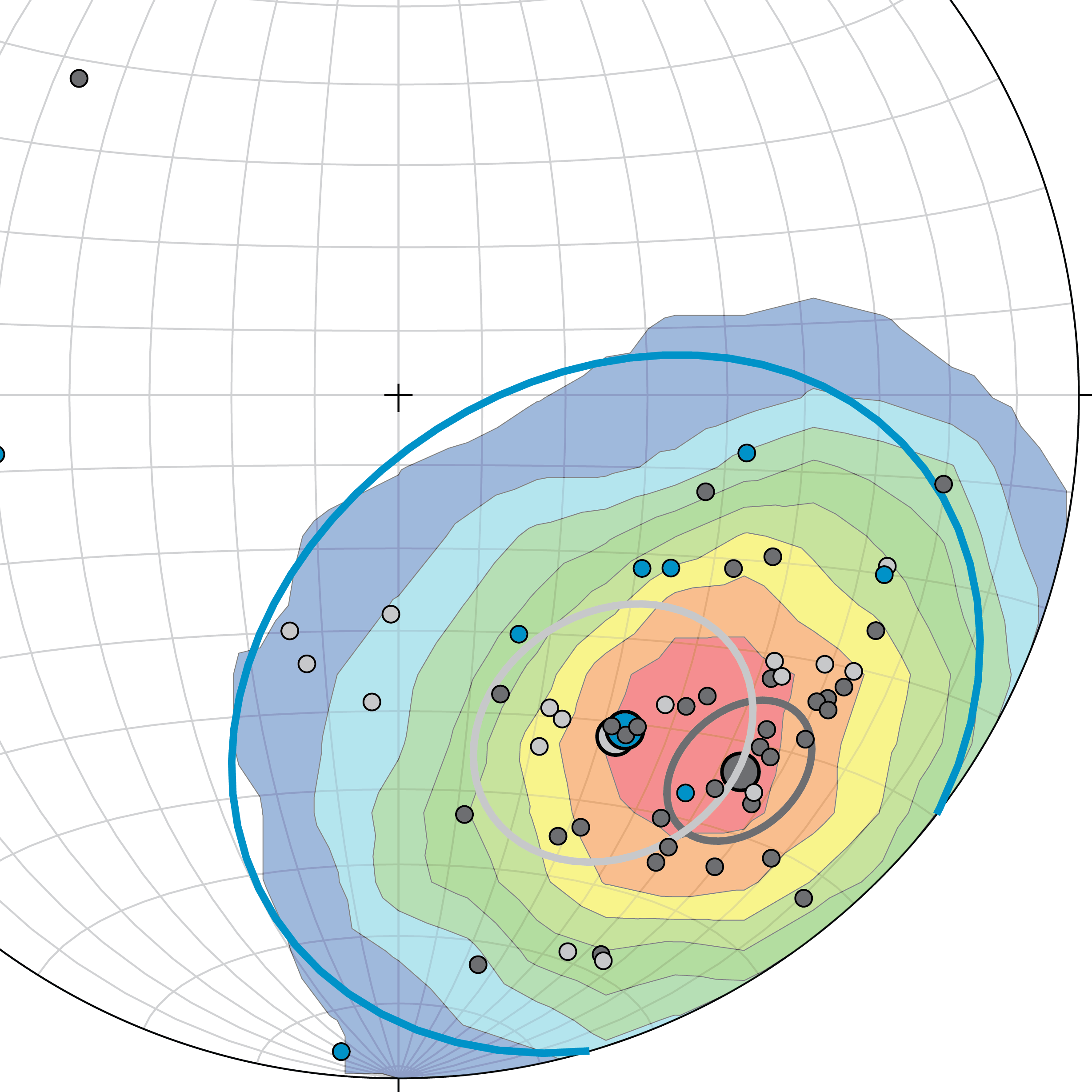
Part of a figure I am working on.

For my fellow seniors – the end is in sight.

At least in theory, we’re at that stage when we’re polishing up our theses, making sure that our words make sense and our figures are intelligible.

But, it is also important to make sure that our theses look nice – nothing shouts amateur more than a pixelated figure hastily scribbled freehand in MS Paint.

Don’t know where to begin? You’ve come to the right place. Below I’ve briefly outlined a few quick tips to making your thesis look like the work of a seasoned professional… even if it’s not. Some examples are tailored more toward those with quantitative data, but hopefully there is enough below to be useful to anyone, whether you’re making bar graphs, diagrams, or anything in between! 

Categories
Independent Work Present & Publish Findings

April is Coming

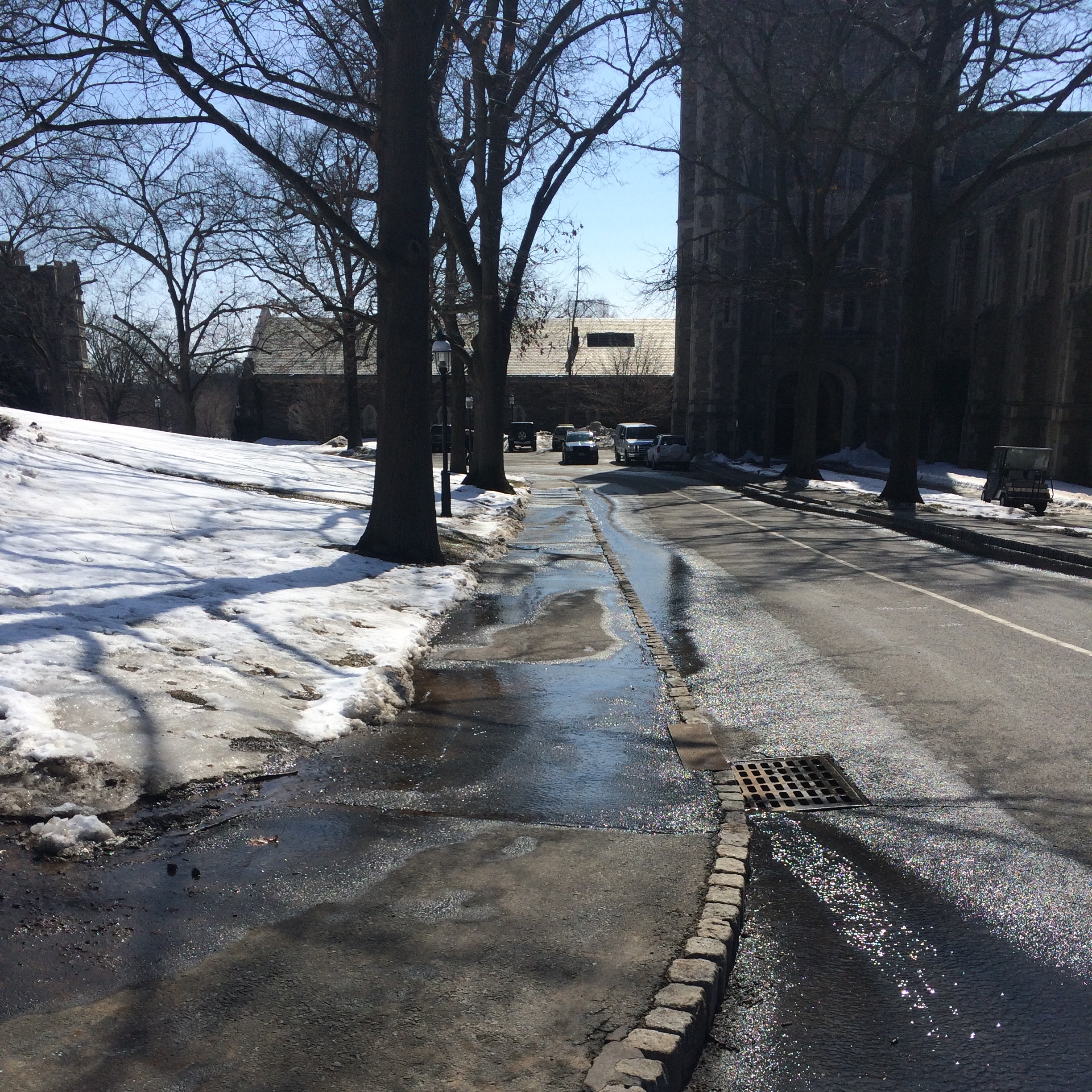
The snow is melting!

The saying goes that “March comes in like a lion…” and March certainly is one of the most difficult months at Princeton. Here are some of the things that get me down in March when it comes in like a lion…

  • brutal temperatures
  • unexpected snowstorms
  • midterm week
  • independent work crunch-time
  • springtime seems out of reach

…BUT the saying also goes, “…it also goes out like a lamb.” Which means we can look forward to:

  • warmer weather, sunshine, and melting snow
  • independent work deadlines (consequently, submissions!)
  • no midterm week
  • bound theses, and more academic freedom
Categories
Conduct Research Independent Work Plan Beyond Graduation Present & Publish Findings

“Transferable Skills” – The Answer We’ve All Been Waiting For

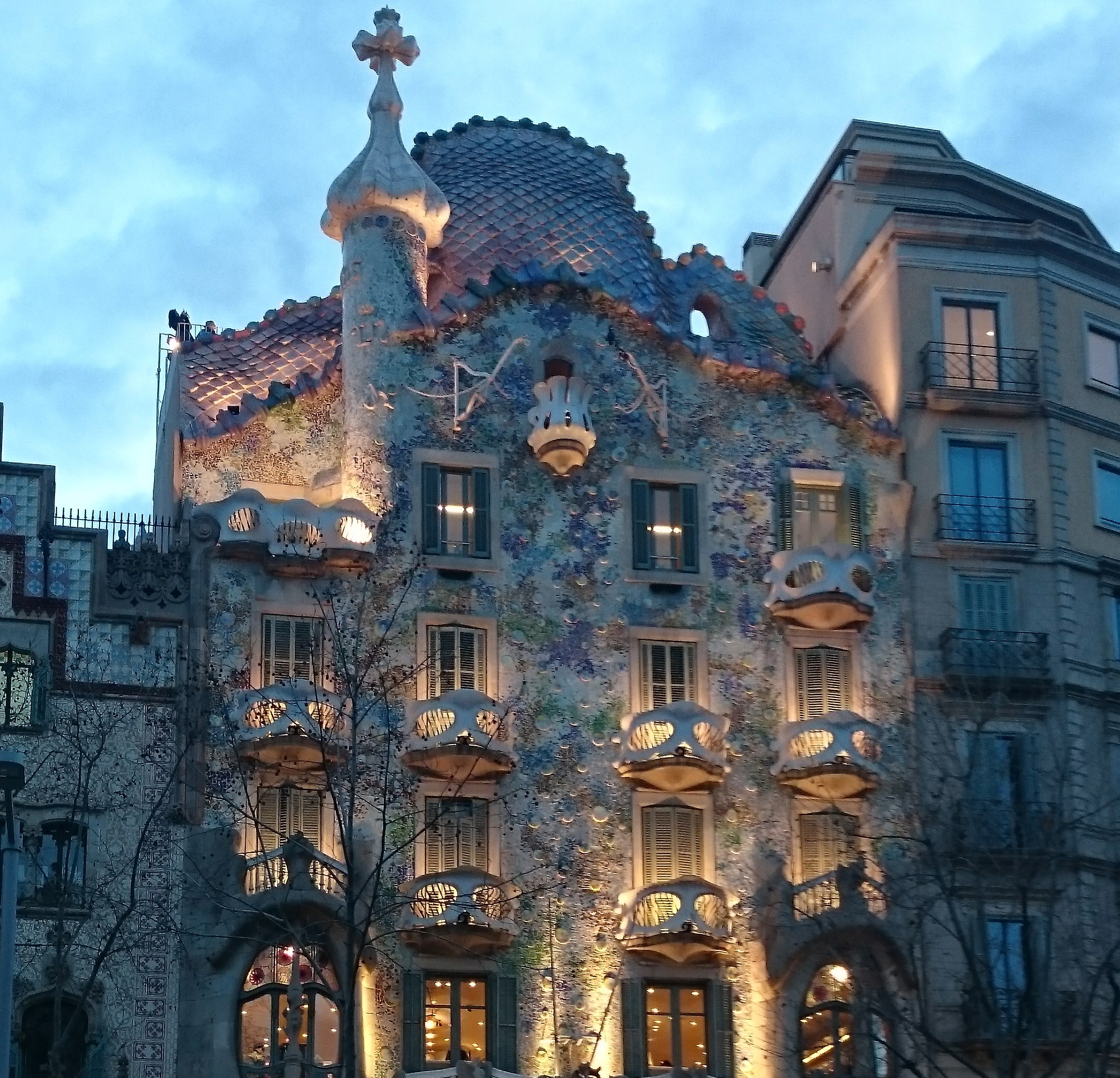
Whether you consider yourself a scholar or more of an artist, transferrable skills can help you achieve your dreams! (Photo of Antoni Gaudi's "Casa Batllo" in Barcelona, Spain. Photo credit: Jalisha Braxton)
Whether you consider yourself a scholar or more of an artist, transferable skills can help you achieve your dreams! (Photo of Antoni Gaudi’s “Casa Batllo” in Barcelona, Spain.)

As students, we frequently ask a particular question regarding our coursework: “How is this going to help me in the future?” While sometimes posed sarcastically, with a hint of disdain for whoever invented subjects like Calculus, our intention behind asking this question has always been to elicit a meaningful response that proves our coursework worthwhile. For some individuals who plan to go into academia after undergrad (myself being included), the correlation between our current coursework and our future occupation is highly apparent: writing literature reviews and research proposals now will help us write better ones in the future. No brainer. But what about the individuals who plan to work outside of an academic setting?

Interestingly enough, I recently discovered that many students at British universities receive a document from each professor listing the indispensable life skills they’ll develop through the completion of their coursework. These skills, referred to as “transferable skills”* for their usefulness in just about every occupation, encompass everything from thinking critically and negotiating to managing resources and communicating globally. This listing of skills not only seems beneficial for individuals looking to beef up their resume, but also for anyone trying to find purpose in their academic work.

Categories
Independent Work Present & Publish Findings

Things I Don’t Thesis Without

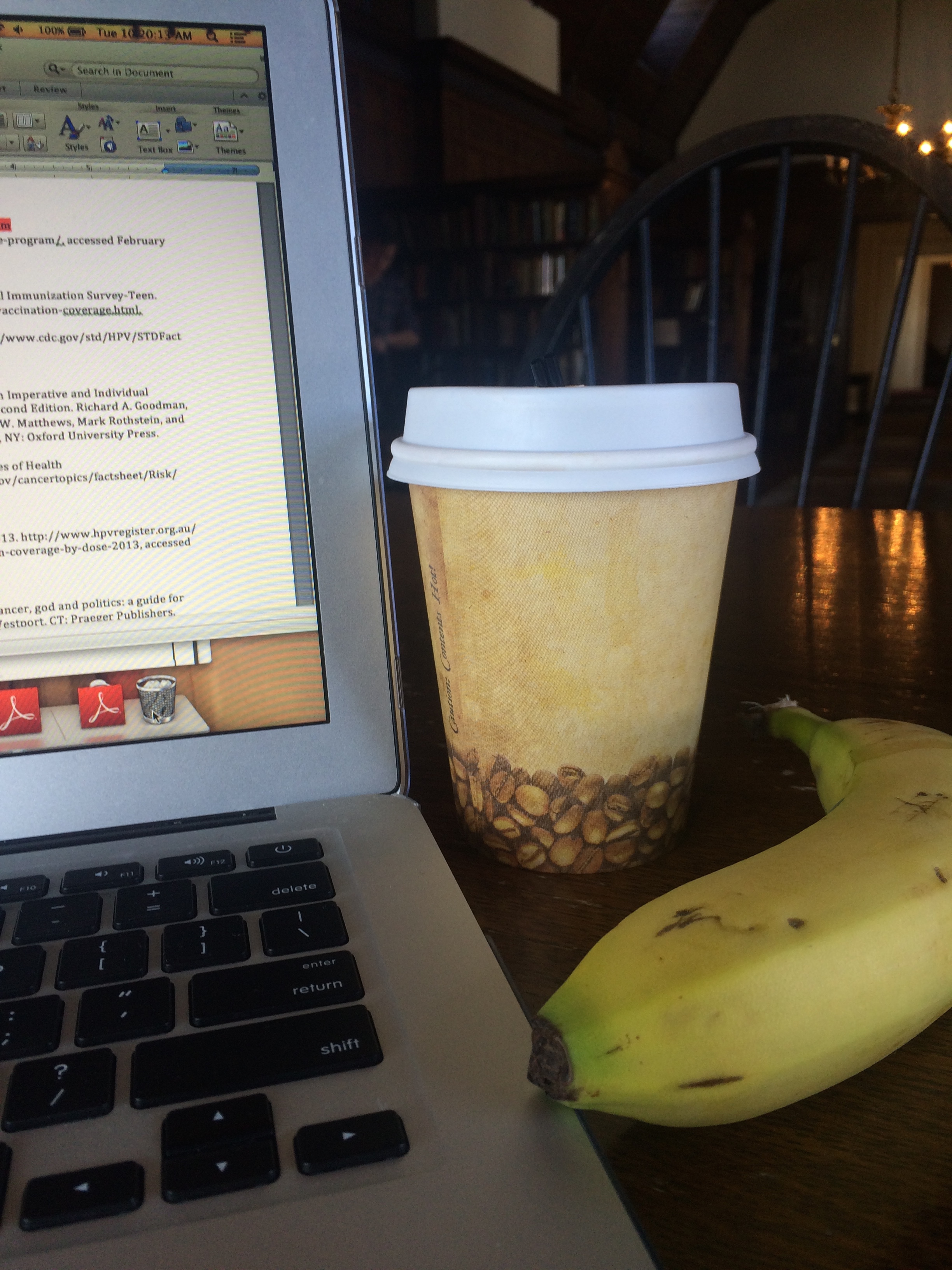
This week’s post is a photographical account of the three main things I never really write my thesis without – the things getting me through the next month and a half, the things that are the only reasons I have any words on a page at all, etc.

A snack, and maybe a coffee: I’m not a huge caffeine person, but a small coffee and a banana usually does the trick when I need a small boost of energy after a long work period.

Categories
Conduct Research Independent Work Present & Publish Findings

The Power of Fresh Perspectives

It often becomes clearer when you change your perspective…

As winter break rolled in, I finally had the opportunity to focus on my thesis and make substantial progress. However, as always, it wasn’t going to be easy.

Generally speaking, the problem sets assigned in class have a solution.  You know that if you focus and spend time on them, it is (at least in theory) possible to come to the correct answer and complete the problem set. The challenge with research, however, is the very real possibility that the ultimate solution is unattainable with the methods/data that you have available to you.

It was precisely this problem that I encountered over the winter.