Want an organized JP or Senior thesis? Doing a quantitative research project? Want funding to support your great ideas? Sign up for the workshops below!
— This week —

Want an organized JP or Senior thesis? Doing a quantitative research project? Want funding to support your great ideas? Sign up for the workshops below!
— This week —
In a continuation of last year’s seasonal series, this winter, each PCUR will interview a Princeton alumnus from their home department about his/her experience writing a senior thesis. In Looking Back on Undergraduate Research: Alumni Perspectives, the alumni reveal how conducting independent research at Princeton influenced them academically, professionally and personally. Here, Ellie shares her interview.
~~~~~

Jacob Schatz graduated from Princeton in 2015 with a degree in Psychology. After graduation, he worked as a lab coordinator at the Temple University Infant and Child Lab until this past fall, when he began graduate school in New York University’s Applied Psychology program. I had the privilege of talking with Jacob about the independent work in psychology that he conducted at Princeton. He provided the following insights on how his interests in psychology and education inspired his senior thesis research on how children learn from storybooks and his professional trajectory beyond Princeton:

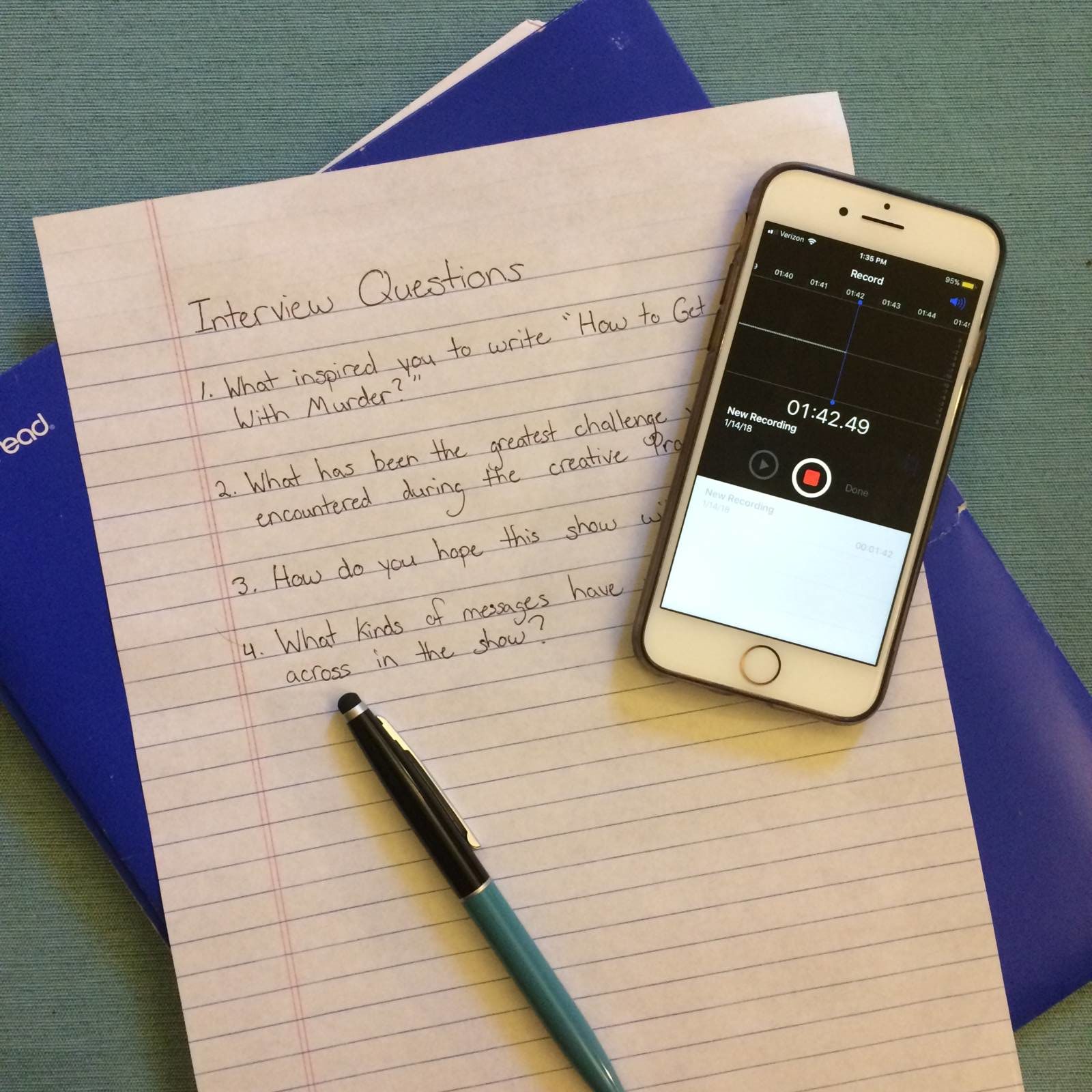
As students, we hear a lot about preparing for interviews, especially when it comes to answering questions about ourselves. But what about conducting our own interviews? For my thesis, I will be traveling soon to interview film producers about their work, and I have been wondering what I should do in order to prepare. More specifically, how do I get the most out of an interview that will be used for research? After looking up pointers and consulting with my adviser, I’ve compiled some helpful tips on how to be an interviewer:
In a continuation of last year’s seasonal series, this winter, each PCUR will interview a Princeton alumnus from their home department about his/her experience writing a senior thesis. In Looking Back on Undergraduate Research: Alumni Perspectives, the alumni reveal how conducting independent research at Princeton influenced them academically, professionally and personally. Here, Taylor shares her interview.
~~~~~

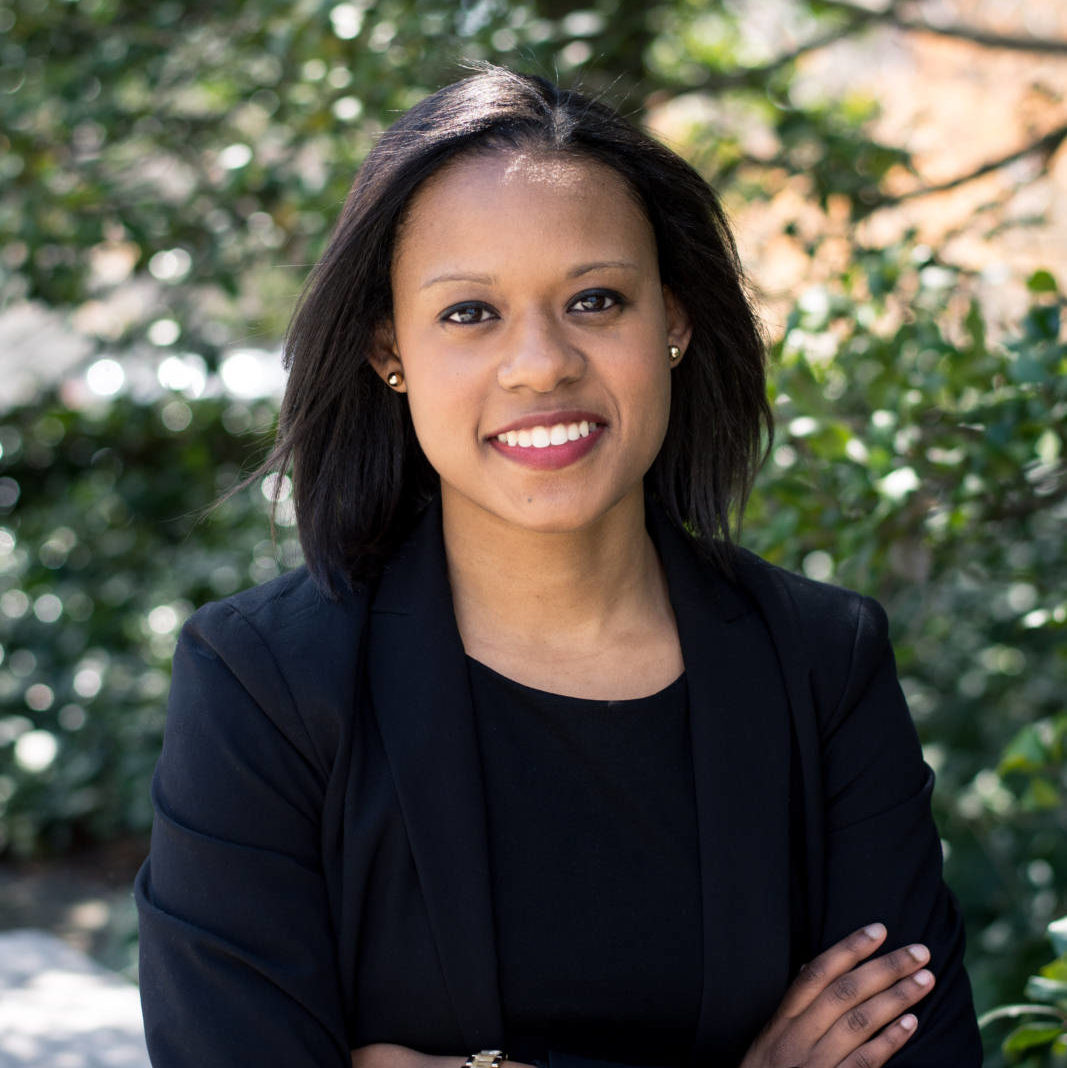
Teri Tillman graduated in 2016 with a degree in Sociology and a certificate in American Studies. Now in her second year at Cornell Law School, she’s the academic chair for Cornell’s Black Law Students Association, the co-president for Cornell’s Sports & Entertainment Law Society, as well as a student associate in Cornell’s Labor Law Clinic. During her time at Princeton, her thesis helped her develop the confidence to conquer any large assignment, and this determination has carried over into her graduate work. Here’s what she had to say about her experience with independent work:
In a continuation of last year’s seasonal series, this winter, each PCUR will interview a Princeton alumnus from their home department about his/her experience writing a senior thesis. In Looking Back on Undergraduate Research: Alumni Perspectives, the alumni reveal how conducting independent research at Princeton influenced them academically, professionally, and personally. Here, Alexandra shares her interview.
~~~~~~
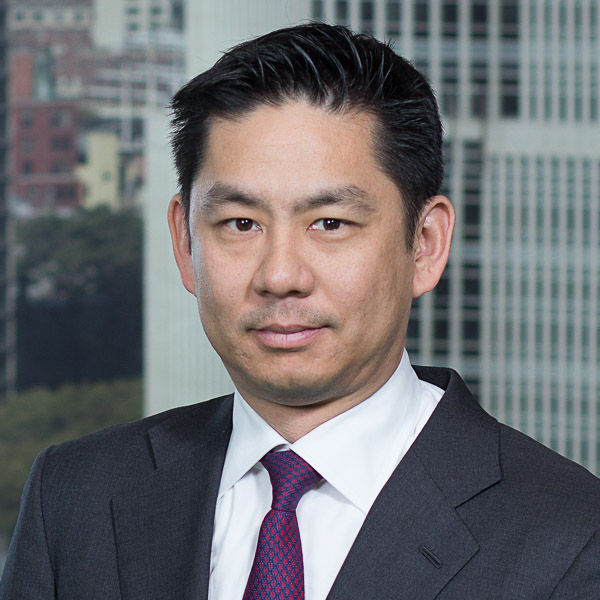
As part of our Seasonal Series, I had the opportunity to interview Masi Yamada ’94, a Mechanical and Aerospace Engineer (MAE). He is currently working as a Managing Director at J.P. Morgan Chase and offered insight about studying MAE and transferring that into the world of finance.

AK: Why did you choose to major in MAE?
MY: A lot of it was the generation I grew up in—as kids, we grew up seeing Star Wars and all those sorts of things; the space shuttle had been developed and there were a lot of engineering and economic resources being put towards defense and aerospace. The Cold War was still going on, so there was an ongoing buildup of arms and technology against the Russians. Back then, aerospace was viewed much like the startup and technology field is viewed now—that was where all the interesting tech jobs were.
I grew up thinking that I wanted to work at NASA—it was always my intention to go into the aerospace industry—but then reality set in. The Berlin Wall collapsed in 1989 and by the time we had graduated in ‘94, the aerospace and defense industry had been downsized and NASA’s budget was being cut. A few of us went on to graduate school, but the majority of us followed the classic Princeton path, going into finance and consulting because those were the companies that were recruiting very heavily at the time.
In a continuation of last year’s seasonal series, this winter, each PCUR will interview a Princeton alumnus from their home department about his/her experience writing a senior thesis. In Looking Back on Undergraduate Research: Alumni Perspectives, the alumni reveal how conducting independent research at Princeton influenced them academically, professionally, and personally. Here, Nicholas shares his interview.
~~~~~~


A couple of weeks ago, I interviewed Kristin Hauge about her independent work in the Music Department to highlight creative independent work in the arts. This week, I got in touch with Edric Huang, a senior in the Anthropology Department with certificates in Urban Studies and Creative Writing. Unlike most students on campus, he will be writing two theses this year. One is the classic research-based thesis that seniors in the sciences and humanities are familiar with, but the second will be a collection of poems for his Creative Writing Certificate. If you are unfamiliar with the kind of work that goes into creative theses, here’s what Edric had to share about his personal experience:

If you are an upperclassman, at this point in the semester, you’ve probably met with your adviser, decided on your research topic, and come up with a game plan for beginning your independent work. That said, you may still need to figure out one final detail: getting research funding. Not only does the Student Activities Funding Engine (SAFE) now have several applications open for Winter and Intersession research, but applications for spring funding will also be opening relatively soon. Even if you aren’t in the midst of writing a thesis, SAFE also lists opportunities for students who need funding for internships, summer study abroad programs, and independent projects. If this is your first time applying for funding and you’re worried about writing a convincing proposal, you’re not the only one. That’s why PCUR attended the Writing Program’s “Crafting Your Research Proposal” workshop to bring back some pointers. If you weren’t able to make it, here are the fundamental guiding questions to help make your research statement as clear and effective as possible:
What I’m most passionate about is immigration. How do people move? Why do they move? And what can we do to assist immigrant communities? While I’m not an immigrant myself, I’m the child of Chinese immigrants who came at a time when Chinese immigration was almost entirely restricted on a racial basis. When my grandparents came to America, only 105 Chinese immigrants per year were permitted entry into the United States. While I acknowledge that I speak from a position of natural-born citizenship, it is the struggles of modern undocumented immigrants that truly fuel my desire to research this field of policy.


Kristin Hauge is a senior from Westfield, New Jersey majoring in Music while pursuing certificates in Musical Performance (Piano) and Teacher Preparation. Not only does she participate in a number of ensembles on campus (e.g. Princeton Pianists Ensemble, Sinfonia, and Glee Club), she also has been composing music since high school. And instead of your traditional research paper, Kristin composed an entire composition for her independent work her junior year. If you’re used to conducting studies in the social sciences like me, you’re probably wondering what research is like as a music major. Thankfully, Kristin took some time away from her numerous rehearsals to answer a few questions: