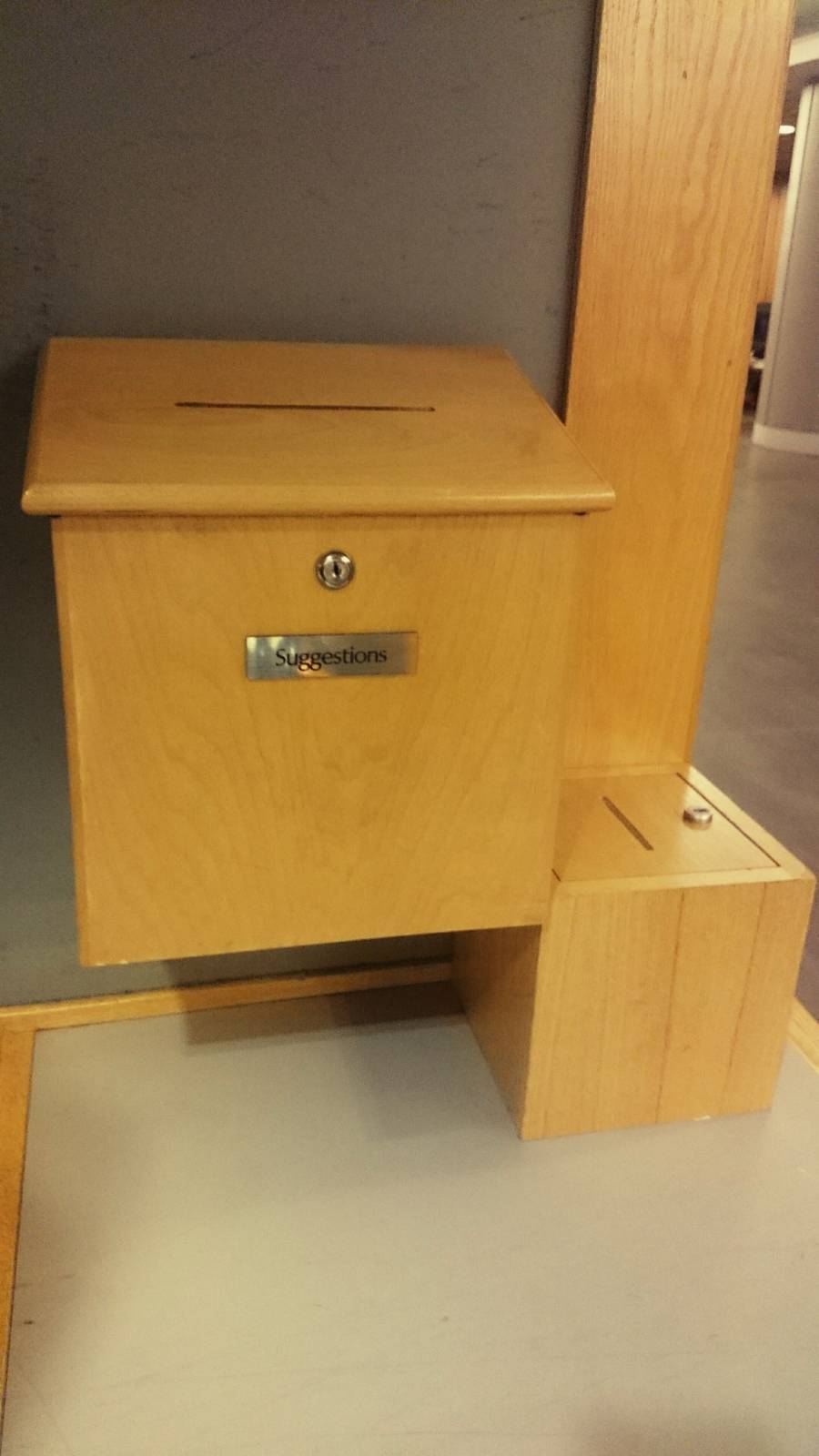
Suggestions and feedback are an extremely important part of the University’s growth! Have you ever noticed this suggestions box by the Welcome Desk in Frist?
With Princeton ranked as the No. 1 school in America, it’s easy to assume that everything here is the best that it can be: We have great professors, amazing resources, and will graduate with a degree that is highly esteemed around the world. Surrounded by all of the University’s accolades, we oftentimes forget how important the student voice is to the University’s growth and development. Over these past few weeks, however, I’ve discovered how integral students are to improving academic and social life here on campus.
It’s JP crunch time! Many students like myself are working feverishly on campus on their junior papers as winter break approaches. This week, I’m going to share advice about the single most useful resource I’ve found on campus as I work through my own junior paper: Princeton professors. Scheduling a meeting or two with faculty relevant to your work, whether you know them or not, will help you greatly in your path to a great research paper.
First, some background: many departments have different guidelines and setups for junior independent work. Most departments require two junior papers; some require one. In the philosophy department, all juniors take a small (4-5 person) topical junior seminar in the fall to guide them into the process of writing independently. This fall’s topics were Consequentialism & Common Sense Morality, Newcomb’s Problem, and Skepticism, Reason, & Faith. In seminar sessions, students discuss issues central to these topics.
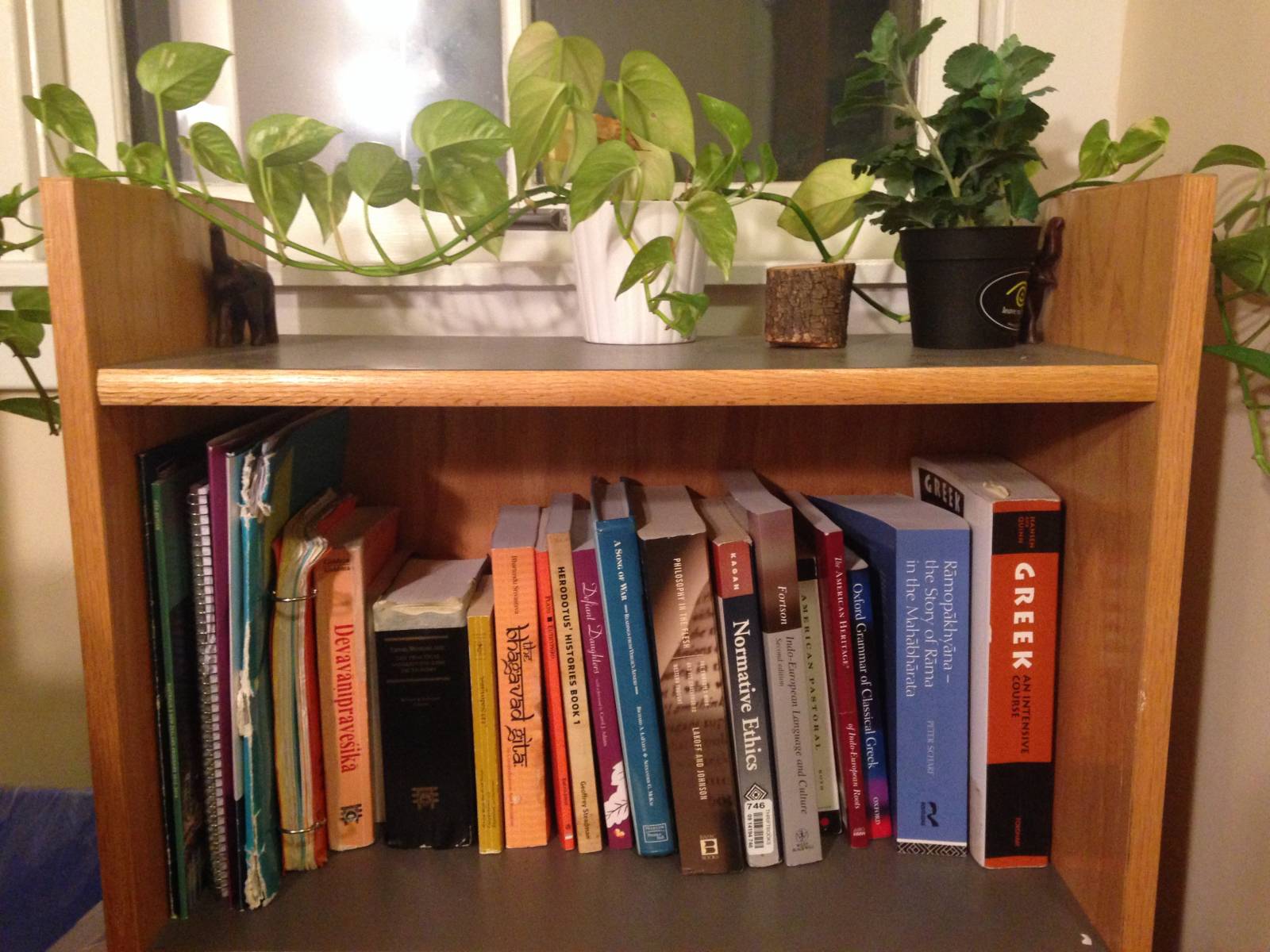
I spent my semester in Consequentialism & Common Sense Morality reading Shelly Kagan’s Normative Ethics and debating features of the text with my classmates. The literature was vast, spanning metaethics (what are the fundamental bases of ethical theories? are they valid?), normative ethics (what are relevant factors that make actions good or bad?), and applied ethics (what are answers to moral questions people face in their lives?). Any one of these categories holds thousands of unanswered, often-debated questions. So by the second half of the semester, when it was time to choose a junior paper topic, I felt predictably lost.
I’d be lying if I said I’ve never gotten lost on campus…but feeling lost on a research paper is much scarier!
It’s that time of year again – you’ve (sort of) got the hang of your classes, you have (a short) break coming up before finals, and you (kind of) feel free to think about your future in research. Your department office, OIP, PEI, and Princeton offices you’ve never heard of are sending out long lists of opportunities to do research in fantastic, far-off places – China! France! San Francisco! The E-Quad!
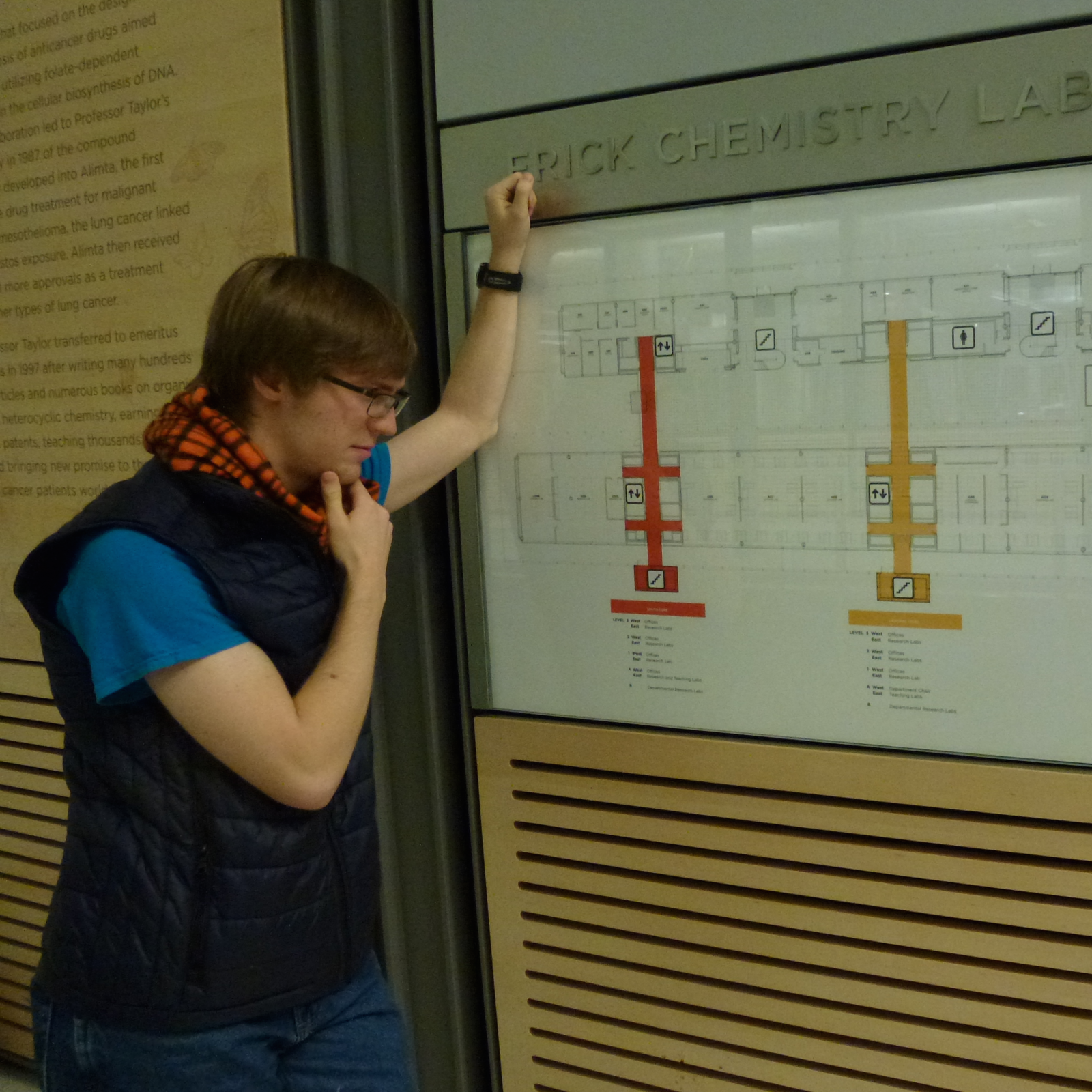
Even without leaving Frick, there are all-too-many labs to choose from.
How do you choose? A few weeks ago, Stacey wrote an excellent post detailing a few of the clearinghouses researchers have for finding opportunities, and my fellow correspondents are working on a Resources for Researchers list of opportunities and support systems for researchers on-campus (watch this space). But with so many opportunities out there, it’s hard to be sure that you’re choosing the best one. Whether choosing a summer internship, a JP, or a thesis advisor, here are a few things you can think about as you pick what to apply to and listen to.
Professors never fail to offer this piece of advice. As R3 deadlines approach, Writing Seminar professors are undoubtedly pushing students to shoot for originality in their writing. And who can blame them? No one wants to read a worn-out argument or encounter unsurprising research findings. But originality is not only your professor’s concern.
Throughout my research experiences, I have infallibly found that I benefit the most from original projects. In my writing seminar, The Politics of Intimacy, a creative purpose continuously drove my work. I began my research with the intention of writing about depictions of sexuality in films and their influence on movie ratings and reviews. I intended to use the film Blue Valentine (2010) as my primary evidence because extensive pop-culture articles and scholarly discussion have addressed the implications of its rating. The Motion Picture Association of America rated Blue Valentine NC-17 (their harshest rating) because they deemed certain sexual acts inappropriate to watch. This rating prompted significant controversy and feminist analyses of the MPAA’s policy that I found to be incredibly intriguing.
In a sea of Princeton students doing exceptional research, how can you push yourself to stand out from the crowd?
In the Palms District of LA, across from an In-and-Out Burger and a vegan cafe by the peculiarly Californian name of “Native Foods,” is a quaint red-and-green façade. Inside the deceptively small storefront is a museum, but one without the monumental wonder of the Smithsonian or the Met, and certainly not the modern crispness of the Getty or the Whitney. The Museum of Jurassic Technology is a curio cabinet, in the tradition of the Alchemists and Philosophes of the Scientific Revolution and the Enlightenment. Its dark and twisted exhibit halls explore forgotten chapters of humanity from “Dogs of the Soviet Space Program” to “Collections from Los Angeles Area Mobile Home Parks.” Like Hollywood to the north, the Museum exists in a world parallel to, but separate from, the surrounding sun-bleached modernity – and I owe much to that odd world.
Spring courses were recently released on the university registrar, which means it’s time for many of us to start considering some difficult decisions. Choosing the course arrangement that best fits your priorities/schedule is crucial to ensure that you have a fulfilling spring semester.
Over the past four semesters, I’ve used many tips passed on by wise upperclassmen to help choose my own courses. Here are some of the best ones, followed by some resources that are helpful for choosing classes!
On the last Friday before fall break, as each of my friends packed up their belongings and boarded New Jersey Transit to head home for the week, I found myself preparing for an entirely different experience. One of the courses I am taking, a seminar called The Arts of Urban Transition, took a five-day-long field trip to Detroit over break as part of an interdisciplinary urban studies program at Princeton. This program, entitled the Princeton-Mellon Initiative in Architecture, Urbanism & the Humanities, is a three-year project that allows students to examine these areas of study through project-based interdisciplinary courses. My class focuses on the roles of art and artists in urban environments undergoing change. Detroit has been a major focal point in the curriculum, which is why I found myself boarding a plane headed to the Detroit Metropolitan Airport.
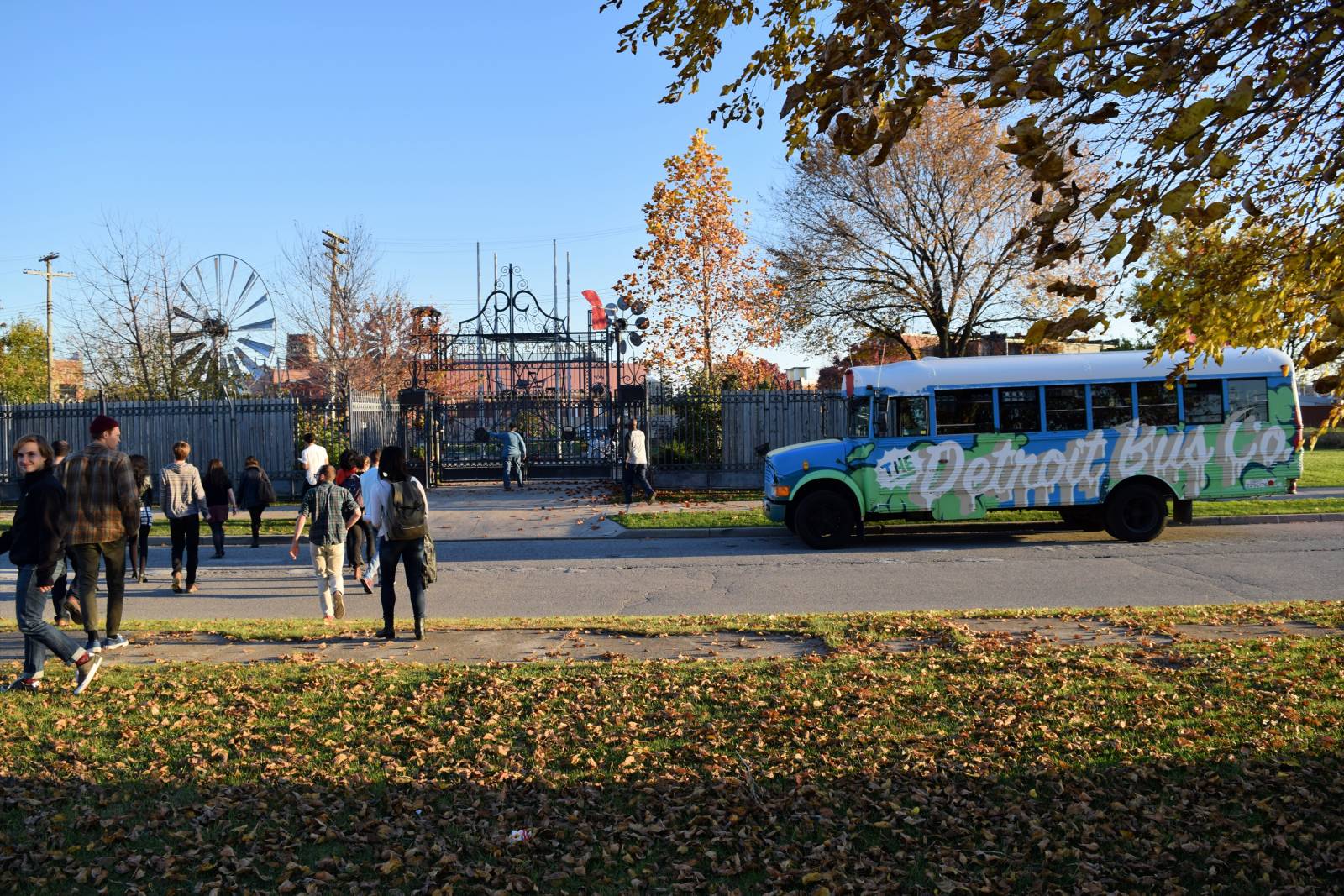
One of the sites our class visited was a metalworking studio run by a German African American artist out of his own home. The glorious bus pictured here was our primary means of transportation while in Detroit.
Just because it’s called “independent work” doesn’t mean that you’re alone. PCUR knows we’ve reached a very research-heavy time of the semester, and we have some words of wisdom for anyone tackling a new project – whether it’s your first or fifteenth at the college level. Watch below to hear our advice; and remember, if you have a specific question, we’re never more than a contact us form away.
Over the course of the semester, PCURs will explain how they found their place in research. We present these to you as a series called The Project That Made Me a Researcher. As any undergraduate knows, the transition from ‘doing a research project’ to thinking of yourself as aresearcher is an exciting and highly individualized phenomenon. Here, Jalisha shares her story.
~~~~~~
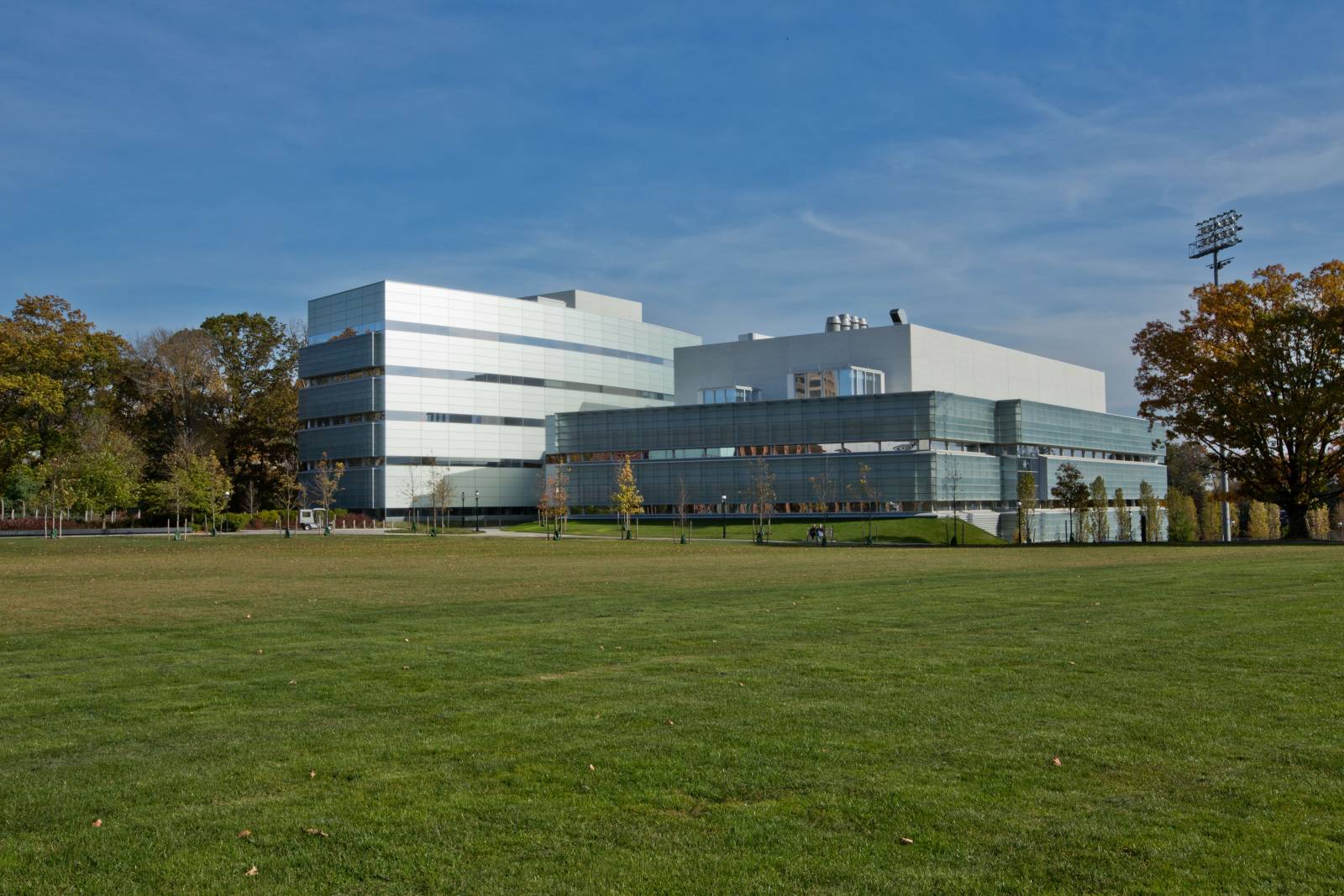
Tons of research is conducted in the Psychology/Neuroscience building, but you seldom see anyone wearing a lab coat!
White lab coats. As a freshman in high school, I believed these to be the quintessential markings of a true researcher. My transition into the world of research, then, occurred during the summer after my first year of high school, when I wore my very own lab coat for the first time.
That summer, I participated in the Research and Engineering Apprenticeship Program, a program charged with the mission of encouraging young minorities to pursue careers in STEM fields. I was assigned to work with a microbiology professor in her lab, where I would assist with research on the presence of harmful bacteria in store-bought lunchmeat. I had nothing more than my high school biology experience for credentials, but with my white lab coat on, I felt prepared for anything.
How do I square my research with my class schedule — and content?
The University of Sussex, where I spent my Junior Spring, is like many European universities in that its three-year undergraduate courses are focused nearly exclusively upon one subject. Whether they wanted to or not, the third-year chemists I studied with there could never have sampled from the broad menu of courses I have at Princeton. Seeing the alternative, I am more-than-ever grateful to be at a liberal arts university where even the most technical-minded engineers can – indeed must – explore topics far afield from their specialties. As with all exploration, I have found some electives more fruitful than others. But many non-technical classes have been incredibly useful in honing my ability to communicate my research, collaborate with researchers from around the world, and understand the political and philosophical implications of my work.