Categories
Conduct Research Research Life

Theological Moments

IMG_2328 copy
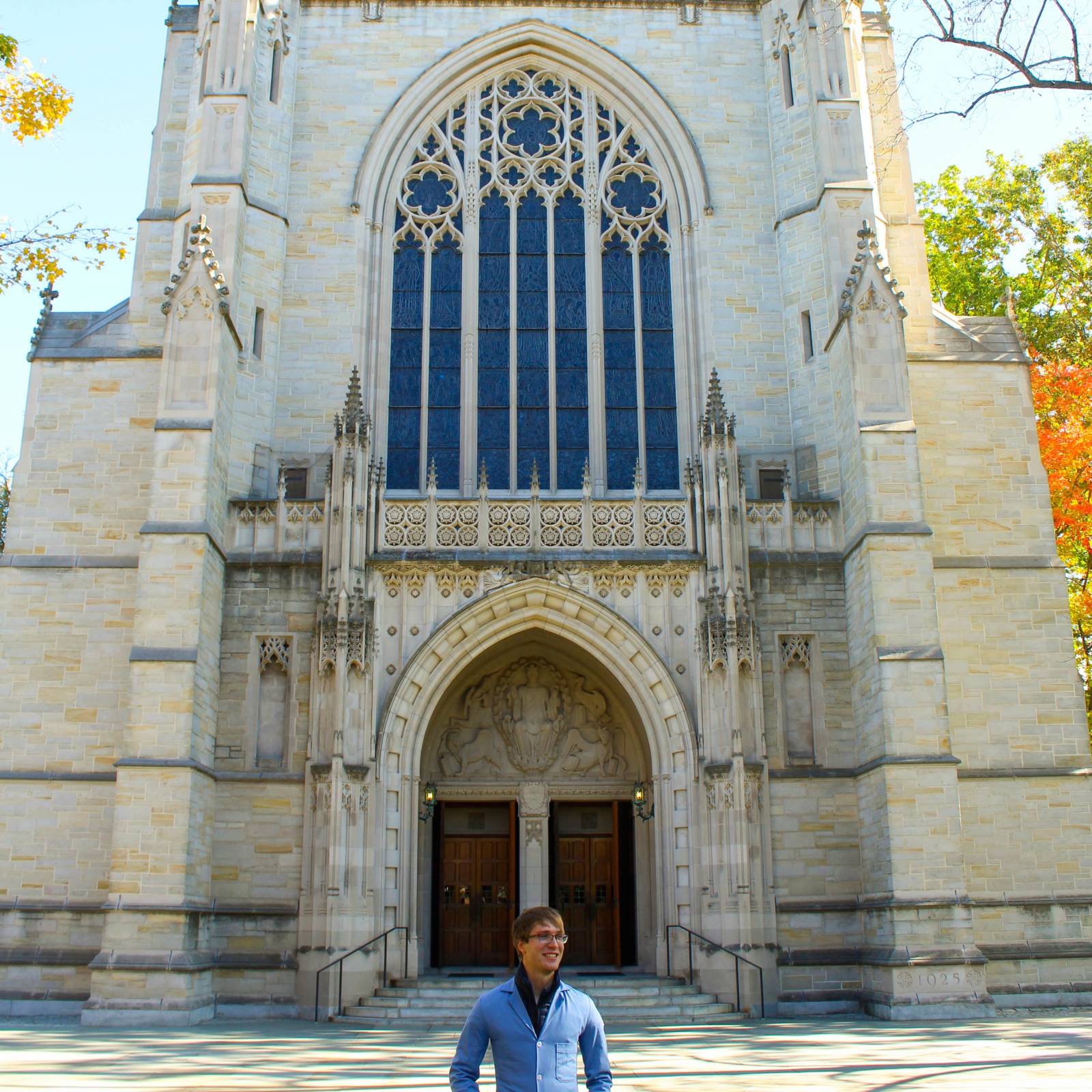
It doesn’t quite mean wearing lab coats to church…

It’s late at night in the lab during my spring abroad in England. We’re waiting for the microplate reader to spit out another noisy mess of data, and I’m struggling. Not with any scientific point, but with trying to articulate poorly-remembered details of St. Thomas Aquinas’ teleology to a Muslim grad student colleague. What, you ask, does biochemistry have to do with Thomist teachings? Well, I wouldn’t be writing this if the answer weren’t “everything.”

Research, you see, isn’t just something we do in the lab or the archives. It’s a powerful expression of that fundamental human desire to understand the way the world works. It’s about wonder: We wonder where we came from, so we study cosmology and biochemistry. We wonder what came before us, so we study paleontology and archaeology. We wonder who we are so we study history, the arts, and the humanities. And we wonder at our place and our role in the world. And scientific answers lead to scientific questions, which inevitably stretch beyond the lab or the library into life.

Categories
Conduct Research Independent Work

Real Talk: Research, Midterms, and Vulnerability

This week, it hits us.

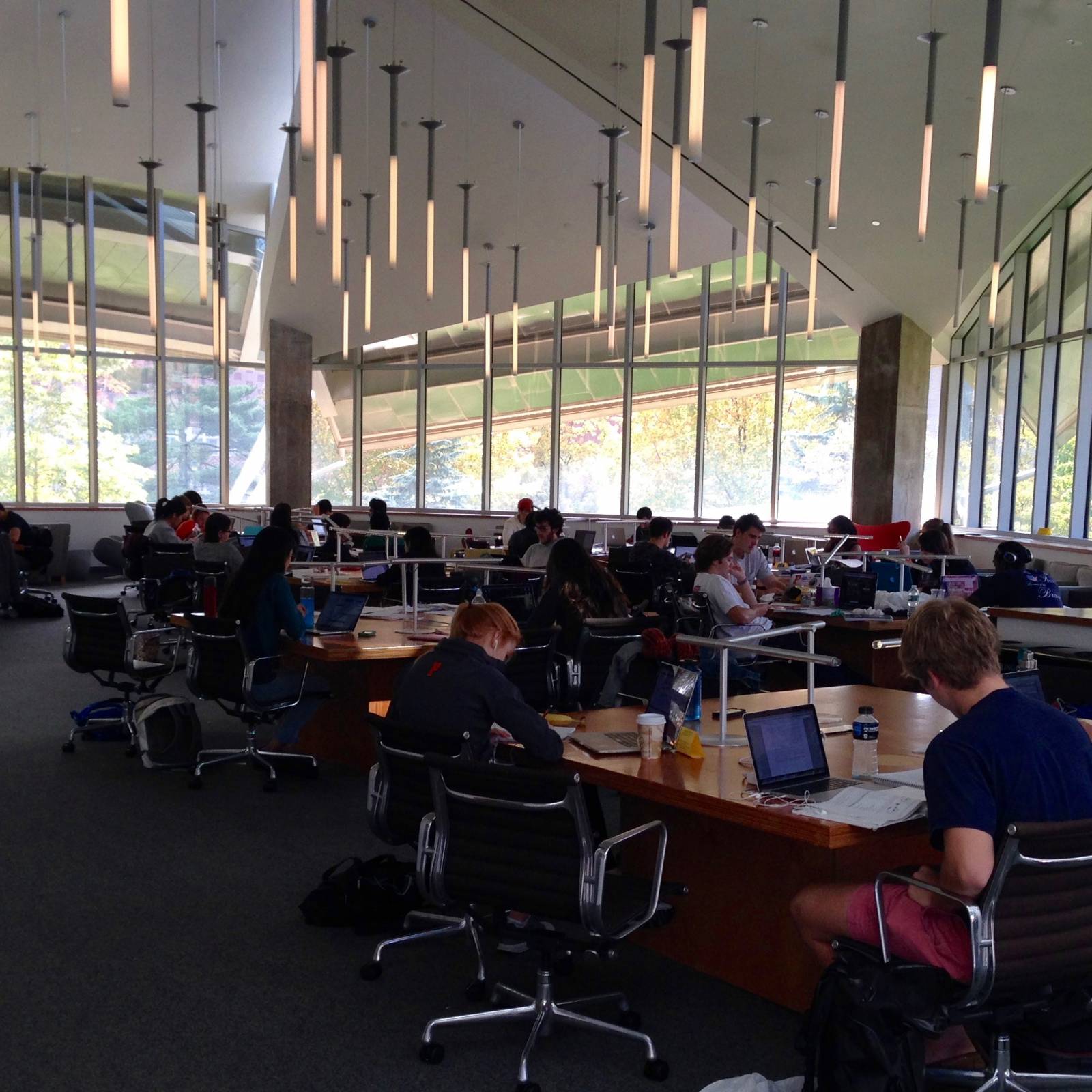
The Sunday before midterms: the Lewis Library Tree House, my favorite study spot, is packed.

Fall midterms creep up on me every year. Like the steady accumulation of unfolded laundry in my closet, and the growing pile of readings on my desk, midterms approach incrementally – and then they pounce.

I’m trying to practice honesty, which is sometimes harder than it sounds. So, here’s some real talk: this week is a struggle.

On top of the commotion of midterm exams and assignments, I have other, more long-term responsibilities that need attention: beginning background reading for a final project; meeting with my adviser to discuss future research plans; and tackling the freezer full of summer samples that sit on my conscience, unanalyzed. During weeks like this one, staying on top of such tasks overwhelms me more than anything. They incur the deep, gnawing fear that perhaps, this time, I’ve really bit off more than I can chew.

I said I was practicing honesty, right?

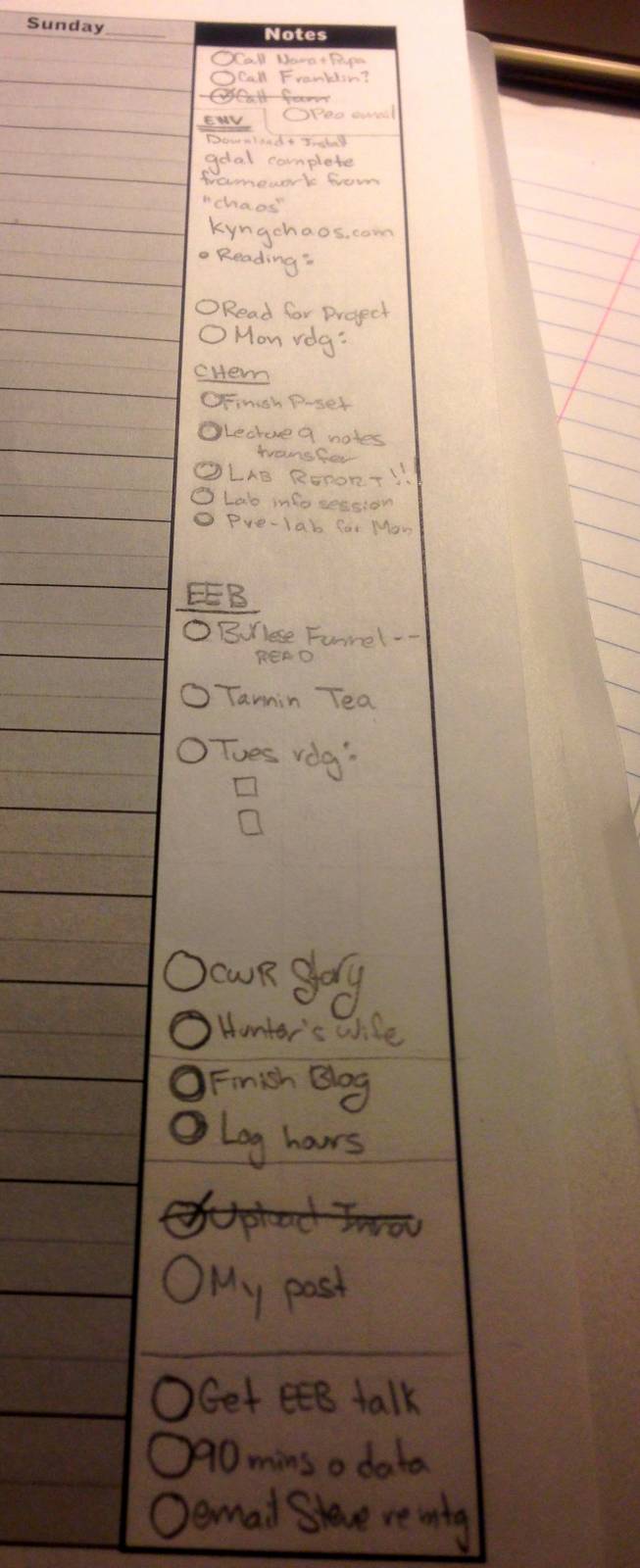
My to-do list this week. I find it helpful to see everything on one page - and to have the gratification of checking off the little circles
My to-do list this week. I find it calming to see everything on one page…sometimes.

I don’t have encouragement, tips, or success stories to offer this week. But I do have honesty and some reassurance: if balancing school, research, extracurriculars, and sanity seems, this week and others, near impossible – I agree.

Why is research so hard? Perhaps because it forces us to confront the unknown. We deliberately embrace questions we don’t have the

Categories
Conduct Research Present & Publish Findings

Design Thinking in Research

I remember it like it was just yesterday. The steps to the scientific method: Question. Research. Hypothesis. Experiment. Analysis. Conclusion. I can actually still hear the monotonous voices of my classmates reciting the six steps to the content of the middle school science fair judges.

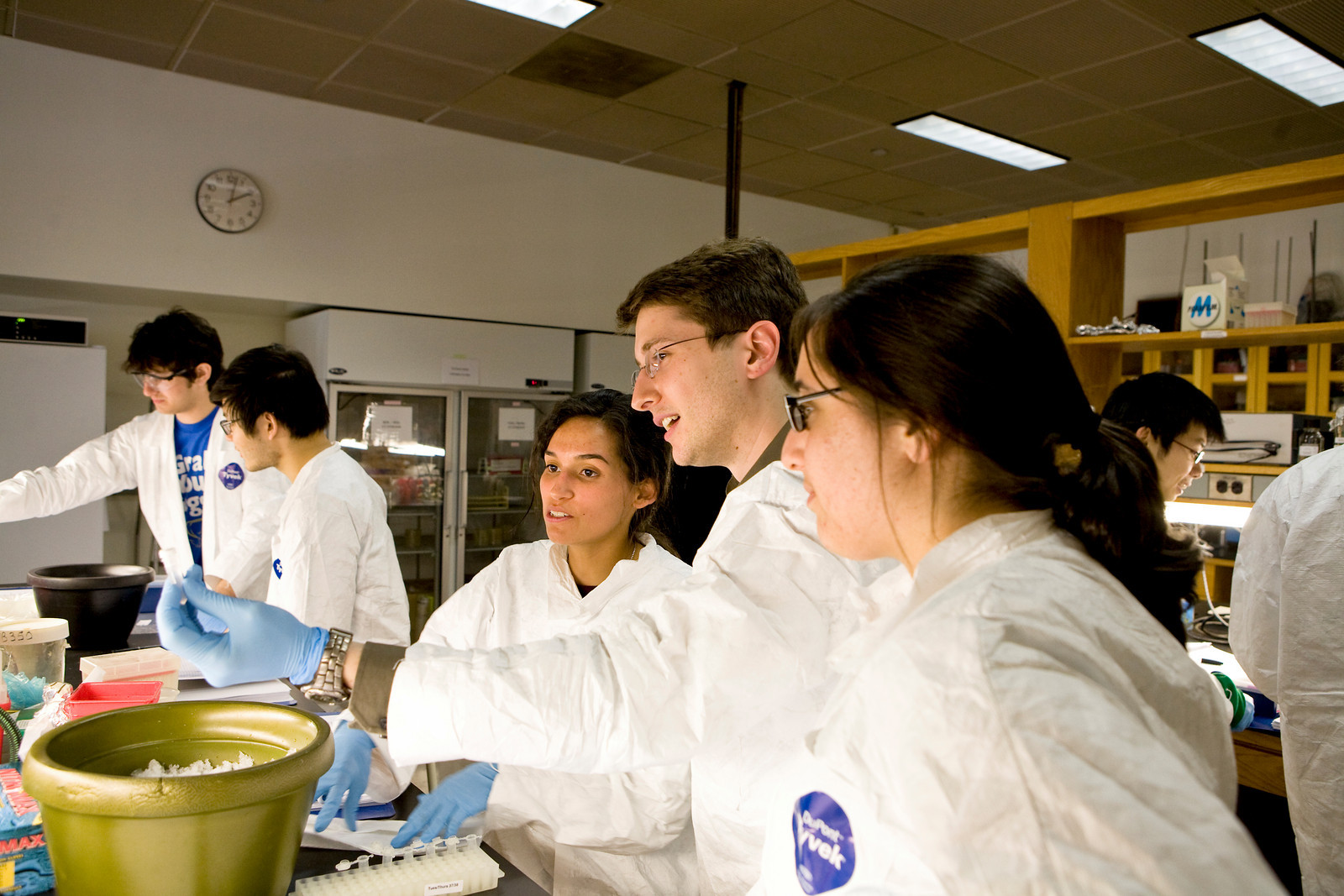
Princeton student researchers working at the Lewis Thomas lab
Princeton student researchers working at the Lewis Thomas lab.

For our middle school science fair, I had created a web-based calculator that could output the carbon footprint of an individual based on a variety of overlooked environmental factors like food consumption and public transportation usage. Having worked on the project for several months, I was quite content when I walked into our gym and stood proudly next to my display board. Moments later the first judge approached my table. Without even introducing himself, he glanced at my board and asked me, Where’s your hypothesis? Given the fact that my project involved creating a new tool rather than exploring a scientific cause-effect relationship, I told him that I didn’t think a hypothesis would make sense for my project. To my dismay, he told me that a lack of hypothesis was a clear violation of the scientific method, and consequently my project would not be considered.

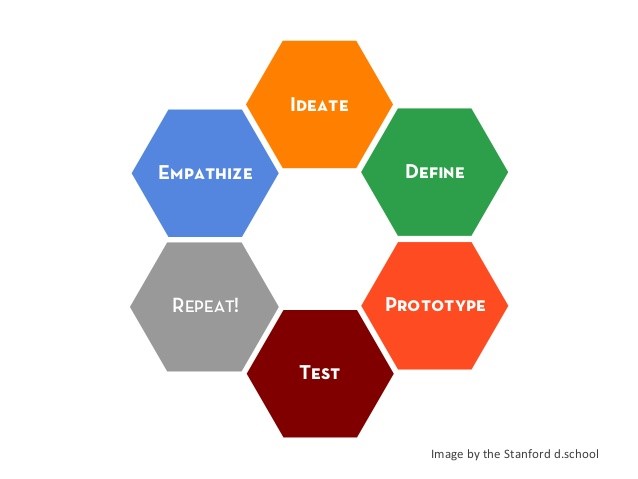
This was quite disheartening to me, especially because I was a sixth grader taking on my very first attempt at scientific research. But at the same time, I was confident that the scientific method wasn’t this unadaptable set of principles that all of scientific research aligned to. A few years later, my suspicions were justified when my dad recommended I read a book called Design Thinking by Peter Rowe. While the novel pertains primarily to building design, the ideas presented in the book are very applicable in the field of engineering research, where researchers don’t necessarily have hypotheses but rather have envisioned final products. Formally, design thinking is a 5-7 step process:

Steps to the Design Thinking Process
Categories
Conduct Research

Principedia: A Wiki for Better Learning!

Last Saturday, I joined around forty students and faculty members gathered in the Mathey common room as part of Principedia’s fall Hackademics. The goal? In the words of McGraw Associate Director Nic Voge, sharing what students have learned about the hidden curriculum at Princeton.

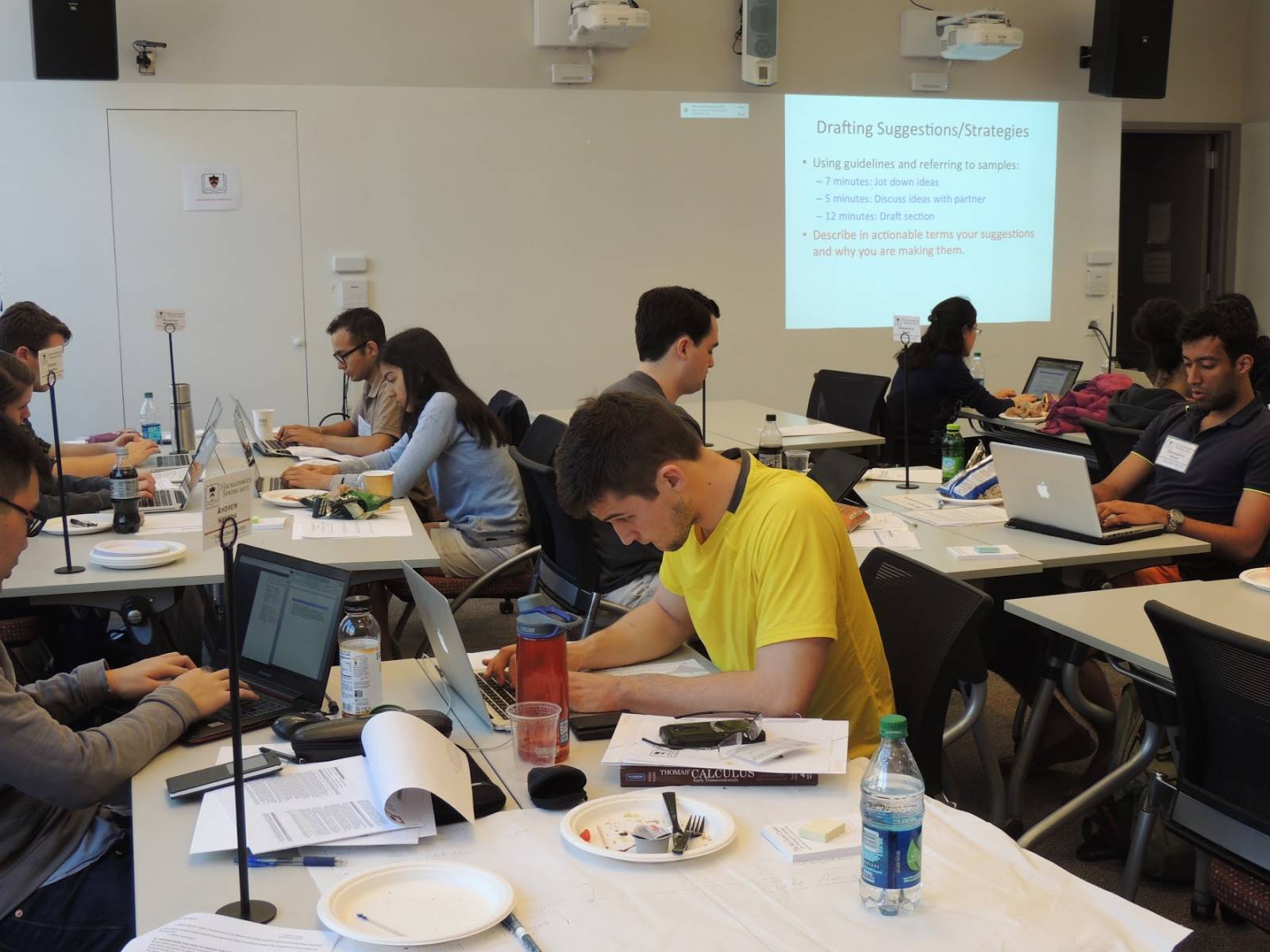
Students working hard at the Spring 2015 Hackademics! Image courtesy of the McGraw Center for Teaching and Learning. Used with permission.
Students working hard at the Spring 2015 Hackademics! 

Whether or not they call it by name, most students have recognized the “hidden curriculum” of learning expectations and demands behind every Princeton course. I’ve often had to puzzle out the best learning strategies for my classes– from watching MAT 202 video review sessions before exams to talking through principal parts with friends in language classes– by trial and error. Online course evaluations are usually emotionally-charged and of limited help, and professors and TAs don’t always give students concrete advice.

Categories
Conduct Research

Syllabi, Charts and Research Plans: Your Best Friends for Effective Information Management

Have you ever looked at a class syllabus for the first time and been absolutely shocked by the sheer volume of information you are expected to process? This is exactly how I felt when I first saw the syllabus for an urban studies seminar I’m currently taking. The class curriculum is stacked with dense articles, complex lectures and hundred-page textbook readings. How could I possibly manage, retain and use all of that material?

It turns out that that immensely overwhelming syllabus can actually be my best tool for successfully managing my workload.

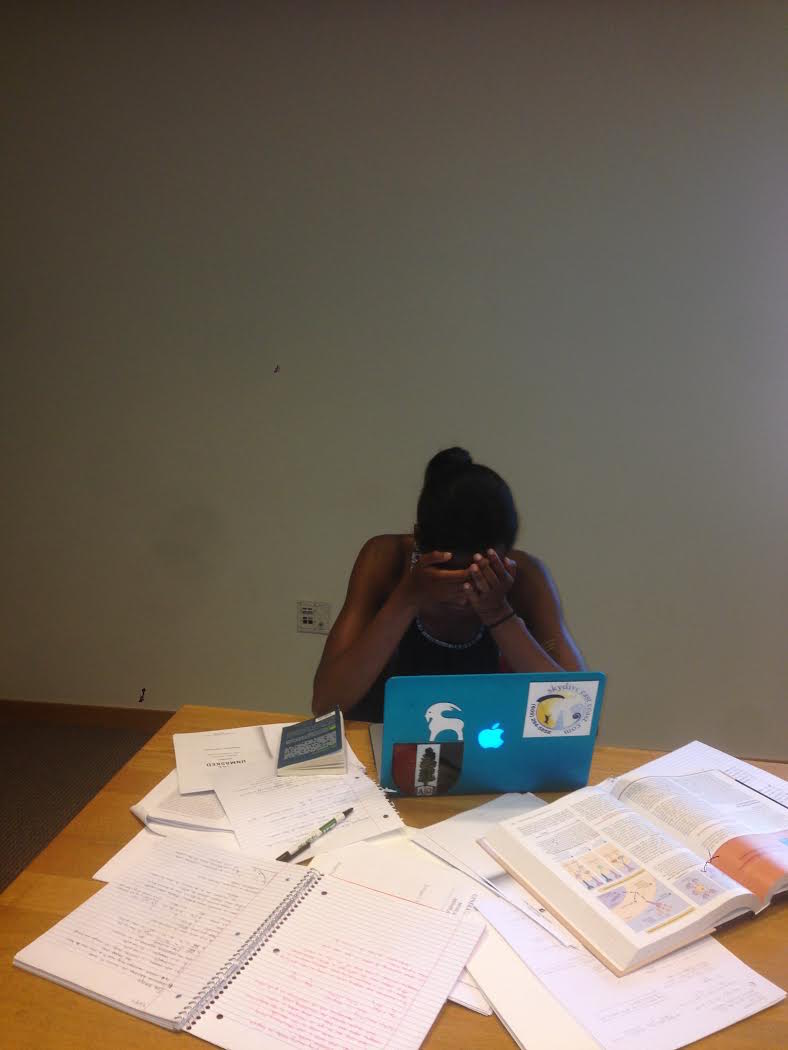
This is my friend Morgan feeling very overwhelmed by all the material in her textbook, articles and lecture notes. We’ve all been there.

Recently, I attended a McGraw Workshop entitled Efficient Learning Strategies: Managing Large Amounts of Information. This hour-long session focused on exactly what worried me when I looked at my seminar syllabus: how to effectively approach classes that throw vast amounts of information at you. Nic Voge, the Associate Director of the Undergraduate Learning Program, led the workshop and helped the attendees work through common concerns students have about information management. These included being able to discern important information, make connections, summarize material and prepare for assessments—each of which is particularly pertinent for research-based classes and projects.

Categories
Conduct Research Research Life

To all the research skeptics

Research can help you gain a lot of new insights.

When I entered Princeton as a freshman, I was skeptical that research could do anything for me. I considered myself an applied person who cared little for theory, and I hadn’t planned on continuing on to graduate school. The tides turned when I stumbled upon an optics Research Experience for Undergraduates (REU) program when I was looking for summer programs freshman year. At the time I felt I had few marketable technical skills in my major, so I figured it would be a good chance to build up some useful skills and decided to give it a try. And I’m really glad I did — the experience made me realize how wrong I had been about my prior assumptions regarding research.

Are you a research skeptic, too? Let me tell you a bit about my story and why I would recommend giving research a try.

Categories
Conduct Research Present & Publish Findings

Lost in Translation

Princeton is known for its small classes, but imagine taking this to the extreme. Last semester, I took SOC 310, Gender and Development in Latin America. Total students: one.

unnamed
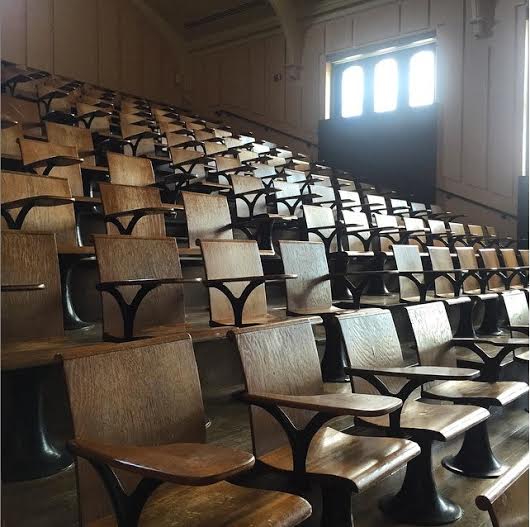
Not all classes fill up a lecture hall!

Following an odd turn of events last spring that saw all other students drop the course, I was handed an incredible opportunity: a one-on-one course crafted around my interests.

Much of the class was dedicated to discussing LGBTQIA themes in Latin America. There’s a lot I could write about, but for the purposes of this blog I will focus on one particular oddity. In several articles, I remember coming across the word “transvestite”. I am a peer educator at Princeton’s LGBT Center, and as I had learned in training, many consider this word to be pejorative and outdated. Shouldn’t a sociologist studying queer issues know better?

Categories
Conduct Research Independent Work Present & Publish Findings

Correspondent Convos: What are your research challenges?

Correspondent_Convos_IconYou’ve probably heard that research is more of a marathon than a sprint. That’s definitely true — Every independent project involves thorough planning and lots of stamina.  But since we’re on the subject of analogies, it’s also true that research is an obstacle course.  Think about it: There are challenges built into the research process, and sometimes they’re impossible to avoid.  PCUR gets real about these roadblocks in our second Correspondent Convo.  Watch below to learn which struggles are most common, and which strategies can help you reach the finish line.

— Melissa Parnagian, Chief Correspondent

Categories
Conduct Research Present & Publish Findings

A Problem Set I’ll Never Forget: My Journey to Creative Thinking

Problem 5 on my problem set was about distributing a pile of stones across vertices of a pentagon.

Creativity is something I’ve struggled with my entire life. Being the son of two architects, I was always expected to develop some sort of creative talent – even at a young age. Sadly, this talent never manifested itself, especially not in building design (I figured that out when my 2nd grade classmates labeled my gingerbread house as the ‘ugliest’ at a holiday party).

I learned very early in my life that I was more of an analytical and methodological person. While I wasn’t creative, I could follow a set of clear-cut instructions. I liked classes like math where everything had definitive answers. I enjoyed playing sports like tennis where mastery of a specific set of techniques defines what it means to be a good player. But when given the freedom to be creative, I used to panic. The music I composed for my piano class sounded awful. My dancing skills were subpar let alone my ability to choreograph. And I couldn’t write creatively no matter how hard I tried.

Then one day in high school, my entire perspective changed.

Categories
Conduct Research Present & Publish Findings

Doodling in the Lab

The doodles appear everywhere: on whiteboards, on lab notebooks, even on the autoclave tape. Impeccably shaded line drawings of a-helices, the protein structure nearly everyone in the lab works with.  The “culprit”? Ann, the senior grad student in our lab. Her artistic skill is rare, or at least perceived as rare, in science. Rare enough that Grant, one of the post-docs in the lab, complains, besides a few exceptions, science is “full of nerds”, by which he means those without any creativity or broad interest. And that rarity is a shame, because science needs creativity. This isn’t just about a desire for amusing doodles, it’s about building a scientific community full of clear, intuitive thinkers who can communicate their discoveries.

AutoclaveTape
This isn’t quite what’s usually meant by “biochemistry is more art than science”

Once upon a time, the protein-chemistry lore goes, everyone needed some artistic flair. Indeed, Jane Richardson, under whom my thesis adviser did his postdoc, is known as much for her artistic skill – hand-drawing so many diagrams of proteins in her field-defining papers that modern visualization software still largely uses the conventions she developed – as for her considerable scientific talent.

Now, due to that same software, and other software for visualizing other sorts of data, rapid and clean images of nearly any process, relationship, or other data are merely a few lines of code away. But when the graphics are automatically created with software, rather than by-hand, something is lost.  It’s all-too easy to let visualization software become a crutch by presenting colorful pictures without paying mind to the aesthetic or narrative considerations of the medium.