
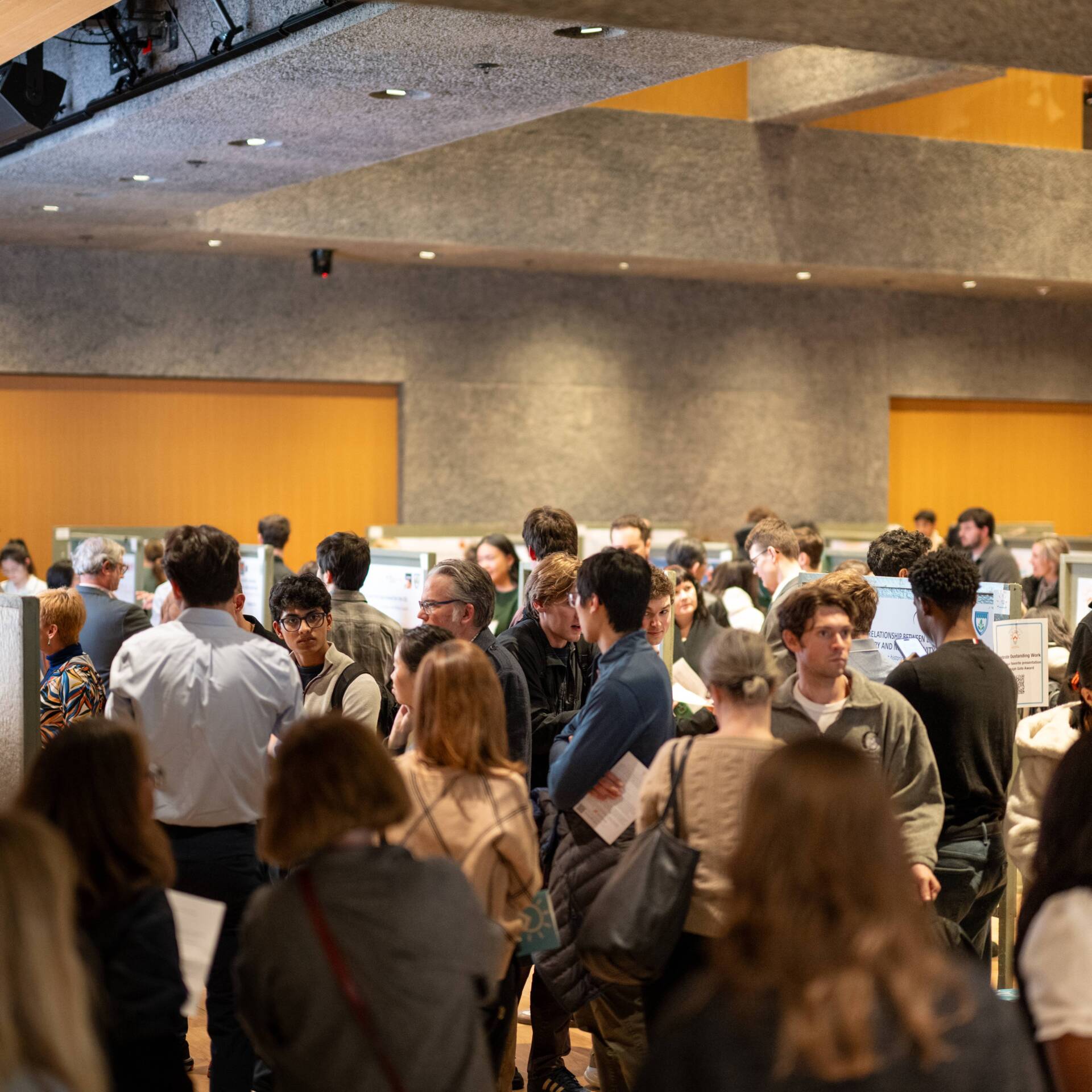
Getting accepted to a conference can feel like the end of a long marathon. After months of conducting research and several iterations of writing, you hit submit, you wait, and you refresh your inbox until finally, the email arrives. You’ve been accepted! Now, you have the opportunity to poster at a conference and share your work with a broader research community.
First of all, congratulations! It is no small feat to get your work reviewed and accepted, and you should be very proud of your accomplishments.
After the excitement and the celebration, you might be wondering what comes next. Acceptance is not just a milestone, but also the beginning of a series of steps to actually poster at a conference. It’s now time to finalize your submission for publication, decide how you will attend, and determine how you will present your research. I hope this practical guide helps you navigate the steps after acceptance.
- Read Your Acceptance Carefully
Your acceptance email is more than a confirmation. It is effectively a set of instructions, and it will usually include multiple deadlines that you are expected to meet. Be particularly mindful of these deadlines as they are typically hard deadlines. In many cases, if you miss them, your work can be removed from the program and may not be published.
The best first step is to pull the most important details into a single document or checklist. Look for conference dates, registration requirements, formatting specifications, publication steps, and any instructions about how and when you will present.
Many acceptance emails also include reviewer feedback. While poster tracks often use a more lightweight evaluation process than full papers, and thus have less extensive feedback, it can still be very useful. At this stage, focus on high-leverage edits: clarifying your contribution, tightening your claims so they match your evidence, simplifying figures so they are legible at a glance, and addressing limitations with more precision. Small changes can meaningfully strengthen how your work is received by an audience.
- Decide How You Are Attending
The next major decision is how you will attend. Many conferences now offer both in-person and virtual options. If you are presenting virtually, it is still an amazing opportunity. Virtual conferences can be more accessible, less expensive, and easier to fit into a busy academic schedule.
If you have the opportunity to attend in person, I highly recommend it, especially if it is your first conference. The value of being there goes far beyond presenting your research at a poster session. Conferences are one of the few places where you can spend several days immersed in new and emerging research, hear what people are thinking about in real time, and meet others working on problems adjacent to your own.
I have attended several conferences in the past, and have previously written Making the Most of Conferences where I compile the benefits of attending conferences and how to make the most of your time.
- Funding and Planning for In-Person Attendance
If you are planning to attend in person, one of the most important steps is securing funding. Attending a conference is no cheap matter, and it is rarely something you want to figure out at the last minute.
To put together a strong funding request, you generally need two things: a clear case for why you are attending and an itemized budget that shows you have done your research. Funders want to know what you will gain from attending and how it connects to your academic work. Be specific about how you will take advantage of the opportunity, whether that means presenting your work, attending talks and workshops, or building relationships with researchers you hope to learn from.
It is also worth doing the logistical homework upfront: look up potential flights, estimate lodging costs, and think through registration fees and daily expenses. Even if your numbers shift slightly, having a realistic budget demonstrates seriousness and makes the application process smoother.
At Princeton, funding rarely comes from a single source. It can be helpful to think broadly about where funding might come from: your department, research offices (OUR offers conference funding too!), centers or institutes related to your topic, minors or certificate programs, identity-based or cohort-based programs, and your adviser or lab. SAFE is often the best place to start, and if you begin early, you will usually have a wider range of options.
Applying early matters for practical reasons as well. Many funds are limited, and travel costs tend to increase quickly as the conference approaches. I would recommend applying as soon as you’ve determined to present in person.
- Poster Printing and Presentation Preparation
If you are attending in-person, you will also need to plan for a physical poster. Princeton has poster printing options that can make this process easier, and many conferences provide specific size and formatting requirements. Make sure to leave buffer time for printing, revisions, and the inevitable last-minute adjustment.
It is also important to remember that a poster is not a paper. The goal is not to include everything, but rather to prioritize clarity. A strong poster usually has a clear takeaway, a small number of high-impact visuals, and just enough text to guide someone through your research.
- Practice Your Talk and Keep an Open Mind
Finally, practice how you will talk about your work. I recommend having a few versions of your explanation ready: a short summary for someone walking by, a slightly longer version for someone who is interested, and a deeper explanation for someone who wants a deep dive into your research.
Conferences can feel intimidating—especially the first time. But they are also one of the most energizing and rewarding parts of doing research. You get to see how your work fits into a broader landscape, learn what others are building, and leave with a clearer sense of what you want to do next. Often, it can even mean traveling to and exploring a new place!
If you’ve read this far, I hope this has been a practical and helpful guide. Congratulations once again on your acceptance! Go enjoy the moment, keep the deadlines and next steps in mind, and good luck presenting!
— Shannon Yeow, Engineering Correspondent
