
Just this year, I had the opportunity to travel through Princeton twice: once over winter break for my senior thesis and PIIRS Undergraduate Fellowship fieldwork in Taiwan, and again over spring break through ART 481: Alaskan Art, Spirit, and Being: Healing Histories of Dispossession, when I traveled to Alaska for class. As a senior in my final spring semester, spending both my last winter and spring breaks traveling for academic purposes has been more than fulfilling. It has been one of the most meaningful parts of my Princeton experience.
Both trips reminded me that academic travel is about much more than going somewhere new. Traveling with purpose changes what you notice, who you meet, and what you are able to learn. It opens up conversations, relationships, and opportunities for insight that you likely would not have had otherwise.
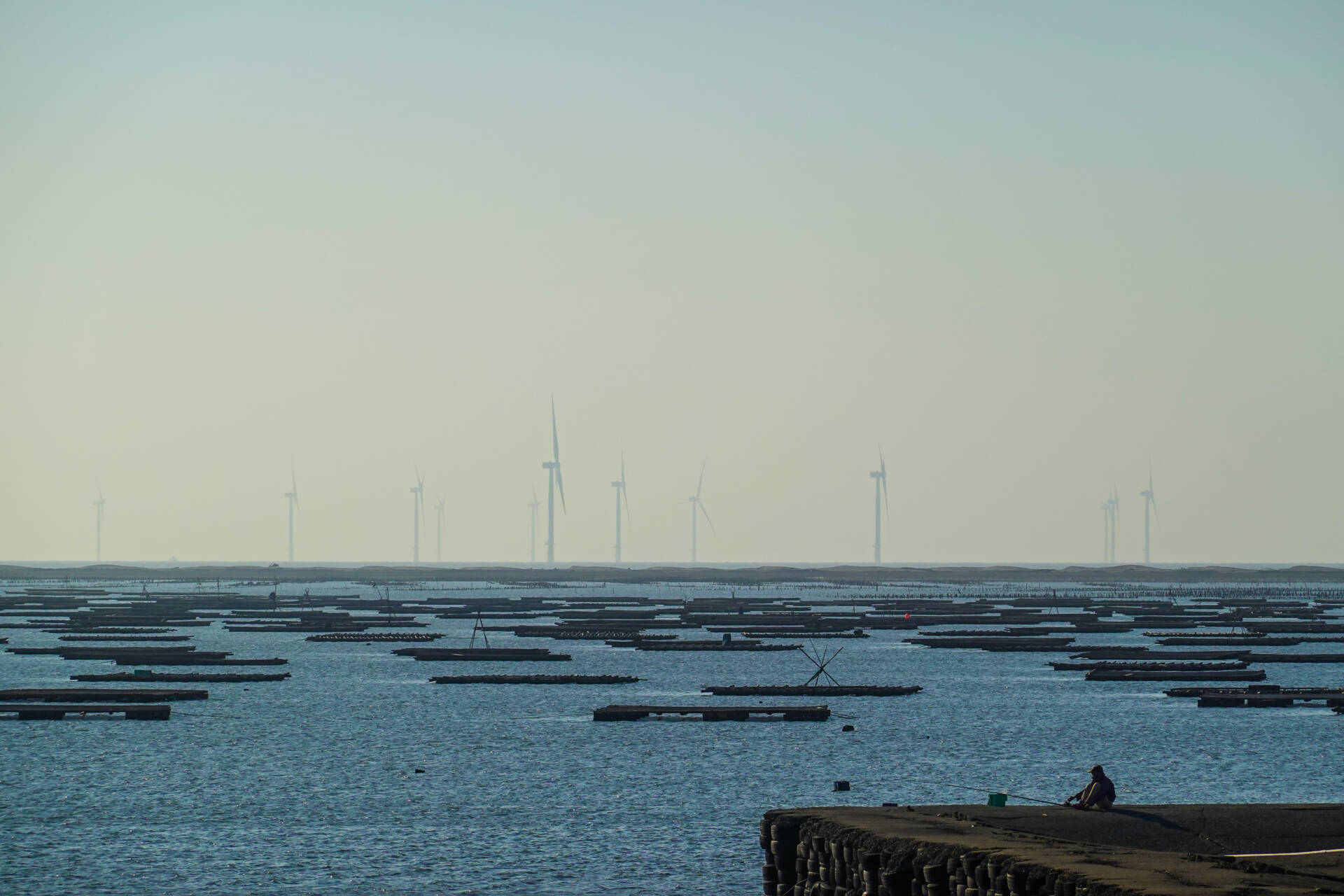
In Taiwan, I conducted fieldwork on the impacts of offshore wind farms on coastal communities along the western coast. The experience was incredibly rewarding on many levels. I was able to practice my Mandarin, immerse myself in the culture, and try so many new foods. Those are all things that can make travel meaningful on their own. But what made the trip truly transformative was the people I met in the process of doing my research.
Before arriving, I had done substantial research on the topic and on the regions I planned to visit, particularly Changhua and Yunlin Counties. One of the people I connected with was a policy researcher whose writing had already helped shape how I approached this topic. I had read his work before stepping foot in Taiwan. Then, during my trip, I was able to meet him in person, interview him, visit several fishing villages, and learn from the depth of his experience and expertise directly.
That is one of the greatest gifts of traveling for academic purposes. You arrive prepared, with background knowledge and questions, but once you are there, the learning expands in ways you cannot fully anticipate. One of my most distinct memories from Taiwan is actually a conversation with a taxi driver. He asked me what I was doing in Taiwan, and I told him about my research. Through that conversation, I was able to hear what an ordinary Taiwanese person, someone outside the specific communities I was studying, thought about offshore wind and Taiwan’s broader energy transition. Being on the ground does not just help you access formal sources or scheduled interviews, it also places you into unexpected conversations that can broaden your understanding of the issue.
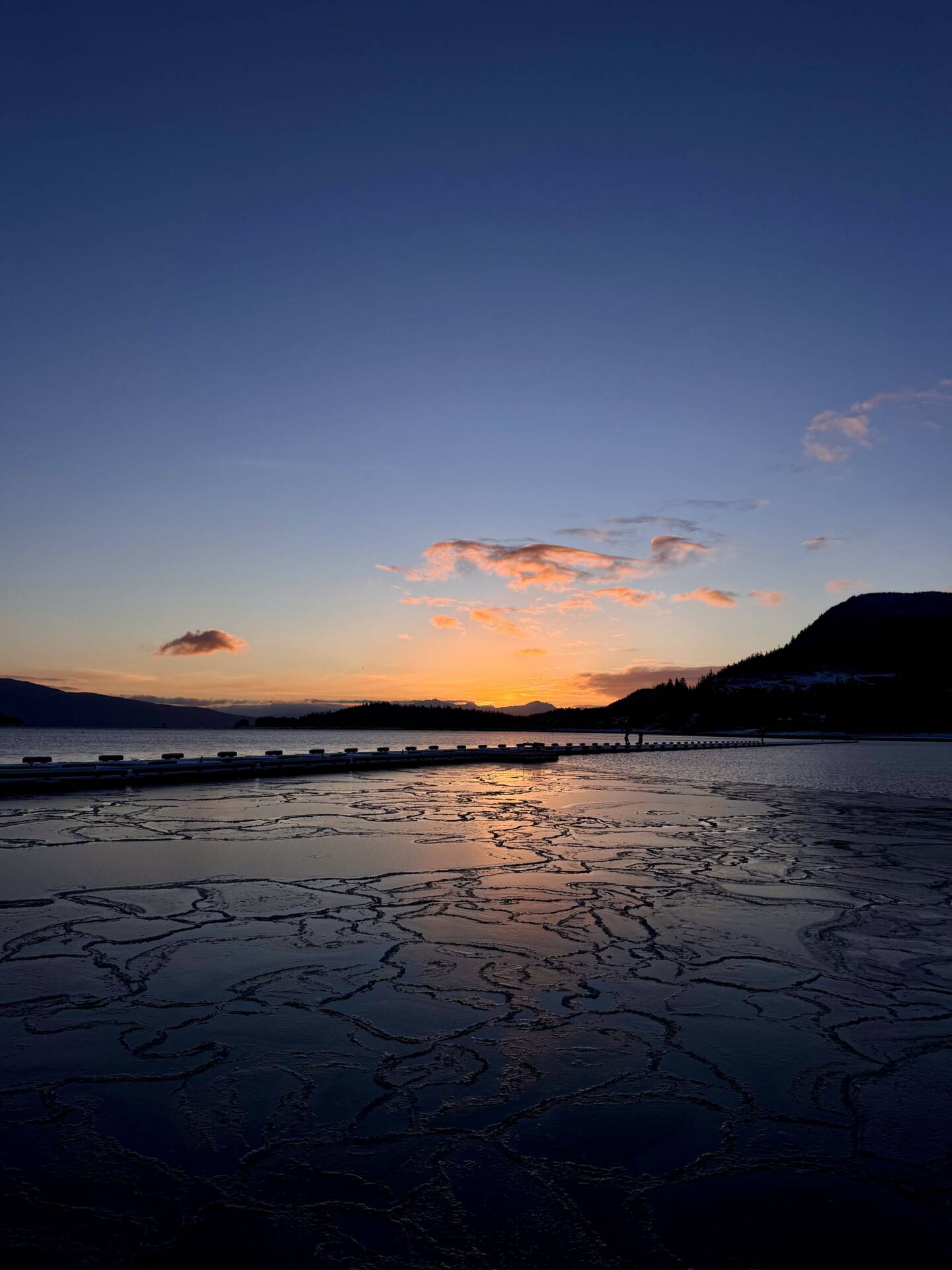
My ART 481 trip to Alaska focused on a very different subject, but it led me to many of the same realizations. Throughout the semester, we studied Tlingit belongings through readings, guest speakers, artists, and discussions about museums. Being in Alaska gave us the opportunity to speak with leading experts, learn from artists and master craftsmen, and gain access to museum spaces and histories in ways that would not have been possible from campus alone. Early in the course, we read about the Seward Shame Pole, a Tlingit countermonument raised in response to the failures of reciprocity that followed William Seward’s purchase of Alaska. Because I had already spent time studying its history and significance, seeing it in person felt especially powerful. It deepened my understanding not only of the pole itself, but of the ways Tlingit art can carry memory and cultural meaning.
What both experiences gave me was not simply a chance to travel, but a different way of encountering a place. In Taiwan, research brought me into fishing villages and small towns, interviews with leading figures, and conversations I never would have had if I was simply visiting. In Alaska, learning alongside my classmates and professors, while directly engaging with the histories and artworks we had been studying, made the experience all the more meaningful. Whether through Princeton or in your individual pursuit, I highly encourage you to seek out opportunities for academic travel, and maybe you will find yourself building unexpected relationships, having fruitful conversations, and understanding places differently—just like I did.
— Shannon Yeow, Engineering Correspondent
