Categories
Conduct Research Independent Work Present & Publish Findings

Five Reasons to Download Mendeley Desktop!

As thesis season draws to a close, the last group of seniors are proofreading their final drafts and preparing for the moment they become #PTL forever! Often, the very last thing seniors review is their very, very long bibliography. Bibliographic sources are primarily used in literature reviews, which summarize the relevant work and background in a field. While bibliographies may serve as the last page of theses and research papers, they can also prove to be a huge headache for the researcher who has neglected them. Among several other potential issues, missing in-text citations and/or incorrectly citing sources can negatively impact the credibility of a research paper. Keeping an organized bibliography throughout the whole research process can work wonders to prevent this kind of confusion.

Two summers ago, I learned this lesson firsthand when I spent hours trying to find and cite sources for the intro section of a chemistry research paper. My lab supervisor suggested I download an application called Mendeley Desktop, and it has probably ended up saving me hundreds of hours since then.

13120774_10154207651538804_1152846791_o
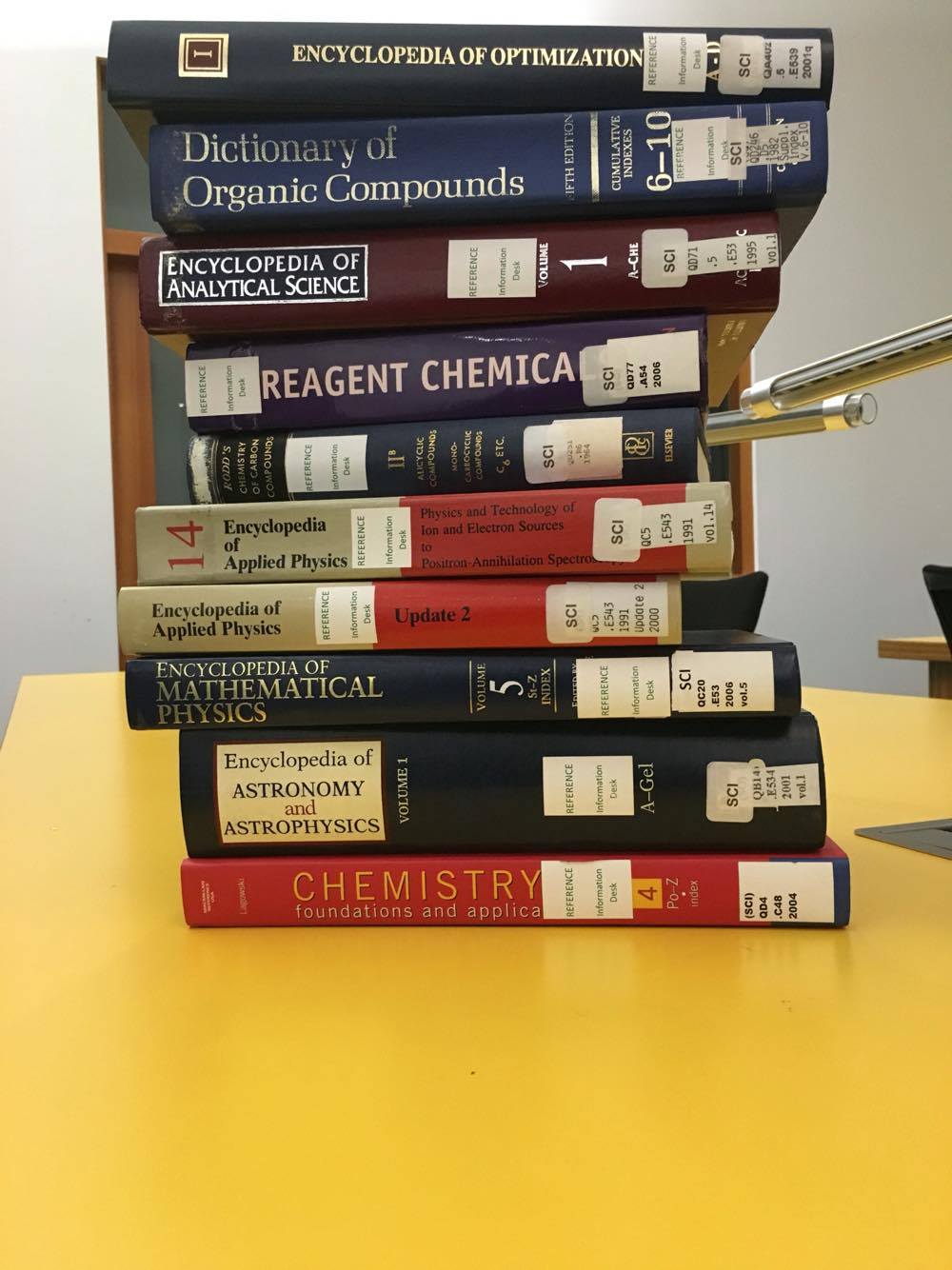
Imagine trying to cite all of these sources by hand! With the help of Mendeley, you won’t have to!

Mendeley is an online and desktop program that lets users upload research papers, publications, journals, etc. and manage them in an organized library. It is probably best known for its referencing features, which help users generate citations by simply uploading the relevant research papers. In high school, that’s what I primarily used Mendeley for; my research partners and I created our own account where we stored all of the relevant literature in one library. But just last week, I re-downloaded the latest version of Mendeley and was pleased to see some awesome new features. Below, I’ve detailed the top 5 features that I find most useful:

Categories
Conduct Research Independent Work

What’s Life Like in the Engineering Lab?

IMG_8364
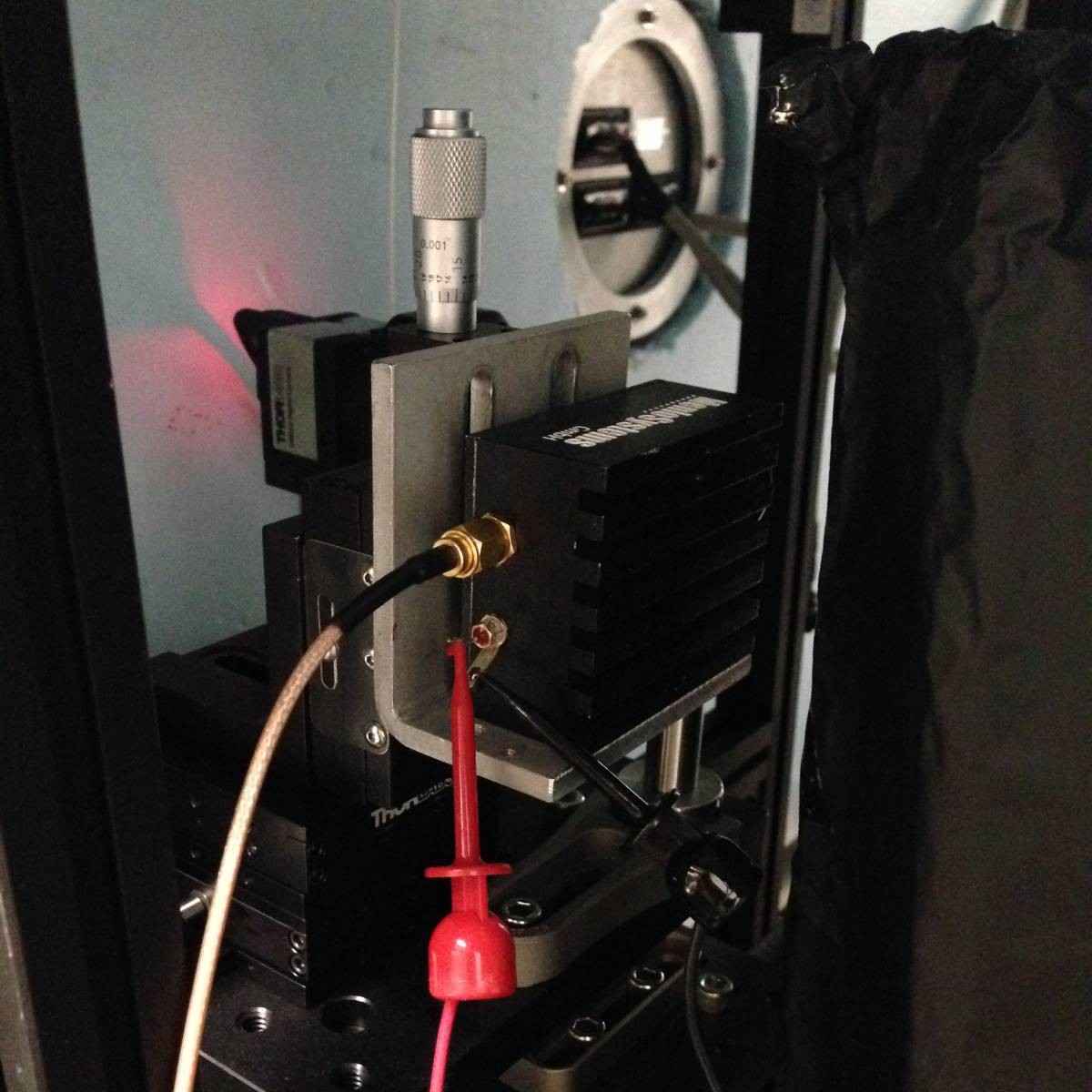
The lab is also very dark — because we don’t want any reflected light on our newly hooked-up detector!

On the surface, the products of engineering seem incredible. You can make iPhones, self-driving cars, and robots that swim inside your bloodstream. But what makes engineering incredible is also what makes it hard. You’re manipulating the very rules of nature to work in your favor, and nature doesn’t always want to do what you tell it to.

Still, sometimes the magic of the end product conceals the hours of drudgery in the lab. I used to think of it almost as a given: You spend long hours in the lab, and with enough time, something always pops out from the other end.

Unfortunately, that idea doesn’t take into account the endless frustrations of engineering. They’re a very real and very unavoidable part of lab research. With a week to go before my thesis deadline, everyday problems in the lab have become even more agonizing. Here are a few quotes I picked up in lab that sum up what’s going on this week.

Categories
Independent Work Plan Beyond Graduation Present & Publish Findings

Write something, write something awful, write everything

Unfortunately, writing isn't just the process of typing, or stamping words on paper. How do we get the words flowing in the first place?
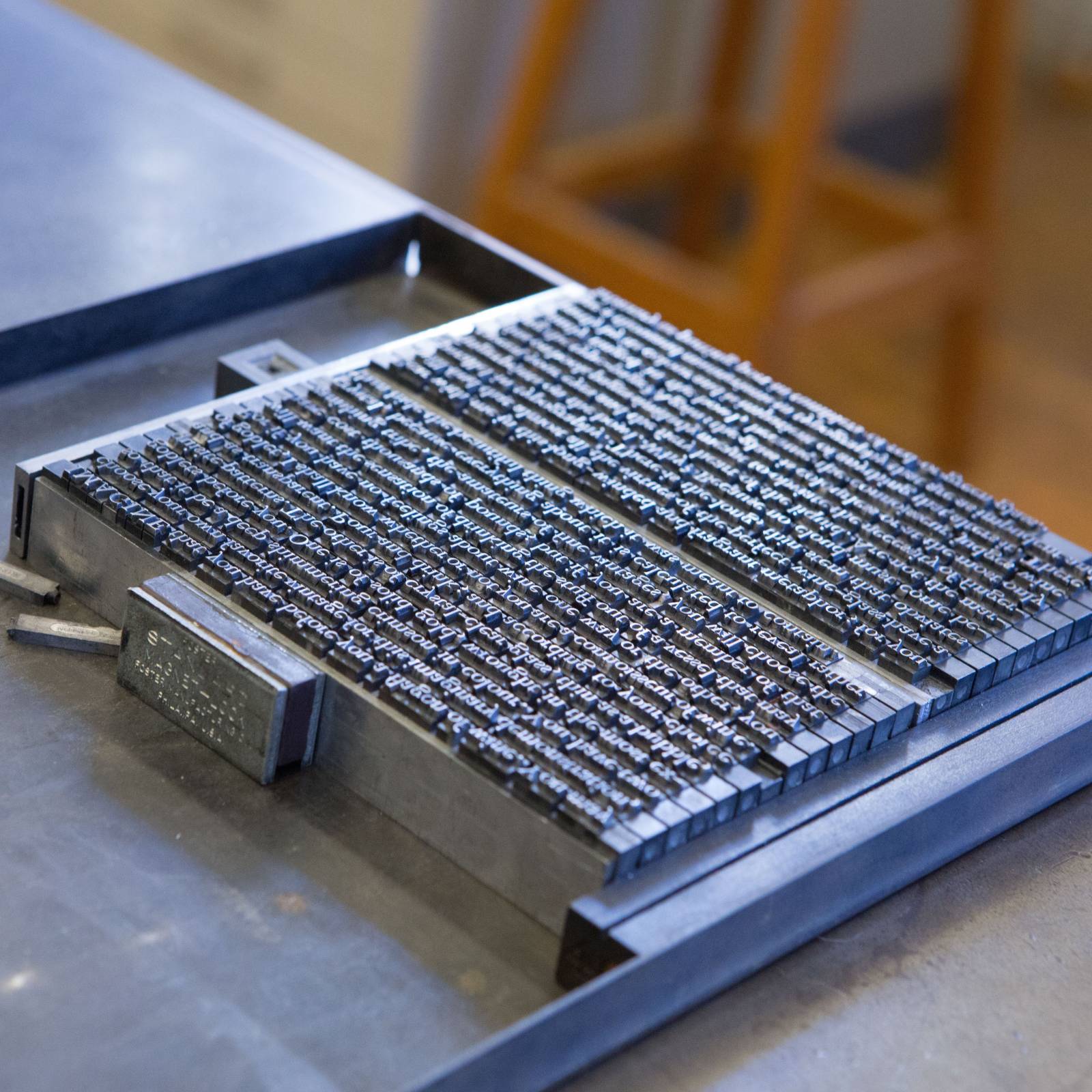
Unfortunately, writing isn’t just stamping words on paper like this printing press does. How do we get the words flowing in the first place?

Recently, I’ve been thinking a lot about writing.

I’m sure part of it is because I just turned in my thesis, the longest written work I’ve ever completed. Another part, I’m sure, is my recent decision to go to grad school for science writing. While I’ve always enjoyed writing, I still find it difficult enough that it’s strange and terrifying to think I may soon do it for a living.

But even if you’re not taking that crazy leap like me, writing is a necessary part of research (among many, many other things). And like every other skill, writing only gets better through practice. But how you practice matters, and so — while much of the advice below can be summed up as “just keep writing, all the time” — here are three particular strategies that have worked for me.

Write something

If you’re stuck, just keep writing. There’s a lot of advice out there about how to make sure you have the best outline (and writing really is easier when you’re fleshing out an outline instead of pushing ahead blindly without any guidance). But even an outline can sometimes feel like too big of a step when you’re faced with the blank page.

Categories
Independent Work Present & Publish Findings

Mentorship in Research: Overcoming Originality

Over the course of the semester, PCURs will reflect on the professors, advisers, and friends who shaped their research experiences. We present these to you as a series called Mentorship in Research. Most undergraduates have met, or will meet, an individual who motivates and supports their independent work. Here, Dylan shares his story.

~~~~~~

“Everything you might write has been written before,” said Professor Pedro Meira Monteiro, my adviser, leaning back into his chair.

I was in a JP meeting in his cozy, naturally lit East Pyne office. The paper had me in high-stress mode, but I was in good hands. Somehow, hearing that all work is derivative and unoriginal did wonders to immediately calm me down.

Let me explain.

I first met my advisor when he co-taught the Princeton in Brazil program in June 2013.
I met Professor Meira Monteiro when he co-taught Princeton in Brazil in June 2013.

I am writing my JP about Nise da Silveira, a Brazilian psychoanalyst who taught painting and sculpture to schizophrenic patients as a means of treatment. This paper is meant to prepare me for my summer research in Rio de Janeiro, where I’ll look at current artists who use da Silveira’s teachings as creative inspiration. My JP is, to a certain degree, an appetizer — the background knowledge I need to enrich my summer work.

And yet, the deeper I got into my topic, the more I faced the sinking feeling that I couldn’t contribute much to the scholarly discussion — at least not until I got to Brazil and did my interviews.

Categories
Independent Work Research Life

Finding a Home for my Independent Work Abroad

Abroad this semester at the University of Otago, my independent work has felt far from home.

Before leaving Princeton, I talked to my fall JP adviser about how to expand my fall paper, and had a few meetings with my spring adviser. Once I arrived in New Zealand, however, life became a whirlwind of flight transfers, international orientation, and a packed introduction to my new home.

In the midst of all this, I had underestimated how much harder it would be to coordinate with professors at Princeton from a timezone sixteen hours away. Communication suddenly slowed down to a snail’s pace–instead of walking into someone’s office, I found that it could take anywhere from days to weeks to go from one email to the next.

It was discouraging and unexpected. My fall JP had gone as well as I could have hoped. My topic was new and exciting, and my semester was full of stimulating conversations with professors and graduate students (during office hours and even over email from overseas). By the end of the writing process, I felt that I had made a non-trivial contribution to philosophical literature, even as a third-year university student. Abroad, however, I found myself torn between exploring a new place and having to piece together advice from various emails to create a plan for my JP.

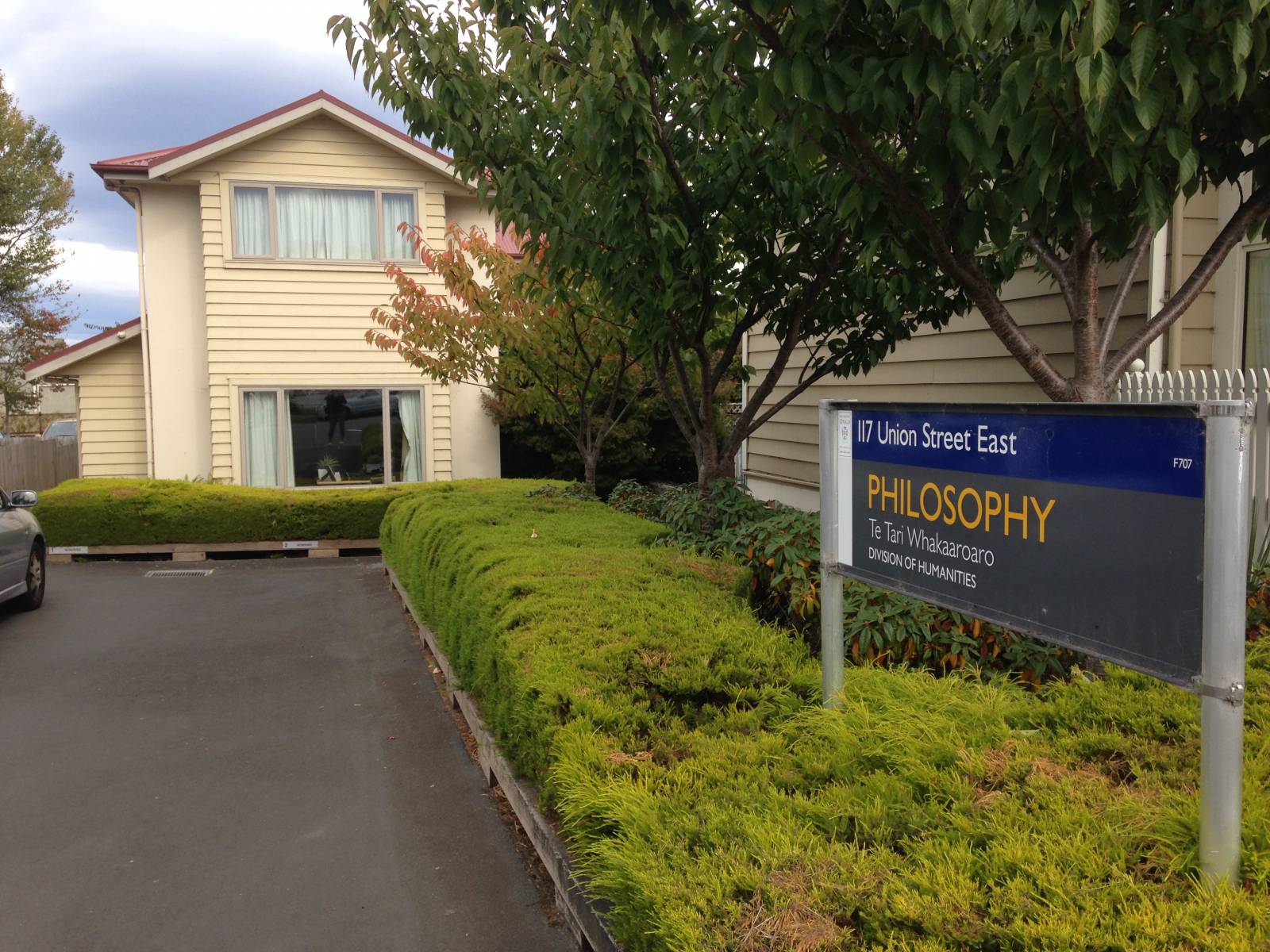
The philosophy department at the University of Otago on a sunny morning!
Categories
Independent Work Present & Publish Findings

Need to de-stress? Get off campus

2015-09-19 13.29.23
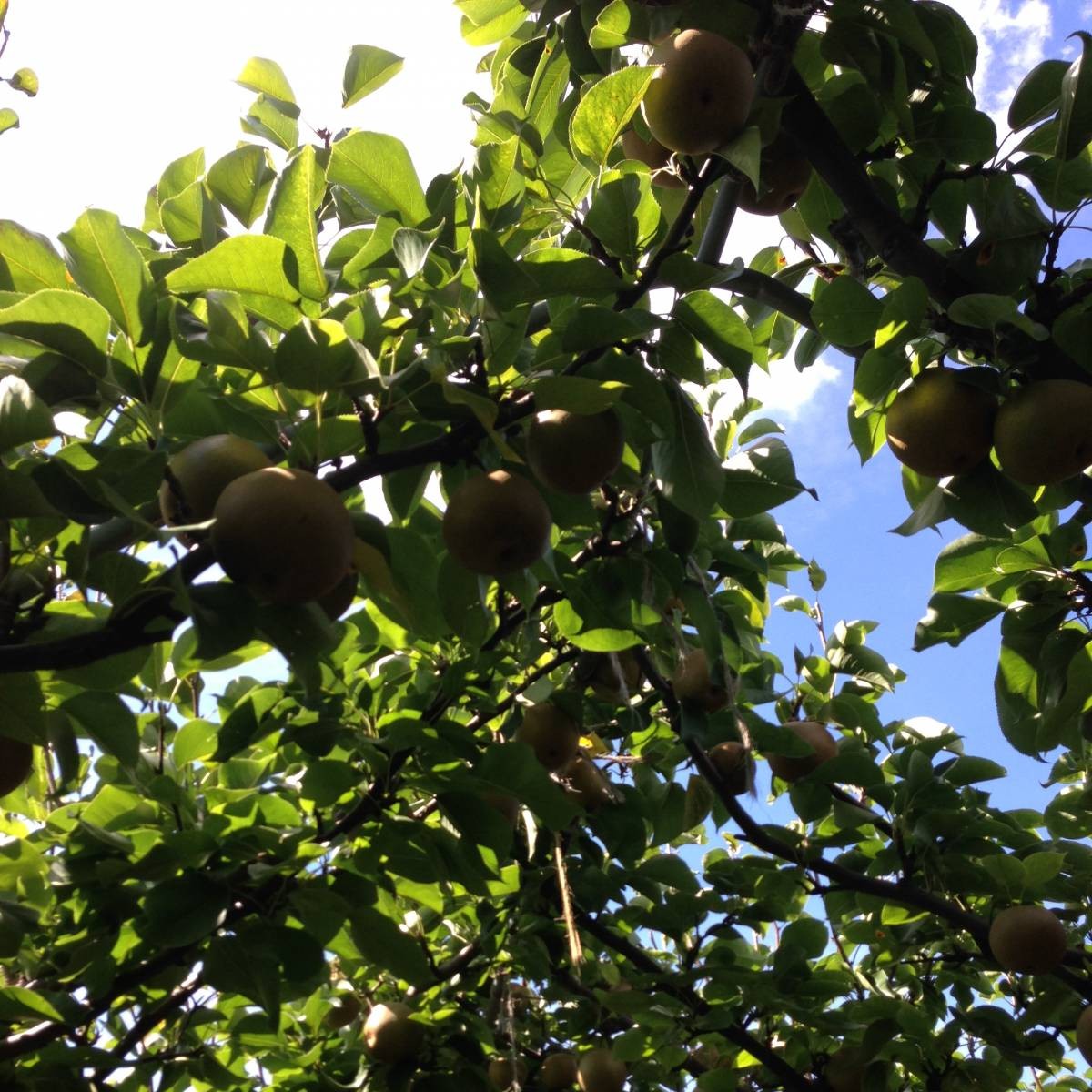
The canopy of a nearby orchard, where I went picking pears earlier this year.

There’s no denying it: It’s hard to escape the “Orange Bubble.” With so much to do on campus, it’s hard to think of reasons to leave our little insulated community. But the deeper I venture into my thesis (due May 2; the coveted Post Thesis Life doesn’t exist for ELE majors), the more I realize how easy it is to get lost in long days of endless work —and how important it is to leave the Orange Bubble once in a while.

Categories
Conduct Research Independent Work Present & Publish Findings

Pushing forward

Last week, Zoe wrote about research in the face of despair from external factors. How can you not push forward, she asked, when in your work is hope for a better future?

late_night_squarejpg
Late nights in Frick – an all-to-familiar scene for me and many other thesis students.

This week, I tackle inner despair: How can you push forward when in your work you see no hope?

My thesis project holds no immediate promise of hope for the reefs, or of curing some plague, or of fantastic future technology. The motivation for basic biochemical research comes from its intrinsic beauty, and the hope of applications long in the future. I was incredibly excited about my thesis project at the beginning – I was asking fundamental questions about the origin of life; I had the potential to create something genuinely new. Inevitably, though, my project hit obstacles – both technical problems and scientific difficulties indicating misconceptions in my original idea.

So, the thesis I’m currently writing looks nothing like the thesis I imagined last spring.

Categories
Independent Work

Five Steps to Prepare for Summer Research

I know it’s hard to believe, but it’s spring again, and we only have a month to go before finals. As summer approaches, many Princetonians are getting ready for jobs, internships, and — if they’re lucky — vacation. Others, like me, are prepping to do research.

This has been on my mind a lot recently. I am a PIIRS Undergraduate Fellow, which means I am receiving funding and guidance to conduct my thesis research abroad this summer. Recently, I submitted my final proposal. I hope to explore Brazilian psychoanalyst Nise da Silveira’s legacy outside of the realm of psychology. Known for using artistic expression as a means of treatment for schizophrenic patients, da Silveira’s teachings serve as a source of inspiration for some artists in Brazil. Finishing my proposal forced me to prepare for my time in Rio. Here, I thought I would share the five steps I found most helpful.

IMG_2581
A plus about doing my summer research in Rio? Seeing this view from the plane!

1) Think about your personal goals and interests. Reflect a little. What do you want to get out of your independent work? For me, I know I want to become a better ethnographer, improve my fluency in Portuguese, and immerse myself in Rio’s art world. My project is designed to address these goals by placing me in constant contact with artists. Locating your areas of interest and desired growth is important if you haven’t picked a topic yet, too; find something that excites you! After all, independent work is more than a torturous graduation requirement—it’s your time to grow intellectually and hone in on something enthralling!

2) Talk to professors. I know this is something we write about a lot on PCUR, but that’s because professors are such valuable resources. Once I had my initial ideas to explore art and mental stigma, I spoke to two professors about the topic. I left these meetings not only with ten books to take out of the library and myriad themes to begin exploring, but also with the confidence that this project was a good one.

Categories
Independent Work Present & Publish Findings

Editing Independent Work: How to Know When You’re Done

Many juniors and seniors will spend their sunny spring days inside revising!

With JP and thesis deadlines quickly approaching, many students have moved from the writing stage to what seems like a never-ending cycle of editing and revising. Editing and revising independent work (or any long paper) can be daunting, mainly because there’s a lot of content and there’s always some way to improve your writing. While there is no “perfection test” to let you know when your independent work is immaculate, here are some telltale signs that you should probably just hit submit:

Categories
Independent Work PCUR News

Sophomores: Get Ready for Independent Work

If you’ve never completed an independent work project, you probably have questions about how the process works. As usual, if you’ve got questions, PCUR has answers. Join me, Zoe, and others for an informal discussion about independent work tomorrow night (Tuesday, April 5) from 9-10pm in Butler College (1915 room). Check out the flyer below:

Are you ready for independent work

— Melissa Parnagian, Chief Correspondent