Categories
Independent Work

Five Steps to Prepare for Summer Research

I know it’s hard to believe, but it’s spring again, and we only have a month to go before finals. As summer approaches, many Princetonians are getting ready for jobs, internships, and — if they’re lucky — vacation. Others, like me, are prepping to do research.

This has been on my mind a lot recently. I am a PIIRS Undergraduate Fellow, which means I am receiving funding and guidance to conduct my thesis research abroad this summer. Recently, I submitted my final proposal. I hope to explore Brazilian psychoanalyst Nise da Silveira’s legacy outside of the realm of psychology. Known for using artistic expression as a means of treatment for schizophrenic patients, da Silveira’s teachings serve as a source of inspiration for some artists in Brazil. Finishing my proposal forced me to prepare for my time in Rio. Here, I thought I would share the five steps I found most helpful.
IMG_2581
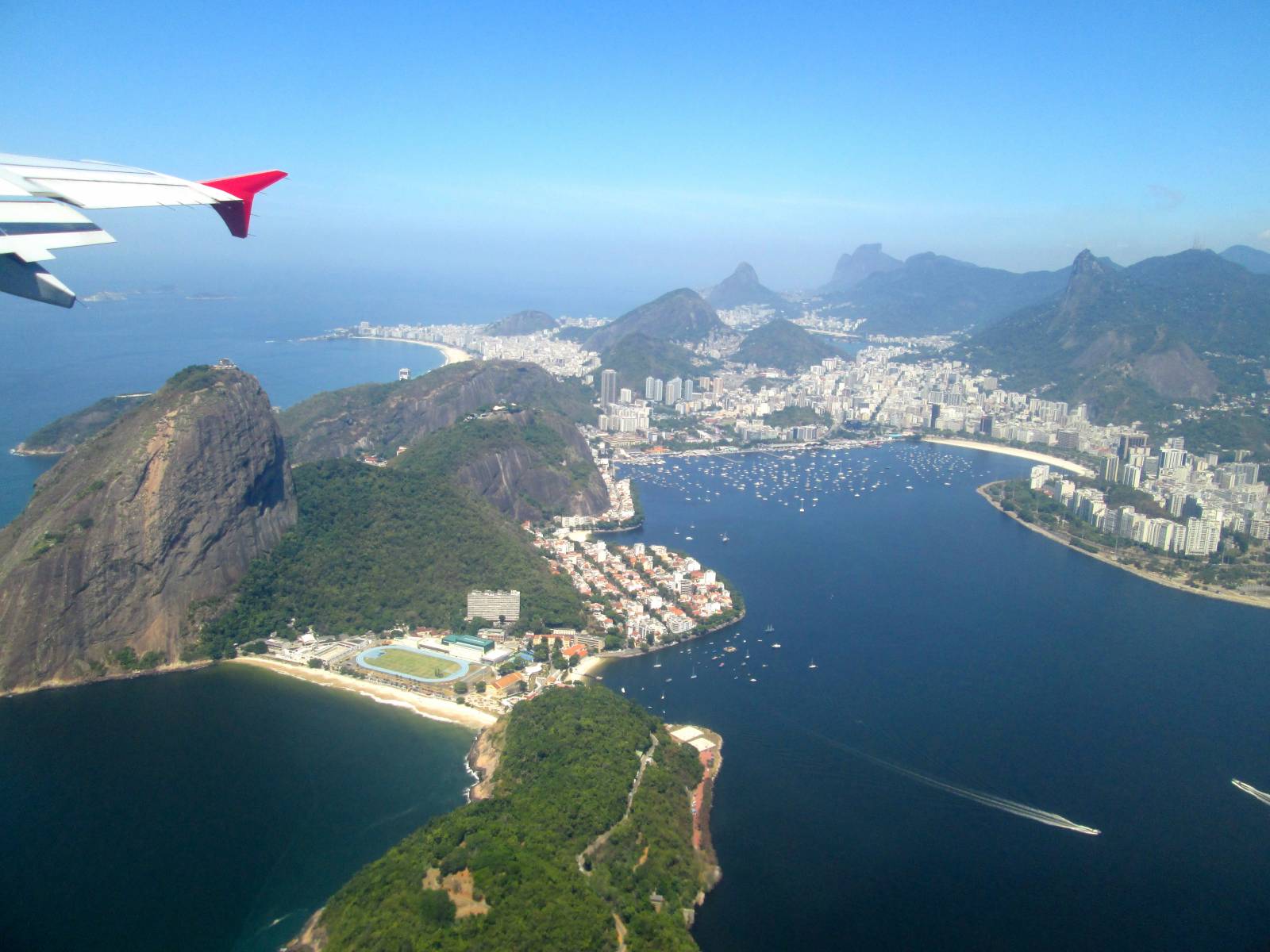
A plus about doing my summer research in Rio? Seeing this view from the plane!

1) Think about your personal goals and interests. Reflect a little. What do you want to get out of your independent work? For me, I know I want to become a better ethnographer, improve my fluency in Portuguese, and immerse myself in Rio’s art world. My project is designed to address these goals by placing me in constant contact with artists. Locating your areas of interest and desired growth is important if you haven’t picked a topic yet, too; find something that excites you! After all, independent work is more than a torturous graduation requirement—it’s your time to grow intellectually and hone in on something enthralling!

2) Talk to professors. I know this is something we write about a lot on PCUR, but that’s because professors are such valuable resources. Once I had my initial ideas to explore art and mental stigma, I spoke to two professors about the topic. I left these meetings not only with ten books to take out of the library and myriad themes to begin exploring, but also with the confidence that this project was a good one.
Categories
Independent Work Present & Publish Findings

Editing Independent Work: How to Know When You’re Done

Many juniors and seniors will spend their sunny spring days inside revising!

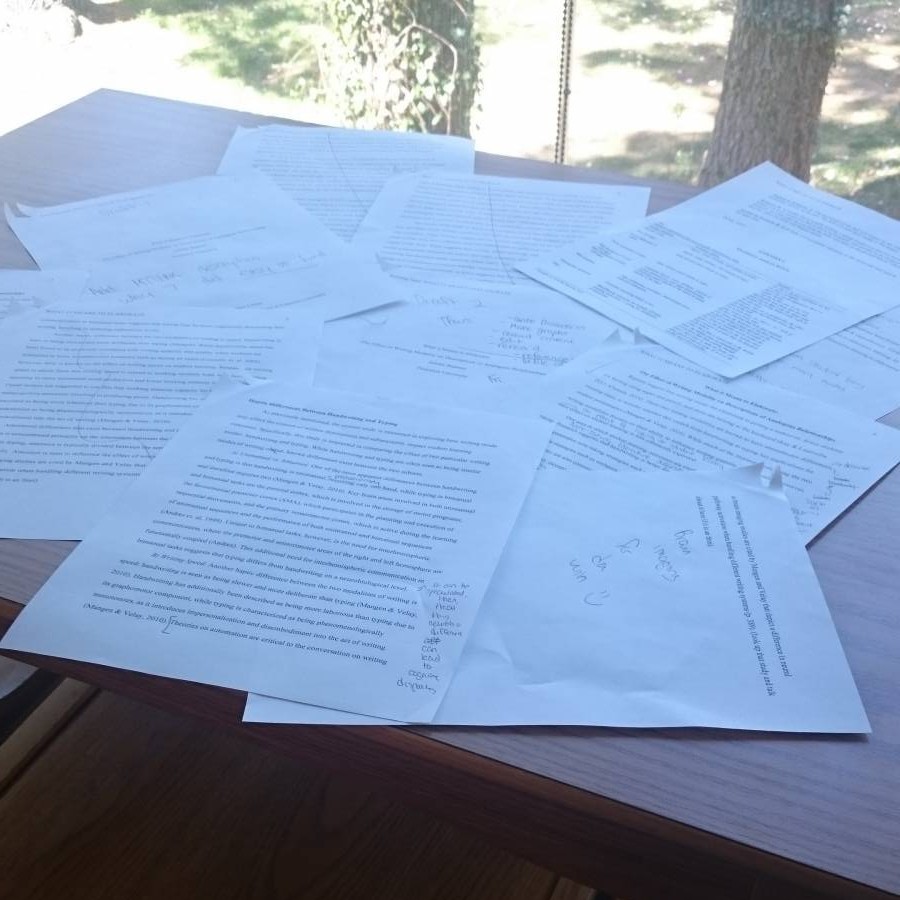
With JP and thesis deadlines quickly approaching, many students have moved from the writing stage to what seems like a never-ending cycle of editing and revising. Editing and revising independent work (or any long paper) can be daunting, mainly because there’s a lot of content and there’s always some way to improve your writing. While there is no “perfection test” to let you know when your independent work is immaculate, here are some telltale signs that you should probably just hit submit:

Categories
Independent Work PCUR News

Sophomores: Get Ready for Independent Work

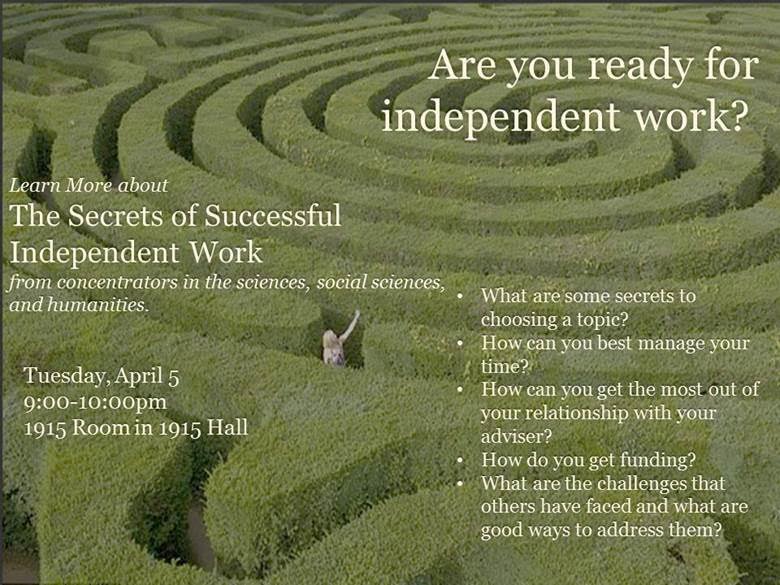
If you’ve never completed an independent work project, you probably have questions about how the process works. As usual, if you’ve got questions, PCUR has answers. Join me, Zoe, and others for an informal discussion about independent work tomorrow night (Tuesday, April 5) from 9-10pm in Butler College (1915 room). Check out the flyer below:

Are you ready for independent work

— Melissa Parnagian, Chief Correspondent

Categories
Conduct Research Independent Work

Underclassmen: Make the Most of Thesis Season!

March Madness takes on a whole new meaning for Princeton seniors, who are working hard to stay ahead of upcoming thesis deadlines. With submission dates as early as next week, many seniors spent their spring breaks finishing up data collection, editing their drafts, and attending thesis-geared events (like bootcamps).

IMG_2328
The pollen on my doorstep scared me multiple times over break.

I spent my break watching basketball, being terrified of pollen every time I left my house, and sleeping for over 12 hours a day… But, now that I’m back on campus I thought it would be a good idea to ask seniors a few questions about their projects. Until this semester, I knew almost nothing about the thesis process that defines senior life in the months before graduation. Previously, most of my conversations with my senior friends would go something like:

Me: Hey, how’s the thesis coming along?

Senior: (Groan)

Me: You’ll get through it! Only a few more weeks!

And so I thought it might be time for me to ask more meaningful questions (given that my previous interactions only seemed to remind everyone of all the work they had left).

Categories
Independent Work Present & Publish Findings

5 Thesis-Related Things That I’m Excited About

As everyone knows, thesis crunch time is upon us. In an attempt to keep the positive energy flowing, I’ve decided to divert my attention away from stressful thoughts of drafts and deadlines…. and instead compose a list of 5 thesis-related things that I’m excited about! Here they are:

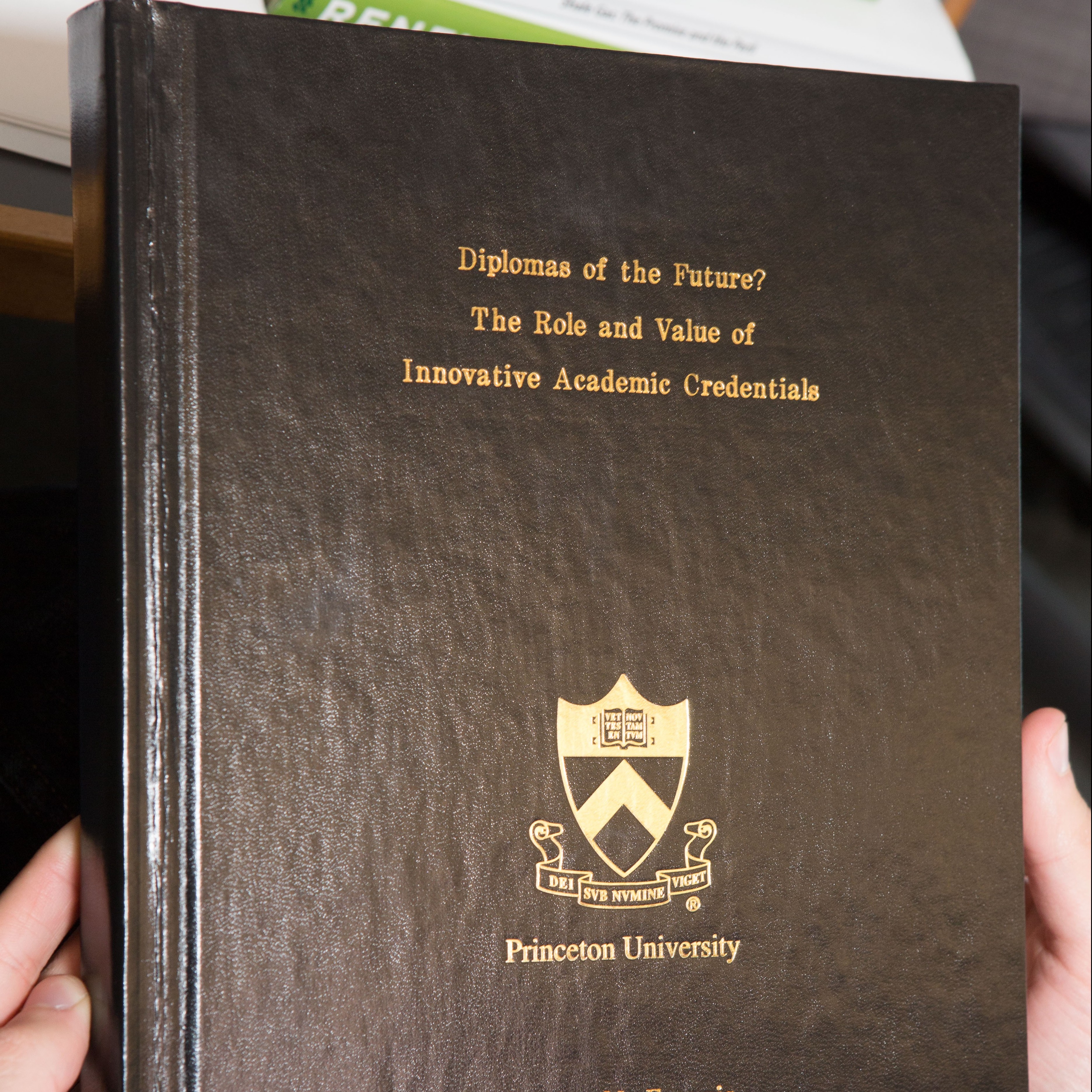
  1. Seeing my thesis title gold-stamped on the cover.
Every senior dreams of the day their thesis is finally binded! Photo credit: Princeton University Office of Communications
Bound theses always look so prestine!

Bound theses are beautiful, but the best part for me is seeing the gold letters of the title contrasted against the black leather. It is going to look so official!

2. Actually wanting to talk about my topic.

I’m so excited to finally feel like an expert when talking to people about my topic. I mean, we picked our topics because we were interested in them and thought others would be too, right?

I’ve also applied to present at Princeton Research Day, so hopefully I’ll get to look legit while giving a 10 minute presentation about how handwriting and typing influence learning differently!

Categories
Conduct Research Independent Work

A survival guide for major declaration season

The EEB department dinosaur in Guyot Hall: pretty much the best thing ever.

There are some things that department websites just don’t tell you.

For example: The History Department holds its mandatory senior thesis planning meeting one hour after spring junior papers are due. (“People hadn’t slept for days!” a friend told me recently.) The Spanish Department, on the other hand, hosts monthly department-wide dinners.

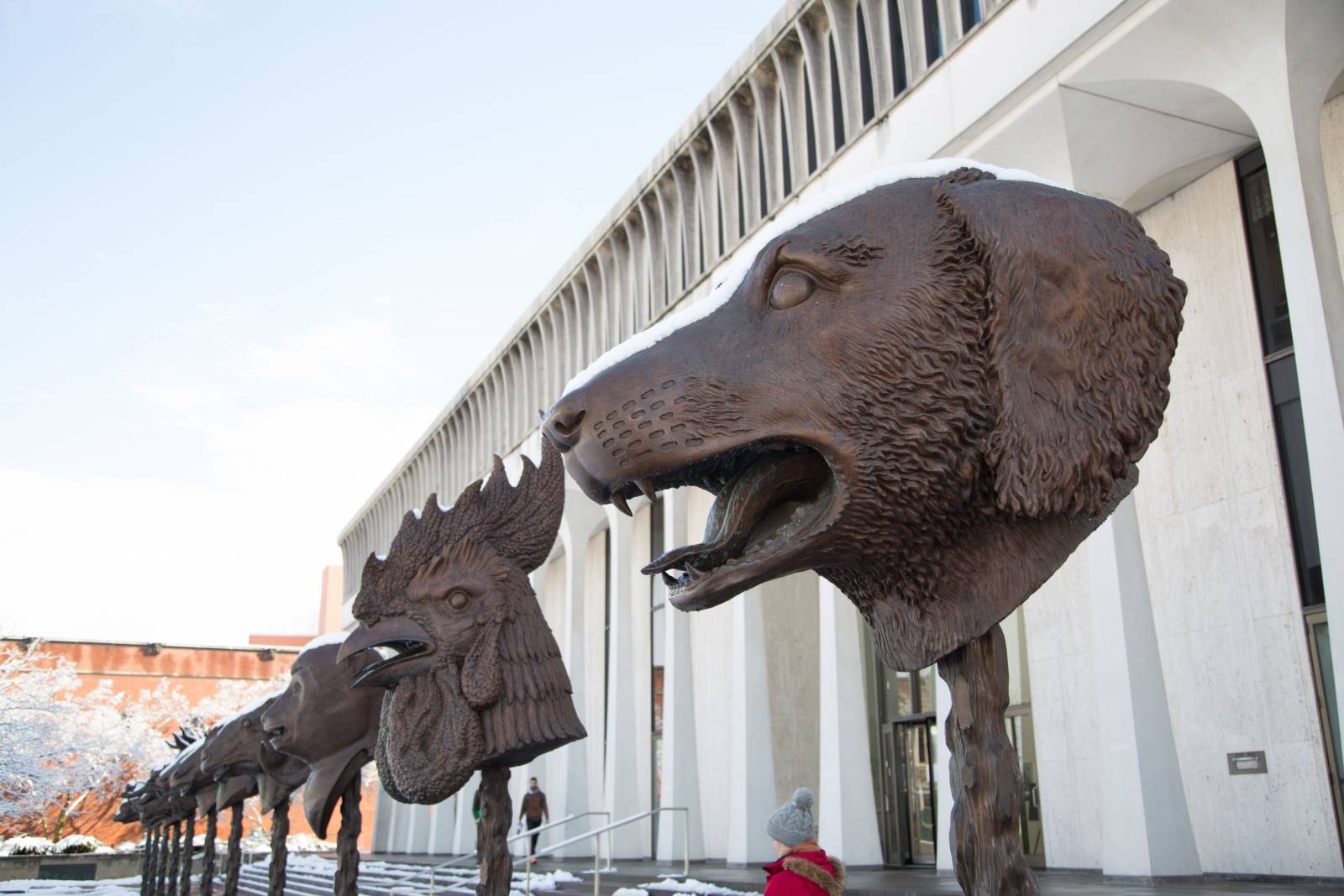
...though, if I were choosing my concentration by architectural and archaeological perks, I'd say the animal heads of WWS come in a close second.
…though, if I were choosing my concentration by architectural and archaeological perks, I’d say the animal heads of WWS come in a close second.

I am amazed — unfortunate scheduling and free food aside — by how much I didn’t know when I chose my major. Talking to other upperclassmen, I get the feeling that I’m not the only one. We all seem to have bumbled through the process, some better-informed than others. When April rolled around, we all picked something and moved on.

Surely, there’s a better way to sift through the options. Looking back at major declaration season, here are the three questions I wish I’d known to ask.

Categories
Independent Work Plan Beyond Graduation Present & Publish Findings

Rocky trails: Researching what matters to you

eve1
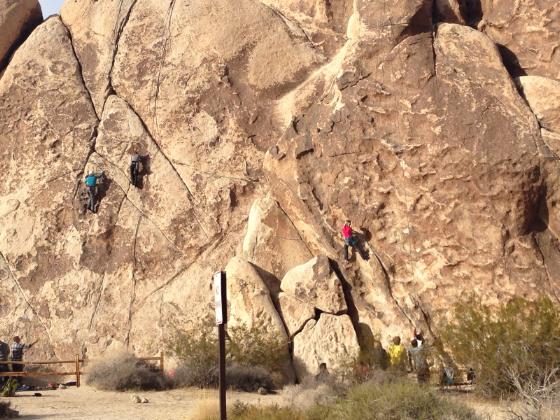
Climbers using fixed anchors in Arches National Park

How would you like to travel to six of the country’s most famous National Parks for your senior thesis?

My friend Eve Barnett, a senior in the politics department, did just that. Eve, who also leads Outdoor Action trips and rock-climbs with the Princeton Climbing Team, found a way to combine her academic training with her love of the outdoors. Her thesis focuses on how the Park Service addresses a controversial issue within the climbing community: fixed anchors, metal bolts pushed into a cliff face for climbers to clip into. Should they be allowed in National Parks because they increase access, or banned because they’re a permanent change to the rock face? I sat down with Eve to learn more about her research journey.

How did you decide on a research topic? Was it related to your previous independent work?

It was totally unrelated! My fall JP was about international ocean conservation commissions, and my spring JP was about the different political experiences of high-income and low-income college students. I asked my thesis adviser what he thought about continuing with the college student project, but he recognized that it wasn’t really my project since it was a small portion of a professor’s ongoing research. He told me he believed my thesis topic should be something I have ownership of. So I started thinking, what do I love?

Categories
Conduct Research Independent Work Present & Publish Findings

Q&A with HackPrinceton Directors

Every year, students across the country come to campus for HackPrinceton, the biannual hackathon event that boasts thousands of visitors. While I’ve never attended a hackathon in my life, quite a few of my friends attend them regularly. They gather in small teams to work on technology and engineering projects (colloquially called “hacking”) at the event, which culminates in group presentations of the projects they’ve created. I’ve noticed that the hackers who are involved in research or entrepreneurship find the hackathon experience especially rewarding. So, this spring, I plan to try out my first hackathon at HackPrinceton. In preparation for the April 1-3 session. I decided to learn a little more about hackathons and how they relate to research in general.

Here’s a snippet of my Q&A with 2015-16 HackPrinceton Directors Zach Liu ’18 and Monica Shi ’18, who helped run the incredibly successful HackPrinceton Fall 2015.

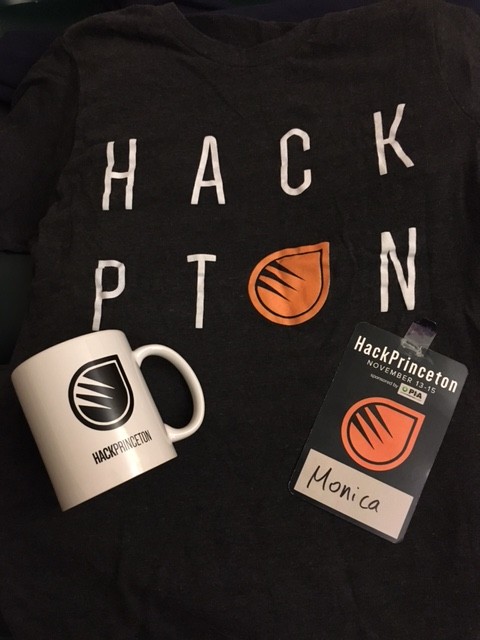
A great perk of being a HackPrinceton competitor – lots of free swag! Swag Credit to Monica!

Me (Kavi): What exactly is a Hackathon?

Monica: Essentially it’s an event where people come together to think of and build projects. Traditionally, these projects are divided between software and hardware, but there are hackathons for other things – like design projects. It’s a great way for people to learn about programming and technology by getting together with a group of like-minded students to build a project for 24-36 hours. It’s kind of like a marathon where you have any and all the materials you need to build your project. The hackathon organizers will do their best to make sure you’re able to hack with all the resources you need – including all the food you need to keep you satisfied. At the end, teams get feedback from a panel of judges, and the top projects win awesome prizes!

Categories
Conduct Research Independent Work

Exploring Thesis Resources: What MTurk Is (And Isn’t)

Screen Shot 2016-02-21 at 9.10.40 AM
MTurk is a great way to collect data from human subjects!

Mechanical Turk, more commonly known as “MTurk”, is a popular site created by Amazon to help researchers collect data from human subjects. As a student who had never heard of this site before starting my thesis, I’ve decided to share my knowledge about what the site is and how it can be helpful for independent research at Princeton.

What exactly is MTurk?

MTurk is basically a marketplace where researchers can upload various tasks and have other people complete them for money. These tasks range from having people take a survey to having people grade responses or transcribe segments of text. Basically, anything that someone can do on a computer can be turned into a task on MTurk.

Categories
Independent Work Present & Publish Findings

The value of harsh editing: “Killing your children”

When you’re struggling to begin a paper, perhaps the last thing on your mind is the possibility that you might have too much to write about. But sometimes when you’re struggling to start, it’s not because you don’t have enough to write about, but because you have too much. Have you ever found yourself with so many competing ideas bouncing around in your head, each clamoring for expression, to the point that your writing has no focus?

editing
Editing can be painful, but comparisons to prolicide are a bit exaggerated

When I find myself in such a situation, I remember an unfortunately violent piece of editing advice: Kill your children — that is, don’t let your attachment to particular sentences or ideas prevent you from cutting them.

Just do it. Don’t convince yourself that an idea that it must remain in your draft at the expense of the quality of the work as a whole. However painful it may be, there will come a time when you have to sacrifice something for the good of the piece.

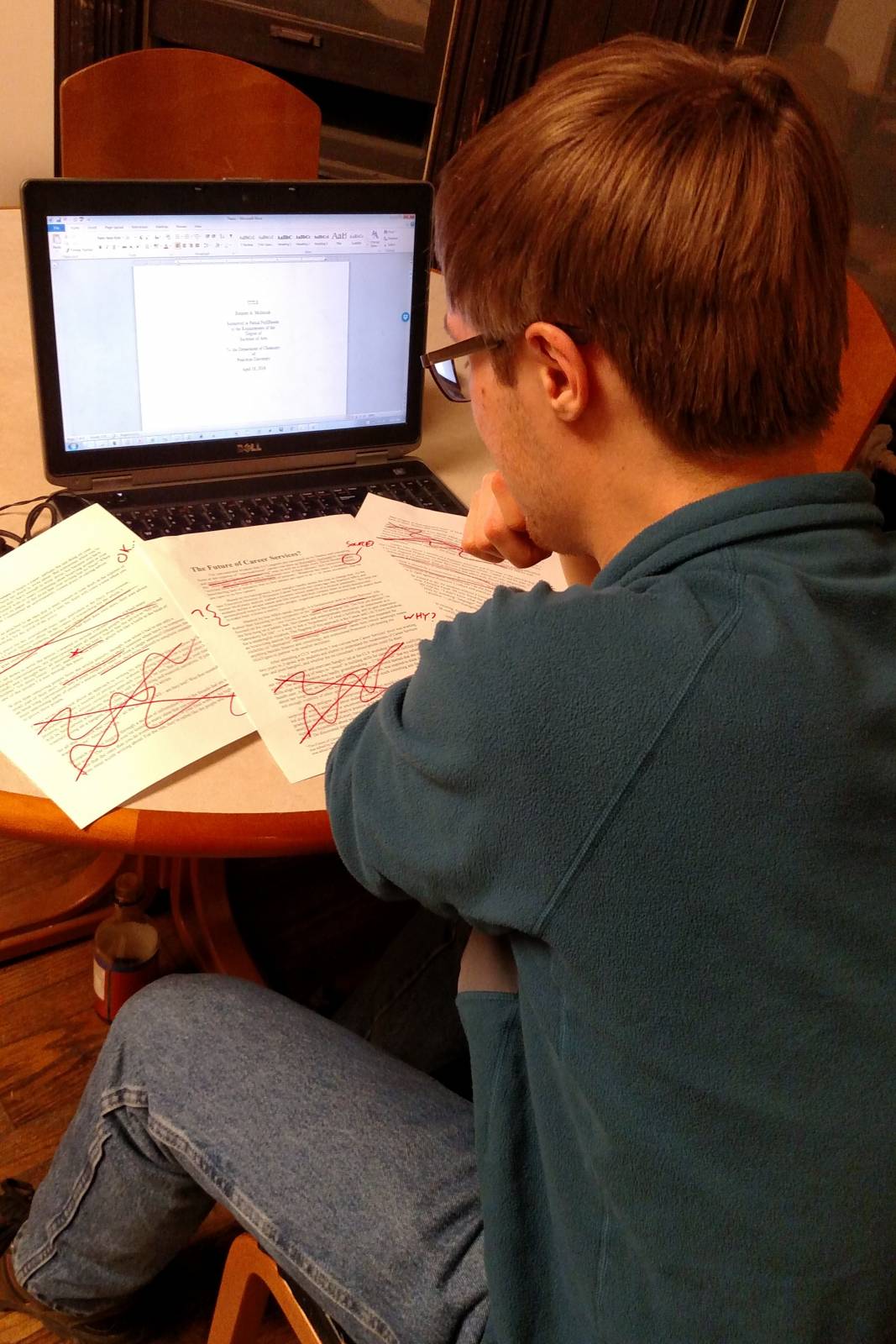
This fall, I wrote a piece for my journalism class, later published in the Daily Princetonian, about Princeton’s Career Services office. In the course of researching for the article, I interviewed more than a dozen students, alumni, and career service staff. Musicians and consultants, grad students and executives – everyone had  their own story, their own advice to offer me and other students.