To all the research skeptics

Research can help you gain a lot of new insights.

When I entered Princeton as a freshman, I was skeptical that research could do anything for me. I considered myself an applied person who cared little for theory, and I hadn’t planned on continuing on to graduate school. The tides turned when I stumbled upon an optics Research Experience for Undergraduates (REU) program when I was looking for summer programs freshman year. At the time I felt I had few marketable technical skills in my major, so I figured it would be a good chance to build up some useful skills and decided to give it a try. And I’m really glad I did — the experience made me realize how wrong I had been about my prior assumptions regarding research.

Are you a research skeptic, too? Let me tell you a bit about my story and why I would recommend giving research a try.

Continue reading To all the research skeptics

Lost in Translation

Princeton is known for its small classes, but imagine taking this to the extreme. Last semester, I took SOC 310, Gender and Development in Latin America. Total students: one.

unnamed
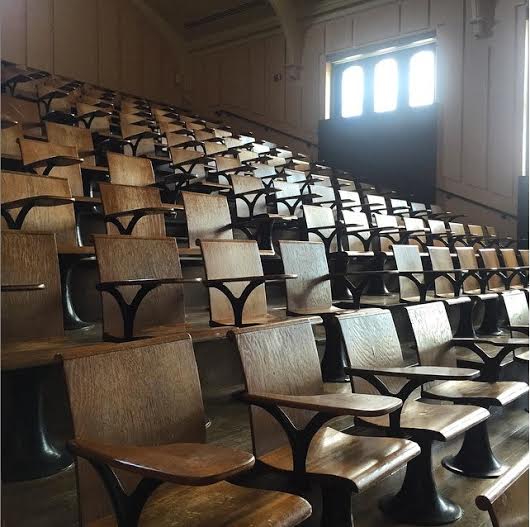
Not all classes fill up a lecture hall!

Following an odd turn of events last spring that saw all other students drop the course, I was handed an incredible opportunity: a one-on-one course crafted around my interests.

Much of the class was dedicated to discussing LGBTQIA themes in Latin America. There’s a lot I could write about, but for the purposes of this blog I will focus on one particular oddity. In several articles, I remember coming across the word “transvestite”. I am a peer educator at Princeton’s LGBT Center, and as I had learned in training, many consider this word to be pejorative and outdated. Shouldn’t a sociologist studying queer issues know better?

Continue reading Lost in Translation

Correspondent Convos: What are your research challenges?

Correspondent_Convos_IconYou’ve probably heard that research is more of a marathon than a sprint. That’s definitely true — Every independent project involves thorough planning and lots of stamina.  But since we’re on the subject of analogies, it’s also true that research is an obstacle course.  Think about it: There are challenges built into the research process, and sometimes they’re impossible to avoid.  PCUR gets real about these roadblocks in our second Correspondent Convo.  Watch below to learn which struggles are most common, and which strategies can help you reach the finish line.

— Melissa Parnagian, Chief Correspondent

A Problem Set I’ll Never Forget: My Journey to Creative Thinking

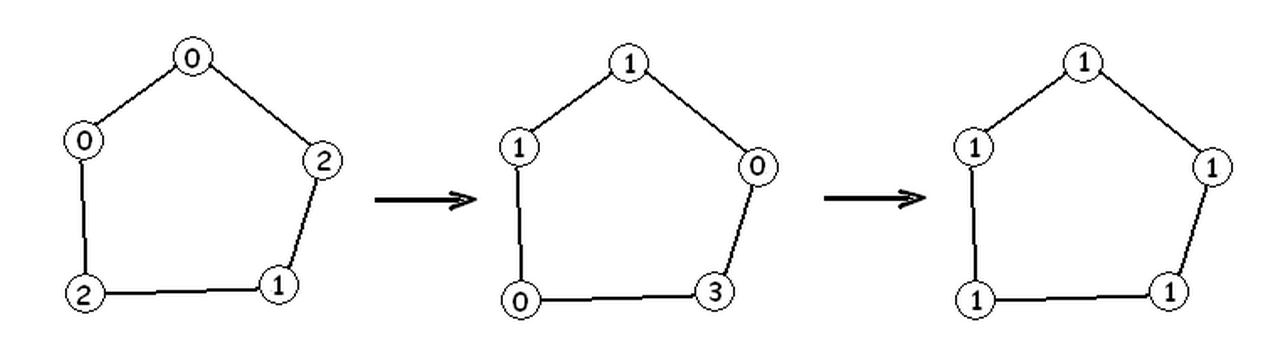
Problem 5 on my problem set was about distributing a pile of stones across vertices of a pentagon.

Creativity is something I’ve struggled with my entire life. Being the son of two architects, I was always expected to develop some sort of creative talent – even at a young age. Sadly, this talent never manifested itself, especially not in building design (I figured that out when my 2nd grade classmates labeled my gingerbread house as the ‘ugliest’ at a holiday party).

I learned very early in my life that I was more of an analytical and methodological person. While I wasn’t creative, I could follow a set of clear-cut instructions. I liked classes like math where everything had definitive answers. I enjoyed playing sports like tennis where mastery of a specific set of techniques defines what it means to be a good player. But when given the freedom to be creative, I used to panic. The music I composed for my piano class sounded awful. My dancing skills were subpar let alone my ability to choreograph. And I couldn’t write creatively no matter how hard I tried.

Then one day in high school, my entire perspective changed. Continue reading A Problem Set I’ll Never Forget: My Journey to Creative Thinking

Uncovering Research Opportunities with an Impact Beyond the Classroom

As Princeton students, we all know that our classes offer many amazing opportunities for personal advancement, but we often do not recognize how certain classes can grant us opportunities to contribute to a greater community as well. I was fortunate enough to take such a class as early as my first semester at Princeton, when I enrolled in a Freshman Seminar entitled Philanthropy: Can we Save the World Through Generosity? The topic of this course—the work of foundations and nonprofits—was fascinating, and the method of learning was truly unique. In hopes of instilling a passion for philanthropy amongst Princeton students, a generous alumnus gave a grant of $50,000 to our class. He charged us with the responsibility of donating the grant to non-profits of our choice and learning about philanthropy through that process.

Continue reading Uncovering Research Opportunities with an Impact Beyond the Classroom

Correspondent Convos: Why do you enjoy research?

Correspondent_Convos_IconAs the semester rolls on, it can be difficult to get excited about your research projects or independent work.  You may be tempted to view an upcoming assignment as just another addition to your busy schedule – but that line of thinking zaps your energy before you even start.  Now is a good time to remember the things you enjoy about research.  And yes, there are things you enjoy about research.  Watch PCUR weigh in on the most exciting moments of independent work, and make sure to stay pumped for your next project.

— Melissa Parnagian, Chief Correspondent

PCUR podcasts are here!

Whether you read PCUR from your laptop or from your phone, neither option is particularly useful when you’re on the go. Why? Reading and walking usually don’t mix. But listening and walking go hand in hand, which you probably know from blasting your playlist on the way to class. PCUR wants a spot on that morning playlist: We’ve just launched our very own podcasts, perfect for those times when reading isn’t an option. Listening to our brief, informal conversations will start your day on a good note.

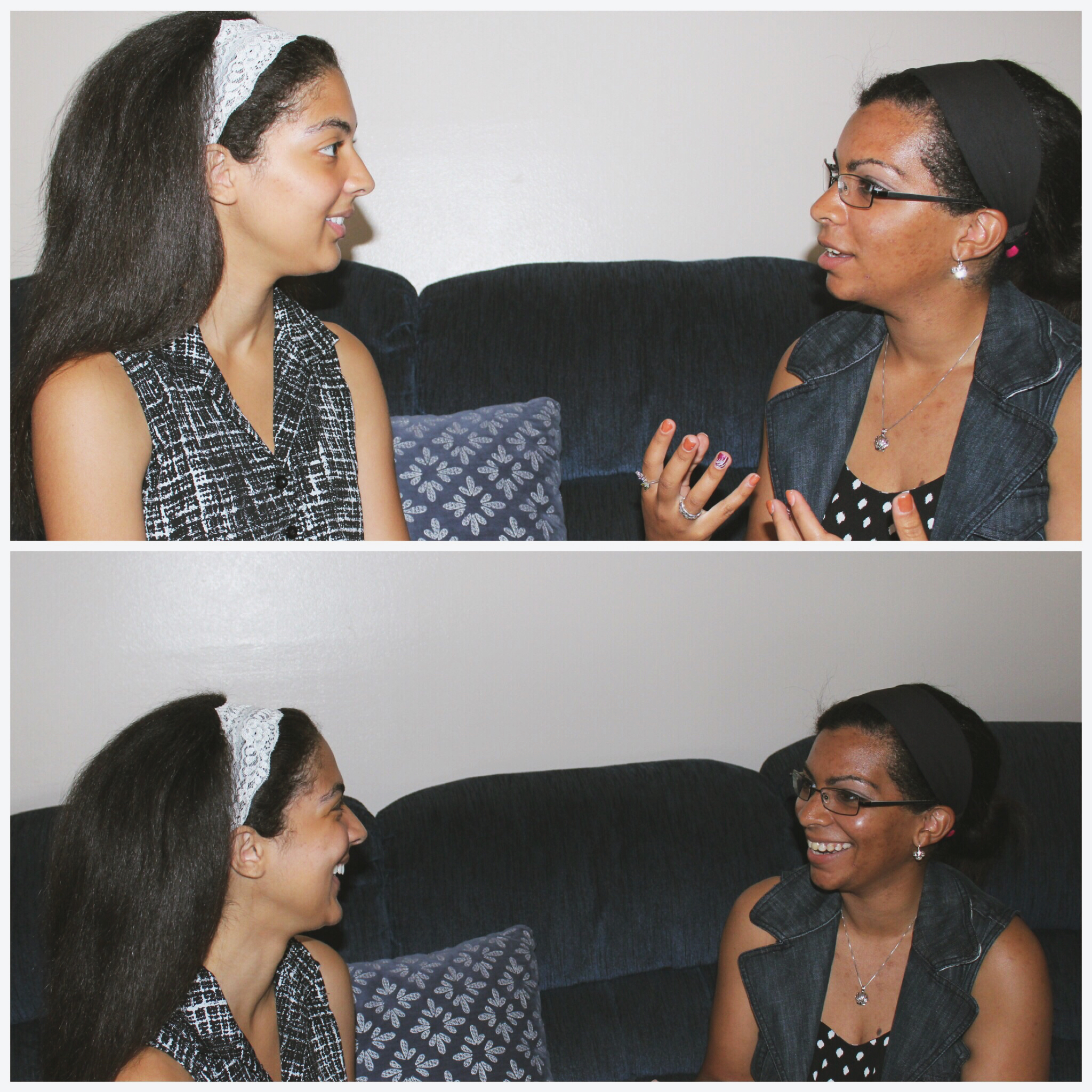
Check out the first podcast now – it’s an interview with a Rutgers Psychology major turned Master’s candidate in K-6 education, who happens to be my sister.  How did independent work influence her journey? Listen below to find out.


— Melissa Parnagian, Chief Correspondent

From Paper to Presentation: Completing the Research Journey

Moving from the paper to a presentation.

Most of us consider the submission of our bound theses to be the end of the Princeton road. While this is definitely a huge accomplishment and a major milestone along the path (congratulations!), we shouldn’t forget that many of us are still required to communicate our findings as a presentation to the wider community. In fact, this last step is arguably even more important than the bound thesis itself – what good is your hard-earned discovery if no one knows about it?

But the presentation brings with it some unique challenges – how do you communicate your findings to a general (or at least wider) audience? How do you condense one year’s worth of work into just 10 minutes? Continue reading From Paper to Presentation: Completing the Research Journey

Draft to Deadline: The Sophomore Experience

IMG_4252
2017 is not the first class to be in this position.

Sophomore year is the awkward transitional phase of the Princeton experience. When you arrive on campus in September – propped above the new freshmen – you feel empowered by your first-year revelations: how to divide your time among classes, where to find accurate reviews about said classes, and how to get to said classes in under ten minutes. At the same time, however, you have not yet earned the title of “upperclassman,” which brings with it the junior papers and senior theses you were admitted to write. It is both freeing and confusing to be sandwiched between these two extremes.

It’s also unbelievable (at least for me) that sophomore year can actually come to an end. I entered the 2014-15 school year with expectations — a draft, if you will, of how to balance prerequisites with broader passions. Now we’re approaching the deadline. And besides using a research analogy in the preceding sentence, I found that research was a huge part of sophomore life. It turns out that the awkward phase is the perfect phase to get comfortable with your own research expectations, before you begin to apply them more intensely. Continue reading Draft to Deadline: The Sophomore Experience

Learning from What Isn’t

With May finally here, we’ve reached the home stretch of the 2014-15 school year. Make no mistake: This is an achievement. You deserve to celebrate. Grab an extra fro-yo cone next time you’re in the dining hall, and enjoy knowing the machine has more handles than there are weeks remaining in the semester.

IMG_3593
Here’s hoping your fro-yo cone turns out better than mine.

After that *debauchery*, ease back into the research world with a reflexive book – like Verlyn Klinkenborg’s Several Short Sentences About Writing, which was recommended in my African American Studies class last semester. As the title makes clear, it’s a series of short sentences about how to approach the writing process. Klinkenborg replaces oft-repeated mechanical suggestions with much more useful ideological ones. My favorite appears on page 29: “Every sentence could have been otherwise but isn’t.”

Following Klinkenborg’s words, every sentence in your research papers is a deliberate choice. Every argument could have reached a different conclusion, but did not. As you question, test, and analyze facts in your independent work, a crucial step is to recognize why you chose a particular arrangement of information. This goes beyond mere adherence to a thesis. Why did you pursue one research lead, and not another?   Continue reading Learning from What Isn’t