
The Rocky Road: Not Always a Flat Trail

A picture tells a thousand words, but even then it is often not the whole story. Geologic field research is frequently idealized in many people’s minds by the scenic landscape photographs that we take – open forests in beautiful river valleys, lush meadows along the tops of ridges, picturesque deserts, unbelievable views at the peaks of mountains… and, at its best, field research is indeed conducted in places like these. Last summer, for example, I spent 6 weeks gathering data for my senior thesis in the North Cascades, WA:

Looking at rocks (Photo by Sean Muleady)
Looking at rocks…

But amazing landscapes, although of course some of the best parts of our research, are only a small and arguably inconsequential part of the big picture.

Almost the entirety of the research that goes on in geology fails to be captured in the idealized photographs that most people see. To just touch upon some of the work that goes on behind the scenes, researchers have to prepare funding proposals, read the literature that relates to the problem at hand, manage a budget, analyze samples in a lab, and collaborate with other researchers. Although each of these components of research are critically important, today I want to explore one particular challenge that I grappled with over my field season this past summer. Continue reading The Rocky Road: Not Always a Flat Trail

Back to the Basics: Transitioning from Student to Researcher

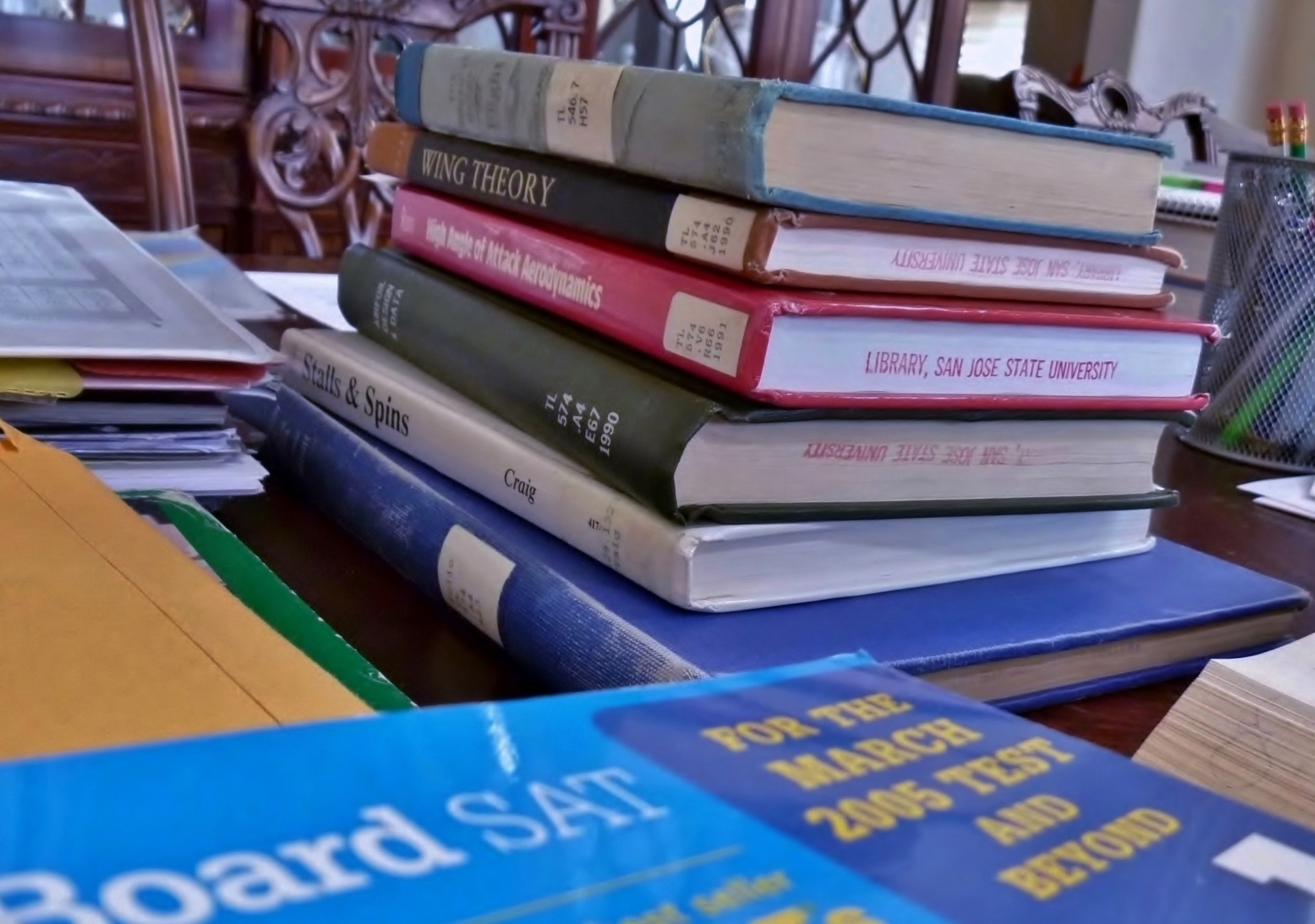
Time to hit the books again! (Photo by Stacey Huang)
Time to hit the books again!

Four years after I had begun my first incursion into the research world, I saw myself as a somewhat seasoned student researcher. At the very least, I had some confidence in my research and experimental abilities. But it was not until this year that I realized that through all the lofty jargon and fancy terminology I had been picking up along the way, there was something I had been urgently lacking: the basics.

One of the eye-opening incidents happened just this past summer, when my supervisor asked me to explain to him an optical gas sensing technique known as “2f wavelength modulation spectroscopy.” That day, I had been trying to calibrate a laser that we were planning on using for a methane sensor and had been experiencing some problems. As my supervisor always does when he troubleshoots, he wanted to start from the basics. After all, if we didn’t know how every bit of the sensor worked, how could we figure out the possible sources of problems? But usually he had been the one doing all the explaining, so I was surprised when he suddenly asked me: “Stacey, what is the signal that we’re measuring anyway?” Continue reading Back to the Basics: Transitioning from Student to Researcher