
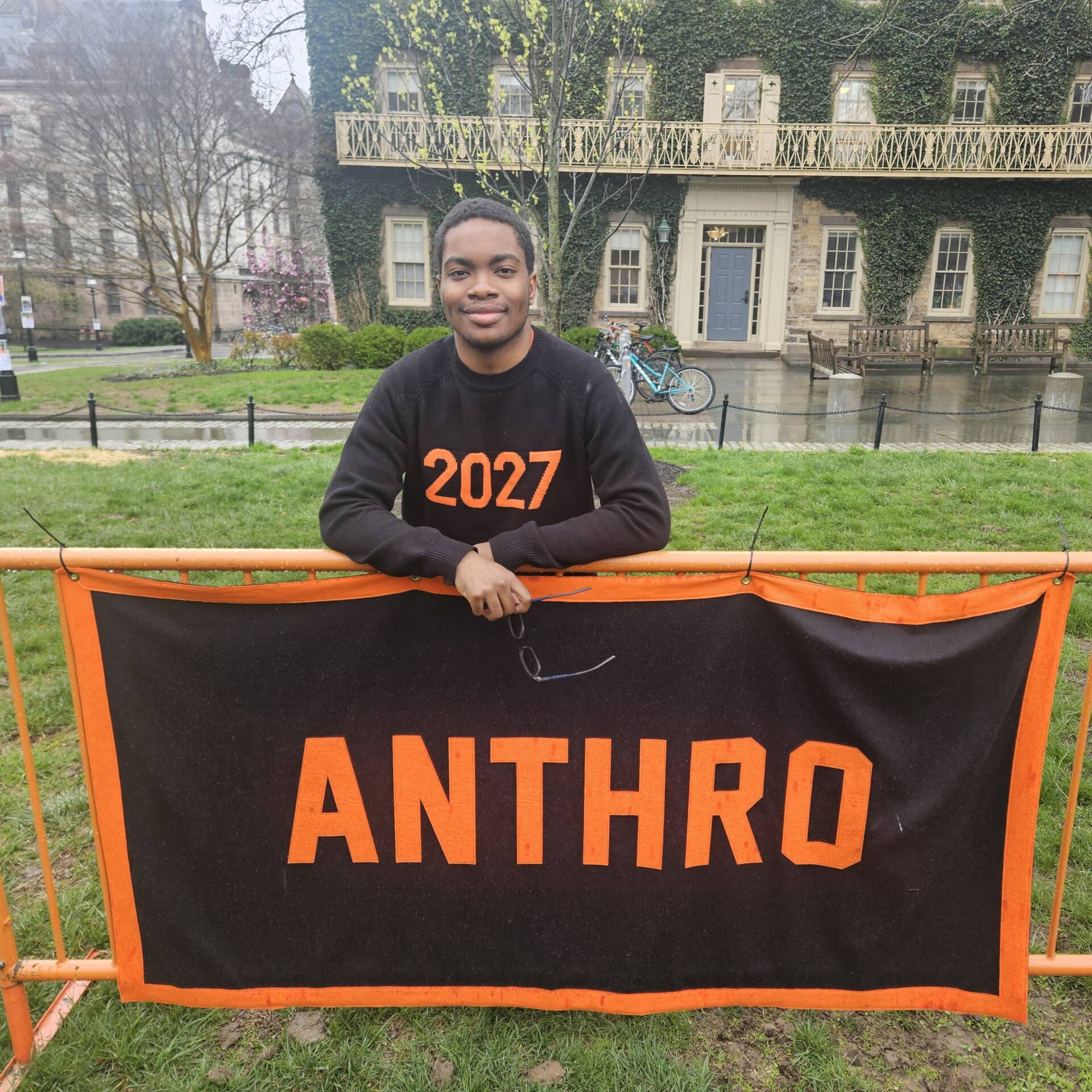
Princeton and research go together so well they can almost feel synonymous. From the first-year writing seminar to the Junior Paper two years later, core milestones in the Princeton experience are research experiences. Every step of the academic journey undergraduates undergo feels as though it’s building up to the ever-looming thesis. However, nestled between Writing Sem and the JP is sophomore year, when students pursuing AB degrees declare their major. It’s a time to explore diverse courses and meet new faculty, an opportunity to engage with Princeton as the liberal arts institution it is. Often in the process it can be easy to forget about the role research plays in the experience of a major. As someone who needed until Declaration Day to decide his major, considering potential future experiences with research was crucial in my decision to declare Anthropology on the Medical track. With Dec. Day on the horizon again, I wanted to share some of the thinking that was useful for my decision-making process.
One of the most important factors to grapple with relates to the type of questions your research will be able to ask. Naturally different departments are grounded in different disciplines, so a thesis written in Slavic Languages and Literatures probably won’t be analyzing misfolded proteins. Beyond broader differences in focus though, it’s important to consider what type of questions you want to ask with your thesis. Are you interested in qualitative research? Would you rather analyze quantitative data? Are you interested in a mixed-methods approach? Assessing these questions before declaring can save many headaches down the road. Additionally, it’s important to consider the amount of freedom you will have in determining your future research. In many of the natural sciences, for instance, thesis research is directly connected to the already ongoing labwork of a Primary Investigator who serves as a thesis adviser. My decision to major in Anthropology was in large part due to thinking through these questions. The narrative style of ethnographic research appealed to my interest in writing, in a way that was different than scientific writing. Additionally, I appreciated the broad latitude I would have to craft research around questions that weren’t only generally interesting to me, but true sources of passion.
Another critical consideration is the actual experience of conducting the research. Is it a summer experience or something that goes on throughout the year? The senior thesis can provide an excellent opportunity to develop new skills and greater experience, but during the fall semester, the time necessary for those labors to bear fruit has to be carved out. There’s just more time in the summer for research. At the same time though, there are a multitude of experiences that are simply not possible during the semester, requiring an unimpeded summer. While departments often do not mandate when research must be conducted, it is still an important factor to consider. Thesis research can also take you to exciting places. This doesn’t just mean traveling abroad. It also includes the many labs on campus that house world-class research technologies. As someone who was split between Molecular Biology and Anthropology, I prioritized the flexibility of getting to conduct either domestically or abroad, and not having that research tied to the regimented schedule of lab research.
Ultimately there are an infinite number of questions to consider related to choosing a department to call home. How many JPs will be necessary to write? Will the research contribute to future work in some way? How accessible is quality advising? Finding answers to these questions is critical for making an informed decision about your major and your research future. And, these questions aren’t just important for sophomores. For first-years thinking about a BSE degree, these questions are even more pressing, given their earlier declaration. None of this is to say that research concerns should be the sole driver for why you choose a major. The field should excite you, the coursework should energize you, and the department as a whole should feel like a place you can belong. Considering how the research you will do as an undergraduate here plays into that will make sure that you can look back on your major decision with pride.
— Stanley Stoutamire, Jr., Social Sciences Correspondent
