
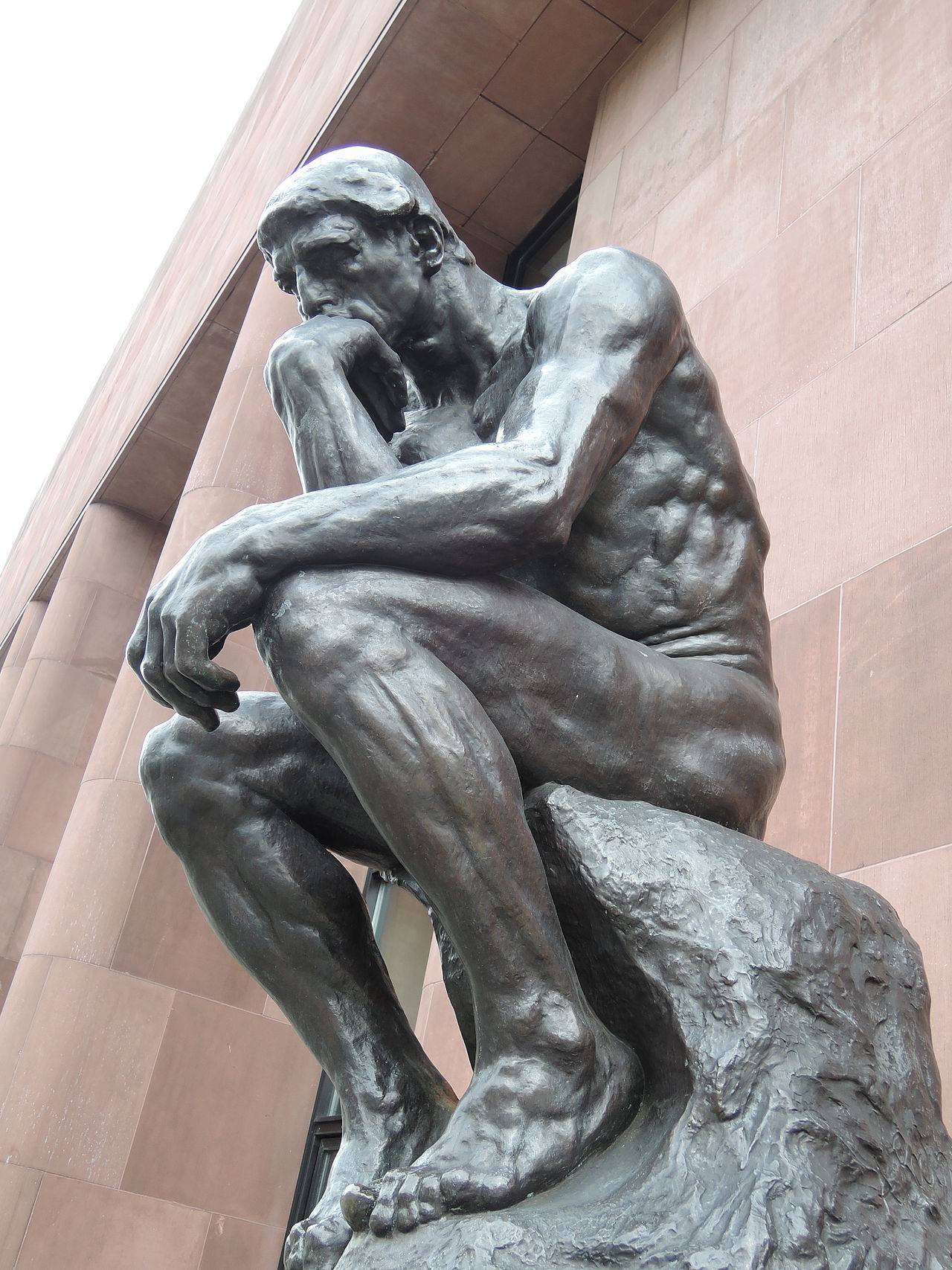
As I wrapped up the first of my two independent junior research papers and began brainstorming for the second (and much larger) one, I hit a familiar wall: too much possibility, with no clear direction.
This next paper is supposed to be around 30 pages. The topic is broad. My notes are abundant and scattered. Every passage and source I consider seems to open a new direction I could take. In theory, this is a researcher’s dream – I have abundant evidence, rich material, and intellectual freedom. In practice though, it can feel paralyzing. What is even relevant? How do I start this? What am I actually trying to say?
My high school English teacher gave me the most useful writing advice I’ve ever heard: “With focus comes depth, and with depth comes complexity.”
A research paper is only as interesting and impactful as it is focused. The very first step in tackling a large paper is narrowing your focus into something sharp and cohesive. With a longer paper, you have some breathing room, but it cannot simply be a discussion of a broad topic. When you discuss broad ideas, you end up saying nothing at all.
For my first junior paper, I knew I wanted to discuss the philosophy of death and dying in Lucretius’ seminal work De Rerum Natura. There are many passages in his work that discuss this topic, and I initially struggled to focus my ideas. I eventually settled on a seeming contradiction between a specific argument Lucretius makes–“death is nothing to us, don’t be afraid of it,”– and a later passage depicting a disease and its etiologies on the Athenian people in nauseating detail, suggesting that death is, in fact, something to be feared. When you have such a narrow focus, depth comes naturally. Even as I concentrated on this contradiction within maybe five lines of Latin text, a nuanced and deep argument became clear to me. Further points revealed themselves as I honed in on this contradiction. I ended up drawing on text from other parts of the poem, as well as on ancient Greek writers, whose ideas Lucretius drew upon.
You might think that you will run out of material to discuss if you start in such a niche manner. Counterintuitively, the opposite is true. The more precise your question becomes, the more you discover what needs explanation. A precise focus reveals details: layers of complexity and nuance, unexplored patterns, and implications that aren’t visible when a project is too broad. The more specific and detailed you get, the more you realize what can and should be said.
Writing is an art of persuasion. Broad, general claims are hard to trust and difficult to defend concretely with evidence. Focused claims, by contrast, can be demonstrated effectively, and thus carry far more power. They invite rigor, follow evidence closely, and give readers a clear reason to follow your argument to the end.
For my second JP, I’ve zeroed in on specific scenes within Homer’s Iliad and dialogue in Plato and Aristotle’s writings to frame a central tension which will guide the rest of my paper. I will bring in a variety of sources, but now that I’ve identified this tension, everything else is falling into place more clearly as I plan the structure of my argument. With focus comes depth, and with depth comes complexity. As I tackle complex topics with a variety of evidence across languages and forms, these words are my beacon as I craft a precise and impactful argument.
– Gabriel Ascoli, Humanities Correspondent
