Categories
Independent Work Research Life

Post-Fieldwork Blues

The end of fieldwork evokes strange sensations of both pride and loss.

Returning to New York after two months in Rio de Janeiro (studying psychiatrist Nise da Silveira’s life and legacy), I know I accomplished a lot. But I can’t get rid of the nagging feeling that there was so much more I could have done, and so much that I left behind. Just as I was acquiring an understanding of the nature of da Silveira’s impact, just as I was beginning to map the important people and projects she influenced, just as my interviews were becoming particularly poignant — it was time to pack my bags.
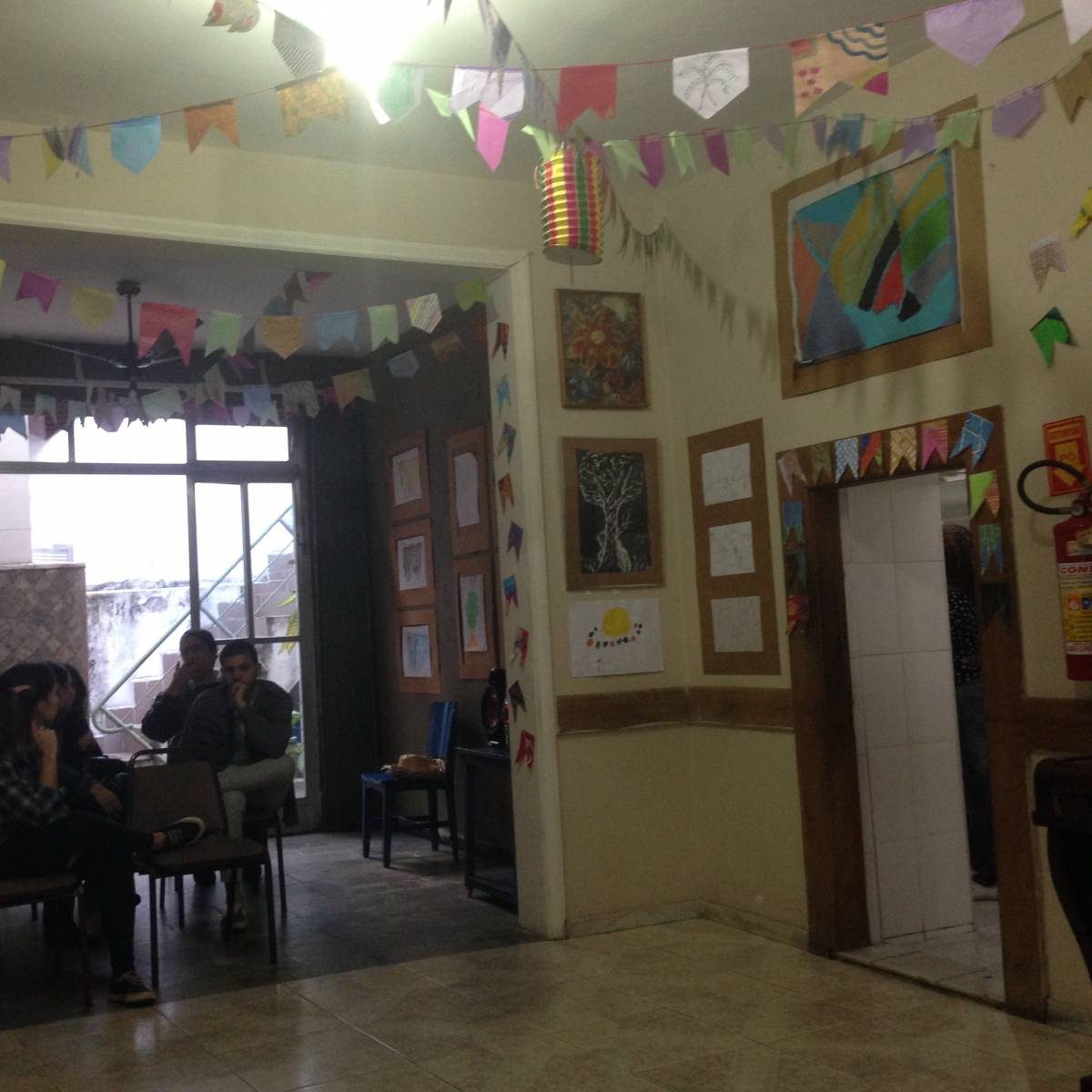
At the colorful Casa das Palmeiras, pictured above, I attended a Jungian study group, founded by da Silveira to bring intellectuals together across fields.
At the colorful Casa das Palmeiras, pictured above, I attended a Jungian study group that Nise da Silveira founded to bring together intellectuals from across fields.

It’s one of the most bizarre parts of learning. The more you know, the more you realize you don’t. That idea became clearer the more I conducted my research, as da Silveira’s work spanned many fields. She collaborated not just with psychiatrists, but also with painters, philosophers, writers, astrologers, actors, and people from many other fields. Her influence is wide-reaching. And while I never expected to reach everyone, I sometimes felt inadequate knowing there were so many more interesting people I hadn’t interviewed.
Categories
Plan Beyond Graduation Present & Publish Findings

On Action and Optimism: Notes from the 13th International Coral Reef Symposium

In the summer of 2016, it is difficult to find optimism in the field of environmental science.

Yet last month, I gathered with a throng of 2,500 coral reef scientists for the International Coral Reef Symposium (ICRS) in Honolulu. Knowing the extent of the tragic coral bleaching and death that has unfolded on coral reefs this year, I expected a week of doom and gloom. But, to my surprise, the conference gave me more cause for hope than for pessimism.

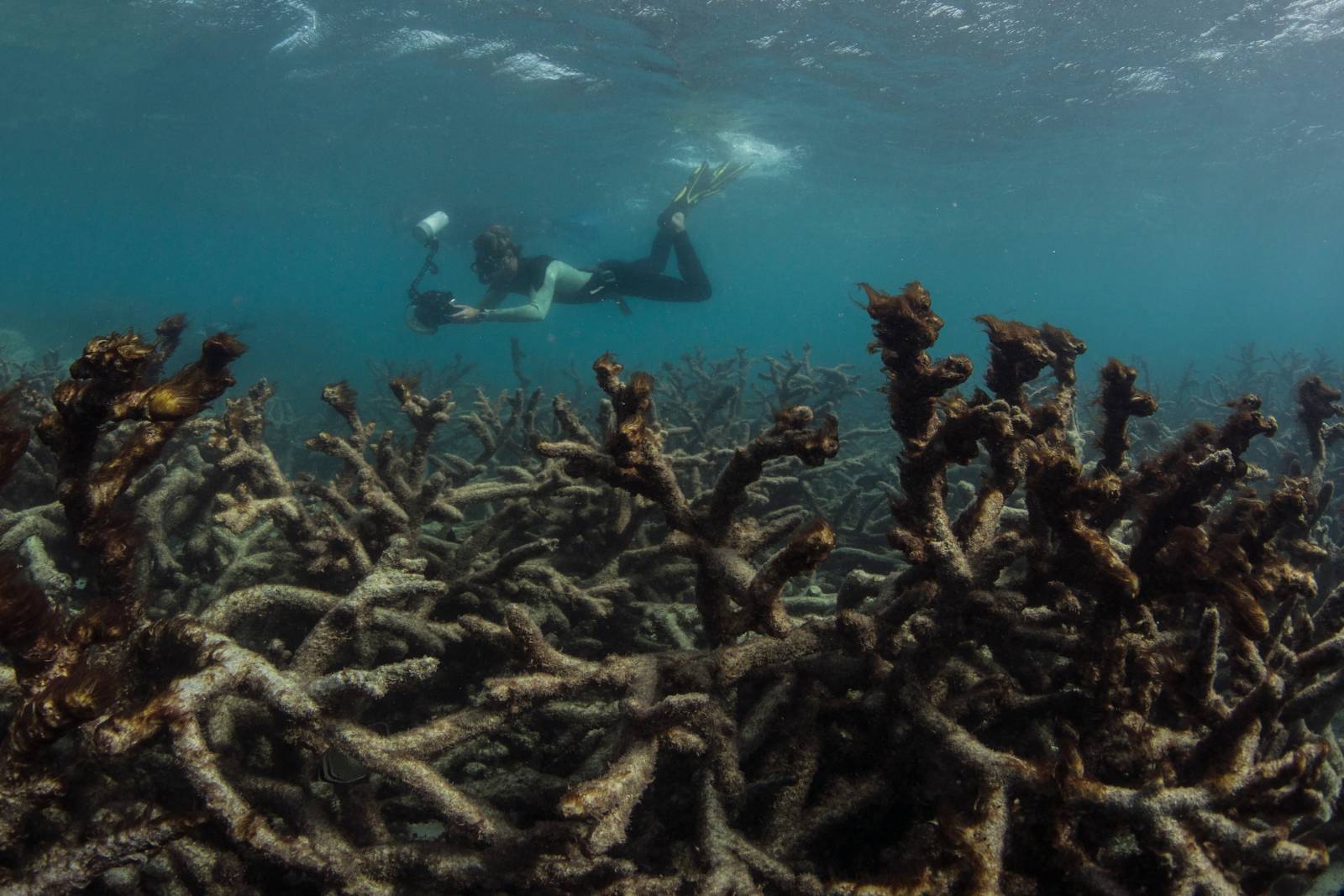
A wasteland of dead coral on Lizard Island, the Great Barrier Reef, this June. High temperatures have caused record bleaching and coral death this year.
A wasteland of dead coral on Lizard Island, the Great Barrier Reef, this May. High temperatures have caused record coral bleaching and death this year.

This is not because the situation facing coral reefs is any better than I’d thought – if anything, it’s worse. Rising greenhouse gas concentrations, warming waters, and stagnant politics have put the biodiversity of coral reefs, along with many other ecosystems, into a sharp decline. On the Great Barrier Reef – a vibrant ecosystem so structurally significant that, unlike the Great Wall of China, it can be seen from space – nearly 25% of coral is dead, from this year’s bleaching alone. At one panel at ICRS, researchers shared photographs and time-lapse footage of coral bleaching and subsequent death around the world. As they flicked through photo after photo, the conference hall adopted the atmosphere of a funeral.

No, things are not looking good for coral reefs, or for many other ecosystems struggling to keep up with the whirlwind of environmental change that stems from human overpopulation, consumption, and industrialization. One scientist, Peter Sale, called coral reefs a “canary” in the proverbial coal mine that is our changing earth. “There are a whole bunch of canaries that are at risk,” Dr. Sale said. “And when the canaries go, our civilization goes.”

Categories
Uncategorized

A Summer of Surprises in the Windy City

When I hopped on my flight to Chicago a few weeks ago, I was surprisingly calm and collected about spending 10 weeks as an intern in a whole new city by myself. This seemed odd to me, because I’m normally extremely nervous about leaving my house for any longer than a week. I still remember how terrified I was during my first few months at Princeton. I worried about everything — The fact that the laundry room was located six entryways away scared me. Were my awful laundry habits going to leave me perpetually clothes-less?

But going to Chicago, I felt somewhat prepared. It’s probably because I pictured Chicago as a smaller version of New York City, which I had grown comfortable with during my two years at Princeton. While several of my friends were traveling to exotic, exciting places around the globe, Chicago seemed comparatively boring to me.

Now, I think back to my pre-Chicago mindset and can’t believe how terribly wrong I was.

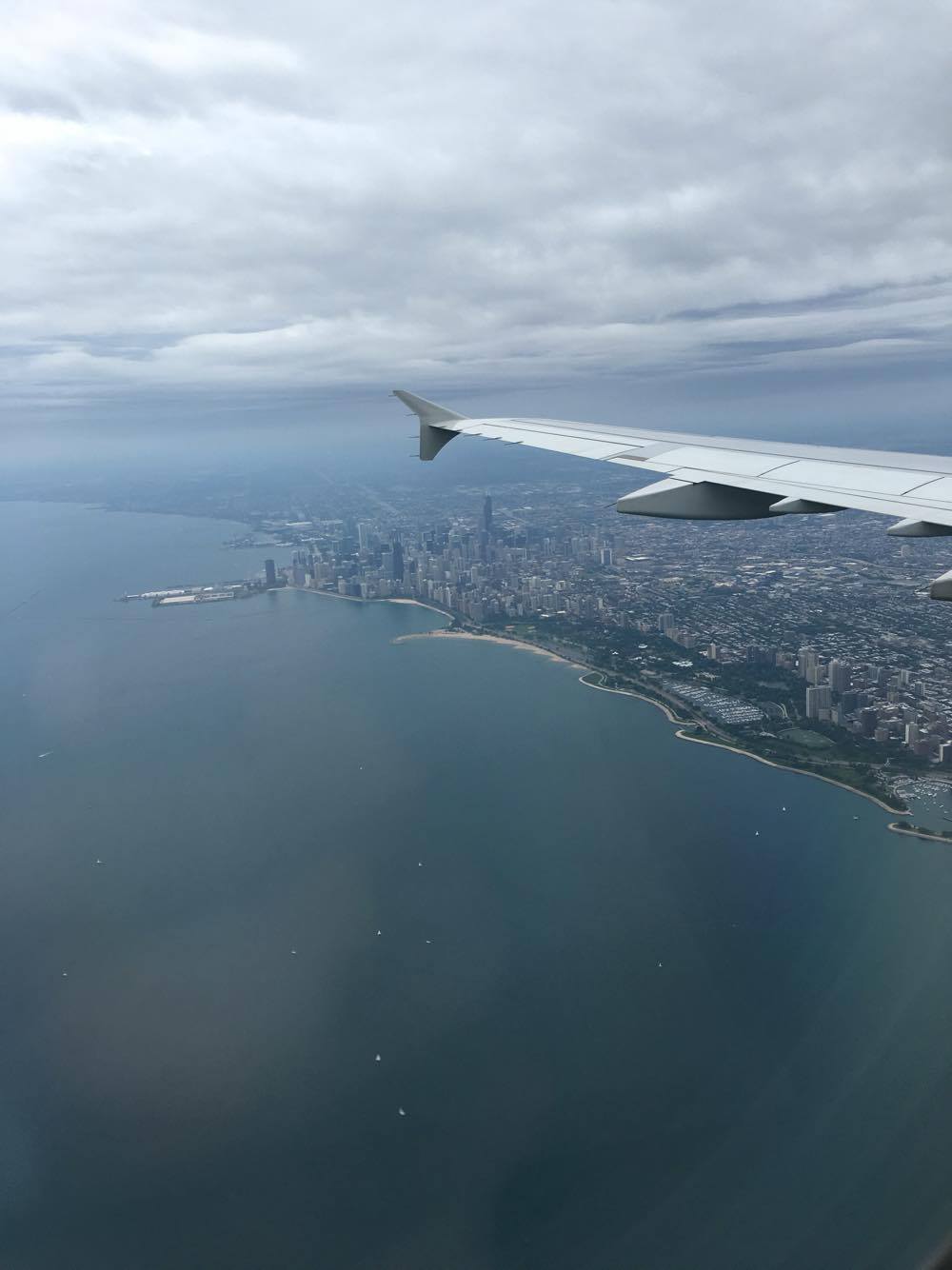
My first view of Chicago’s skyline which I captured 5 minutes before I landed.
Categories
Independent Work

Four Tips for Summer Research

Greetings from Rio de Janeiro!

Back in April, I shared some tips about how to prepare for summer research. Now we’re well into summer, and I’m on the ground in Brazil — conducting my thesis research on psychiatrist Nise da Silveira (1905-1999) and her legacy in Rio. I have made several trips to da Silveira’s psychiatric institute, particularly to visit the Hotel da Loucura — a creative space where artists and the institute’s clients come together to make theater. With two weeks of research completed, I thought I would share some summer research tips that have helped me so far.

IMG_4671
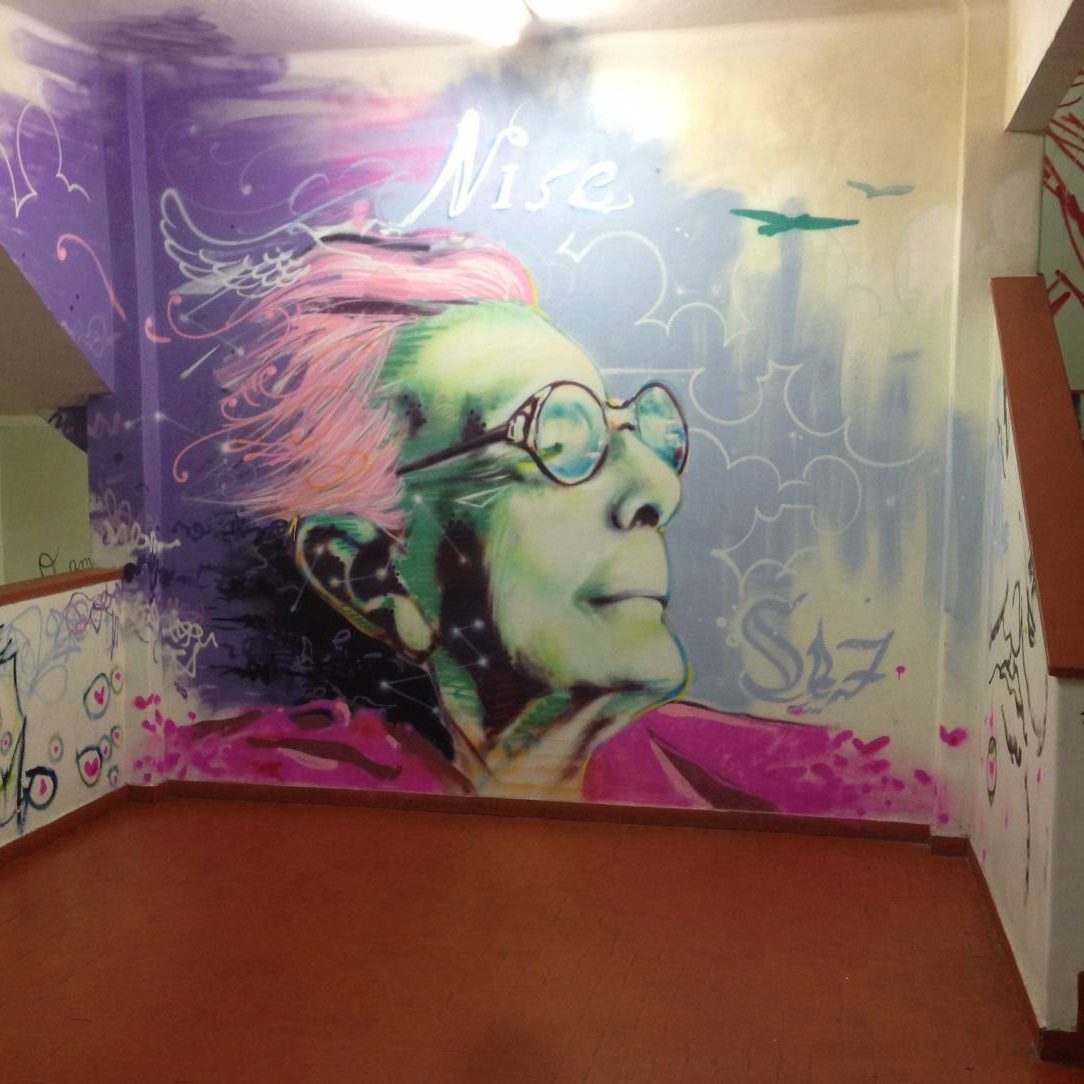
Mural of Nise da Silveira in the Hotel da Loucura

1 – Plan in increments. For me, the most daunting — and most exciting — part of tackling a long-term project is the need for flexible and evolving goals. Especially for an ethnographic and interview-based project like mine, I cannot predict what will come up. So far, I have found it most useful to take things a week at a time. I make weekly objectives: attend one theater workshop, conduct two interviews, make a visit to da Silveira’s archives, etc. This allows me to break down the immensity of a two month long research project into smaller, reachable goals.

2 – Write something everyday. I am discovering something new everyday: about Rio, about the people I meet, about art’s ability to heal — and, of course, about Nise da Silveira. I keep a notebook with me everywhere I go, jotting down notes, observations, and questions as I sit on my daily bus home from the psychiatric institute. Back in my apartment, I use these notes to write a short journal entry on my computer: a 15-minute exercise that not only gets me thinking critically about my research experiences, but also produces material that may be used months down the road in my thesis.

Categories
Independent Work Research Life

Researching Abroad? Here’s some advice!

Most Princeton students have been done with school for a while, but I just wrapped things up in New Zealand.  Two weeks ago, I was packing up to leave my flat in Dunedin. I finished my last final on that Tuesday, submitted my JP on Thursday, and then flew out of Dunedin on Saturday.  This week, I’ve been spending time with family before I start my job at PRINCO, Princeton’s endowment fund. At PRINCO, I’ll shadow and help different teams that manage Princeton’s endowment investments in different areas, like fixed income/cash, private equity, real assets, etc.

My favorite hike in NZ-- French Ridge Hut in Mt. Aspiring National Park!
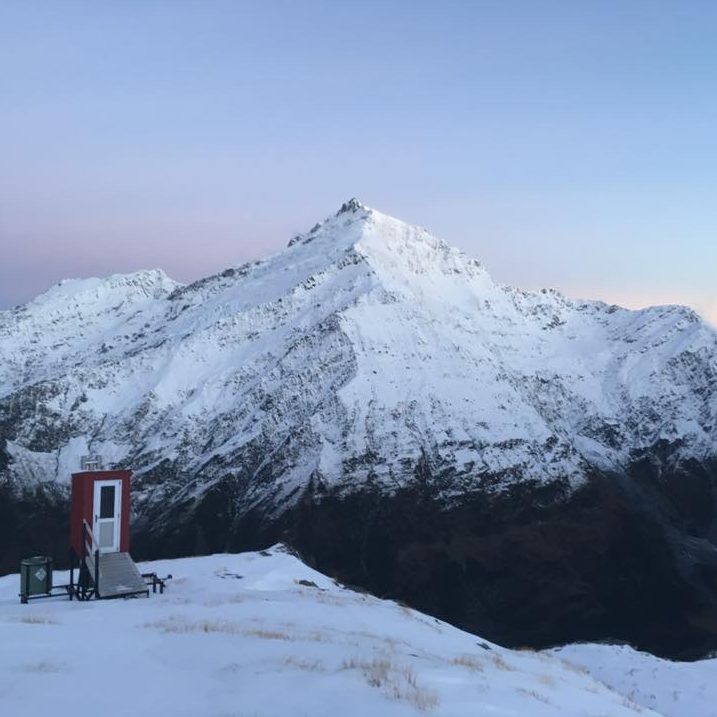
My favorite hike in NZ– French Ridge Hut in Mt. Aspiring National Park!

Since my summer job hasn’t yet started, I thought I’d write about my experience doing JP research abroad.  My advice here is relevant and easily applicable to any student researching abroad. Many of my thoughts in this earlier post have held true throughout the research process, but my topic and experiences changed significantly throughout the semester. As a bit of background, I focused most of my JP on the following asymmetry between aesthetic and moral admiration:

Aesthetic: Henry knows nothing about Velazquez’s Las Meninas. Jill tells him that Las Meninas is an aesthetically praiseworthy painting and lists its qualities, providing evidence for by citing its physical characteristics. Henry comes to admire Las Meninas.

Moral: Henry knows nothing about Mahatma Gandhi. Jill tells him that Gandhi was a morally praiseworthy man and lists his qualities, providing evidence by citing stories about his deeds. Henry comes to admire Gandhi.

My intuition dictated that, in the above example, Henry’s moral admiration seems warranted — but his aesthetic admiration based on testimony does not. The moral qualities relevant to admirability seem communicable by testimony, whereas the aesthetic qualities relevant to admirability do not. Why?

In tackling my research on this topic in New Zealand, I found the following tips useful:

Categories
Independent Work

Mentorship in Research: An ode to the grad student (and one grad student in particular)

Over the course of the semester, PCURs will reflect on the professors, advisers, and friends who shaped their research experiences. We present these to you as a series called Mentorship in Research. Most undergraduates have met, or will meet, an individual who motivates and supports their independent work. Here, Zoe shares her story.

~~~~~~

Mentorship in Research 1
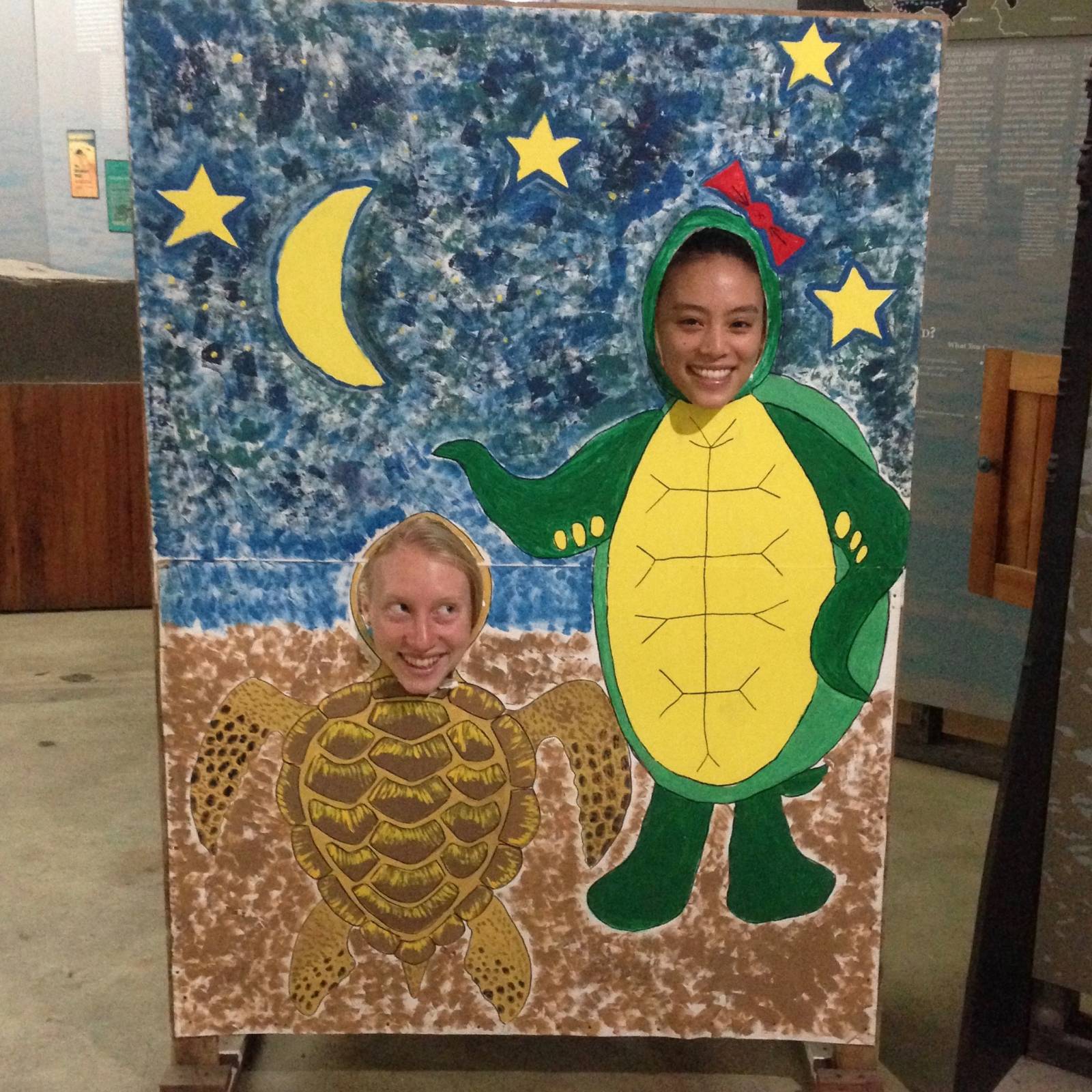
Cleo and I liked this display at the turtle museum of Tortuguero National Park in Costa Rica.

The mentorship series asks us to examine the role of mentors in our lives as undergraduate researchers. Earlier this semester, Jalisha discussed the challenges and value of professors’ mentorship, and Emma reflected on peers as mentors. This post is an ode to the graduate student – actually, an ode to my favorite grad student, Cleo Chou.

I met Cleo the summer after my freshman year, when I was an intern through the Princeton Environmental Institute. Cleo’s Ph.D project is a field study of rainforest trees and how they respond to nutrient enrichment and limitation. This question has crucial implications for how we predict tropical rainforests’ responses to climate change.

I spent a month working with Cleo in Princeton, and then six weeks at her field site in Costa Rica, hiking through the rainforest and surveying the saplings in her study. Cleo and I were together 23 hours a day, every day, with my daily hour-long run our only substantial time apart. In the long hours of rainforest hiking, tree-finding, leaf-counting, and trunk-measuring, we talked about everything from our career aspirations to food to our families and friendships.

Categories
Present & Publish Findings

Moving Out: A Nostalgic Reminder of the Power of Research Stories

Although I was very excited to be done with finals, I was definitely not-so-thrilled about packing and storing my things before summer. After discovering that we lose access to our rooms two days earlier than expected, I’ve had to ‘prepone’ my packing plans (aka I realized that I needed to start packing early). So, in the midst of finals, I decided to take a study break and start cleaning out my desk so that I didn’t have to pull an all-nighter after my last final (which would be dreadfully ironic).

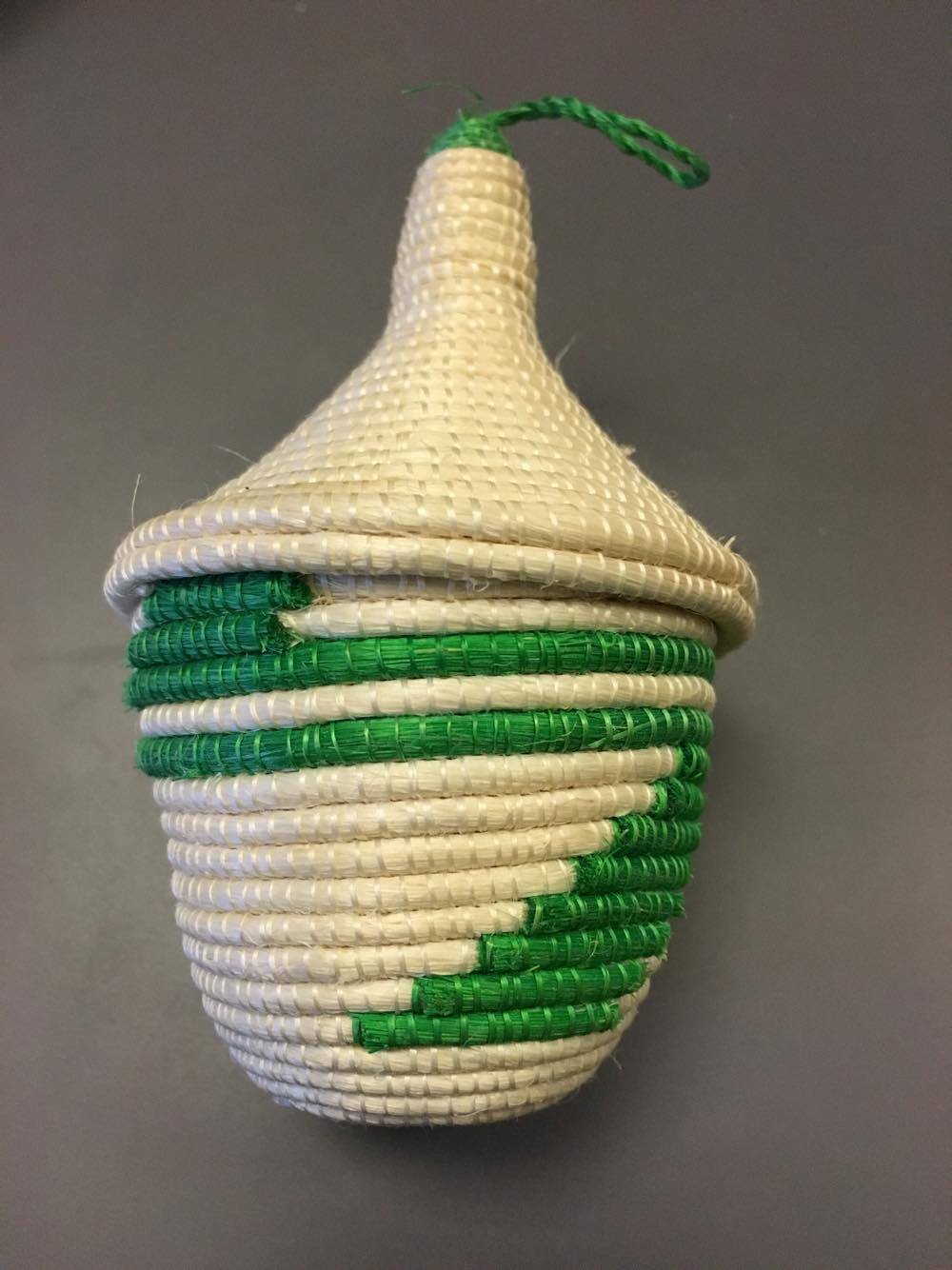
While going through my drawers I found something that I hadn’t actually seen since move-in day of freshman year: a hand-made lidden mini-basket. It took me a few seconds to remember how I had obtained it, but when it came to me, I felt a sudden pang of nostalgia.

The Rwandan hand-made basket that reminded me of an incredibly moving story I heard two summers ago.
Categories
Conduct Research Independent Work Plan Beyond Graduation

Why I Want to Remember Some Painful Memories at Princeton, Too

IMG_8456
Seniors have been forcibly reminded of graduation by senior checkout, where we’ve had to pick up our cap and gown among a long list of other things. 

I’ve handed in my thesis and my lab notebooks to my advisor. I’ve cleaned up the equipment I’ve piled in the corner of the methane sensor cabinet in the lab. I’ve explained my system, with all its lingering imperfections, to my group members. I’ve told them to give my lab screwdriver a new home.

That was how my time in the Princeton University Laser Sensing Lab came to a close. Graduation seems to be a time to celebrate all our successes, and to (already!) feel nostalgic for the good times we’ve had at Princeton. That’s natural. But after such a long and difficult journey, only remembering where I’ve gone right seems oddly one-sided. I wouldn’t be capturing some of the most important takeaways from Princeton if I only remembered the happy times.

Categories
Independent Work Plan Beyond Graduation

Research is about (retrospectives)

It’s been one h*** of a ride.

I came to Princeton because I planned on being a research scientist, probably in academia. I knew what came next, and it was exciting: four years of undergrad, five years of PhD, and a two-year post-doc, so I could have a real job by the time I was 30That meant I needed research experience, and boy oh boy did Princeton provide research experience.

icahn-long
Icahn, where my research journey at Princeton began

Research is about exploring the unknown, and from the beginning I did just that. As a student in the Integrated Sciences Curriculum (ISC), I had to learn MATLAB, LaTeX, ImageJ, JAVA, and countless other acronyms and jargon. And I had to learn them fast, using them to solve problems and write about them, in an ordeal I described as “drinking the nectar of Olympus—from a fire hose.”

Categories
Conduct Research Independent Work Present & Publish Findings

Five Reasons to Download Mendeley Desktop!

As thesis season draws to a close, the last group of seniors are proofreading their final drafts and preparing for the moment they become #PTL forever! Often, the very last thing seniors review is their very, very long bibliography. Bibliographic sources are primarily used in literature reviews, which summarize the relevant work and background in a field. While bibliographies may serve as the last page of theses and research papers, they can also prove to be a huge headache for the researcher who has neglected them. Among several other potential issues, missing in-text citations and/or incorrectly citing sources can negatively impact the credibility of a research paper. Keeping an organized bibliography throughout the whole research process can work wonders to prevent this kind of confusion.

Two summers ago, I learned this lesson firsthand when I spent hours trying to find and cite sources for the intro section of a chemistry research paper. My lab supervisor suggested I download an application called Mendeley Desktop, and it has probably ended up saving me hundreds of hours since then.

13120774_10154207651538804_1152846791_o
Imagine trying to cite all of these sources by hand! With the help of Mendeley, you won’t have to!

Mendeley is an online and desktop program that lets users upload research papers, publications, journals, etc. and manage them in an organized library. It is probably best known for its referencing features, which help users generate citations by simply uploading the relevant research papers. In high school, that’s what I primarily used Mendeley for; my research partners and I created our own account where we stored all of the relevant literature in one library. But just last week, I re-downloaded the latest version of Mendeley and was pleased to see some awesome new features. Below, I’ve detailed the top 5 features that I find most useful: