Categories
Independent Work

The Under-the-Radar Thesis Topic: A Retrospective on my own Experience

Many Princeton students, when writing their senior theses, will be required to submit something resembling a “literature review,” where they give a broad summary of the extant literature on their respective senior thesis topics. Surveying the extant literature on a topic can help students to develop their own independent thoughts on the matter. For many students, the literature ends up being a very important part of the actual final text of the senior thesis. 

After reaching this stage when researching my senior thesis topic, a relatively-unknown Arabic Christian legal text from 18th-century Lebanon called the Mukhtaṣar al-Sharīʿa of ʿAbdallāh Qarāʿalī, I realized that only a few paragraphs and couple footnotes had been written about the text in English. All told, the entire body of English-language academic work on the Mukhtaṣar totalled a mere two pages. This lack of a developed scholarly conversation about my topic came with its own challenges and opportunities. The relative obscurity of this topic was a large part of why I chose to write my thesis about it— I found it to be very intriguing and wished there was more written about it. In this post I intend to look back at my own experience writing a thesis on such a niche topic, and hope to offer some considerations on how such a project might be approached. 
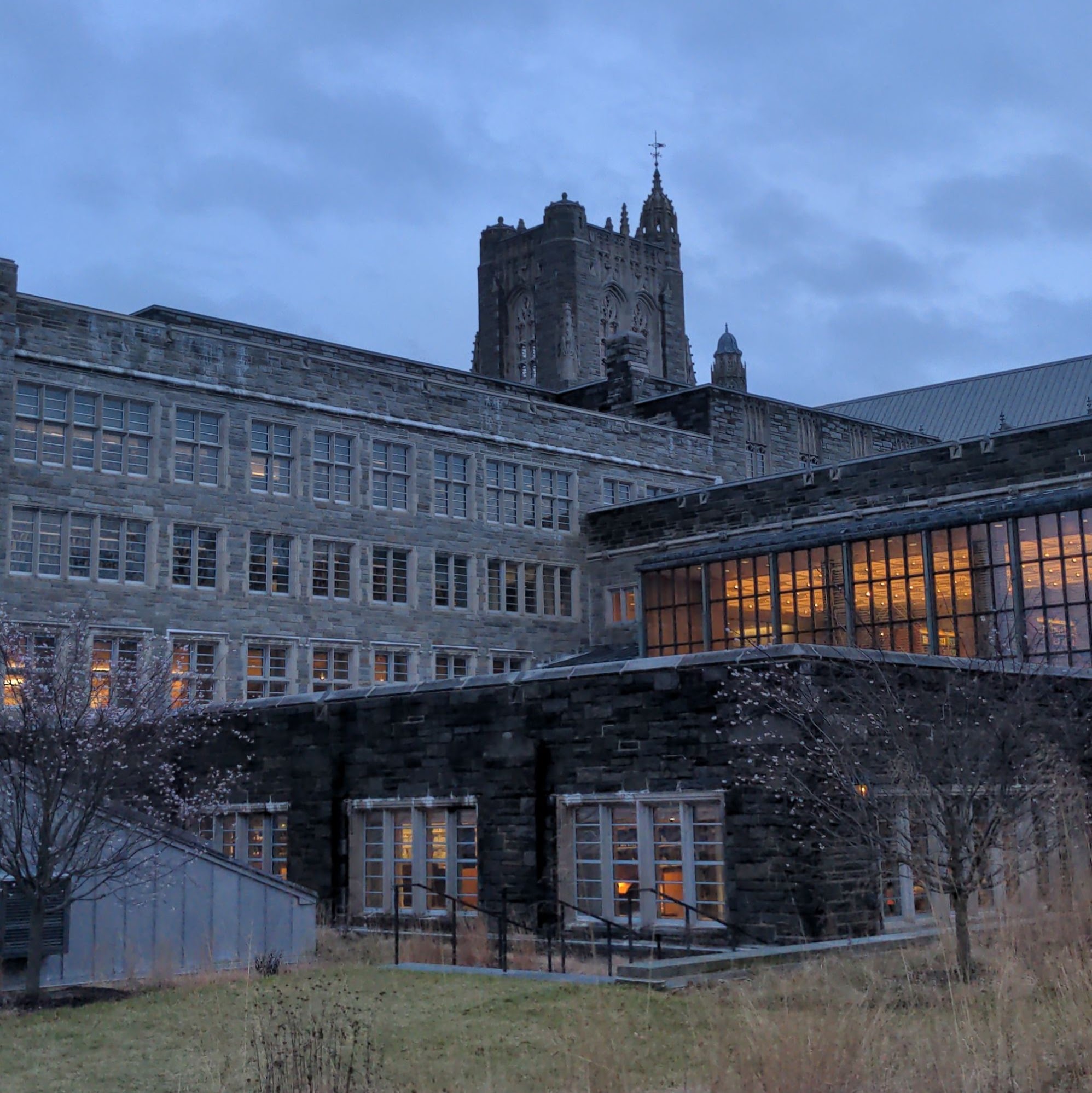
Firestone Library on a spring evening. Photo by author

Firestone Library on a Spring Evening
Categories
Get Started with Research Independent Work Research Life

Enhance your Research with Princeton’s Coin Collection

Students at Princeton are fortunate to have access to one of the largest collections of coins anywhere in the United States. Made up of roughly 115,000 items, the collection includes coins, paper money, medals, and other tokens covering almost the entire history of human money— in fact, the university has coins minted in the 6th century BC by Croesus, who is credited with inventing the first system of gold and silver currency. The university’s collection serves many purposes. For example, you may have been in a class which has gone down to Firestone C Floor to look at coins from the time and place you were studying. The coins are also used for exhibitions and workshops. I’m writing here to explain to you how you can use these coins to do great research.

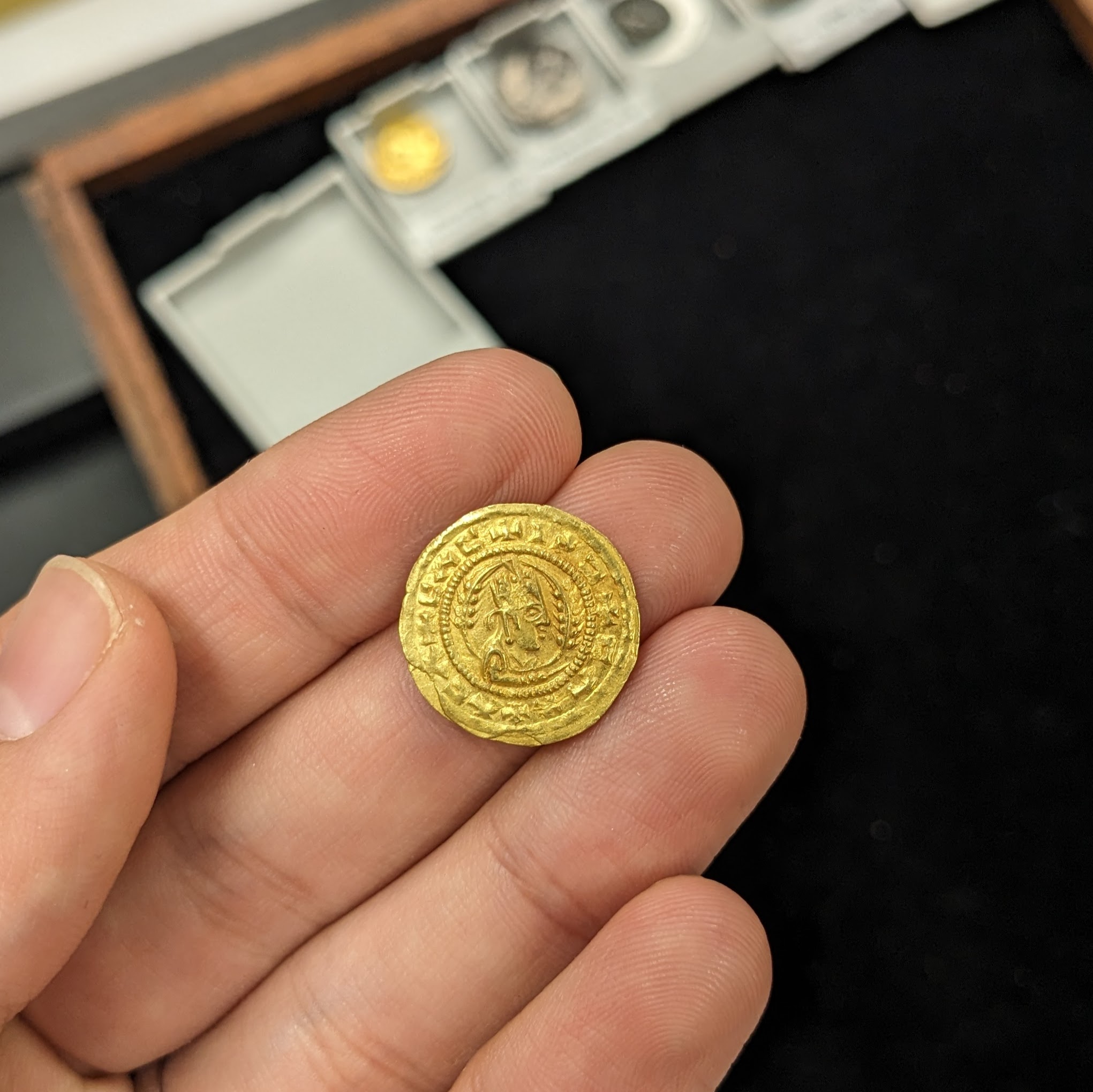
A small gold coin in the photographer's left hand.

Yours truly holding a 1500 year-old coin in Firestone Library

Categories
Independent Work Present & Publish Findings

Research and Foreign Languages

One of the major differences between the A.B. and B.S.E. courses of study at Princeton is that A.B. students are required to take (or test out of) at least four semesters of a language class. Studying a foreign language is, therefore, an essential part of studying the humanities at Princeton. There are many good reasons for studying a foreign language (besides simply needing to fulfill the language requirement)— perhaps you want to live or study in a different country, you might envision some professional advantages from knowing a foreign language, or you simply see studying languages as a new way to connect with others. Many Princeton alumni have successfully put their language skills to use in these sorts of pursuits. I’d like to offer another reason in addition to these: studying a foreign language at Princeton can prepare you to do exceptional research. 

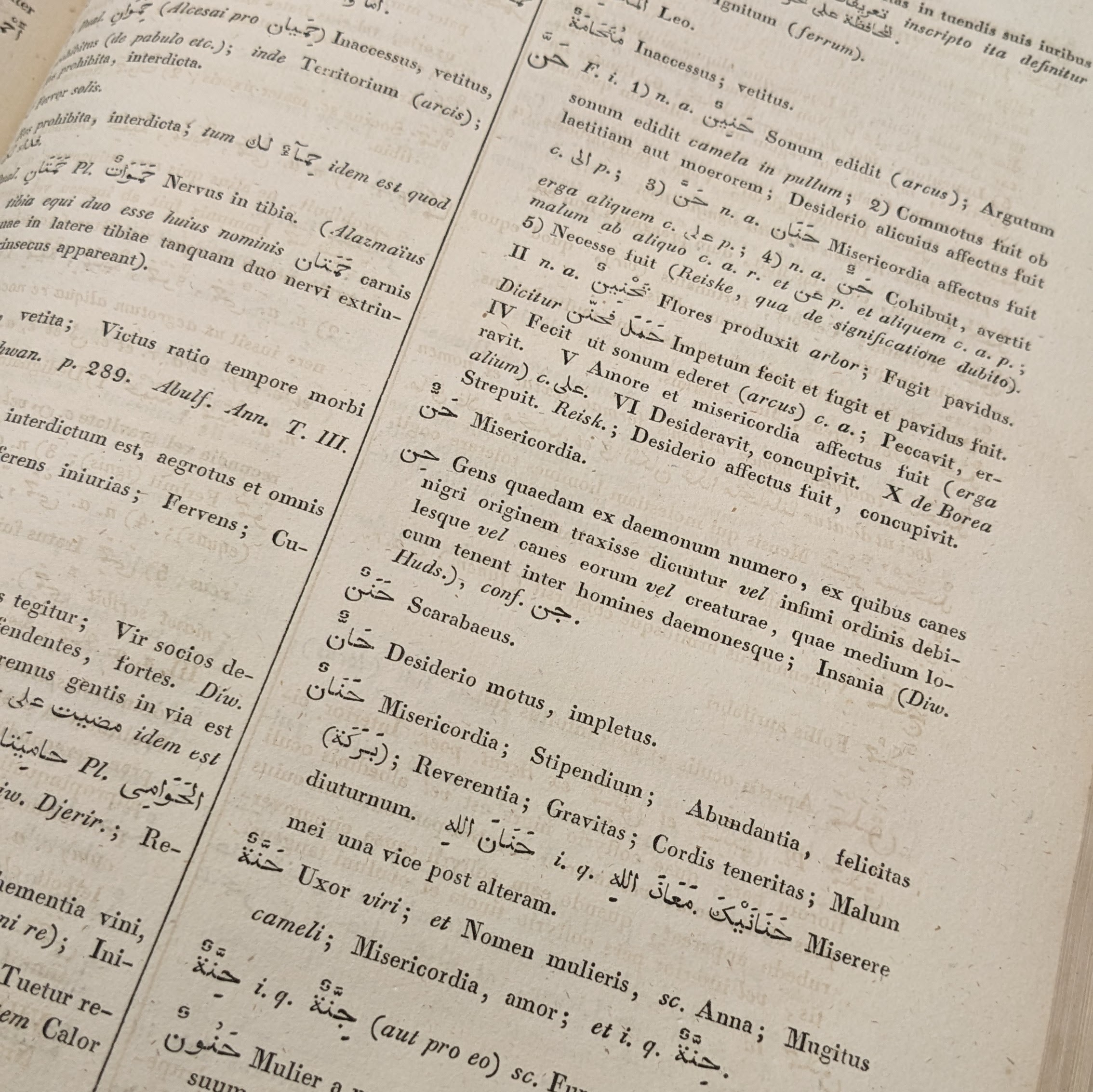
Picture shows a page from an Arabic-Latin dictionary

A page from an Arabic-Latin dictionary

Categories
Conduct Research Independent Work Research Life

Reading Courses: A Guide

As course selection begins, you might find yourself searching endlessly through the Course Offerings webpage, trying to craft the perfect schedule for next semester. You’re probably weighing a number of different factors— the professor, the class topic, the reading list, the different requirements it fulfills— and trying to balance these in the best way possible.There is another possibility here, which you can’t find in the course offerings: reading courses. Not advertised on department websites or listed with course offerings, reading courses are some of Princeton’s hidden academic gems. The University defines a reading course as a specially designed course not normally offered as part of the curriculum that is arranged between a student and a faculty member. These courses count for academic credit, and focus on a topic of the student’s choosing. If you’ve ever dreamed about designing your own course, this is your opportunity.

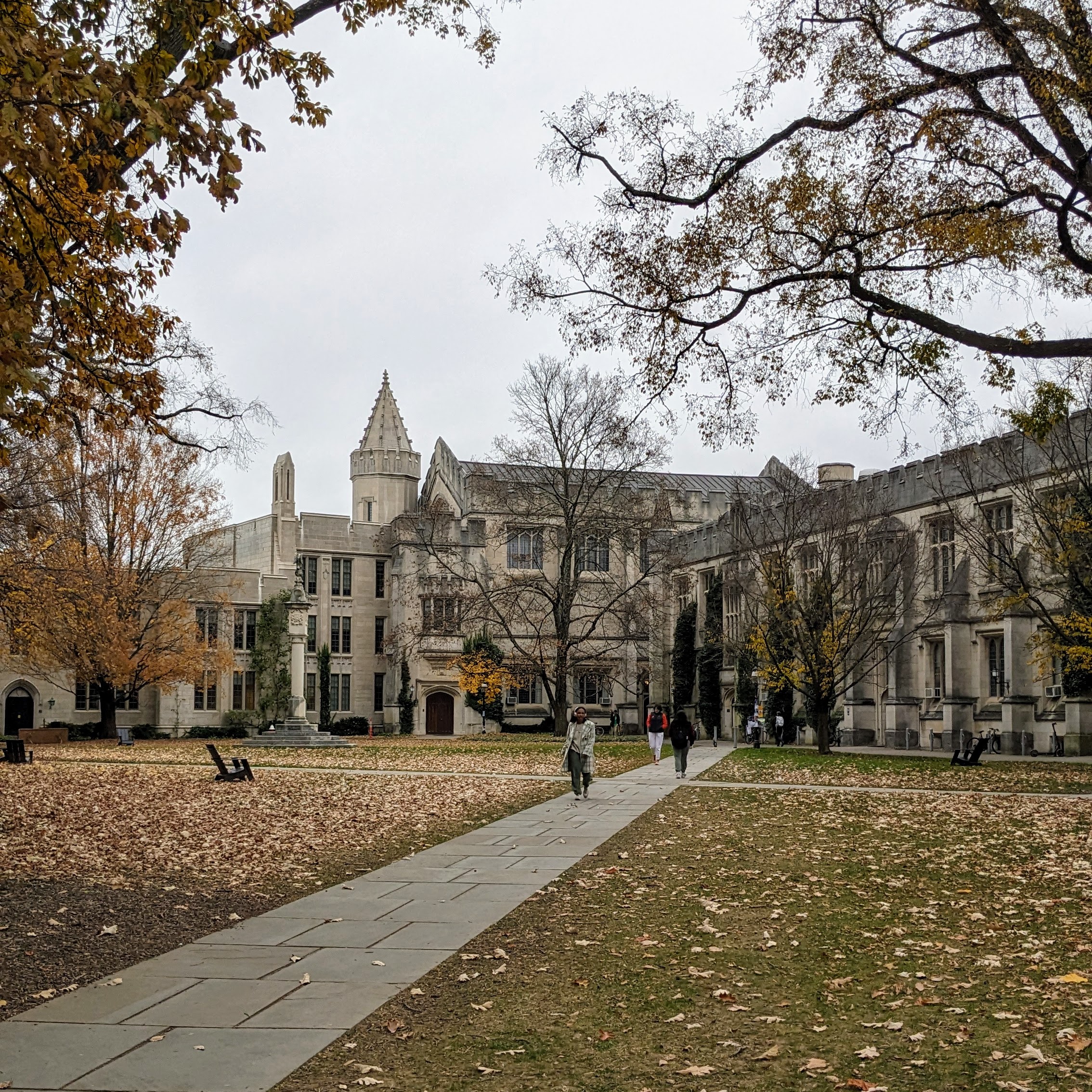
Students walk across McCosh Courtyard at Princeton University.

McCosh Courtyard in November

Categories
Conduct Research Get Started with Research Independent Work Present & Publish Findings

Researching in Princeton’s Special Collections

If you want to take your research in the humanities to the next level while here at Princeton, one of the best ways you can do that is by availing yourself of Princeton’s Special Collections. Home to vast stockpiles of manuscripts, rare books, coins, and other materials, Special Collections is a great place for students who want to pursue rigorous and impressive humanities research while making use of the excellent resources that Princeton has to offer. Many of these articles were donated by benefactors or acquired by the university specifically so that they could be researched by professors, students, and other researchers. In this article, I’ll present some reasons why you might consider checking out Special Collections, and then follow that up with a basic “how to” for when you visit.

Image shows an Ethiopic book, opened to pages featuring pictures of saints and text in Ge'ez (Classical Ethiopic)

A manuscript of an Ethiopic Synaxarion in Special Collections

Categories
Independent Work Present & Publish Findings

How to use a Reference Room

Most people probably know Trustee Reading Room as that large room with big glass windows on the first floor of Firestone, where you go when you want a really quiet study space. Perhaps you’ve recently studied for midterms or worked on a paper in its sacred silence. Maybe you’ve wondered if there’s more to Trustee than simply providing a quiet atmosphere for study. The answer to that question is: yes, there is. It is the primary reference room of Firestone library– and if you read to the end of this article you will learn how to make the most of this tremendous resource.

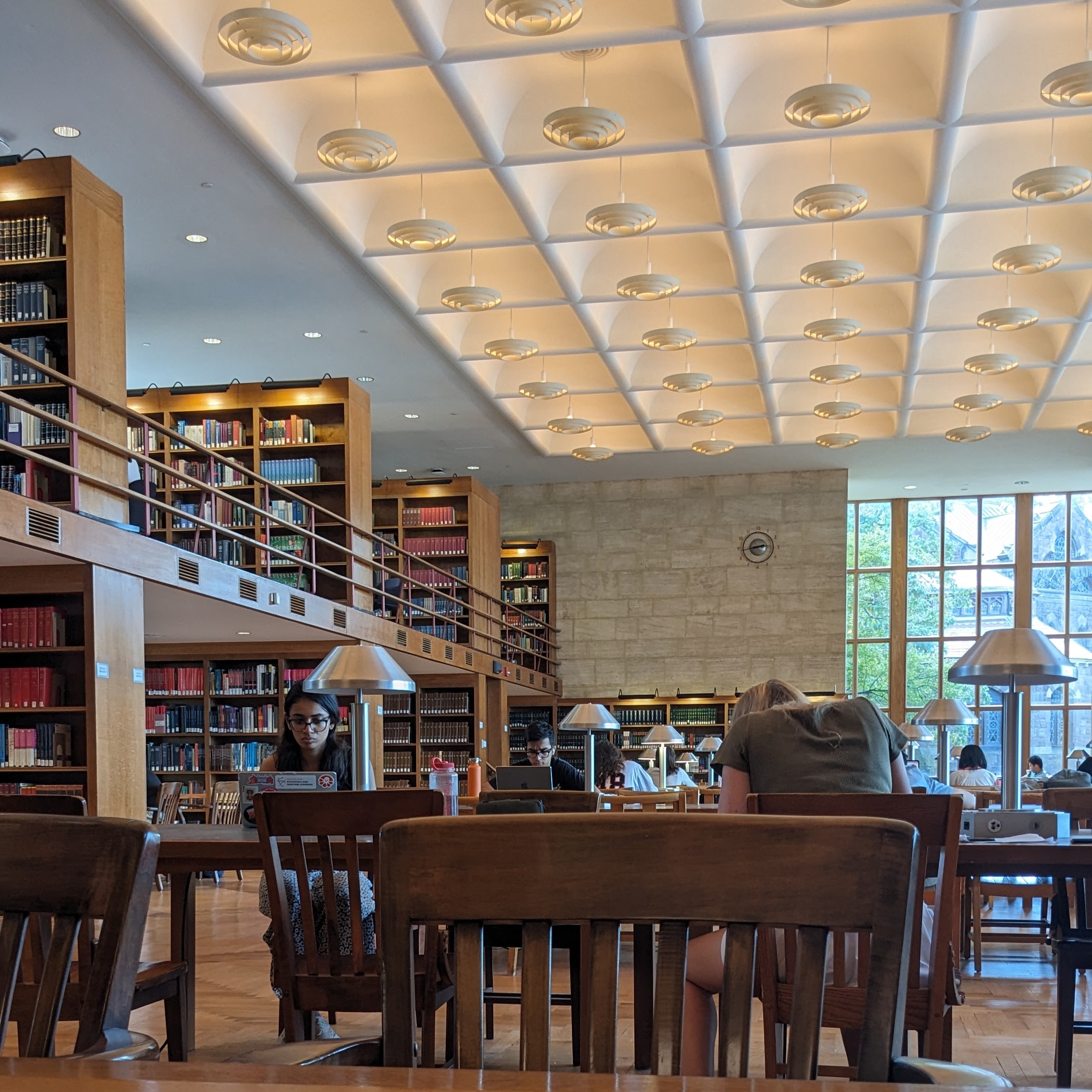
Students work in Trustee Reading Room.

Trustee Reading Room in Firestone Library has many reference works

Categories
Independent Work Present & Publish Findings Research Life

Wright Library: An Under-utilized Resource for Students

When I first walked through the doors of Theodore Sedgwick Wright Library at Princeton Theological Seminary (PTS) on a sweltering September day a few weeks ago, I was struck by three things: the great size of the library, the small number of students there, and its remarkably-strong air conditioning. As I set my things down and cooled off in a quiet study area, I began to work on an assignment for one of my classes. My gratitude for the engineers who designed the building’s cooling system was quickly superseded by my admiration for those who worked together to produce the largest theological library in America and the second largest in the world after the Vatican Library in Rome.

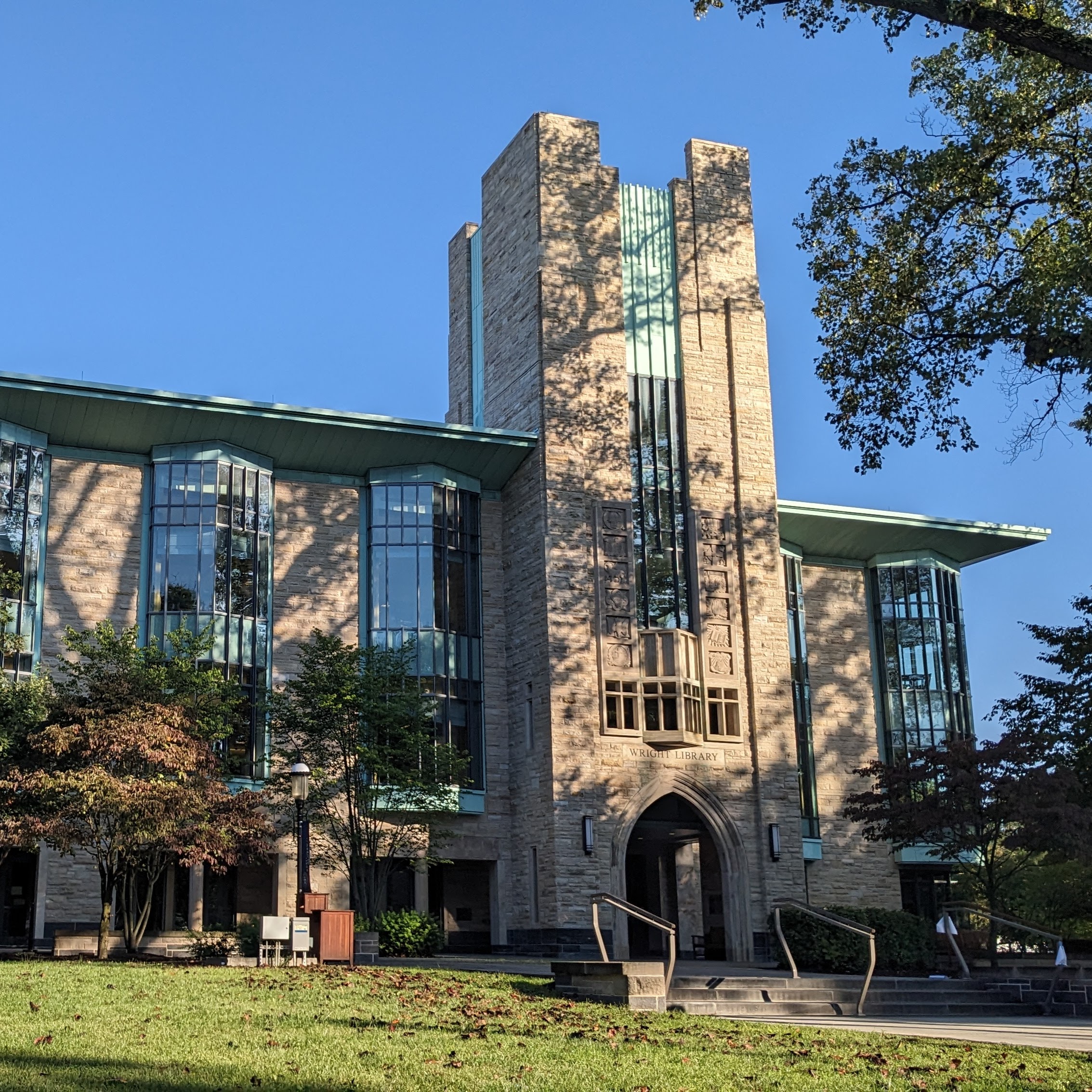
Image shows the facade of Theodore Sedgwick Wright Library in Princeton, New Jersey.

Theodore Sedgwick Wright Library is the main library at Princeton Theological Seminary.

Categories
Conduct Research Independent Work

How to Complete Research Assignments during Quarantine

This year, as we prepare to write our final papers in quarantine, it will be extra tough to locate the sources we need for our research. Without in-person access to campus libraries, this Dean’s Date will require some new strategies for accessing research materials. To help with this process, I’ve collected a few virtual research resources from my weeks of quarantine thesis work, as well as the beginnings of my Dean’s Date research (also check out Alec’s recent post for more tips):

Do not underestimate the library catalog. A lot of sources are available online, especially with the University’s new partnership with the HathiTrust Digital Library. Through this partnership, millions of scanned books have been made temporarily available to students—in addition to Princeton’s many existing online holdings. To see if a book is available online, just search for it in the Princeton library catalog. If you don’t see a digital edition listed, try clicking on a print edition and seeing if a scanned version is available through HathiTrust (if it is, there will be a link just below the book’s title and general information). You can also click the “Request” button under “Copies in the Library,” then “Help Me Get It” and a librarian will do their best to send you a digital copy—if it’s available—within a few days.

For one final paper this semester, I’m researching “Khush Khat,” a letter-writing program facilitated by a Bombay magazine in the 1990s. All of my sources are from the University’s online holdings: its digitized books and its digitized archives and databases.
Categories
Independent Work

Five Tips for a Regret-Free Thesis Summer

I remember feeling blindsided by thesis talk my junior spring. I was in the middle of my second JP—I didn’t have a topic, an adviser, or any idea where to start. But I knew I needed to start my research in the summer before senior year. If I had learned anything from my JPs, it was that I would need all the time I could get to complete a research project of this scale.  

Juniors: whether you’ve already applied for thesis funding or haven’t yet thought about your thesis at all, now is the time to make a summer thesis plan. Remember: every hour you invest over the summer is an hour saved during the semester, when you’ll be back to balancing coursework, job/grad school applications, and extracurricular obligations. 

This summer, I was doing an internship in São Paulo, but I spent my evenings and weekends at a local library, reading sources for my thesis. It wasn’t fun, but I’ve thanked myself for it every day this year.

As I prepare to submit my thesis this month, I’ve thought back to my own junior spring and collected five things I wish I’d known before my thesis summer: 

Categories
Independent Work Present & Publish Findings

How to Pull Yourself Out of a Thesis-Writing Slump

We’ve all been there. We all know what it feels like to take a break⁠—whether it’s on purpose or by accident⁠—from a lengthy paper; it can be overwhelming when you realize that you messed up your writing process timeline. Personally, I recently took a looooong break (think: three weeks, give or take) from writing my thesis. Part of it was by accident; due to COVID-19, all Princeton students were told to move out and head back home for the remainder of the semester. The stress of packing, saying goodbye to my friends and the campus, and moving out caused my thesis to take a backseat in terms of priorities. Once I arrived home, I purposefully decided to extend my break from writing my thesis in order to unpack, get settled, and get used to online classes. One day lead to the next, and suddenly, I had spent three weeks away from my thesis.

It’s hard to hold yourself accountable about your thesis during breaks.