Tales of Adventures: Keeping Detailed Records of Your Work

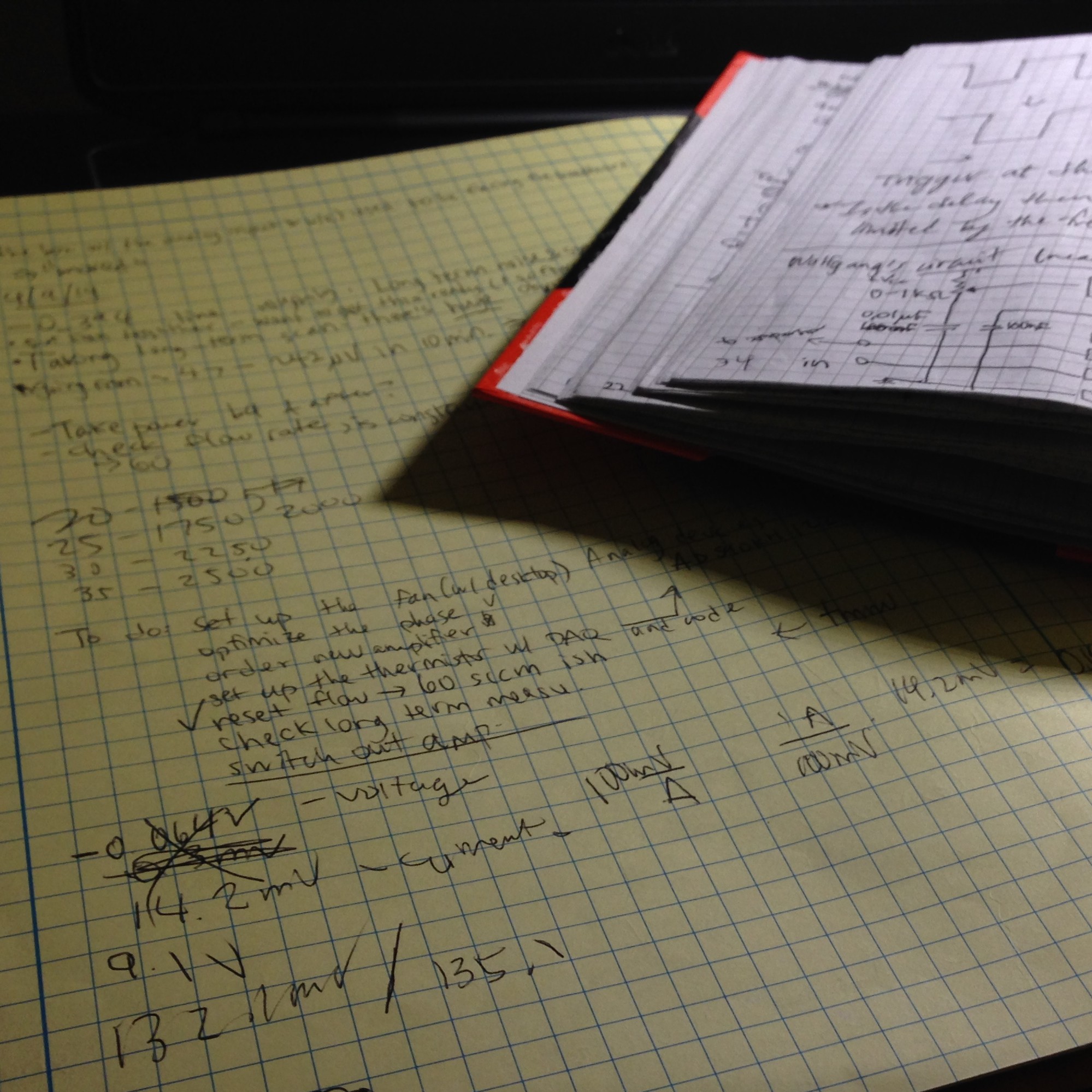
Notes can get messy very quickly. Photo by Stacey Huang)
Notes can get messy very quickly.

Whether you work in the sciences or humanities, it’s integral to keep track of your work. It sounds obvious – it did to me too – until I started flipping through some of my notes in my lab notebook, trying to figure out the tests and results for a few small tests last semester. I knew I had done the tests, but I just couldn’t figure out what exactly I had done. Eventually, I found a few numbers in my notebook but couldn’t decipher them. Maybe those notes made sense to me 5 months ago, but now they only look like random scrawls of numbers to me.

It isn’t always a lab notebook: it could be keeping track of papers you’ve read and researched, writing down ideas you’ve tossed around with classmates or your adviser, basically keeping a record of all the work you’ve done. Often it can get boring to record every little thing, and often it can feel unnecessary, but not keeping a detailed record or at least well-organized notes or data of your progress somewhere helps no one. It does your hard work no justice when you can’t look back on it in the future and save time by skipping what you’ve already done. It all saves you time in the future from looking at the same papers, doing the same tests. Continue reading Tales of Adventures: Keeping Detailed Records of Your Work

Funding Proposals – A Salesperson’s Approach

2a
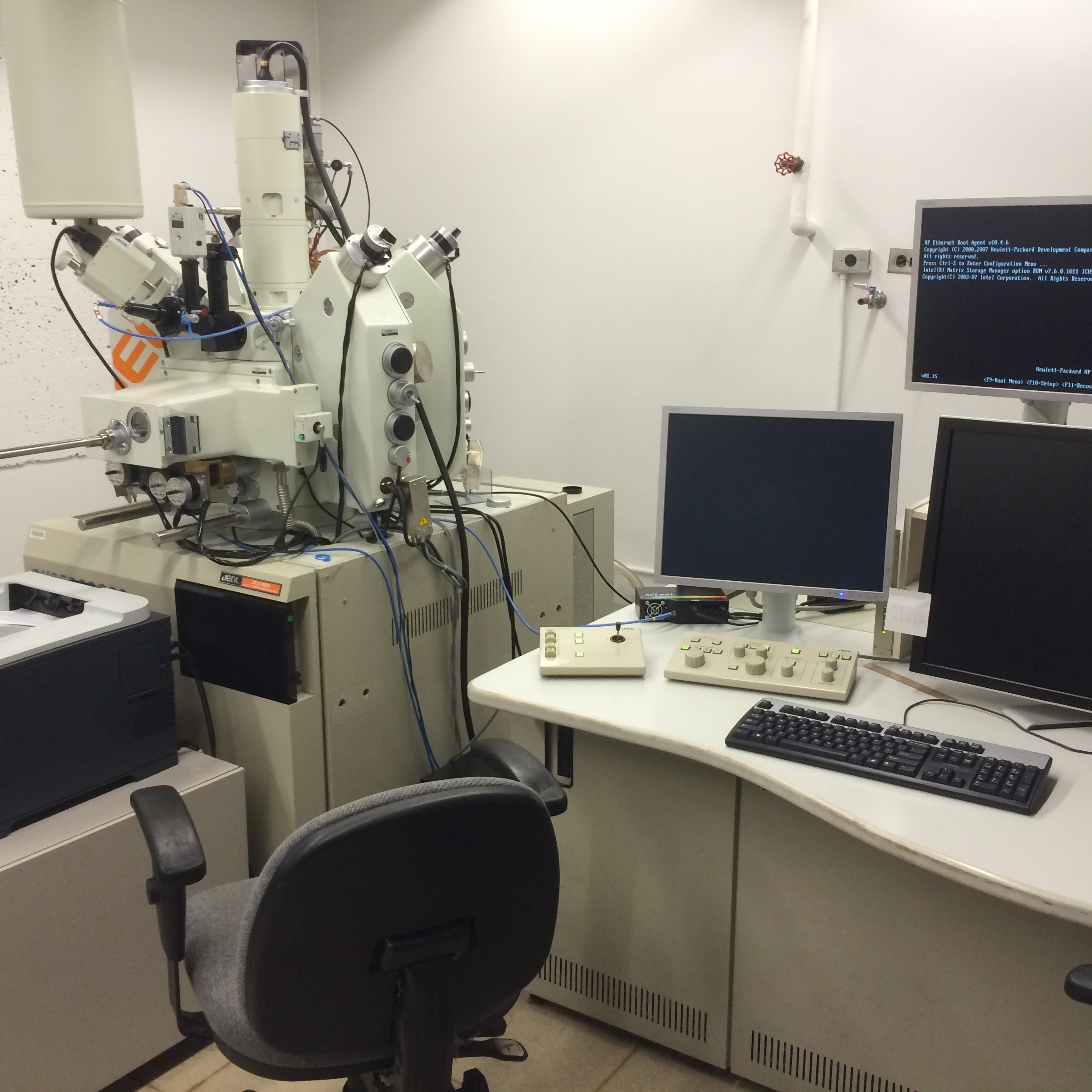
What I needed funding for last year – the electron microprobe at MIT.

As Benjamin Franklin once said, “An investment in knowledge pays the best interest.” And indeed, funding and supporting research projects is a priority for Princeton as well as many other institutions. But just because our society values research, it doesn’t mean that it’s a walk in the park to get a project funded. In fact, in many cases, it’s actually very difficult to get a project funded, even if it’s a highly worthwhile one.

However, this doesn’t mean that your chances of getting funding are beyond your control – the better your funding proposal, the better your chances are of getting your project fully funded. Of course that’s beyond obvious, but how exactly do you write a well-executed funding proposal? Below are a few tips that I’ve picked up: Continue reading Funding Proposals – A Salesperson’s Approach

Talk the Talk: Initiating Professional Conversations

Office hours are great places to sit and get to know professors! Special thanks to Laura Sarubbi for this photo.

Talk to your professors. College students are frequently given this age-old advice, which seems to exist as a panacea for low grades, a need for recommendation letters, a desire for intelligent conversation, and the like. However, most students will be quick to inform you that talking to professors is easier said than done. Whether held back by fear of inadequacy, intimidation, or just pure laziness, many students shy away from interacting with their educators. Unfortunately, this fear prevents students from obtaining amazing opportunities, especially ones related to conducting research.

As a learning consultant at Princeton’s McGraw Center for Teaching and Learning, I’ve discussed the difficulty of talking to professors with many of my peers. Most express a strong desire to engage their professors in conversation, but are unsure of what to say, or how to say it. While I’m no expert on perfecting the verbalization skills necessary to score a perfect relationship with professors, I have had some experiences where simply putting myself out there has made a world of difference for my Princeton career.

Continue reading Talk the Talk: Initiating Professional Conversations

Research at Princeton: Independent But Not Alone

Research is a group effort. Photo by Chung-Ho Huang
Independent work and research research are by and far collaborative efforts.

It used to be easy to tell myself that I could do everything alone. That was the way I had mostly done things until college, and I never felt the need to change. It was no different when I began research at Princeton. It was easy to convince myself to not to ask questions, to simply turn to books or articles for help, for fear of pestering and disappointing my adviser and my labmates. As long as I kept my head down and worked, I believed I would know what was happening eventually.

But I don’t tell myself that anymore. In fact, it frustrates me when I look back a year ago to that time. I’m only now filling in the gaps of my incomplete knowledge, a problem that would easily have been solved had I had the audacity to speak up and ask the questions that really mattered. I was just unsure and afraid about what I was expected to know – and somehow, I translated that into the fact that I was somehow expected to know everything. Because of that fear, I ended up neglecting my greatest resources, my greatest friends – my adviser, my labmates, my peers.

Continue reading Research at Princeton: Independent But Not Alone