Research lifeline: Phone a friend

It’s the first thing you have to do before you really start that research paper: nail down the thesis.  After reading a few articles and narrowing down your focus, you’ve come up with a general idea for your argument, which is an important first step. However, until that idea is packaged in a strong and shiny statement, your paper has likely reached an impasse.

Of course, the thesis results from first asking a research question, trying to explain some phenomenon you’ve observed.  The goal is to answer the question innovatively and assertively, advancing something both original and powerful enough to change the debate on an issue.

But who said questions have to be rhetorical?

When I’ve settled on a topic but haven’t advanced past the thesis-planning stage, I like to ask my question out loud — so I give my sisters a call.  Both are graduate students, one in library and information science and the other in education, so their responses are a good way to test my ideas. I know I’m ready to seriously start writing if they both recognize the goal of my argument.

IMG_1216
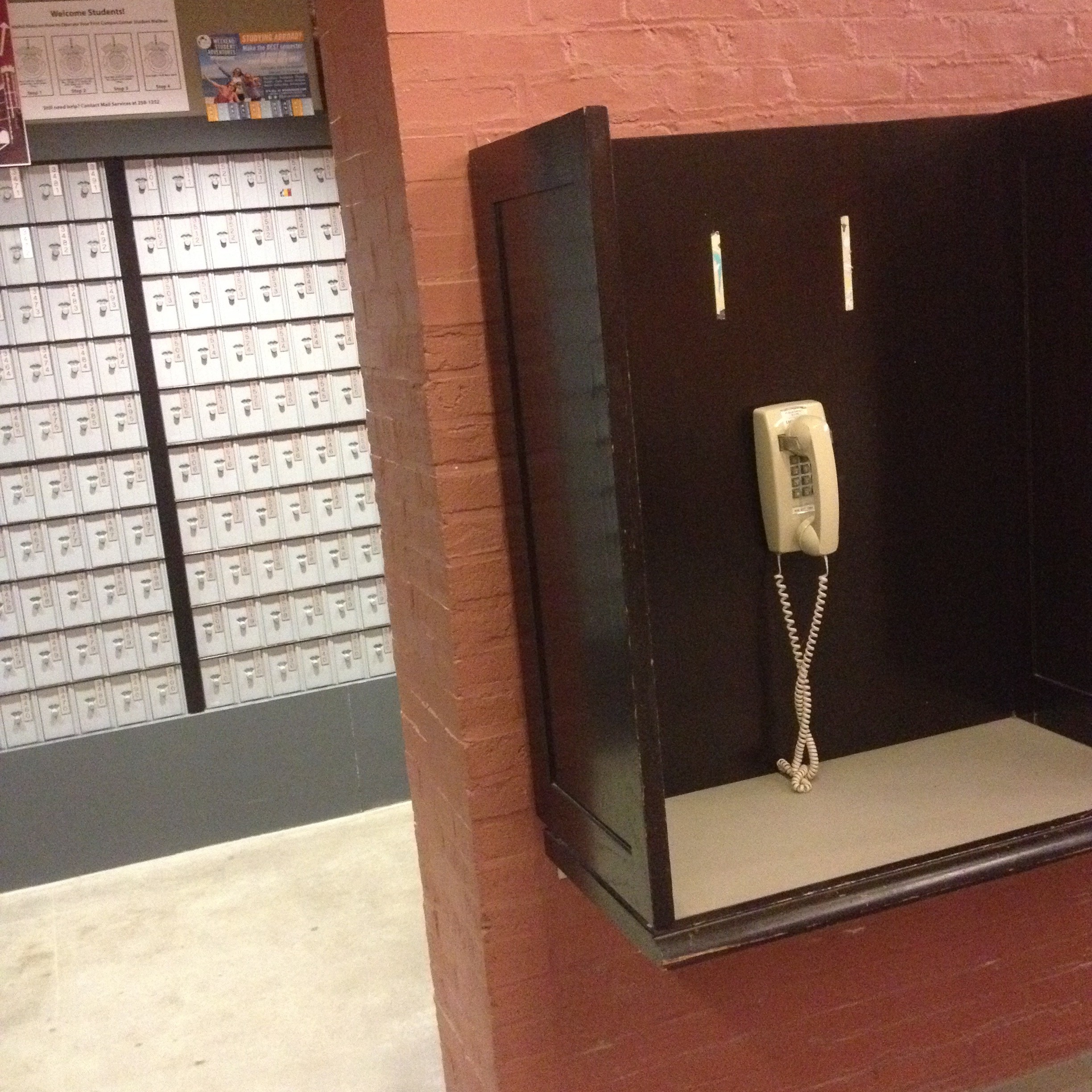
Frist has phones, which means you can assess your argument on the way to late meal…

That doesn’t mean I want my sisters to always agree with me. In fact, the opposite can be much more useful (and is, admittedly, much more common).  A classic example: asking my oldest sister “Would you accept that Jersey Shore represents a modern version of the American frontier myth?” made her question more than just my thesis.  Continue reading Research lifeline: Phone a friend

Pondering Paterson: Personal Curiosity as Academic Research

Paterson
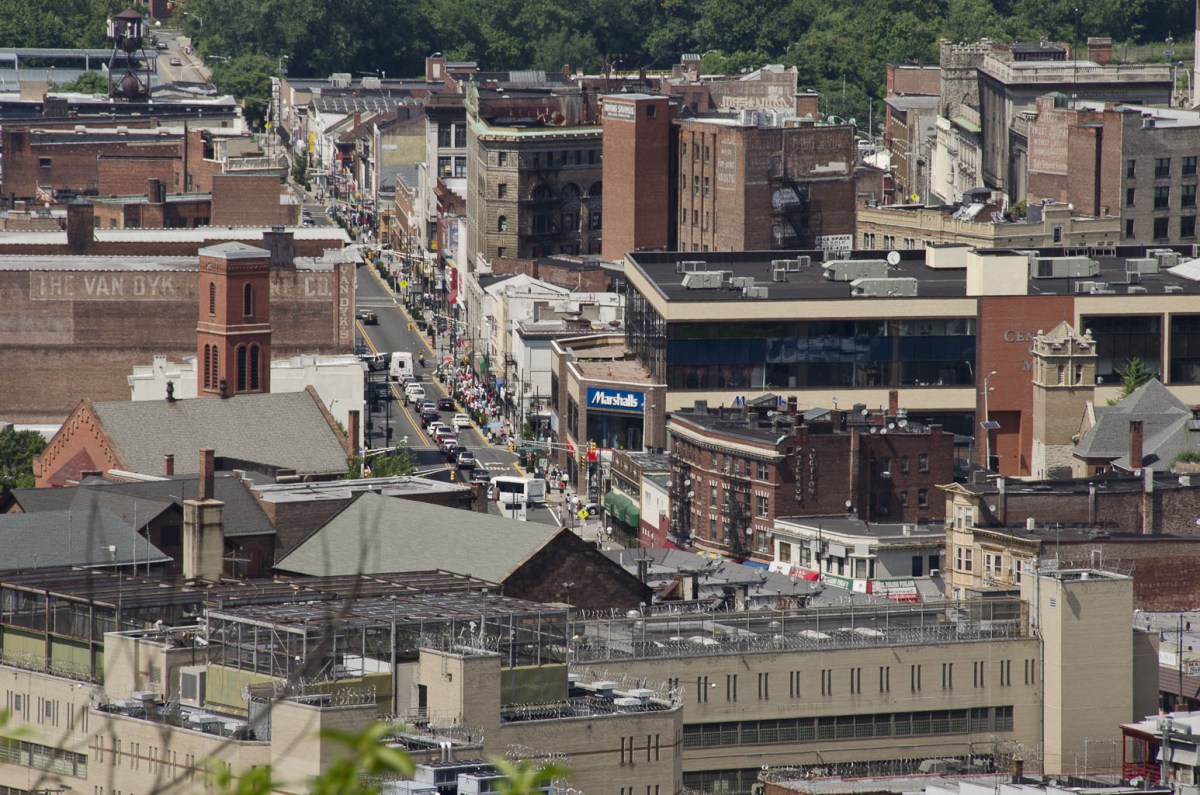
The view from Garrett mountain of Paterson today. Image copyright 2012 ALPHA PML LLC Pablo & Millie Lopez, from Alpha PML Visual Information Service (http://alphapml.com/2012/09/02/garret-mountain-reservation-view-of-downtown-paterson-nj/pml_2681_6831/)

Twice daily for seven years, I traversed the suburbs of Northern New Jersey on NJ Transit’s Main Line on my way to and from school. My journey began across from my home in the wetlands area of Secaucus and ended in the preened suburb of Ridgewood. I grew to memorize the sequence of towns I would pass in the voice of the train’s automaton announcer: Kingsland, Delawanna, Passaic, Clifton, Paterson, Hawthorne, Glen Rock, Ridgewood. I was fascinated by the changes in landscape from city to city, the most drastic of which occurred while passing through Paterson. Suddenly, the town station no longer overlooked comfortable suburban streets but rather looming factory remnants, blue rows of abandoned silk mills, and a bustling downtown area shadowed by mountains. The cultural makeup of the train shifted from a crowd of mostly-white businessmen to a multicultural diaspora of African-Americans, Peruvians, Arabs, and Latinos of all ages. Paterson was a sharp contrast to its upper class Bergen county neighbors, but I never understood why.

When I took my writing seminar on tragedy, I approached my final research project thinking about interpersonal relationships and wanting to write about something that was personally meaningful. I turned to public transportation, one of my favorite topics. I reread my blog about conversations with colorful commuters on New Jersey trains. Because I was already thinking about places of disconnect, my personal curiosity about Paterson spiked. How did it change from America’s wealthiest town to one of its poorest? What did residents experience, nestled in an otherwise pristine area of New Jersey? As in most research motivated by personal curiosity, I knew a bit of luck was key. I did not know whether literature on Paterson and theories I could apply to it even existed. Continue reading Pondering Paterson: Personal Curiosity as Academic Research

A ‘Major’ Discovery

I am not an art history major.

The art museum has a lot to explore ... have you been?
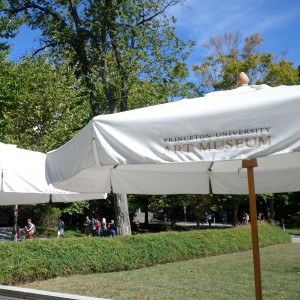
The art museum has a lot to explore … have you been?

Don’t get me wrong; art history is an important field with a lot of depth, but the Woodrow Wilson School of Public and International Affairs is where I expect to get my degree. So when I signed up for the freshman seminar Visual Art and the Representation of Knowledge, taught by Susanna Berger, I was following standard freshman advice: join at least one “fun-course-description-takes-priority-over-prerequisites” class while you still can.

Like most freshman advice, it proved to be correct. Visual Art’s fun course description translated into engaging discussions on everything from hieroglyphics to comic books. On field trips to the Princeton University Art Museum, the Metropolitan Museum of Art, and the Museum of Modern Art, we had access to the primary sources at the root of our papers, which made research both more authentic and more exciting. The first two papers were limited to a certain collection or time period, relevant to weekly readings. The final research project, however, was a 10-page visual analysis of any artwork of our choice. Continue reading A ‘Major’ Discovery