Finding Passion in Past Semesters

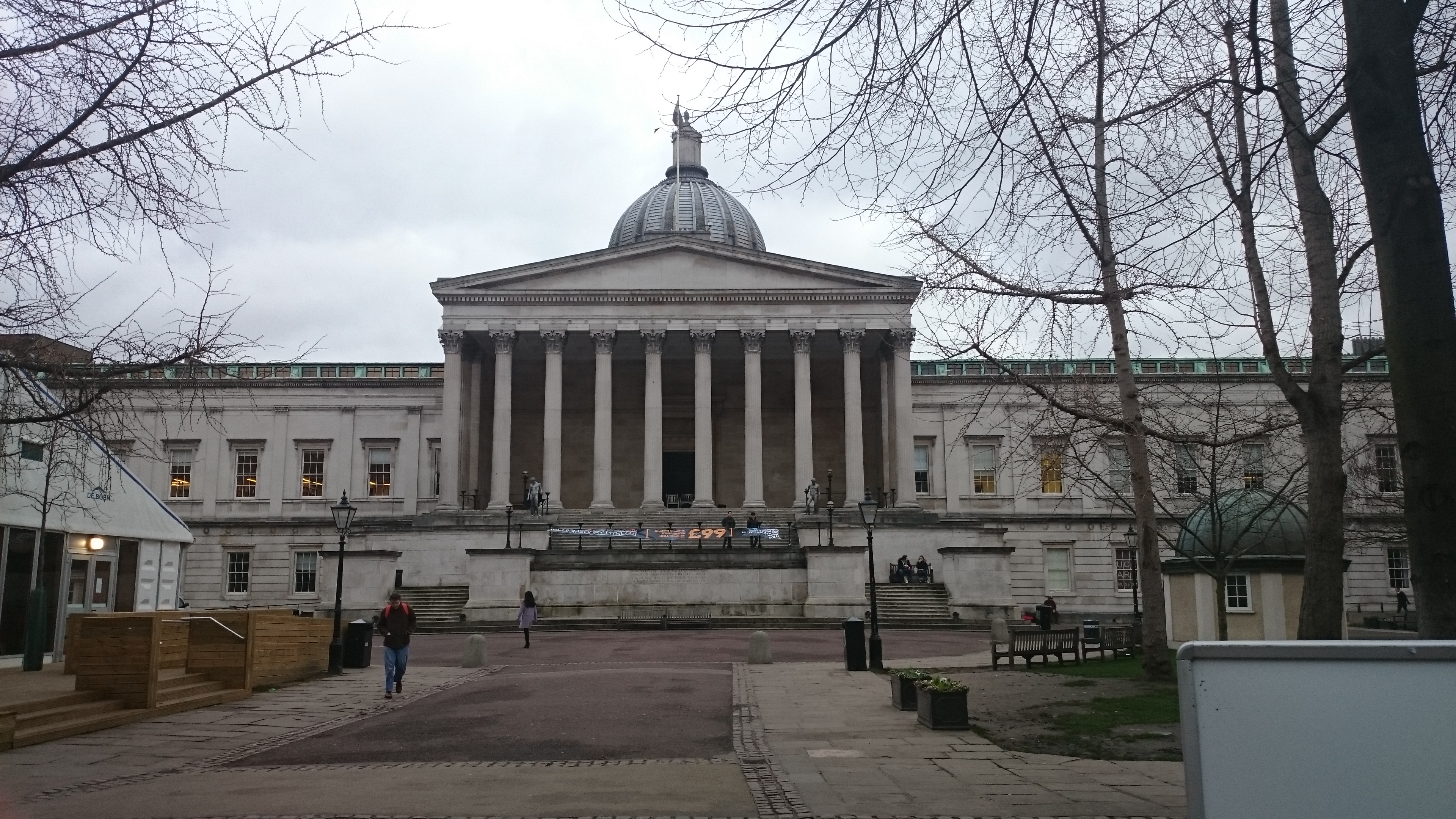
My home away from home; University College London's central quad!
My home away from home; University College London’s central quad!

Hello from London, England! This semester, I’ve left the comforts of the Orange Bubble, traveling 3,500 miles to study at University College London (UCL). While my spring semester in London began a few weeks ago, I know that back at Princeton, the new term is just beginning!

The start of a new semester is always refreshing – it’s almost as if we’ve been given a blank slate, a chance to start anew. I typically spend little to no time thinking about the past semester once a new one has begun, feeling as though the completion of final assignments signals the abrupt end to all thoughts relating to a particular course. However, this semester differed from past semesters for me.  One particular Dean’s Date assignment stayed on my mind long after its submission and ended up impacting me in an unexpected way. Continue reading Finding Passion in Past Semesters

Keep Calm and Write Outlines

The last time you heard from me, it was 2014.  Holiday lights were on and deadlines were far off. Now that reading period is upon us, it’s time to start your research assignments if you haven’t already.  To find materials, organize, and finally write can be a time-consuming process – but a strong outline can both save time and prevent stress.  Outlines undoubtedly vary by discipline, but I use the same general strategy for all my classes: keep things concise.  As you can see, the strategy itself is concise.  And concision is effective.

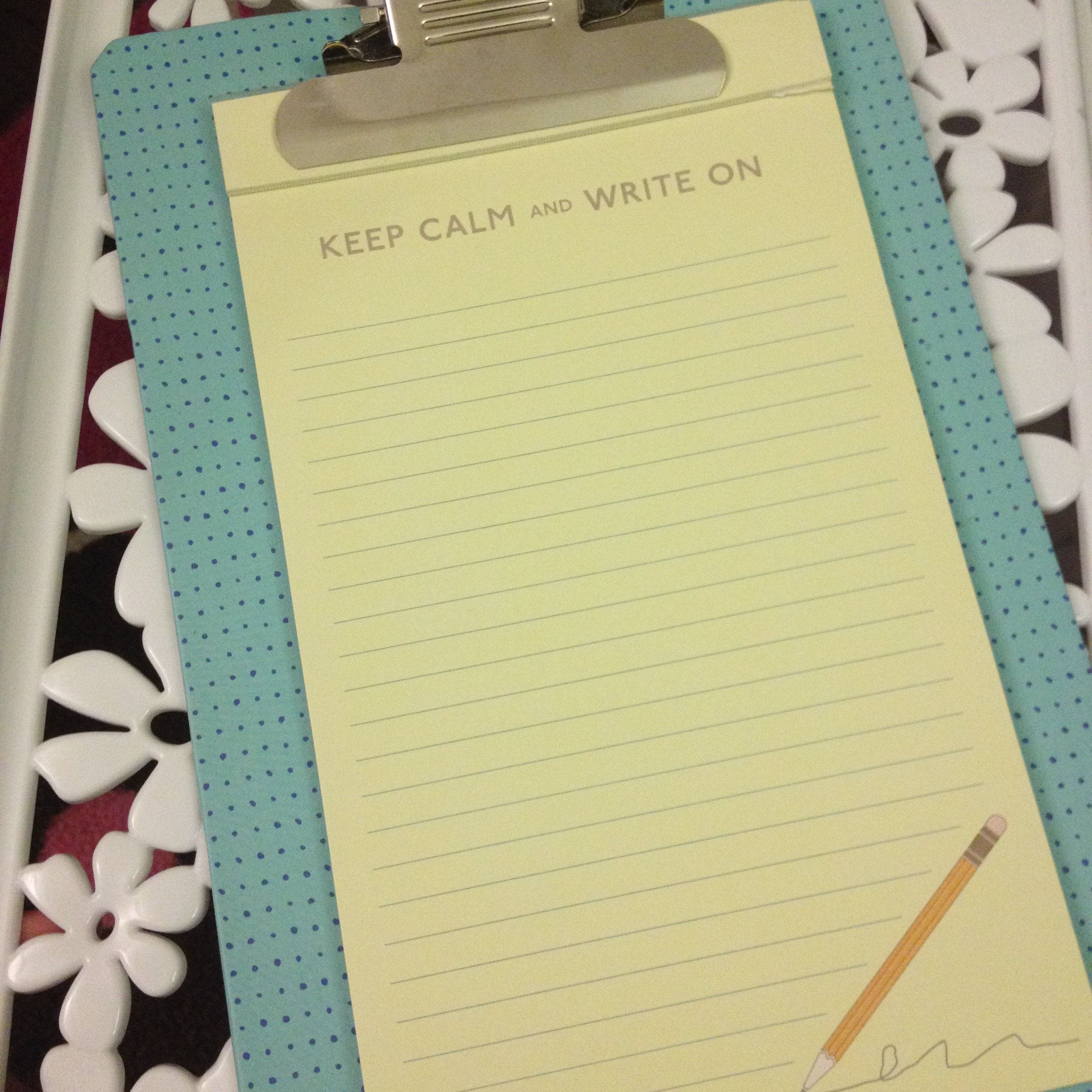
It’s temping to write a stream of thoughts about your subject, but not always useful; so start by limiting yourself to a single sheet of a small piece of paper.  I use a lovely little clipboard that my sister gave me when I graduated from high school:

IMG_2213
Thanks, Jennifer!

Continue reading Keep Calm and Write Outlines

Choosing the Right Essay Topics: Dean’s Date Done Right

Dean’s Dates can undoubtedly be daunting, especially if you are enrolled in one of the departments where the primary form of assessment is essay writing, rather than exams. For me, the most difficult step of completing Dean’s Date assignments is the very beginning—choosing a topic. I often struggle with the decision of whether to focus on something I know nothing about, or something I know a little bit about, and want to explore further. This is never an easy choice. Often, however, I find that the latter makes for a more thoroughly-developed question, as it offers a pre-existing lens through which to view an issue, and then formulate specific inquiries about it.

For example, last year in one of my Global Health classes, I read a book about off-shoring clinical trials to developing countries. It really captivated my interest, and had me asking many questions about efficacy, ethics, and feasibility. Continue reading Choosing the Right Essay Topics: Dean’s Date Done Right

Holiday research? Try topic lists

As we approach the final weeks of Fall semester, we also approach the charming, challenging world of research papers and deadlines. Remember reading about those 10-12 page essays on the syllabus in September? They’re real, and they’re coming home for the holidays. You might want to make room at the dinner table.

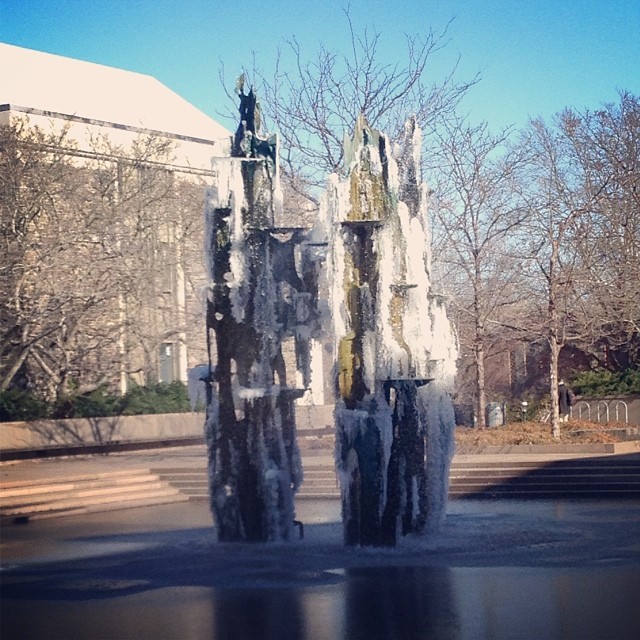
wws_winter
Like end-of-semester research papers, the Woodrow Wilson School fountain can be a good clue that the holidays are near. Especially when it’s frozen.

Of course, we haven’t hit December yet, so maybe it’s too early for holiday plans. But it’s not too early to start thinking about those final essays – even if the topics haven’t been assigned. Based on your engagement with a particular course during the semester, you can probably guess which themes might appear in the professor’s prompt. You can also easily notice where these themes intersect with your interests, and begin considering arguments without the pressure to immediately develop them. This might seem unrealistic, but it works: the questions you naturally raise about your day-to-day experiences make a great list of potential topics for future research papers.

I’ve always been guilty of raising a lot of questions, but it wasn’t until recently that I began keeping them in lists. Continue reading Holiday research? Try topic lists

Ready for Take-Off: A Pre-Departure Plan to Study Abroad

The Office of International Programs helps students make their travel dreams a reality! (Photo credit: Morgan Celistan)
The Office of International Programs helps students make their travel dreams a reality!

Many people think about studying abroad while at Princeton, but only a select few actually apply. I seldom hear of research-oriented students studying abroad.  Many of us fear leaving behind the Princeton-centered academic research we’ve grown attached to. However, study abroad can be an amazing opportunity for student researchers to learn about their fields from an international perspective.

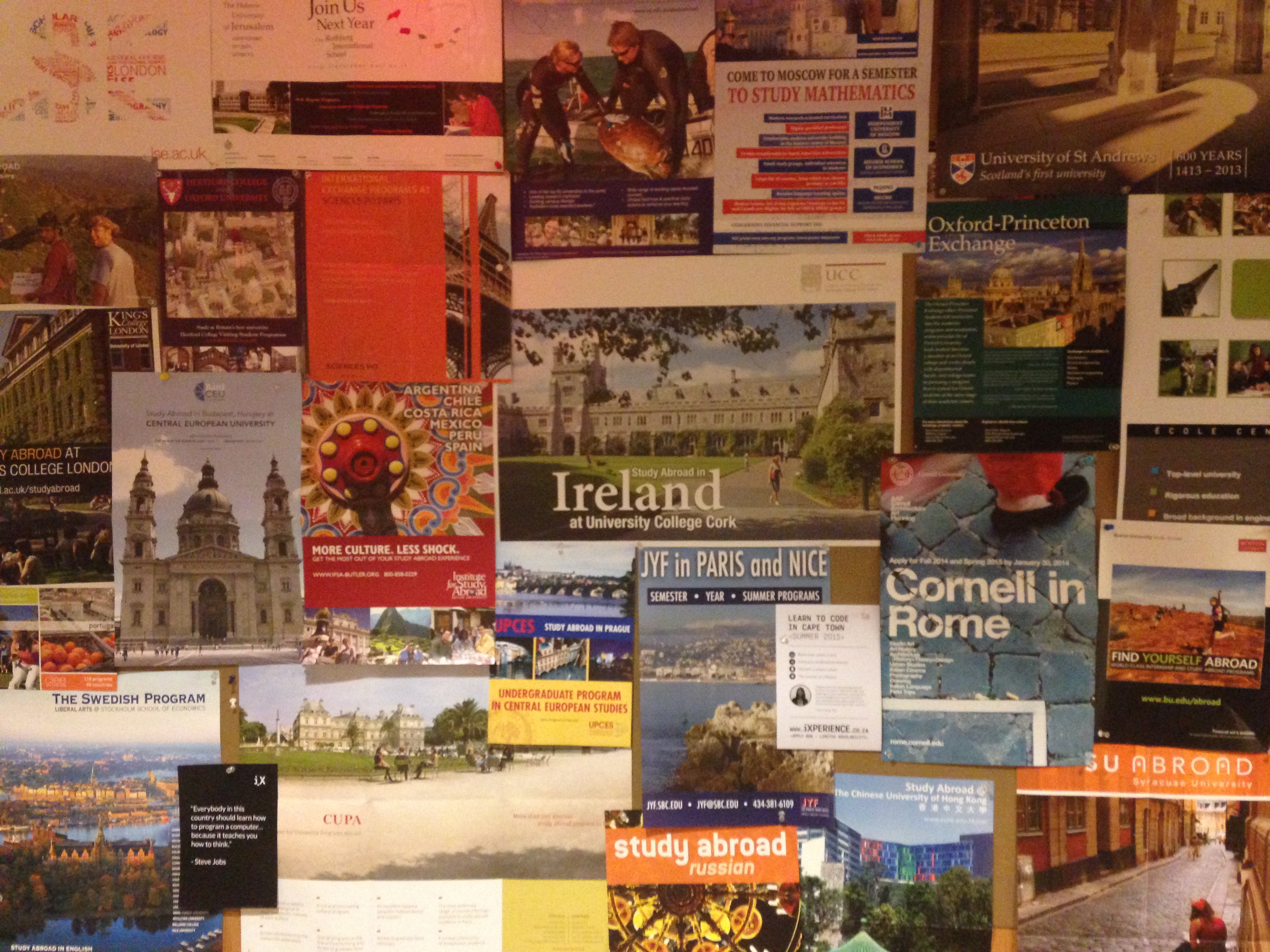
Next semester, I’ll be studying abroad at University College London (UCL). In addition to taking classes at my new university, I also hope to get involved in its research community. It seems easy to get caught up in the grandeur of being in a new location, focusing on exploring the area and forgetting to engage in meaningful and intellectual pursuits related to research. Therefore, I have spent the last few days trying to brainstorm ways to tie my research ambitions in with my plans for studying abroad. I’ve come up with a few pre-departure tasks that I feel will help me keep my research at the forefront of my mind while I traverse across the seas:

Continue reading Ready for Take-Off: A Pre-Departure Plan to Study Abroad

How to Write a Paper in Two Days: A Timeline

Last week, Yuem wrote about keeping track of his progress on his senior thesis—a project with distant deadlines. As an underclassman, I usually face shorter-term deadlines for class essays and problem sets, and these require a similar, but condensed approach.

IMG_8595

This post has real-life inspiration. Next Thursday, I have a paper due for my philosophy class on Nietzsche. Weekdays are busy with problem sets and assignments. I do not expect myself to start consolidating material for the paper till this weekend, which leaves me plenty of time to plan an effective essay.

Here’s the schedule I successfully used last time, when I was looking at parts of Nietzsche’s Thus Spoke Zarathustra and the Gay Science. Granted, the whole process I’m proposing is longer than just two days, but I promise if you use the pre-writing steps I suggest, you’ll be able to do the actual writing in a much shorter period of time!

5 Days before Due Date: Finish the core readings!

I spent about half of my weekend finishing the readings for the class that I had not been able to finish in time for lecture. Surprisingly few people realize how helpful this is. In a paper-based class, certain prompts will lend themselves to specific readings. You can write a decent paper–maybe even get a “good grade”– by reading only what is absolutely necessary for a paper, but it will fall far short of your potential. You are surrounded by world-class facilities and faculty–don’t waste your time on something sub-par. The best part about writing a paper is finding unexpected connections, after all. Continue reading How to Write a Paper in Two Days: A Timeline

Stop and Smell the…Citations? Keeping Sharp Even in Stagnation

Tired?
We all get into a lull sometimes.

Starting out on the path to research is always exciting. Poring over annals of literature and getting a taste of a mere fraction of the boundless knowledge the Internet and the library have to offer is very satisfying, and sometimes it feels like the stream of productivity and knowledge will last forever.

But what happens when you come to a roadblock? As the semester progresses, things can start to get slow, even feel like they’re coming to a standstill – that one piece of evidence you need to cite your argument just remains elusive, you end up waiting a week for a shipment for equipment you need to run some new experiments (as I currently am). Sometimes, you simply start getting tired of spending endless hours reading, writing, thinking, and then reading and writing again about the same topic. It can be difficult to maintain motivation in the face of those slow-moving moments. Continue reading Stop and Smell the…Citations? Keeping Sharp Even in Stagnation

Keeping Up is Hard to Do…

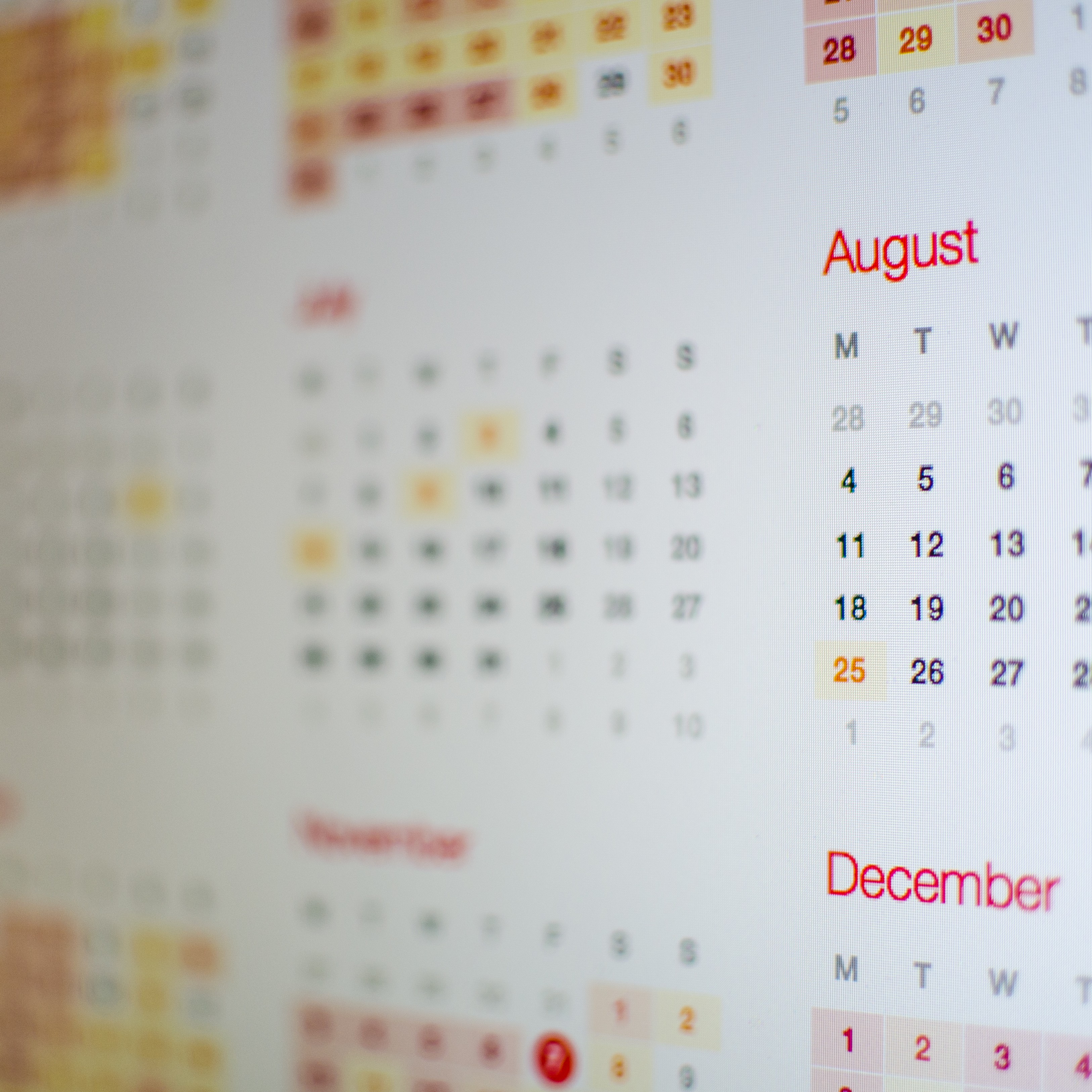
Keep working through the months! (Photo by Yuem Park)
Keep working through the months!

What did I never expect to be challenging about the senior thesis? Its relative lack of deadlines.

As Princeton students, we’re busy. On top of the vast quantities of course work that we have, many of us take on multiple extracurricular activities such as sports or dance, and each week becomes a battle to meet deadlines for problem sets or readings. And through the trials and tribulations of our first few semesters here, we get better each day at balancing our commitments and meeting deadlines until they become normal parts of our lives.

But your senior thesis will throw you a curve-ball. By this point we’ve been so thoroughly conditioned to work around deadlines that, at first, it can be a little confusing as to how to react to the unexpected freedom of independent work. It’s very tempting to throw down your pen triumphantly when you see that your first deadline is at the end of the semester, and forget about your thesis until one week before that date. But of course, it’s not that easy – after all, a senior thesis is expected to exhibit the cumulative work of an entire year (which cannot be achieved one week before the deadline!).  Continue reading Keeping Up is Hard to Do…

Tales of Adventures: Keeping Detailed Records of Your Work

Notes can get messy very quickly. Photo by Stacey Huang)
Notes can get messy very quickly.

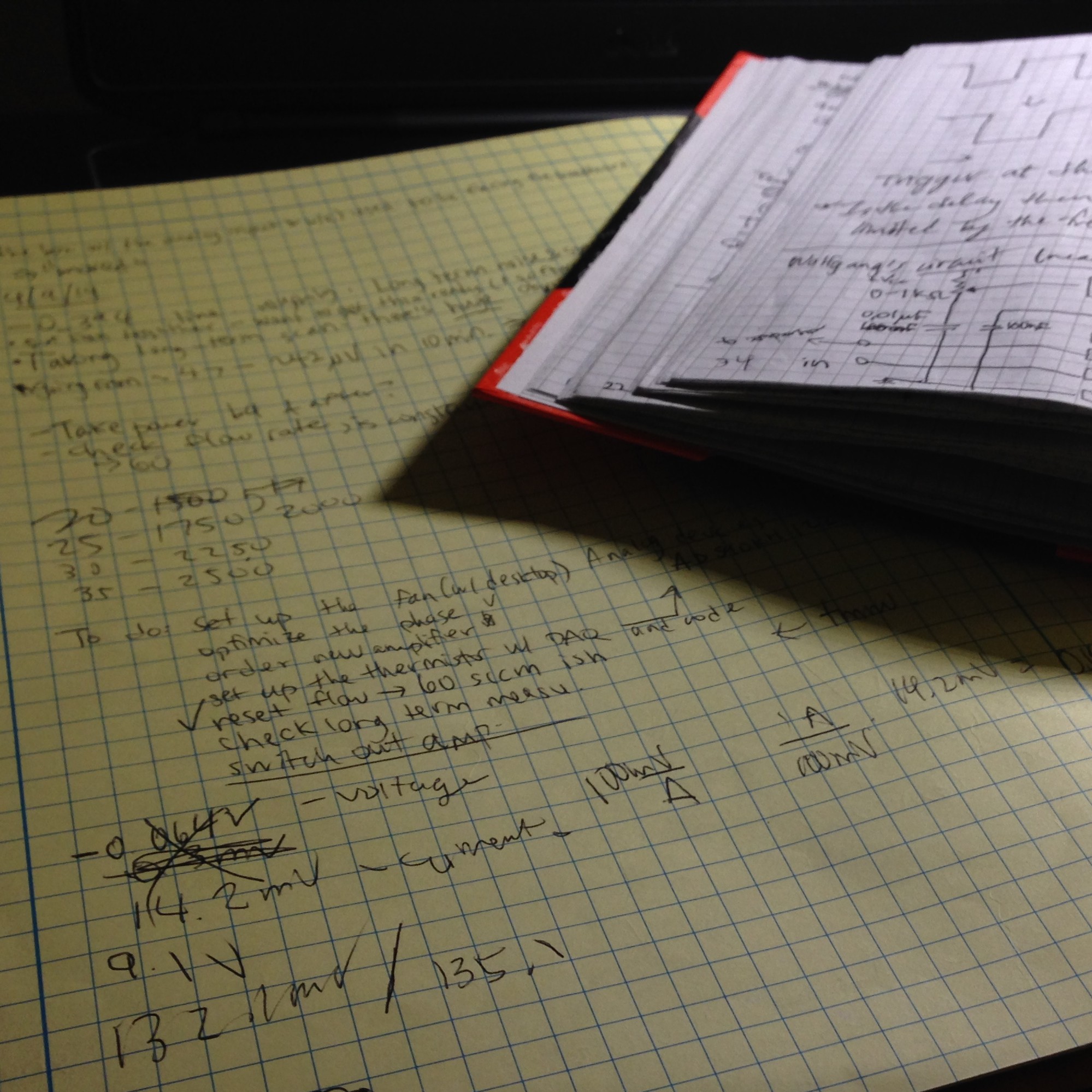
Whether you work in the sciences or humanities, it’s integral to keep track of your work. It sounds obvious – it did to me too – until I started flipping through some of my notes in my lab notebook, trying to figure out the tests and results for a few small tests last semester. I knew I had done the tests, but I just couldn’t figure out what exactly I had done. Eventually, I found a few numbers in my notebook but couldn’t decipher them. Maybe those notes made sense to me 5 months ago, but now they only look like random scrawls of numbers to me.

It isn’t always a lab notebook: it could be keeping track of papers you’ve read and researched, writing down ideas you’ve tossed around with classmates or your adviser, basically keeping a record of all the work you’ve done. Often it can get boring to record every little thing, and often it can feel unnecessary, but not keeping a detailed record or at least well-organized notes or data of your progress somewhere helps no one. It does your hard work no justice when you can’t look back on it in the future and save time by skipping what you’ve already done. It all saves you time in the future from looking at the same papers, doing the same tests. Continue reading Tales of Adventures: Keeping Detailed Records of Your Work

Talk the Talk: Initiating Professional Conversations

Office hours are great places to sit and get to know professors! Special thanks to Laura Sarubbi for this photo.

Talk to your professors. College students are frequently given this age-old advice, which seems to exist as a panacea for low grades, a need for recommendation letters, a desire for intelligent conversation, and the like. However, most students will be quick to inform you that talking to professors is easier said than done. Whether held back by fear of inadequacy, intimidation, or just pure laziness, many students shy away from interacting with their educators. Unfortunately, this fear prevents students from obtaining amazing opportunities, especially ones related to conducting research.

As a learning consultant at Princeton’s McGraw Center for Teaching and Learning, I’ve discussed the difficulty of talking to professors with many of my peers. Most express a strong desire to engage their professors in conversation, but are unsure of what to say, or how to say it. While I’m no expert on perfecting the verbalization skills necessary to score a perfect relationship with professors, I have had some experiences where simply putting myself out there has made a world of difference for my Princeton career.

Continue reading Talk the Talk: Initiating Professional Conversations