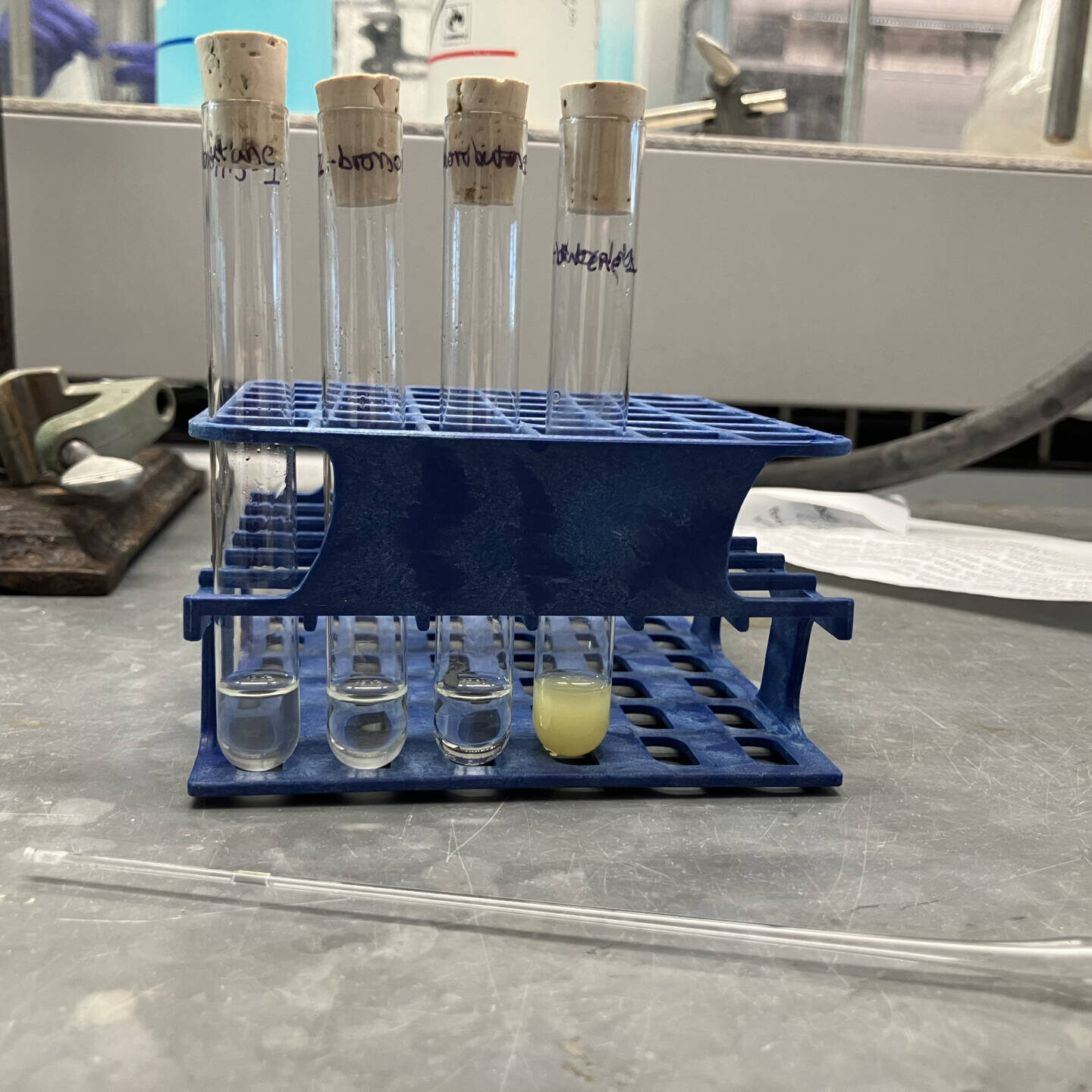
Organic Chemistry Lab Procedure in Frick, taken by Haya Elamir
For STEM majors, lab components of classes can be cumbersome. They can add stress to the classroom experience–not to mention the long hours. Unlike research in a lab as part of a thesis or independent work, these labs may not allow for self-direction, and can feel very methodical. Sure, they apply what we are taught in class, but for me personally, the rates at which lab and lecture move can be quite different, and I do not fee the benefits of the lab experience until later on in the semester when it finally clicks for me.
The start of 2025 has been an interesting one to say the least when it comes to research. New breakthroughs in Artificial Intelligence models are rapidly advancing our understanding of everything from ancient texts to protein structures. At the same time, they have complicated the publishing process by introducing a flood of junk to scientific journals. Turning to the federal level, years of biomedical research has culminated in the FDA approval of a new non-opioid pain medication. Developments like this are happening while major national pillars of our research structure face confusing directives amidst a clear priority shift in budget allocation. The degree of uncertainty researchers at the undergraduate level face today can feel overwhelming, but uncertainty is intrinsic to research across all disciplines. Whether that uncertainty is caused by human participants or dated lab equipment, it’s an aspect of research across the board. The unique large-scale uncertainties confronting researchers today can be faced using the same ways uncertainty is addressed during the research process.
For Princeton students, it’s not premature to start thinking about summer. If anything, this post may be a little behind for some of those proactive students. Rest assured though, you are not behind if you have not started the search for summer internships (even though many students will say they’ve already applied). Opportunities are aplenty, and no, you are not behind if you didn’t start applying for research internships back in the womb.
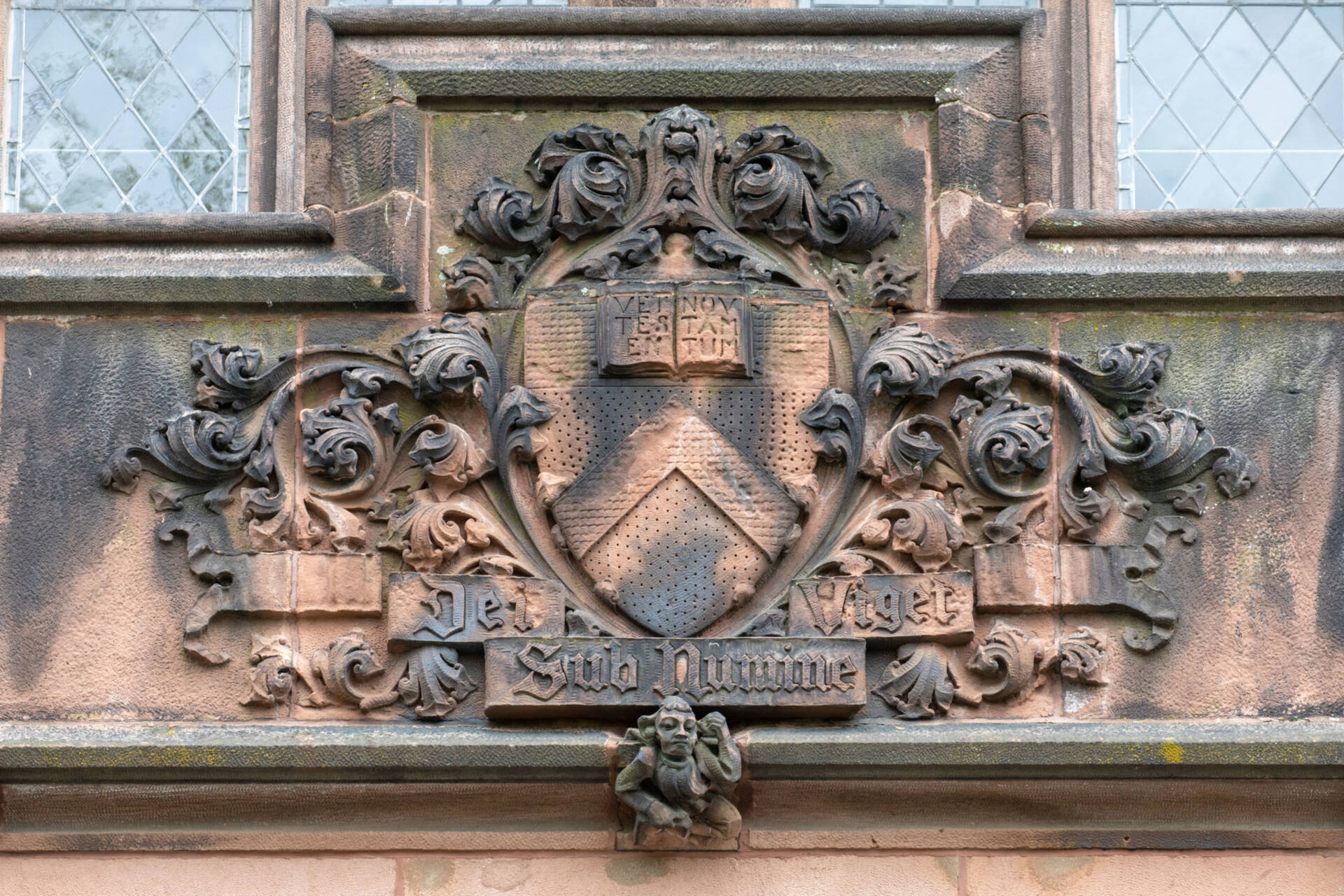
Detail from the façade of East Pyne, Princeton’s shield and motto. “Dei Sub Numine Viget” (Under God’s Power She Flourishes.) Photo Credit: John Jameson.
From philosophy, theology, history, and politics to taxonomy and medicine, Latin is doubtless one of the most important academic languages in history. Unfortunately, its status as a ‘dead language’ tends to repel many, and myths of its arcane and difficult nature often discourage learners. Another problem is that this mystique is perpetuated in many Latin language classrooms: the ‘dead language’ is truly treated as such, with little to no emphasis placed on speaking or pronunciation and all stress (in both senses of the word) lying on the rote memorization of grammar tables.
However, learning Latin need not be cumbersome, nor strike fear into our hearts. Rather, noli timere (be not afraid). The Classics Department offers excellent instruction and tutoring. Moreover, since course prerequisites can and often do interfere with language study during the semester, there are also great alternatives for self-study. Online and print resources abound for this timeless language and are tailored to a variety of learning styles.
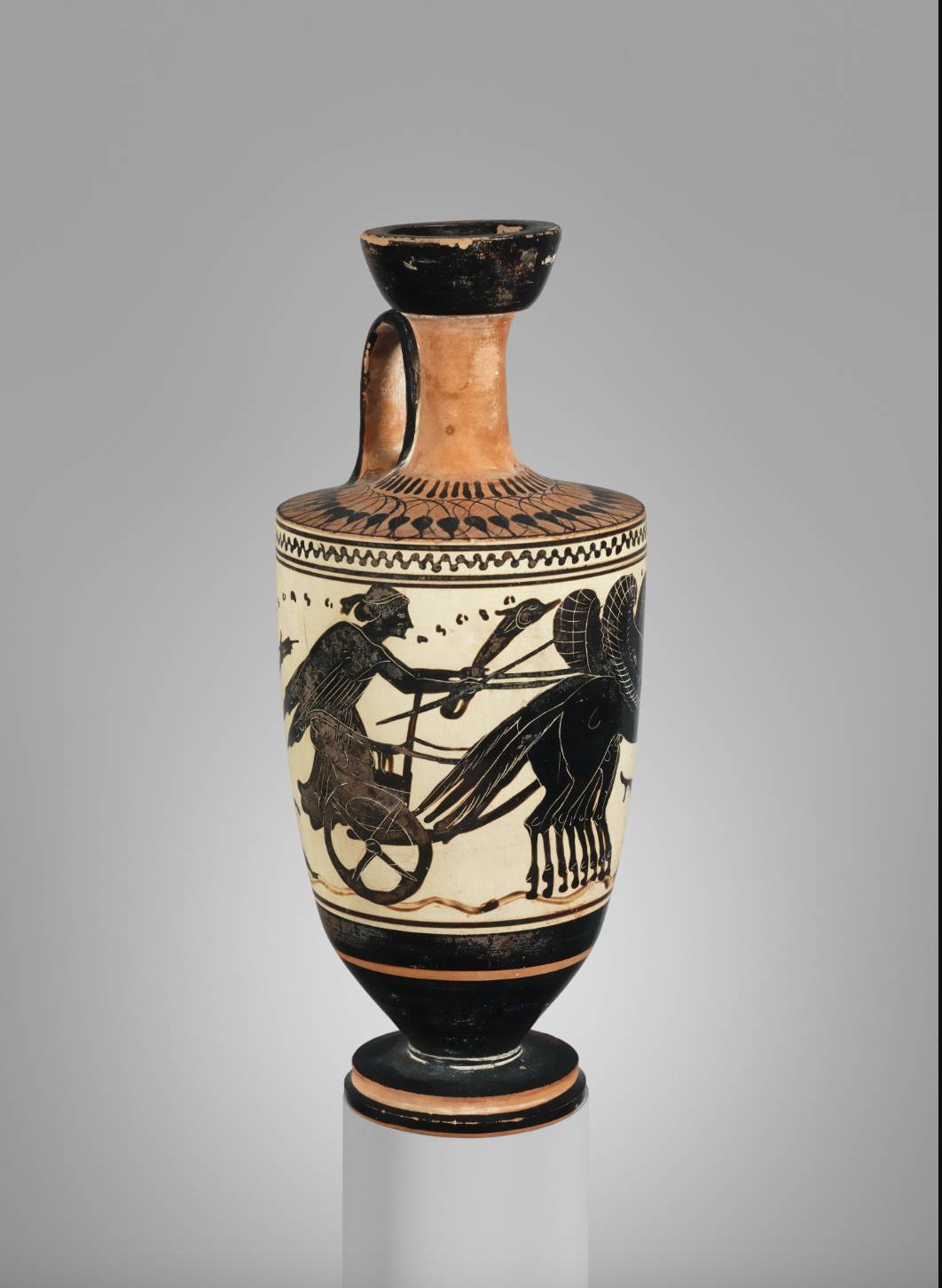
A Terracotta lekythos (oil flask) depicting Thetis in chariot with winged horses flying over the sea accompanied by the messenger gods, Iris and Hermes, as described in the last book of the Iliad.Photo credit: Sappho Painter, The Metropolitan Museum of Art.
When asked about what courses I’m taking and I share the list, I’m often greeted with blank stares or curious expressions. The response I elicit is, “Why are you making life so hard on yourself?” And no, it’s not because I’m loading up on a truckload of courses like physics, math, chemistry, and computer science.
As a classics major-turned-premed, my schedule has me jumping from subject to subject across disciplines. My days consist of learning about synthesis reactions in organic chemistry in a massive lecture hall, and puzzling over Plato in ancient Greek with a circle of 7 classmates. My head spinning with Greek letters and grammatical constructions, I head for immunology, and then back again to read Latin literature. As STEM and humanities classes are often located on opposite sides of campus, I find myself trekking up and down Washington Road multiple times a day. Aside from getting my daily steps in, what exactly do I get for doing this?
Fireworks on the 4th of July, taken at the closest firework show to campus this past summer
As a Princeton student, the possibilities for summer are exciting but can also feel overwhelming. Between research opportunities, internships, volunteering, and even traveling, it’s easy to feel like everyone around you is planning something impressive. But the key to a fulfilling summer isn’t about packing in as much as possible—it’s about finding what fits your personal goals and needs, whether that’s academic growth or much-needed rest.
This could be you working passionately on your funding proposal using the tips in this guide! Photo credit: Glenn Carstens-Peters.
After having discovered a potential funding opportunity, you might be reading the requirements for the application and find that you need to write a “research proposal” as a part of the application. This might be your first time writing a funding proposal. Here are a few tips to assist you in writing your funding proposal!
Golden hour in San Diego, captured during my winter break last year on an occasion where I wanted to recharge in nature!
Being a Princeton student is an incredible blessing—students have opportunities to learn from world-class professors and lecturers, engage deeply in independent research, spend time with wonderful communities on campus, and so much more.
One special opportunity I have always appreciated is the five or six week-long winter break. This year, it is a ton of time for me to make progress on my Senior Thesis, read ahead for my upcoming spring courses, and even teach myself something new. In past winters, I have also spent much of this time applying and preparing for internships. Past PCUR correspondent Ryan Champeau has a wonderful post on making the most of winter break.
My favorite point from Ryan is that you should spend winter break in a way which makes you happiest, whether it’s making a ton of progress on your work or resting. Being intentional about rest during winter break involves planning activities (or a lack thereof!) that help you recharge physically, mentally, and emotionally. In this post, I’ll share some tips you can draw upon to create a restorative break!
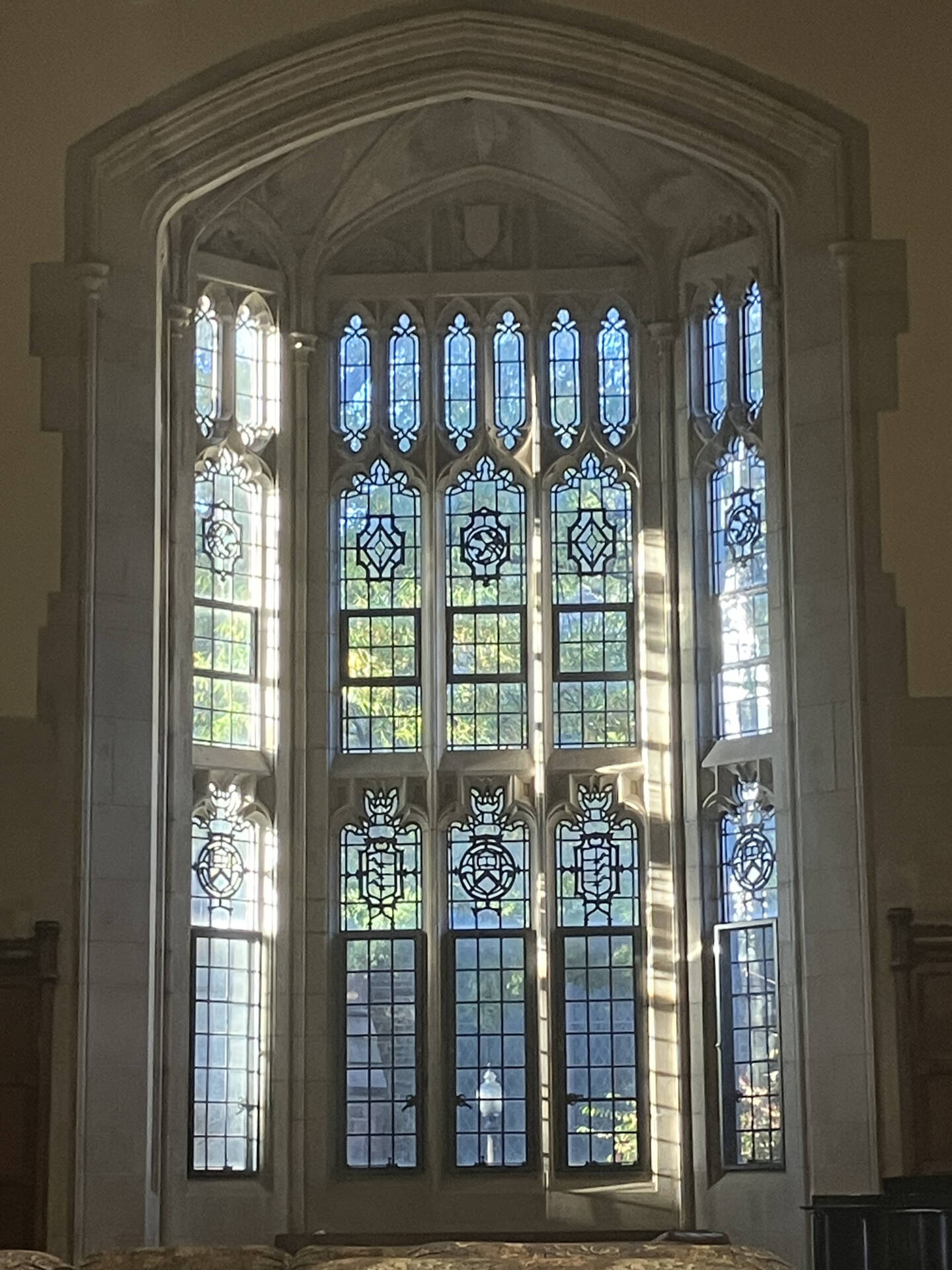
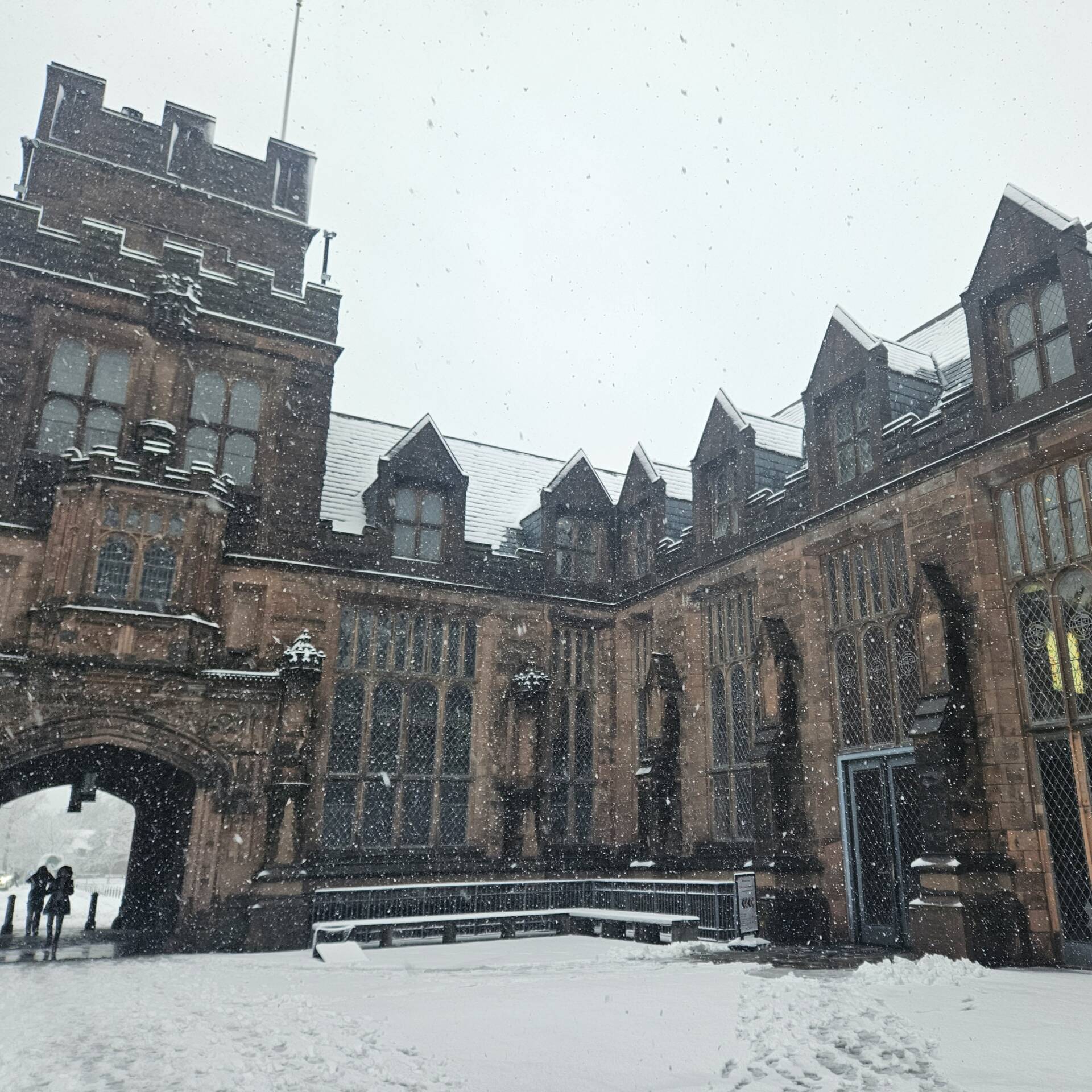
East Pyne Hall, former home to the Princeton University Library Collection
As someone who has spent more than a little time in libraries both here and back home, I can’t express how important libraries are. Oftentimes, we reduce our campus libraries to simple study spots, places we can go when we really just need to lock in. But, this is reductive. Libraries are connection points, providing the opportunity to connect and reconnect with friends and peers in the most serendipitous of ways. Additionally, our libraries are invitations to discovery. Each building stands as a testament to the physical accumulation of centuries of knowledge. From the official writings of American presidents to enzyme analyses of gene editing technology, Princeton’s libraries are practically bursting with knowledge to be uncovered.
When I talk to friends about studying at Princeton, one thing I always find myself circling back to is the beauty of our campus and community. This goes beyond the aesthetics of the buildings, but relates to the experiences that Princeton students can all share in. Our campus is one of connection and discovery, and I believe that there is no aspect that makes this as clear as our libraries. The Princeton University Library system claims the 9th largest collection of titles of any University in the country, so it’s no surprise that our campus is dotted with libraries. Of these numerous libraries though, many get overlooked. These overlooked libraries all represent unique opportunities that deserve to be noticed.
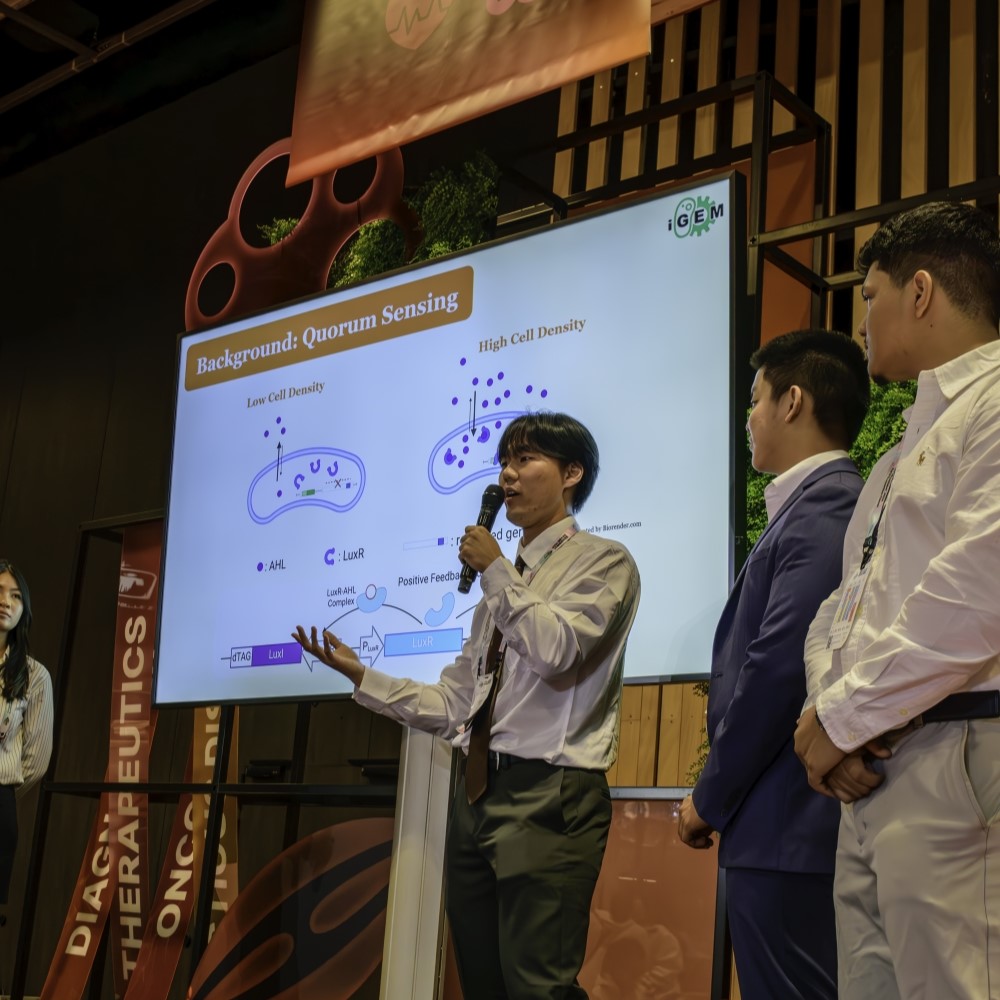
Dowon Seo ’27 presenting Research in Paris, France.Photo courtesy of Dowon Seo.
Princeton offers a wealth of opportunities to engage in undergraduate research. From smaller projects found in writing seminars to the ever-looming senior thesis, research is woven throughout our academic journeys. Still, outside of this mandatory exposure to research there are also unique opportunities to explore research as an undergraduate. One of the most interesting of these is the Princeton iGem team. I was able to sit down to speak with a member of this year’s team, Dowon Seo ‘27, after he returned from the annual iGem conference in Paris.