The Princeton University Library system features over six million unique titles. So when you discover a book not already in the system, you know you’ve found a niche topic.
This semester, I’m taking a course called “Modern India: History and Political Theory” taught by Visiting Professor Sunil Khilnani. In the course, we examine primary sources from the major actors in the Indian nationalist movement.
Recommending a book purchase is as easy as online shopping!
Interested in indigenous politics in India, I asked Professor Khilnani if I could write my midterm paper on the Adivasi (Indian tribal societies) role in Independence – even though we haven’t addressed this topic in class. He suggested I focus on Jaipal Singh, a major twentieth-century Adivasi activist, and sent me a list of primary and secondary sources to consider. Specifically, he recommended using the recently published collection of Singh’s speeches and writings, Adivasidom.
Few students enter Princeton planning to study Geosciences–I certainly didn’t.
Fascinated by the natural world and enticed by the prospect of a field semester in Kenya, I confidently chose “Ecology and Evolutionary Biology” as my intended concentration every semester on Tigerhub’s Academic Planning Form. My backup plan, if the sciences weren’t the right fit, was to study History and get a certificate in American Studies.
So why, when it came time to declare my concentration, did I end up choosing Geosciences? There were three factors that I felt set GEO apart from the other departments I considered:
Community
When I was considering which department to join, it was important to me that the department had a strong community with a space for undergraduate participation.
GEO has a vibrant department community that places a high value on undergraduates. Undergraduate participation is encouraged in weekly department wide events such as lunchtime lectures and snack breaks, as well as celebratory events such as annual department picnics. Even before I declared my concentration, faculty and staff in the department made it clear that there was a place for me in GEO.
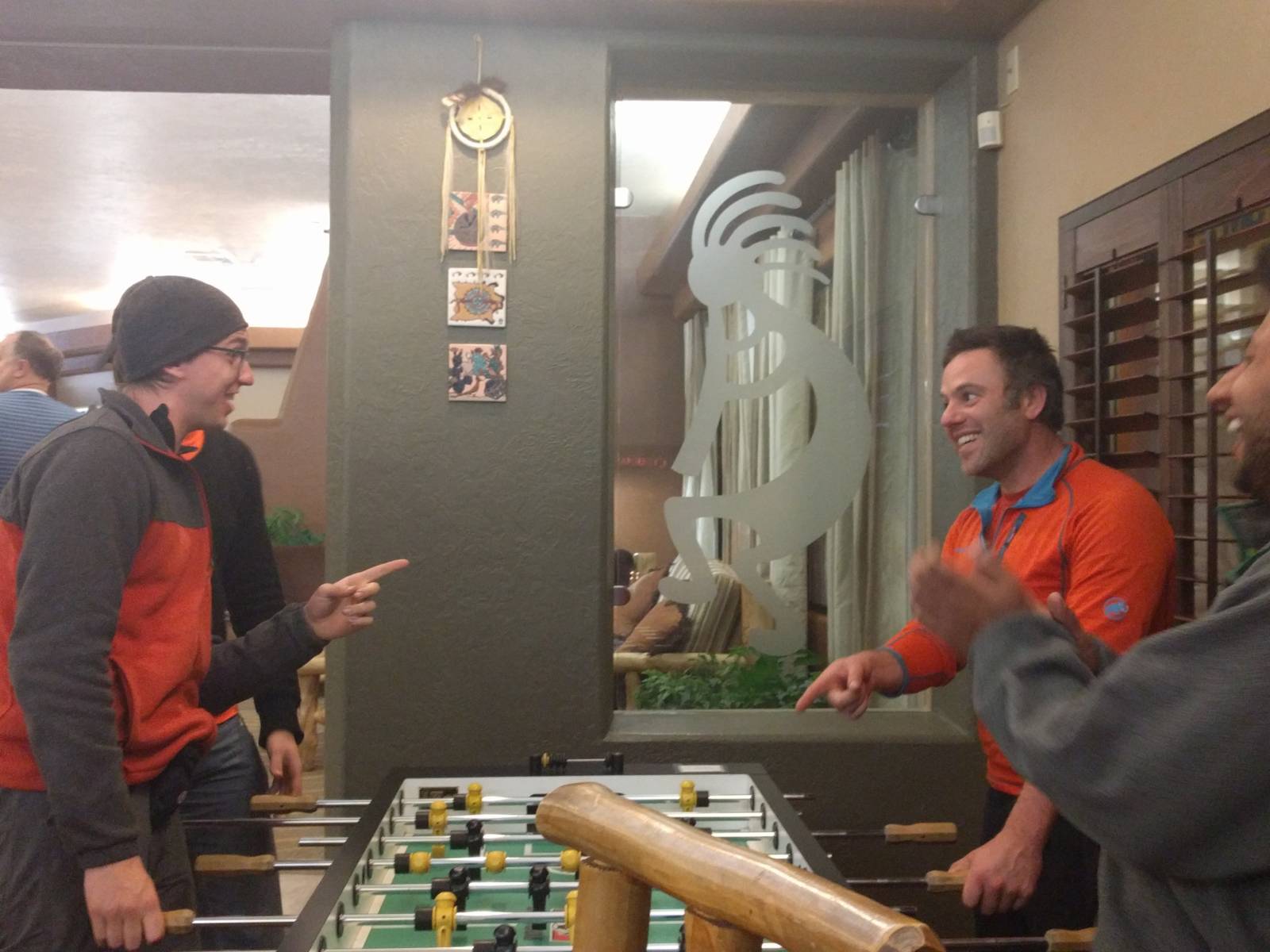
Graduate student Akshay Mehra (far right) laughs as Professor Adam Maloof (second from right) chastises the author (far left) for “cheating” during a game of foosball on a class field-trip to Utah in Fall 2016. Informal social interaction with faculty and graduate students abounds in the GEO department, creating a warm and welcoming atmosphere for undergraduates.
The department even has its own undergraduate society, Princeton University Geosciences Society (PUGS), run entirely by students, which plans regular social events and field trips centered around building a close-knit community of engaged undergraduates. PUGS organized a department field trip to Iceland in 2015 and is planning a weeklong trip to the United Kingdom this year.
Independent research at Princeton has given several students the opportunity to conduct exciting new studies, including traveling to other countries in order to get first-hand experience engaging in other cultures. Just a few months ago, I even flew out to Los Angeles to interview television producers for my thesis. While the opportunity to meet new people and learn about their life-stories is undoubtedly a transformative experience, these types of projects wouldn’t be possible without one particular group’s approval: the IRB.
To conduct any research that involves human subjects, Princeton’s Institutional Review Board (IRB) has to review your study in order to ensure the safety of the participants. For instance, if a study involves at-risk individuals (e.g. children or prisoners) the IRB will need to check the parameters of the study in order to make sure no one gets hurt or feels coerced into participating. But with 15 sections worth of information to fill out, the IRB form can be quite intimidating to go through–it even scared me away from including human subjects in my junior paper! But after some encouragement from my adviser, I partnered with a fellow SOC major and worked through the seemingly endless document.
Having completed the process, here are a few tips that I think will make the form easier to navigate:
Until recently, I hadn’t reflected on the fact that what we read for class is carefully curated. As we all know, our professors dedicate immense amounts of time to selecting and refining the list of readings for our courses. Ideally, these readings reflect the essential sources on a particular subject. However, as with any selection process, the developing syllabus is filtered through certain ideological and methodological biases, not to mention the practical constraints of the course.
In my experience, professors tend to be transparent with their students about this curatorial process. In class, we often discuss why certain scholars were selected over others, and receive recommendations for further reading. Yet, I don’t often reflect on these selected works of scholarship in the context of their authors’ personal intellectual evolution.
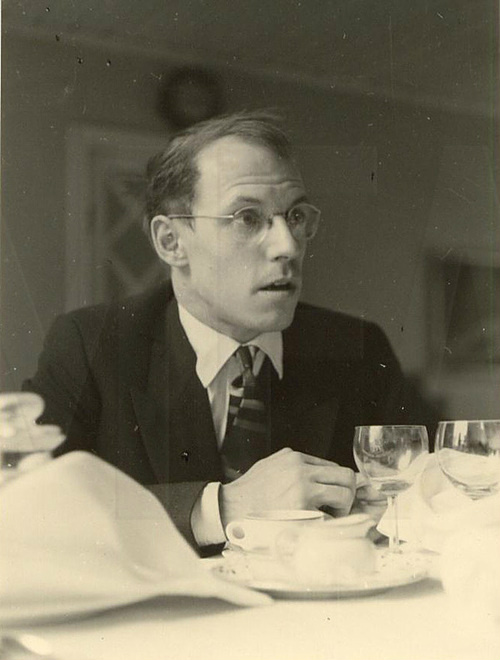
A young Michel Foucault
When selecting secondary sources, professors typically choose a scholar’s most established works and arguments. With such limited time to cover material, our semesters only have space for “greatest hits.” These works tend to articulate coherent ideas, argue something new and critically important, and reflect a consistent methodology. Often, they’re masterpieces of scholarship.
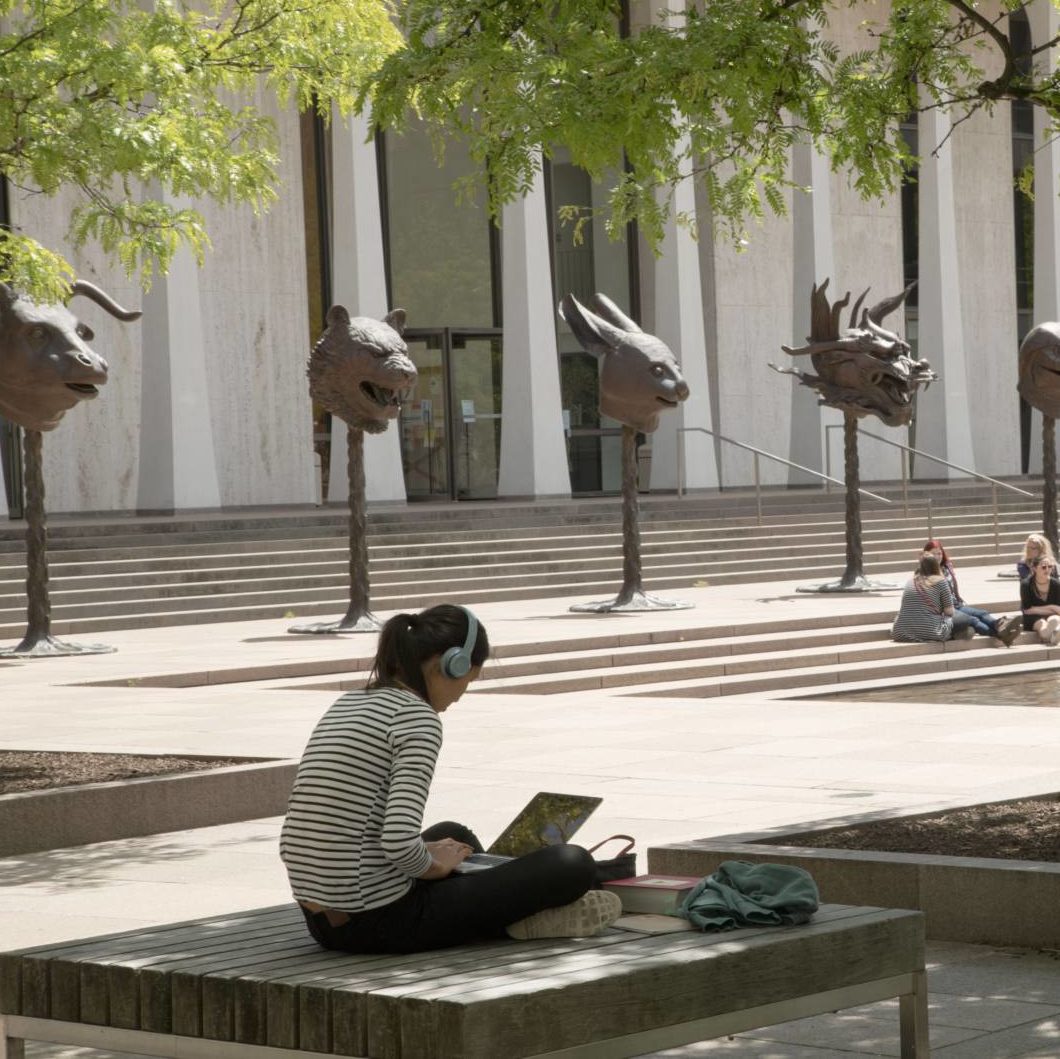
When writing a history research paper, the right approach is key. Sitting outside, like the above student, may be helpful, but also consider heading to a library for a more focused atmosphere–and larger tables to spread out your notes!
In my last post, I shared some tips on how to conduct research in history and emphasized that researchers should keep in mind a source’s category (transcript, court document, speech, etc.). This post is something of a sequel to that, as I will share some thoughts on what often follows primary-source research: a history research paper.
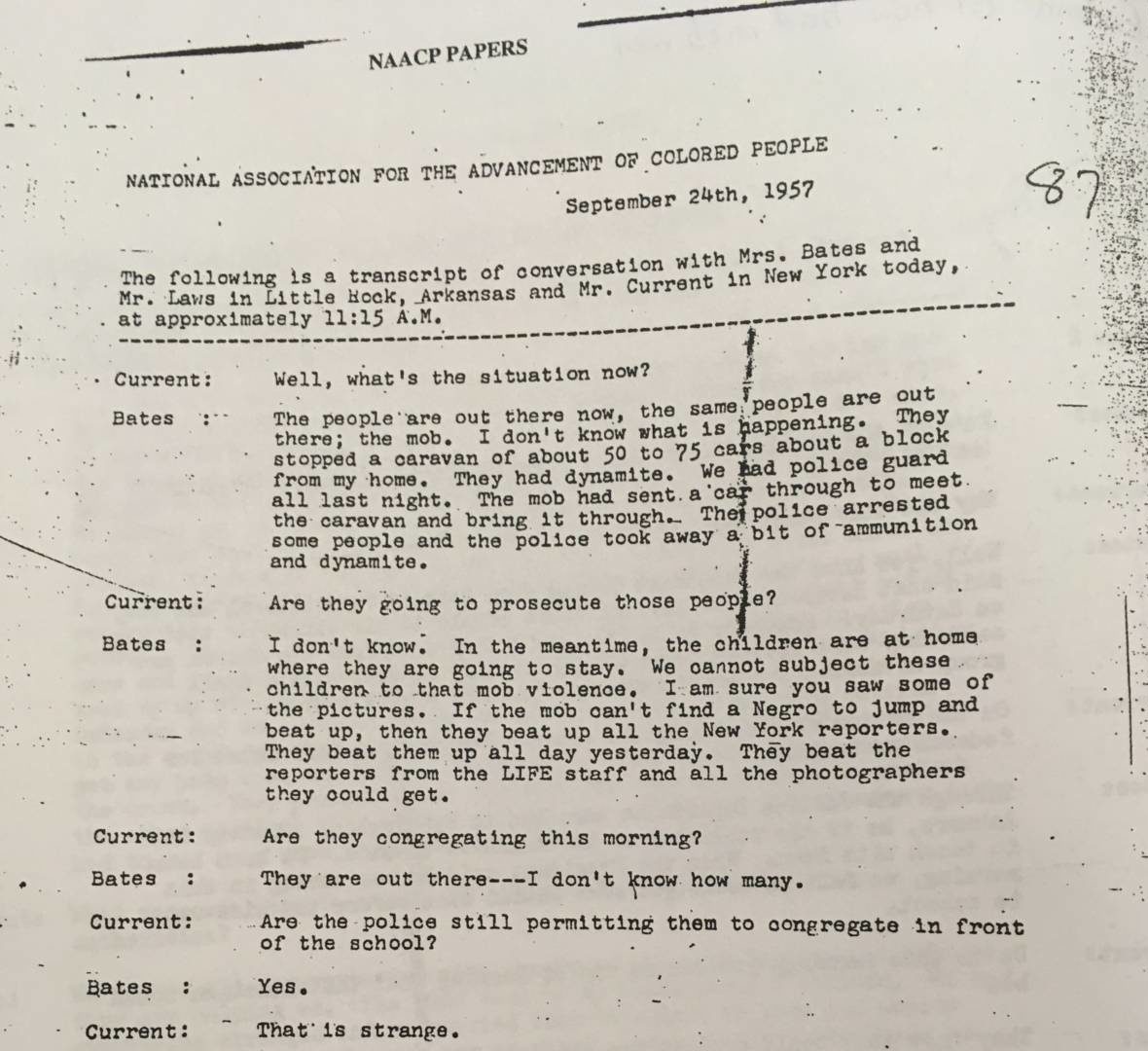
“They had dynamite.” This transcript of a conversation with three NAACP leaders illustrates the very real threat of danger these activists faced during the Little Rock Public School Integration Crisis.
After much consideration, I have settled on concentrating in the History Department. Consequently, this semester finds me taking several courses with a historical bent. Thus far in these classes, I have been immersed in the theory and practice of historical research. Today, I’d like to share some of the highlights from my experiences in History 280: Approaches to American History.
Throughout my academic life, I have always struggled to find a topic for open-ended assignments. Of course, the further along in my academic trajectory I get, the less strict the guidelines for each assignment become—and the more I struggle to find myself a topic. Coming up with research topics is, of course, critical to any researcher or student’s success—particularly when the culmination of our work as Princeton students is a nearly completely open-ended assignment: the thesis or independent project that each of us completes to graduate. So, I have learned to embrace my discomfort and use each new prompt as a way to hone my skills at successfully choosing topics.
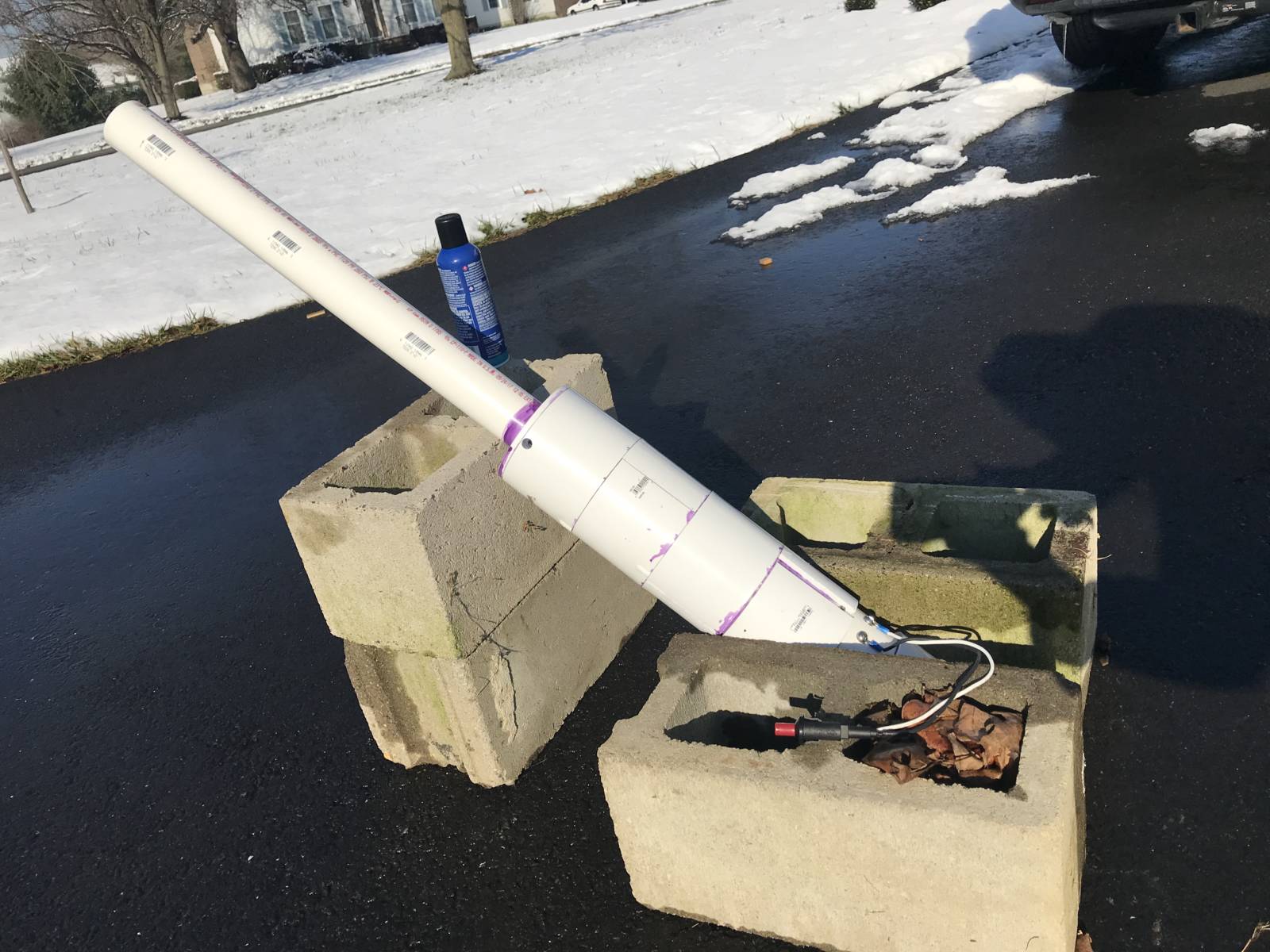
My Thermodynamics final project: a butane combustion cannon made from PVC pipe.
Firestone is my favorite Princeton resource – but it has its limits, especially when it comes to primary source material (see my previous post). If I can’t access a source through Firestone, my next step is generally the New York Public Library system. NYPL offers not only a beautiful place to study, but also a wide range of primary source material in their public collections.
I recently spent a day at the Schwarzman building on 42nd and 5th in order to access a microfilm copy of a Yiddish periodical published by Holocaust survivors in 1946. This was my first time researching at the NYPL and working with microfilm (the small reels of film used to store documents in pre-digitization libraries) – so I learned a lot in my few hours there.
My well-angled selfie in front of the Schwarzman building
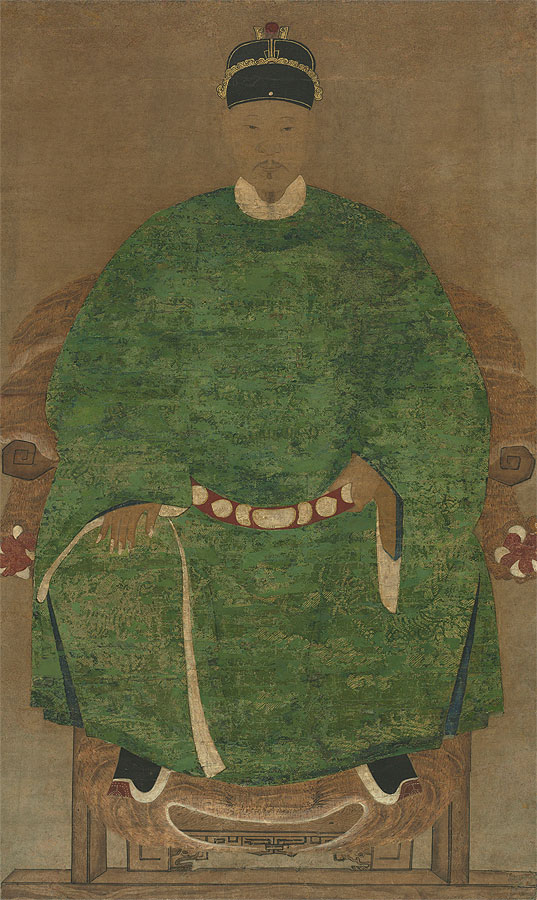
When working with historical sources, particularly secondary sources, one has to consider the levels of mediation that the historical narrative has gone through before it finally reaches the researcher. We all have to use primary and secondary sources in our work. But something often overlooked is the extent to which there are degrees of truth, or what Stephen Colbert famously called “truthiness,” in the sources that we encounter. We learn in English class about the idea of the unreliable narrator. Well, the exact same thing applies when studying history. Except, with history, everyone is unreliable to some degree, as demonstrated by my reading of The Battles of Coxinga.
Borrow Direct is my favorite feature of the Princeton library system. If you’re ever hunting for a book and it’s not available at Princeton, the Borrow Direct program allows you to order the book free of charge from another university library. A few days after your order, you receive an email that your book has arrived, and you pick it up from the front desk – where it is wrapped in paper and marked with your name. It’s like Hannukah, but all the time.
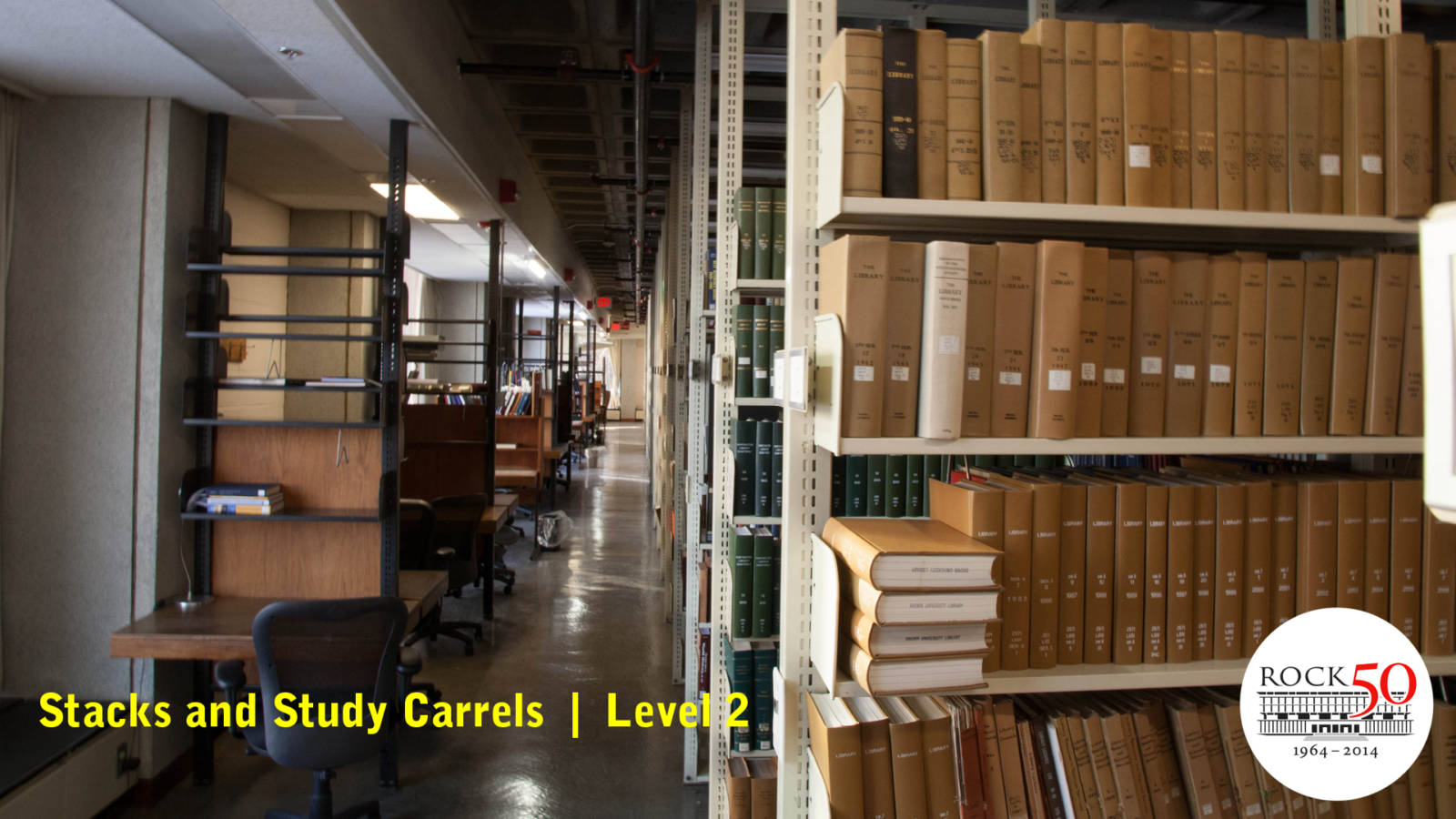
The joy of Borrow Direct isn’t limited to campus. Over the summer, when I needed to do research at Brown University’s library, the Borrow Direct system gave me unlimited access to the library there and enabled me to check out books with nothing more than my PUID. I was even allowed to reserve a carrel for the entire summer — which I did.