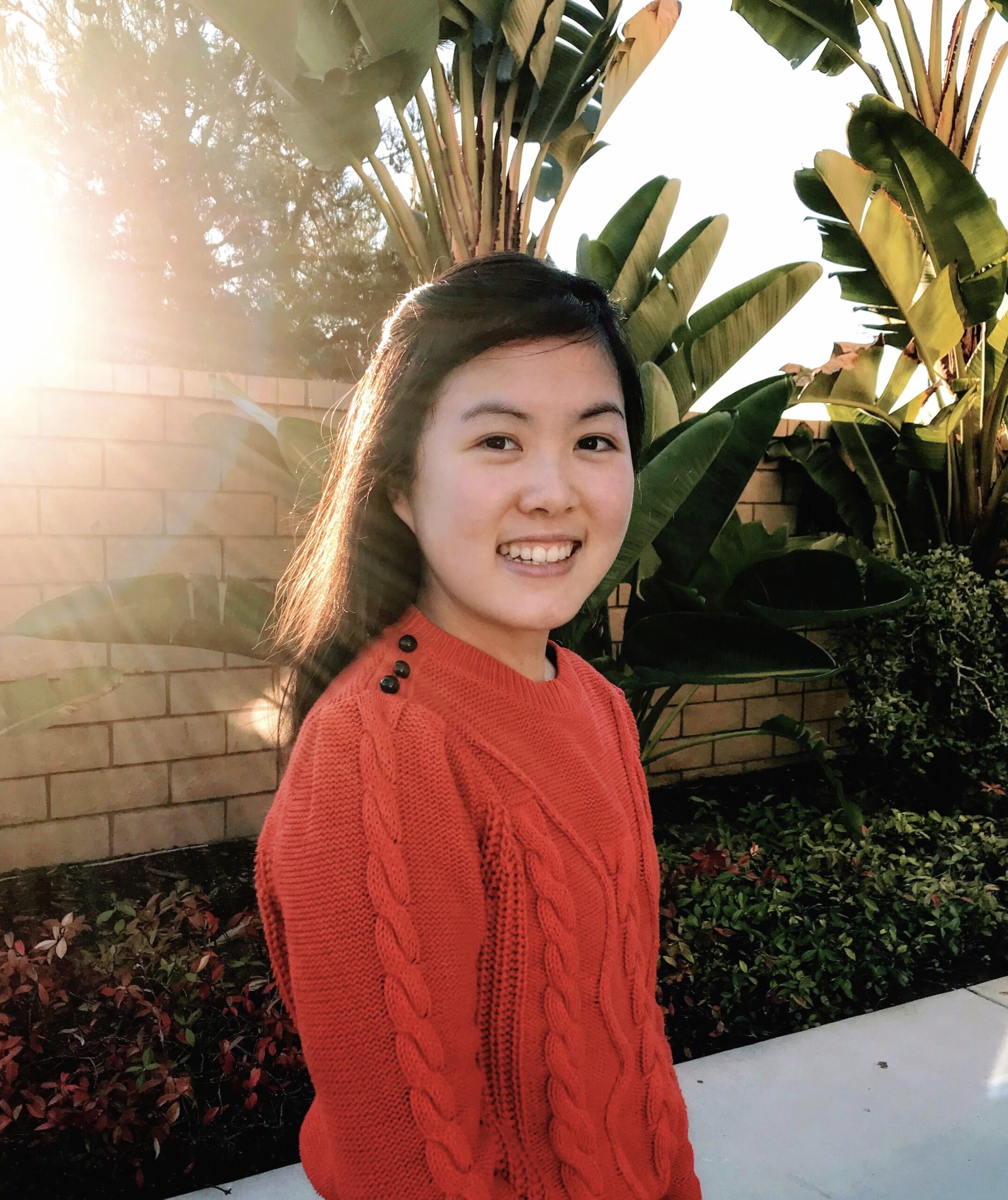
Shannon Heh ’23 is currently Co-President of TigerApps, a member of KoKoPops dance team, and a member of Colonial Club
At Princeton, B.S.E.* computer science students are required to complete at least one semester of independent work (IW) during their junior or senior year. Students may either take an IW seminar, where a small group of students work on larger projects under a given theme, or a one-on-one IW, where students work and meet with their advisers independently.
Seminars had weekly meetings and provided more structure for students than a typical one-on-one project would; students were asked to choose their project ideas early and received valuable feedback through presenting and having their ideas workshopped by their peers in the seminar.
I met with Shannon Heh ‘23, a senior in the Computer Science department, to discuss her experience in an independent work seminar. Spring of her junior year, Shannon took COS IW 09: You Be the Prof, advised by Professor David Walker. Students were to produce a web-based platform, app, or tool to aid in teaching a particular topic, skill, or concept.
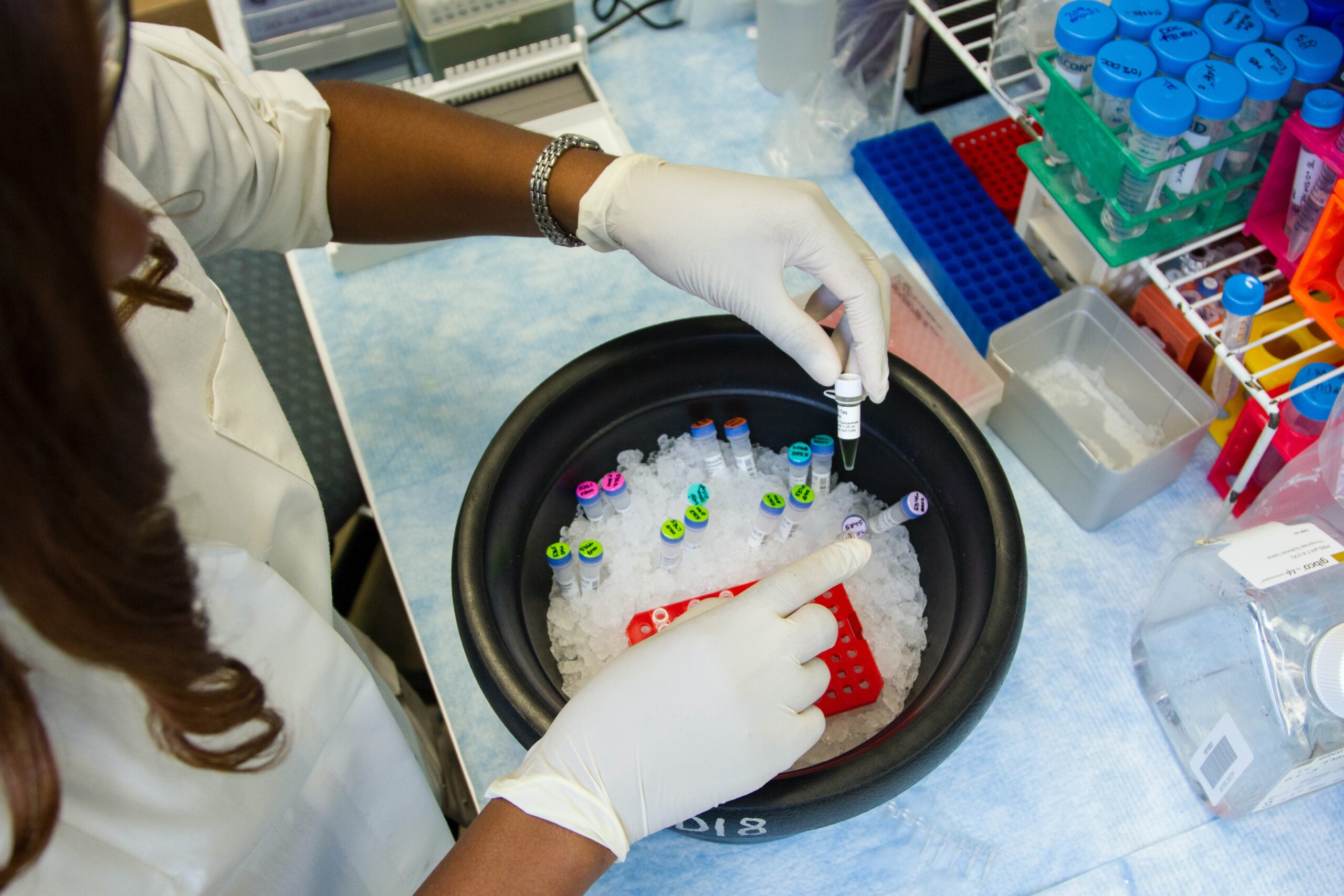
Woman in lab coat arranges sample tubes in black ice bucket.
Having no knowledge about Neuroscience at the time, I did not expect my experience taking Advanced Placement Psychology to amount to more than an interesting elective. However, I discovered my passion for research through Dr. Volpicelli-Daley, who came to our class to give a presentation about her research on Parkinson’s Disease with mouse models. She invited us to apply for a position as a research assistant in her lab, and I ended up getting the job. I worked with the Volpicelli-Daley research team at the University of Alabama at Birmingham during the summer between my junior and senior years of high school and then again over my gap year before coming to Princeton.
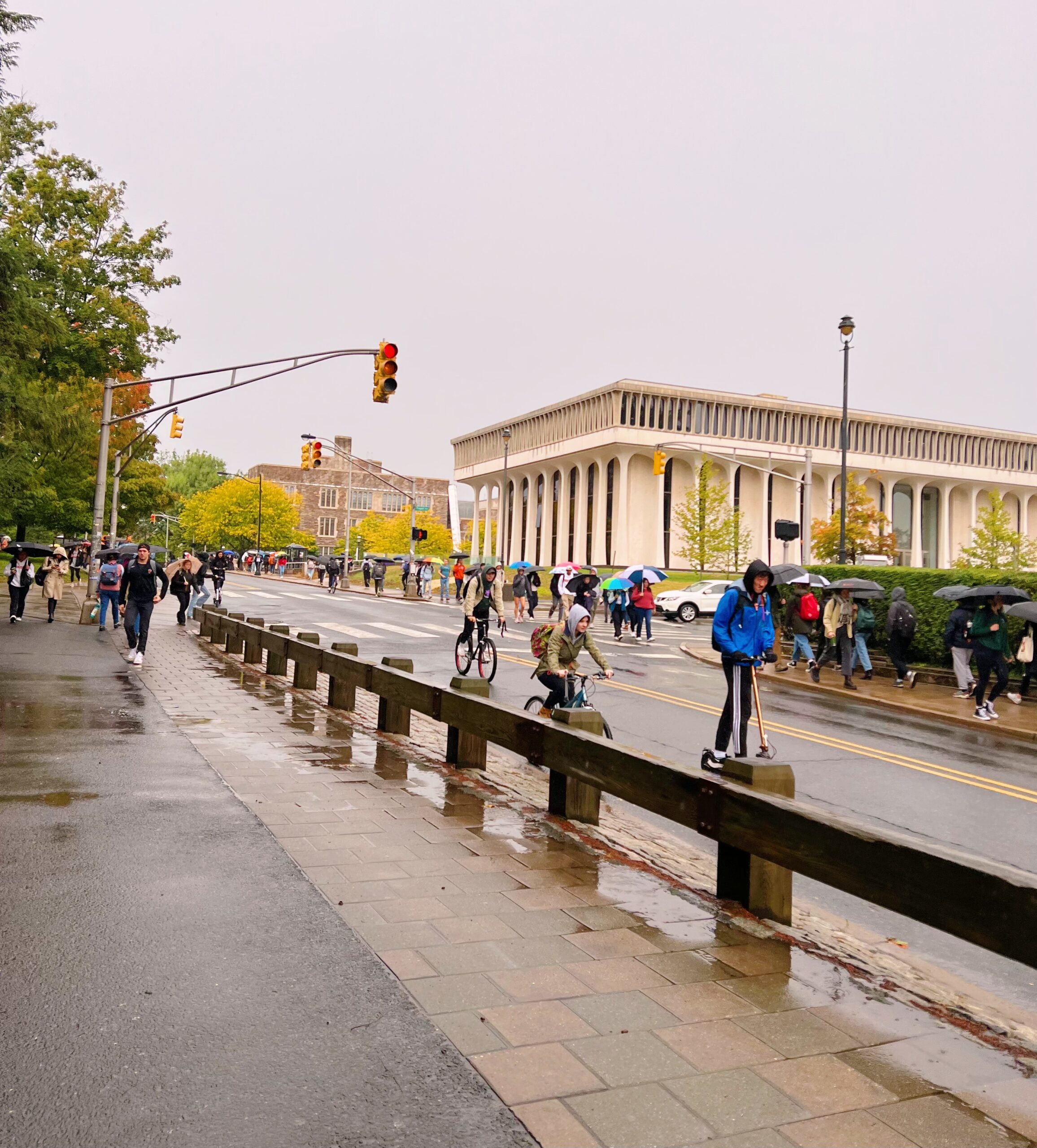
These rainy, gloomy days are perfect for colorful umbrellas and cozy paper-writing sessions.
“Did I include a scholarly conversation? Where is the motive of my piece? Do I even have a thesis?!” The “Submit” button on Canvas can stir worrisome thoughts as it may seem permanent or stressful. The goal of this post is to walk you through a few final steps you can take to ensure that everything is in check and ready to go, so that you don’t feel like something is missing once turning in your assignment. These points are by no means the end all be all, but you may use them to help you feel more confident handing in your final product. Thus, without further ado, here are 3 final steps to follow before submitting your research paper.
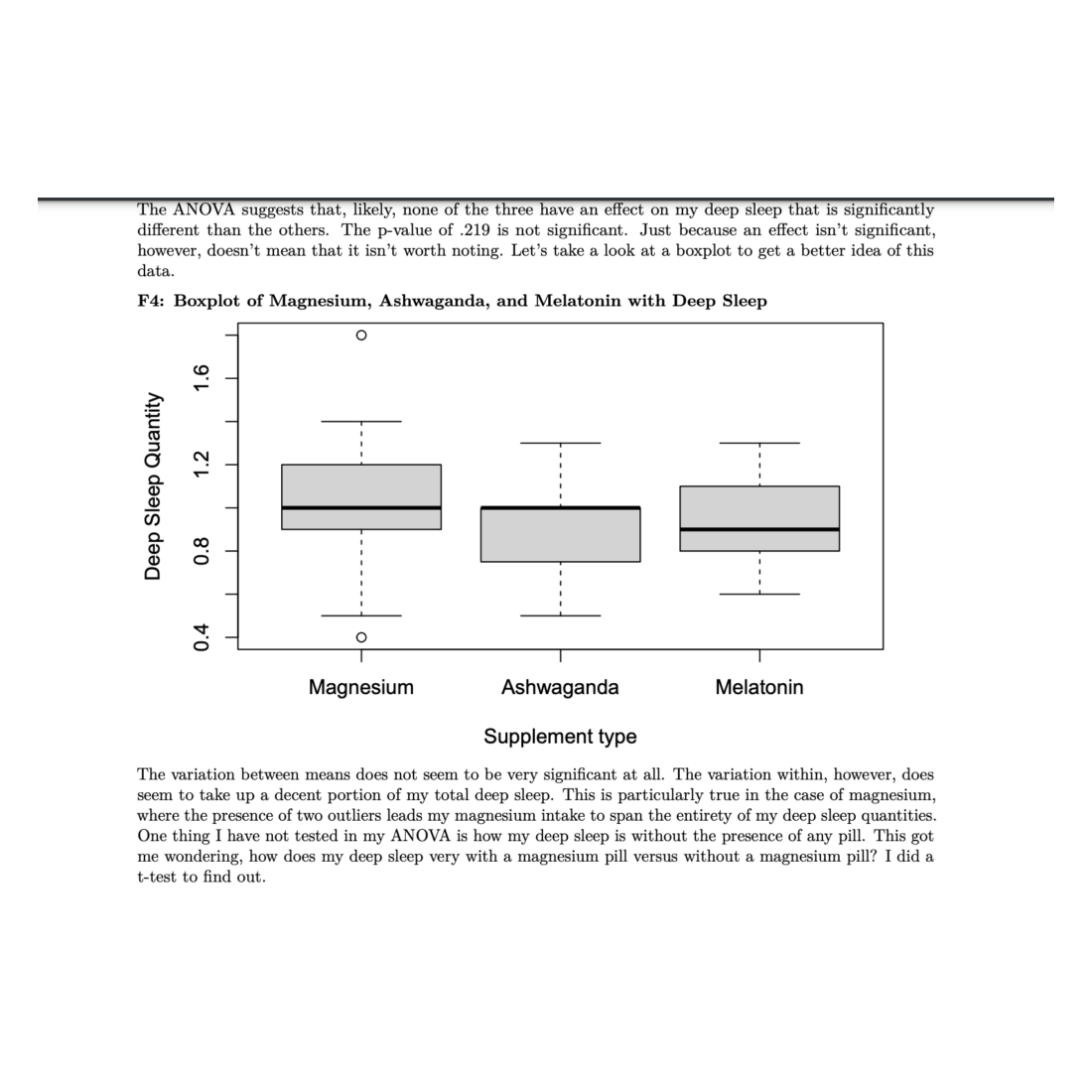
The boxplot comparison accurately reflects the variation between different sleep supplements and their effect on deep sleep quantity. As seen above, the boxplot demonstrates the presence of a single outlier under the Magnesium group which could have easily skewed and misrepresented the data in another type of figure.
As anyone who has taken one of Princeton’s introductory statistics courses can tell you: informative statistics and figures can and will be incredibly useful in supporting your research. Whether you’re reworking your R1, writing your first JP, or in the final stages of your Senior Thesis, chances are you’ve integrated some useful statistics into your argument. When there are a million different positions that one can take in an argument, statistics appear to be our research’s objective grounding. The data says so, therefore I must be right. Right?
Reflecting on my first year, I think about how quickly time flies. I’ve thought about how much I’ve changed over the course of a year and how my discussions with my peers and professors already began to shape the way I viewed the world. As an engineering student, Writing Seminar was especially memorable because it opened the door for me to engage with research in the humanities.
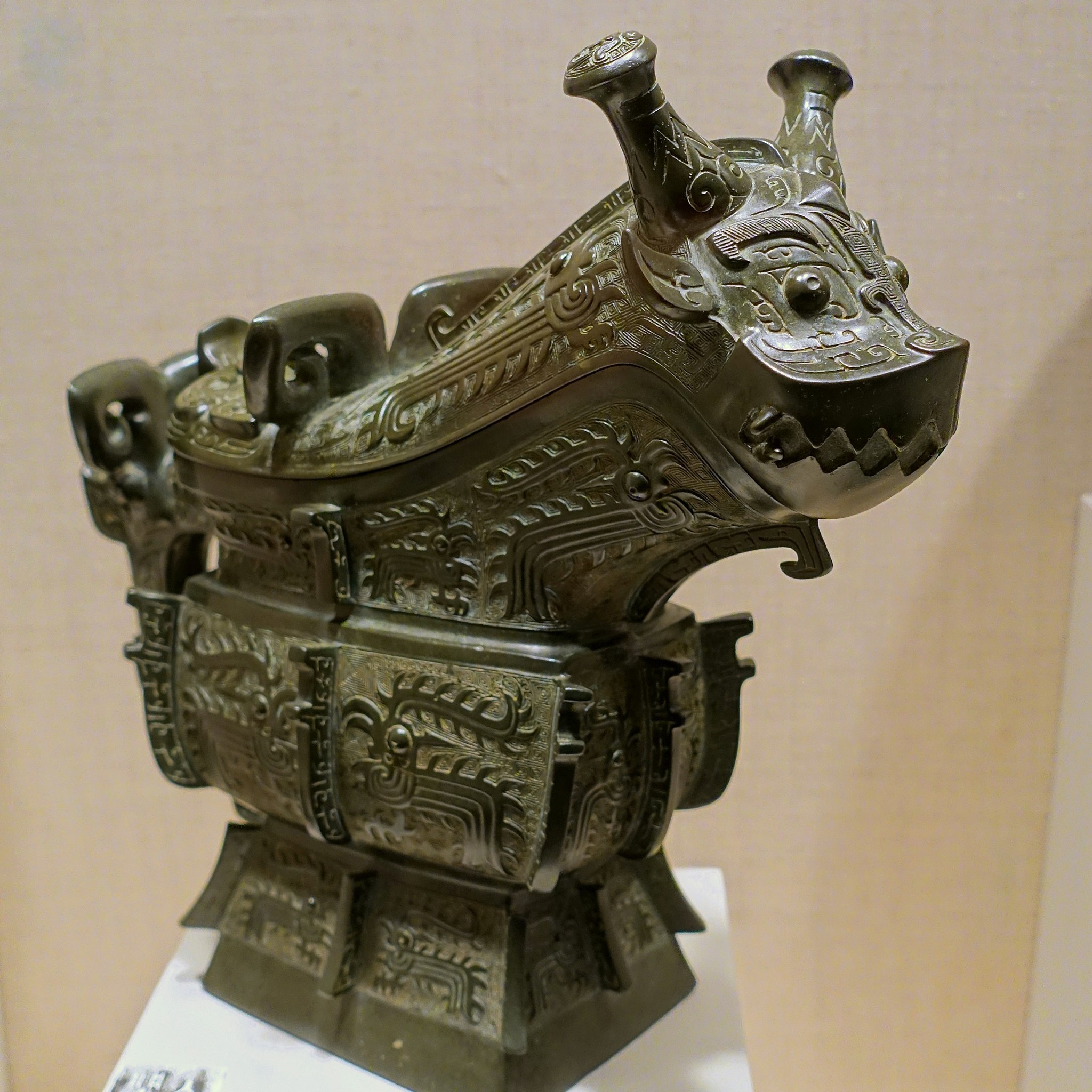
All first-year students are required to take a Writing Seminar. My seminar, WRI146 – Constructing the Past, taught by Dr. Emma Ljung, centered on the theme of how the past is closely intertwined with the present. In retrospect, one of my most pivotal periods in the course was the process of writing my R2, which focused on artifacts from the Princeton University Art Museum. Interested in delving deeper into my Chinese cultural background, I chose to work with the Guang, a dragon-headed bronze pouring vessel from the late Shang dynasty.
Pouring vessel with dragon-head lid (guang), China, Western Zhou dynasty, 11th century to 771 BC, bronze from the Princeton University Art Museum. Photo from Daderot on Wikimedia Commons.
There’s nothing very special about the statement that lunch is fun – who doesn’t enjoy it? What I’ve found more surprising is that even with all the thought provoking classes I’ve taken at Princeton, lunch is consistently one of the most interesting parts of my day. Whether relaying key points from a particularly great morning lecture, talking about our new favorite YouTube video, or filling each other in about weekend plans, my friends and I use lunch as a chance to share our latest finds. What I recently began to consider is that this universal desire to start a conversation around our latest discoveries sits at the core of the research process.
On this particular day, Hiba and I had lunch at Forbes.
Woman looking at laptop screen and biting pencil in frustration
When I finally got rejected from the international internship in Portugal I applied to, I was crushed. I had worked so hard on the application, done practice interviews, and had relevant work experience. I felt that surely I would at least get an interview, and probably be welcomed into the program with open arms. I had chatted with someone else who did the same program and loved it, and I imagined myself strolling the glorious halls of the cutting-edge research facility I would work in. But then the notification date came and passed. “Oh well,” I thought, “I applied to some High Meadows Environmental Institute (HMEI) internships in cool places, surely one of those would work out!” Nope. With the summer break growing ever nearer, it seemed I was officially out of luck. It felt like all of my friends had these grand plans in places around the globe I never even imagined traveling, but I was stuck.
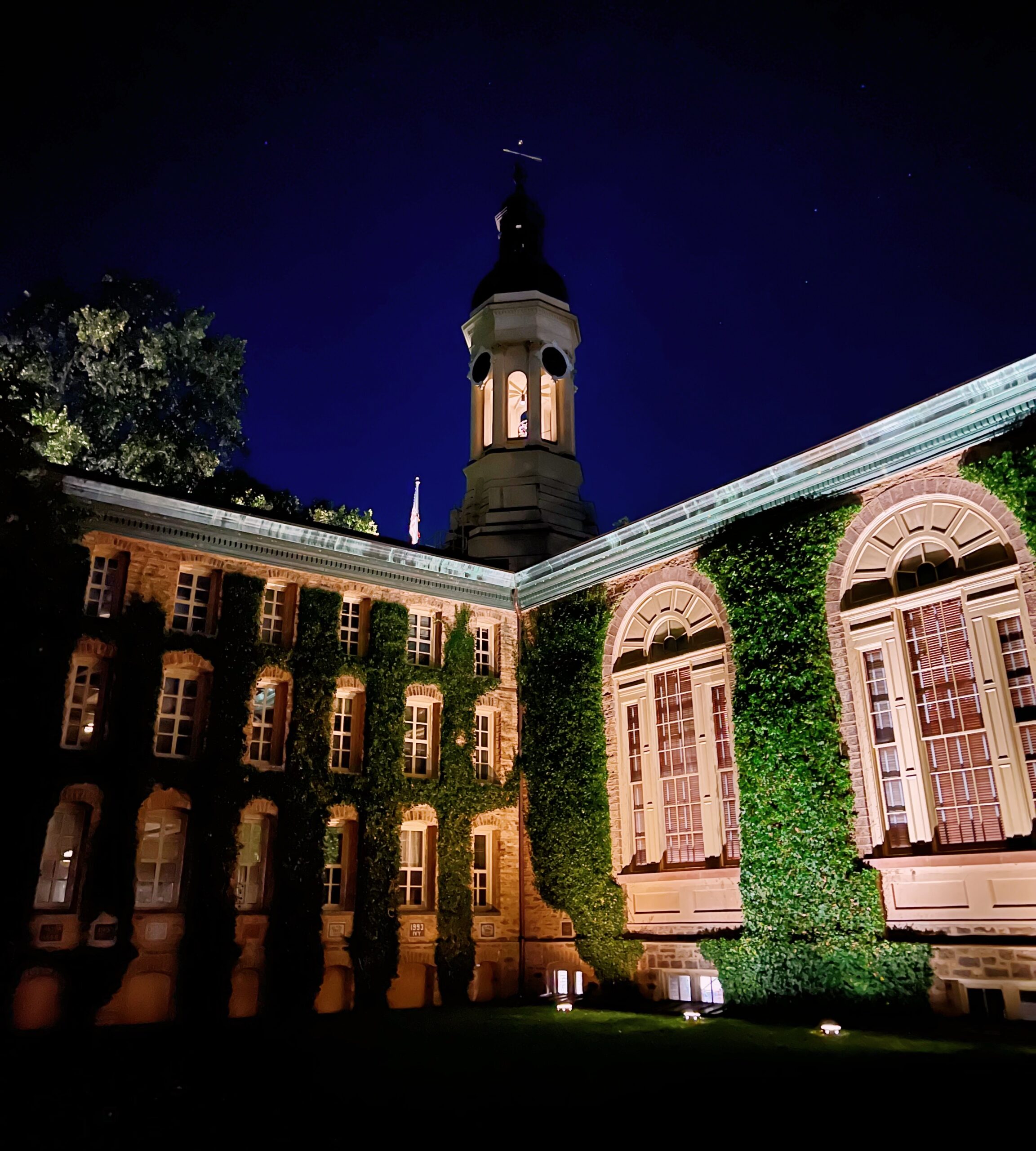
From courses at SPIA to starry nights at Nassau Hall, there are many opportunities to reflect on what type of research is meaningful to you
There are many reasons why I chose to major in the Princeton School of Public and International Affairs (SPIA), ranging from the impact that we have through service and the focus on policy and law. One unique feature of SPIA is the ability for concentrators to take more qualitative courses such as SPI333: Law, Institutions, and Public Policy and quantitatively-based courses, such as POL346: Applied Quantitative Analysis. During the Fall of my junior year, I wrote a more qualitative junior paper on risk assessment tools in the pretrial adjudication system and analyzed whether or not they make more biased decisions than do humans (see here to read more about my experience). Headed into my junior spring, I was presented with the choice of writing another qualitative paper or joining a quantitative research lab. Thankfully, I felt confident in my coding abilities due to past courses I had taken which prepared me for this moment (see here to read about how I gained a quantitative background in R as a SPIA major). I chose the lab without hesitation and my spring semester independent research journey began.
In my junior year of high school, through my conversations with more and more teachers and scholars, I thought I had come to understand the importance of one inevitable piece of the scientific process (or really any academic discipline):
Welcome back to PCUR! We’re excited to begin posting for the 2022-2023 academic year. I’ll introduce myself briefly – my name is Caitlin Larracey and I recently joined Princeton as the Assistant Director of Undergraduate Research. I was heavily involved in undergraduate research as an English/History major, collaborated with undergraduate researchers on my writing studies dissertation, and most recently served as the postdoctoral fellow in program design and student mentoring at Johns Hopkins University. I’m so excited to say that one of my primary responsibilities as OUR’s assistant director at Princeton is serving as the administrative lead for PCUR.
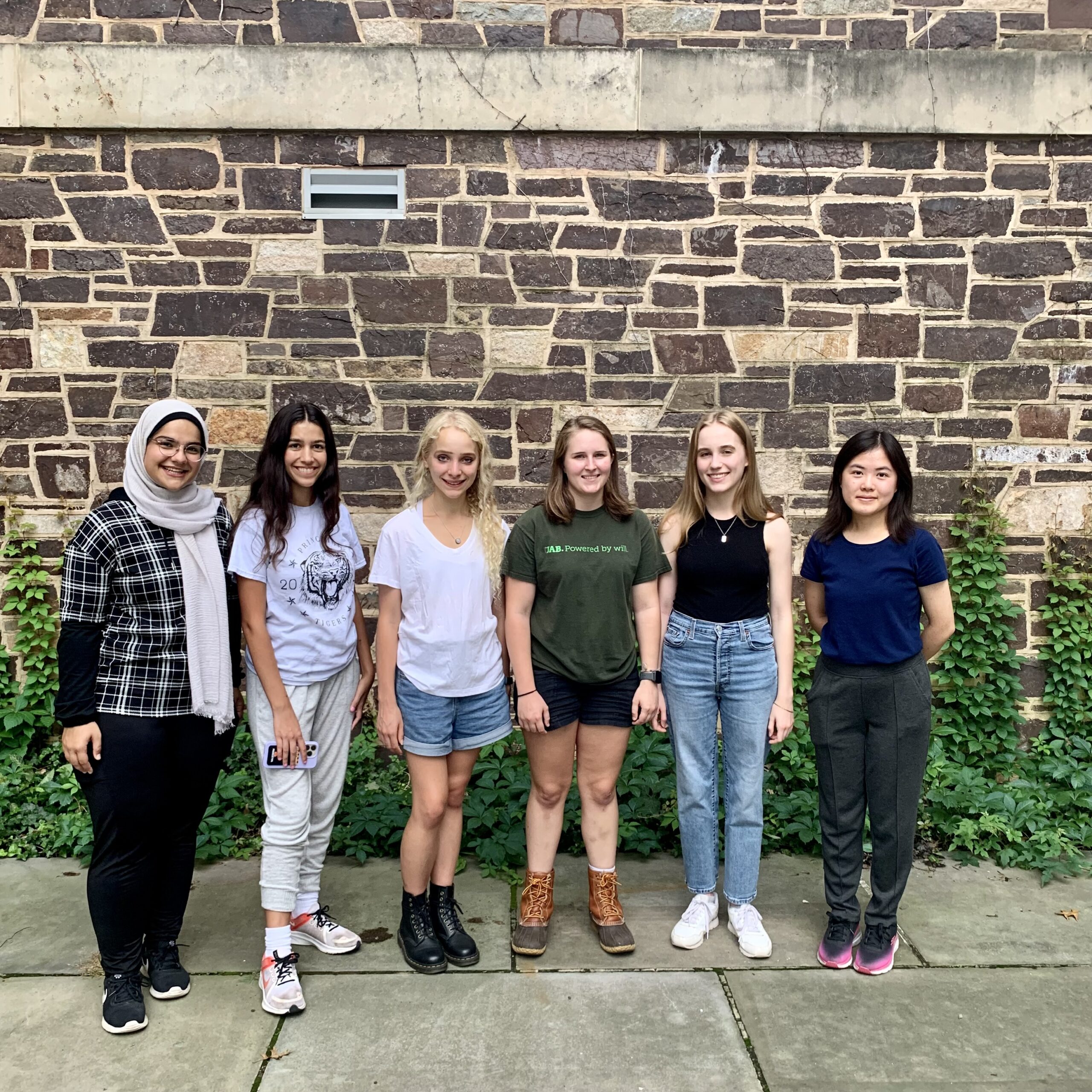
From left to right: Mahya Fazel-Zarandi, Ryan Champeau, Amaya Dressler, Virginia Cobbs, Kate Weseley-Jones, and Alexis Wu
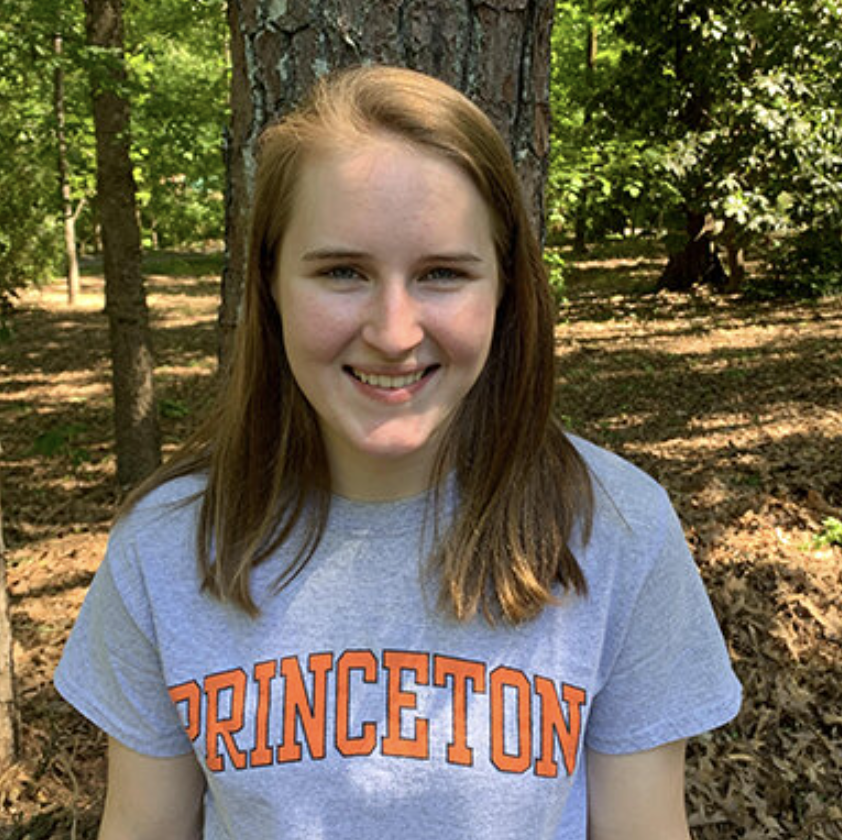
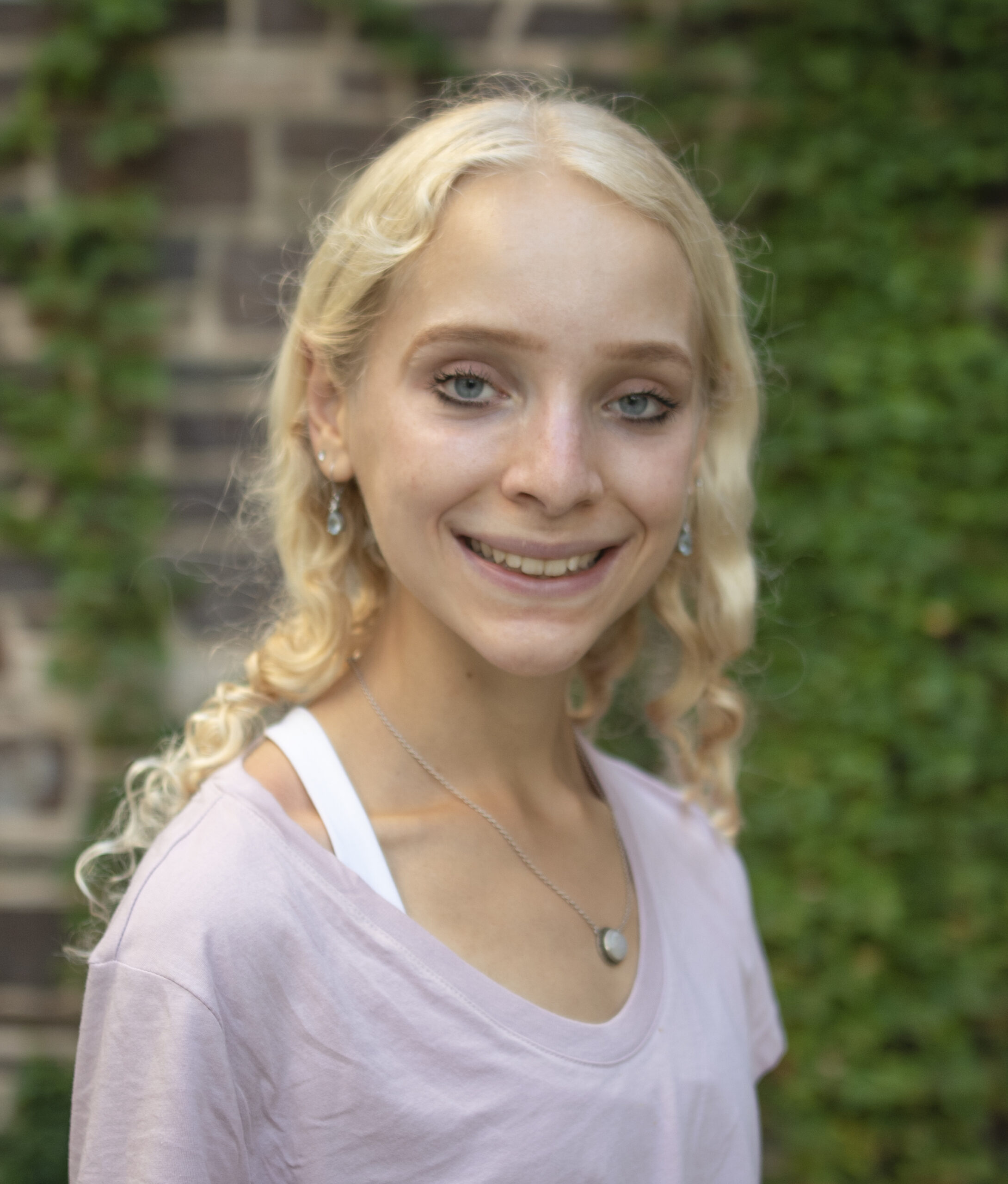
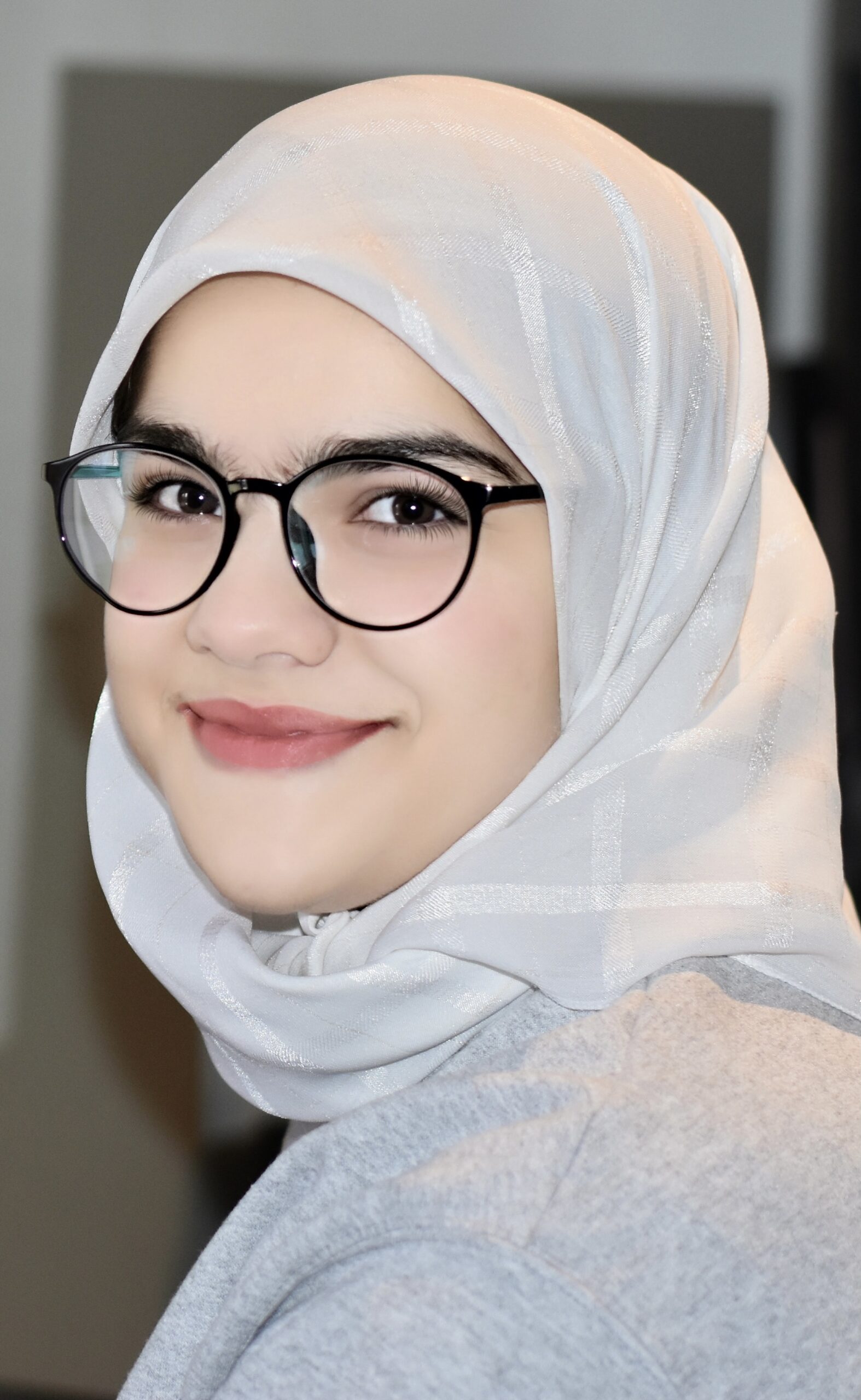
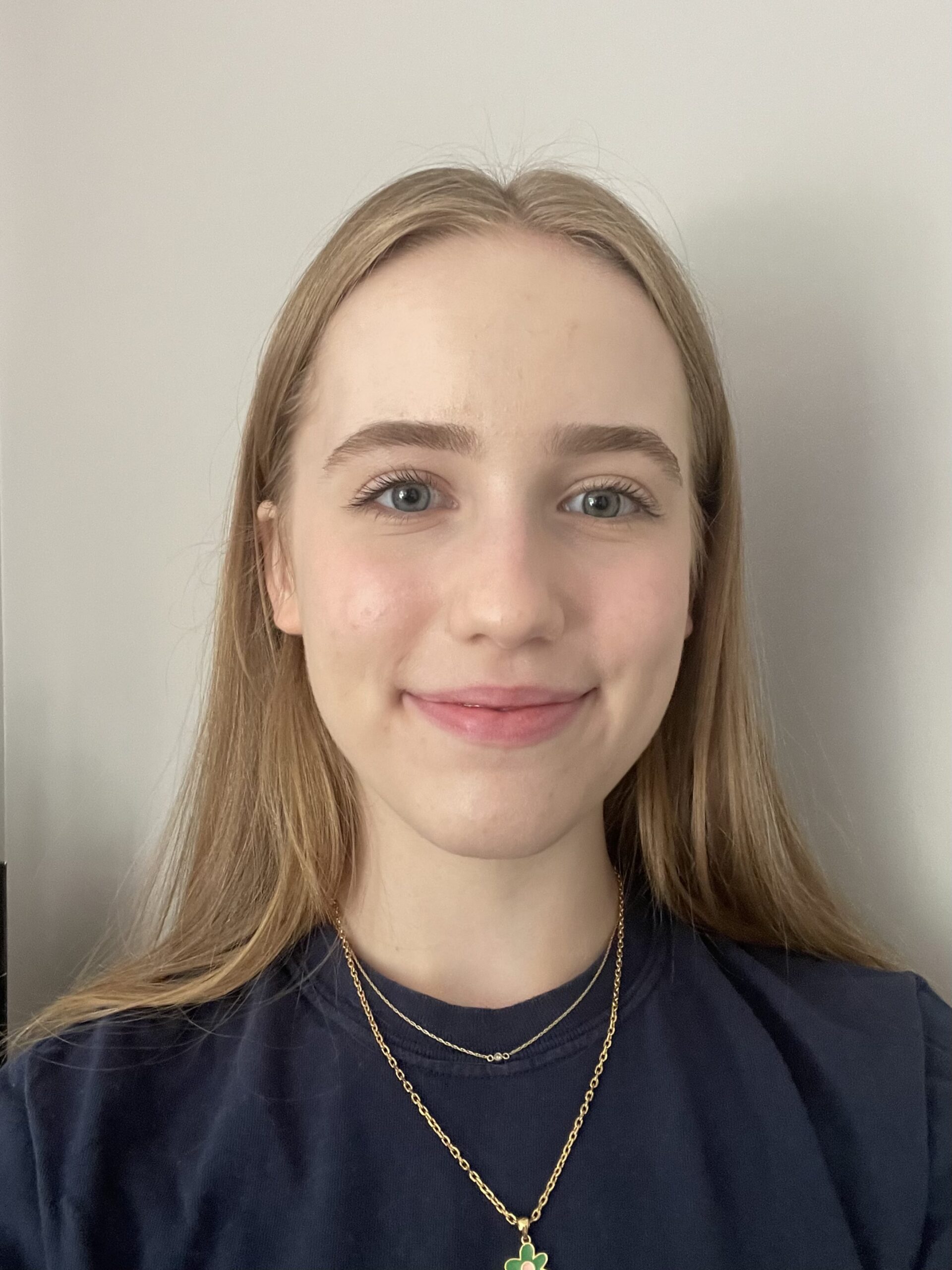
I have the pleasure of welcoming back PCUR Ryan Champeau ’23 and introducing new members Virginia Cobbs ’25, Amaya Dressler ’25, Mahya Fazel-Zarandi ’25, Kate Weseley-Jones ’25, and Alexis Wu ’25. I welcome you to engage with their perspectives on and experiences with research! You can learn a little more about each correspondent below and stay tuned: PCUR posts will begin this week!
Ryan Champeau ’23
Social Sciences Correspondent
Concentration: Princeton School of Public Policy and International Affairs
Degree Program: A.B.
Certificate Programs: Cognitive Science
Research Interests: Public Policy, Decision-Making, Law, Economics
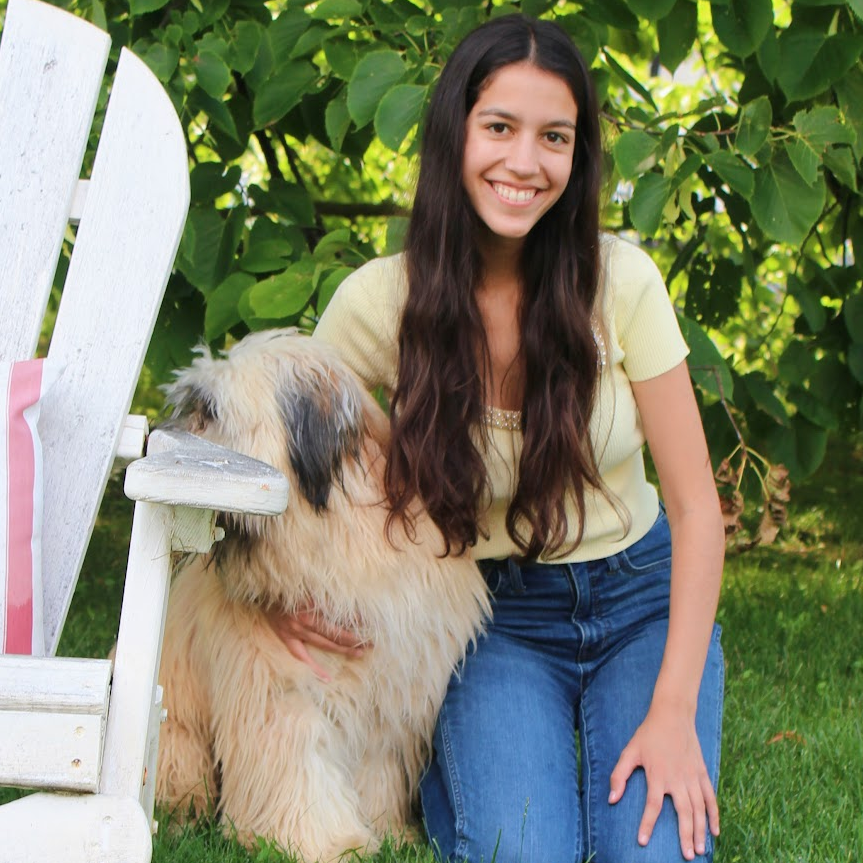
Bio:I’m a senior from New Jersey who likes dogs, photography, and writing! I’m interested in exploring how I can use research to have a positive impact on the Princeton community and beyond. Within SPIA, I have conducted research on mass incarceration, public opinion, social movements, and more. On campus, I am a Residential College Advisor, former Chair of the Whitman College Council, Scholar of Finance, Club Golf member, Community Action leader, and Co-Chair of the ’23 Class Day Committee. I’m also really enthusiastic and love to rap!
Research Interests: Bumble Bee social behavior, Parkinson’s Disease, Medical Racism
Bio: My name is Virginia and I am a sophomore majoring in Ecology and Evolutionary biology. I grew up in Birmingham, AL (roll tide!) and before coming to Princeton, I spent a year researching Parkinson’s Disease at the University of Alabama at Birmingham. I am now researching Bumble bees in the lab of Prof. Sarah Kocher here at Princeton, and I also work with Prof. Fuentes in the Anthropology dept studying racial bias in medical algorithms. When not in the lab I enjoy reading, biking, and sailing.
Amaya Dressler ’25
Social Sciences Correspondent
Concentration: Psychology or Anthropology
Degree Program: A.B.
Certificate Programs: Humanistic Studies, Global Health and Health Policy
Research Interests: Menstrual Health and Dysfunction, Endocrinology, Cognitive Science, Nutrition, Medical Institutions and Health Disparity
Bio: I am a sophomore from Littlestown, PA. As a pre med student looking to concentrate in either Psychology or Anthropology, my research interests extend broadly across women’s health and healthcare reform. Outside of research, I can be found writing for Nassau Weekly or working with the PACE center as a CA fellow, and I am always happy to chat! I am usually hanging out either reading in Butler Library or dancing in one of the campus’s open studios.
Mahya Fazel-Zarandi ’25
Natural Sciences Correspondent
Concentration: Molecular Biology
Degree Program: A.B.
Certificate Program(s): Quantitative and Computational Biology, Applications of Computing
Research Interests: Computational biology, Genetics and genetic engineering, Biological chemistry
Bio: I am a sophomore from Toronto, Canada, majoring in molecular biology. I am interested in the intersection of biology and computer science and its application in the field of genetics. Outside of my classes and research, I write for the Daily Princetonian, listen to classical music, and play my Persian instrument, santoor.
Kate Weseley-Jones ’25
Humanities Correspondent
Concentration: Art History
Degree Program: A.B.
Research interests: ancient art, heritage conservation, behavioral science, gender studies
Bio: Hi, my name is Kate and I’m a sophomore from Long Island, NY! I’m planning to pursue a degree in art history, but I’m interested in most things that fall in the overlap between the humanities and social sciences. When I’m not hunched over a book, you can find me on campus playing the cello or practicing new tricks with the Aerial Arts Club.
Alexis Wu ’25
Engineering Correspondent
Concentration: Computer Science
Degree Program: B.S.E.
Research Interests: Applications of computing, educational technology, human-computer interaction, computer-aided design, art history
Bio: I am a sophomore from San Diego, CA, majoring in computer science. I am interested in the wide range of computer science applications, particularly in other engineering fields, history, and the arts. On campus, I am also a student tour guide for the Princeton University Art Museum and a mentor with Community House Big Sibs.