Categories
Conduct Research Research Life Resources

Applying to Summer Programs

Quincy Monday ‘23 sitting in a chair working on his laptop in the lobby of New College West
Fortunately, if you’re stressed out trying to write all of these summer program applications, Princeton has plenty of comfortable study spaces to be working, like Quincy Monday ’23 in the lobby of NCW. Photo Credits: Dan Komoda (2023)

Applying to summer programs can seem like a daunting task when you may not even know what you want to do next summer. The busyness of the semester certainly hasn’t created a ton of time to be thinking about these things! Fortunately, winter break is a great time to work on applications to summer programs, as many of the earlier applications are often due early in the year. Having prepared them beforehand can ease a lot of stress, since the middle of the spring semester isn’t the most convenient time to be starting these applications. These timelines can vary by field, so it could be a bit different based on the type of program you are applying to—the career center has a great timeline of internship recruitment that is sorted by field so you can see the differences. Regardless, it’s great to work on these during the break when you don’t have courses.

You may be looking for something far away, here in Princeton, an industry internship at a company, or a research program at a university. Regardless of if you know exactly what you want to do or still aren’t sure, here are some tips to help you sort through this process.

Categories
Conduct Research

HCI is for Everyone: A Glimpse into Princeton’s Human-Computer Interaction Reading List

Monochrome split screen image of the Mother of All Demos, screenshotted from the Control Devices section

From left to right: Three control devices (a special keyset, a standard keyboard, and a mouse). Photo credits: The Doug Engelbart Institute.

This semester, I’m taking COS 436: Human-Computer Interaction, taught by Professor Andrés Monroy-Hernández and Professor Parastoo Abtahi. The course explores foundational theories and current research in the field of Human-Computer Interaction (HCI), focusing on interactive and social computing across diverse domains like artificial intelligence, augmented and virtual reality (AR/VR), accessibility, information visualization, and human-robot interaction. 

As the semester comes to a close, I reflect on how the readings shaped my understanding of HCI and technology more broadly. I found that the readings move beyond just the HCI classroom, offering profound insights on how technology shapes our lives and the importance of design considerations in emerging technologies. Given their value for even those who have no background in computer science, here are three readings I found particularly exciting.

Categories
Conduct Research Independent Work

Looking at Qualitative Research through Junior Papers: An Interview with Albert Lee ‘24

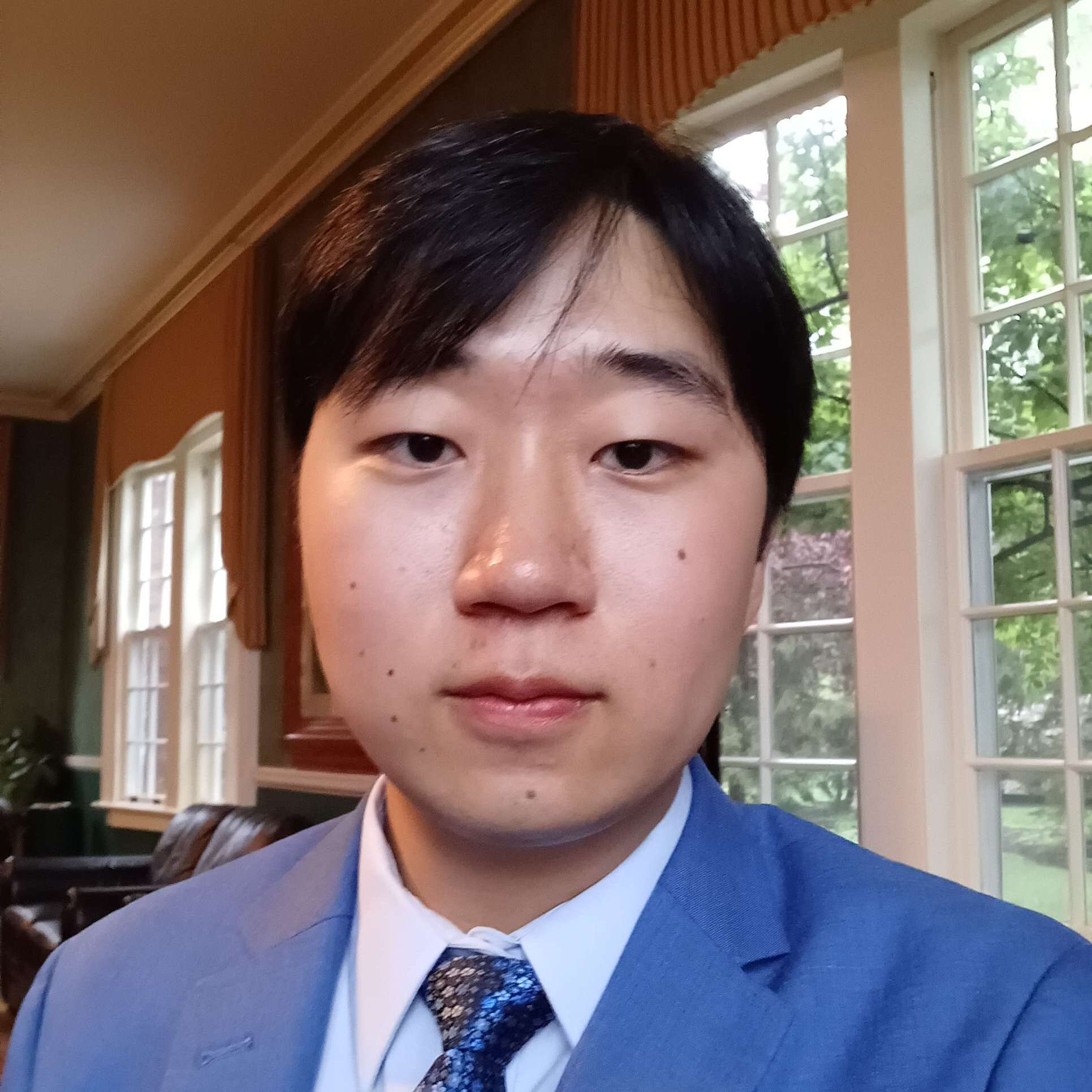
Headshot of Albert Lee standing in Colonial Club, wearing a blue suit.

Albert Lee ‘24 is the Diversity, Equity, and Inclusion (DEI) Chair at Colonial Club, a member of the Students for Prison Education, Abolition, and Reform (SPEAR), and former Senior Writer for The Daily Princetonian.

As a junior, a hot topic for many of my friends lately has been their junior research and senior theses. In brainstorming ideas for this piece, I also thought about the incredible amount of learning that takes place in just a semester. That’s when I got the idea for this paper—to hear from seniors about their recent experiences conducting research for their Junior Papers. So, I reached out to Albert Lee ‘24, a senior majoring in Sociology and pursuing a certificate in Journalism.

Categories
Conduct Research Research Life

A Guide to Tackling a Research Journal

Whether you’re jumping onto the wagon of a research project or are pursuing a research assignment in a course, professors will often assign readings of journal articles as a way to familiarize students with ongoing research in the field. However, for newcomers to a topic, tackling the understanding of a literature review can often be difficult with the influx of new vocabulary and complex, dense information on the topic all at once. Here are some tips on how you can tackle the difficulty of journal reading. 

Picture of someone writing. that is meant to represent annotations while dissecting a research journal.
Reading a research journal and understanding its key points can be achieved with just a few tips of advice! 
Categories
Conduct Research Independent Work Research Life

Reading Courses: A Guide

As course selection begins, you might find yourself searching endlessly through the Course Offerings webpage, trying to craft the perfect schedule for next semester. You’re probably weighing a number of different factors— the professor, the class topic, the reading list, the different requirements it fulfills— and trying to balance these in the best way possible.There is another possibility here, which you can’t find in the course offerings: reading courses. Not advertised on department websites or listed with course offerings, reading courses are some of Princeton’s hidden academic gems. The University defines a reading course as a specially designed course not normally offered as part of the curriculum that is arranged between a student and a faculty member. These courses count for academic credit, and focus on a topic of the student’s choosing. If you’ve ever dreamed about designing your own course, this is your opportunity.

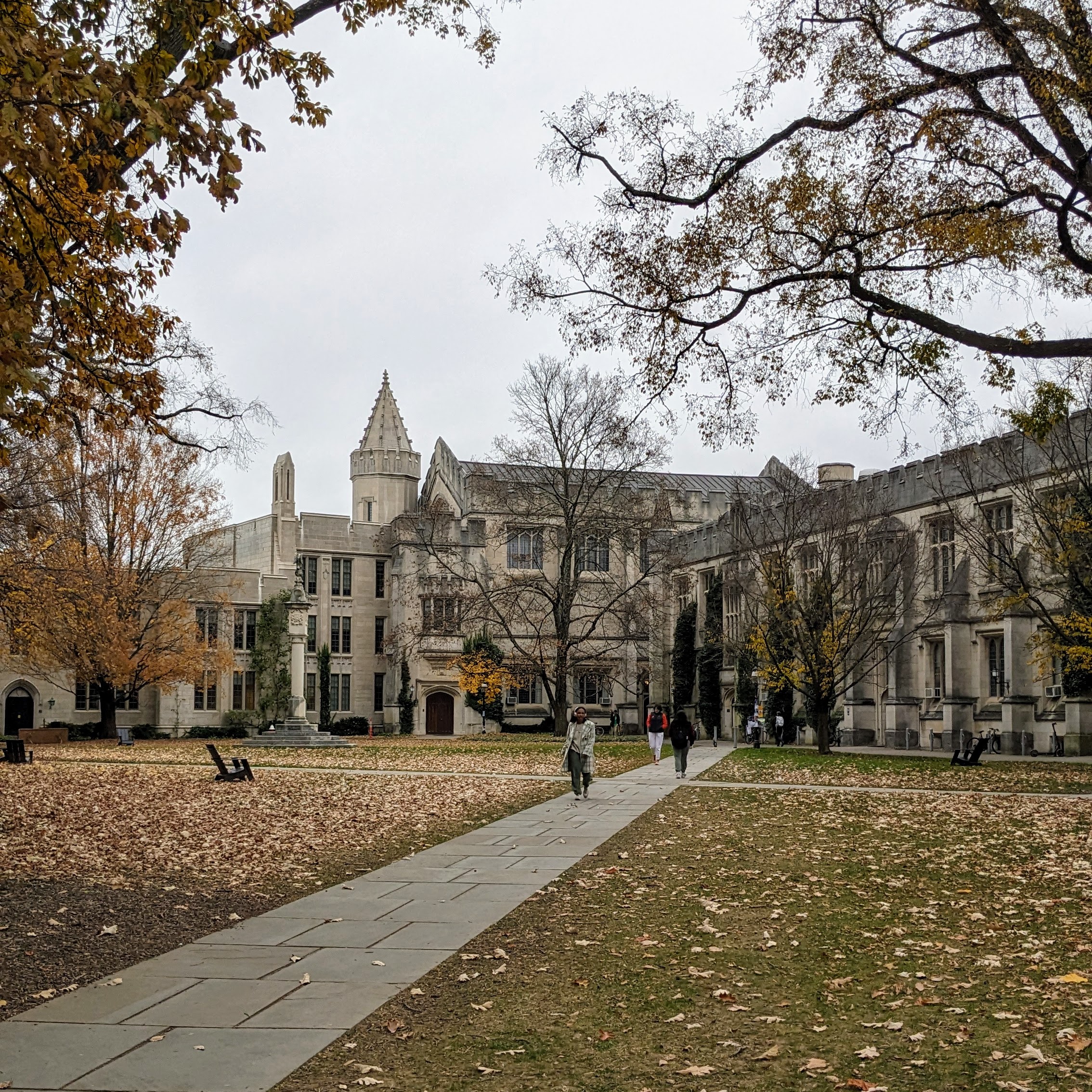
Students walk across McCosh Courtyard at Princeton University.

McCosh Courtyard in November

Categories
Conduct Research Research Life Resources

Doing Summer Research Abroad (Princeton IIP)

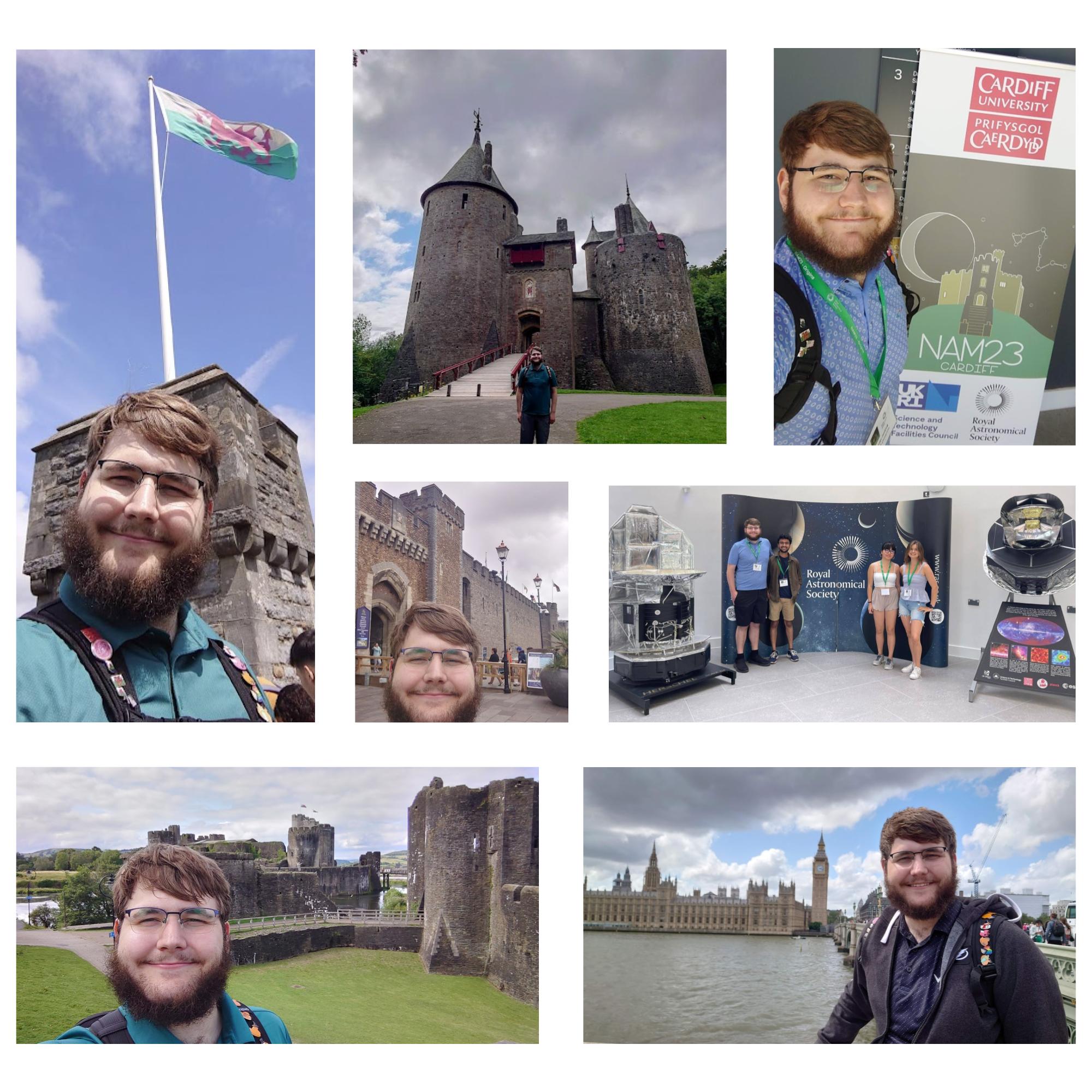
Photo collage with selfies of student Xander Jenkin at Welsch Castles, Big Ben, and the National Astronomy Meeting 2023 conference
Some photos from writer Xander Jenkin’s International Internship in Wales, UK. Photo credits: Xander Jenkin (2023)

Last summer, I went abroad on a fully-funded internship doing astrophysics research at Cardiff University, in Cardiff, Wales, UK. This experience not only solidified my career decision to pursue astrophysics research, but also gave me a unique immersion into Wales and Welsh culture as well as the broader United Kingdom. If you are curious about research abroad, read on!

Categories
Conduct Research

My Experience as an HMEI Intern

This past summer, I had the incredible opportunity to be a research intern in the Princeton Department of Geosciences through the High Meadows Environmental Institute (HMEI) Internship Program. As a rising college sophomore who had spent half of my high school years during the coronavirus pandemic, I was eager to seek out an opportunity that would allow me to engage in an in-person laboratory research experience, and this was it. 

Microscopic screening of fossil foraminifera
The High Meadows Environmental Institute Summer Program provides a number of interdisciplinary research opportunities. Consider applying to join one of the amazing opportunities for this upcoming summer! Photo Credits: Mae-Yung Tang (High Meadows Environmental Institute Program Tech Support Specialist). 
Categories
Conduct Research Get Started with Research Independent Work Present & Publish Findings

Researching in Princeton’s Special Collections

If you want to take your research in the humanities to the next level while here at Princeton, one of the best ways you can do that is by availing yourself of Princeton’s Special Collections. Home to vast stockpiles of manuscripts, rare books, coins, and other materials, Special Collections is a great place for students who want to pursue rigorous and impressive humanities research while making use of the excellent resources that Princeton has to offer. Many of these articles were donated by benefactors or acquired by the university specifically so that they could be researched by professors, students, and other researchers. In this article, I’ll present some reasons why you might consider checking out Special Collections, and then follow that up with a basic “how to” for when you visit.

Image shows an Ethiopic book, opened to pages featuring pictures of saints and text in Ge'ez (Classical Ethiopic)

A manuscript of an Ethiopic Synaxarion in Special Collections

Categories
Conduct Research Independent Work Research Life

How to Tackle Research Topics “Beyond Your Depth” as an Undergraduate

Civil and Environmental Engineering graduate student Meiqi Yang working on lithium extraction in a lab.
You may not feel as confident as CEE department graduate student Meiqi Yang looks here working on lithium extraction, but as you do more research over time, you’ll feel much more comfortable as you progress. Photo Credit: Bumper DeJesus (2023)

When doing research as an undergraduate, sometimes the work you are doing and topics you study may be very familiar to you, other times you may be totally unfamiliar with what is going on. Maybe you even have some previous experience but the topic of the project is way above anything you’ve done before—you might be working with a physics professor on something really advanced like quantum field theory or condensed matter, which you have never taken a class on and are expected to now work on and understand what’s going on during your project. This can happen a lot in any field, not just STEM, where your professor may have spent years studying something that you are expected to contribute to after having taken maybe a few classes in it, if that. Some professors may work more often with graduate students, so they may assume that you know “basic” things about your field that you as an undergrad have just encountered for the first time: you could be working with an Art History professor who focuses on Late Antiquity, and they start throwing around terms and common symbols that you aren’t able to easily recognize. 

Regardless of the circumstances, this situation comes up a lot in undergraduate research. The fortunate thing is that tons of professors are willing to work with students who have no prior experience in the subject, but you still have to wrestle with “catching up” as you try to somewhat understand anything that you’re actually doing. Here are some tips to try to get acclimated with difficult, unfamiliar topics that may be well above your current depth as an undergraduate.

Categories
Conduct Research Get Started with Research

How to Choose a Topic

After feeling inspired from reading my previous article about the reasons why you should pursue research, you might be stumped on what research topic you should investigate. Here’s some tips on how to find the right research field for you!

Image of summer laboratory research as an intern in the Department of Geosciences
This past summer, I had the incredible opportunity to be a research intern for the Sigman Research Laboratory in the Princeton Department of Geosciences. It was an incredible learning opportunity and a great experience of exposure to laboratory research in the field. Find out how you can discover the right field for you! Photo Credits: Mae-Yung Tang (High Meadows Environmental Institute Program Tech Support Specialist).