Categories
Conduct Research Research Life

The “Right” Way to Rank Writing Seminars

Course selection is coming up! Picking classes that you are really excited about can be one of the best academic moments of the semester. Doing as much research on a course as possible can help to ensure I will enjoy a professor’s teaching style, which in my opinion is just as important as being interested in the subject matter. As those of us who have dabbled in the social sciences know, survey data can be a great method for evaluation, which is why when it comes to picking courses, I tend to weigh student ratings pretty heavily. 

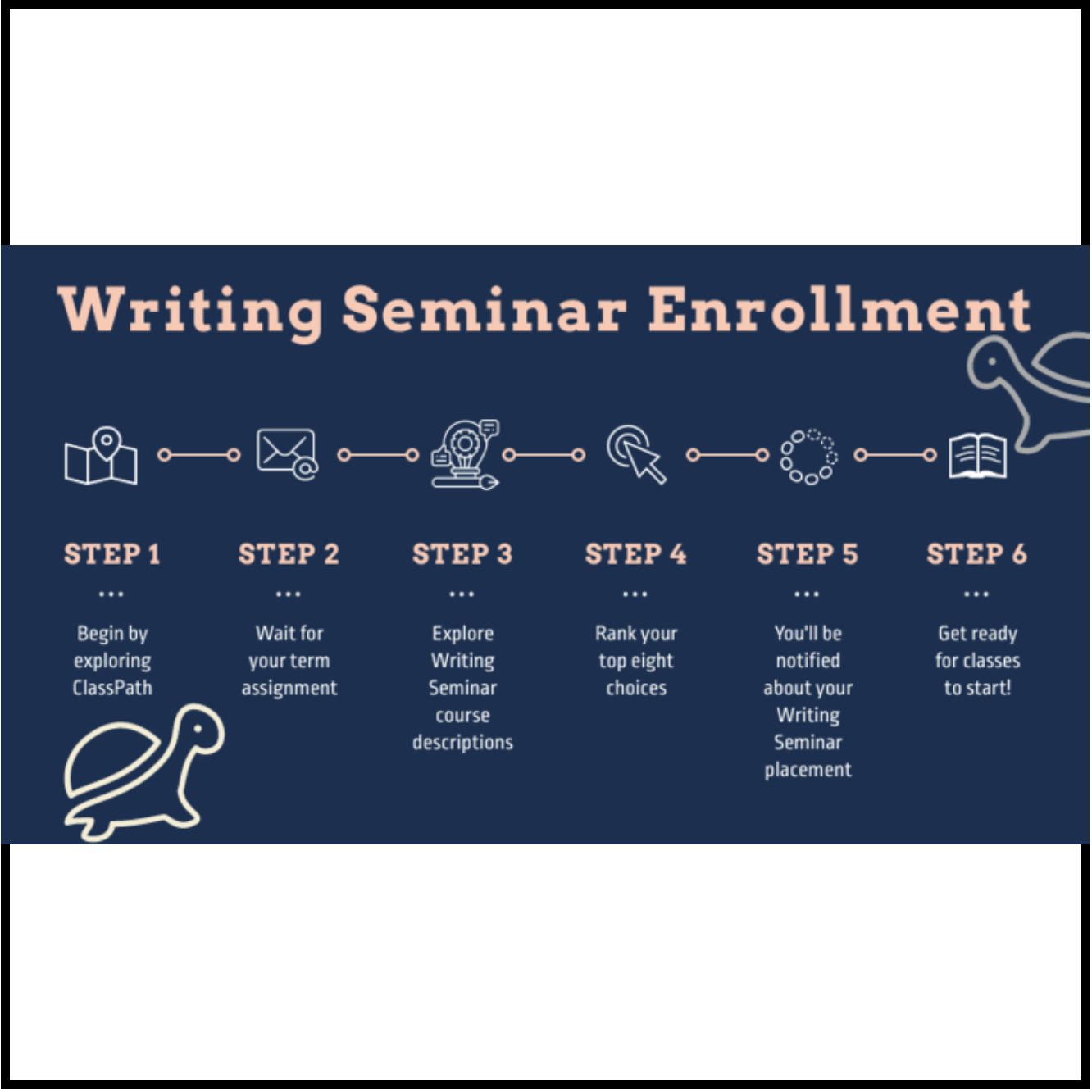
Writing Seminar enrollment infographic with steps for ranking top 8 writing seminar choices.
This helpful diagram from the Writing Program website outlines the steps of the writing seminar enrollment process.

This strategy for course selection, however, is far from perfect. Now that I am more than halfway through my time at Princeton, I am all too familiar with hoping to read the reviews for a course only to discover that there aren’t any. The first time I had this experience was in the fall of my first year when I was trying to pick a writing seminar. 

That’s right, first-years! For those of you who are taking your writing seminar this spring, you will soon discover (if you haven’t already) that there is no way to see the feedback provided on these courses by previous students. On top of the lack of access to course evaluations, there is no add/drop period for writing seminar; once you get your assignment, you will have to stick with it. So where should you start when trying to decide how to rank your top choices?

Categories
Conduct Research Research Life

Why Research?

Hello scientists! During your time here so far, you may have heard of science research at Princeton – either through your STEM classes, through listserv emails, or through conversations with your peers and professors. At Princeton, I became involved in research and I grew to love this activity as a way to engage with my academic interests outside of the classroom. There are so many great benefits from pursuing a research interest, but first let’s talk – why science research?

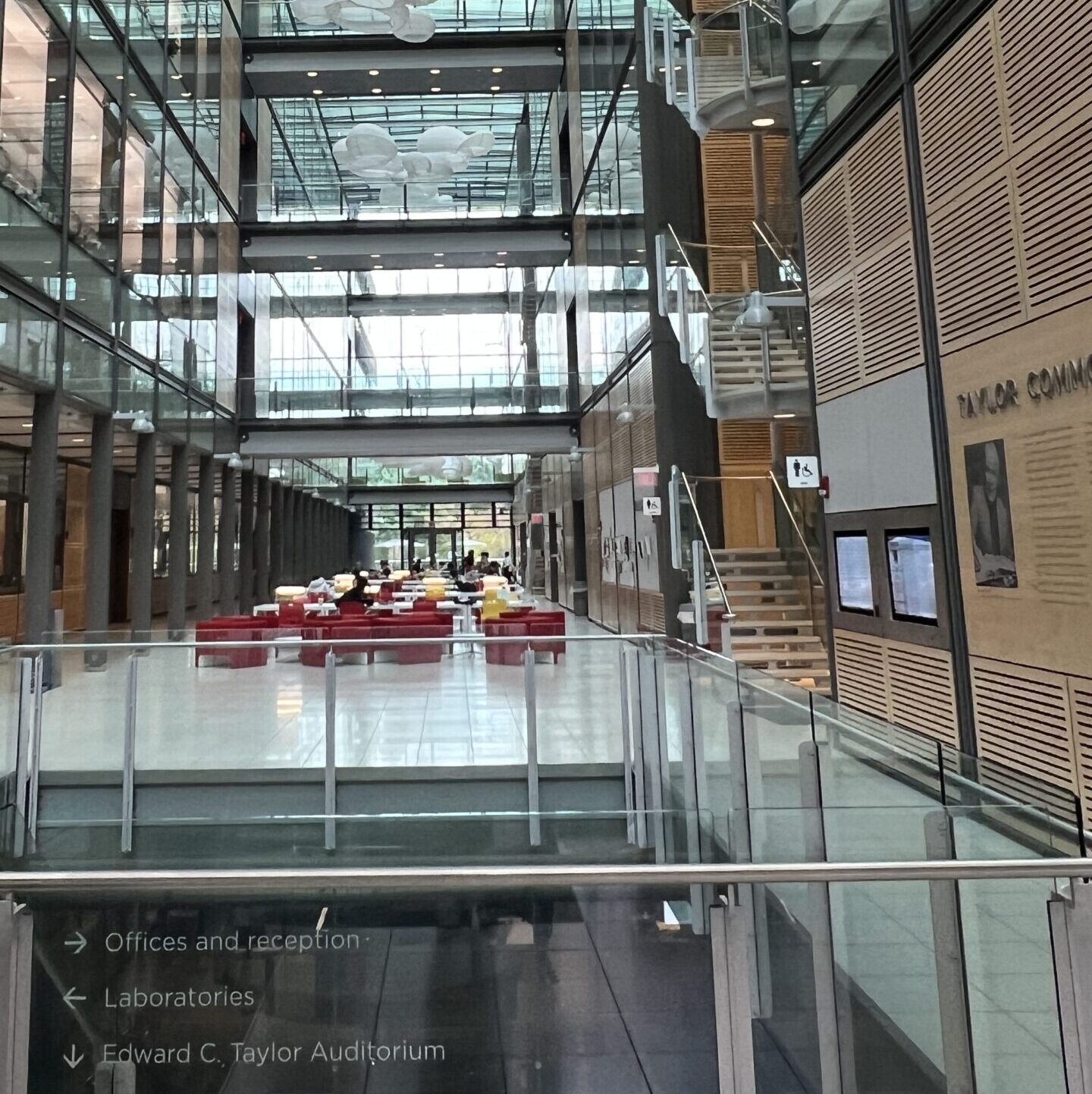
Frick Chemistry Laboratory - full of natural light and glass and wood features.
Frick Chemistry Laboratory – an on-campus location of burgeoning science research. (Photo taken by Rebecca Cho.)
Categories
Conduct Research Research Life

My BSE Fall Semester Experience in the Engineering Sequence

College is daunting. It’s normal for incoming first-years to feel uncertain about many things, especially course selection. I remember looking through every course on the course offerings page to determine the classes I would be taking in the fall, and feeling overwhelmed by the sheer number of options available. I came into Princeton as a prospective COS (Computer Science) BSE student, so my class choices were inevitably influenced by my BSE degree requirements. BSE degree requirements include four semesters of math, two semesters of physics, one semester of chemistry, and every first-year is required to take one semester of writing seminar. Read on to learn about my experiences in the EGR sequence, starting with EGR 151.

  1. EGR 151: Foundations of Engineering: Mechanics, Energy, and Waves
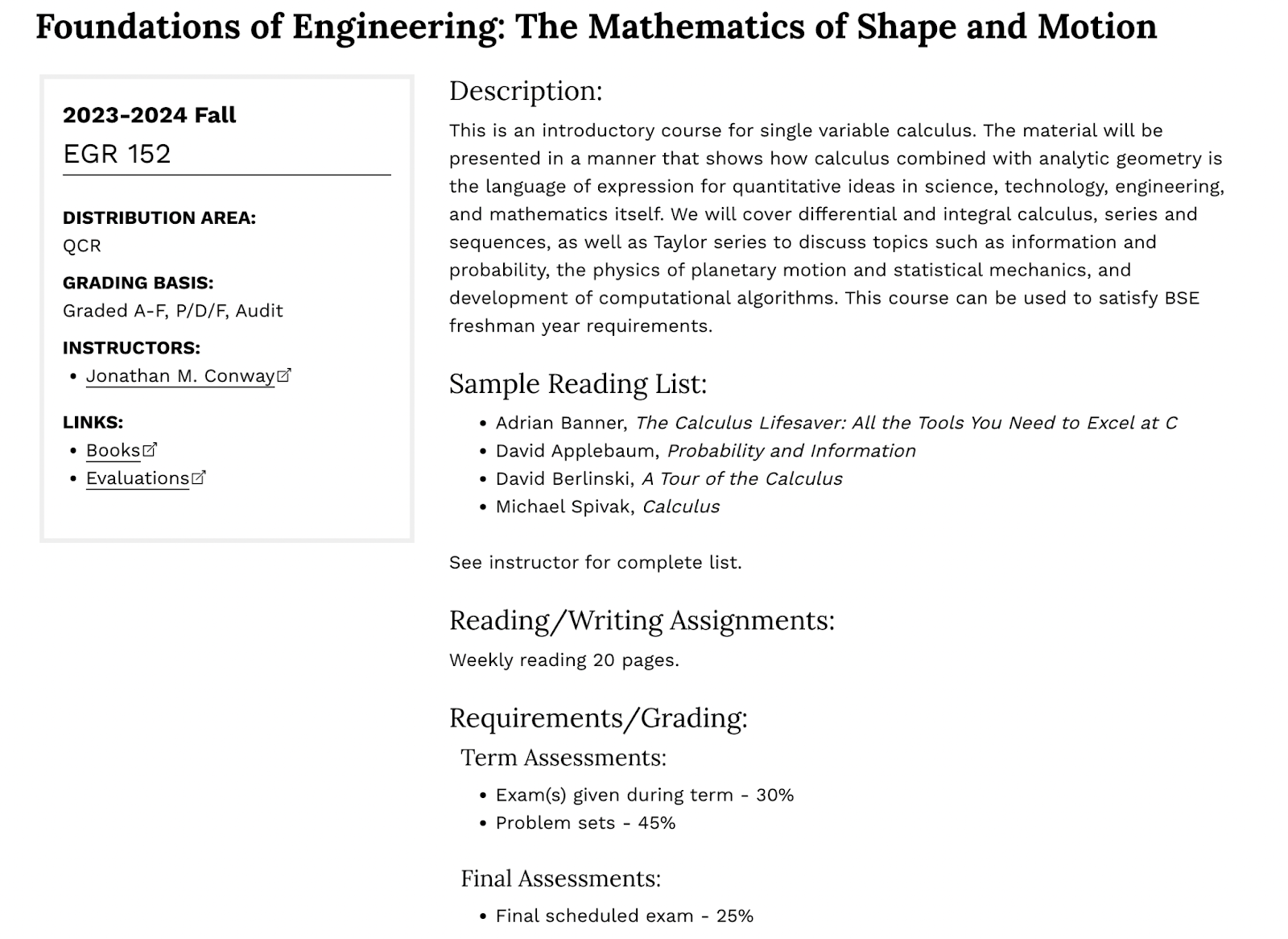
Screenshot depicting course description of EGR 151. Link in caption leads to full version.
Course Description of EGR 151 for Fall 2023
Categories
Conduct Research Present & Publish Findings Research Life

Shattering the Glass Ceiling: Becoming a Woman Undergraduate Researcher

A guide of first steps for women-identifying undergraduate students stepping into research

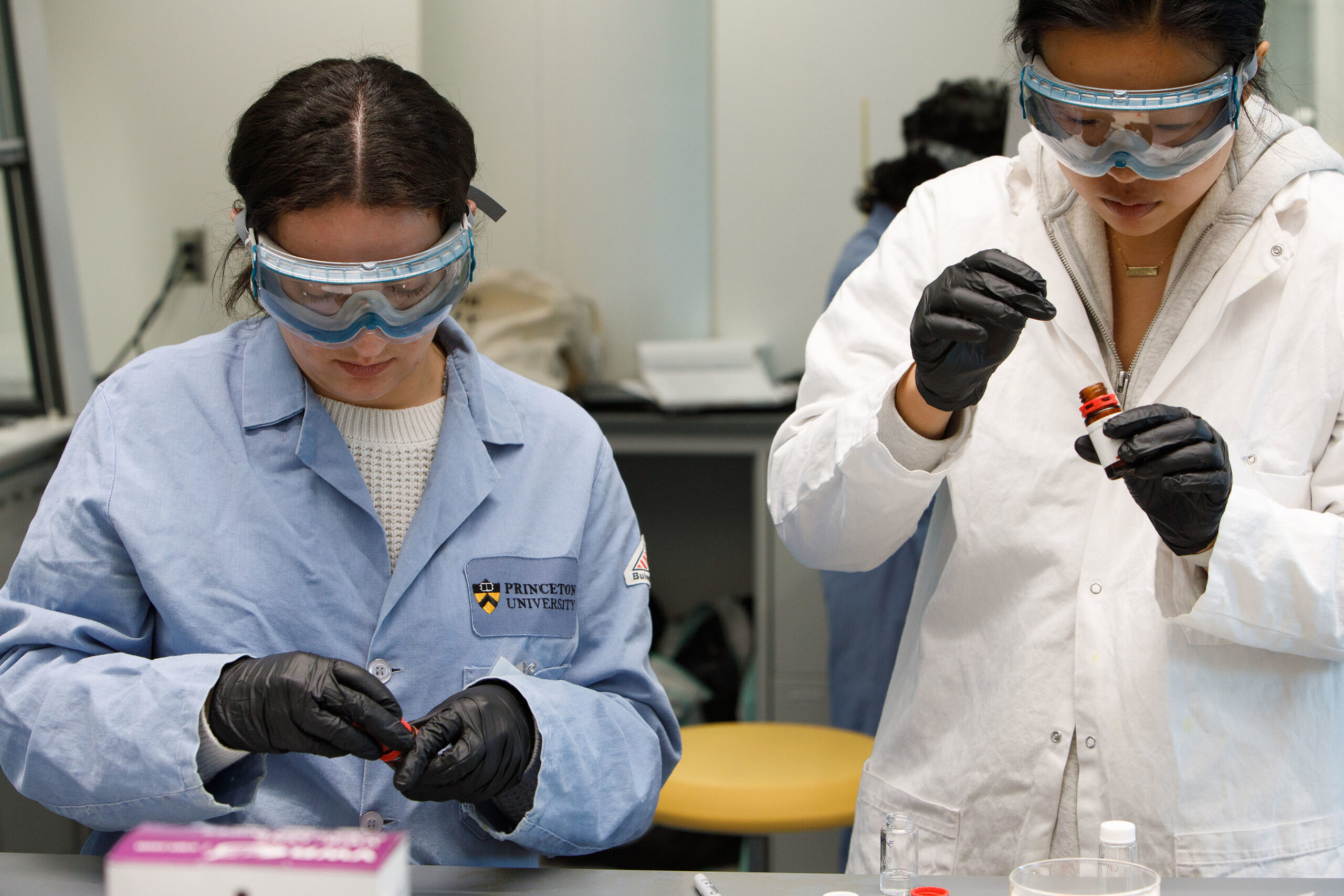
Two women students in lab coats performing a chemistry experiment.
Every women-identifying undergraduate student has the potential to become an incredible researcher; your journey starts now!

As we step into the new school year, woman-identifying undergraduate students across campus are looking to take their first steps into research. This process can be new, daunting, and sometimes, downright terrifying. It’s scary to step into a room where you are the first, the only, or both. That’s why it’s imperative to support women-identifying students in empowering research communities, advocating for their learning goals, and asserting themselves in new research settings. For allies, there are also important ideas shared by woman-identifying researchers about the best ways to support their success.

Categories
Conduct Research Independent Work

How to Prepare for a Research Presentation

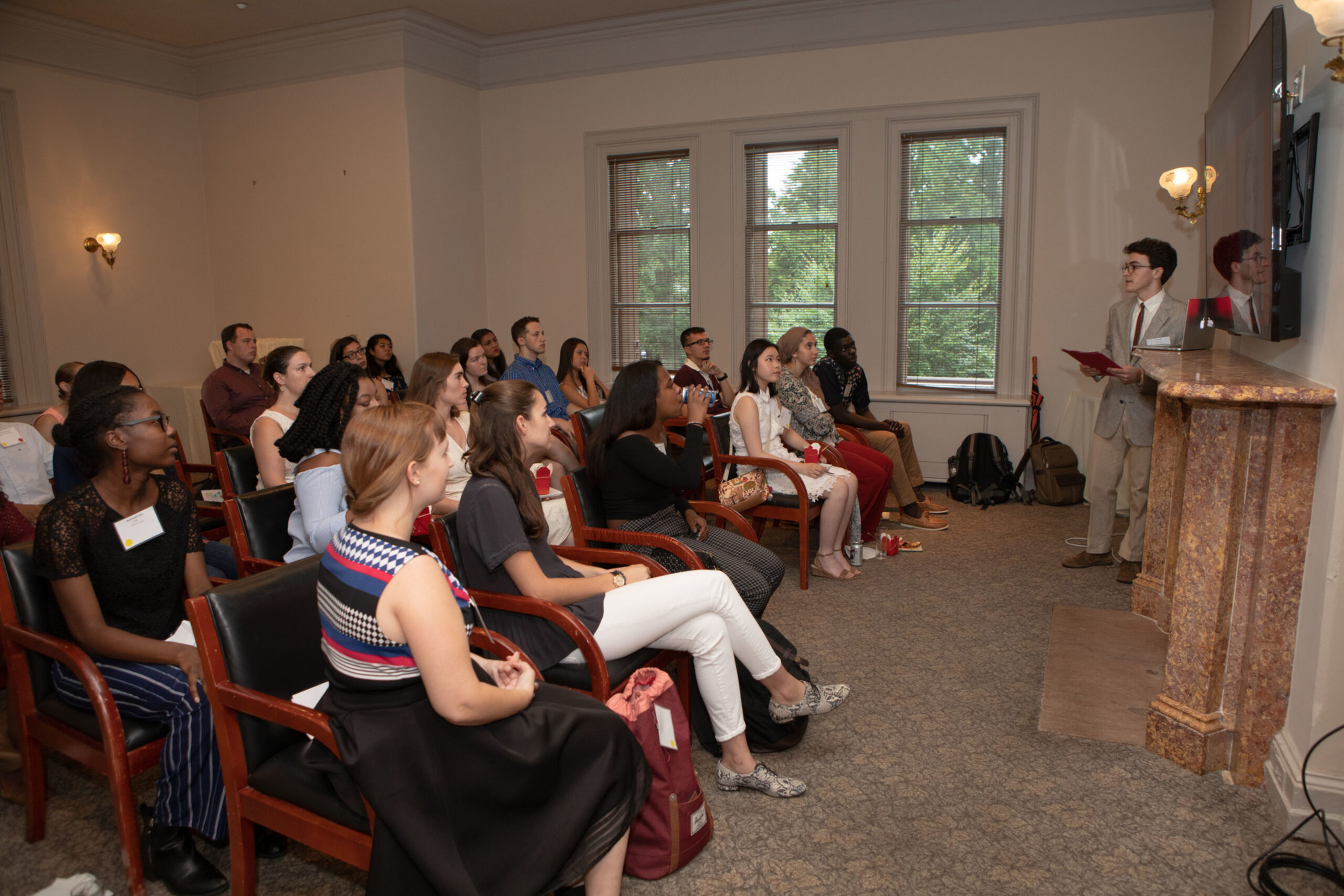
Students sitting in chairs face a man in a grey suit standing and speaking to them
Students in the Freshman Scholars Institute were invited to the 3rd Annual Summer Research Colloquium Conference in Prospect House. They listened to research presentations by current Princeton students both graduate and undergraduate. Photo Credits: Danielle Alio (2018)

Imagine that you’ve been working on a research project for months. Now you’re standing in front of a crowd of professors, some of which probably know more about your topic than you do. If you do research working in an academic department, it can be a stressful experience if you have to eventually present your work to that department. Trying to talk about what you’ve done with your own adviser can be enough sometimes, and showing work that you may not be 100% comfortable with for a whole crowd of professors is a whole new level of daunting. They all have years of experience and may know more about aspects of your presentation than you do, so trying to seem like you know what you’re talking about while possibly being asked questions far out of your depth may seem impossible for an undergraduate to do.

Nonetheless, whether it’s theses, JPs, internships, or summer projects, all undergraduates here are going to find themselves in this position. So how do you do it?

Categories
Conduct Research Independent Work Present & Publish Findings Research Life

An Interview with Cara Khalifeh, PPP Treasurer

The Princeton Perspective Project (PPP) is an initiative by Princeton students against the expectation of “effortless perfection.” Our seasonal series in partnership with PPP interviewed professors, undergraduate students, and graduate students to hear their thoughts on expectations, challenges, failures, and growth through it all. In this segment of our Seasonal Series, we hear from Cara Khalifeh, the Treasurer of the Princeton Perspective Project. 

Cara Khalifeh sitting on a red bench in central park with the NYC skyline in the background.
Cara Khalifeh ’24
Categories
Conduct Research Research Life

Preparing for ORGO, Overcoming Fear, & Rejecting Effortless Perfection: Interview with Tom Silldorff, Part 2

Tom Silldorff goofily posing for a photo while underwater scuba diving.
Organic Chemistry TA, RCA, and graduating senior Tom Silldorff ’23 reminds us that life is not about the outcome, but the fun we had getting there.

In partnership with the Princeton Perspectives Project (PPP), we’re back for Part 2 of our interview with Organic Chemistry TA Tom Silldorff ’23. While organic chemistry, or “Orgo,” may have earned its notoriety for its exceeding complexity, demanding exams, and time-intensive study, this does not mean that students have to struggle the whole way through. In our first interview, we discussed how Tom found his passion for Orgo and some of his key takeaways from tutoring on how students can grow throughout the course. This time, we’re tackling some of the deepest challenges students face while taking Orgo: What actually gives Orgo its difficult reputation? What can prospective Orgo students do now to prepare for the course? How did Tom face his own struggles with the demand for effortless perfection? If you’ve ever wondered how you can maximize your growth from Orgo or even academics more generally, then read on for one final reflection on fear, failure, and the beauty of Organic Chemistry with graduating senior, Tom Silldorff. 

Categories
Conduct Research Plan Beyond Graduation Research Life

An Interview with Kelly Finke on Finding your Way in Research and the Meaning of Failure

Kelly smiling in a red jacket holding a coffee mug

For this post in our collaboration with Princeton Perspectives Project I dusted off my blog-writing skills and had the pleasure of interviewing 2nd year EEB PhD student Kelly Finke. She uses computational biology techniques to study collective human behavior in Professor Corina Tarnita’s lab.

Categories
Conduct Research Present & Publish Findings

Introducing the Sophomore Research Seminars: An Interview with Professor Emma Ljung

Image of Professor Emma Ljung teaching a seminar
Professor Emma Ljung teaching in a seminar.

With course selection coming around the corner, the sheer number of opportunities can be overwhelming. Choosing courses can be doubly challenging for rising sophomores who are finishing up their prerequisite courses and trying to figure out what they even want to major in. I wanted to take this opportunity to introduce a new and exciting opportunity for students interested in research—the Sophomore Research Seminars.

Categories
Conduct Research Research Life

A Guide to Your Next Museum Visit

As someone who has loved museums for as long as I can remember, it feels heretical to even admit that my own brother considers most museums to be boring. The older sister in me has not let this go easily, and, in fact, I’ve been practicing my art of persuasion through getting my friends and family into museums even when they are hesitant. If you, too, are hoping to convince someone to join you at a museum or maybe are looking for a way to get more out of museums yourself, here is some of my hard-earned advice.

A man looking at an artifact in a display case.
On a recent museum trip, I was so excited that my friend was having a good time that I took this photo to document the moment.