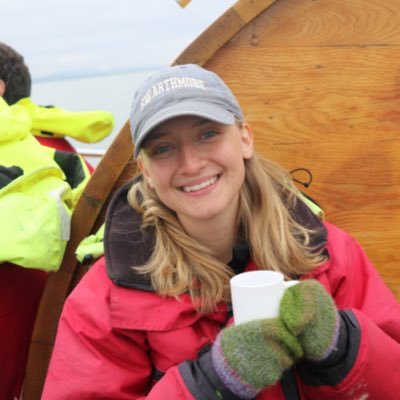
For this post in our collaboration with Princeton Perspectives Project I dusted off my blog-writing skills and had the pleasure of interviewing 2nd year EEB PhD student Kelly Finke. She uses computational biology techniques to study collective human behavior in Professor Corina Tarnita’s lab.
With course selection coming around the corner, the sheer number of opportunities can be overwhelming. Choosing courses can be doubly challenging for rising sophomores who are finishing up their prerequisite courses and trying to figure out what they even want to major in. I wanted to take this opportunity to introduce a new and exciting opportunity for students interested in research—the Sophomore Research Seminars.
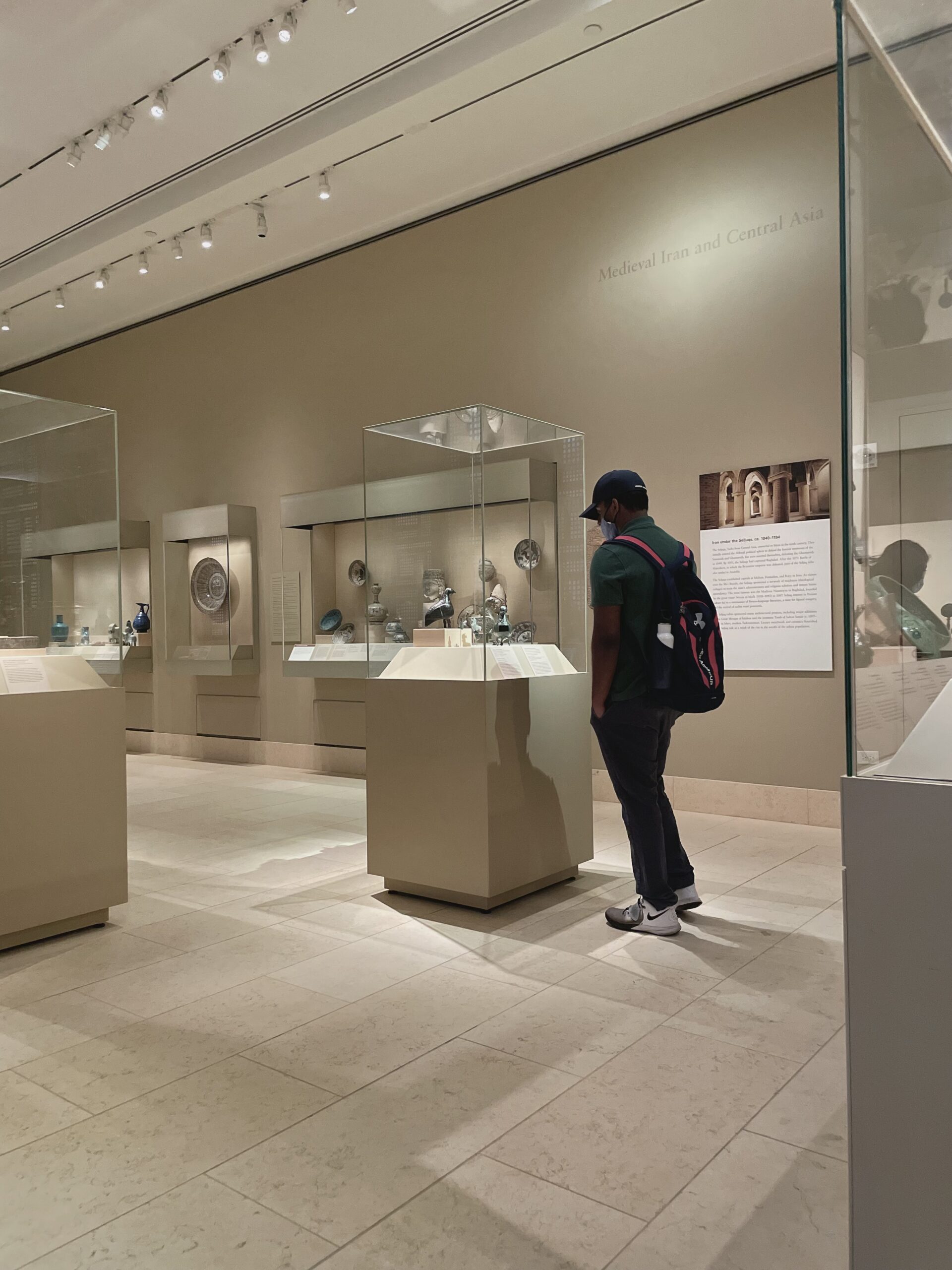
As someone who has loved museums for as long as I can remember, it feels heretical to even admit that my own brother considers most museums to be boring. The older sister in me has not let this go easily, and, in fact, I’ve been practicing my art of persuasion through getting my friends and family into museums even when they are hesitant. If you, too, are hoping to convince someone to join you at a museum or maybe are looking for a way to get more out of museums yourself, here is some of my hard-earned advice.
On a recent museum trip, I was so excited that my friend was having a good time that I took this photo to document the moment.
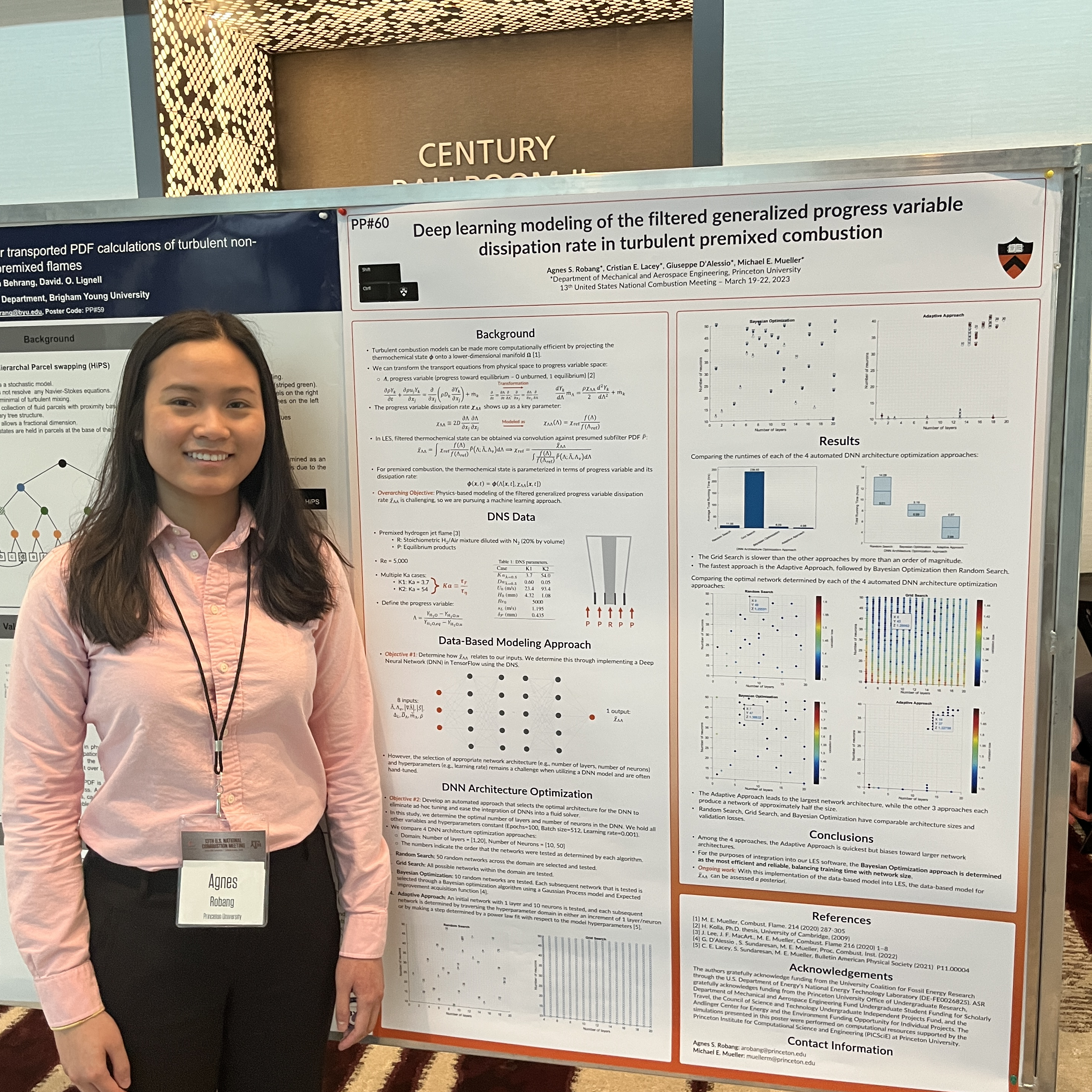
From March 19 to 22, 2023, I was at the 13th U.S. National Combustion Meeting presenting a research poster. My work was titled, “Deep Learning Modeling of the Filtered Generalized Progress Variable Dissipation Rate in Turbulent Premixed Combustion”. In my junior year, as I was planning what to work on for my thesis and what goals I hoped to attain, I determined that I wanted to go the extra mile in my research, enough to be able to go to an academic conference. With some hard work, the patient guidance of my adviser Prof. Michael Mueller, the support from my labmates at the Computational Turbulent Reacting Flow Lab, and the funding from several sources (MAE, CST, OUR, and ACEE), I was able to attend this conference! This was my first research conference, and I cannot overstate how valuable this experience has been to my growth as a researcher.
Agnes presenting her poster at the 13th U.S. National Combustion Meeting
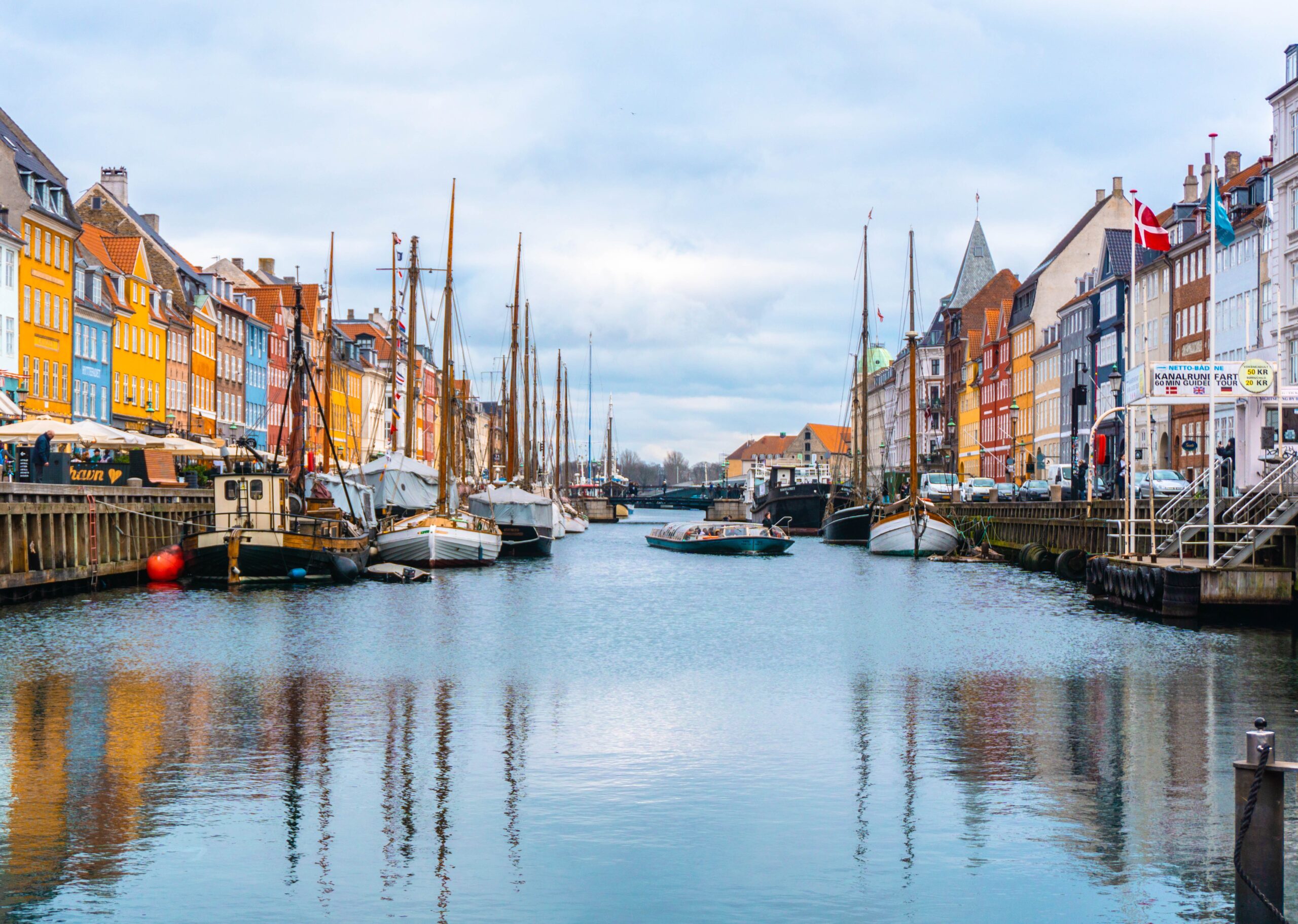
We may have wasted no time getting back into the semester after spring break, but just two weeks ago, I was exploring Denmark as a part of the class “Making the Viking Age.” This trip marks the second time I have been lucky enough to travel internationally as part of a class here at Princeton; last fall, I also visited Rome as a part of a group of students who took the Western Humanities Sequence during our first year. With course selection just around the corner, I highly recommend keeping an eye out for courses that include travel, as they have been some of the most academically enriching experiences I have had in all my education thus far.
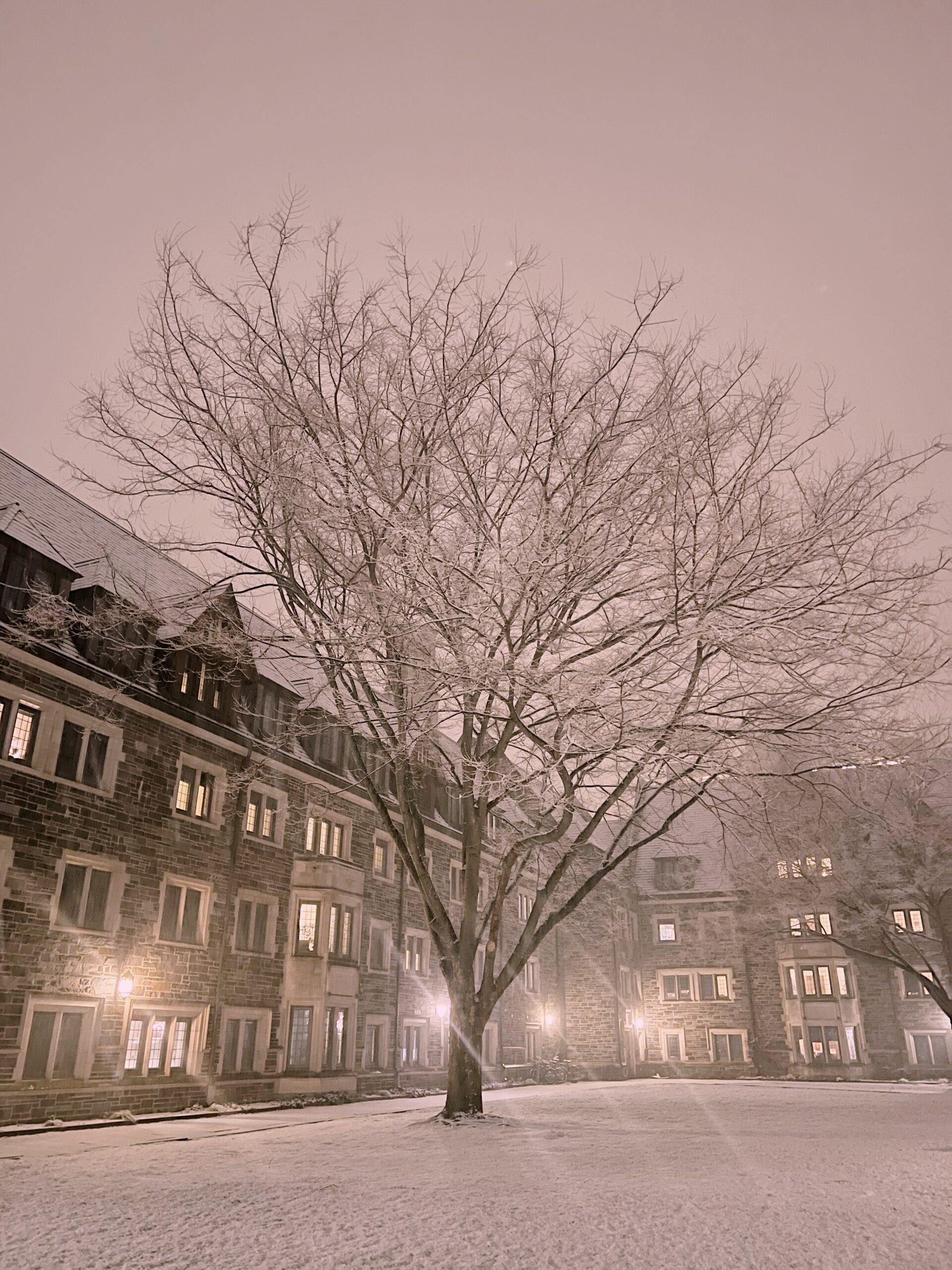
The first snow of the semester indicates that senior thesis season is upon us!!!!!
Senior thesis. Senior thesis. Senior thesis. By this time of year, you have most likely heard seniors in the middle of the night at Firestone or at Coffee Club study breaks, thinking about, stressing about, and working on their senior thesis. In my last post, I wrote about one of the first and most important steps of the senior thesis process, choosing the right adviser (see here). Now, I walk through what I believe to be another pivotal moment for the senior thesis process: choosing a topic. For SPIA majors and presumably for many other majors as well, it may seem difficult to narrow down your project to one specific topic when the major is so broad and diverse. Throughout my time at Princeton, I have taken classes in law, environmental policy, psychology, economics, ethics and more, and I enjoyed them all. But, I eventually had to choose one topic to write a full thesis on. So, without further ado, here are some steps on choosing the right topic for you.
The start of a new semester can be an adjustment, especially after a long and relaxing break. In the spring, I often end up feeling overwhelmed by internship applications, which Amaya recently wrote about. A few weeks ago, though, I found myself overwhelmed in a far more positive manner; I came back to campus early this year for Wintersession, and was amazed by the huge selection of opportunities both on and off campus. Wintersession is a recent Princeton initiative, giving students the chance to teach and participate in workshops, classes, and trips during the last two weeks of winter break. This past Wintersession, some of the offerings included a class on blacksmithing and a skiing trip. Free, short-term programs are the perfect chance to step out of your learning comfort zone. A particularly engaging class could spark your interest in an unfamiliar (or even underexplored!) topic, opening up new avenues for potential research.
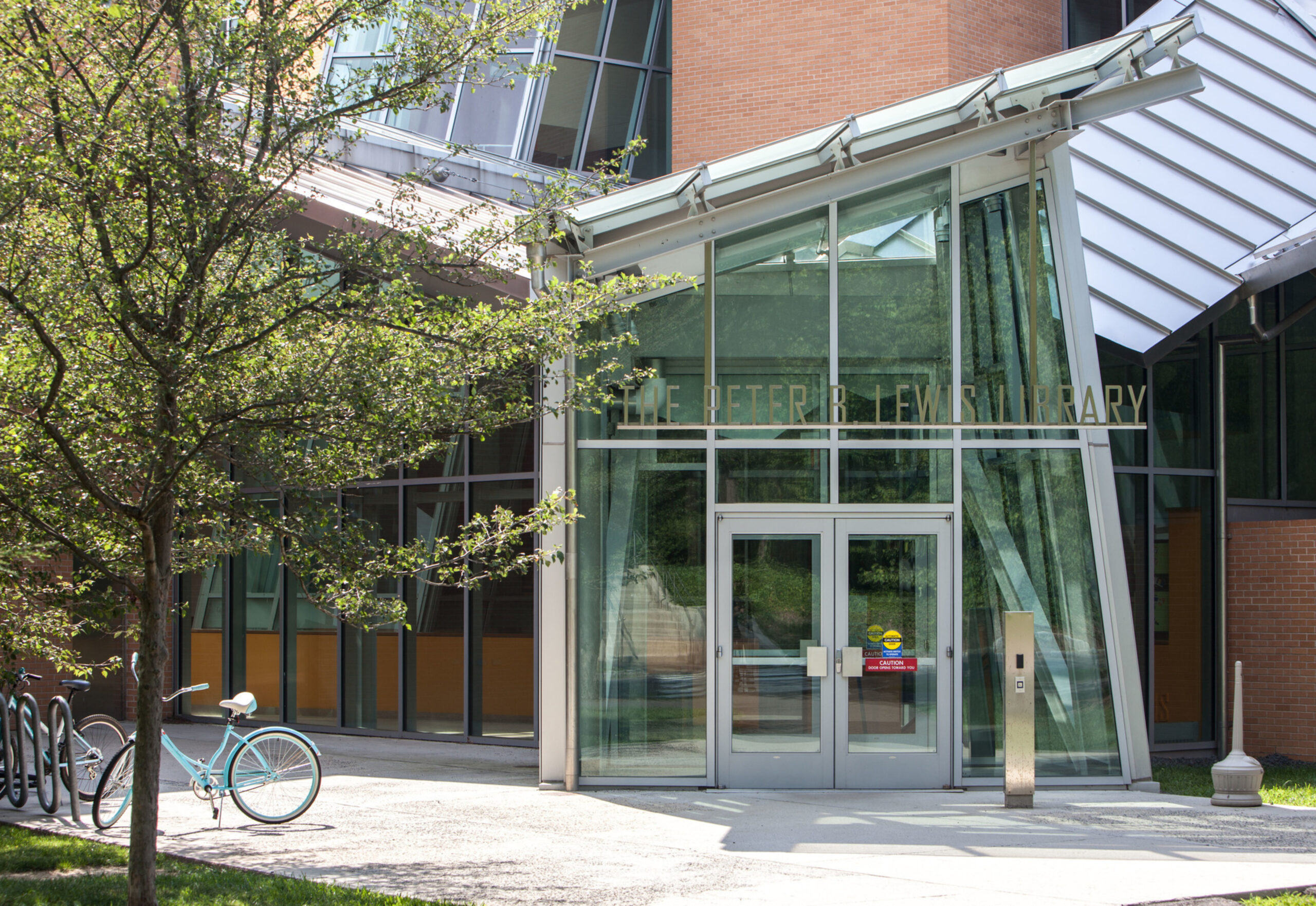
This Wintersession, I attended a class in the Maker Space located inside Lewis Library.
Last spring, I interviewed Kasey Shashaty. In this second part of my interview, we discuss specific challenges in her transition between virtual and in-person research and reflections on how this experience in the PULSe Lab has influenced her perspective on research and her plans for the future.
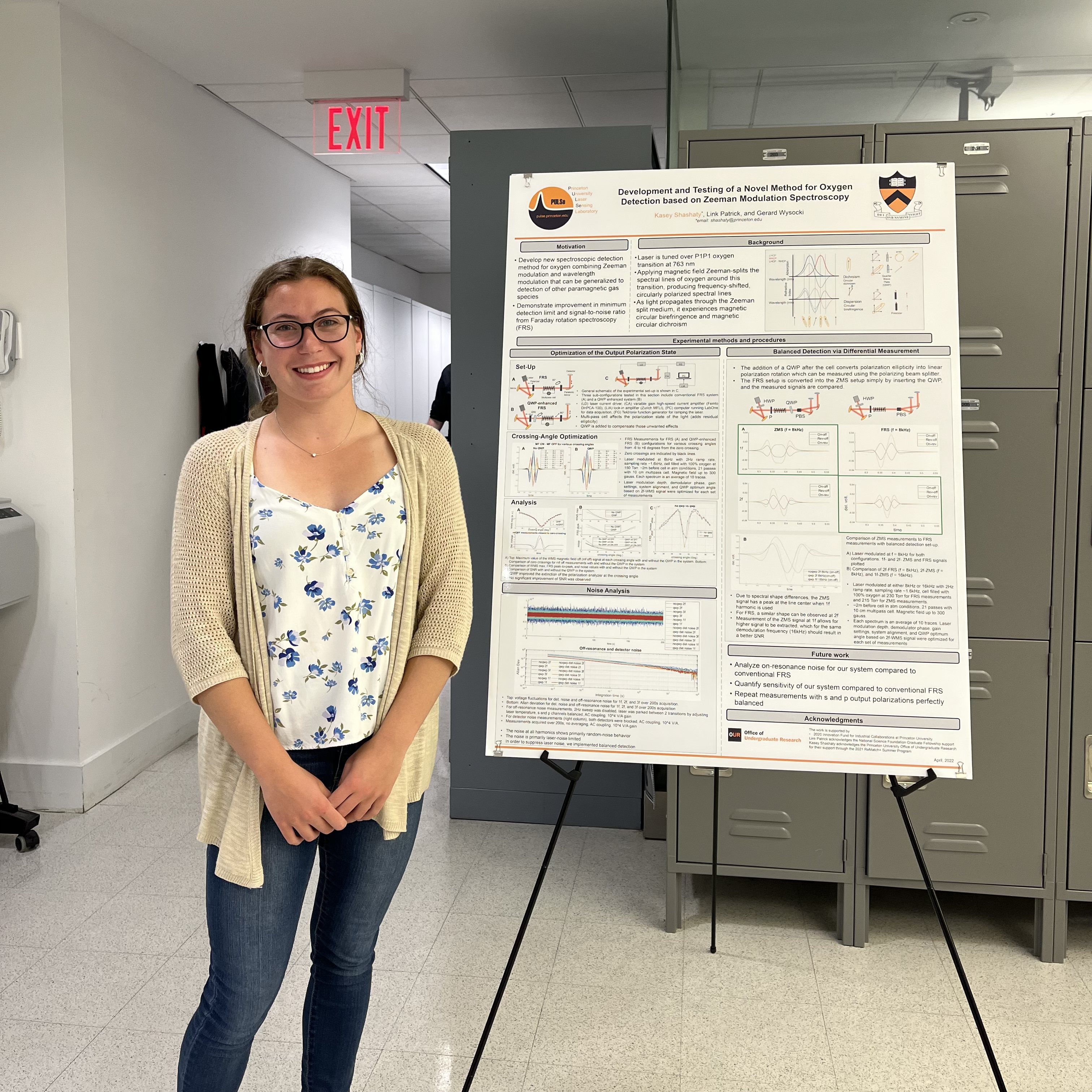
Kasey presenting her research.
Kasey Shashaty got her jumpstart in research through the ReMatch+ program organized by the Office of Undergraduate Research. ReMatch+ is a summer mentorship program that pairs first-year and second-year students with a graduate student or postdoctoral fellow as they work on a summer research project. Read on to learn more about her research experience!
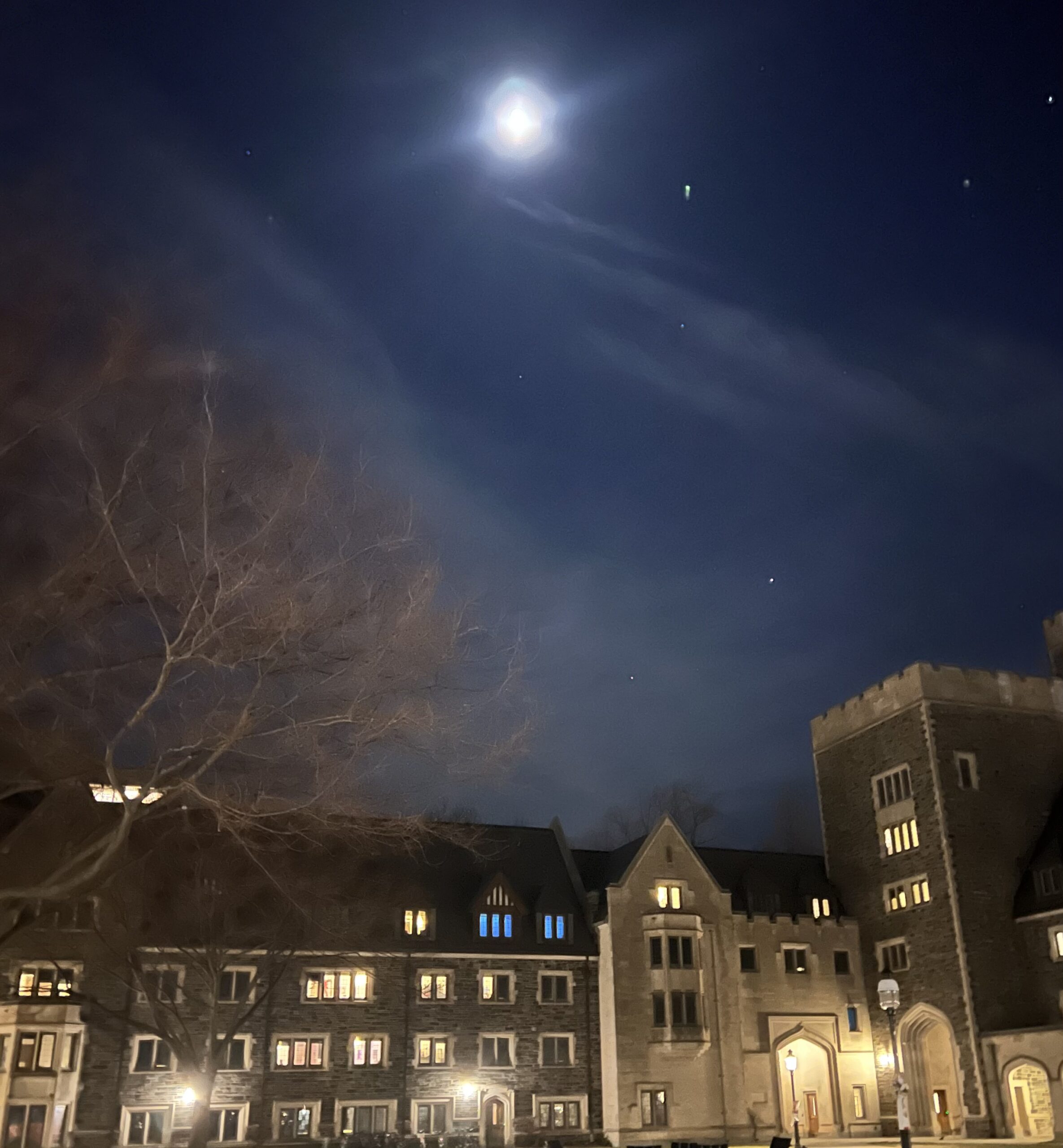
Whether it’s to look at a comet in the middle of the night or to hang out with friends, you should always find time to step away from your thesis and take everything in during your last few months on campus. Photo Credit: Ryan Champeau
Everyone has heard of the spooky ~senior thesis~ since the second that they stepped on campus for their official Princeton tour. It may feel far away at the time, but trust me, coming from a second semester senior, it comes around quicker than you expect. I am currently in the writing process, but it has been a long journey even getting to this point. Surprisingly, though, I have loved writing my thesis. It does not feel like work because it is a topic that I am truly passionate about. My goal for my final PCUR posts is to walk you through my thesis journey to hopefully make you feel better about yours. This post will start with one of the first steps of the thesis process: finding an adviser.
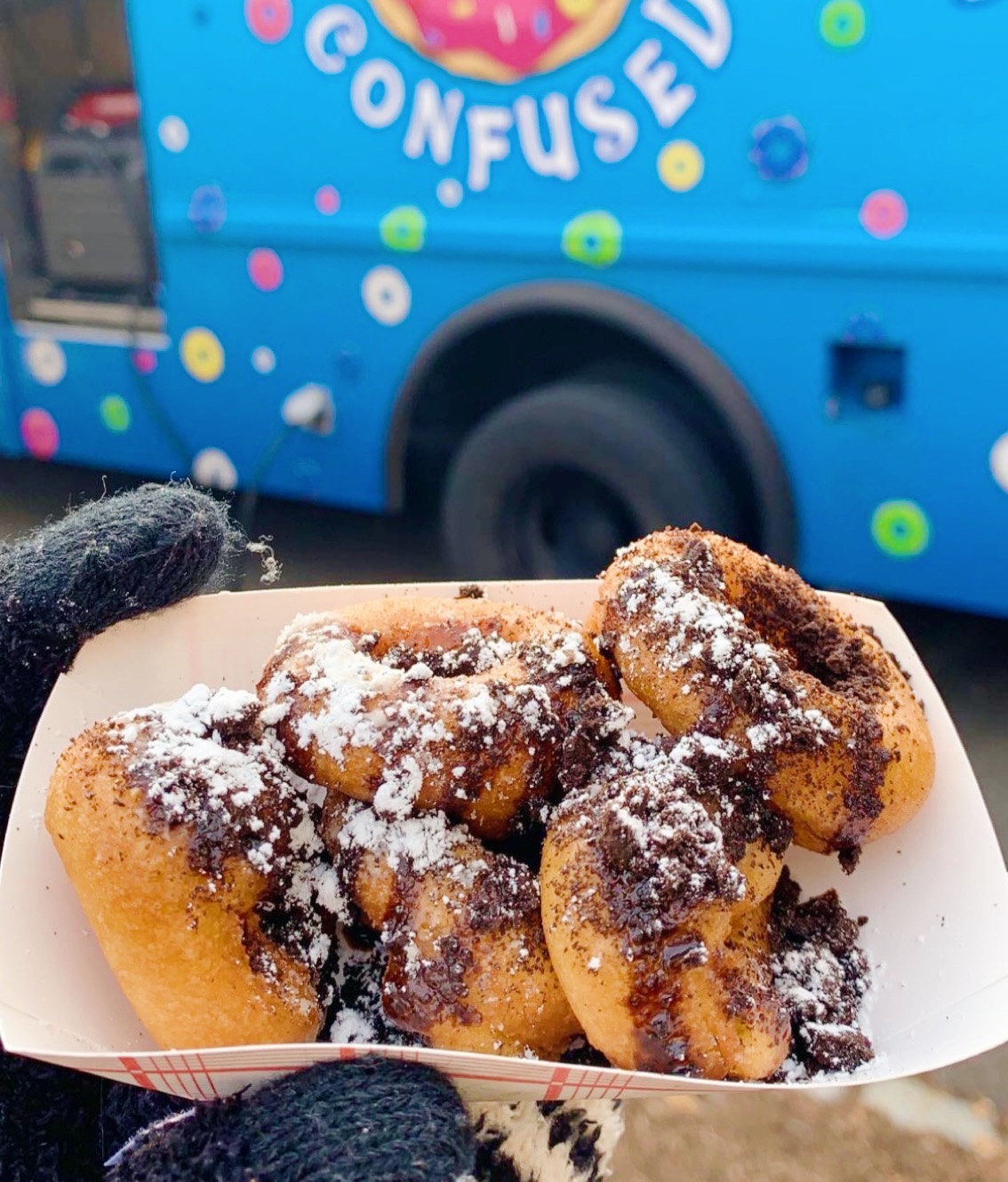
The outdoor food festival takes place on Prospect at the end of Wintersession. From donuts to skiing to iFly, you should definitely check it all out!
Winter break is long and much-needed. It is a time to relax, rejuvenate, and reflect on the semester. In this post, I will give advice on how to make the most of the next few months, but I recognize that you know yourself best and should choose to spend your break in whatever way makes you happiest. Without further ado, here are my takeaways from the last 3 winter breaks: