Categories
Conduct Research Present & Publish Findings

Mystery Writers in Research Labs: How to Analyze Your Data

The image is to depict a study corner in the Trustee Reading Room to add the feel of a study session to the post since it is about analyzing data.
Trustee Reading Room, Firestone Library. Photo credit: Matt Raspanti.

“So what does this data mean?” My professor asked, looking at me expectantly. What does the data mean? “What does this data tell you about the cancer cells?” If he thought rephrasing it made it any better, it didn’t. I am not quite sure what I said to save face (and frankly, I really do not want to remember), but I must have said something because my professor just nodded. “When you look at your data, I want you to create a story. It may be a mystery, but then you’d be providing a certain set of clues.” 

It is very easy to get caught up in generating data, especially if the data is particularly tricky and you’re concerned about making sure it looks right, generating the right graphs, having the right axes, numbers and titles. It can be a headache. By the time the graphs are done, I would rather not look at it anymore or think too hard about the numbers. However, as lab reports and analysis questions stack up for our classes, it becomes prudent to know how to analyze these graphs. While I am not a seasoned veteran, I have a few tips that helped me approach these types of situations.
Categories
Conduct Research

Exploring Memory: My First-Year Research Experience

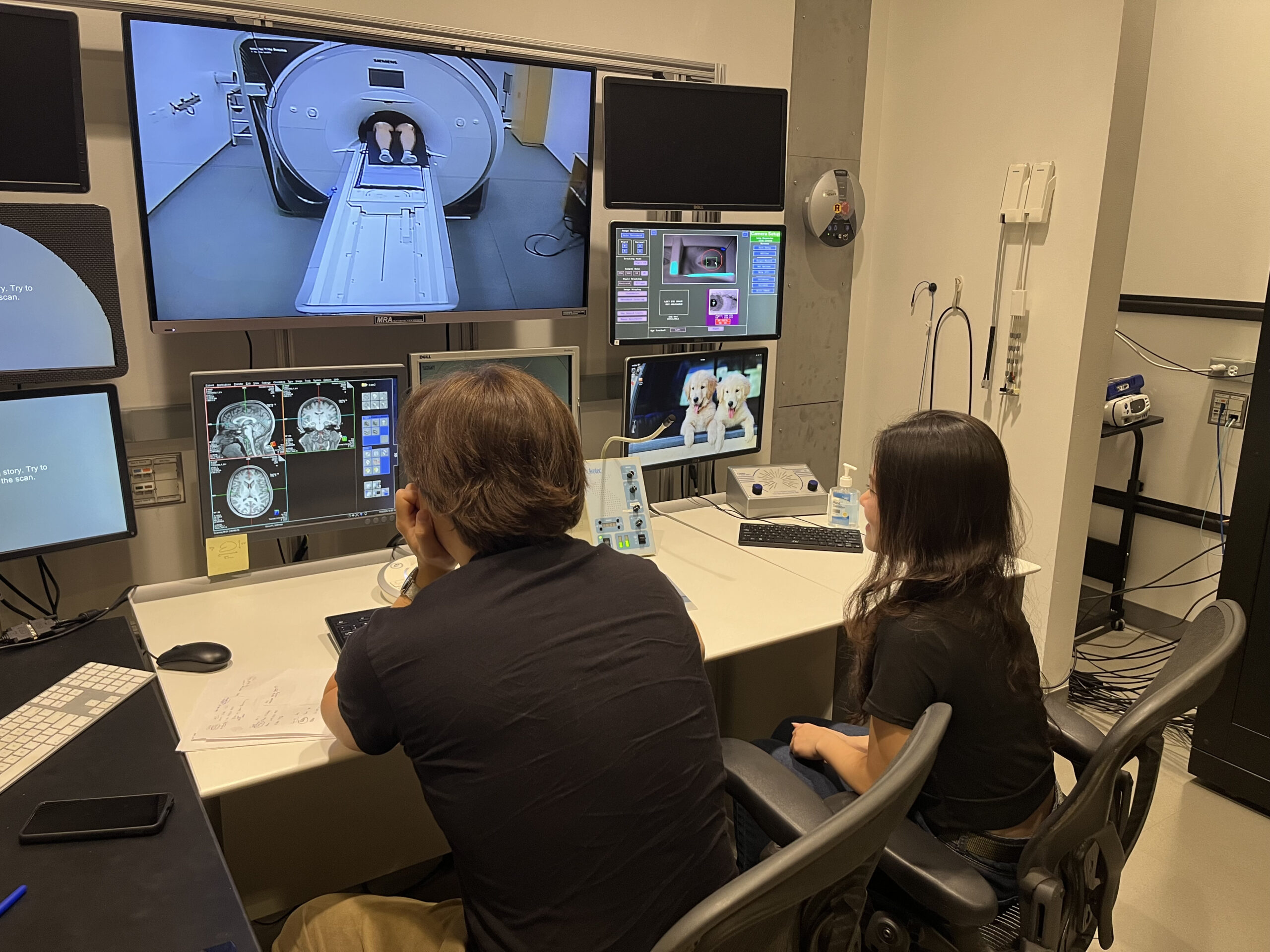
The picture shows Dr. Augustin Hennings and I in the MRI control room on the C Level of Princeton Neuroscience Institute. We were monitoring the screens in one of the pilot scans.
Dr. Augustin Hennings and I in the MRI control room, C Level, PNI

It felt a little odd to begin an email with, “I wrote about your lab in my application to Princeton!” but it was the truth. Since high school, I had been fascinated by memory and its profound effects on shaping our lives, which motivated me to pursue a degree in neuroscience. Professor Kenneth Norman’s work in the Princeton Computational Memory Lab captured my attention while I was exploring Princeton’s resources for my application essays. I wrote about how I wanted to be a part of the lab and study human memory, specifically focusing on how the brain and mind can overcome the emotional consequences of trauma-based memories. After arriving at Princeton, I had been eagerly awaiting the right time to reach out to Professor Norman about getting involved in his research.

Categories
Conduct Research Present & Publish Findings

Surf’s Up: A Guide to Internet Surfing, and other Assorted Browsing Research Skills

This image depicts a Google search of "What is research," which symbolizes the purpose of this post—i.e. figuring out how to research online.
What is research? Perhaps we can ask the Internet…

If you’re anything like me, you first thought that “research” essentially amounted to surfing the Internet. Back in the glory days of middle school, “research” meant the rewarded privilege of getting to use the laptop carts, productively using class time on googling information about our various project topics (and definitely not secretly playing games). Now, as the mature, worldly college student you now are, perhaps you think you know better. “True” academic research, the clever reader now knowingly tells themselves, is historians dusting through archival documents and scientists mixing frothy chemicals in the lab. 

Yet there’s a missing part here: a crucial element that takes us back to our elementary and middle days of excited googling. To make any significant intellectual contribution to any field, one first has to understand the current state of knowledge in that same field. To borrow the term favored by the Writing Program, we need to understand the scholarly conversation. How do we know if we’re making a contribution to something, if we don’t understand what that something is? Understanding the current state of research in a given field is a crucially important skill—really, a prerequisite—for conducting your own effective research in that field. 

Categories
Conduct Research Present & Publish Findings Research Life

Mentorship Matters: A Summer of Research and Growth

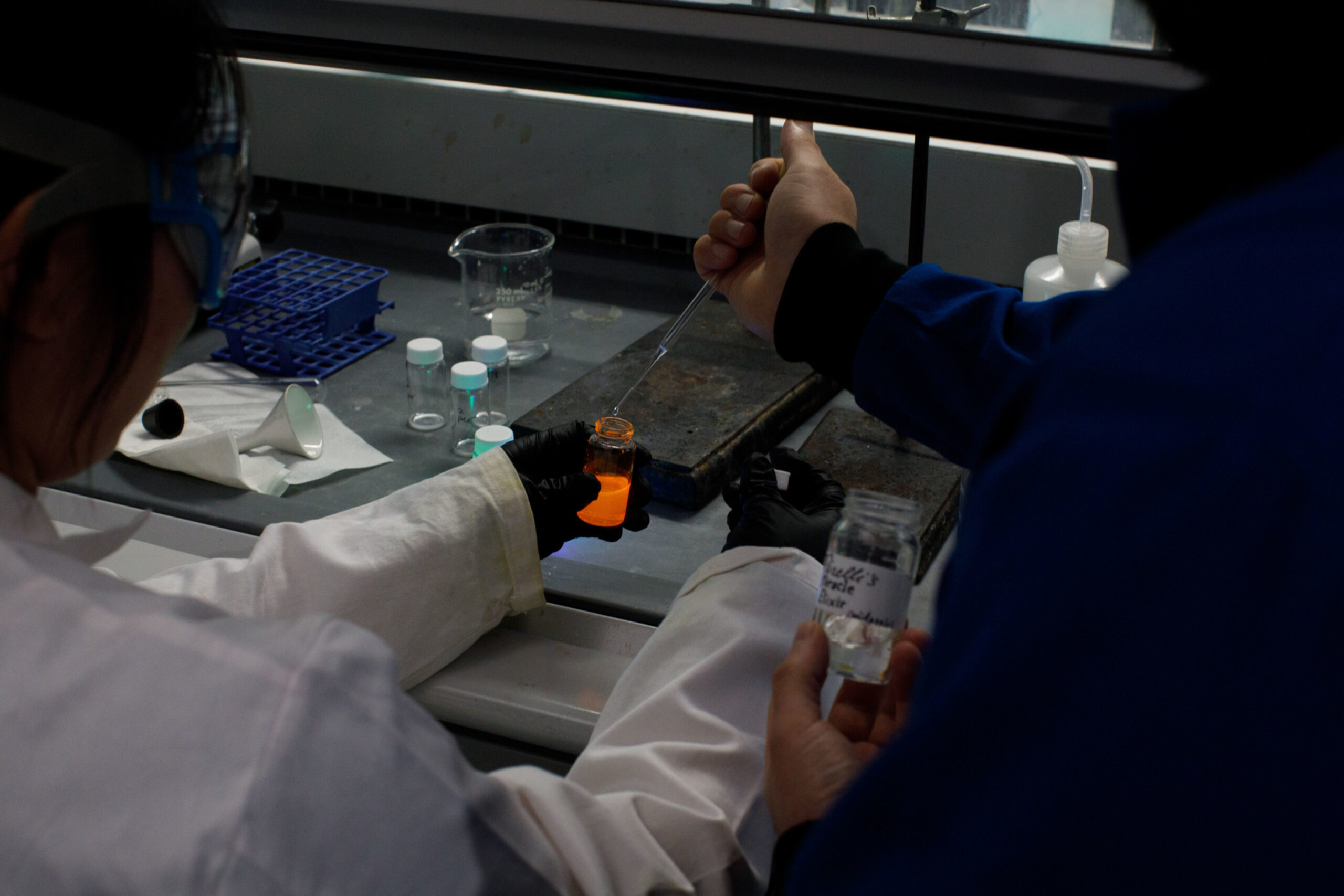
This image shows a lab technician pipetting a clear solution into an another orange-colored solution inside a fume hood in a lab
Photo of a chem-bioengineering lab, photo credit to Iris Rubinstein.

When I first walked into the lab this summer, I thought research was all about running experiments and gathering data. What I didn’t expect was how much the people around me—the mentorship and the shared triumphs and failures—would shape so much of my learning and how I view scientific research. 

Starting a research position at a bioengineering lab over the summer was really intimidating for me, especially as an undergraduate. At the start, I felt like the most inexperienced person in a room full of graduate students, postdocs, and faculty who seem to have it all figured out. Although I’ve learned or at least seen a lot of the quantitative and qualitative components in my Chemical and Biological Engineering course, I did not have much hands-on experience and critical thinking that comes with actually doing experiments. That’s when I realized how big of a role a mentor plays.

Categories
Conduct Research Research Life

Bridging Research and Political Change

Spotlight on the Summer Internship Project of Princeton Politics Junior Mai Kasemsawade

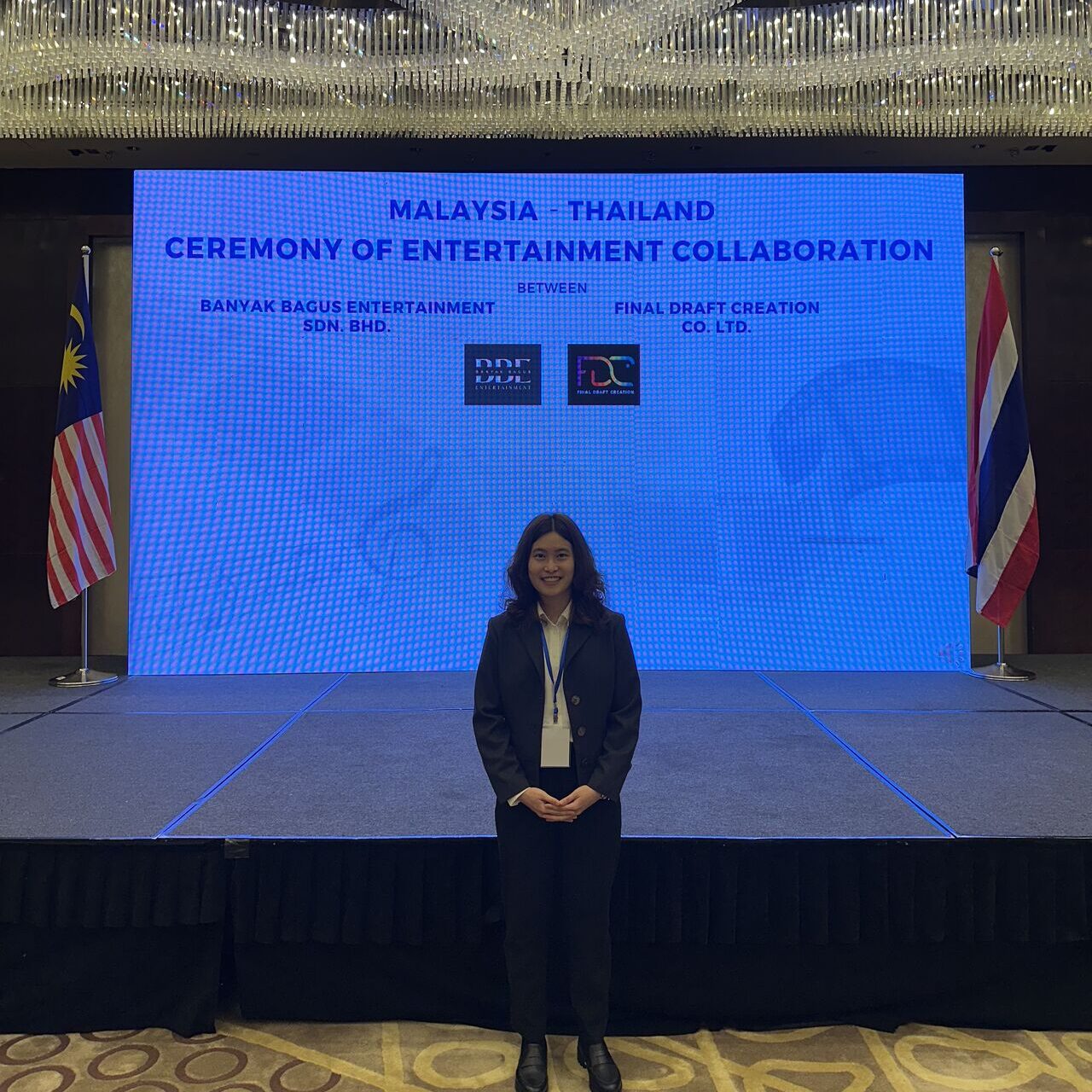
Mai standing in front of a stage in the Malaysian parliament.
Mai Kasemsawade at the All-Party Parliamentary Group Malaysia for Political Financing meeting at the Malaysian Parliament, which she helped to host with The Institute for Democracy and Economic Affairs.

Many students walk into Princeton intending to change the world, Mai Kasemsawade ’26 is an extraordinary example of how one’s summer research can kickstart global political change. This past summer, Mai worked within the The Institute for Democracy and Economic Affairs in Kuala Lumpur, Malaysia as an intern in the Princeton International Internship Program. She connected her interests in political science research and data science to pursue an ambitious project in advancing Malaysia’s laws on funding for political parties in order to encourage a more democratic political scene. Her experience meeting with Malaysian government leaders, hosting a political engagement workshop, writing articles on critical policy, and conducting interdisciplinary research exemplifies the multitude of eye-opening opportunities that a research experience can offer!

Categories
Conduct Research

Research Insights Series: An Interview with Gemma M. Sahwell

An image of Gemma Sahwell
Gemma M. Sahwell 
PhD Candidate, Princeton University, Department of Geosciences

As a Geosciences major, I am fascinated by ocean biogeochemical cycling and reconstruction of past climates and marine environments by way of biological proxies. Yet, I have also found myself intrigued in environmental movements and storytelling, particularly with the narratives of the land histories of indigenous communities in the backdrop of anthropogenic climate change and U.S. colonial history. 

With growing interest in both fields, I enrolled in Professor Allison Carruth’s ENV238: Environmental Movements: From Wilderness Protection to Climate Justice. Here, with luck, I met an incredible preceptor who shed some light on the interdisciplinary nature of her research and inspired me to delve deeper into my own multifaceted interests. 

A PhD candidate student in the Geosciences department, Gemma M. Sahwell is currently a member of both the Blue Lab and the Higgins Research Laboratory. Curious, I reached out to her to see if I could speak with her a bit about her research. 

Join me below to hear about her experience.

Categories
Conduct Research Plan Beyond Graduation

Journeying through Statistics & Machine Learning Research: An Interview with Jake Snell

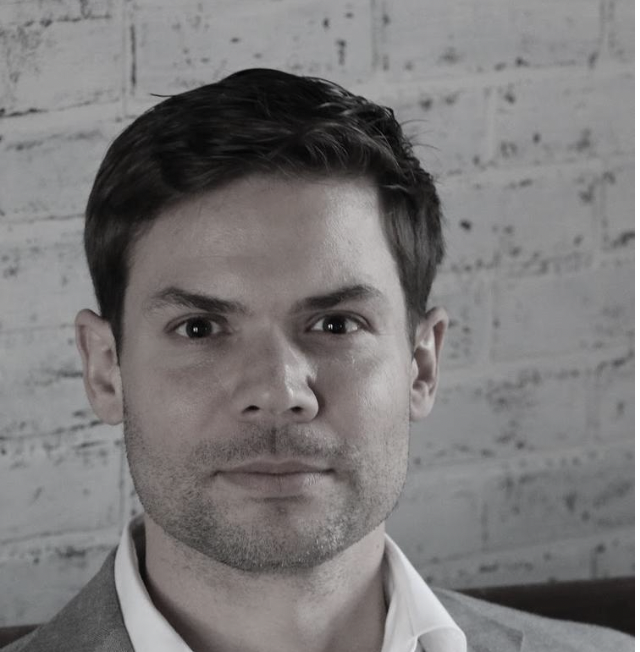
Image of Dr. Snell smiling, wearing glasses and a pale red and grey checkered collared shirt.

Jake Snell is a DataX postdoctoral researcher in the Department of Computer Science at Princeton University, where he develops novel deep learning algorithms by drawing insights from probabilistic models. He is currently serving as a lecturer for SML 310: Research Projects in Data Science.

As I dive deeper into my computer science coursework, I’ve found myself engaging increasingly with statistics and machine learning (hereafter abbreviated as SML). Opportunities to conduct SML research are abound at Princeton: senior theses, junior independent work, research-based courses such as SML 310: Research Projects in Data Science, joining research labs, and much more. There is such a wide variety of research opportunities, and so many nuanced pathways that students can take while exploring SML research. So, for this seasonal series, I wanted to speak with professors and researchers who are more advanced in their research journeys to share their insight and advice to undergraduate students.

Categories
Conduct Research

Research Insights Series: An Interview with Michael J. Thate

Michael Thate Headshot
Michael J. Thate is a Research Scholar for Responsible Tech, Innovation, and Policy at Princeton University’s Faith & Work Initiative, and Lecturer at the Keller Center for Innovation in Engineering Education and the School of Engineering and Applied Science, with a background in law, design, ethical philosophy and religious studies, and GIS. Michael’s academic interests and focus are informed and complemented by his corporate experience where he advises across STEM industry sectors on matters of brand equity, communication strategy, institutional trust, ethics, and regulatory strategy.

I had come to grapple with the idea of ethics in the engineering world when I became fascinated with Department of Defense (DoD)-related technologies and applying my computer science background to space-related development. I was struggling with the ethics in relation to human ecology, especially in defense and technology militarization, and how to balance this struggle with my fascination for the technologies present in the industry. Michael and I first connected via email over aligned interests in professional codes of conduct in defense and security AI systems. 

As I began this research insights series, I sought to interview Michael in order to get a sense of what his research might look like from a highly interdisciplinary perspective, and how ethics, something that is prevalent in any academic area, is present as a core focus of research. In this article, I’m excited to present my interview with Michael, focusing on human interactions with the natural world, and how to quantify “life” and its “value” within a vast ecological space.

Please note that one response discusses animal injury and death.

Categories
Conduct Research

Research Courses at Princeton

Eight students and a lab engineer are wearing white coverall suits while working in a cleanroom.
Group Photo of the AST251 students with Precision Assembly Specialist John Teifert all geared up in the cleanroom!

The structure of a “standard” Princeton course usually includes a mix of lectures, precepts, or seminars which likely have a midterm and final. While some of these courses may have “lab” components where you spend a couple hours once a week doing a hands-on assignment, there exist many courses at Princeton which are instead entirely focused on conducting hands-on, lab-based research with a small team that works closely with professors who provide mentorship as you work on an original research project. If you’ve ever wanted to take a class that is far different from anything else at Princeton by teaching you hands-on skills and giving the opportunity for a new project, these types of courses might be for you!

Some of these courses are year-long sequences like AST250 Space Physics Lab I and AST251 Space Physics Lab II, which I took during the 2022-2023 academic year. This was one of my favorite course experiences at Princeton and was certainly the most engaging. The skills we learned were invaluable, and as we worked closely with the professors and each other, our year-long project became an unforgettable experience.

Categories
Conduct Research Independent Work Present & Publish Findings Research Life

A Guide to Citations

Whether writing a paper or providing a presentation, you will often find yourself relying on the completed work of others to synthesize information about a subject. An essential part of using these outside sources is to give their owners rightful credit in your references! Read some tips below on making citations easier. 

Someone reading an article they would reference if they were doing research on the topic
Citations can be the most dreaded section of your writing. Finish your references with ease using this guide!