Engaging in the Optional: The Benefits of Going the Extra Mile

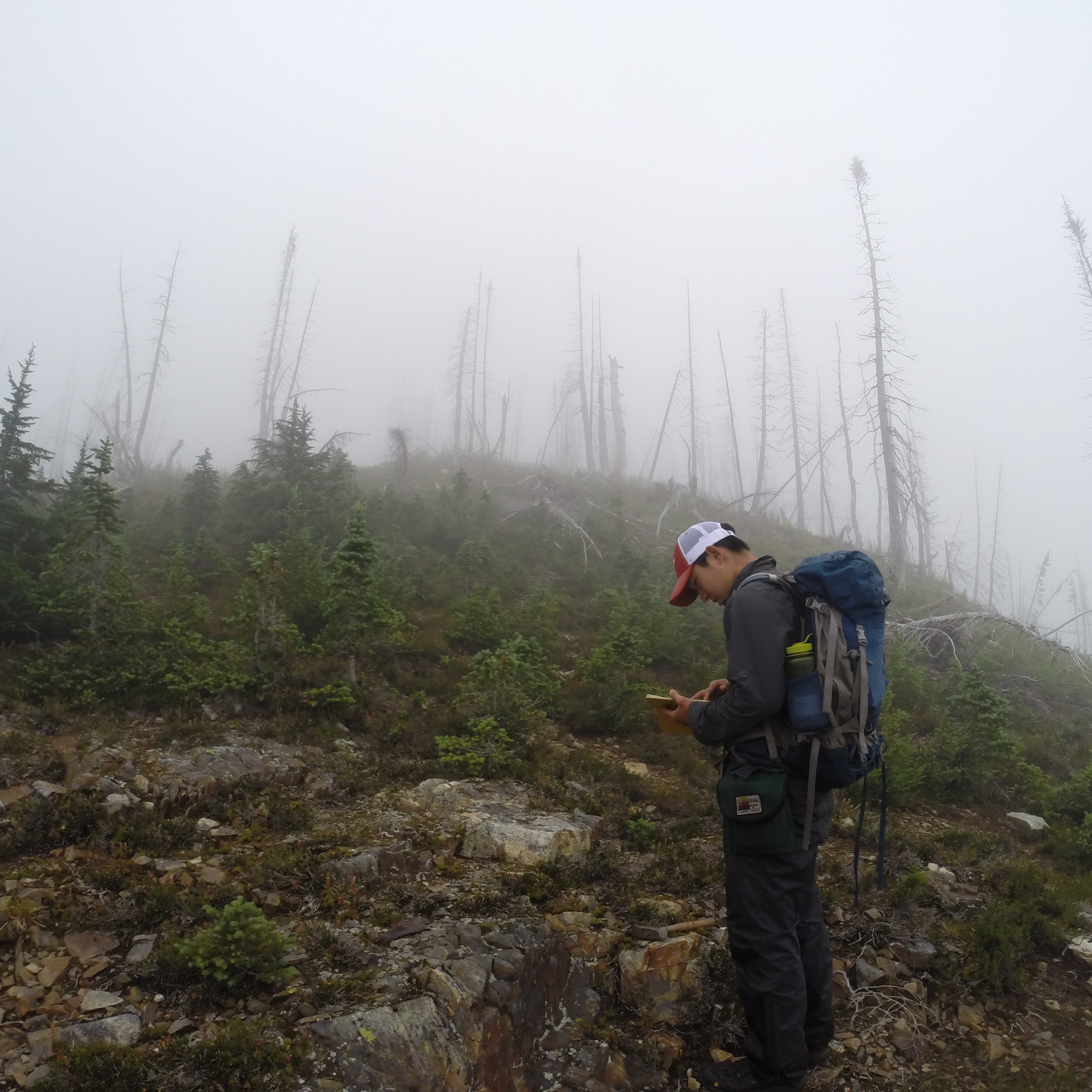
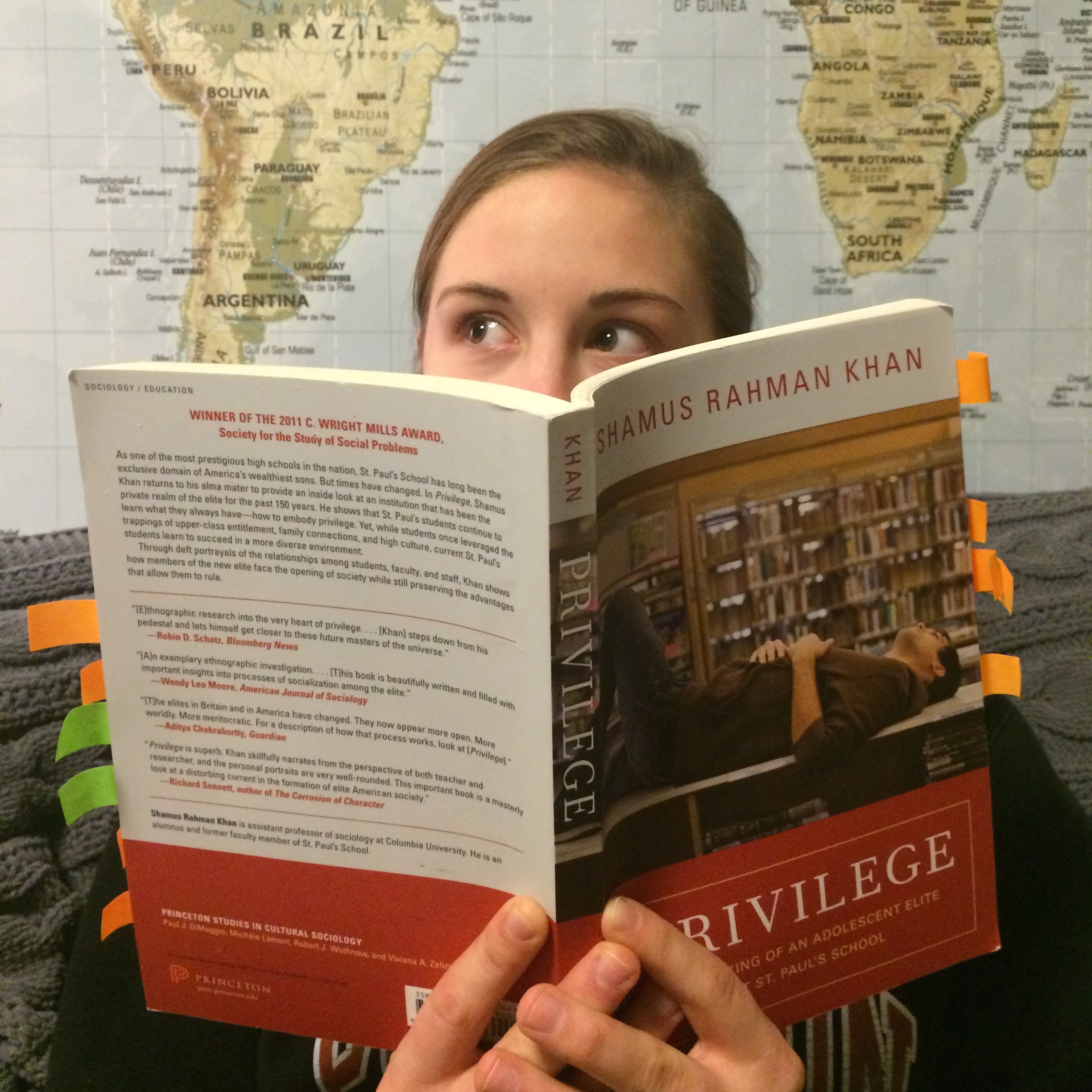
2014-11-10 09.59.22
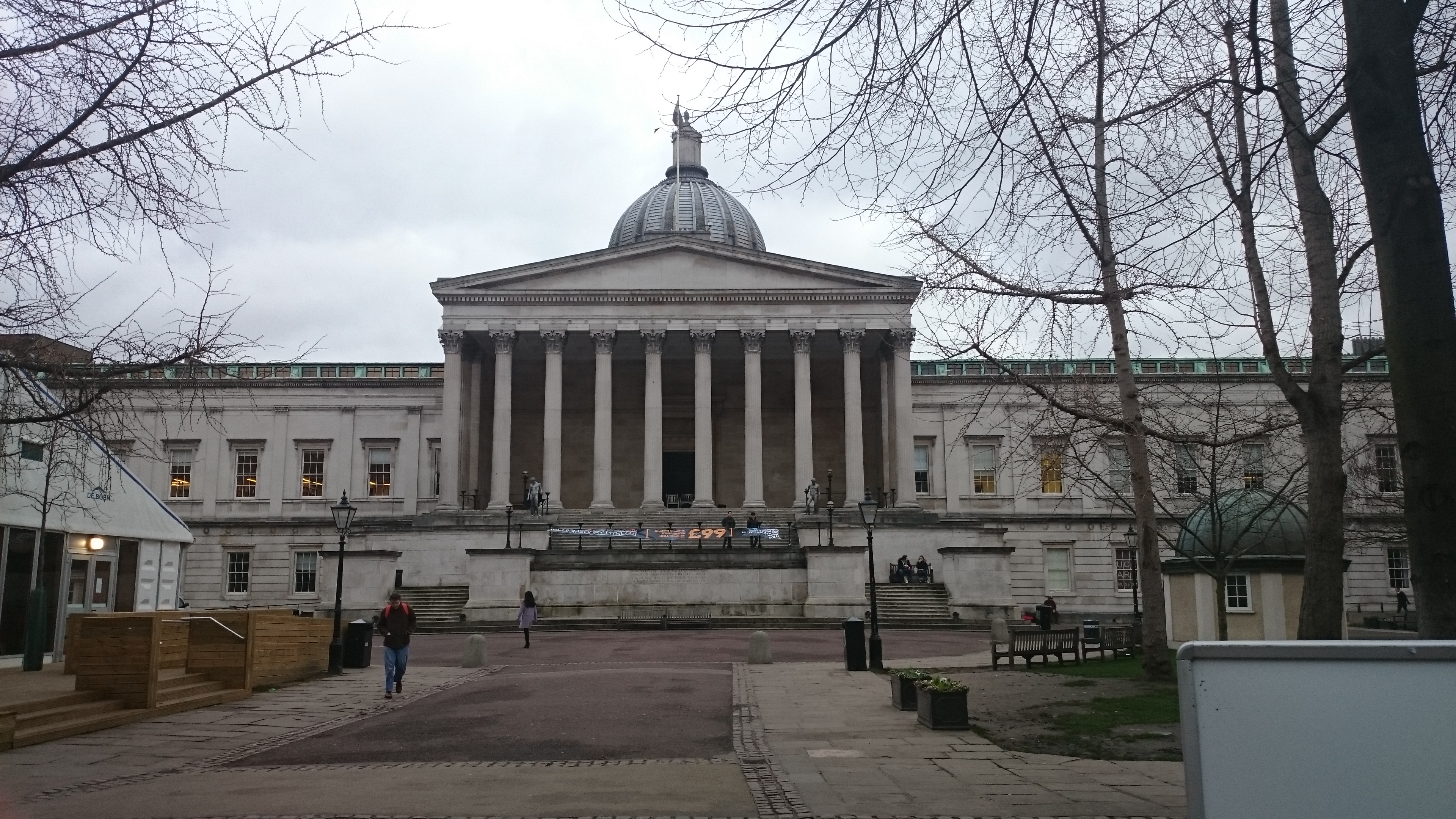
Presentations are a large part of many research disciplines.

My inbox gets bombarded with emails advertising various events on campus on a daily basis. And every Monday, the Psychology Department advertises one particular event: Departmental Research Presentations. I always notice and read these emails, curious about what kinds of research professors and graduate students are conducting at the University. However, no matter how intriguing the presentation topic, I have never actually showed up to these presentations… that is, until recently. Continue reading Engaging in the Optional: The Benefits of Going the Extra Mile

Roaring for change: Presenting Your Research

The process of research might involve a complex mass of reading articles and crafting arguments, but the goal of research is simple: change. No one would devote time and energy to a concept if they didn’t expect their results to make a difference. Whether adding to a field, correcting a premise, or highlighting some new phenomenon, the surest way to encourage change is to frame research with a strong presentation.

IMG_1712
By the way, presenters get a t-shirt with the conference motto and cute, researching tigers. Wear it proudly.

Princeton’s writing seminar students can present their work to faculty and peers at the Quin Morton ’36 Freshman Research Conference. PCUR readers are welcome, so save the date: Friday, November 21 in the Writing Center.  At last year’s conference, I was selected to present my research on affirmative action. I felt first-hand the excitement of leading people to question beliefs they had firmly held just minutes before. Last Tuesday, I volunteered at a workshop on presenting research for this semester’s Quin Morton student presenters.  The conference’s motto “Research. Revise. Roar.” hints at one of the workshop’s biggest themes: finding your voice.

Presenting research involves a range of skills that are not necessarily included in the writing process, and chief among them is verbalization. Continue reading Roaring for change: Presenting Your Research

Keeping Up is Hard to Do…

Keep working through the months! (Photo by Yuem Park)
Keep working through the months!

What did I never expect to be challenging about the senior thesis? Its relative lack of deadlines.

As Princeton students, we’re busy. On top of the vast quantities of course work that we have, many of us take on multiple extracurricular activities such as sports or dance, and each week becomes a battle to meet deadlines for problem sets or readings. And through the trials and tribulations of our first few semesters here, we get better each day at balancing our commitments and meeting deadlines until they become normal parts of our lives.

But your senior thesis will throw you a curve-ball. By this point we’ve been so thoroughly conditioned to work around deadlines that, at first, it can be a little confusing as to how to react to the unexpected freedom of independent work. It’s very tempting to throw down your pen triumphantly when you see that your first deadline is at the end of the semester, and forget about your thesis until one week before that date. But of course, it’s not that easy – after all, a senior thesis is expected to exhibit the cumulative work of an entire year (which cannot be achieved one week before the deadline!).  Continue reading Keeping Up is Hard to Do…

Undeclared, Undecided–Still Eligible for Departmental Funding!

By late March of my freshman year, I was wholly undecided about my major. I had taken classes in a wide range of departments including geoscience, math, comparative literature, and philosophy. I had not taken a single Classics course. But I still decided–and succeeded–in applying for funding from the Classics department and gaining exposure to a new ancient language last summer.

Sanskrit

Before I applied for Classics funding, I felt unprepared about my summer plans. I had taken two “mandatory” class trips during my fall and spring break, to Cyprus and Greece respectively, so I was used to the thrill of university-sponsored travel. I had assumed that I would spend my summer abroad and counted on attending a global seminar. After being rejected from my choice global seminar, however, I dreaded speaking to people about my nonexistent plans. I doubted that I had time to find and apply to international summer programs. I reset my sights around my home near New York City and thought about what I really wanted to learn. Continue reading Undeclared, Undecided–Still Eligible for Departmental Funding!

Tales of Adventures: Keeping Detailed Records of Your Work

Notes can get messy very quickly. Photo by Stacey Huang)
Notes can get messy very quickly.

Whether you work in the sciences or humanities, it’s integral to keep track of your work. It sounds obvious – it did to me too – until I started flipping through some of my notes in my lab notebook, trying to figure out the tests and results for a few small tests last semester. I knew I had done the tests, but I just couldn’t figure out what exactly I had done. Eventually, I found a few numbers in my notebook but couldn’t decipher them. Maybe those notes made sense to me 5 months ago, but now they only look like random scrawls of numbers to me.

It isn’t always a lab notebook: it could be keeping track of papers you’ve read and researched, writing down ideas you’ve tossed around with classmates or your adviser, basically keeping a record of all the work you’ve done. Often it can get boring to record every little thing, and often it can feel unnecessary, but not keeping a detailed record or at least well-organized notes or data of your progress somewhere helps no one. It does your hard work no justice when you can’t look back on it in the future and save time by skipping what you’ve already done. It all saves you time in the future from looking at the same papers, doing the same tests. Continue reading Tales of Adventures: Keeping Detailed Records of Your Work

Reversing to the Start

For me personally, the hardest part of writing any paper is writing the first few paragraphs. I get caught up in trying to find a starting place—do I start with an anecdote that somehow displays the significance of my research topic? Do I jump right in to findings of the research, and work my way backwards to how I got there in the rest of the paper? Do I give general background information, and move forward from there? There are a million and one ways to begin a writing piece, which is why, for many, choosing one that is appropriate for any given topic can be difficult.

Finding the right way to start can be especially difficult for independent work. I sat in front of my Junior Paper staring at a blank document, with only a title page and the honor code written out for days before writing a single word. Continue reading Reversing to the Start

Funding Proposals – A Salesperson’s Approach

2a
What I needed funding for last year – the electron microprobe at MIT.

As Benjamin Franklin once said, “An investment in knowledge pays the best interest.” And indeed, funding and supporting research projects is a priority for Princeton as well as many other institutions. But just because our society values research, it doesn’t mean that it’s a walk in the park to get a project funded. In fact, in many cases, it’s actually very difficult to get a project funded, even if it’s a highly worthwhile one.

However, this doesn’t mean that your chances of getting funding are beyond your control – the better your funding proposal, the better your chances are of getting your project fully funded. Of course that’s beyond obvious, but how exactly do you write a well-executed funding proposal? Below are a few tips that I’ve picked up: Continue reading Funding Proposals – A Salesperson’s Approach

No Lab Coat Required

Before last summer, I considered the term “research assistant” exclusively reserved for science majors in lab coats. And since my intended major and wardrobe don’t fit this conception, I never thought I’d apply the term to myself.

Well, I was wrong — in more ways than one. “Research assistant” has since been added to my resume, and I didn’t have to wear a lab coat to do it. In fact, pajamas were perfectly acceptable attire.

If you're looking for research assistant loungewear, school spirit is a plus. (photo by Melissa Parnagian)
If you’re looking for research assistant loungewear, school spirit is a plus.

Let me explain: After a wonderful semester in Dr. Renita Miller’s writing seminar Race, Gender, and Representation, I knew I was interested in identity politics. The class fundamentally changed how I looked at policies and judged their effectiveness for minority groups. Dr. Miller must have noticed my enthusiasm, because she described her research project – a look at representation’s effects on the Texas State Legislature – and asked if I wanted to help code data over the summer. Relevant information in the legislature’s bills could be accessed anywhere online.

Continue reading No Lab Coat Required

Talk the Talk: Initiating Professional Conversations

Office hours are great places to sit and get to know professors! Special thanks to Laura Sarubbi for this photo.

Talk to your professors. College students are frequently given this age-old advice, which seems to exist as a panacea for low grades, a need for recommendation letters, a desire for intelligent conversation, and the like. However, most students will be quick to inform you that talking to professors is easier said than done. Whether held back by fear of inadequacy, intimidation, or just pure laziness, many students shy away from interacting with their educators. Unfortunately, this fear prevents students from obtaining amazing opportunities, especially ones related to conducting research.

As a learning consultant at Princeton’s McGraw Center for Teaching and Learning, I’ve discussed the difficulty of talking to professors with many of my peers. Most express a strong desire to engage their professors in conversation, but are unsure of what to say, or how to say it. While I’m no expert on perfecting the verbalization skills necessary to score a perfect relationship with professors, I have had some experiences where simply putting myself out there has made a world of difference for my Princeton career.

Continue reading Talk the Talk: Initiating Professional Conversations

The Thrill of the Last Minute

Photo by Annie Woehling

I will candidly admit that I was, for a long time, one motivated by fast approaching deadlines. In other words, I was known to occasionally procrastinate. Okay, I used to have a chronic procrastination problem. During my time at Princeton, I’ve had to abandon my favorite work-deferment method, which I’ve historically called “the thrill of the last minute,” because, after one (or six) too many all-nighters early on in my college career, I’ve come to realize I am just getting too old for that type of adrenaline rush on a semi-regular basis. My realization may have also had something to do with the infamous Princeton workload consisting of term papers, Dean’s date essays, and independent research that Princeton typically presents to students. I guess it doesn’t so much matter why I finally decided to change my habits, just that I did get there eventually? Better late than never, I suppose.

My new approach to handling large writing assignments still involves using deadlines as motivation to produce pages. These deadlines, however, are no longer the ones given to me by my professors and advisers, but ones I set for myself upon receiving my syllabi. For example, if I know I have three Dean’s Date papers, I set different personal due dates for each in the weeks leading up to their actual deadline. Continue reading The Thrill of the Last Minute