Although things have been looking brighter on campus, with a decrease in COVID cases and happier weather, the threat of COVID-19 still remains and can be a daunting obstacle. I tested positive for COVID-19 last month, and I was lucky enough to get through it, but an extra stressor was definitely keeping up with my classes while being in isolation. Everyone’s experience is different, especially when it comes to symptoms and classes, but I hope that my advice can help you get through a tough time if it ever comes to it.
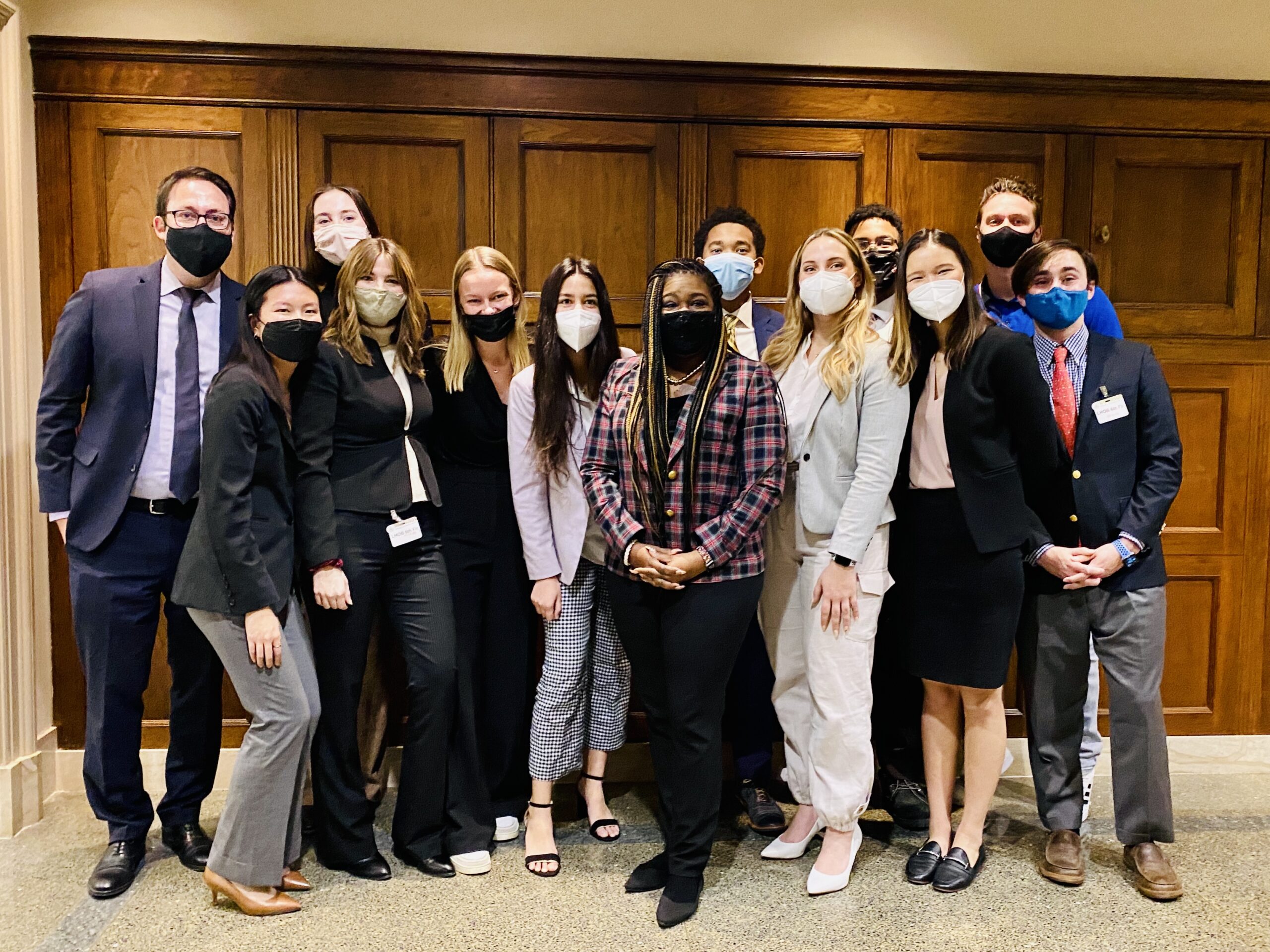
Our task force meeting Congressmember Bush last semester. She was truly inspirational.
When you are a first-year, you hear about the Senior Thesis, the Junior Paper, and independent research. While these may seem daunting and unexciting, they are actually some of the most unique and amazing parts of the Princeton experience. Most juniors do independent research within their respective majors. As a SPIA major, I took a Task Force in the fall, where I worked with a professor and team of SPIA students to achieve a policy mission, and I am now in a Research Seminar, where I am doing more quantitative research on a new policy issue. In this post, I would like to share my experiences in my task force last semester in order to help you gain an understanding of what independent research could look like, and how truly incredible it can be.
This semester, I am doing junior independent work in the Arnold lab group at Princeton, which is based in the MAE department but also focuses on materials science, which is what I am interested in. My project investigates creating graphene aerogels from protein precursors, which basically means that I get to select different proteins of interest, freeze-dry them, pyrolyze them, and then see if they create graphene by examining them under a scanning electron microscope (SEM). These graphene aerogels are interesting materials because of their high porosity and conductivity, making them promising for applications to energy storage, which is why we are interested in researching them.
I thought it might be interesting to highlight a week in my life (well, actually two weeks) to give some insight on what lab-based independent work can look like during the school year. I want to note that this is only my experience as a CBE major, and independent work can look very different for other majors. If you’re an underclassman interested in doing junior independent work or just curious about what that could entail, I hope that this post can provide some insight.
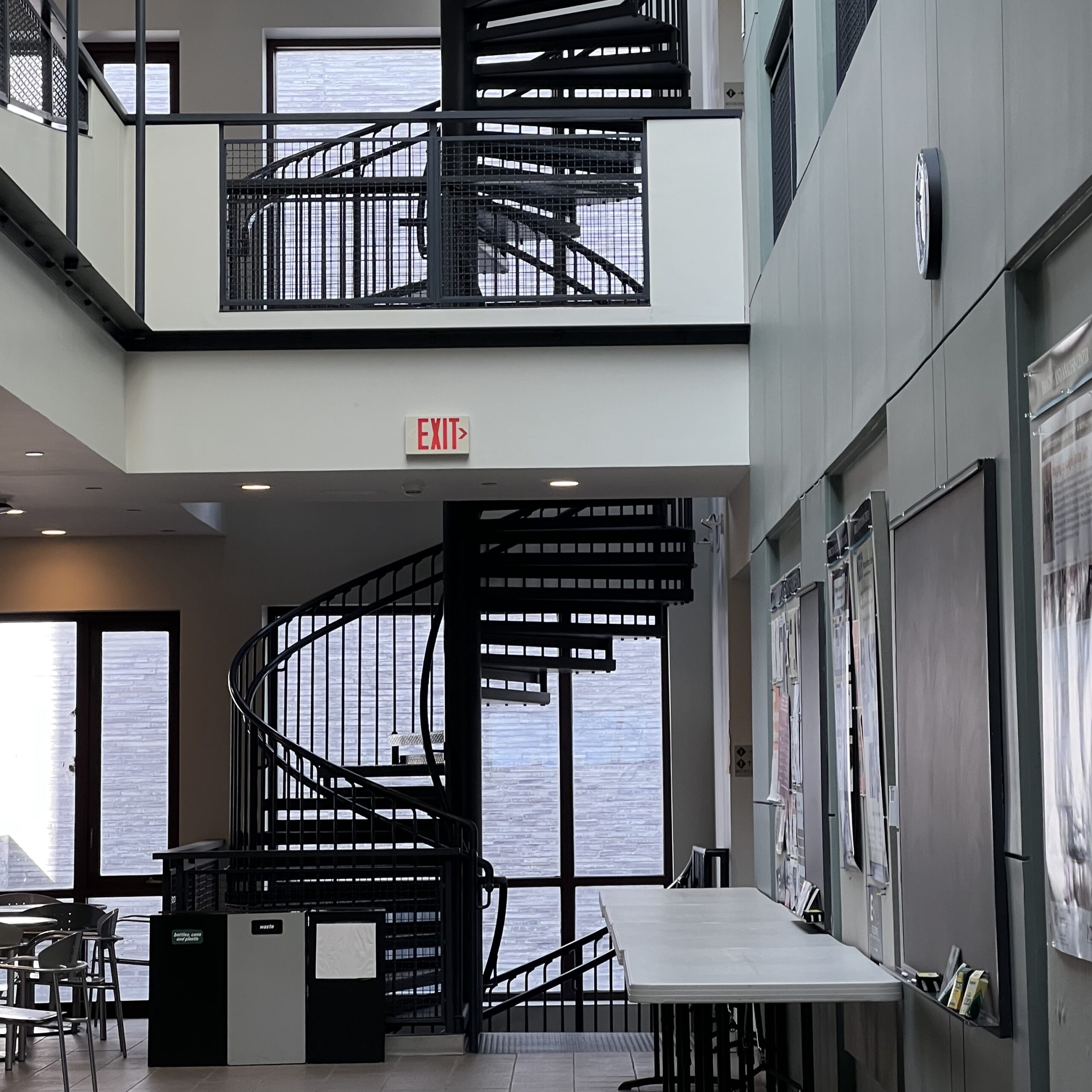
The inside of Bowen Hall, the hub of the Princeton Institute of Materials and where my research lab is.
In the fall of 2021, I worked in the Computational Turbulent Reacting Flow Laboratory under the guidance of Professor Michael Mueller. In the Mechanical and Aerospace Engineering (MAE) department, junior independent research is optional. I enrolled in MAE339: Junior Independent Work in the fall and am currently continuing my research this spring semester. Research was an integral part of my high school experience, and I was excited to start working on independent research in my junior year of college in a different setting. Now, I want to share a few of the lessons I learned from this past semester with you:
Logo of the Computational Turbulent Reacting Flow Laboratory.
As a B.S.E junior doing independent work for the first time, I am already anticipating the stressful cram at the end of the semester that comes with senior thesis and junior independent work deadlines. As busy Princeton students, we often don’t think that we have enough time in the week to work consistently on our independent work, and thus, a lot of it inevitably gets pushed off to the weeks (and days) before the deadline. But it doesn’t have to be this way. Putting together a comprehensive plan to organize and budget your time at the beginning of the semester can save so much hassle down the road. Therefore, I think it will be helpful to walk through how to create a plan for independent work over the course of the semester.
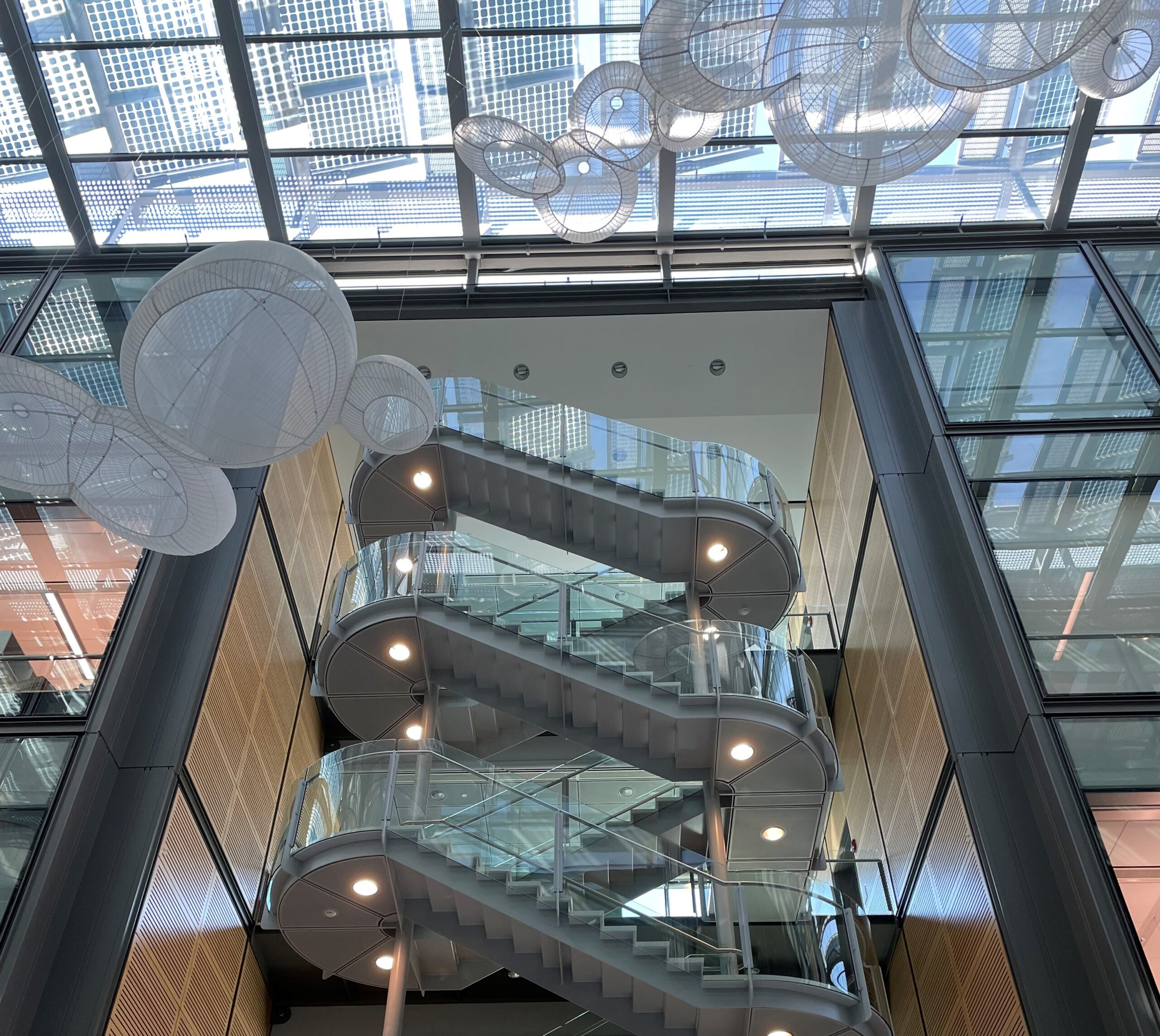
Inside Firestone Library, where many students will be writing the bulk of their independent work this semester.
My zees (Kyung and Jaehee) and I getting ready for Clash of the Colleges. Whales love research!!!!!
On campus, I am a Residential College Adviser in Whitman College. It is by far the most meaningful part of my Princeton experience and I am thankful every day to have such amazing advisees (zees). In the fall, I decided to interview some of my zees on the incredible research that they have done on campus and how they became involved in this research. My freshmen show that research does not always mean working in a lab or on a senior thesis like many often assume. There are so many different ways to become involved with research on campus, whether it’s through writing a paper or joining an academic club. My hope is that seeing the research that my zees did last semester will inspire you to do your own and also show you what research on campus can look like for first years. So, without further ado, here is the research conducted by the most legendary zees of all time:
With the COVID-19 pandemic, my ability to participate in lab work, which I had imagined would be a key part of my university experience, was quite limited. While my remote research experiences taught me many interesting skills, such as using computational tools like Gaussian and PyMol, I was eager to start lab work in-person once restrictions allowed for undergraduate research. With my previous remote internship during the Leach Summer Scholars Program, I continued working with the Knowles lab with my summer mentor on a new project. I wanted to share the lessons I’ve been learning after my first few months in the lab which I hope will be helpful and relevant for you!
The chemistry labs are all housed in the beautiful Frick Chemistry building!
In one of my previous posts about taking advanced courses in Princeton, I mentioned that I ended up taking two courses with Professor Iqbal Zaidi – ECO 353 (International Monetary Economics) and this fall, ECO 322 (Econometric Tools for Research in Macroeconomics) – both of which turned out to be some of my favorite experiences at Princeton. I recently interviewed him to know more about his career and how he came to specialize in international macroeconomics. After completing his Ph.D. from Princeton, Professor Zaidi worked for three decades at the International Monetary Fund (IMF), working in several positions and going on to serve on its Executive Board and manage IMF offices in Africa and Asia. He is now back at his alma mater, teaching specialized courses in macroeconomics. He also serves as an A.B. Academic Adviser.
I am dividing the interview into two parts. In the first part of my interview with Professor Zaidi, I concentrate on his career – specifically, what made him join the IMF after completing his Ph.D. at Princeton. The second part continues with his experience at the IMF and we then segue into his life in academia and what he loves about teaching and advising in Princeton.
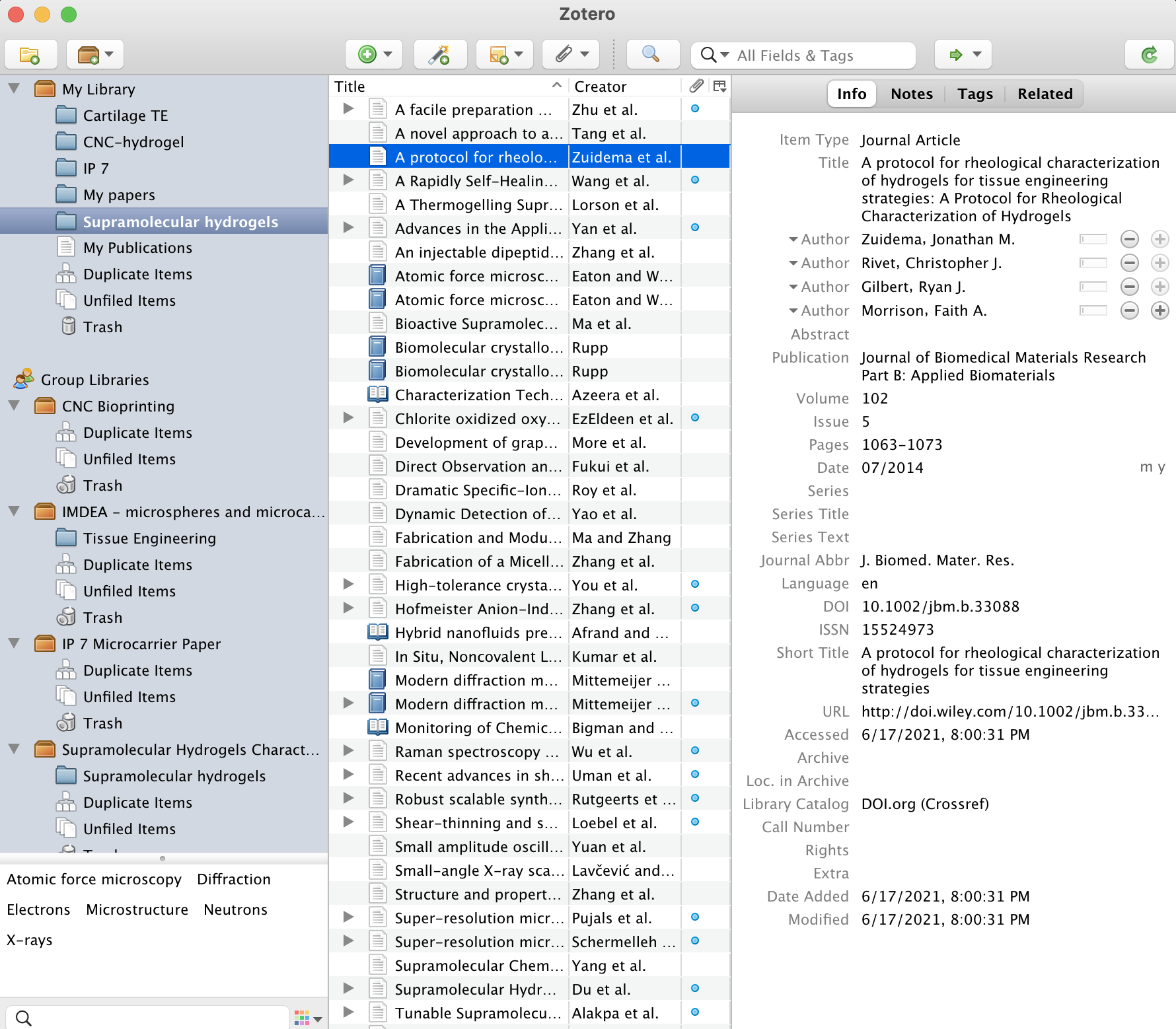
Before this summer, I had never heard of Zotero, Mendeley, or any reference management applications, and instead, I usually turned to APA or MLA style guidelines and did my citations by hand. However, it can be cumbersome to manage all the references at once, especially when writing papers that have a seemingly never-ending list of references. This is where Zotero or Mendeley can help out. I first started using Zotero during my summer internship when I was writing two biomaterials review papers, which I mentioned in my last post. Both of these papers had around 120 references, making a reference manager like Zotero an essential tool for keeping track of all the citations.
I would highly recommend using a reference manager for longer projects or papers, such as for junior independent work or senior theses, because it helps with organization and saves you time when adding references. In this post, I put together a guide for using reference managers, specifically Zotero because I am most familiar with it. However, take a look at this previous post on using Mendeley if you want to learn more about that.
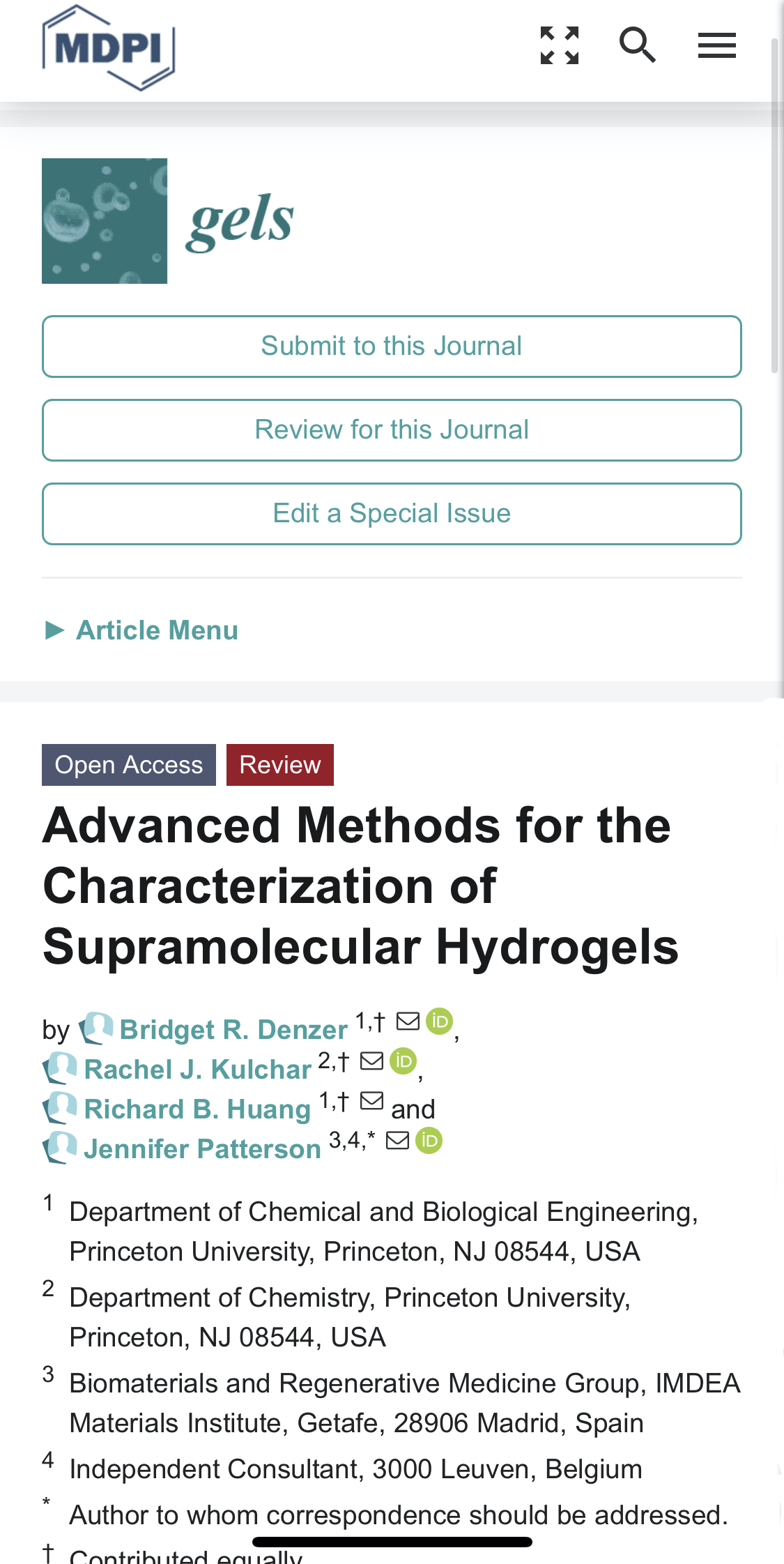
An important part of research is writing and publishing papers in peer-reviewed academic journals. Through a Princeton-alumni sponsored internship last summer, I was fortunate enough to co-author and publish two materials science review papers, one in a journal called Gels and the other in the International Journal of Molecular Sciences, both a part of the Multidisciplinary Digital Publishing Institute, or MDPI. Since the publishing process was entirely new to me, I thought it would be helpful to give some insight into what publishing looks like, which is helpful especially if you are interested in pursuing research in graduate school. I will note that although having published papers is helpful for admission to graduate school, it is by no means required.
One of the review papers that I co-authored and published through my summer internship