Categories
Get Started with Research Independent Work Present & Publish Findings

How to Pick a Research Topic

Struggling to pick a research topic? We’ve all been there. Starting can be one of the hardest parts of research. There’s so much pressure to have a good topic that finding one becomes difficult. With that in mind, I’ve compiled some tips to ease this process.

1. Consider your personal interests. If this is a JP or thesis, you will be spending between a semester and an entire year delving into your topic. Make sure you like it! Finding something that genuinely piques your interest will help keep you engaged months down the road. I am lucky to have found Brazilian art therapy pioneer Nise da Silveira, whose work — after writing a JP about her and conducting my senior thesis research abroad on her — continues to keep me curious.

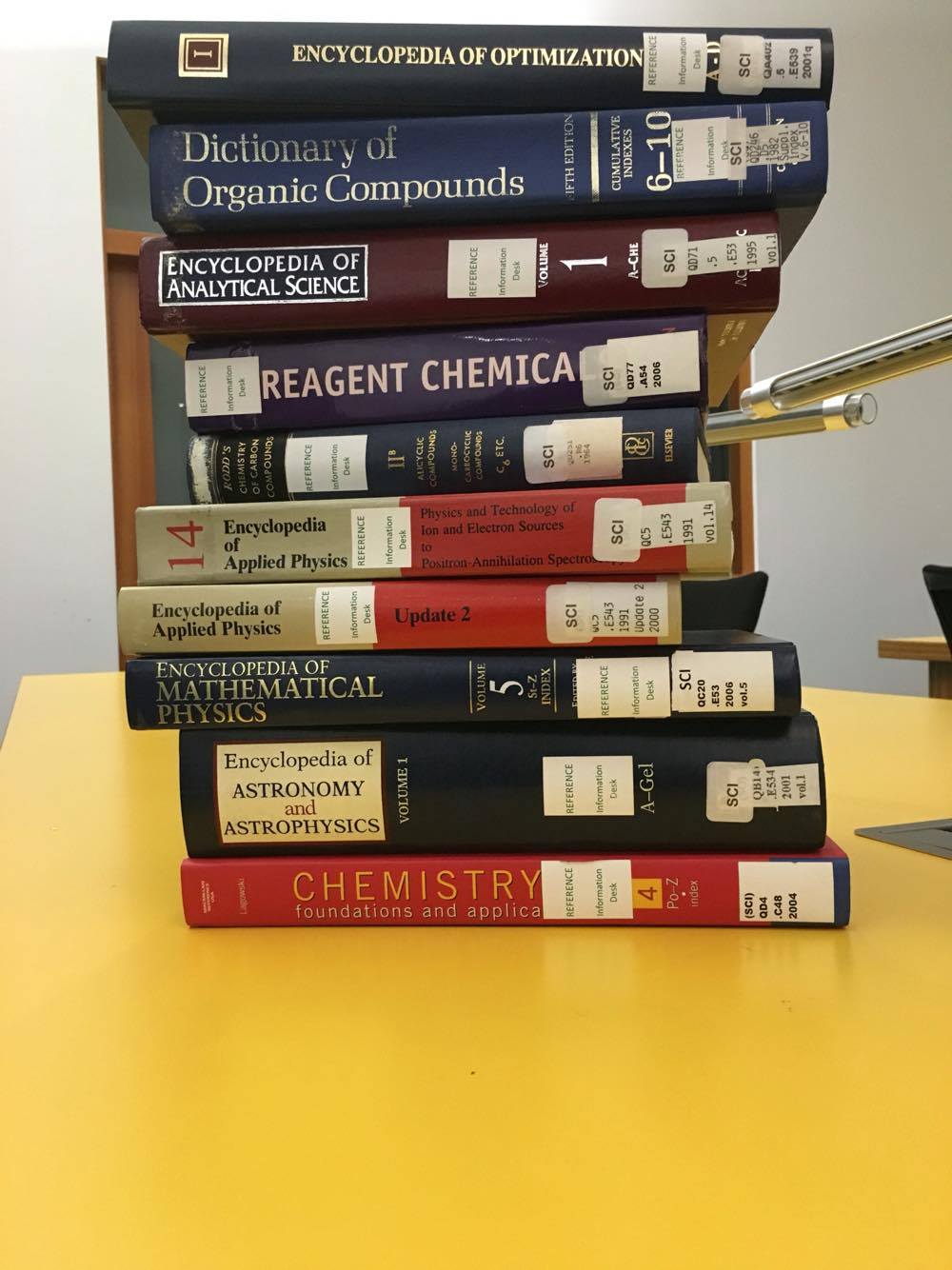
As I develop my thesis research, I hope that I continue to be interested in learning more. After all, just this summer, even before stepping foot in Firestone, I accrued this stack of books!
Crossing my fingers that my thesis topic continues to intrigue! After all, just this summer, even before stepping foot in Firestone, I accrued this stack of books!

2. Read a little about something that fascinates you. Interested in learning more about Mayan basket-weaving traditions? Find a few books or articles about it and start reading! Afterward, assess your feelings. Are you intrigued to learn more, or did you get bored halfway through? Read these signs — they can help you distinguish between topics that pique your interest at first, and those that will give you the stamina to keep reading months later.


3. Set up a meeting with your professors. I’ve written before about how helpful it can be to tap into what your professors might think. For my thesis, I knew that I was interested in a community project in Rio that used art to foster mental health, but wasn’t sure where to start. So I set up a meeting with a professor to talk about it. He suggested I look into Nise da Silveira, and I haven’t looked back since.
Categories
Present & Publish Findings

The Imp Walks in the Door: Creativity in the Research Process

Staring at my computer screen, I blink. The black cursor, a vertical slit of a pupil, blinks back.

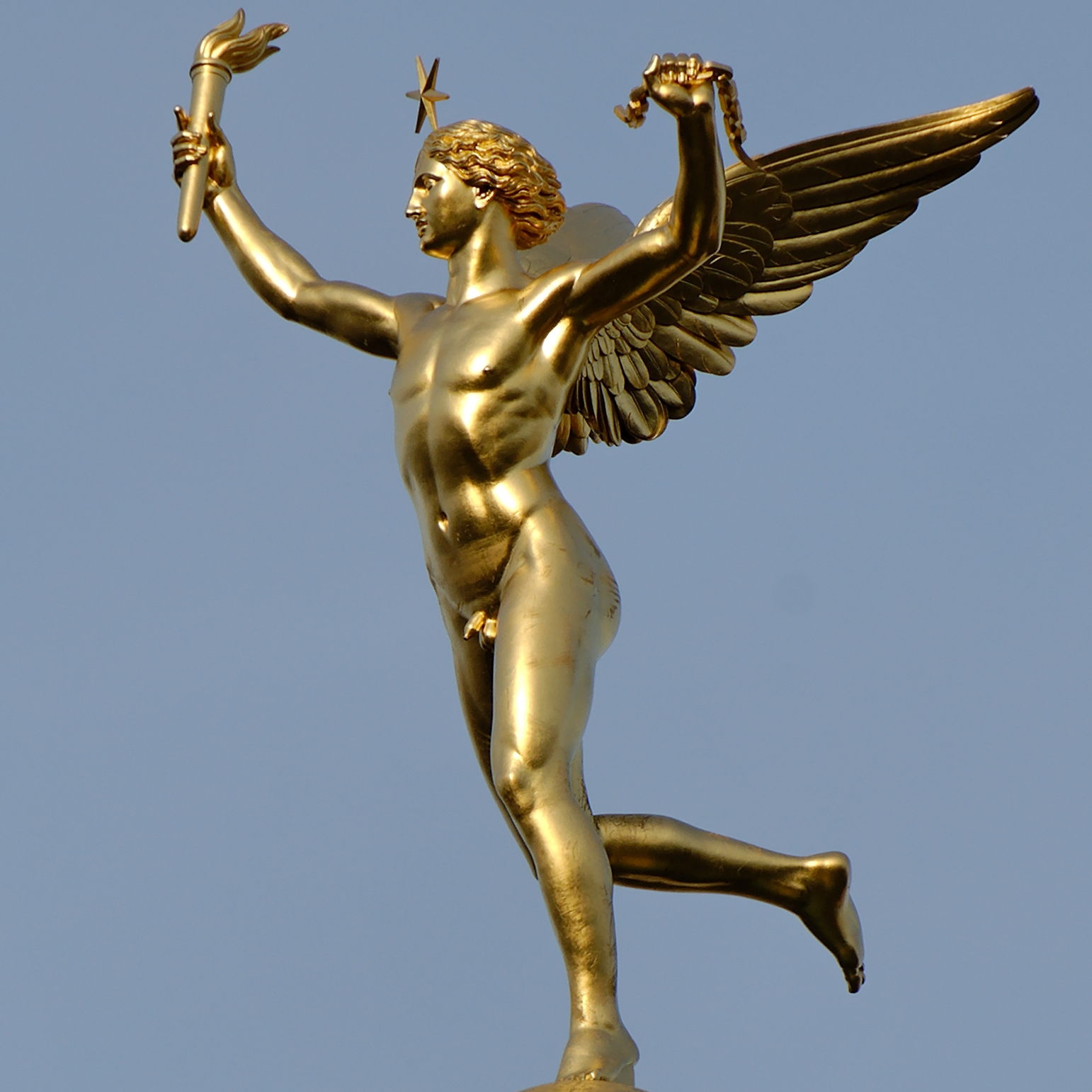
The Romans thought of genius as a winged spirit, not a mortal artist. Here, Augustin Dumont’s 1833 rendering of the Genius of Liberty.

Uh-oh. I am trying to write the first essay for my environmental nonfiction class. But, sitting down to write, I can already feel the despondent haze of writer’s block descending. I swivel in my chair. I check my email but have no new messages. I type fdsajkl; on the first line of the page, and then delete it. What’s wrong with me? I think. Am I a writer or not?

Categories
Plan Beyond Graduation Present & Publish Findings

On Action and Optimism: Notes from the 13th International Coral Reef Symposium

In the summer of 2016, it is difficult to find optimism in the field of environmental science.

Yet last month, I gathered with a throng of 2,500 coral reef scientists for the International Coral Reef Symposium (ICRS) in Honolulu. Knowing the extent of the tragic coral bleaching and death that has unfolded on coral reefs this year, I expected a week of doom and gloom. But, to my surprise, the conference gave me more cause for hope than for pessimism.

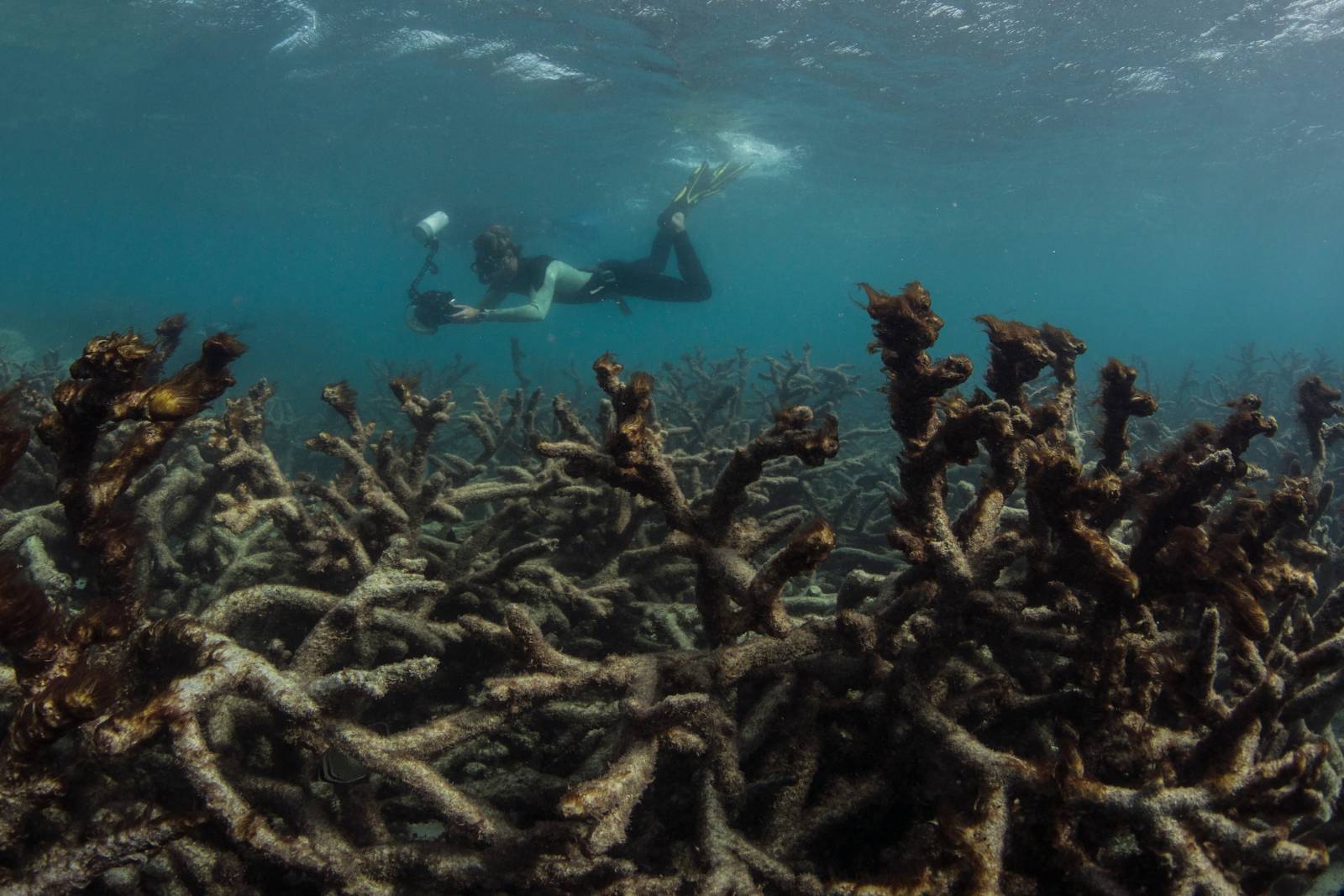
A wasteland of dead coral on Lizard Island, the Great Barrier Reef, this June. High temperatures have caused record bleaching and coral death this year.
A wasteland of dead coral on Lizard Island, the Great Barrier Reef, this May. High temperatures have caused record coral bleaching and death this year.

This is not because the situation facing coral reefs is any better than I’d thought – if anything, it’s worse. Rising greenhouse gas concentrations, warming waters, and stagnant politics have put the biodiversity of coral reefs, along with many other ecosystems, into a sharp decline. On the Great Barrier Reef – a vibrant ecosystem so structurally significant that, unlike the Great Wall of China, it can be seen from space – nearly 25% of coral is dead, from this year’s bleaching alone. At one panel at ICRS, researchers shared photographs and time-lapse footage of coral bleaching and subsequent death around the world. As they flicked through photo after photo, the conference hall adopted the atmosphere of a funeral.

No, things are not looking good for coral reefs, or for many other ecosystems struggling to keep up with the whirlwind of environmental change that stems from human overpopulation, consumption, and industrialization. One scientist, Peter Sale, called coral reefs a “canary” in the proverbial coal mine that is our changing earth. “There are a whole bunch of canaries that are at risk,” Dr. Sale said. “And when the canaries go, our civilization goes.”

Categories
Present & Publish Findings

Moving Out: A Nostalgic Reminder of the Power of Research Stories

Although I was very excited to be done with finals, I was definitely not-so-thrilled about packing and storing my things before summer. After discovering that we lose access to our rooms two days earlier than expected, I’ve had to ‘prepone’ my packing plans (aka I realized that I needed to start packing early). So, in the midst of finals, I decided to take a study break and start cleaning out my desk so that I didn’t have to pull an all-nighter after my last final (which would be dreadfully ironic).

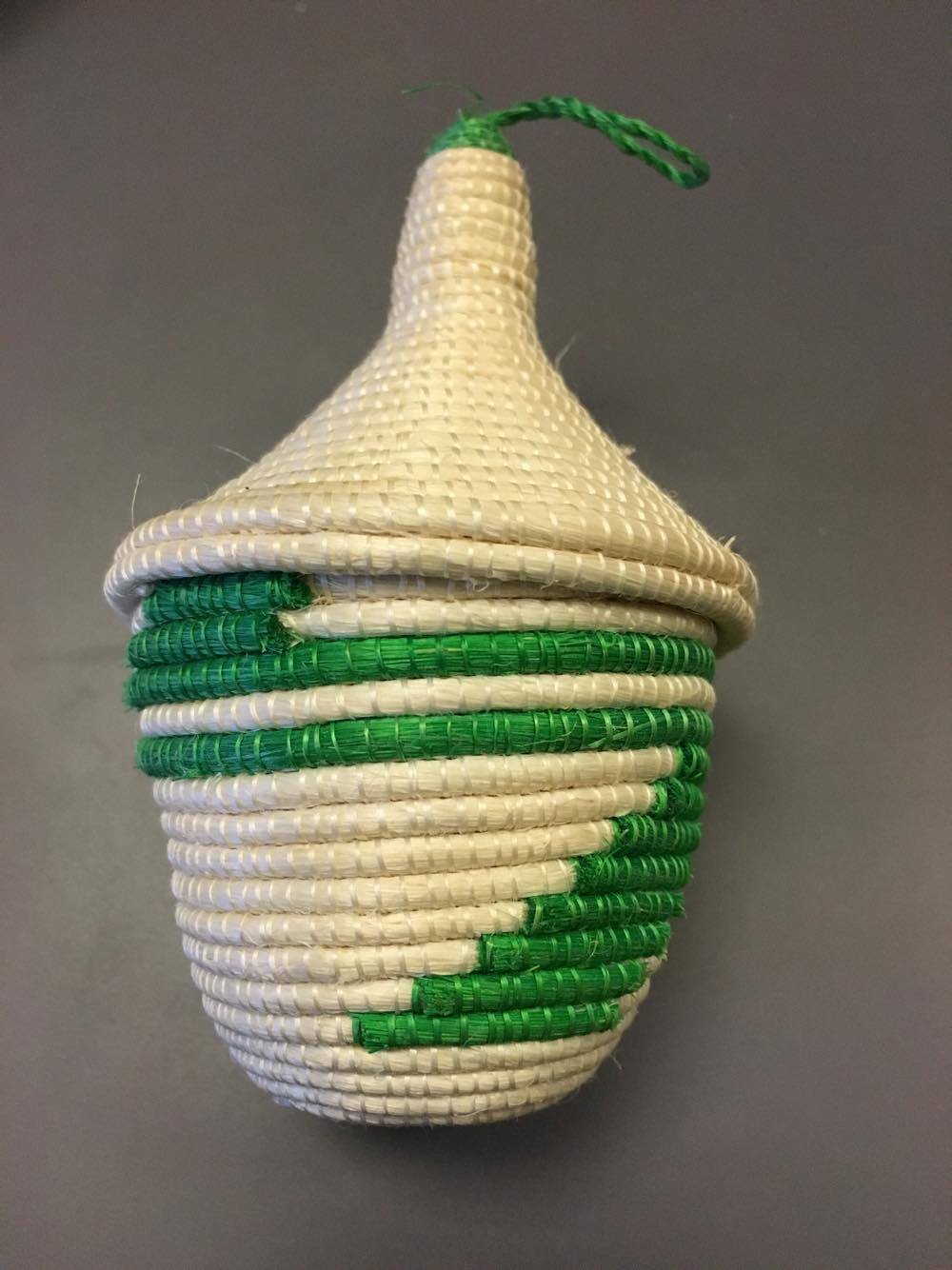
While going through my drawers I found something that I hadn’t actually seen since move-in day of freshman year: a hand-made lidden mini-basket. It took me a few seconds to remember how I had obtained it, but when it came to me, I felt a sudden pang of nostalgia.

The Rwandan hand-made basket that reminded me of an incredibly moving story I heard two summers ago.
Categories
Conduct Research Independent Work Present & Publish Findings

Five Reasons to Download Mendeley Desktop!

As thesis season draws to a close, the last group of seniors are proofreading their final drafts and preparing for the moment they become #PTL forever! Often, the very last thing seniors review is their very, very long bibliography. Bibliographic sources are primarily used in literature reviews, which summarize the relevant work and background in a field. While bibliographies may serve as the last page of theses and research papers, they can also prove to be a huge headache for the researcher who has neglected them. Among several other potential issues, missing in-text citations and/or incorrectly citing sources can negatively impact the credibility of a research paper. Keeping an organized bibliography throughout the whole research process can work wonders to prevent this kind of confusion.

Two summers ago, I learned this lesson firsthand when I spent hours trying to find and cite sources for the intro section of a chemistry research paper. My lab supervisor suggested I download an application called Mendeley Desktop, and it has probably ended up saving me hundreds of hours since then.

13120774_10154207651538804_1152846791_o
Imagine trying to cite all of these sources by hand! With the help of Mendeley, you won’t have to!

Mendeley is an online and desktop program that lets users upload research papers, publications, journals, etc. and manage them in an organized library. It is probably best known for its referencing features, which help users generate citations by simply uploading the relevant research papers. In high school, that’s what I primarily used Mendeley for; my research partners and I created our own account where we stored all of the relevant literature in one library. But just last week, I re-downloaded the latest version of Mendeley and was pleased to see some awesome new features. Below, I’ve detailed the top 5 features that I find most useful:

Categories
PCUR News Present & Publish Findings

Princeton Research Day: Something for Everyone

Looking through the recently released program for Princeton Research Day, I am reminded that research is not just conducted by people in lab coats. It is conducted by everyone.

The 162 projects represent over 50 departments and programs. Nearly 200 dfr_pfd_newsletter_masthead_4x6undergrads, grad students, and postdocs will present — everyone from artists to biologists to computer scientists to sociologists to policy makers. And that’s not to mention all the interdisciplinary overlap!

I know that we are all busy this Reading Period, writing papers and studying for exams. But give Research Day a chance! There is such value in stepping away from our own work to appreciate the passion and dedication that these students are putting into theirs. I’m not going to push any one project on you. But, why not take a look for yourself? Skim the program and see if any presentations spark your interest. Come see a few of them as a well-deserved study break on May 5th. Who knows? Maybe you’ll discover a topic you never knew you liked. I can promise you that, at the very least, you’ll learn something new by attending #PRD16.

— Dylan Blau Edelstein, Humanities Correspondent

Categories
Independent Work Plan Beyond Graduation Present & Publish Findings

Write something, write something awful, write everything

Unfortunately, writing isn't just the process of typing, or stamping words on paper. How do we get the words flowing in the first place?
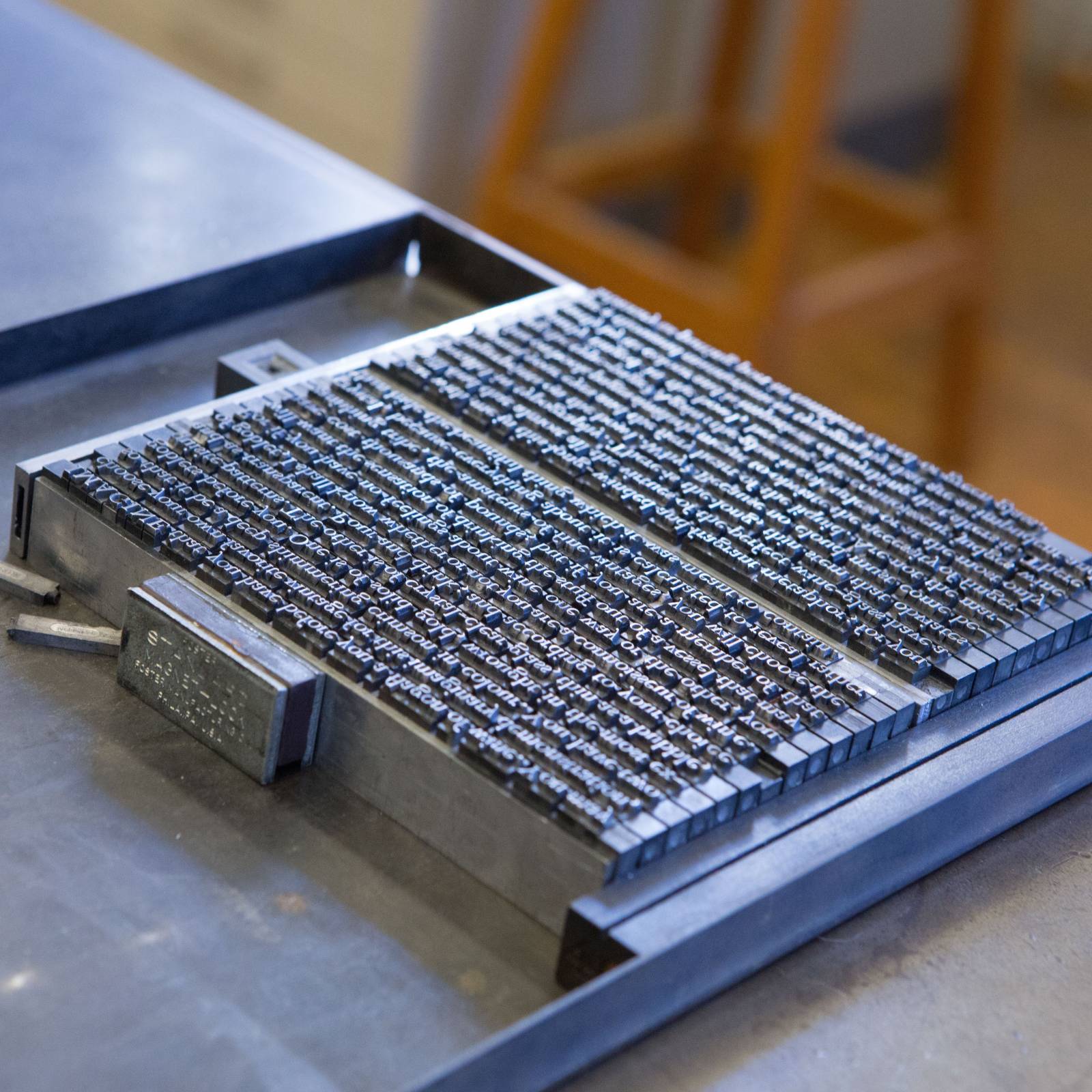
Unfortunately, writing isn’t just stamping words on paper like this printing press does. How do we get the words flowing in the first place?

Recently, I’ve been thinking a lot about writing.

I’m sure part of it is because I just turned in my thesis, the longest written work I’ve ever completed. Another part, I’m sure, is my recent decision to go to grad school for science writing. While I’ve always enjoyed writing, I still find it difficult enough that it’s strange and terrifying to think I may soon do it for a living.

But even if you’re not taking that crazy leap like me, writing is a necessary part of research (among many, many other things). And like every other skill, writing only gets better through practice. But how you practice matters, and so — while much of the advice below can be summed up as “just keep writing, all the time” — here are three particular strategies that have worked for me.

Write something

If you’re stuck, just keep writing. There’s a lot of advice out there about how to make sure you have the best outline (and writing really is easier when you’re fleshing out an outline instead of pushing ahead blindly without any guidance). But even an outline can sometimes feel like too big of a step when you’re faced with the blank page.

Categories
Independent Work Present & Publish Findings

Mentorship in Research: Overcoming Originality

Over the course of the semester, PCURs will reflect on the professors, advisers, and friends who shaped their research experiences. We present these to you as a series called Mentorship in Research. Most undergraduates have met, or will meet, an individual who motivates and supports their independent work. Here, Dylan shares his story.

~~~~~~

“Everything you might write has been written before,” said Professor Pedro Meira Monteiro, my adviser, leaning back into his chair.

I was in a JP meeting in his cozy, naturally lit East Pyne office. The paper had me in high-stress mode, but I was in good hands. Somehow, hearing that all work is derivative and unoriginal did wonders to immediately calm me down.

Let me explain.

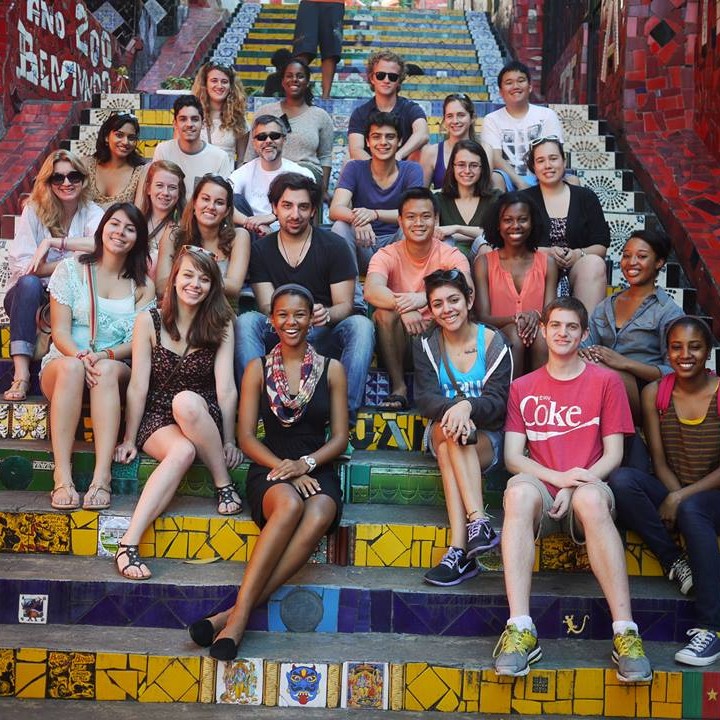
I first met my advisor when he co-taught the Princeton in Brazil program in June 2013.
I met Professor Meira Monteiro when he co-taught Princeton in Brazil in June 2013.

I am writing my JP about Nise da Silveira, a Brazilian psychoanalyst who taught painting and sculpture to schizophrenic patients as a means of treatment. This paper is meant to prepare me for my summer research in Rio de Janeiro, where I’ll look at current artists who use da Silveira’s teachings as creative inspiration. My JP is, to a certain degree, an appetizer — the background knowledge I need to enrich my summer work.

And yet, the deeper I got into my topic, the more I faced the sinking feeling that I couldn’t contribute much to the scholarly discussion — at least not until I got to Brazil and did my interviews.

Categories
Present & Publish Findings

A writer’s window: How poetry is changing how I see the world

In honor of National Poetry Month, my professor, Marie Howe, suggested writing a poem every day for the month of April. “Who’s up for it?” she asked our Advanced Poetry class. “It can be just a few lines. I’ll do it if you do it.”

I was in.

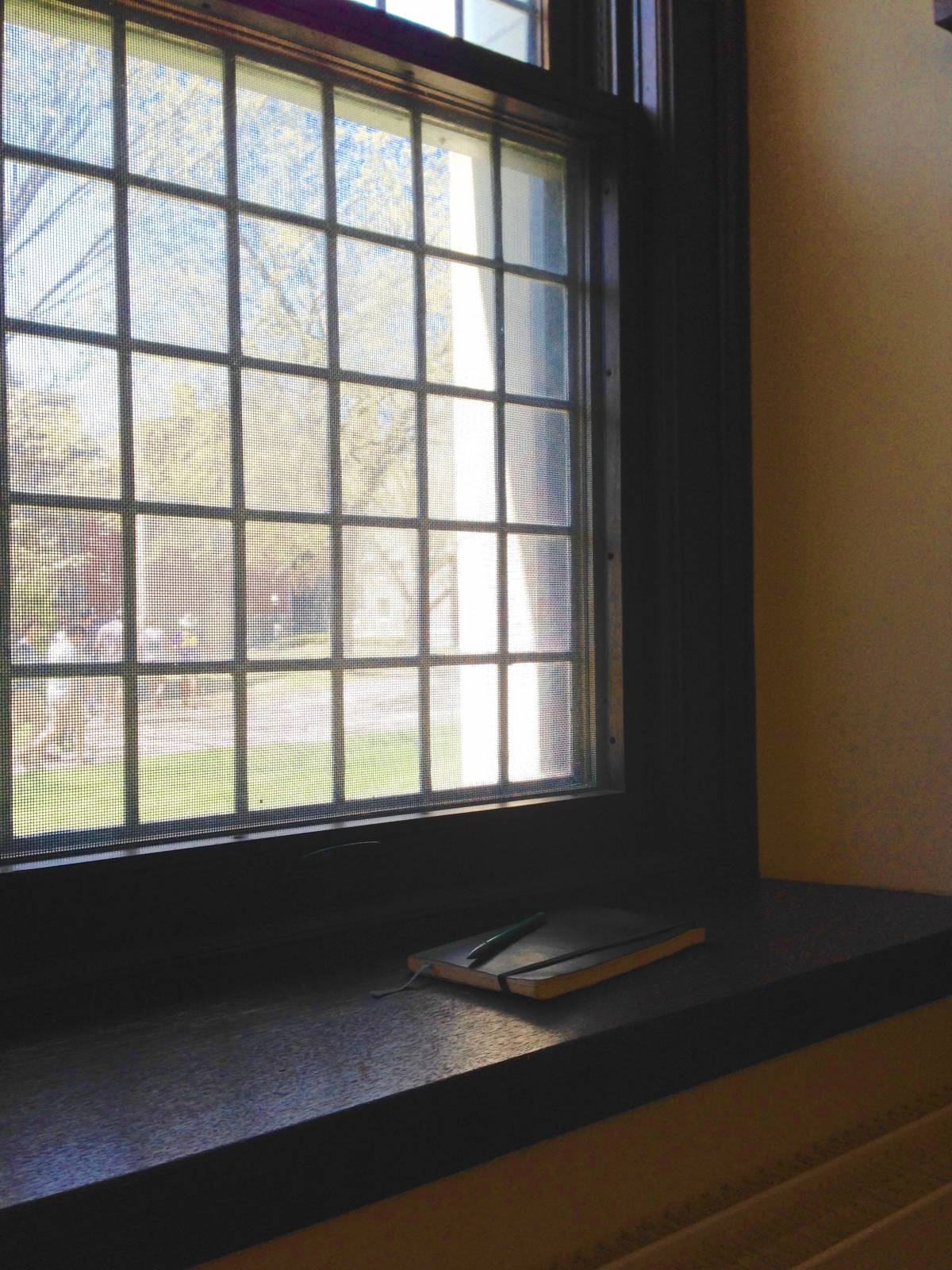
My bedroom windowsill - which, this April, has become my bedroom poetry windowsill.
My bedroom windowsill – which, this April, has become my bedroom poetry windowsill.

I decided to write a poem right when I wake up each morning – figuring this is the only way I’d consistently get it done – and to forego my computer (and its associated, infinite distractions) in favor of a pencil and notebook. Every morning, I roll out of bed, perch myself on the wide windowsill of my ground-floor room, and write a poem.

I was shocked by how easily I could reshape my early-morning habits, and how much doing so affected the rest of my day. With this new routine has come a kind of freedom: my first thought of the day is no longer my calendar or breakfast or to-do list, but something creative and unlimited. I bring this creative lens with me through the rest of the day: watching milk gush over my cereal, stepping out into the April air, listening to a lecture about respiration across the animal kingdom.

Categories
Independent Work Present & Publish Findings

Need to de-stress? Get off campus

2015-09-19 13.29.23
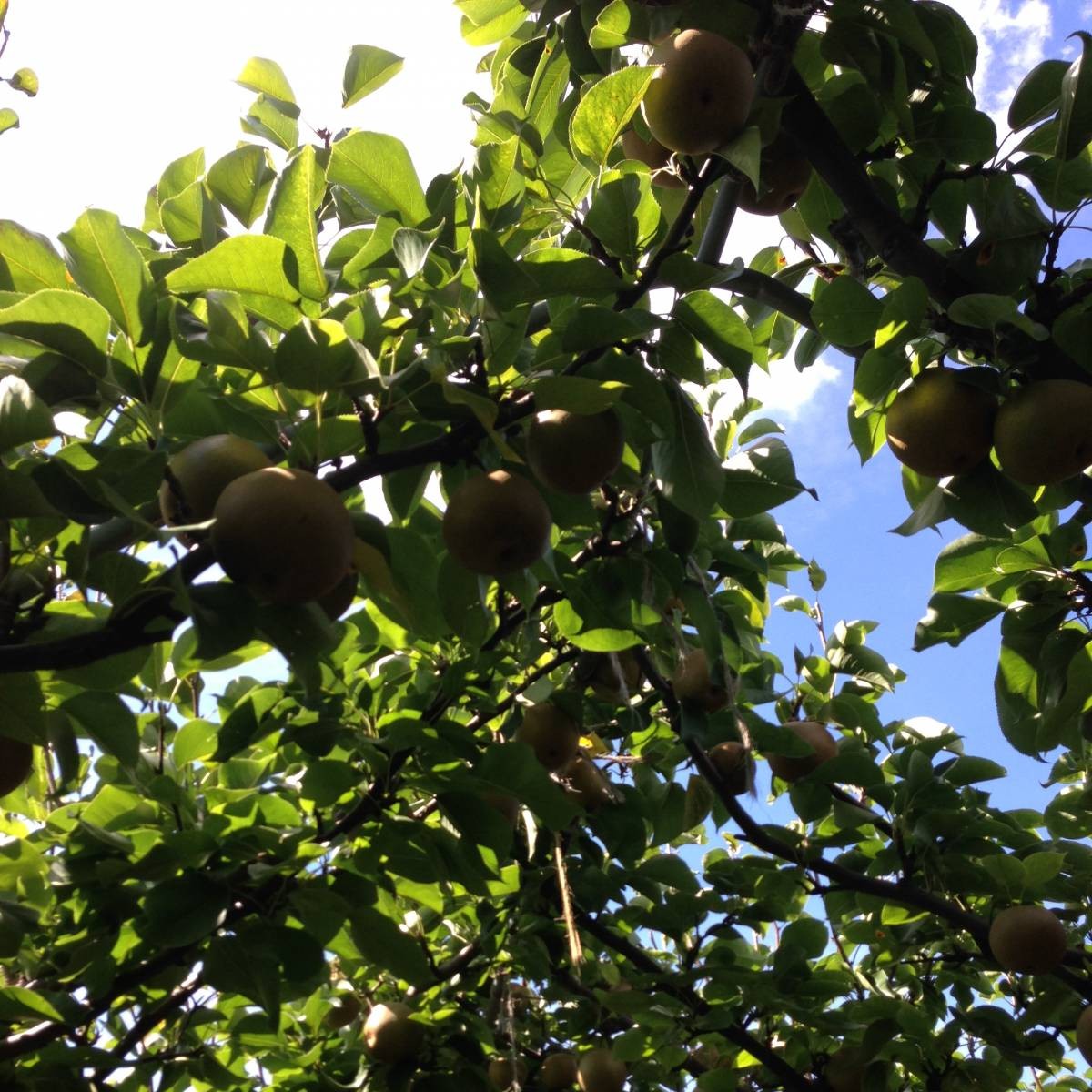
The canopy of a nearby orchard, where I went picking pears earlier this year.

There’s no denying it: It’s hard to escape the “Orange Bubble.” With so much to do on campus, it’s hard to think of reasons to leave our little insulated community. But the deeper I venture into my thesis (due May 2; the coveted Post Thesis Life doesn’t exist for ELE majors), the more I realize how easy it is to get lost in long days of endless work —and how important it is to leave the Orange Bubble once in a while.