
Writing a Junior Paper (or two, depending on your major) can be a stressful process. But it does not have to be that way. Below are some strategies to help you minimize JP-induced stress and streamline your research process.
 Princeton Correspondents on Undergraduate Research
writing process, posters, presentations, conferences, publishing, visual communication
Writing a Junior Paper (or two, depending on your major) can be a stressful process. But it does not have to be that way. Below are some strategies to help you minimize JP-induced stress and streamline your research process.
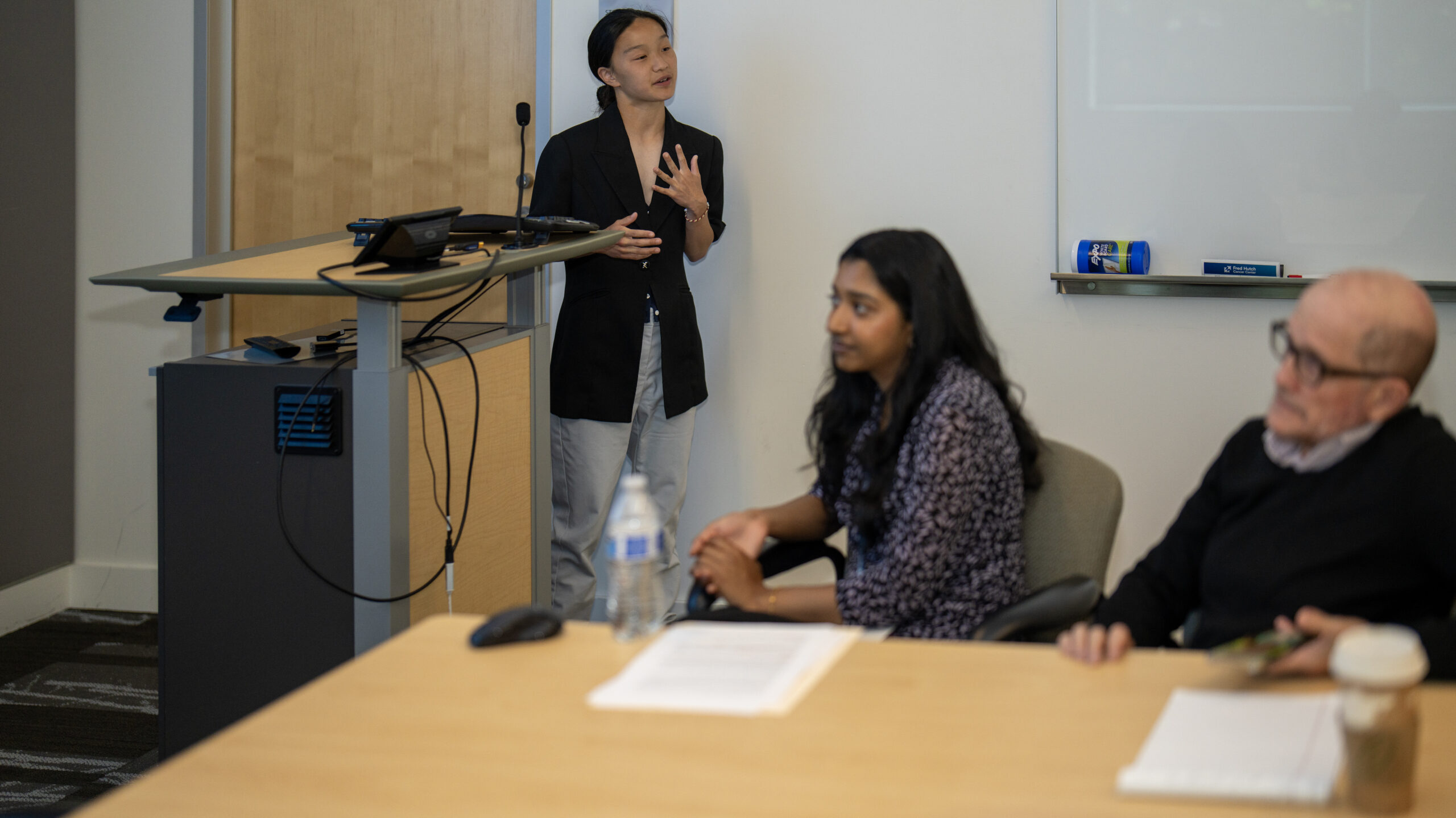
I’ve always believed in challenging myself to learn new methodologies and explore new fields in my research. Yet, there’s a fine balance between tackling a new challenge and feeling over your head. Reflecting on my past summer conducting a project in a completely new research paradigm, I wanted to take a moment to share my experience in the hopes of encouraging other students to be unafraid to undertake novel endeavors.
I had the life-changing opportunity to research the dose-response of the oral antiviral ensitrelvir for treating mild to moderate symptoms of SARS-CoV-2 with the Schiffer Lab starting this past June as an intern in the Fred Hutchinson Cancer Center Infectious Disease Sciences Internship Program. This project employed a very different application of my interests in healthcare and computer programming than I’d ever done before. Wide-eyed with amazement and curiosity, I delved into the fields of pharmacology, clinical trials, mathematical modeling, infectious diseases, and computational simulations. I remember learning about my project goals for the first time and thinking: “Wow, there are thousands of other students who would make a much better intern on this project”. This overwhelming imposter syndrome is something that I’ve often struggled with during my past research experiences when walking into new fields for the first time. But, thanks to the incredible mentorship of the Schiffer Lab and the tips that they shared with me, I overcame this fear and was able to grow into a more interdisciplinary and confident researcher this summer. I hope to pass on this same inspiration to other students here.

“So what does this data mean?” My professor asked, looking at me expectantly. What does the data mean? “What does this data tell you about the cancer cells?” If he thought rephrasing it made it any better, it didn’t. I am not quite sure what I said to save face (and frankly, I really do not want to remember), but I must have said something because my professor just nodded. “When you look at your data, I want you to create a story. It may be a mystery, but then you’d be providing a certain set of clues.”
It is very easy to get caught up in generating data, especially if the data is particularly tricky and you’re concerned about making sure it looks right, generating the right graphs, having the right axes, numbers and titles. It can be a headache. By the time the graphs are done, I would rather not look at it anymore or think too hard about the numbers. However, as lab reports and analysis questions stack up for our classes, it becomes prudent to know how to analyze these graphs. While I am not a seasoned veteran, I have a few tips that helped me approach these types of situations.

If you’re anything like me, you first thought that “research” essentially amounted to surfing the Internet. Back in the glory days of middle school, “research” meant the rewarded privilege of getting to use the laptop carts, productively using class time on googling information about our various project topics (and definitely not secretly playing games). Now, as the mature, worldly college student you now are, perhaps you think you know better. “True” academic research, the clever reader now knowingly tells themselves, is historians dusting through archival documents and scientists mixing frothy chemicals in the lab.
Yet there’s a missing part here: a crucial element that takes us back to our elementary and middle days of excited googling. To make any significant intellectual contribution to any field, one first has to understand the current state of knowledge in that same field. To borrow the term favored by the Writing Program, we need to understand the scholarly conversation. How do we know if we’re making a contribution to something, if we don’t understand what that something is? Understanding the current state of research in a given field is a crucially important skill—really, a prerequisite—for conducting your own effective research in that field.
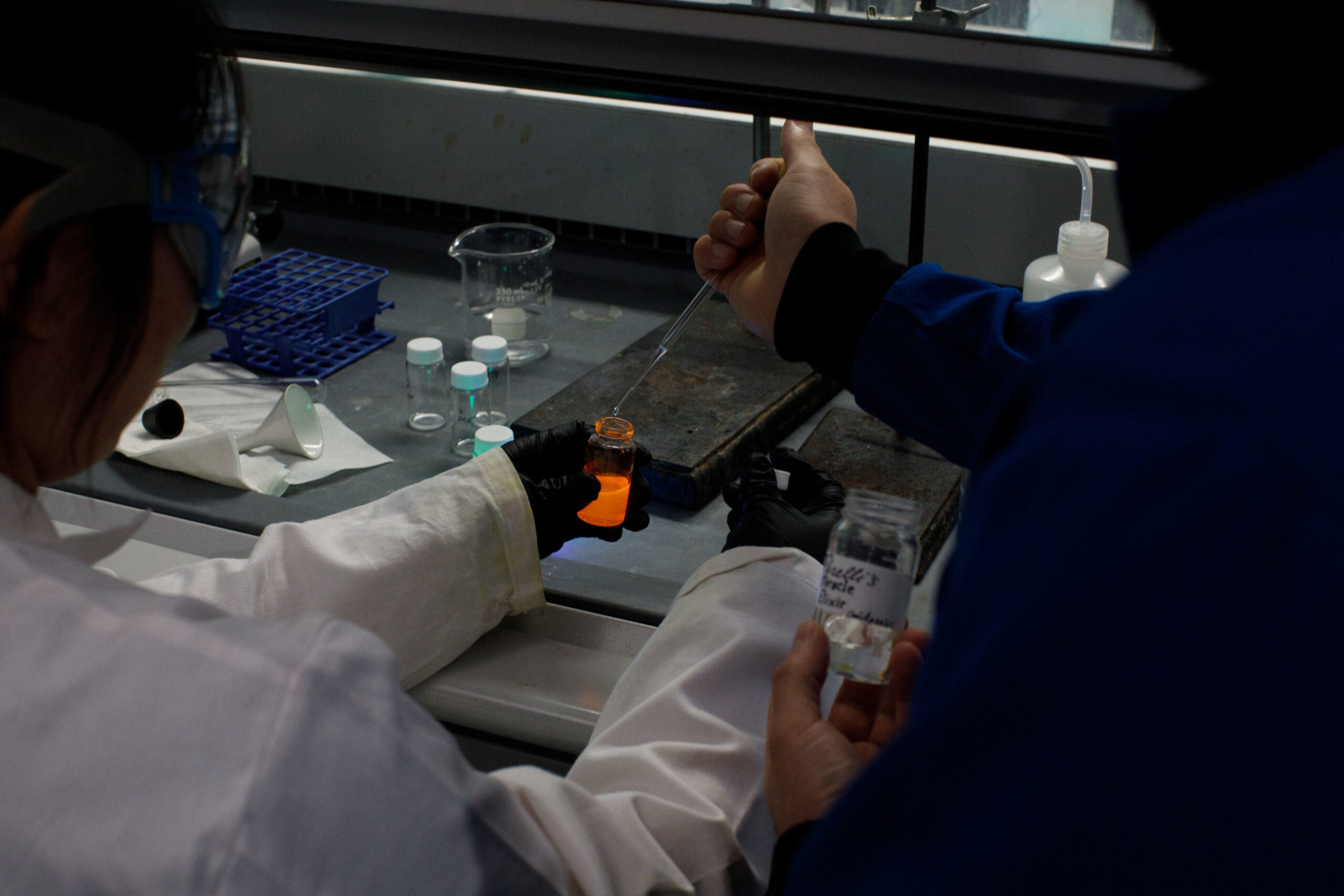
When I first walked into the lab this summer, I thought research was all about running experiments and gathering data. What I didn’t expect was how much the people around me—the mentorship and the shared triumphs and failures—would shape so much of my learning and how I view scientific research.
Starting a research position at a bioengineering lab over the summer was really intimidating for me, especially as an undergraduate. At the start, I felt like the most inexperienced person in a room full of graduate students, postdocs, and faculty who seem to have it all figured out. Although I’ve learned or at least seen a lot of the quantitative and qualitative components in my Chemical and Biological Engineering course, I did not have much hands-on experience and critical thinking that comes with actually doing experiments. That’s when I realized how big of a role a mentor plays.
Each month in the Office of Undergraduate Research newsletter, we highlight recent posts by Princeton Correspondents on Undergraduate Research (PCUR) authors. This month, we are looking back on ten years of PCUR as we celebrate the tenth anniversary of OUR.
PCUR began the same year as OUR – with the first posts published in September 2014. We invited PCUR alums to share their perspective on their time as a correspondent, including two who were part of the very first PCUR cohort. Read on to learn about how PCUR serves individual correspondents and the larger Princeton community alike, and if this all sounds like something you’d like to be a part of, Princeton first-years through juniors are encouraged to apply here to join PCUR next fall.
Whether writing a paper or providing a presentation, you will often find yourself relying on the completed work of others to synthesize information about a subject. An essential part of using these outside sources is to give their owners rightful credit in your references! Read some tips below on making citations easier.


While it may feel like the semester has only just begun, classes are in full swing and, already, junior paper (JP) deadlines are fast approaching. For many majors, the spring semester is where the bulk of the JP work actually takes place. Whether that means writing thousands of words, crunching monstrously large datasets, or debugging hundreds of lines of code, I think we all can agree that a JP draft is better not left to the last minute.
One of the biggest challenges all Princeton students face with independent work, however, is figuring out where they can even find the time to start. With a full course load, weekly assignments, and a myriad of extracurricular obligations, just when exactly is a student to work on their JP? Read on for three tips on how you can fit your JP into a hectic schedule. With the right daily habits, supports, and mindset, you may even find that you enjoy the process more than the final product.
Have a presentation for one of your courses and unsure where to start? Or maybe you need to present for a research symposium? During your undergraduate years, you will come across many times when you may have to give a presentation to present your research for coursework or perhaps for an individual research pursuit. Here are some tips to help you present easily and effectively!

One of the major differences between the A.B. and B.S.E. courses of study at Princeton is that A.B. students are required to take (or test out of) at least four semesters of a language class. Studying a foreign language is, therefore, an essential part of studying the humanities at Princeton. There are many good reasons for studying a foreign language (besides simply needing to fulfill the language requirement)— perhaps you want to live or study in a different country, you might envision some professional advantages from knowing a foreign language, or you simply see studying languages as a new way to connect with others. Many Princeton alumni have successfully put their language skills to use in these sorts of pursuits. I’d like to offer another reason in addition to these: studying a foreign language at Princeton can prepare you to do exceptional research.
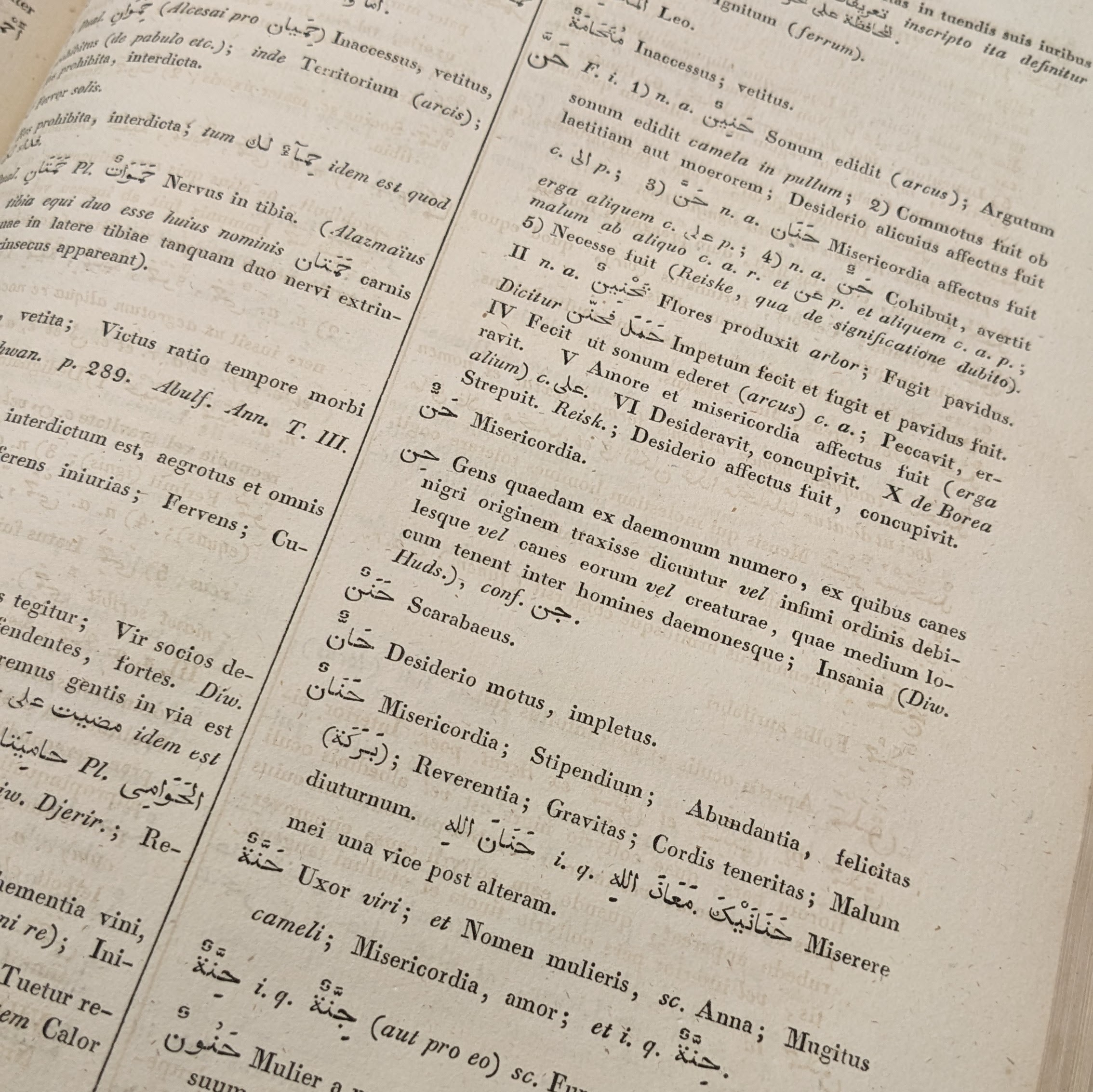
A page from an Arabic-Latin dictionary