Although things have been looking brighter on campus, with a decrease in COVID cases and happier weather, the threat of COVID-19 still remains and can be a daunting obstacle. I tested positive for COVID-19 last month, and I was lucky enough to get through it, but an extra stressor was definitely keeping up with my classes while being in isolation. Everyone’s experience is different, especially when it comes to symptoms and classes, but I hope that my advice can help you get through a tough time if it ever comes to it.
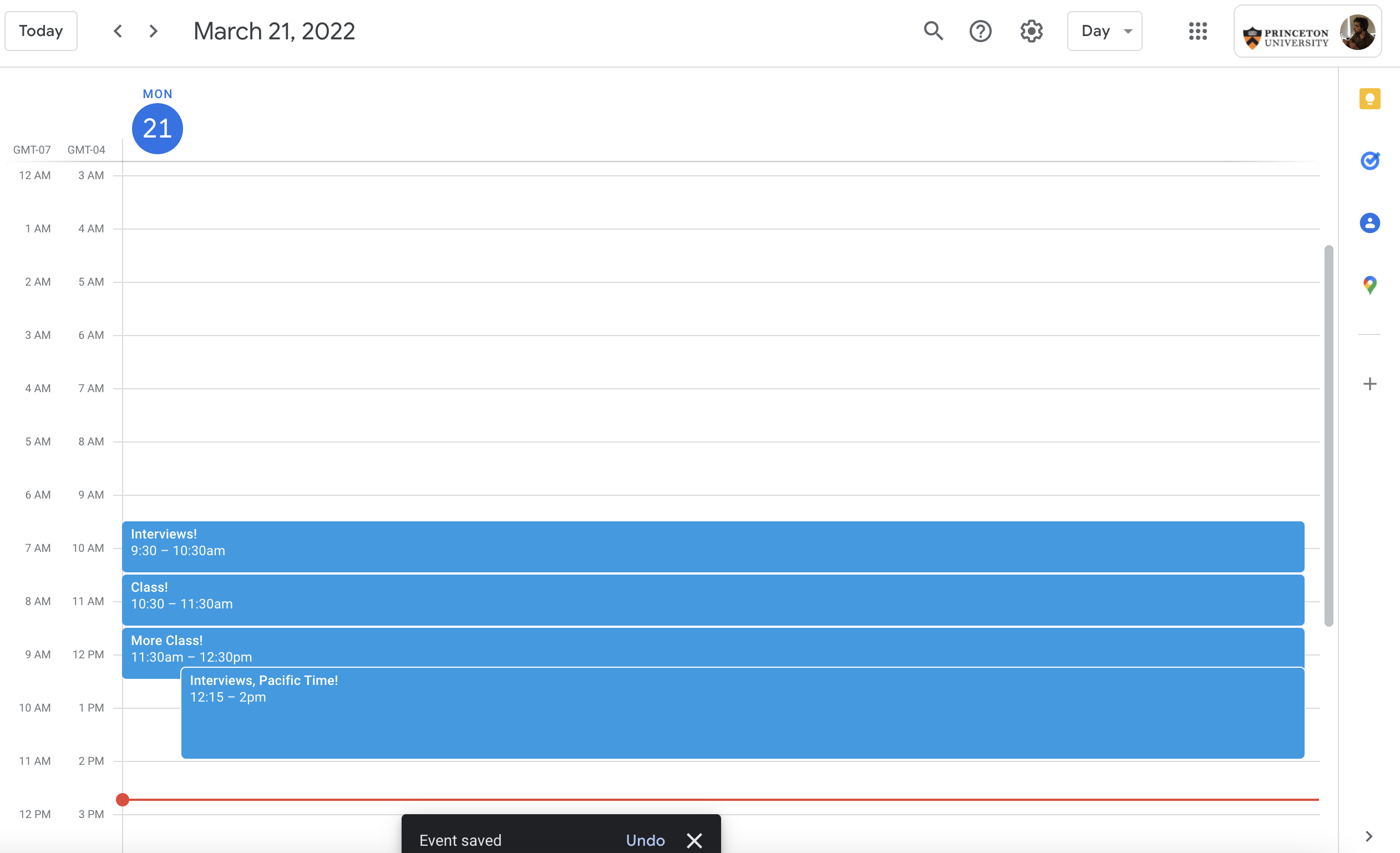
Earlier this winter, I received an email inviting me to a day’s worth of interviews for an MD/PhD program. This invitation included a schedule with Zoom meetings that extended much later into the day than I expected. As a result, these meetings conflicted with some of my classes as well as a meeting for an extracurricular activity.
We’ve all been there: something comes up and we can no longer make it to a class or meeting on our calendars. Whatever the reason, there’s a special kind of stress that comes with realizing you’ll need to cancel on someone. When will you have a chance to make this up? Will your colleagues and professors be upset with you?
I’ve also been on the other side of the equation: as a supervisor for Murray-Dodge Café, I’ve received my fair share of emails from students needing to miss a shift or a meeting. While the best way to handle these situations is to avoid them altogether, that isn’t always possible, so in this article, I’ll share some of my tips for handling these sticky situations!
Displaying a secondary time zone on my Google Calendar really helped me stay on top of my interviews and course schedule!
This semester, I am doing junior independent work in the Arnold lab group at Princeton, which is based in the MAE department but also focuses on materials science, which is what I am interested in. My project investigates creating graphene aerogels from protein precursors, which basically means that I get to select different proteins of interest, freeze-dry them, pyrolyze them, and then see if they create graphene by examining them under a scanning electron microscope (SEM). These graphene aerogels are interesting materials because of their high porosity and conductivity, making them promising for applications to energy storage, which is why we are interested in researching them.
I thought it might be interesting to highlight a week in my life (well, actually two weeks) to give some insight on what lab-based independent work can look like during the school year. I want to note that this is only my experience as a CBE major, and independent work can look very different for other majors. If you’re an underclassman interested in doing junior independent work or just curious about what that could entail, I hope that this post can provide some insight.
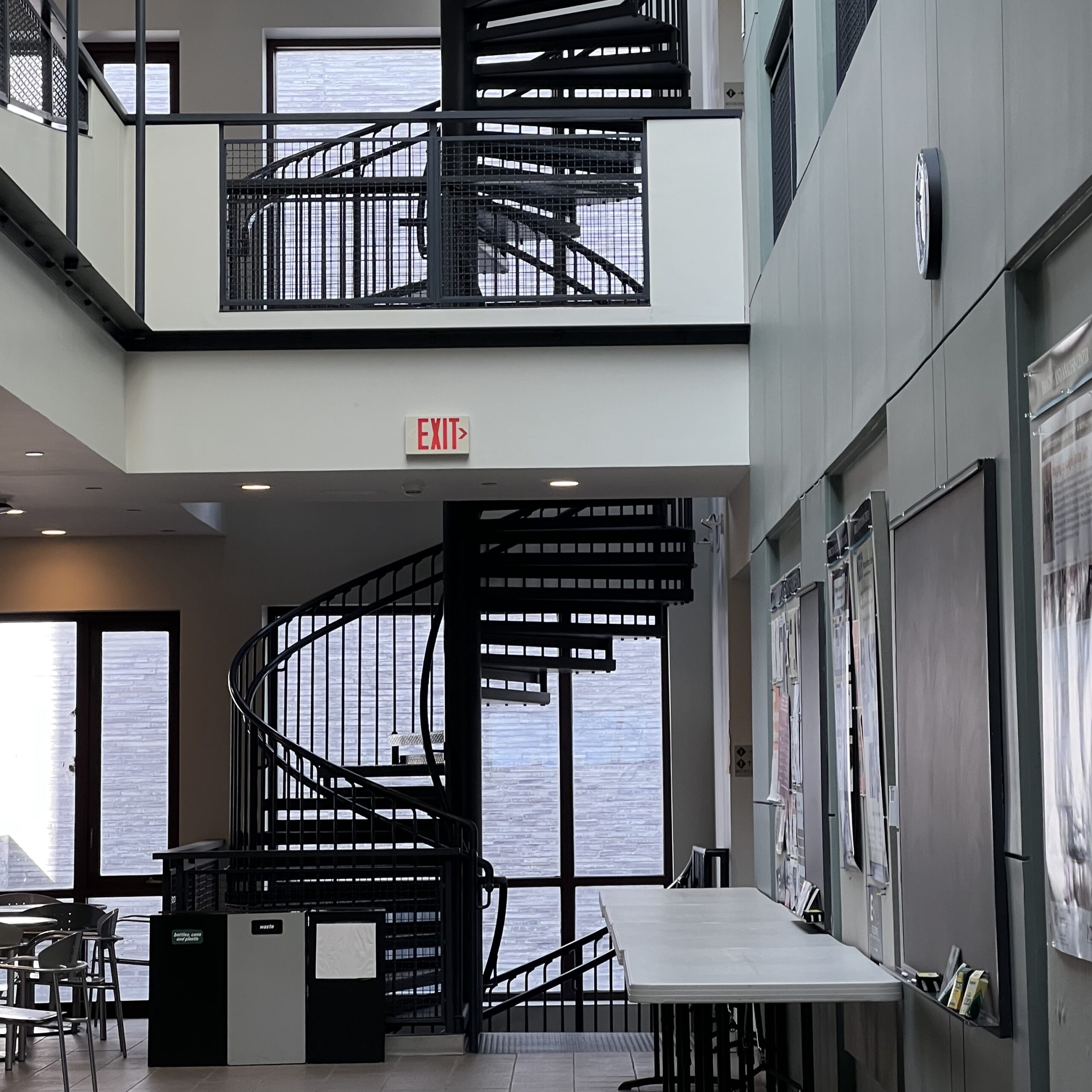
The inside of Bowen Hall, the hub of the Princeton Institute of Materials and where my research lab is.
As a senior concurrently enrolled in two Persian classes and working on completing a minor in German, I am no stranger to learning vocabulary words. To be frank, however, I have rarely enjoyed this process. From awkwardly jotting down words in the middle of conversations to hunting for their precise definitions and usages, I have found learning vocabulary to be more difficult and painstaking than the simple memorization task it is made out to be. The worst of all has been forgetting a vocabulary word I have studied or even failing to correctly identify a word, realizing after the fact that I ‘knew’ what it meant but couldn’t tease out the meaning in the moment.
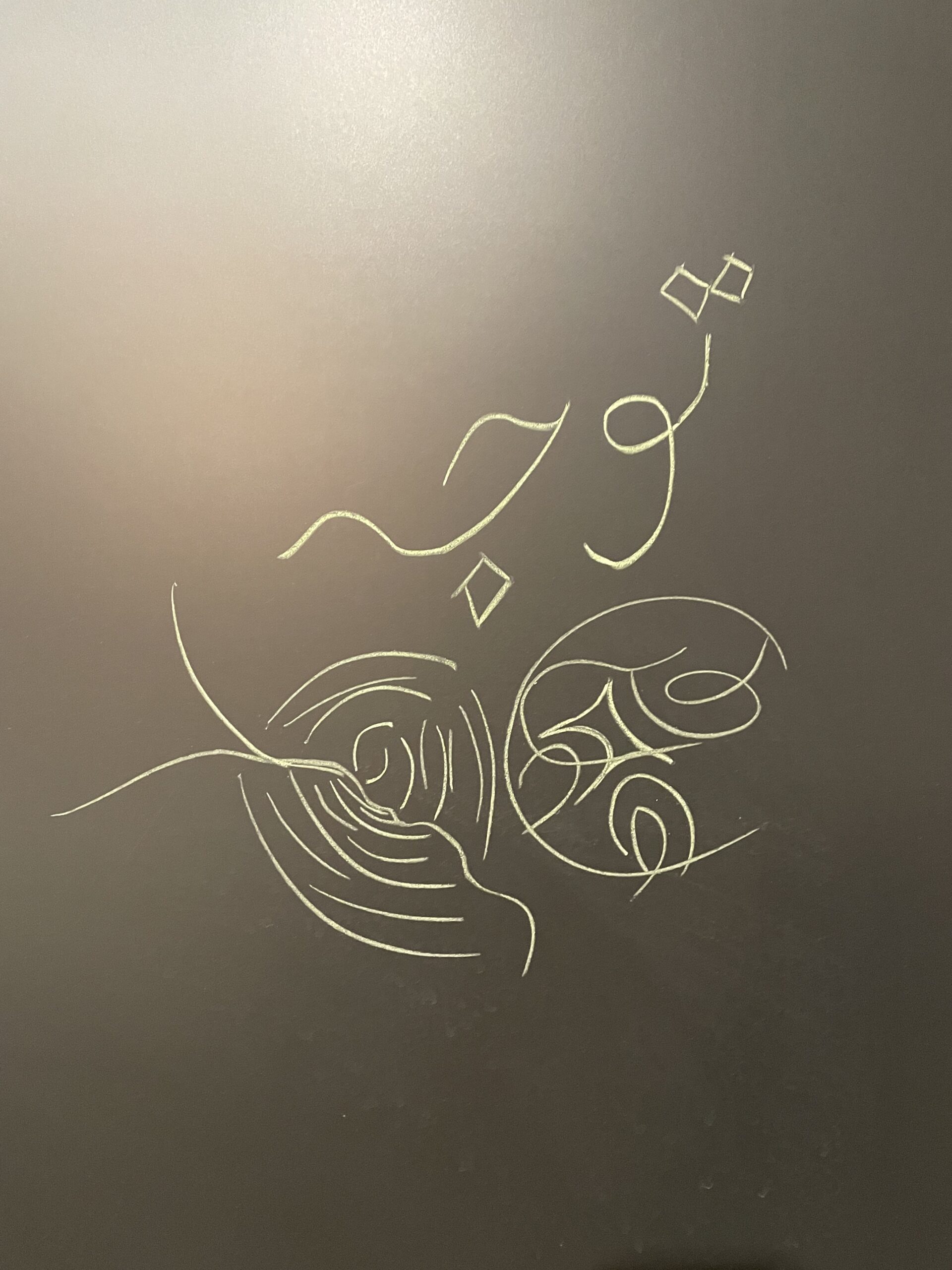
There’s more to vocabulary words than memorizing terms themselves, as exhibited by the Persian word for attention, ‘ta-va-joh’. While we say we ‘pay attention’ to something in English, we more often ‘have attention’ or ‘do attend to’ something in Persian.
My zees (Kyung and Jaehee) and I getting ready for Clash of the Colleges. Whales love research!!!!!
On campus, I am a Residential College Adviser in Whitman College. It is by far the most meaningful part of my Princeton experience and I am thankful every day to have such amazing advisees (zees). In the fall, I decided to interview some of my zees on the incredible research that they have done on campus and how they became involved in this research. My freshmen show that research does not always mean working in a lab or on a senior thesis like many often assume. There are so many different ways to become involved with research on campus, whether it’s through writing a paper or joining an academic club. My hope is that seeing the research that my zees did last semester will inspire you to do your own and also show you what research on campus can look like for first years. So, without further ado, here is the research conducted by the most legendary zees of all time:
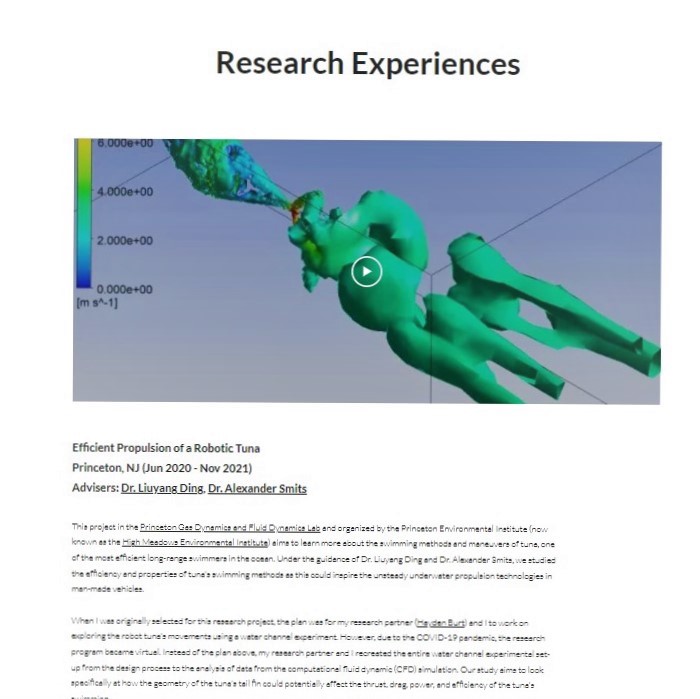
Have you ever left an interview wishing you remembered to mention that project you did in class? Or do you have a broad range of interests and experiences that do not fit on a one-page resume? Have you ever built something really cool and wanted to show everybody but were not sure how? You can answer all of these issues with your own personal portfolio.
A portfolio is similar to a resume in that it showcases your work and achievements, but it is more flexible in that it can take different forms and include all types of media. It can be helpful to share with recruiters and interviewers during your career search, and you can ensure recruiters come across it by sharing a link to it in your resume! It is probably the most underrated career search material, and taking the time to craft your own portfolio is already a huge step to making yourself stand out.
One of the most exciting parts of the academic experience at Princeton is undoubtedly getting to take advanced (3-400 level) elective classes in your concentration. While all classes at Princeton are valuable, elective classes can provide a unique opportunity to have a more personalized learning experience – the classes are often much smaller, with some classes having as few as 5 students – while getting to learn about somewhat more niche disciplines that professors are both specialized in and are more passionate about. However, sometimes the embarrassment of riches can be a problem. The sheer number of truly incredible and interesting advanced courses that are offered at Princeton can make it difficult to choose which courses to take, especially when your course slots are taken up by concentration and certificate requirements as well as either the AB or BSE general requirements. I went through such an exercise myself, and in this post, I hope to offer some insight on how to choose courses based on my experiences at Princeton.
As a SPIA major, I was worried about coding for the first time. But, after taking POL345, I realized that I actually love statistics and computer science.
“I can’t code,” I told my friends when I realized that I had to take a statistics course for my major that required coding. “I don’t understand it,” I told them. I had never coded before and the thought of creating algorithms on a computer sent shivers down my SPIA spine. I loved math in high school, and coding always seemed interesting to me, but rumors about Princeton math courses, as well as computer science courses, had me sprinting away from Fine Hall. But then, I realized I had to take a statistics course for SPIA. I had to face my fear of R, or the programming language that most SPIA statistics courses use for statistical computation. I didn’t think that I could do it, but I did. And, I ended up loving it. I faced my fears, learned how to code, and you can too.
When most people think of summer, they think of warmer weather and longer days filled with newfound time to relax, travel, or to try something new. However, for many Princeton students, one summer topic that might be a source of both excitement and stress is summer internships. The summer can be the ideal time to pursue opportunities related to your interests in a more hands-on way, and summer internships provide (potentially paid) opportunities to do so. Many internships also provide avenues for Princetonians to do extensive and meaningful research, which, given the pace and workload of a typical Princeton semester, may be difficult to find time for during the academic year between classes and other extracurricular commitments.
The internship search process may be overwhelming, especially for freshmen and sophomores, who are still learning about the abundance of opportunities that Princeton has to offer. This post focuses on setting yourself up for a successful internship search by outlining popular programs, resources, and deadlines to ensure that you are able to find experiences that will enrich your (summer)time at Princeton. This list is not exhaustive and focuses on internships that include aspects of research, some combined with community service and professional development.
The summer internship search can be stressful – sit back, relax, and read this article for a place to begin!
In the summer of 2021, I participated in a virtual global seminar in Cyprus entitled Conflict, Borders, Multilingualism, Translation. I was particularly drawn to the idea of learning about Cyprus’ history and culture through the lens of multilingualism and translation. Personally, language has always played a key role in my understanding of identity and culture. Three languages are spoken in my home (Filipino, English, and Chinese Hokkien), and growing up in this way has made me very conscious of language-culture influences, code-switching, and nuances in connotation.
An aerial shot of Nicosia, the capital of Cyprus
Applying to this global seminar was a spontaneous decision; I major in MAE and am more used to spending my summers doing research and technology. However, when I read about this seminar in an email, I knew that it aligned with my personal interests in the social sciences. Because of the great time I had during the seminar, I am writing to motivate people to take advantage of the breadth of courses offered by Princeton and try studying something totally spontaneous and new!