
One of the most exciting parts of the academic experience at Princeton is undoubtedly getting to take advanced (3-400 level) elective classes in your concentration. While all classes at Princeton are valuable, elective classes can provide a unique opportunity to have a more personalized learning experience – the classes are often much smaller, with some classes having as few as 5 students – while getting to learn about somewhat more niche disciplines that professors are both specialized in and are more passionate about. However, sometimes the embarrassment of riches can be a problem. The sheer number of truly incredible and interesting advanced courses that are offered at Princeton can make it difficult to choose which courses to take, especially when your course slots are taken up by concentration and certificate requirements as well as either the AB or BSE general requirements. I went through such an exercise myself, and in this post, I hope to offer some insight on how to choose courses based on my experiences at Princeton.
Category: Research Life
work-life balance, student experiences, study abroad, extracurricular balance, research confidence, mental health, community
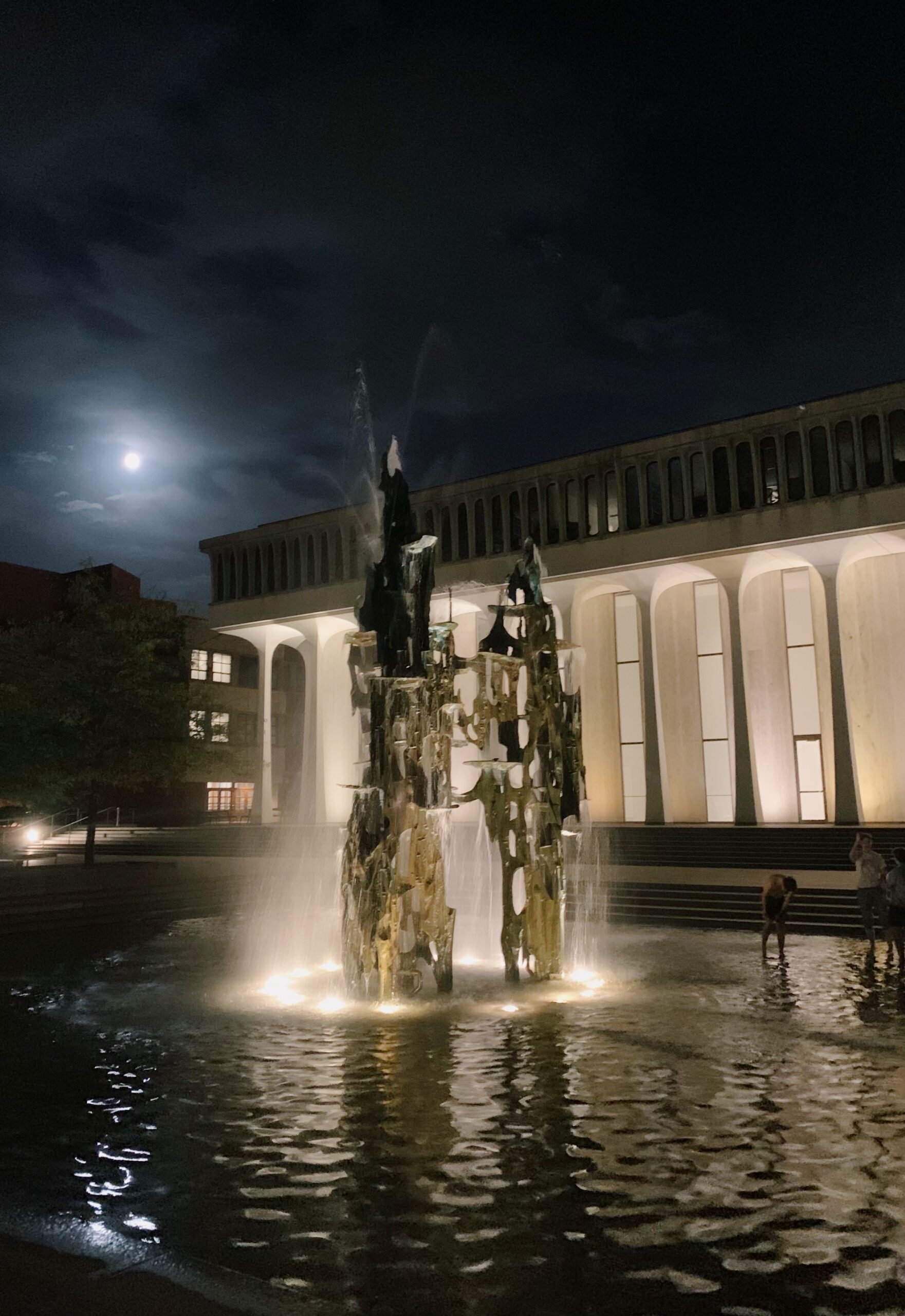
“I can’t code,” I told my friends when I realized that I had to take a statistics course for my major that required coding. “I don’t understand it,” I told them. I had never coded before and the thought of creating algorithms on a computer sent shivers down my SPIA spine. I loved math in high school, and coding always seemed interesting to me, but rumors about Princeton math courses, as well as computer science courses, had me sprinting away from Fine Hall. But then, I realized I had to take a statistics course for SPIA. I had to face my fear of R, or the programming language that most SPIA statistics courses use for statistical computation. I didn’t think that I could do it, but I did. And, I ended up loving it. I faced my fears, learned how to code, and you can too.
When most people think of summer, they think of warmer weather and longer days filled with newfound time to relax, travel, or to try something new. However, for many Princeton students, one summer topic that might be a source of both excitement and stress is summer internships. The summer can be the ideal time to pursue opportunities related to your interests in a more hands-on way, and summer internships provide (potentially paid) opportunities to do so. Many internships also provide avenues for Princetonians to do extensive and meaningful research, which, given the pace and workload of a typical Princeton semester, may be difficult to find time for during the academic year between classes and other extracurricular commitments.
The internship search process may be overwhelming, especially for freshmen and sophomores, who are still learning about the abundance of opportunities that Princeton has to offer. This post focuses on setting yourself up for a successful internship search by outlining popular programs, resources, and deadlines to ensure that you are able to find experiences that will enrich your (summer)time at Princeton. This list is not exhaustive and focuses on internships that include aspects of research, some combined with community service and professional development.

In the summer of 2021, I participated in a virtual global seminar in Cyprus entitled Conflict, Borders, Multilingualism, Translation. I was particularly drawn to the idea of learning about Cyprus’ history and culture through the lens of multilingualism and translation. Personally, language has always played a key role in my understanding of identity and culture. Three languages are spoken in my home (Filipino, English, and Chinese Hokkien), and growing up in this way has made me very conscious of language-culture influences, code-switching, and nuances in connotation.

Applying to this global seminar was a spontaneous decision; I major in MAE and am more used to spending my summers doing research and technology. However, when I read about this seminar in an email, I knew that it aligned with my personal interests in the social sciences. Because of the great time I had during the seminar, I am writing to motivate people to take advantage of the breadth of courses offered by Princeton and try studying something totally spontaneous and new!
Have you ever come across something in class that you wish you could get a better Have you ever been wondering more about how proteins are made in the body? Or have you ever been looking for a specific type of lab experiment protocol for your independent work? If yes, then look no further than the National Center for Biotechnology Information (NCBI) website! It contains dozens of resources, some of which I have found to be very handy in my own research and school experiences. The site is tailored for students in the life-sciences field, but there is a lot of breadth in the resources available—you’ll be able to find useful tools regardless of whether you’re a MOL or CHM major, or if you’re interests lie in researching chemically synthesis mental health, or neurodegenerative diseases.
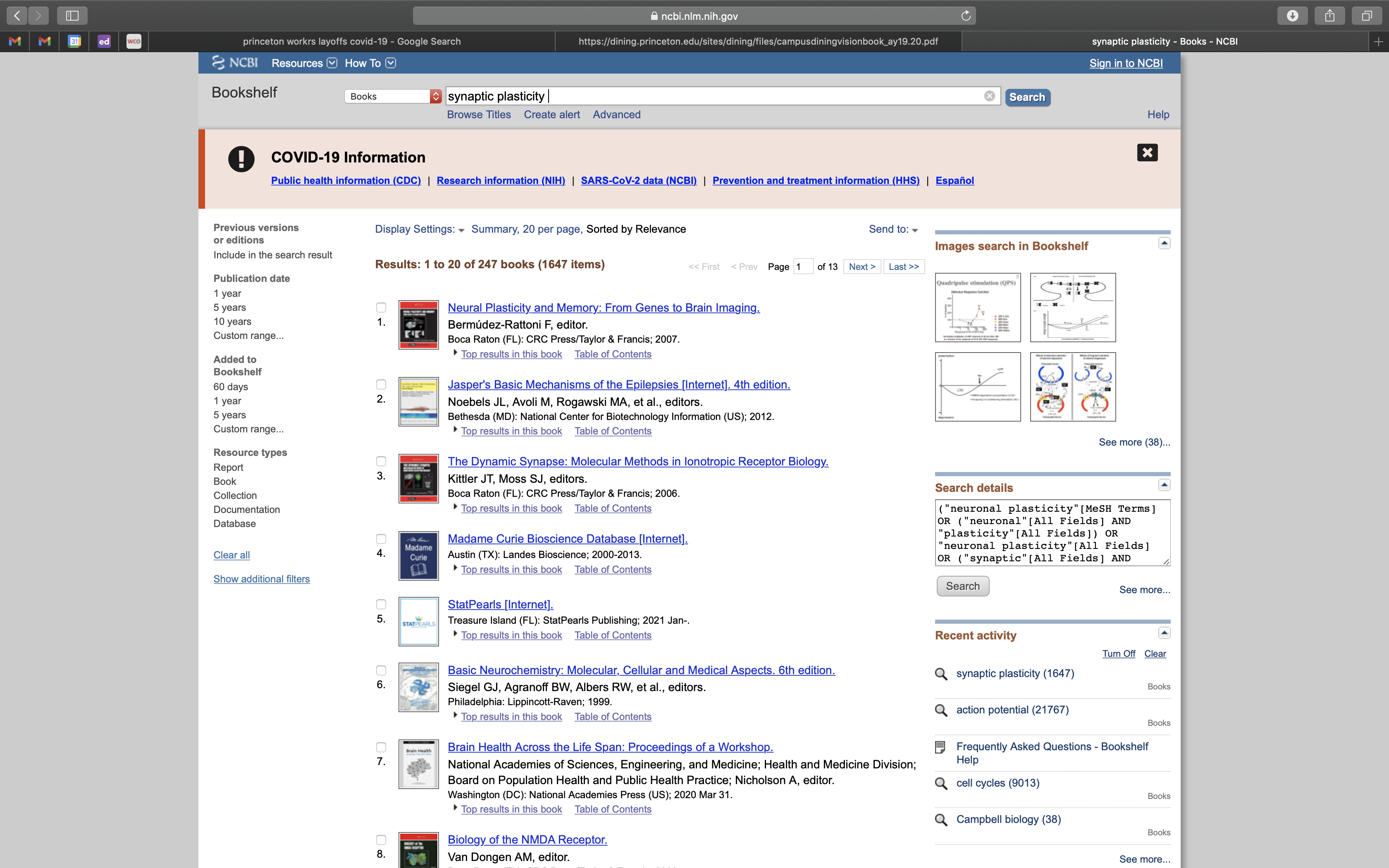
A very useful tool on the NCBI website is Bookshelf. There is a search bar at the top of the website where you can input some topic, book title, or field name, and the program will return a variety of different reference materials relating to the query, including full scientific textbooks, book chapters, studies. On the side, there are often figures and graphs that may relate to your search.
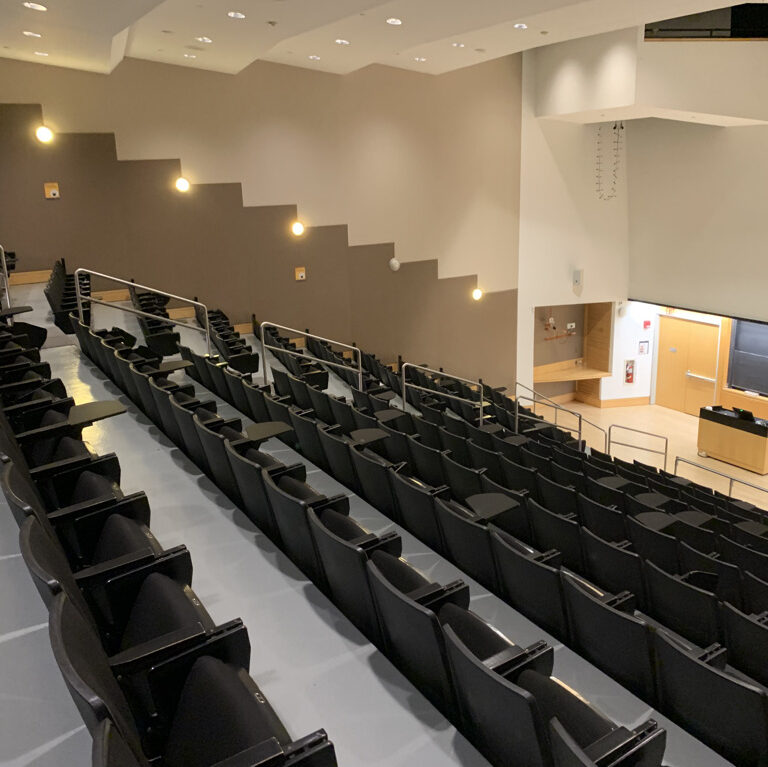
With midterms being in full swing this week, you’ve most likely started reviewing concepts and studying for these exams. However, another crucial part of the preparation process is to readjust to the in-person exam experience. After a year and a half of taking exams virtually, it is important to recognize that exams in the classroom will look and feel very different, so don’t let that take you by surprise. Whether you are studying for midterms or want to start thinking about final exams, here are a few key tips when it comes to taking exams at Princeton in person:

Midterms start this week. I know; I also had to read that twice because I could not believe it. Time is flying on campus and it has been amazing, but with everything going on it can be difficult to stay motivated and study for midterms. Nonetheless, I believe in myself and all of you reading this post! We will make it through midterms and we will succeed. Here are the tips and tricks that I am going to use to perform my best, and I hope that you can use them too:
With classes in full swing, I thought I would share my thoughts on what is a woefully underused resource at Princeton: office hours. Going to office hours has been an extremely valuable tool for me in completing problem sets, studying for tests and exams, and connecting with professors. So read ahead for some advice and observations I’ve made!


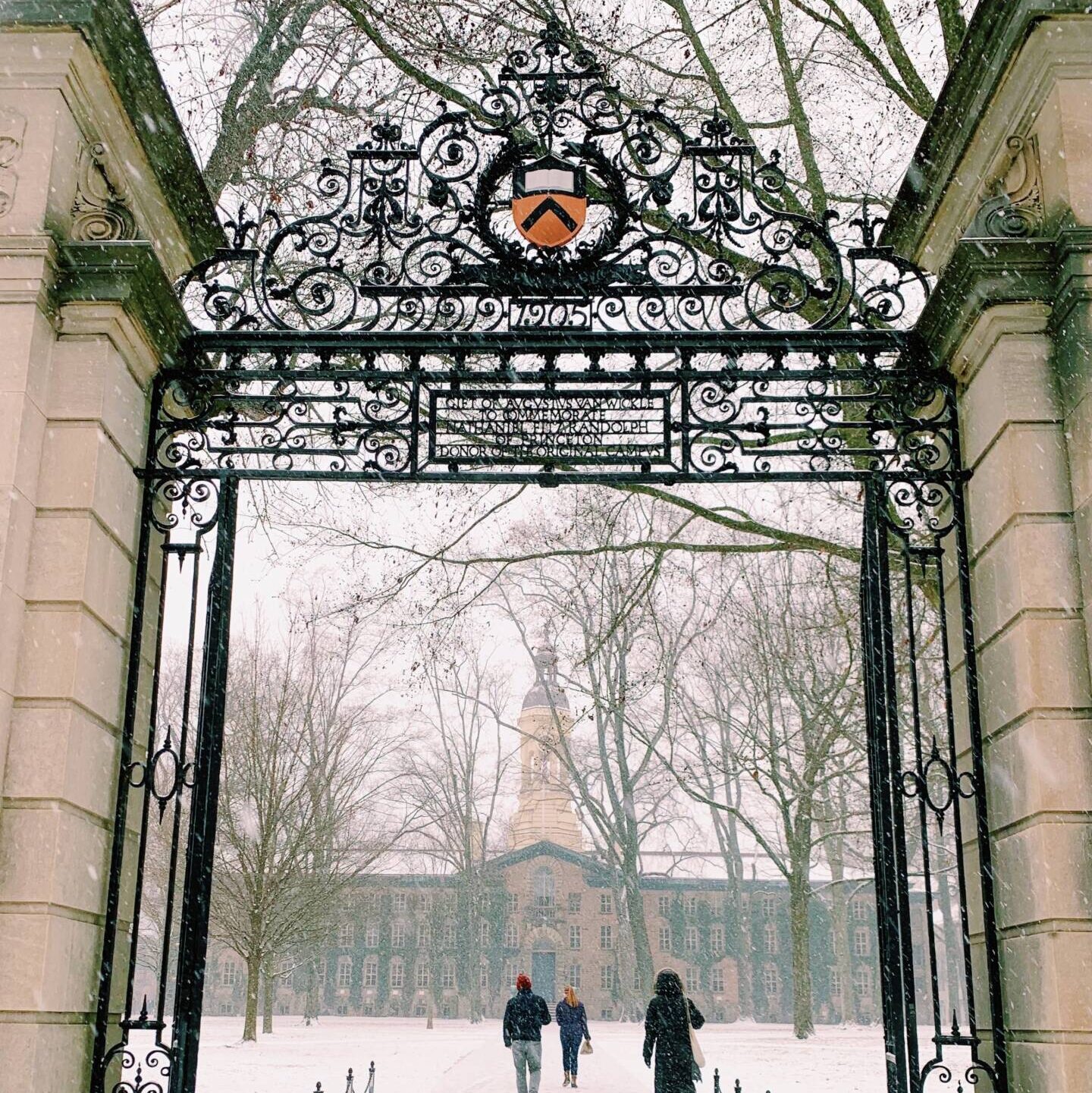
Packed lecture halls. Firestone meetups. Murray-Dodge cookie runs. After a long, hard year, it has been absolutely legendary to be back on campus, hug my friends, and say hello to the gates of Nassau once more. However, the transition from Zoom to the room could be daunting, especially for first years and sophomores who have never been on campus before. Robertson Hall is definitely more intimidating than a breakout room with your camera off. But, in-person classes are amazing here, and I would love to offer some tips for success on making the transition. So, without further ado, here is my advice on in-person life at Princeton:
Haider Abbas ‘17 is a Princeton alumni who recently published his inspirational senior thesis which he created while in the Princeton School of Public and International Affairs. Many Princeton seniors are now beginning to dive deeper into their theses, therefore I think that hearing from Abbas would be very helpful. Thankfully, a few weeks ago, I was able to interview Abbas and he offered key insight into why he chose his thesis topic, how he was able to produce his thesis, and most significantly the impact that his thesis will have beyond his years at Princeton. I hope that you can learn from his experience and develop a thesis that you feel passionate about!
This interview has been edited for length and clarity.