
Writing a Junior Paper (or two, depending on your major) can be a stressful process. But it does not have to be that way. Below are some strategies to help you minimize JP-induced stress and streamline your research process.
 Princeton Correspondents on Undergraduate Research
Writing a Junior Paper (or two, depending on your major) can be a stressful process. But it does not have to be that way. Below are some strategies to help you minimize JP-induced stress and streamline your research process.

You’ve brainstormed a great idea for your research project. You have the details of your topic all figured out, but you need some assistance with figuring out the logistics of the financial aspects that come with your great idea.
If that’s you, here’s a quick guide on one way of securing funding as a Princeton student!
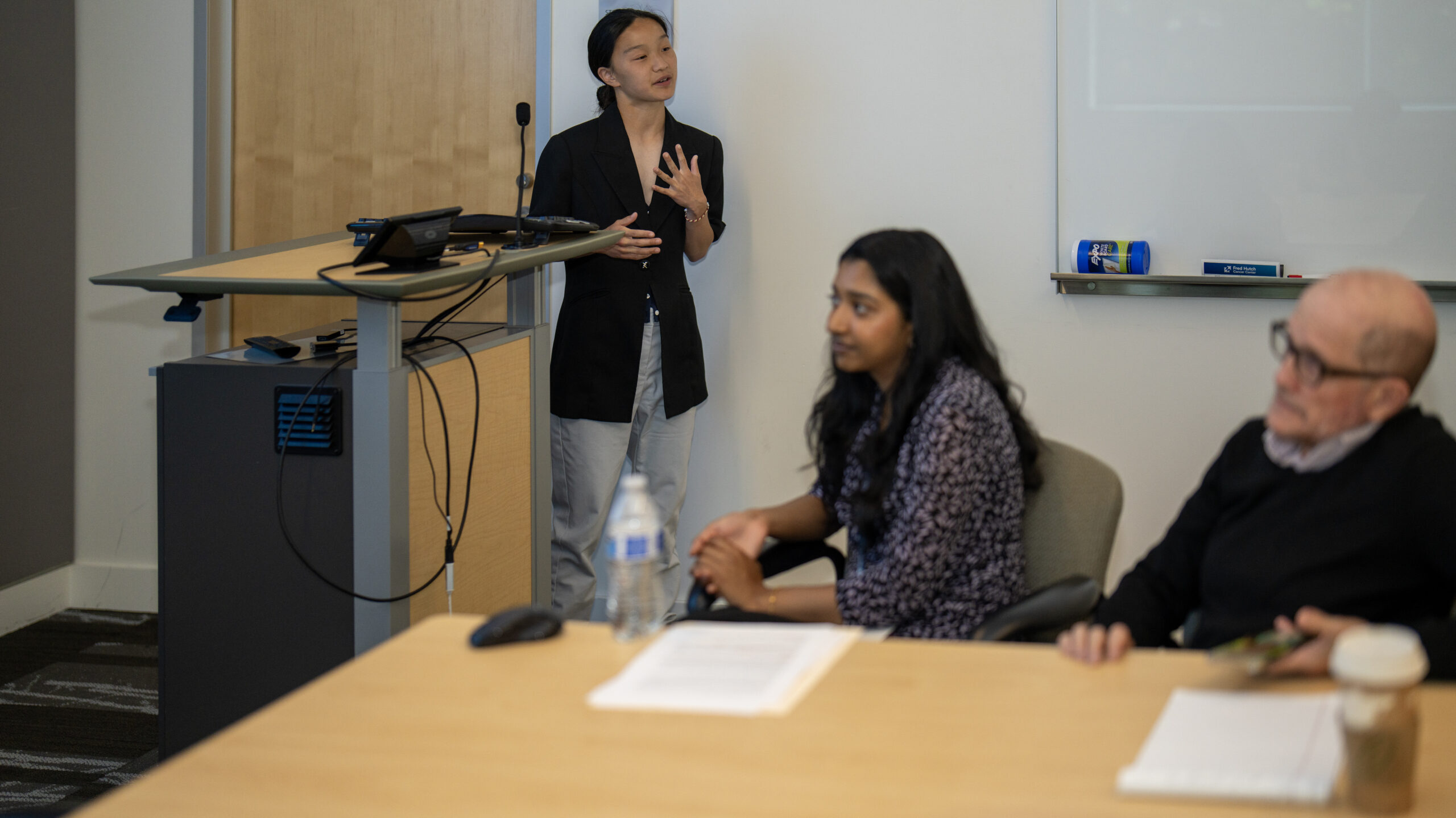
I’ve always believed in challenging myself to learn new methodologies and explore new fields in my research. Yet, there’s a fine balance between tackling a new challenge and feeling over your head. Reflecting on my past summer conducting a project in a completely new research paradigm, I wanted to take a moment to share my experience in the hopes of encouraging other students to be unafraid to undertake novel endeavors.
I had the life-changing opportunity to research the dose-response of the oral antiviral ensitrelvir for treating mild to moderate symptoms of SARS-CoV-2 with the Schiffer Lab starting this past June as an intern in the Fred Hutchinson Cancer Center Infectious Disease Sciences Internship Program. This project employed a very different application of my interests in healthcare and computer programming than I’d ever done before. Wide-eyed with amazement and curiosity, I delved into the fields of pharmacology, clinical trials, mathematical modeling, infectious diseases, and computational simulations. I remember learning about my project goals for the first time and thinking: “Wow, there are thousands of other students who would make a much better intern on this project”. This overwhelming imposter syndrome is something that I’ve often struggled with during my past research experiences when walking into new fields for the first time. But, thanks to the incredible mentorship of the Schiffer Lab and the tips that they shared with me, I overcame this fear and was able to grow into a more interdisciplinary and confident researcher this summer. I hope to pass on this same inspiration to other students here.

Many academic disciplines engage with visual art, whether from the standpoint of art history, material culture, or even paleography. The Princeton Index of Medieval Art is a unique database well-suited to the needs of researchers across various fields. Whether history, comparative literature, art, or classics, the index gathers a vast amount of information on Late Antique and Medieval Artworks, neatly sorted in an accessible way.

Many students at Princeton spend their summers exploring a research project or a lab internship in their field of interest. But what’s next? Maybe you really enjoyed your experience and wanted to continue. Then, you come across the question: should I stay in the same lab or join a different lab?
This was the question I pondered when entering my sophomore year. I had an incredible summer experience as an High Meadows Environmental Institute intern in the Sigman Research Laboratory in the summer of 2023. I worked on a project that enabled my exploration of biogeochemical reconstruction via an investigation of the marine environment during a historical mass extinction through the use of a biological proxy known as foraminifera. But, where did I want to go from there? If you’re in a similar position, here are some things to keep in mind!

If you’re anything like me, you first thought that “research” essentially amounted to surfing the Internet. Back in the glory days of middle school, “research” meant the rewarded privilege of getting to use the laptop carts, productively using class time on googling information about our various project topics (and definitely not secretly playing games). Now, as the mature, worldly college student you now are, perhaps you think you know better. “True” academic research, the clever reader now knowingly tells themselves, is historians dusting through archival documents and scientists mixing frothy chemicals in the lab.
Yet there’s a missing part here: a crucial element that takes us back to our elementary and middle days of excited googling. To make any significant intellectual contribution to any field, one first has to understand the current state of knowledge in that same field. To borrow the term favored by the Writing Program, we need to understand the scholarly conversation. How do we know if we’re making a contribution to something, if we don’t understand what that something is? Understanding the current state of research in a given field is a crucially important skill—really, a prerequisite—for conducting your own effective research in that field.
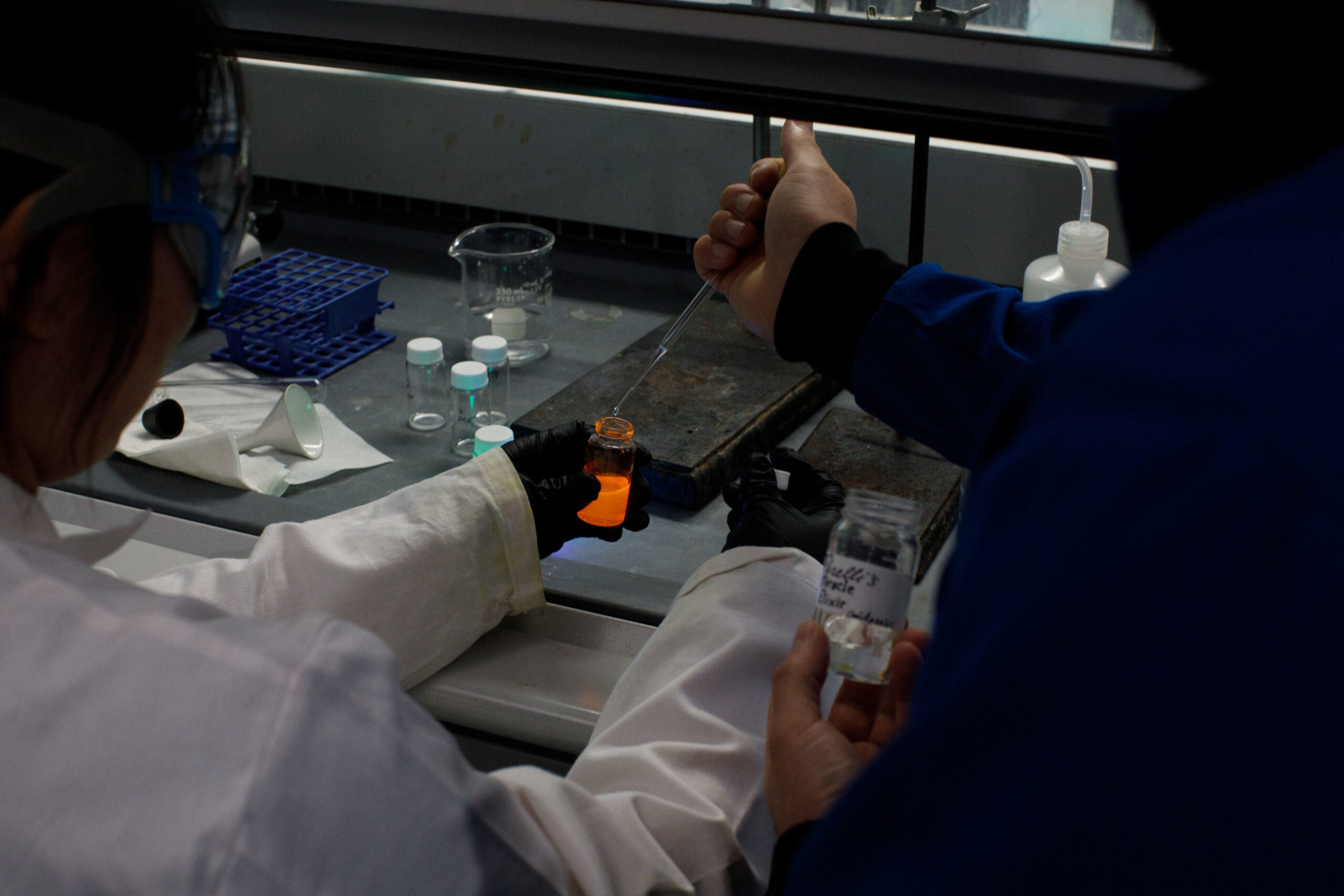
When I first walked into the lab this summer, I thought research was all about running experiments and gathering data. What I didn’t expect was how much the people around me—the mentorship and the shared triumphs and failures—would shape so much of my learning and how I view scientific research.
Starting a research position at a bioengineering lab over the summer was really intimidating for me, especially as an undergraduate. At the start, I felt like the most inexperienced person in a room full of graduate students, postdocs, and faculty who seem to have it all figured out. Although I’ve learned or at least seen a lot of the quantitative and qualitative components in my Chemical and Biological Engineering course, I did not have much hands-on experience and critical thinking that comes with actually doing experiments. That’s when I realized how big of a role a mentor plays.
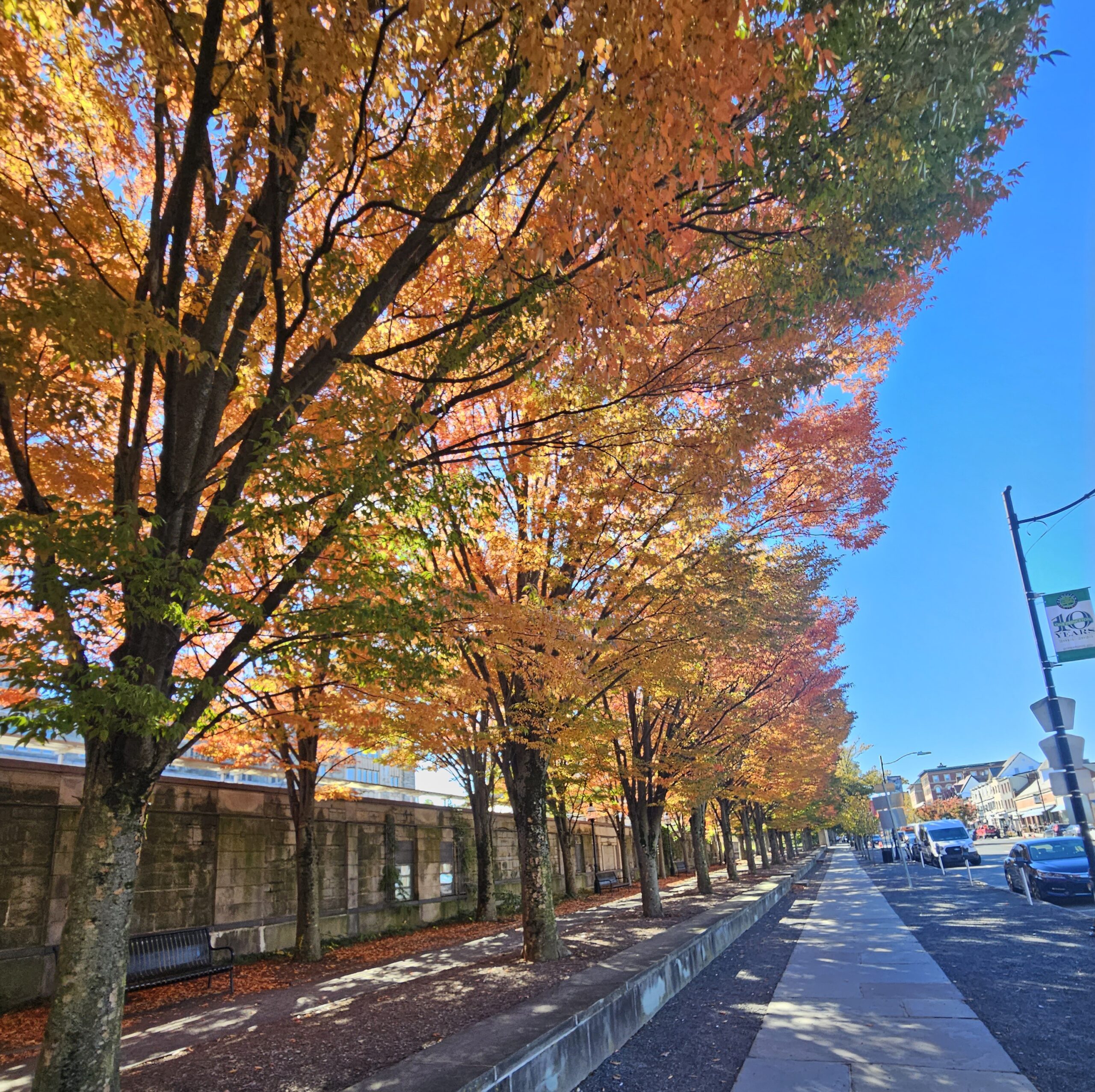
Princeton moves fast. The semester is short, the classes are dense, and before you know it, you’re taking midterms and turning in papers for your writing sem. At least, that was my experience as a first year. Even now as a sophomore, it can feel hard trying to keep up with the pace of the orange bubble. Balancing the demands of coursework alongside the demands of work for research teams and professional clubs can limit how productive I feel at any given moment. Those moments, when I feel I’ve done all the readings I can do and written everything I can think about, are so challenging because it feels like I’ve hit an academic wall. That’s when I find ways to shake things up with a study break. For me, that looks like taking a walk. I know it sounds cliche, but taking a walk can be one of the best solutions because it’s so simple.

As a Geosciences major, I am fascinated by ocean biogeochemical cycling and reconstruction of past climates and marine environments by way of biological proxies. Yet, I have also found myself intrigued in environmental movements and storytelling, particularly with the narratives of the land histories of indigenous communities in the backdrop of anthropogenic climate change and U.S. colonial history.
With growing interest in both fields, I enrolled in Professor Allison Carruth’s ENV238: Environmental Movements: From Wilderness Protection to Climate Justice. Here, with luck, I met an incredible preceptor who shed some light on the interdisciplinary nature of her research and inspired me to delve deeper into my own multifaceted interests.
A PhD candidate student in the Geosciences department, Gemma M. Sahwell is currently a member of both the Blue Lab and the Higgins Research Laboratory. Curious, I reached out to her to see if I could speak with her a bit about her research.
Join me below to hear about her experience.
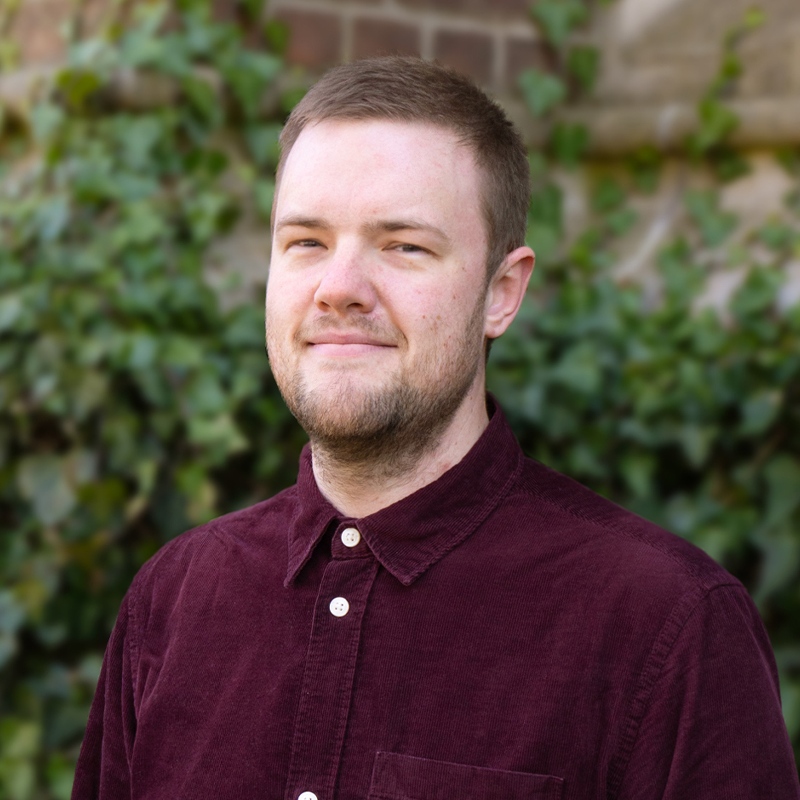
Following the seasonal series theme of “Niche vs. Expansive Research Topics”, I interviewed Dr. Bjarke Frost Nielsen on his journey going from a Physics PhD to working in our EEB department and all of the different topics he’s worked on along the way.
Dr. Nielsen shares, “In general, I have a very broad notion of what physics is. I don’t think for something to qualify as physics it has to, you know, involve Newton’s 2nd Law, be describable in terms of the Schrödinger Equation, or something like that. I think that physics is essentially the science that tries to mathematically tackle the aspects of our physical world that can be attacked mathematically. That’s more or less what physics is, right? It’s choosing the areas where you think that a mathematical description can really capture the problem. … It’s a very broad science in that way.”
Read on to learn more about Dr. Nielsen’s reflections on his research background in Physics and current work in EEB.