I recently discovered yet another lifesaving research resource on campus: Library Guides. Compiled by Princeton’s subject librarians, these free online guides tell you everything you need to know about researching your field – and I mean everything. If you haven’t yet explored the available Library Guides, you don’t know what you’re missing.
Even after a few years at Princeton, the library system can feel overwhelming. Locating the relevant databases, citation formats, and reference books is always a challenge – especially at the start of a project.
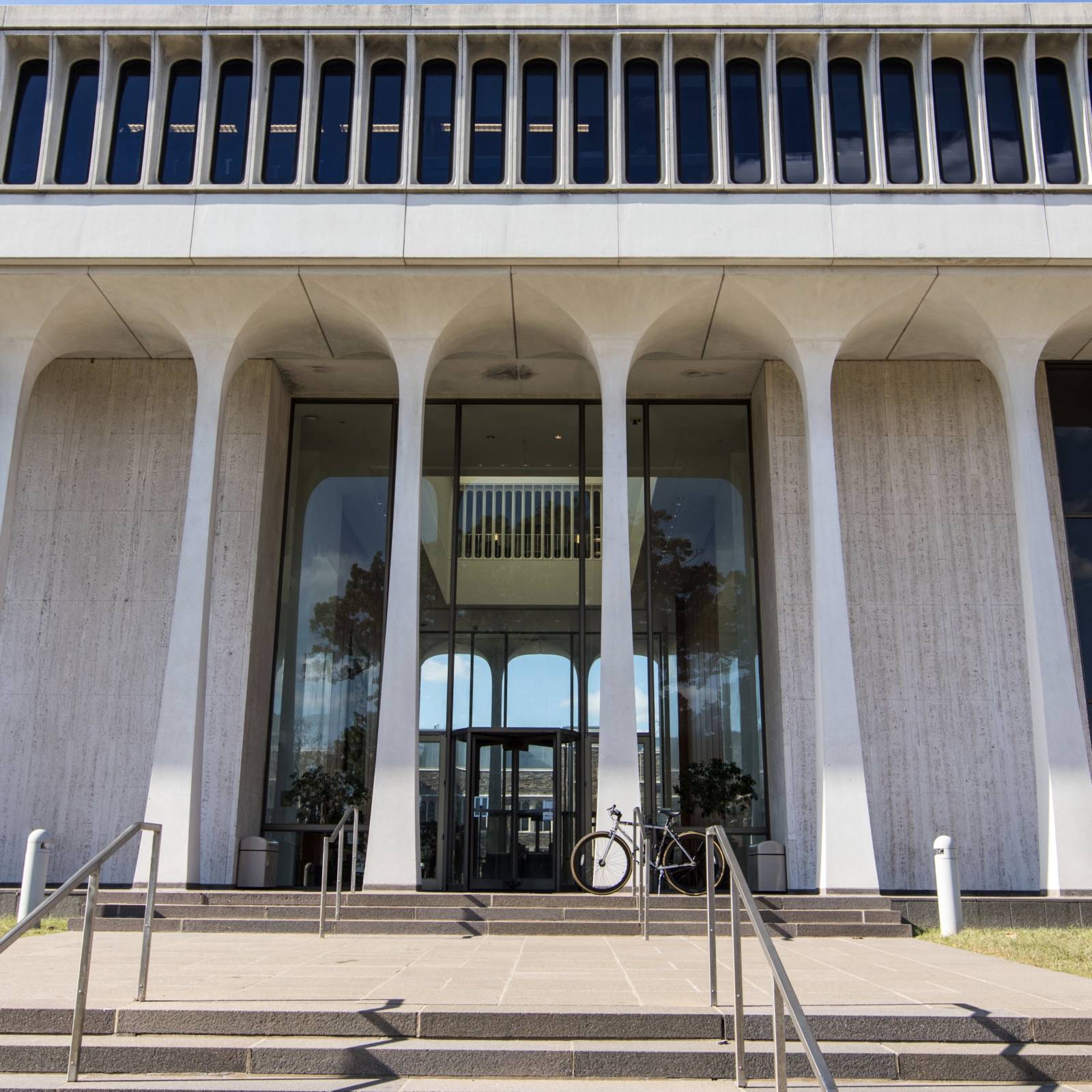
Library Guides helped me sort through the shelves of journals in the Architecture Library.
Last semester, I hurried out of MOL lab every week to make it to late meal. This past summer, I hurried out of lab at my summer internship to catch my train home. Now I hurry out of orgo lab to finish my reading for precept.
Whether you are working in a lab for your senior thesis or for an intro science class, every period is a race with yourself to complete your work promptly. The key to finishing early is not rushing through your procedure, but rather working efficiently in the lab.
This summer, I worked at a bioengineering lab on campus researching methods to engineer the metabolic pathways of yeast cells to produce large quantities of target biofuels. Normally, yeast cells produce ethanol during fermentation. My goal was to shift the production of ethanol to other biofuels- such as isobutanol- that have a greater potential to be alternative sources of energy. In this post, I will give tips on how to effectively use your lab time by describing a typical day in the lab at my summer internship.
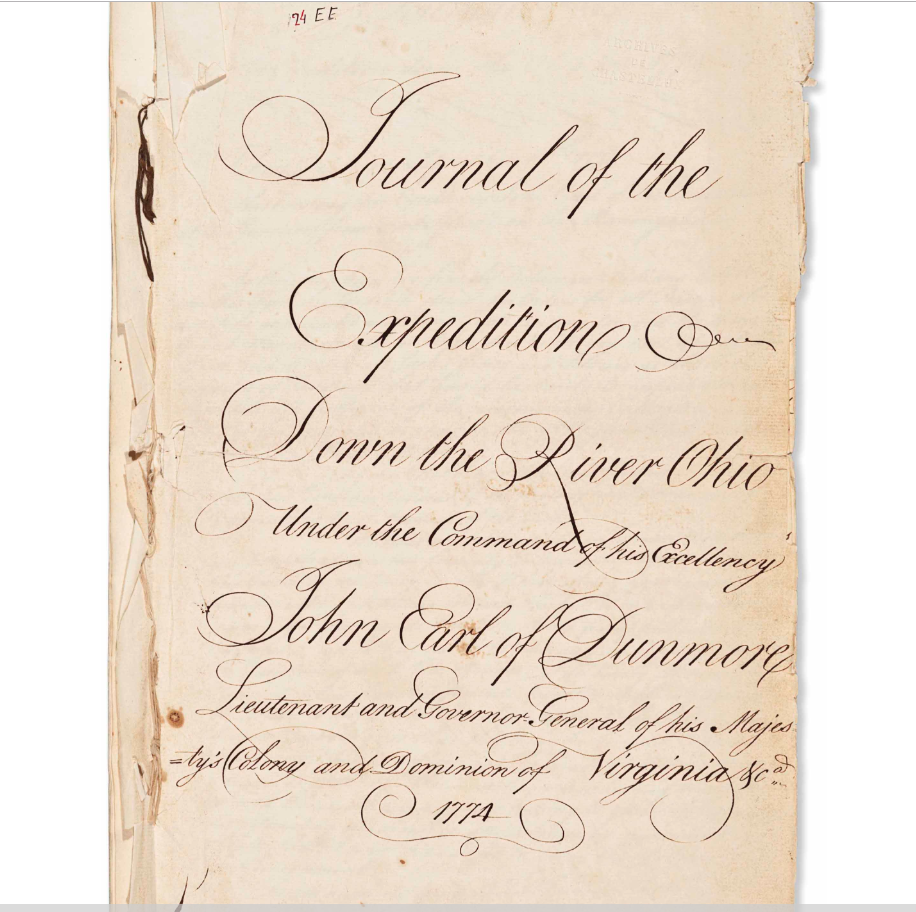
On Friday morning, I encountered a manuscript no historian had studied before. I was on the C Floor of Firestone in the Rare Books and Special Collections Reading Room, finding it hard to believe my luck. I had asked Gabriel Swift, the Reference Librarian for Special Collections, if he knew of any interesting primary sources connected to my Junior Paper topic, an 1805 Lenape religious revival led by a woman named Beate. In response, he connected me with this new acquisition, a handwritten journal from 1774. Just this year, he explained, the University had purchased it at auction in Paris. And because it was from a private collection, the source was previously unknown to academics.
“‘Journal of the Expedition down the River Ohio Under the Command of his Excellency John Earl of Dunmore Lieutenant and Governor General of his Majesty’s Colony and Dominion of Virginia 1774.”
According to the RBSC website, “its holdings span five millennia and five continents, and include around 300,000 rare or significant printed works.”
With just a few simple steps, you can see one of the first “Wanted” posters for John Wilkes Booth, Beethoven’s music manuscripts, or Woodrow Wilson’s love letters. It is one of the most fabulous and underutilized research resources on campus – especially for historians. As undergraduates, we have nearly complete access to the collections.
Personally examining the items around a book you’ve found is a great way to find related works on a given subject.
For many first year and sophomore students, fall break is a true respite from the academic demands of college life. For many juniors and seniors, however, it is a time of simultaneous relief and moderated despair as Princeton’s independent work requirements loom large. This is the position I find myself in. So gather round, friends, it’s time to talk independent work—specifically, how I found a general research area for my first JP. New to the JP game as I am, I feel rather unqualified to offer advice on how to “conquer” it or plan a totally coherent project right from the start. This will not be that kind of post. Rather, I’ll share some thoughts on beginning my own JP research process, which should illuminate some of the methods I used to cut down the uncertainty around my project and to find something like a workable topic. While I hope this is a useful guide for anyone facing the JP, I should note that it will probably be the most applicable to those in departments where fall independent work is not structured around a research seminar.
At Princeton I often find myself overwhelmed by my workload, behind on assignments and readings, and struggling to prepare for exams. When work piles up, it is necessary to work as efficiently as possible to meet deadlines, but it can be really challenging to work productively when you are feeling overworked. Princeton’s heavy workloads are often a source of stress–here are a few strategies that help me when I am struggling:
Conducting good research requires many skills which we learn throughout our Princeton careers. Self care is one of the most important skills, but it is easy to overlook with so many other academic demands.
Go outside and exercise:
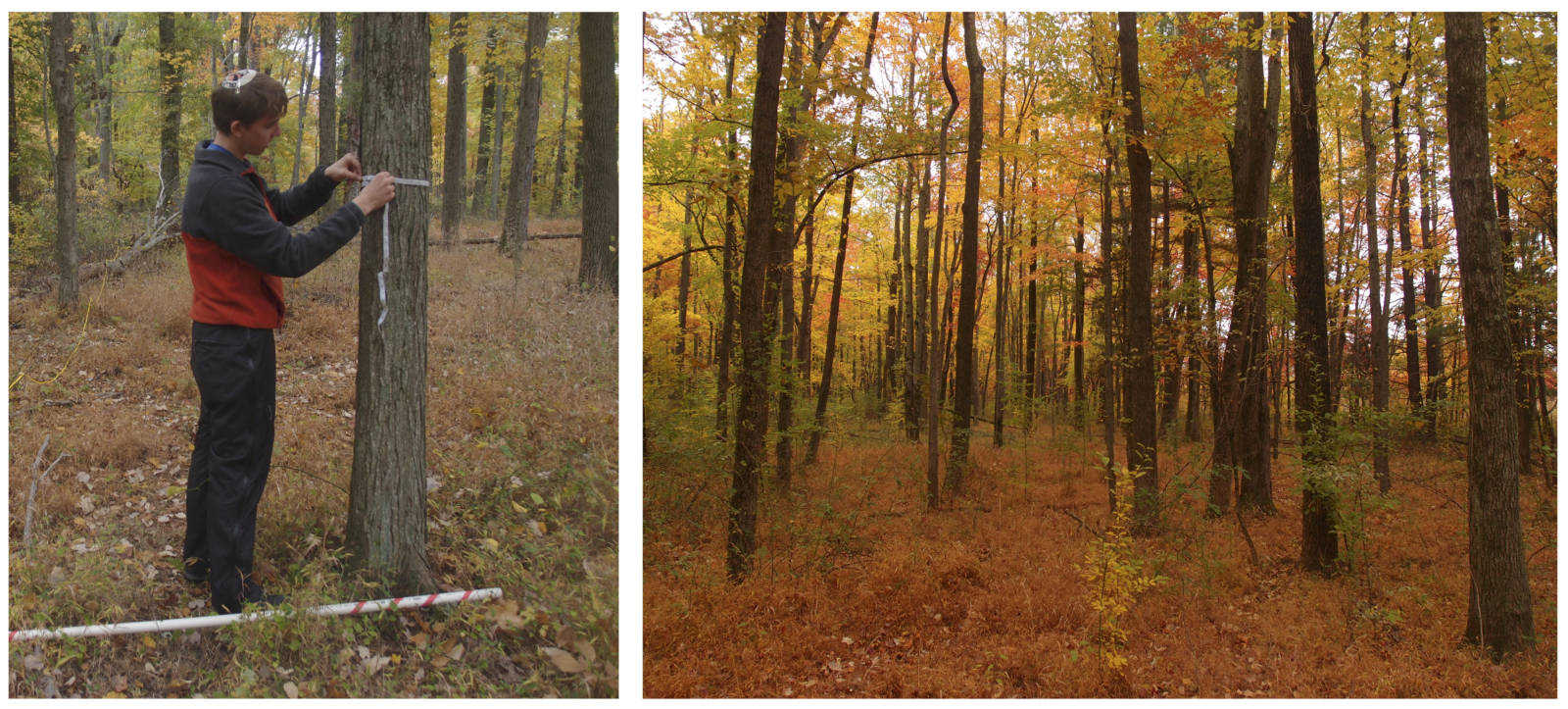
If you can’t concentrate on your work or feel low energy, taking a half hour break from working to go for a walk or a jog can help clear your head while also jump-starting your blood flow. Being outside gets me back in contact with the rest of the world and helps me escape coursework induced myopia. I like to go to Mountain Lakes nature preserve, which has a small network of hiking trails and a few picturesque ponds. The ponds are great for a (very) cold swim, and the forest has beautiful foliage in the fall.
I first visited Mountain Lakes preserve my freshman fall, while doing a field project in EEB 321 Ecology: Species interactions, biodiversity, and society. Now it is my go-to place to get off campus, go for a run or a swim, and check out beautiful fall foliage.
If you read my previous post, you’ll remember that I recently went through the process of picking my JP topic. If you’re reading this post, you’ll see that I’m going through this process for a second time after realizing my first topic wasn’t going to work out–my professor told me my topic was too general and not empirical enough. Hearing this was a shock, because I had spent so much time developing my first topic that my enthusiasm and excitement made me blind to the paper’s flaws. However, hearing this negative feedback made me realize I had to take a step back and look at my paper with fresh eyes.
This is it. After an R3, two JPs, and the countless research papers in between, I’m expected to craft the 15,000 to 20,000-word magnum opus of my Princeton career. And I have to say, I still don’t really know how it’s all going to go down.
There’s something I like to call the “black box” of every Princeton student’s research career. You’re given a massive independent research project to undertake, then some wizardry happens in Firestone, a lab, or studio, and voilà everything is complete! This second “magical” step is the black box: no one from the outside can see what goes into the project’s actual assembly. We only see stress as a side effect of this mystical process, and then a final product. Throughout the year, I hope to demystify this black box by revealing my own thesis-writing process: the highs, lows, brainstorming, writing, and of course, the research.
The “black box” metaphor is actually computing jargon for a system only understood in terms of inputs and outputs, with its inner workings remaining mysterious. To paraphrase one of my favorite movies Se7en, “What’s in the [thesis] box?” We’ll find out together!So what does writing my thesis look like in its initial stages? Right now I’m still brainstorming and narrowing down my thesis topic, which will be about how Public Service Announcements (PSAs) subvert the capitalist practices within traditional commercial advertising, using some French theory as a lens (shout out to the Department of French and Italian!). Fortunately and unfortunately that’s a broad topic with nearly infinite directions, so I’m working on figuring out more specific direction.
I’m beginning this process by looking at my JPs, which also dealt with my thesis topic, but used a small number of specific examples. Both papers were divided into sections where I argued different points, and while re-reading them, I’m treating each section as if it were its own paper related to my thesis. I’m asking myself questions like: Assuming I had ten more pages to write for each section, which other theories could I incorporate to corroborate the arguments I was making? How can I specifically incorporate the topic of capitalism? How would different theorists critique my arguments, and how can this inform a strong rebuttal?
As a concentrator in the Woodrow Wilson School, I have finally reached the much-discussed junior year, a year full of research seminars, task forces, and not one, but two JPs. Before the semester started, I was given a list of 8 to 10 research seminars and asked to rank my preferences. I’m interested in researching race and discrimination, but the limited selection meant that none of my options exactly matched up to this. Now I’m in a seminar about Maternal and Child Health in the U.S., and I have to face the nerve-wracking question: how do I pick a JP topic in a subject I’m totally unfamiliar with? For me, the first step started with a simple attitude change.
Sometimes graduate students are the older siblings you didn’t know you had.
In my Orange Key tours, I always emphasize how exciting it is to be an undergraduate student at Princeton. Unlike many other leading research institutions, Princeton maintains a strong focus on undergraduate teaching. This results in an unusual dynamic between undergraduates and graduate students on campus. In general, the two populations are pretty segregated. Aside from the preceptor-student relationship (and, of course, the ReMatch relationship), I haven’t encountered a whole lot of avenues for collaboration between undergraduates and graduate students in our research projects.
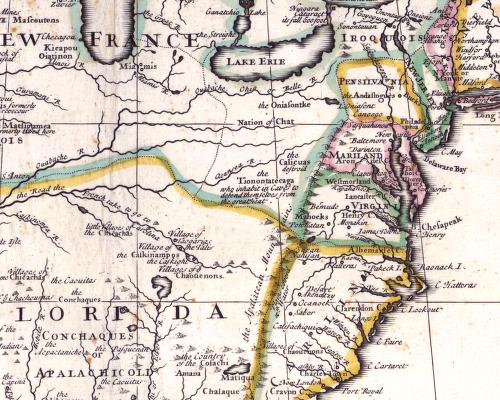
Map of Northeastern Native tribes (ca. 1710), the subjects of my JP research
Amanda Blanco, Class of 2018, Sociology Department
Amanda Blanco is a senior in the Sociology Department. Having taken several journalism courses and being an avid news reader, she was inspired by current events to write a thesis pertaining to the effects of today’s political climate on college campuses. Amanda recently finished her thesis and is in the midst of preparing for her defense. This process of reviewing her research in order to share it with a larger audience has led her to reflect on what the senior thesis experience has been like and what she has learned from the process. Luckily, Amanda had time in her busy schedule to share some of her end-of-year reflections: