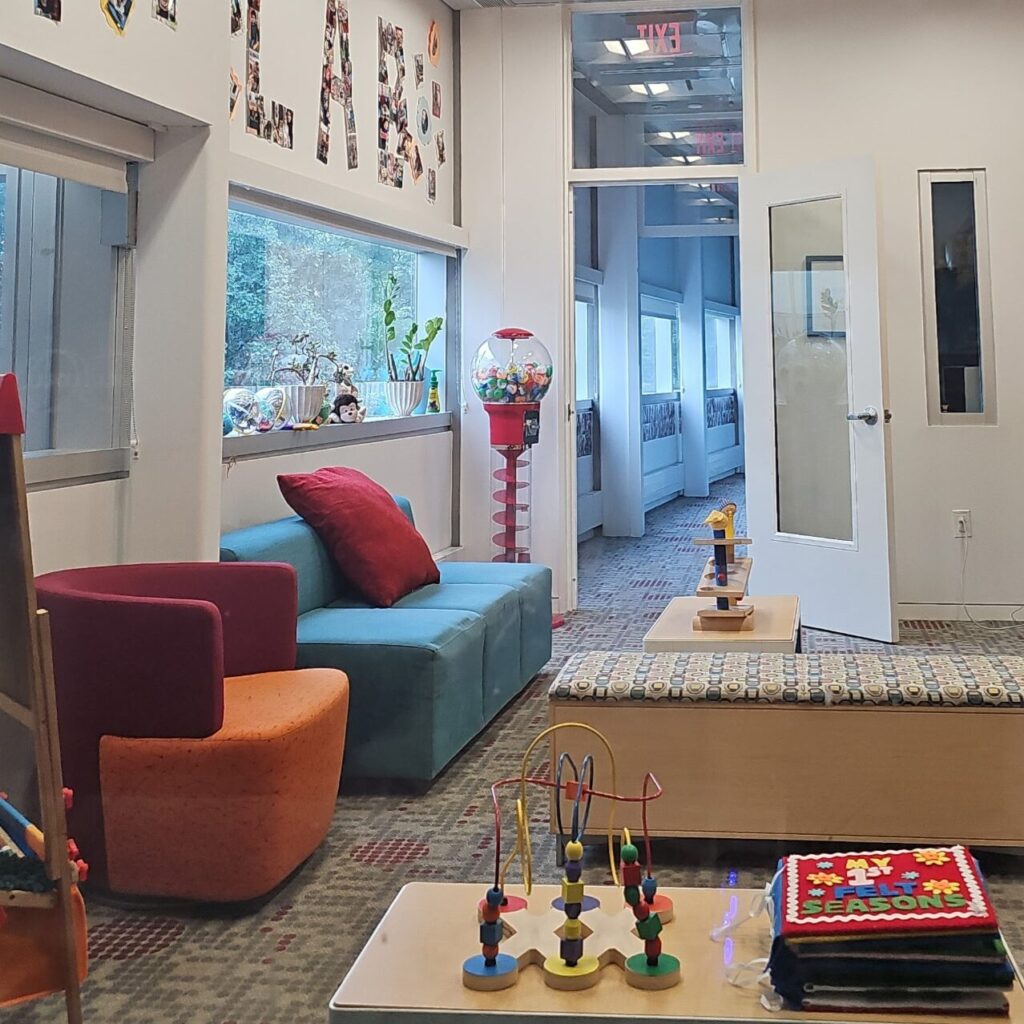
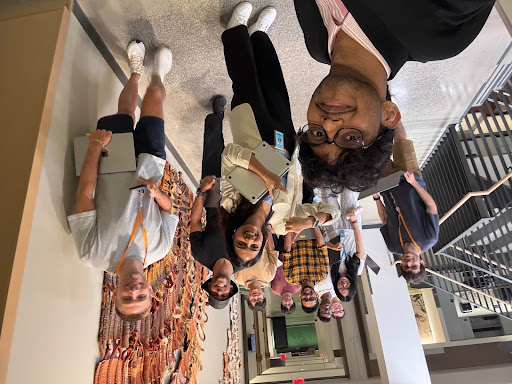
Princeton Baby Lab, Princeton’s developmental psychology lab, located in Princeton Neuroscience Institute (PNI). Photo Credit: Jamilah Araf
Often, when we picture research, we think of beakers or microscopes. However, the study of humans looks very different. I hope to shine light on social science research, specifically psychology research, at Princeton using my experience at the Princeton Baby Lab.
This summer, I worked alongside five other research assistants in the Princeton Baby Lab, Princeton’s developmental psychology lab. All of the projects in the Baby Lab work towards understanding how we learn language during development. However, the projects used a variety of methods to approach this question.
I spent this past summer in the lab on campus, and while that may not be a glamorous Eurosummer, it gave me the opportunity to get to know my lab members better as well as my own research. The supportive community I found not just changed my summer, but also how I view research as a career.
Over the last few weeks of the semester, I needed to make two posters. In preparation, I attended a poster workshop that made me think more intentionally about how to make an effective poster. I’ve outlined some of my key takeaways below that I hope can offer guidance to anyone preparing a poster of their own.
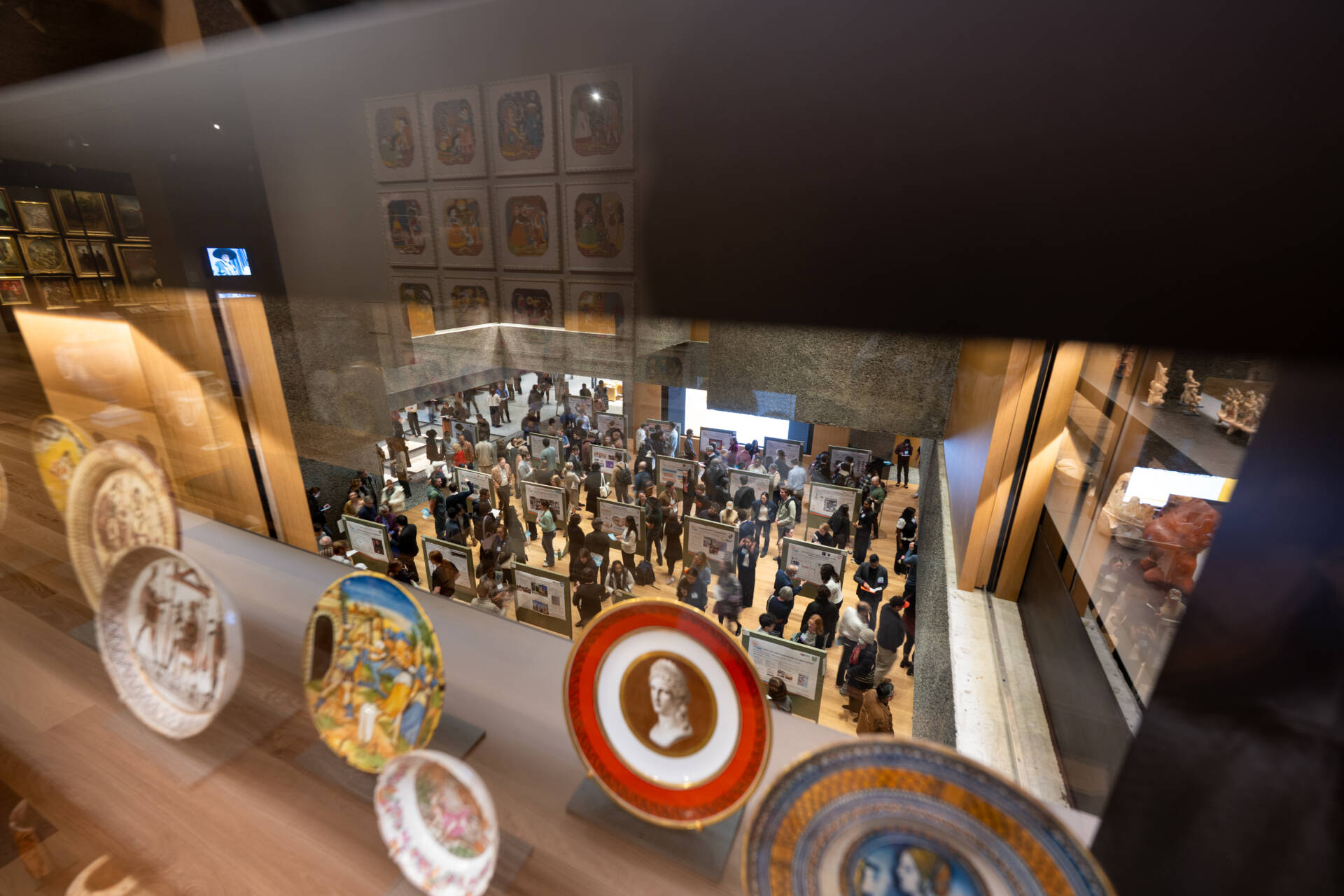
Princeton Research Day in the Princeton University Art Museum. Photo credit: Sameer Khan / Fotobuddy.
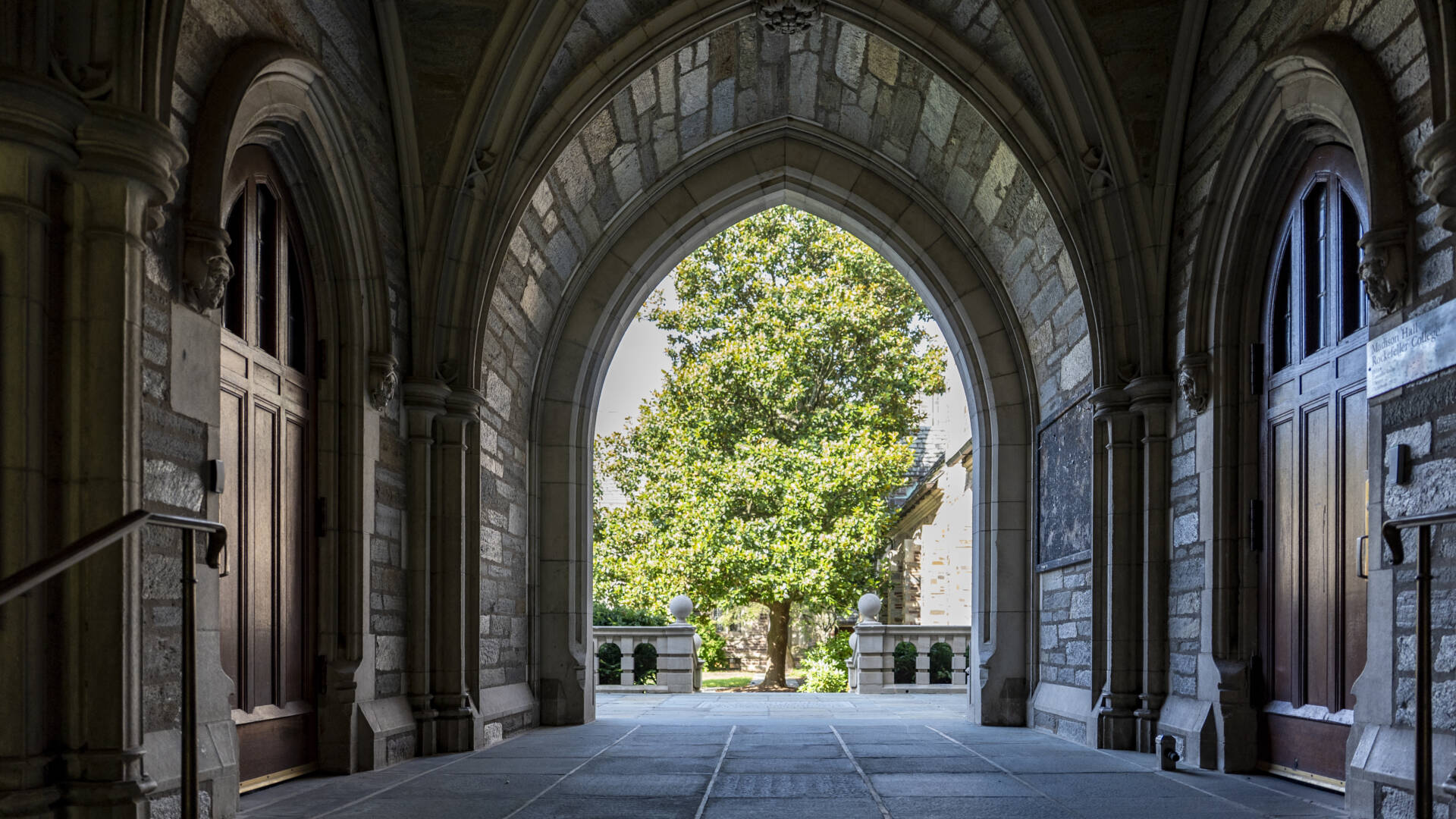
Beautiful summer view at Princeton. Photo Credit: Denise Applewhite.
For those planning to spend their summer researching whether it’s your first foray or your senior thesis, there are a few things that I have taken into consideration this year with my own planning that I think will be useful for others.
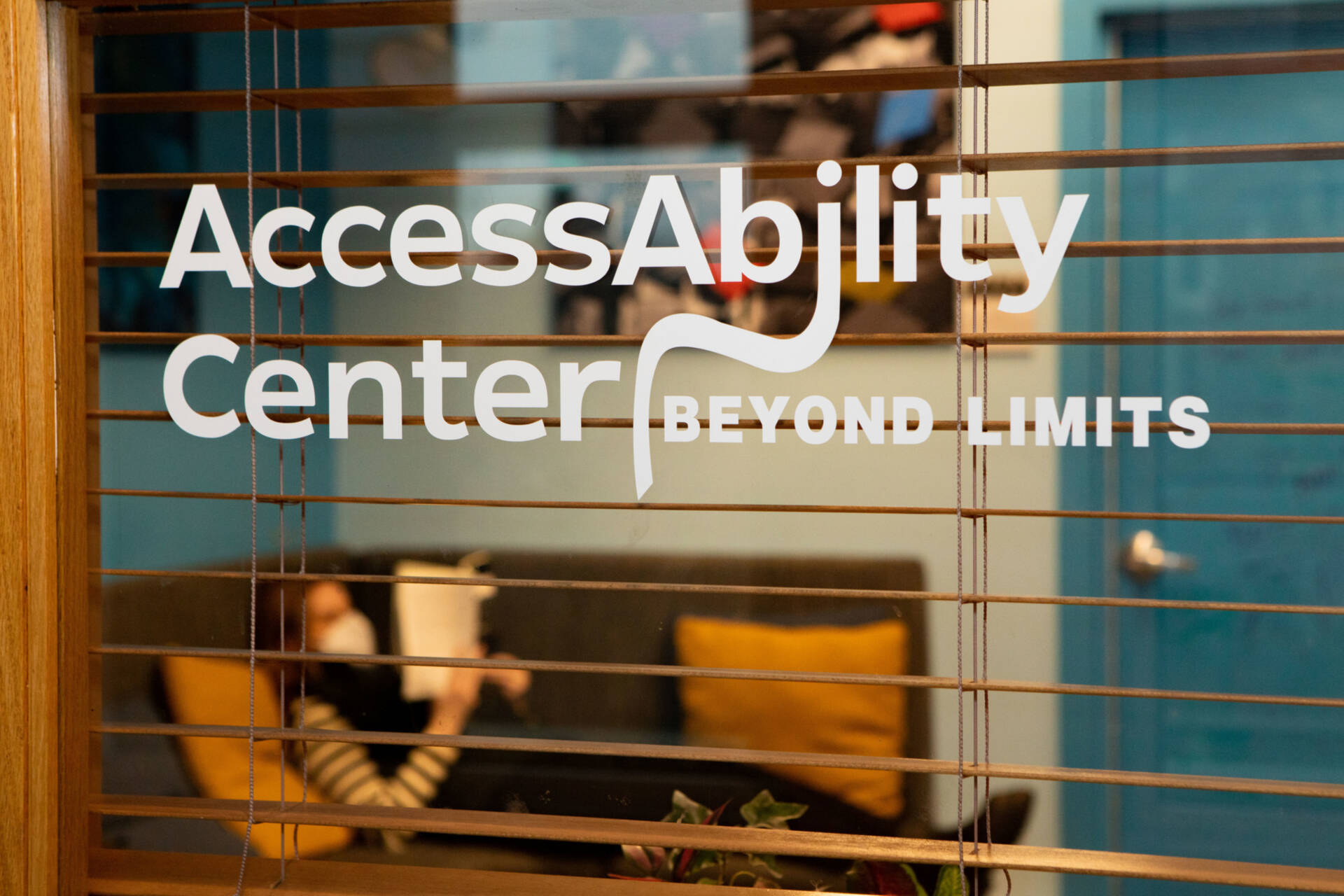
The Office of Disability Services’ AccessAbility Center in Frist Campus Center. Photo Credit: Denise Applewhite.
I have a physical disability, and when I entered Princeton, independent research was something that really daunted me. I have been surprised to find that independent research has been very accessible to me because of the flexibility and control it has given me over my work. Two years ago, I started an archival research project right after a surgery, which put increased limits on my ability. Since the project was self-managed, I was able to schedule archival research appointments around physical therapy appointments. I also received simple accommodations in the archive, like archivists moving boxes for me to support my limitations post-surgery.
That said, disability is diverse, as are research methodologies. Accommodations and approaches to research look different based on the kind of disability you have and the kinds of questions you want to answer. I spoke with Asha Nambiar, the director of Princeton’s Office of Disability Services (ODS), to gather advice on getting involved with research as a student with a disability.
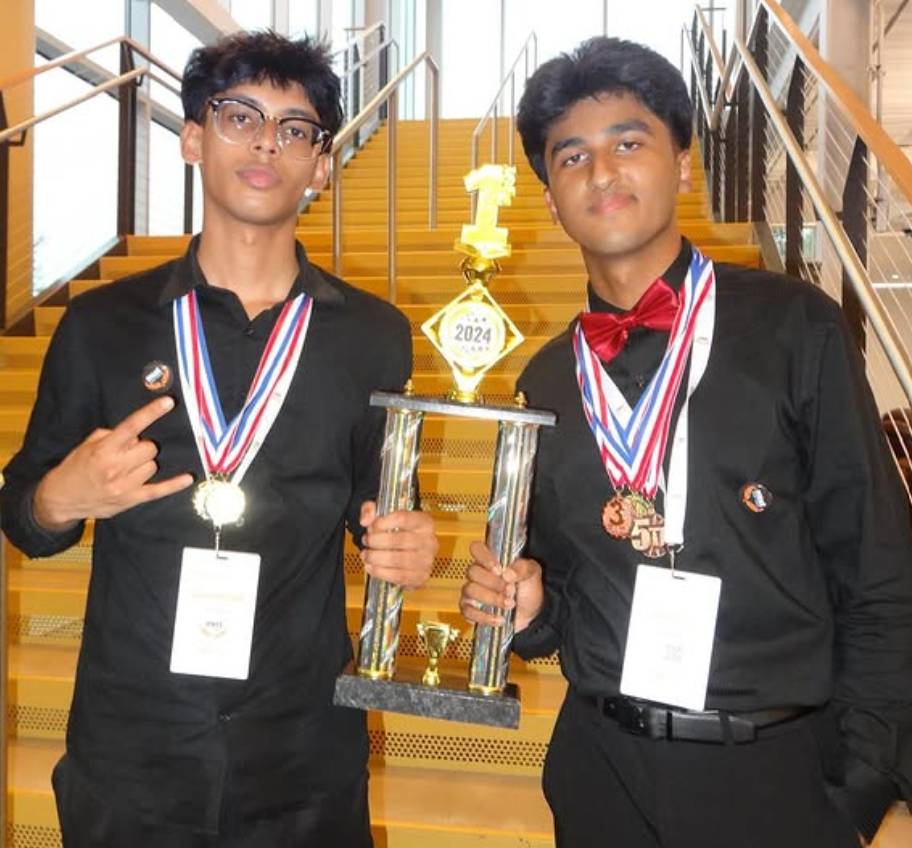
As a first-year, Sadat Ahmed—now a sophomore majoring in Electrical and Computer Engineering—returned to a community that had shaped some of his most defining high school experiences. For Sadat, the Muslim Interscholastic Tournament (MIST) had always been more than a competition. It was where he discovered leadership, formed lasting friendships, and learned to believe in his own potential. Coming back as a Software Engineering Intern gave him the chance to reconnect with the program in a new and meaningful way.
One of the greatest benefits of being a Princeton student is the unparalleled access to international opportunities. Whether it’s traveling for classes and clubs, completing an IIP (International Internship Program), doing fieldwork through HMEI (High Meadows Environmental Institute), taking a Global Seminar course through PIIRS (Princeton Institute for International and Regional Studies), or participating in Princeton’s many language programs abroad, many students find ways to leave the Orange Bubble—literally. To become better-informed global citizens, it is important not only to study the world from Princeton, but also to spend time in the world beyond Princeton.
One powerful way to do this is by conducting research abroad. When I was a junior preparing for my senior thesis, I knew I wanted to incorporate an international dimension into my work and, if possible, travel over winter break of senior year. Although I had been fortunate to travel domestically through Princeton, I hadn’t yet taken advantage of any study or research opportunities abroad. Winter break of senior year is one of the last, and most popular, chances to do so. Princeton has a wide range of thesis funding sources, which makes it very possible to take your research to an international site.
This summer, Princeton sophomore Kyaw Naing returned to his hometown of New York City for a 12-week internship with Amazon’s Grocery Subscription team, an opportunity made possible through the Amazon Future Engineer (AFE) program. AFE is a highly competitive national initiative that aims to support students from underrepresented and underserved communities in STEM, offering college scholarships, mentorship, and paid internships at Amazon. Kyaw was one of only 400 students selected for the program. As an Electrical and Computer Engineering student from Queens, Kyaw saw the internship as a chance to push himself beyond the classroom. During his time with the Grocery Subscription team, he tackled real-world technical challenges at massive scales while working on services that millions of customers rely on every day.
The team owns the whole lifecycle of Grocery Subscription and focuses on building the Amazon Grocery Subscription, enabling customers to subscribe and order groceries. Work on the team involves significant research into sophisticated cloud infrastructure and pipelines and for Kyaw, this was the perfect environment to connect what he learned in his COS classes with real-world practice and research.
Kyaw (front, pink shirt) with his co-workers at Amazon. Photo credit: Kyaw Naing.
This summer, Zara Hommez traveled from Princeton to Doha, Qatar, for an internship at the Qatar Computing Research Institute (QCRI), where she worked in the Humanitarian AI division. As a sophomore majoring in Operations Research and Financial Engineering (ORFE), she was drawn to the placement through Princeton’s International Internship Program (IIP) because it offered a rare blend of quantitative modeling, computer vision, and real-world impact, which is the exact intersection she hopes to pursue.
When browsing IIP opportunities, QCRI immediately stood out. Its mission to use data and AI to address global humanitarian challenges aligned perfectly with her academic interests in optimization, systems thinking, and applied machine learning. The chance to live in Doha, a rapidly growing, modern city at the heart of the Middle East, added an exciting cultural dimension she was eager to explore.
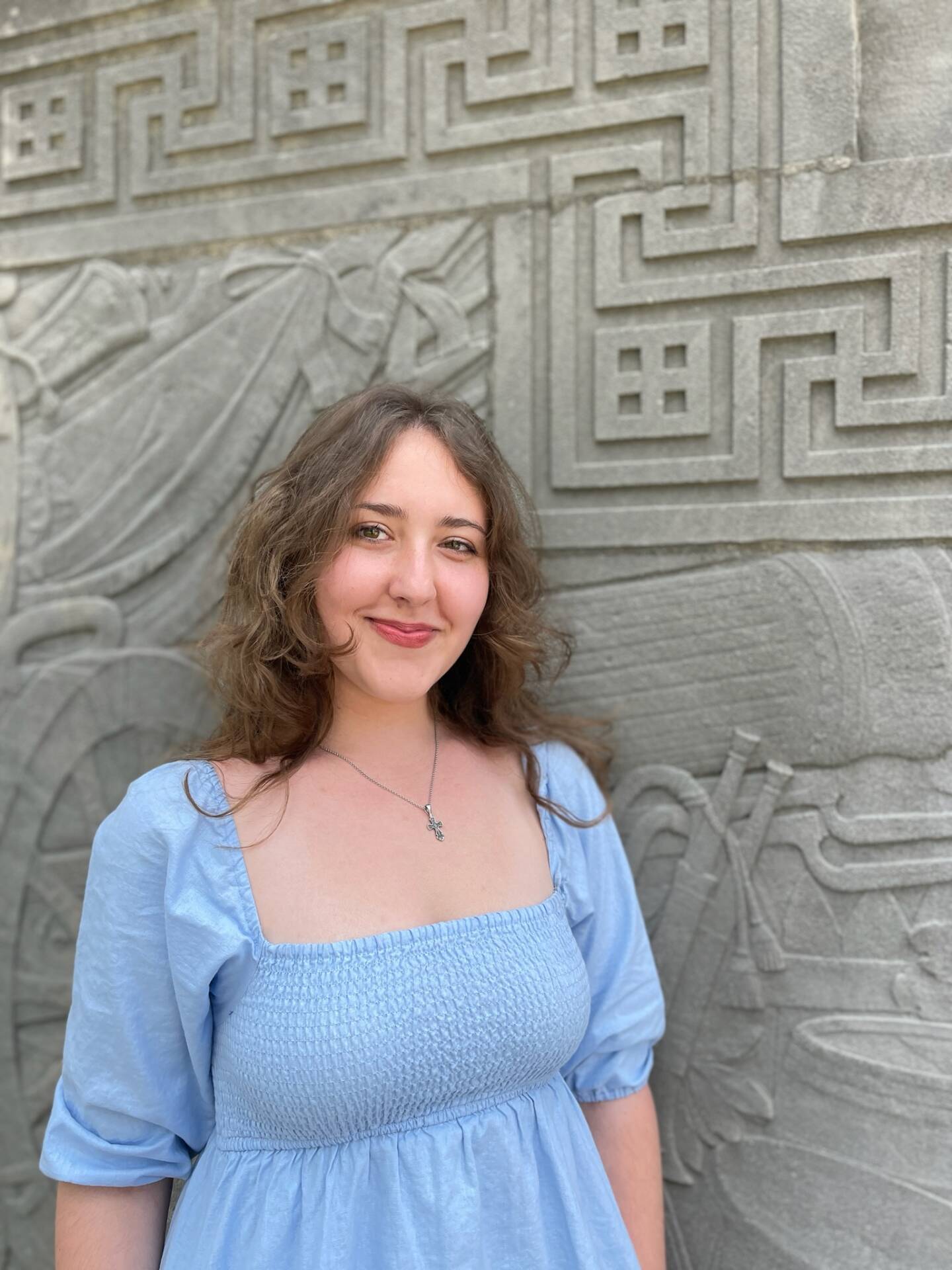
ORFE major Katya Grygorenko (’27) over the summer. Photo credit; Katya Grygorenko.
There’s no doubt that the summer is one of the most promising times to experiment with your research interests, and the International Internship Program (IIP) can provide awesome opportunities for Princeton students to explore those curiosities. From creating theoretical frameworks to engaging with lab-based experimentation, there’s a wide range of ways to explore research through the summer program.
I had the pleasure of sitting down with Katya Grygorenko (‘27), who spent her summer doing research on artificial intelligence (AI) for the Center for the Study of Democracy (CSD), a public policy institute based in Sofia, Bulgaria. The rise of Large Language Learning Models (LLMs) like OpenAI’s ChatGPT and other AI systems has inspired uncertainty, and even fear. The idea of a “black box where people don’t really know what’s going on”, as Grygorenko put it, can feel daunting to think about. But the idea of tackling the ethical challenges of implementing these complex digital systems didn’t scare Grygorenko at all— it excited her.